


Mexico stretches nearly 2,000 miles from the U.S. border to the Yucatán Peninsula, with landscapes and cultures that change dramatically from one region to the next. You can spend the morning exploring Aztec ruins in Mexico City, wander colorful colonial streets in Oaxaca, swim in cenotes on the Yucatán Peninsula, relax at a luxury resort on the Riviera Maya, or watch gray whales migrate along the Baja California coast.
Unlike many destinations, there is no single region that defines a trip to Mexico. Most travelers combine two or three contrasting areas, pairing cities with beaches, archaeological sites with luxury resorts, or cultural experiences with time to relax on the coast. The best itinerary depends less on distance than on the kind of experience you're looking for.
Whether you're interested in world-class food, ancient history, colonial architecture, wildlife, diving, surfing, or simply unwinding at one of Mexico's exceptional beach resorts, this guide will help you choose the regions that best match your travel style.
Mexico destination finder
| If you're looking for... | We'd recommend... |
|---|---|
| Your first trip | Mexico City with the Yucatán Peninsula or Riviera Maya |
| Luxury | Riviera Maya, Baja California Sur, or Puerto Vallarta & Riviera Nayarit |
| City and culture | Mexico City or Oaxaca |
| History | Mexico City, Oaxaca, or the Yucatán Peninsula |
| Maya archaeology | The Yucatán Peninsula or Riviera Maya |
| Colonial towns | Central Mexico or Oaxaca |
| Food & restaurants | Mexico City, Oaxaca, or Mérida |
| Beaches | Riviera Maya, Baja California Sur, or Puerto Vallarta & Riviera Nayarit |
| Surfing | Puerto Vallarta & Riviera Nayarit or Oaxaca |
| Snorkeling | Riviera Maya, Cozumel, or Baja California Sur |
| Scuba diving | Cozumel, Baja California Sur, or Riviera Maya |
| Cenotes | The Yucatán Peninsula or Riviera Maya |
| Whale watching | Baja California Sur |
| Wildlife | Baja California Sur, the Yucatán Peninsula, or Oaxaca |
| Families | Riviera Maya with the Yucatán Peninsula |
| Honeymoons | Baja California Sur, Riviera Maya, or Oaxaca |
| Off-the-beaten-path travel | Oaxaca, Baja California Sur, or Central Mexico |
How should you divide your time?
Mexico is a large country, and its most interesting destinations are spread across thousands of miles. While domestic flights make it easy to travel between regions, most itineraries are more enjoyable when they focus on two or three complementary areas rather than trying to see everything in one trip.
As a general rule:
5–7 days: One to two destinations
8–10 days: Two to three destinations
11–14 days: Three destinations
15+ days: Four or more destinations, including some of Mexico's lesser-visited regions.
For a first visit, we usually recommend combining Mexico City with either the Yucatán Peninsula or the Riviera Maya, depending on whether you're more interested in culture and archaeology or time at the beach. Travelers with additional time can add Oaxaca, Central Mexico, or Baja California Sur to experience another side of the country, from colonial cities and world-class cuisine to whale watching and desert landscapes.

Mexico's regions
Central Mexico
Mexico City
Mexico City is one of the world's great capitals, blending centuries of history with one of the most exciting food scenes anywhere in the Americas. Built on the site of the Aztec capital of Tenochtitlán, the city is home to world-class museums, vibrant neighborhoods, archaeological sites, markets, and an outstanding collection of restaurants. Whether you're exploring the historic center, strolling through Chapultepec Park, or visiting Frida Kahlo's Casa Azul, there's enough here to fill several days.
Most visitors spend three or four nights in Mexico City before continuing elsewhere in the country. It pairs naturally with Central Mexico, Oaxaca, the Yucatán Peninsula, or the Riviera Maya.
San Miguel de Allende, Guanajuato & Querétaro
The heart of colonial Mexico lies a few hours north of the capital, where beautifully preserved cities, vineyards, and rolling highlands create one of the country's most rewarding road-trip regions. San Miguel de Allende is known for its art galleries, boutique hotels, and rooftop dining, Guanajuato for its colorful hillside streets and mining history, and Querétaro for its elegant historic center and growing wine region.
This region is ideal for travelers interested in architecture, food, history, and slower-paced travel. It combines particularly well with Mexico City for a culture-focused itinerary.
Guanajuato
Built into a narrow mountain valley, Guanajuato is one of Mexico's most distinctive colonial cities. Colorful hillside houses, underground streets, historic plazas, and centuries of silver mining history have earned the city UNESCO World Heritage status. Its lively university population also gives Guanajuato a vibrant cultural scene throughout the year.
It pairs particularly well with San Miguel de Allende as part of a Central Mexico itinerary.
Querétaro
Querétaro combines one of Mexico's most elegant historic centers with nearby vineyards, wine country, and several charming pueblos mágicos. Its central location also makes it an excellent gateway to the Sierra Gorda Biosphere Reserve for travelers interested in nature alongside colonial history.
Querétaro works well as either a short stop from Mexico City or as part of a broader Central Mexico road trip.
Oaxaca
Oaxaca City
Oaxaca is one of Mexico's cultural capitals, celebrated for its Indigenous traditions, exceptional cuisine, colorful markets, and thriving artisan communities. Nearby Monte Albán, ancient Zapotec archaeological sites, mezcal distilleries, weaving villages, and Hierve el Agua make it easy to spend several days exploring beyond the city itself.
Oaxaca appeals equally to food lovers, history enthusiasts, and travelers interested in experiencing one of Mexico's most distinctive cultural regions.


Puerto Escondido
Puerto Escondido offers a completely different side of Oaxaca. Set along the Pacific coast, it's known for golden beaches, excellent surfing, sea turtle releases, and a growing collection of boutique hotels and design-forward accommodations. While Zicatela Beach attracts surfers from around the world, quieter bays such as Carrizalillo and Bacocho appeal to swimmers and travelers looking to relax.
Puerto Escondido pairs naturally with Oaxaca City, allowing visitors to experience both the state's cultural heart and its Pacific coastline.
Chiapas
San Cristóbal de las Casas
Set high in the mountains of southern Mexico, San Cristóbal de las Casas is one of the country's most charming colonial cities. Indigenous cultures remain an integral part of daily life, while colorful markets, artisan workshops, historic churches, and excellent cafés create a welcoming atmosphere for visitors.
The surrounding highlands offer opportunities to visit traditional Tzotzil and Tzeltal Maya communities, making San Cristóbal one of Mexico's most culturally rewarding destinations.
Explore San Cristóbal de las Casas →
Palenque
Surrounded by tropical rainforest, Palenque is home to one of the most remarkable Maya archaeological sites in the Americas. Although smaller than Chichén Itzá or Tikal, its beautifully preserved temples, intricate carvings, and jungle setting make it one of Mexico's most atmospheric ruins.
Many travelers combine Palenque with waterfalls such as Agua Azul and Misol-Há before continuing into the Yucatán Peninsula or returning to San Cristóbal de las Casas.
Yucatán Peninsula
Mérida
Mérida serves as the cultural heart of the Yucatán Peninsula. Elegant colonial architecture, lively plazas, museums, and one of Mexico's best regional food scenes make it an excellent base for exploring the surrounding region. Day trips include Uxmal, the Puuc Route, Celestún's flamingos, historic haciendas, and dozens of cenotes hidden throughout the countryside.
Mérida works particularly well for travelers interested in history, food, and experiencing Yucatán beyond the beach resorts.
Valladolid
Located between Mérida and the Caribbean coast, Valladolid is one of Mexico's most attractive colonial towns and an ideal base for exploring the eastern Yucatán. Chichén Itzá, Ek Balam, cenotes, and traditional Maya communities are all within easy reach, making the town a natural stop between inland Yucatán and the Riviera Maya.
Most travelers spend two or three nights here before continuing to the coast.
Campeche
One of Mexico's few walled cities, Campeche combines colorful colonial architecture with a fascinating maritime history. Its restored fortifications, quiet plazas, and waterfront promenade make it one of the country's most underrated destinations, while nearby Edzná offers an impressive Maya archaeological site without the crowds found elsewhere on the peninsula.
Campeche pairs naturally with Mérida and is best suited to travelers looking to venture beyond the classic Yucatán circuit.

Bacalar
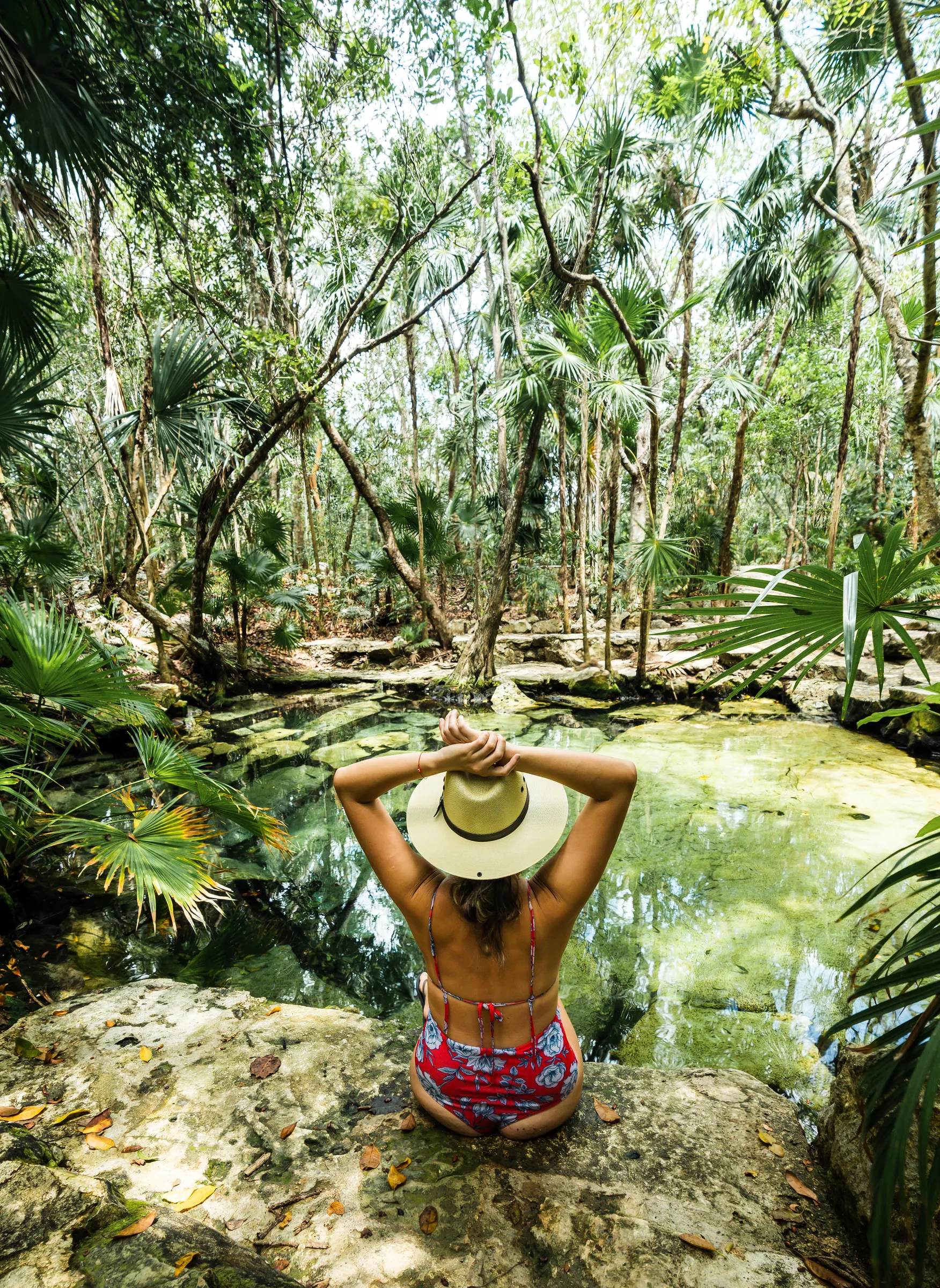
Often called the "Lagoon of Seven Colors," Bacalar is one of Mexico's most peaceful waterfront destinations. Its freshwater lagoon stretches for more than 25 miles, with remarkably clear water ranging from pale turquoise to deep blue. Unlike the Riviera Maya, there are no ocean waves or large beachfront resorts. Instead, travelers spend their days swimming, kayaking, paddleboarding, or sailing between cenotes, shallow sandbars, and small islands.
Bacalar is an excellent choice for travelers looking to slow down after exploring the Yucatán Peninsula or before continuing to the Riviera Maya. Boutique hotels line the lagoon, creating a relaxed atmosphere that's well suited to couples, families, and anyone looking for a quieter alternative to Mexico's Caribbean coast.
Holbox
Just off the northern coast of the Yucatán Peninsula, Holbox offers a slower pace than the Riviera Maya. Sandy streets, boutique hotels, shallow turquoise water, and a relaxed atmosphere make it a favorite for travelers looking to disconnect for a few days. Between June and September, whale sharks migrate through the surrounding waters, creating one of Mexico's most memorable wildlife experiences.
Holbox works well at the beginning or end of a Yucatán itinerary and offers a quieter alternative to the mainland beaches.
Riviera Maya
Playa del Carmen, Akumal & Tulum
Stretching along Mexico's Caribbean coastline, the Riviera Maya combines white-sand beaches, turquoise water, coral reefs, cenotes, and some of the country's most famous archaeological sites. Playa del Carmen serves as the region's hub, while Akumal is known for snorkeling with sea turtles and Tulum blends boutique hotels with Maya ruins overlooking the Caribbean Sea.
The Riviera Maya appeals to a wide range of travelers, from families staying at beachfront resorts to couples seeking boutique hotels or wellness retreats. Most visitors spend four to seven nights here, balancing time on the beach with snorkeling, sailing, cenote swimming, and visits to nearby archaeological sites.
Cozumel
Just off the coast from Playa del Carmen, Cozumel is one of the Caribbean's premier diving destinations. The island sits alongside the Mesoamerican Barrier Reef, the second-largest coral reef system in the world, with exceptional visibility, healthy reefs, and abundant marine life attracting divers from around the globe.
Even non-divers enjoy Cozumel's relaxed atmosphere, quiet beaches, and waterfront villages. It pairs naturally with the Riviera Maya and is an excellent choice for travelers looking to spend more time on or beneath the water.
Puerto Vallarta & Riviera Nayarit
Puerto Vallarta
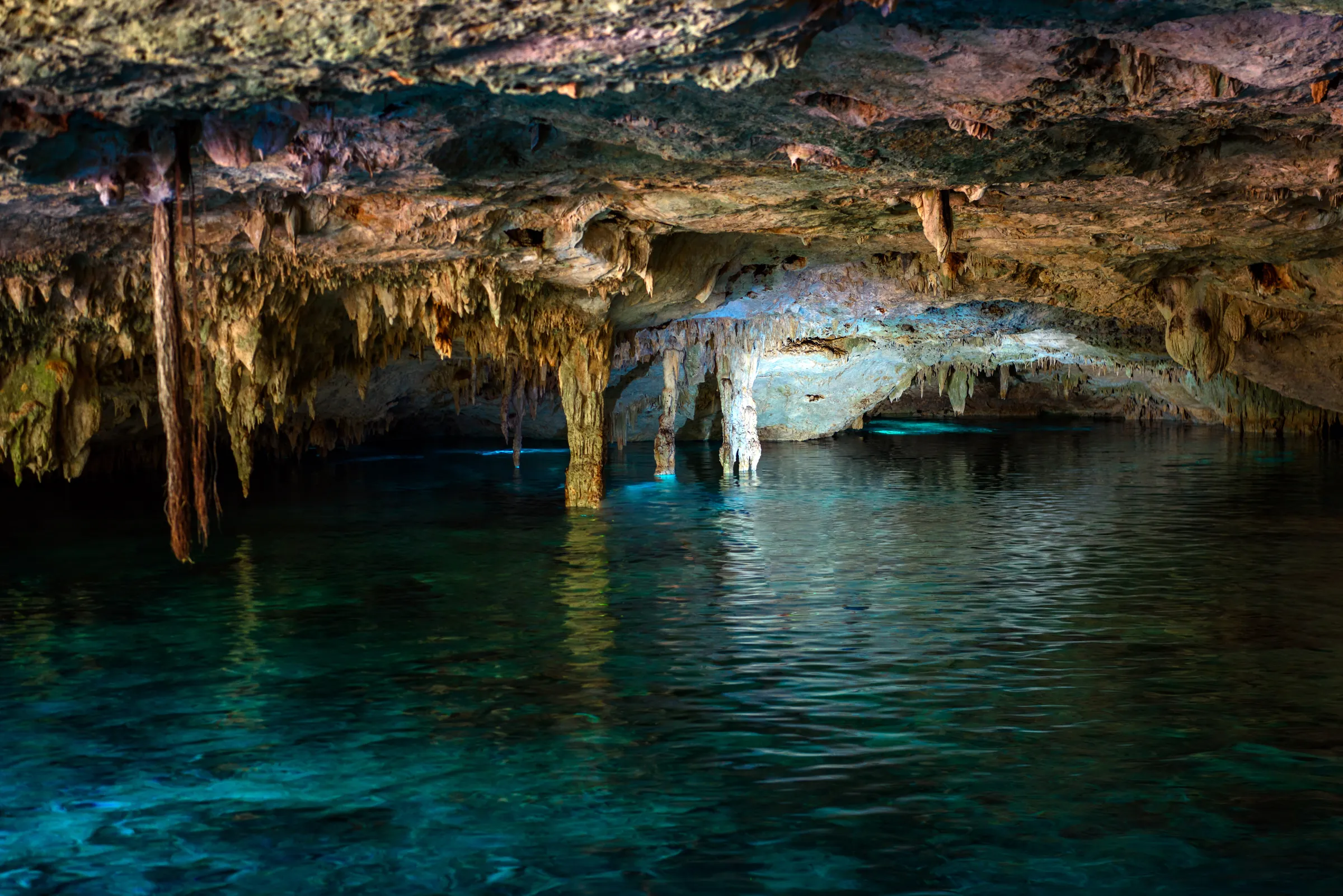
Set between the Sierra Madre Mountains and the Pacific Ocean, Puerto Vallarta combines beautiful beaches with one of Mexico's most vibrant culinary and cultural scenes. The city's historic center, waterfront Malecón, galleries, and lively restaurant scene give it a character that's distinctly different from Mexico's purpose-built beach resorts.
Puerto Vallarta works well for travelers looking to combine beach time with excellent dining, local culture, and easy access to boat excursions, snorkeling, whale watching, and nearby jungle adventures.
Punta Mita & Riviera Nayarit
North of Puerto Vallarta, Riviera Nayarit stretches along a scenic coastline of sheltered bays, surf towns, and luxury resorts. Punta Mita is home to some of Mexico's finest beachfront hotels, while Sayulita and San Pancho offer a more laid-back atmosphere with boutique hotels, surfing, and local restaurants.
The region is ideal for travelers seeking luxury accommodations, golf, surfing, sailing, or simply a quieter alternative to larger resort destinations.
Costalegre
South of Puerto Vallarta, Costalegre remains one of Mexico's least developed luxury coastlines. Protected bays, jungle-covered hills, and long stretches of undeveloped beach create a very different experience from Mexico's more established resort areas. Several of the country's most exclusive resorts are found here, offering exceptional privacy and direct access to nature.
Costalegre is best suited to travelers looking to disconnect, enjoy outstanding service, and experience one of Mexico's most secluded coastal regions.
Baja California Sur
Los Cabos
Located where the Sea of Cortez meets the Pacific Ocean, Los Cabos combines dramatic desert landscapes with luxury resorts, championship golf courses, sport fishing, and lively dining. Cabo San Lucas offers vibrant nightlife and marina activities, while nearby San José del Cabo is known for its historic center, galleries, and slower pace.
Los Cabos is one of Mexico's premier luxury destinations and appeals equally to couples, families, golfers, and travelers looking to spend time on the water.
La Paz
La Paz sits on the shores of the Sea of Cortez and is one of Mexico's best destinations for marine wildlife. Boat excursions visit the protected islands of Espíritu Santo National Park, while seasonal encounters with whale sharks, sea lions, dolphins, and migrating whales make the region especially rewarding for nature lovers.
Compared with Los Cabos, La Paz offers a more relaxed atmosphere and pairs well with travelers interested in wildlife, snorkeling, kayaking, and conservation-focused experiences.
Todos Santos
Halfway between Cabo San Lucas and La Paz, Todos Santos has become one of Baja California Sur's premier boutique destinations. Art galleries, farm-to-table restaurants, boutique hotels, and nearby surf beaches have transformed this historic town into a favorite for travelers seeking a slower pace without sacrificing comfort.
Todos Santos is an excellent complement to either Los Cabos or La Paz and works particularly well for couples interested in food, art, and boutique accommodations.

