

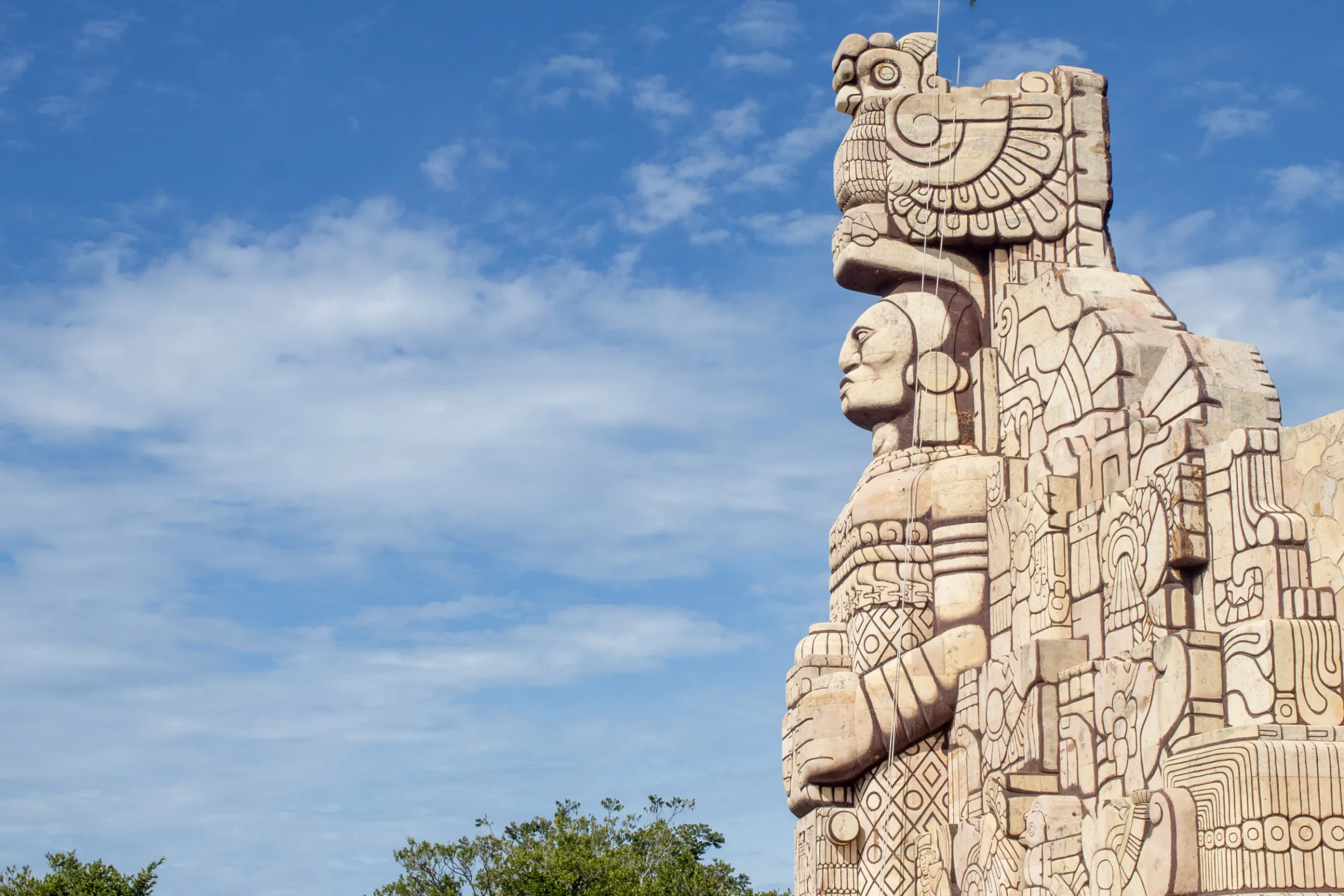
Mérida is the cultural and administrative capital of Yucatán, built on and with material from the Maya city of T'hó. The historic center contains churches, arcades, markets, museums, theaters, and houses adapted to a hot limestone plain, while Paseo de Montejo reflects the wealth generated during the henequen era. The city is also a gateway to cenotes, former haciendas, Maya communities, coastal wetlands, and archaeological sites spread across the peninsula.
At a glance
| Best for | Food, architecture, Maya history, markets, design, haciendas, cenotes, and cultural events |
|---|---|
| Don't miss | The Plaza Grande, a market and food experience, Paseo de Montejo, a cenote, and one archaeological or hacienda day |
| Recommended stay | 4 to 6 nights |
| Best area to stay | Centro Histórico or the Paseo de Montejo area |
| Pairs well with | Valladolid, Campeche, Bacalar, Isla Holbox, and the Riviera Maya |
| Closest airport | Mérida International Airport (MID) |
| Best time to visit | November through March for the coolest and driest weather |
| Getting around | Private transfers, guided walks, and regional day excursions |
| Budget | $$ to $$$$ |
Why stay in Mérida?
Mérida's center is one of Mexico's largest historic districts, but its character changes by block. The Plaza Grande contains the cathedral, Casa de Montejo, and government buildings, while neighborhoods such as Santiago, Santa Ana, Santa Lucía, and La Ermita have their own markets, churches, and evening life.
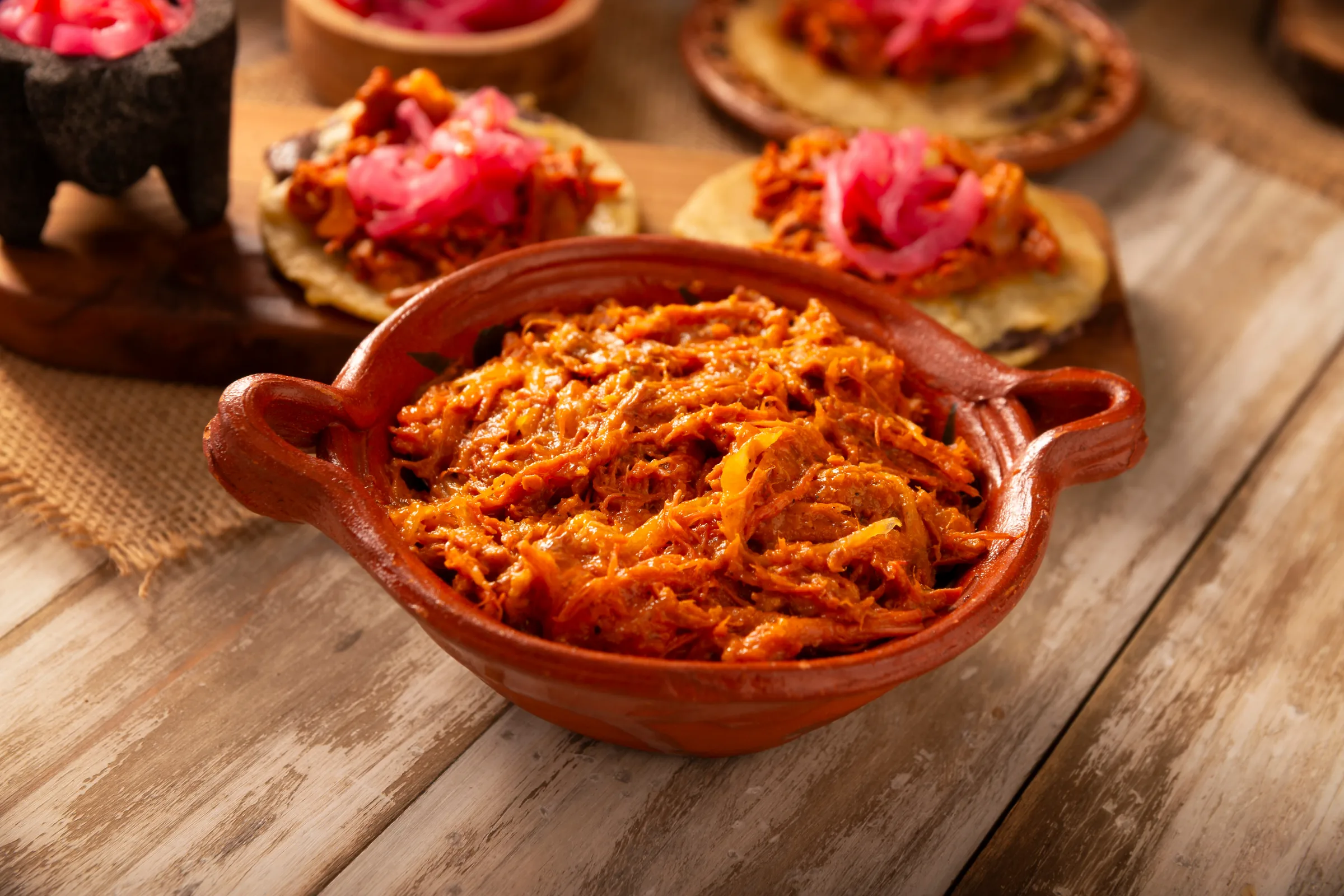
Yucatecan food developed through Maya ingredients and techniques alongside Spanish, Lebanese, Caribbean, and other influences. Maize, achiote, sour orange, turkey, pork, habanero, pumpkin seed, and recados appear across home kitchens, markets, and restaurants, but regional variation extends far beyond the most famous dishes.
Paseo de Montejo and its mansions reflect the henequen boom of the late nineteenth and early twentieth centuries. The architecture is impressive, but interpretation should also address land concentration, debt labor, Maya workers, global fiber markets, and the social inequalities behind that wealth.
Cenotes are openings into the peninsula's underground freshwater system. Their geology, ceremonial significance, ecological sensitivity, depth, and swimming conditions vary widely. Privately managed or community-run sites can provide a quieter experience than heavily commercialized parks.
Mérida is well positioned for Uxmal and the Puuc route, Dzibilchaltún, coastal wetlands, and former haciendas. Chichén Itzá is closer to Valladolid, so travelers should avoid using Mérida as the departure point for every major peninsula excursion.
Our take: keep two full days for Mérida and add no more than two regional day trips during a five-night stay. The city has enough food, architecture, and neighborhood life to justify unstructured time.
Is Mérida a good fit?
- Enjoy regional food, markets, and architecture.
- Want cultural depth alongside cenotes and archaeological sites.
- Prefer a living city to a purpose-built beach destination.
- Appreciate small hotels in restored houses.
- Want a base for Uxmal, haciendas, and Yucatán communities.
- Can manage tropical heat and humidity.
Valladolid is smaller and closer to Chichén Itzá, while Mérida provides a deeper restaurant, museum, and neighborhood scene. Campeche is more compact and maritime, with fortified walls and a quieter evening atmosphere.
Best things to do
Walk the Plaza Grande and surrounding streets
A guided route can connect the cathedral, Casa de Montejo, murals, arcades, markets, and the history of T'hó beneath the colonial city.
Explore Mérida through food
Markets, bakeries, family-run restaurants, and contemporary kitchens reveal the range of Yucatecan cooking. A focused experience is more informative than attempting every famous dish in one day.
Visit Paseo de Montejo
Walk or drive the boulevard to examine mansions, monuments, and the henequen-era transformation of the city. Museum access varies by building.
Visit Uxmal
The Puuc-style city is known for carved stone mosaics, long façades, courtyards, and monumental platforms. It receives fewer visitors than Chichén Itzá and is effective with a specialist guide.
Swim in a cenote responsibly
Select a site according to water access, crowd level, and mobility. Shower before entering, avoid products that can affect the water, and follow community rules.
Spend time at a restored hacienda
Haciendas reveal architecture, agriculture, labor history, and modern reuse. A meaningful visit addresses the henequen economy rather than presenting only gardens and elegant rooms.
Visit a neighborhood market
Santiago, Lucas de Gálvez, Santa Ana, and other markets differ in scale and purpose. Morning visits provide the strongest food and produce activity.
See music or dance in a public square
Mérida supports frequent public cultural programs, though schedules change. A local guide or hotel can confirm current performances without building the entire trip around one event.


Where to stay
Stay in Centro Histórico for plazas, markets, restaurants, and restored-house hotels. The central district is large, so walking distance to the specific sights and neighborhoods matters.
Stay near Paseo de Montejo for broader avenues, museums, restaurants, and easier vehicle access. the setting is more spacious and less intensely colonial than the blocks around Plaza Grande.
Stay in La Ermita or Santiago for residential streets and small boutique hotels near neighborhood parks. These areas provide a quieter setting while remaining within the historic district.
Stay at a rural hacienda for two or three nights only when the estate, spa, or countryside is a primary part of the trip. It should complement rather than replace time in Mérida.
Our favorite hotels
Casa Lecanda
Casa Lecanda has seven rooms in a restored early twentieth-century house in Centro. Internal gardens, original pasta-tile floors, and a minimum guest age of 16 create a quiet residential stay for couples.
CIGNO
CIGNO has 10 rooms and suites in the La Ermita neighborhood. The property has two pools, contemporary Yucatecan design, and a position away from the busiest central blocks.
Chablé Yucatán
Chablé Yucatán has approximately 40 casitas and villas across a vast former hacienda estate outside Mérida. The property has private pools, a spa built around a cenote, and extensive grounds.
Best time to visit
November through March brings the coolest and driest weather, with warm days and more comfortable evenings. Festive periods and winter weekends attract strong domestic and international demand.
April and May are very hot. June through October brings greater humidity, afternoon storms, and tropical-weather risk, although cultural activities continue throughout the year.
Pair it with
- Valladolid for a smaller colonial city, cenotes, and Chichén Itzá.
- Campeche for fortified walls, Gulf history, and a quieter coastal center.
- Bacalar Lagoon for freshwater scenery and a slower southern Yucatán stay.
- Isla Holbox or the Riviera Maya for a beach extension.
Getting there
Mérida International Airport sits southwest of the center and receives domestic and selected international flights. Regional road journeys are straightforward in distance but can be affected by heat, road works, and town traffic.
Approximate travel times:
- Mérida Airport to Centro Histórico: 20 to 35 minutes
- Mérida to Uxmal: 1 to 1.25 hours
- Mérida to Valladolid: 2 to 2.5 hours
- Mérida to Campeche: 2 to 2.5 hours
- Mérida to Chablé Yucatán: 35 to 50 minutes
- Mérida to the northern Yucatán coast: 45 to 90 minutes
We organize day trips by direction and avoid combining Uxmal, cenotes, and distant towns in one rushed circuit. Summer excursions begin early to reduce heat exposure.

Frequently asked questions
How many nights should I stay in Mérida?
Four nights provide three full days for the city and one regional outing. Five or six nights allow Uxmal, a cenote or hacienda, and slower neighborhood exploration.
Is Mérida a good base for Chichén Itzá?
It is possible, but Valladolid is considerably closer and allows an earlier arrival. Mérida is better positioned for Uxmal, the Puuc route, haciendas, and the western peninsula.
How hot is Mérida?
April through June can be extremely hot and humid, with intense midday sun. Begin outdoor touring early, schedule indoor breaks, and choose a hotel with effective cooling.
Are cenotes safe for swimming?
Conditions vary. Use established sites, follow depth and life-jacket rules, and avoid entering after heavy rain or when staff restrict access. Non-swimmers can choose viewing platforms or shallow areas.
Is Mérida suitable for families?
Yes. Markets, food, museums, cenotes, haciendas, and archaeology work well across ages. Family-friendly hotel facilities and heat management are important.
Should I stay in a hacienda or in the city?
Stay in the city for a first visit and add a hacienda when there are at least five or six nights. A rural resort provides space and wellness but limits spontaneous evening access to Mérida.
Is the historic center walkable?
Yes, but it covers a large area and heat can make distances feel longer. Private transfers between neighborhoods and midday breaks improve the experience.
What should I pack?
Bring lightweight breathable clothing, strong sun protection, a compact rain layer, insect repellent, and supportive sandals or shoes. Many churches and cultural sites call for respectful coverage.


