


A month-by-month guide to weather, wildlife, crowds, and the best time to visit for you.
Mexico's size means there's no single weather pattern that applies across the country. Desert landscapes in Baja California, colonial cities in the central highlands, tropical beaches along the Caribbean and Pacific, cloud forests in Chiapas, and the Copper Canyon all experience different climates. In general, the dry season offers the most reliable conditions for combining multiple regions, while the rainy season brings greener landscapes, fewer visitors, and excellent value in many destinations.
Understanding Mexico's seasons
Mexico experiences two primary travel seasons rather than four distinct ones. Across much of the country, the dry season runs from November through April, while the rainy season typically lasts from May through October. Temperatures also vary dramatically with elevation. Coastal destinations remain warm year-round, while cities such as Mexico City, San Miguel de Allende, and Oaxaca enjoy much milder temperatures thanks to their higher altitude.
Dry season (November through April)
The dry season brings sunny days, lower humidity, and excellent conditions for exploring much of the country. It's the ideal time to combine colonial cities, archaeological sites, beaches, and natural areas, with comfortable weather in Central Mexico and reliable sunshine along much of the coast. This is also Mexico's busiest travel season, particularly during Christmas, New Year's, spring break, and Semana Santa, when many hotels should be booked well in advance.
Shoulder season (May, June & November)
These months offer one of the best balances of weather, value, and fewer visitors. Rainfall is generally limited to afternoon or evening showers in many parts of the country, while hotel rates are often lower than during the winter peak season. November is one of our favorite months to recommend, thanks to pleasant weather across much of Mexico, the return of the dry season, and seasonal events such as Día de los Muertos and the arrival of monarch butterflies.
Rainy season (May through October)
The rainy season brings warmer temperatures, higher humidity, and regular afternoon showers across much of Mexico. Rain rarely lasts all day, and mornings are often sunny enough for sightseeing and outdoor activities. Landscapes become noticeably greener, waterfalls flow more strongly, and wildlife experiences such as whale shark season and sea turtle nesting reach their peak. This period also overlaps with hurricane season along the Caribbean, Gulf, and Pacific coasts, with the greatest likelihood of tropical storms generally occurring between August and October. Inland destinations, particularly those in Central Mexico, are typically less affected than coastal regions.
Mexico weather at a glance
| Month | Conditions | Crowds | Great for |
|---|---|---|---|
| January | Dry and sunny across much of the country, with cool mornings at higher elevations | High | Baja whales, monarch butterflies, cities, and beach vacations |
| February | Dry with warm afternoons, cooler highland evenings, and reliable coastal weather | High | Whale watching, monarch butterflies, archaeology, and honeymoons |
| March | Warm, sunny, and dry across most regions | High | First-time visits, cultural routes, beaches, and outdoor activities |
| April | Hot and mostly dry, with increasing heat in inland and tropical regions | Very high | Semana Santa, beaches, cenotes, and family travel |
| May | One of the hottest months, with the first regular rains arriving in many regions | Medium | Better value, whale sharks, cities, and quieter resorts |
| June | Warm and humid with sunny mornings and more frequent afternoon rain | Low to medium | Whale sharks, sea turtles, lush scenery, and lower rates |
| July | Warm and humid with afternoon showers, especially in central and southern Mexico | Medium | Families, whale sharks, cenotes, and summer vacations |
| August | Hot, humid, and rainy, with increasing tropical storm risk along the coasts | Medium | Whale sharks, turtle season, lower rates, and flexible travelers |
| September | One of the wettest months, with the highest hurricane risk along many coastal areas | Low | Independence celebrations, low-season value, and inland city trips |
| October | Rain remains likely, although conditions begin improving toward the end of the month | Low to medium | Cultural travel, green landscapes, and late-month Oaxaca trips |
| November | Rain eases, humidity drops, and the dry season begins across much of Mexico | High around major events | Día de los Muertos, monarch butterflies, cities, and multi-region trips |
| December | Dry and sunny with comfortable temperatures in most major travel regions | High | Winter sun, whale watching, beaches, and holiday travel |

January in Mexico
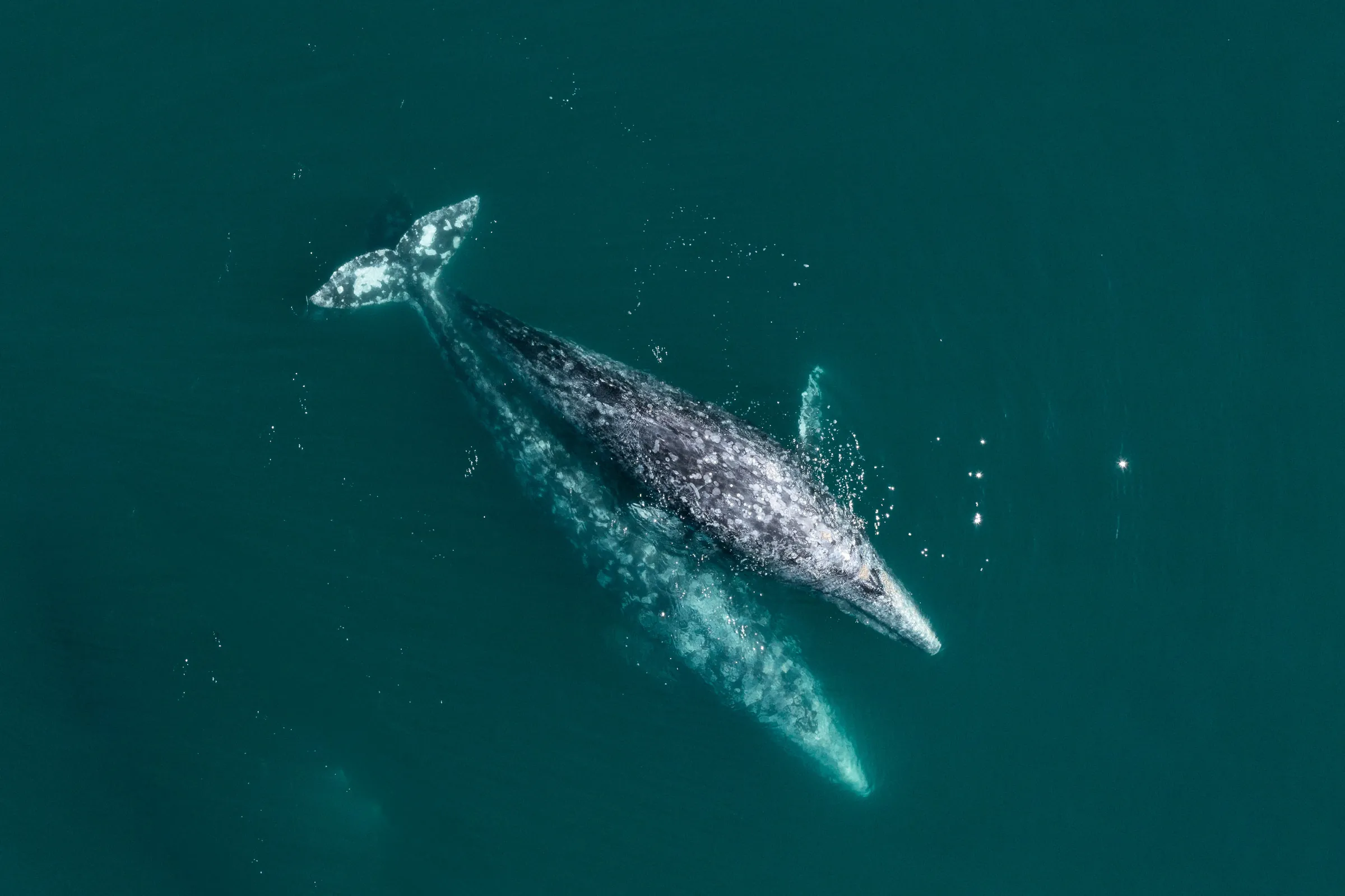
January falls in the heart of Mexico's dry season and is one of the best months to visit. Sunny days, low humidity, and comfortable temperatures make it an excellent time to explore colonial cities, archaeological sites, and beach destinations. It's also peak season for gray whale watching in Baja California Sur and one of the best months to visit the monarch butterfly reserves in central Mexico.
Best for: Whale watching, monarch butterflies, Mexico City, Yucatán, Baja California Sur, and beach vacations.
February in Mexico
February continues the dry season with warm days, cool evenings in the highlands, and reliable weather across much of the country. Gray whale season remains in full swing, monarch butterflies are still active in the oyamel forests of Michoacán, and conditions are excellent for combining cities, beaches, and archaeological sites in one itinerary.
Best for: Honeymoons, Baja California Sur, monarch butterflies, colonial cities, and first-time visits.
March in Mexico
March is one of the driest and most comfortable months to travel throughout Mexico. Beaches enjoy warm water and abundant sunshine, while central Mexico experiences pleasant daytime temperatures that are ideal for sightseeing. Spring break can increase visitor numbers in some coastal destinations, particularly Cancun and Los Cabos.
Best for: Beaches, cultural itineraries, Mexico City, San Miguel de Allende, Oaxaca, and family vacations.
April in Mexico
April combines reliable dry-season weather with warmer temperatures before the summer rains arrive. It's an excellent month for exploring the Yucatán Peninsula, visiting archaeological sites before the midday heat, and enjoying the coast. Semana Santa often falls in March or April and is one of Mexico's busiest travel periods, so accommodations should be booked well in advance.
Best for: Beaches, cenotes, Maya ruins, Oaxaca, and family travel.
May in Mexico
May marks the beginning of the shoulder season. Temperatures rise across much of the country, and afternoon showers begin appearing in some regions, although many days remain sunny. Visitor numbers decline after Easter, creating excellent value at many hotels. Whale shark season also begins toward the end of the month off the northern Yucatán Peninsula.
Best for: Better value, quieter beaches, whale sharks, Yucatán, and multi-region itineraries.
June in Mexico
June marks the beginning of the rainy season across much of Mexico. Most destinations continue to enjoy sunny mornings followed by afternoon or evening showers, while landscapes quickly become greener. Whale shark season gets underway around Isla Holbox and Isla Mujeres, and sea turtle nesting season is active along both the Caribbean and Pacific coasts.
Best for: Whale sharks, sea turtles, lush scenery, lower hotel rates, and nature-focused trips.
July in Mexico
July brings warm temperatures, higher humidity, and regular afternoon rain across much of the country. Although it falls within the rainy season, showers rarely last all day, and mornings often remain excellent for sightseeing. Summer school holidays also make this one of the busiest months for domestic travel, particularly at beach destinations.
Best for: Families, whale sharks, cenotes, beaches, and summer vacations.
August in Mexico
August is one of the warmest and most humid months of the year. Rainfall becomes more frequent, especially in southern and tropical regions, while hurricane season continues along the Caribbean, Gulf, and Pacific coasts. Whale shark season remains excellent, sea turtle nesting continues on many beaches, and green landscapes are at their most vibrant.
Travelers with flexible itineraries can often find attractive hotel rates, particularly away from the busiest beach resorts.
Best for: Whale sharks, sea turtles, lower rates, lush landscapes, and flexible travelers.

September in Mexico
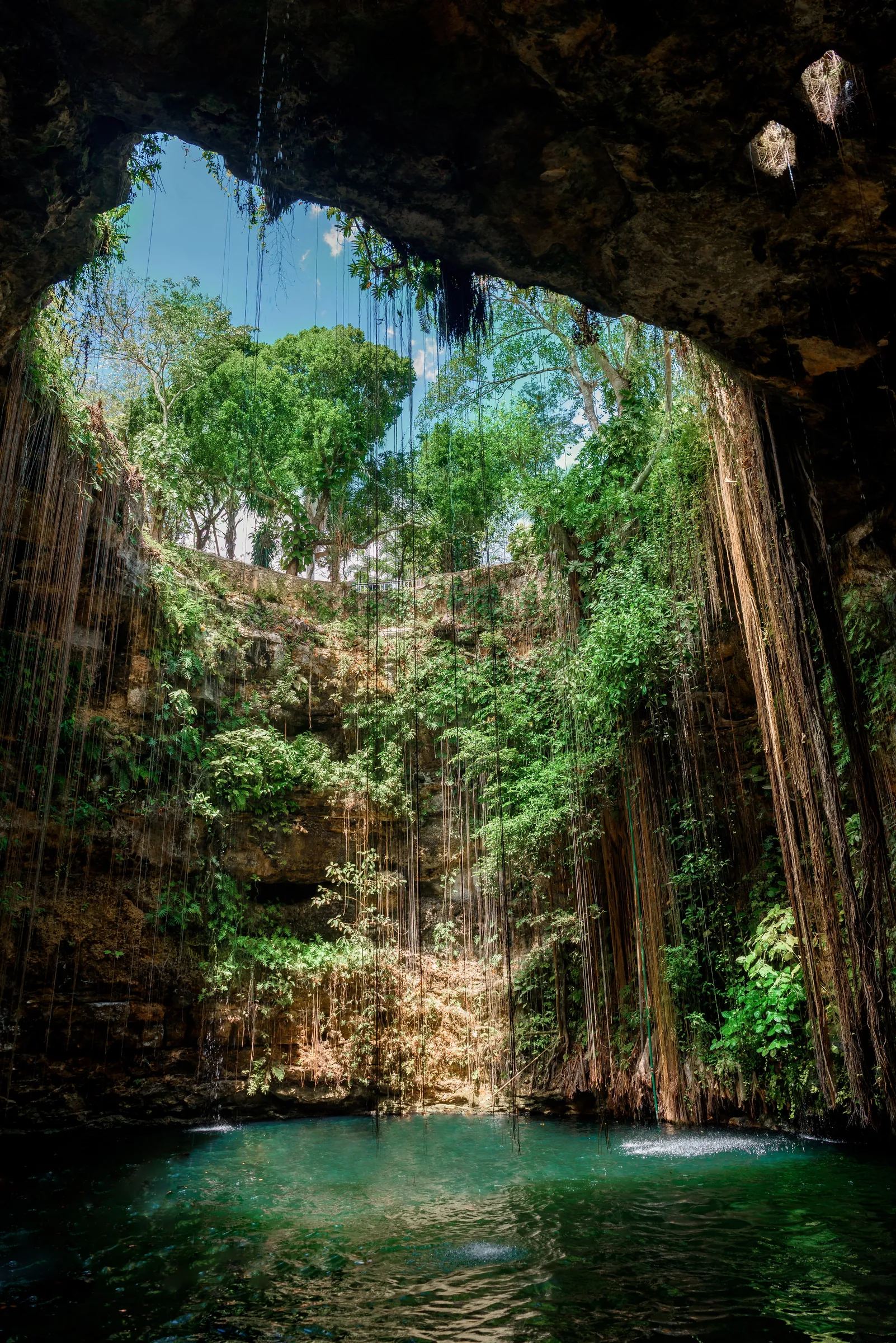
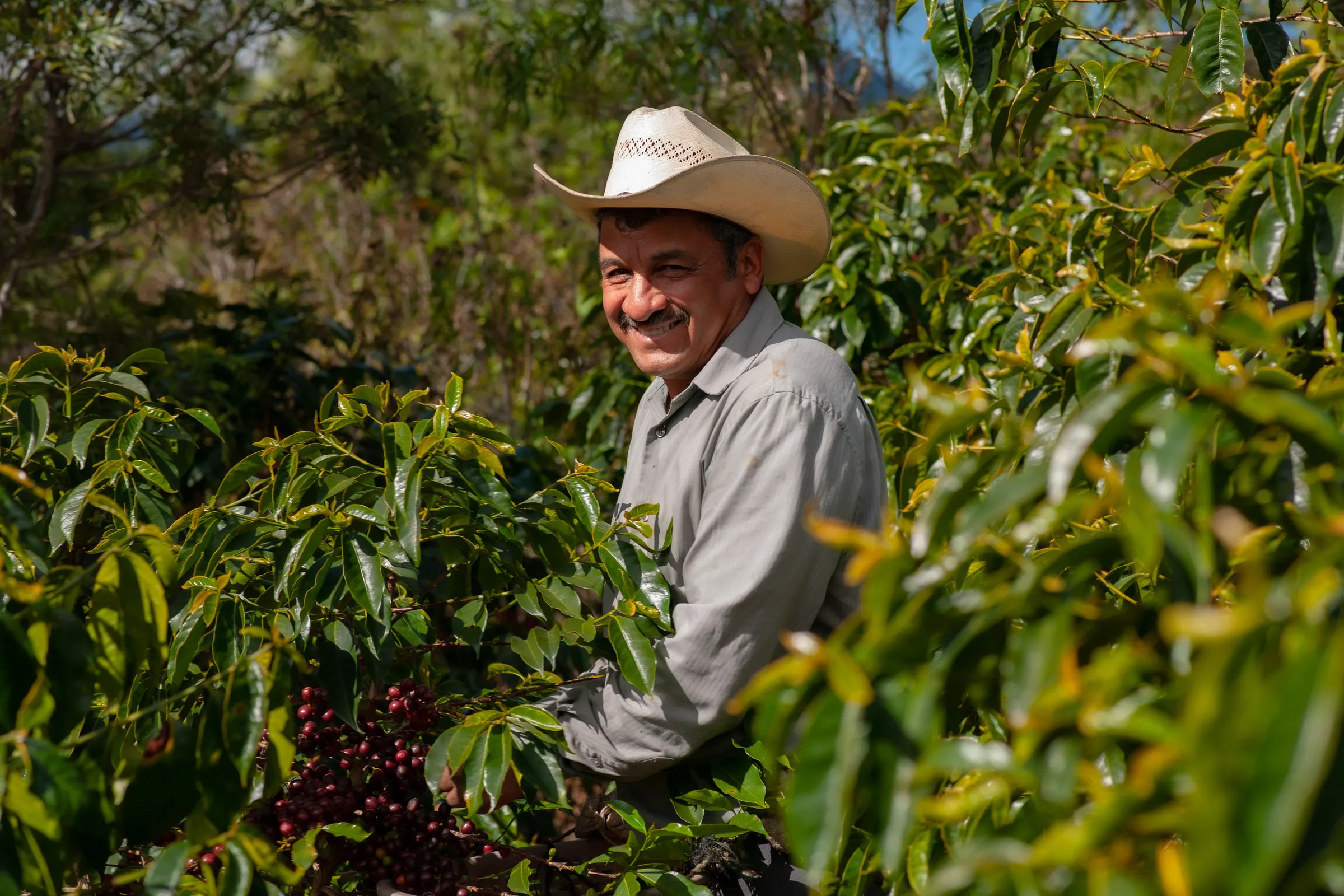
September is typically the wettest month of the year across much of Mexico and falls within the peak of hurricane season along the Caribbean, Gulf, and Pacific coasts. While tropical showers are common, mornings are often suitable for sightseeing, particularly in Central Mexico. This is also when Mexico celebrates Independence Day, with festivals, parades, and celebrations taking place throughout the country.
Best for: Independence Day celebrations, whale sharks, lower hotel rates, and inland cultural itineraries.
October in Mexico
October marks the transition toward the dry season in many parts of the country. Rainfall gradually decreases, humidity begins to ease, and landscapes remain lush after the summer rains. Preparations for Día de los Muertos begin in many communities, while temperatures become increasingly comfortable for exploring colonial cities and archaeological sites.
Best for: Oaxaca, Mexico City, Chiapas, cultural travel, and shoulder-season value.
November in Mexico
November is one of our favorite months to recommend. The dry season begins across much of the country, bringing pleasant temperatures, lower humidity, and excellent conditions for both cities and beaches. Día de los Muertos celebrations take place at the beginning of the month, monarch butterflies begin arriving in central Mexico, and visitor numbers remain lower than during the winter holiday season.
Best for: Día de los Muertos, monarch butterflies, Mexico City, Oaxaca, beaches, and multi-region itineraries.
December in Mexico
December brings some of the year's most reliable weather across much of Mexico. Dry, sunny conditions make it an excellent month for combining cultural destinations with the coast, while gray whale season begins in Baja California Sur. The first half of the month often offers a good balance of weather and availability, but Christmas and New Year's become one of Mexico's busiest travel periods, with many boutique hotels and beach resorts booking months in advance.
Best for: Winter sun, gray whales, beaches, colonial cities, and holiday travel.
What to pack for Mexico, by season
Dry season packing list (November through April)
- Lightweight, breathable clothing. Linen, cotton, and moisture-wicking fabrics are ideal for most of Mexico's warm, dry climate.
- A light sweater or jacket. Evenings can be surprisingly cool in higher-elevation destinations such as Mexico City, San Miguel de Allende, Oaxaca, and Copper Canyon.
- Swimsuit and beach cover-up if you're visiting the Riviera Maya, Pacific Coast, Los Cabos, or Baja California Sur.
- Comfortable walking shoes for exploring historic city centers, archaeological sites, museums, and markets.
- Sandals for beaches, resorts, and casual evenings.
- Sun hat or baseball cap.
- Sunglasses.
- Sunscreen. Mexico's high elevation and tropical sun make UV exposure stronger than many travelers expect.
- Reusable water bottle to stay hydrated throughout the day.
- Insect repellent. Mosquitoes are generally less active during the dry season but can still be present in tropical and coastal regions, particularly around dawn and dusk.
- A small daypack for day trips, archaeological sites, and city sightseeing.
Rainy season packing list (May through October)
- Lightweight, breathable clothing. Quick-dry fabrics are especially useful during the warmer, more humid months.
- A lightweight rain jacket or compact poncho. Afternoon showers are common, but heavy waterproof jackets are rarely necessary.
- Comfortable walking shoes with good grip, particularly if you'll be exploring archaeological sites, waterfalls, or hiking trails that may become muddy.
- Swimsuit and beach cover-up. Rain rarely lasts all day, and there are still plenty of opportunities to enjoy beaches, cenotes, snorkeling, and boat excursions.
- Sandals or water shoes for beaches, cenotes, waterfalls, and marine activities.
- Dry bag or waterproof backpack to protect cameras, phones, travel documents, and other electronics during rain showers or boat trips.
- Insect repellent. Mosquito activity generally increases during the rainy season, especially in the Yucatán Peninsula, Chiapas, and coastal regions.
- Sun hat, sunglasses, and sunscreen. Even on cloudy days, Mexico's sun remains surprisingly strong.
- Reusable water bottle to stay hydrated throughout the day.
- A light sweater or long-sleeve shirt for cooler evenings in the central highlands, air-conditioned restaurants, or mountain destinations.

Mexico wildlife calendar
| Wildlife | Best months | Where to see it | What to know |
|---|---|---|---|
| Monarch butterflies | November through March | Michoacán and the State of Mexico | Millions of monarchs overwinter in high-altitude oyamel fir forests. Colonies are often largest and most active during January and February, particularly on warm, sunny days. |
| Gray whales | January through March | Laguna San Ignacio, Magdalena Bay, and Guerrero Negro in Baja California Sur | Gray whales migrate to Baja's protected lagoons to mate, give birth, and nurse their calves. Timing varies annually, and mothers with calves often remain later than other whales. |
| Humpback whales | December through April | Los Cabos, Bahía de Banderas, Riviera Nayarit, and Mexico's Pacific coast | Humpbacks migrate into warm Mexican waters for breeding and calving. Sightings are common on regulated boat excursions, but behavior and sea conditions vary each day. |
| Whale sharks | June through September | Waters north of Isla Mujeres, Isla Holbox, and the Yucatán Peninsula | Seasonal plankton blooms attract large whale shark aggregations. Excursions are weather dependent and must follow rules governing approach distances and time in the water. |
| Sea turtles | May through November | Riviera Maya, Oaxaca, Riviera Nayarit, and Pacific coast nesting beaches | Several turtle species nest and hatch along Mexico's coasts. Timing differs by species and location, and any releases should be attended through an established conservation program. |
| American flamingos | November through February | Ría Celestún and Ría Lagartos in the Yucatán Peninsula | Celestún often has its highest concentrations of flamingos and migratory birds during winter. Flamingos move throughout the peninsula, so numbers vary by season and lagoon conditions. |
| Mobula rays | May through July | Sea of Cortez, particularly around La Paz and Baja California Sur | Large schools of mobula rays can gather in the Sea of Cortez during late spring and early summer. Encounters depend on currents, food availability, and sea conditions. |
| Migratory birds | November through April | Yucatán wetlands, Baja California, Chiapas, and coastal reserves | Winter brings migratory birds from farther north to Mexico's wetlands, forests, and coastlines. Combining habitats and elevations produces the greatest variety. |
| Sea lions | Year-round | Espíritu Santo, Los Islotes, and islands throughout the Sea of Cortez | Sea lions live in the region throughout the year, although access and in-water activities may be restricted during breeding periods to protect colonies. |
Frequently asked questions: weather in Mexico
When is the best time to visit Mexico?
For most travelers, the best time to visit Mexico is between November and April, when the weather is generally dry, sunny, and less humid across much of the country. If you're looking for better value and fewer crowds, May, June, and November are excellent shoulder-season months that often combine pleasant weather with lower hotel rates.
Does it rain all day during the rainy season?
Usually not. Throughout much of Mexico, the rainy season is characterized by sunny mornings followed by afternoon or evening showers. Some regions receive more rainfall than others, particularly along the Caribbean coast and in southern Mexico, but rain rarely lasts all day. Higher-elevation destinations such as Mexico City, San Miguel de Allende, and Oaxaca often remain comfortable even during the wetter months.
Is Mexico worth visiting during the rainy season?
Absolutely. We regularly recommend travel during much of the rainy season, particularly in May, June, and November. Summer rains bring greener landscapes, fuller waterfalls, and excellent wildlife experiences such as whale shark season and sea turtle nesting. Visitor numbers are generally lower, and hotel rates are often more attractive than during the winter peak season.
Which part of Mexico has the best weather?
That depends on the type of trip you're planning. Central Mexico, including Mexico City, San Miguel de Allende, Guanajuato, and Oaxaca, enjoys mild temperatures throughout much of the year thanks to its higher elevation. The Yucatán Peninsula remains warm year-round but becomes hotter and more humid during the summer. Baja California is generally dry for much of the year, while Chiapas and Copper Canyon experience cooler temperatures at higher elevations. Because Mexico is so large, it's common to experience several different climates on the same itinerary.

When is the cheapest time to visit Mexico?
The best value is typically found from May through October, outside of major holidays. Hotel rates are often lower, availability improves, and many popular destinations are noticeably quieter. May, June, and November usually offer one of the best balances of weather, value, and travel conditions.
How far in advance should I book?
If you're traveling during Christmas, New Year's, spring break, Semana Santa, or Día de los Muertos, we'd recommend booking at least six months in advance, particularly if you're staying at a boutique hotel, luxury hacienda, or one of Mexico's most sought-after beach resorts. During the shoulder and rainy seasons, you'll usually have more flexibility, although the country's most popular properties can still fill well ahead of time.
Is Mexico affected by hurricanes?
Yes. Hurricane season officially runs from June through November and can affect both the Caribbean/Gulf coast and the Pacific coast. The greatest risk generally occurs between August and October. Many travelers still visit successfully during this period, but we recommend purchasing comprehensive travel insurance, choosing flexible booking terms where possible, and being prepared for itinerary changes if tropical weather develops. Inland destinations such as Mexico City, San Miguel de Allende, Guanajuato, and Copper Canyon are typically much less affected than coastal regions.
Best time to visit Mexico for...
| If you're looking for... | Best time to visit | Why |
|---|---|---|
| First-time visits | November through April | Drier weather makes it easier to combine Mexico City, colonial towns, archaeological sites, and a coastal destination in one itinerary. |
| Beach vacations | December through April | These months generally bring the most reliable sunshine, lower humidity, and reduced tropical storm risk along Mexico's Caribbean and Pacific coasts. |
| Mexico City & Central Mexico | March through May October through November | Spring brings warm, mostly dry weather, while fall offers comfortable temperatures after the summer rains begin to ease. |
| Oaxaca | October through March | Cooler, drier weather is ideal for exploring Oaxaca City and the Central Valleys, with Día de los Muertos adding high demand in late October and early November. |
| Yucatán archaeology | November through March | Lower humidity and slightly cooler temperatures make visiting Chichén Itzá, Uxmal, Ek Balam, and other exposed archaeological sites more comfortable. |
| Cenotes | November through May | Cenotes can be visited throughout the year, but the drier months make road travel and combining several inland destinations more predictable. |
| Whale watching | January through March | Gray whales gather in Baja's protected lagoons, while humpbacks can be seen around Los Cabos, Bahía de Banderas, and other parts of the Pacific coast. |
| Whale sharks | June through September | Seasonal feeding aggregations occur north of the Yucatán Peninsula, with regulated excursions departing from Isla Mujeres and Holbox. |
| Monarch butterflies | January through February | The official viewing season runs from November through March, but colonies are often most concentrated and active during the middle of winter. |
| Diving & snorkeling | November through May | Drier conditions and lower storm risk generally produce more reliable boat schedules around Cozumel, the Riviera Maya, and Baja California Sur. |
| Surfing | May through October | Pacific swells produce larger, more consistent waves around Puerto Escondido, Riviera Nayarit, and other west-coast surf destinations. |
| Día de los Muertos | Late October through November 2 | Celebrations take place throughout Mexico, with especially strong demand in Oaxaca, Mexico City, Michoacán, and several smaller communities. |
| Best value | May, June & November | These transition months often bring lower hotel rates and fewer visitors, with a better balance of weather and value than the wettest part of the year. |
| Honeymoons | November through May | Drier weather supports itineraries that combine cities, cultural destinations, and beach resorts without the higher coastal storm risk of late summer and fall. |
| Avoiding crowds | May, June & September | Visitor numbers are generally lower outside winter, Semana Santa, summer school vacations, and Día de los Muertos, although coastal weather becomes less predictable. |

