Witness nature, in full color

Nature & wildlife travel

Plan a private journey through rainforests, reefs, wetlands, islands, and highlands, with expert naturalist guides and stays chosen for access to the wild.

Slow down, look closer

Nature that feels alive in every sense

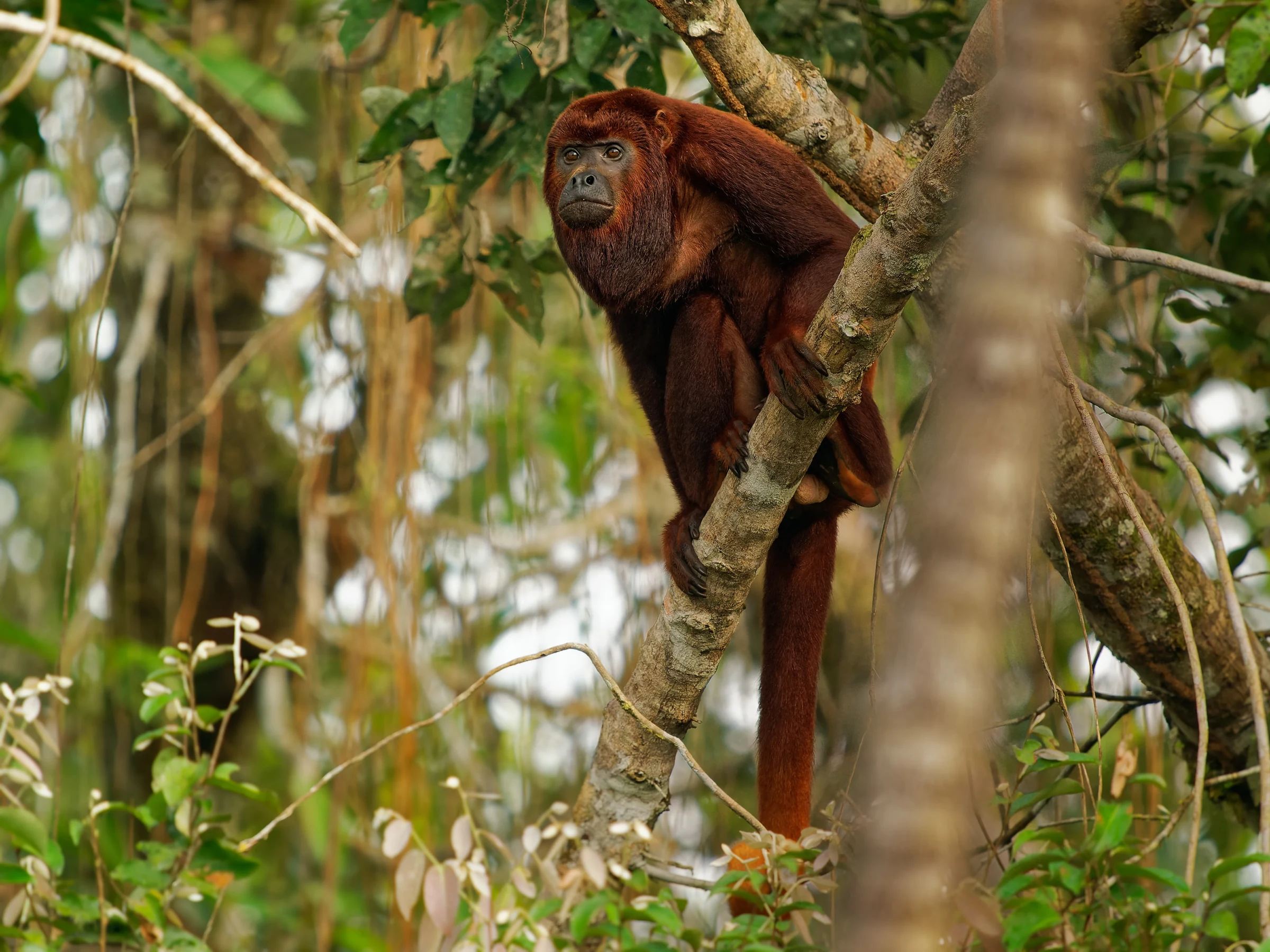
Before Osaviva, our founder Adrienne worked at a string of eco-lodges on Costa Rica's Osa Peninsula, where her morning alarm clock was a troop of howler monkeys. It was then and is still now our favorite way to see wildlife: slow down in the places where animals outnumber people, and let them come to you. Watch sea turtles nest by moonlight in Tortuguero, or come face to face with a giant tortoise in the Galápagos. The sloths are in no hurry, and nor should you be.

01

Rainforest walks, mountain habitats & river safaris

02

Coral reefs, sea turtles & whale encounters

03

Wildlife & birdwatching with expert naturalists

Travelers beside a giant tortoise in the Galápagos highlands

A starting point for your perfect escape

A walk on the wild side

We're good company, and we give great advice

Why travel with Osaviva?

Wildlife is where we started.

Before Osaviva, our founder Adrienne worked at an eco-lodge on Costa Rica's Osa Peninsula, one of the most biodiverse places on Earth.

Right place, right month.

Turtles nest by season, whale sharks arrive in summer, humpbacks keep their own calendar. We time your trip to the animals' schedule.

Naturalists who spot the sloth first.

We book guides who know every call and track, and lodges where the animals outnumber the people.

Don't take our word for it

What our clients say

We always seemed to have the best room in the resort, with one being on the second level in front of a tree where a family of monkeys climbed up everyday, right off our balcony!

Curt & Mitsy Atkinson

Canada

Costa Rica

Completely mesmerized

★★★★★

We were completely mesmerized by the birds—I'd honestly go back just for that experience alone!

Tammy and Farah

Canada

Fell in love

★★★★★

I fell in love with Costa Rica on this vacation.

Justin Guy

Canada

Truly an adventure

★★★★★

We went from the jungle in Belize to a private island and felt so comfortable throughout our stay. It was truly an adventure!!

Charles McMath

United States

Our top picks

Where to stay

Lapa Rios Lodge, Osa Peninsula, Costa Rica

Lapa Rios

Osa Peninsula

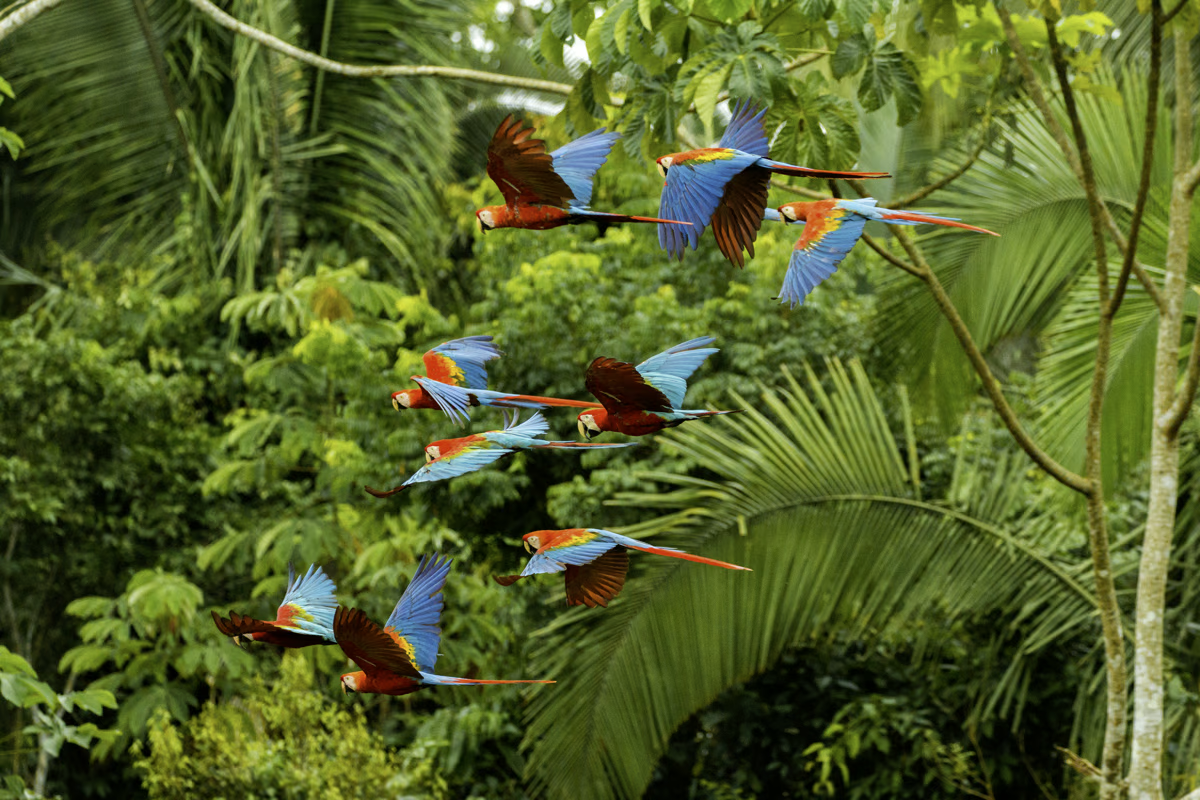
Lapa Rios sits high above the Golfo Dulce with open-air bungalows overlooking one of Costa Rica's richest stretches of rainforest. Scarlet macaws, monkeys, and coatis are seen almost daily around the reserve. Guided walks begin from the lodge, while quiet beaches are only a short drive away.

Costa Rica

Boena Tortuga Lodge

Tortuga Lodge & Gardens

Tortuguero

Tortuga Lodge has welcomed travelers to Tortuguero for more than four decades and is now part of the Costa Rican-owned Boena collection. Spacious rooms and suites overlook the river from tropical gardens, while experienced naturalist guides lead daily excursions through Tortuguero National Park. Guests come for the wildlife, the guiding, and the setting rather than elaborate resort facilities.

Costa Rica

Islas Secas

Gulf of Chiriquí

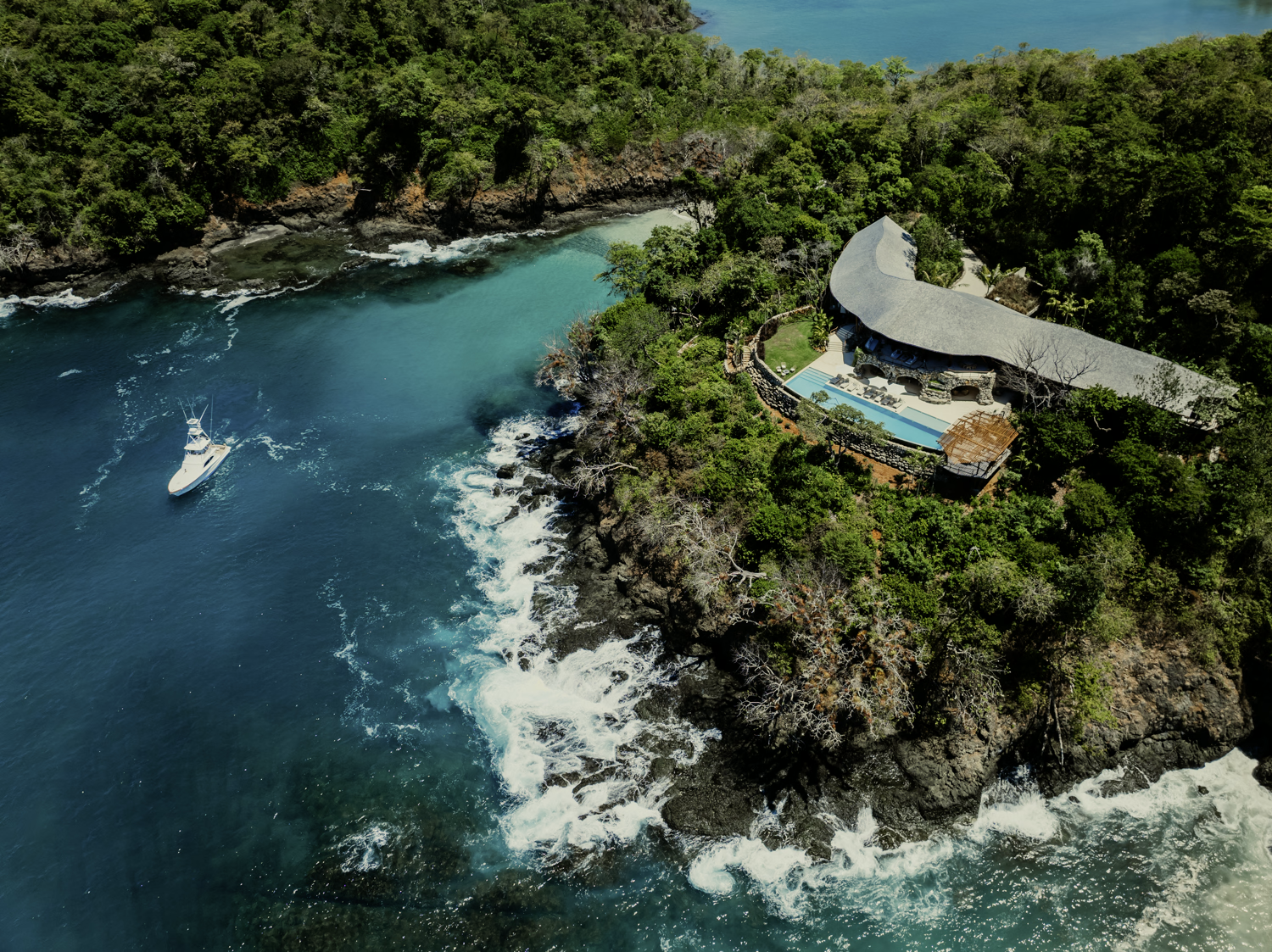
Fourteen private islands in Panama's Gulf of Chiriquí form the setting for Islas Secas, one of Central America's most exclusive island retreats. Just eight casitas accommodate a maximum of 24 guests across an otherwise undeveloped archipelago, where protected rainforest and marine habitats remain the focus. Whale watching, world-class fishing, diving, and wildlife encounters all take place within one of Panama's most important marine reserves.

Panama

Napo Wildlife Center

Napo Wildlife Center

Yasuní National Park

Napo Wildlife Center places 12 standard cabins and eight suites around Añangu Lagoon inside Yasuní National Park. Kichwa guides, paddle-canoe access, a seven-level observation tower, and community ownership make the Amazon wildlife program the center of the stay.

Ecuador & Galápagos

Playa Viva

Juluchuca

A regenerative coastal project rather than a conventional resort, Playa Viva sits between Pacific beach, palm groves, and wetlands south of Zihuatanejo. Small eco-focused accommodations include distinctive treehouse-style rooms, while conservation and local community projects are integral to the operation.

Mexico

Awasi Patagonia

Awasi Patagonia

Torres del Paine

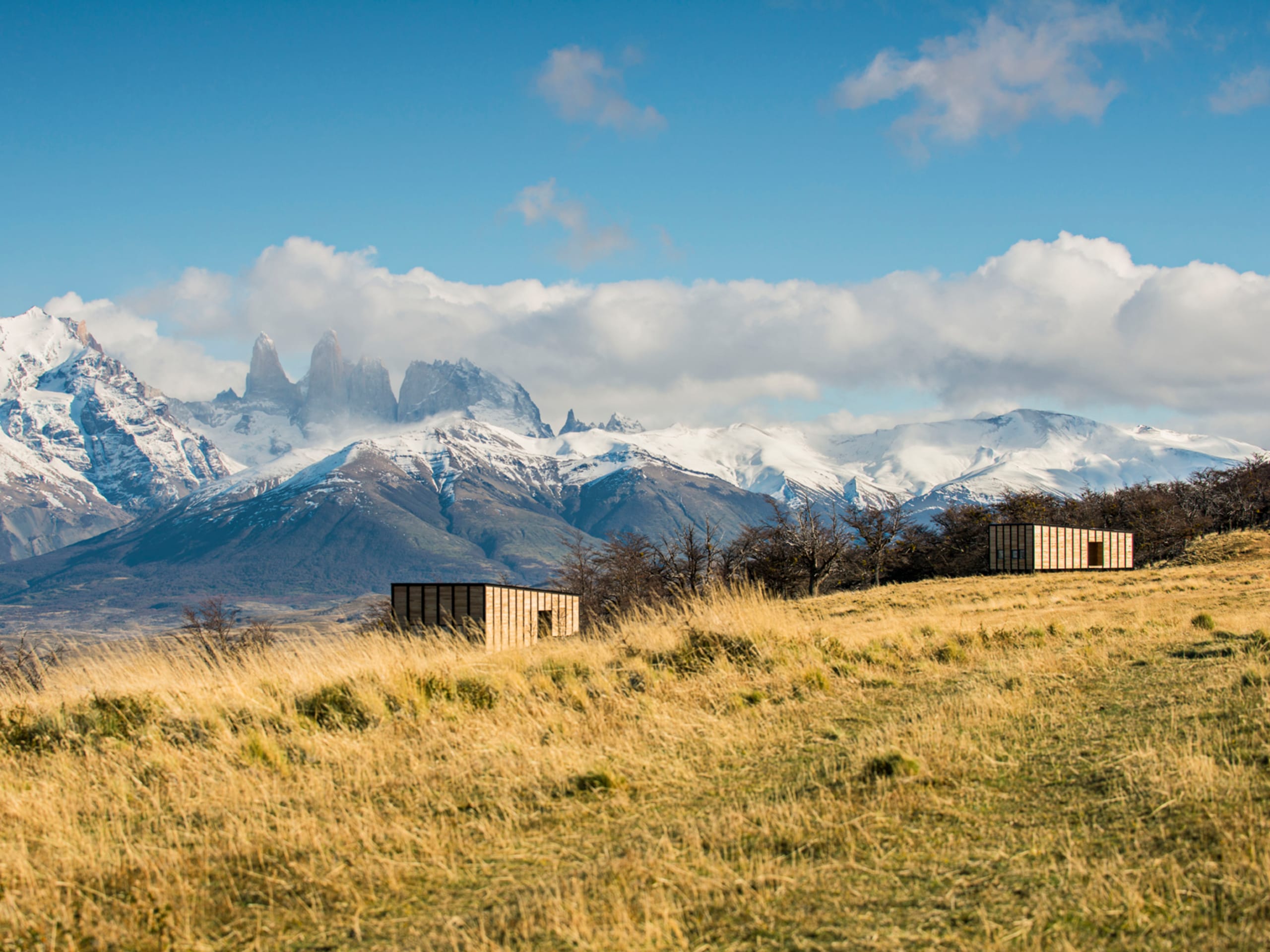
Awasi Patagonia places 13 private one-bedroom villas and one two-suite Master Villa on a reserve overlooking Torres del Paine. Each booking receives a private guide and four-wheel-drive vehicle, allowing every day to follow its own route, pace, and wildlife priorities.

Chile

Pikaia Lodge Galapagos

Pikaia Lodge

Santa Cruz Island

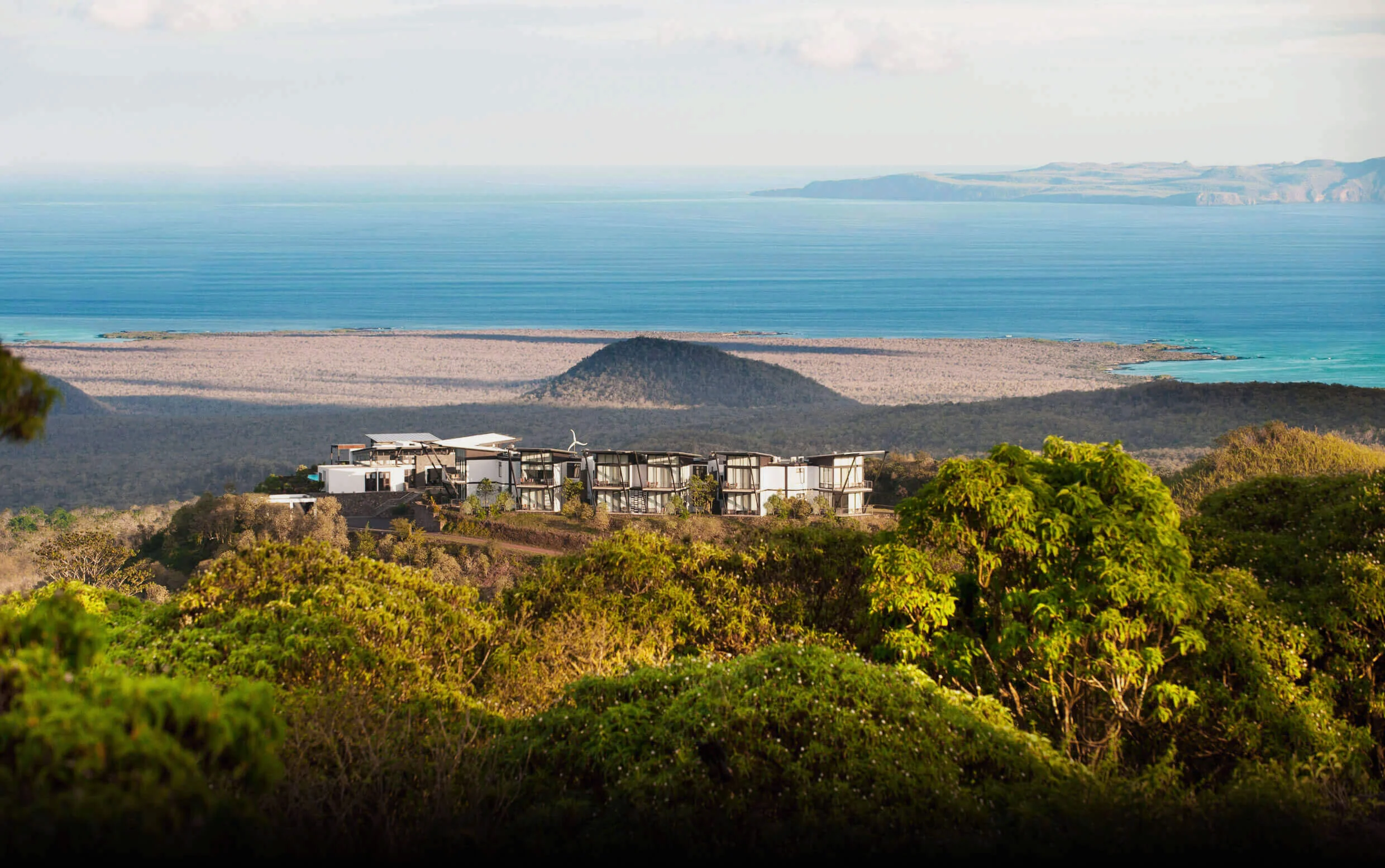
Pikaia Lodge places 14 rooms and suites on a restored 76-acre giant-tortoise reserve in the Santa Cruz highlands. Floor-to-ceiling glass, a private exploration yacht, guided land days, an infinity pool, and two private suites support a land-based Galápagos expedition.

Ecuador & Galápagos

Explora El Chaltén

Explora El Chaltén

El Chaltén

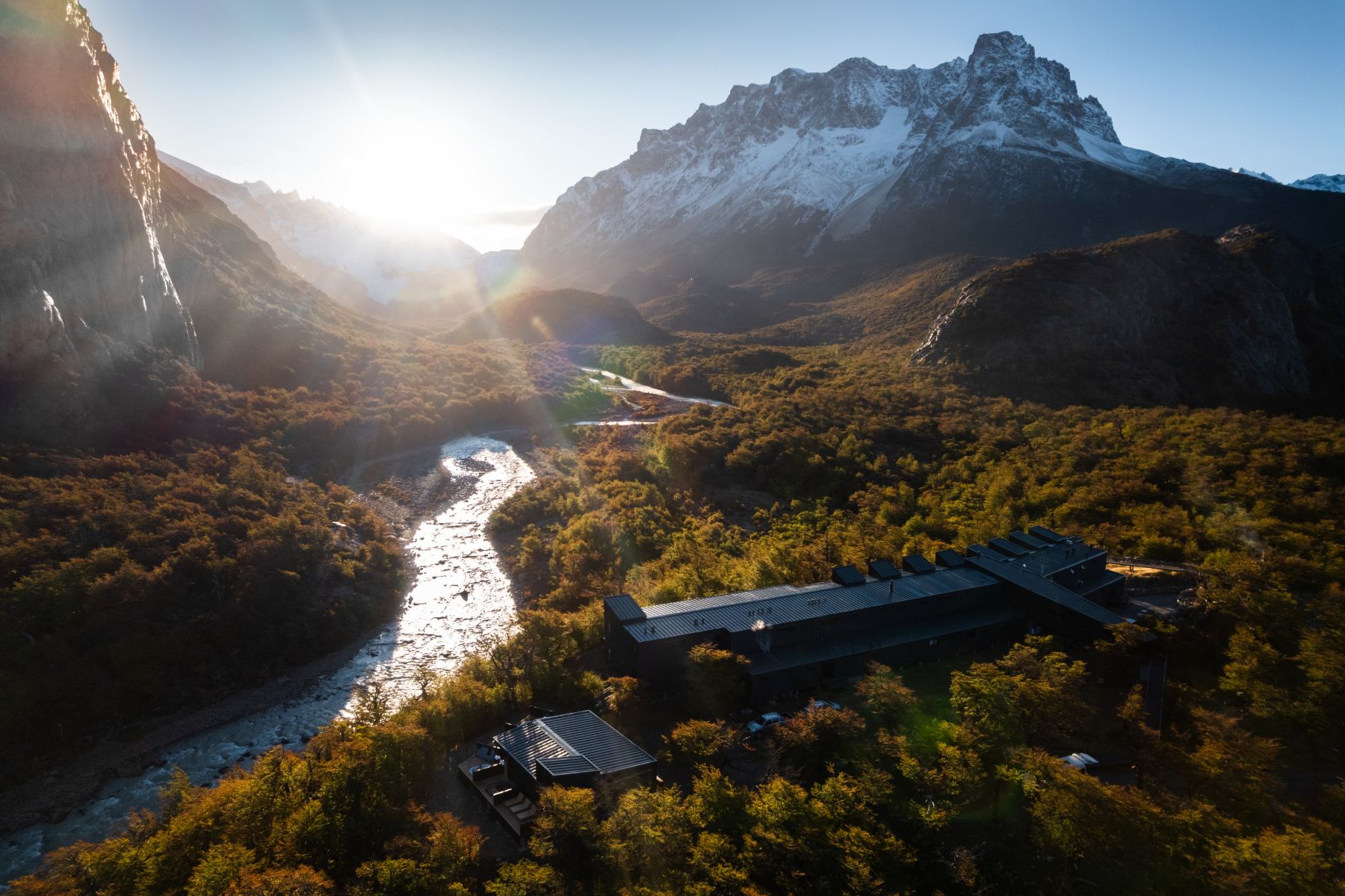
Explora El Chaltén places 17 rooms and three suites inside the private Los Huemules Conservation Reserve north of town. More than 30 guided explorations, all meals, transfers, five outdoor hot tubs, two saunas, and direct access to quieter trails create a complete Fitz Roy expedition.

Argentina

When we plan a trip

Encounters that stay with you

Wildlife encounters depend on season, habitat, and timing. Swim beside whale sharks, listen for quetzals in cloud forest, watch tortoises cross the Galápagos highlands, or follow puma tracks through Patagonia.

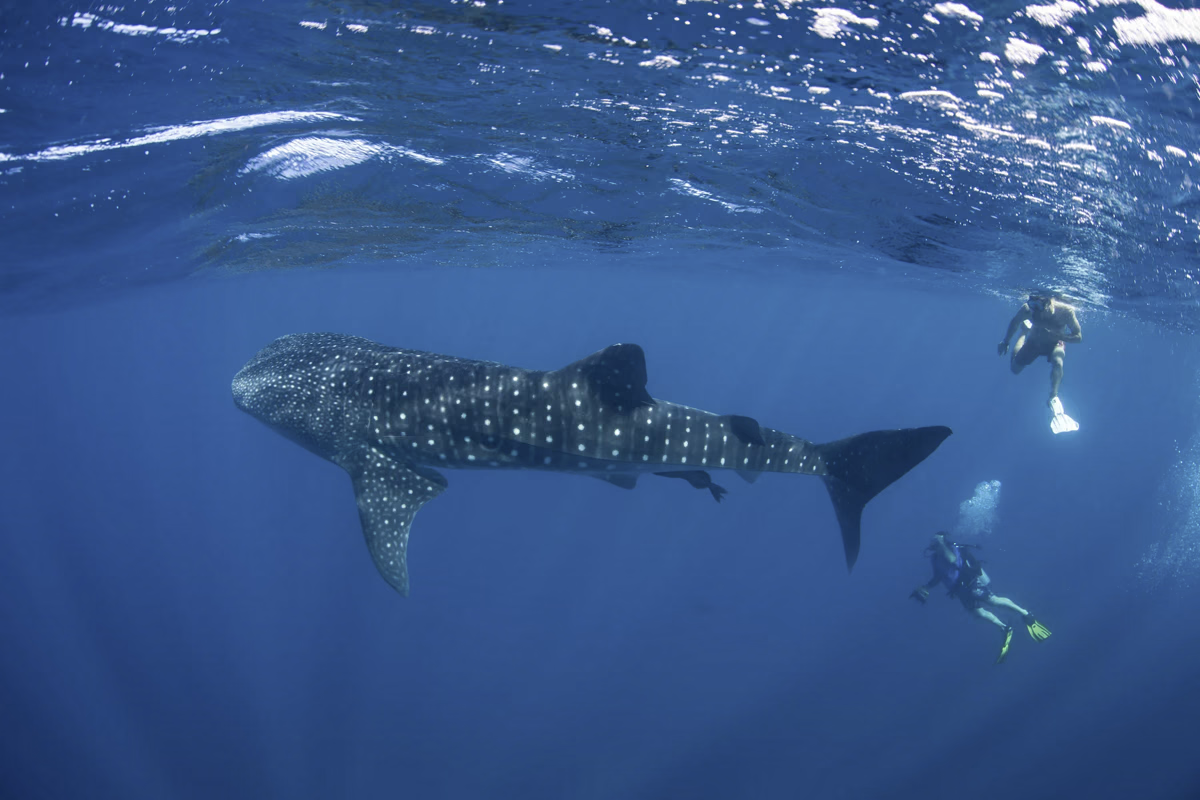
Whale Shark diving and snorkeling in Mexico Isla Mujeres

Beneath the surface

Snorkel with whale sharks in Mexico

Swim alongside the gentle giants of the sea between December and April off the coast of Baja or from May to September in the Yucatán. These spotted filter-feeders glide slowly through warm waters, allowing for an awe-inspiring but non-intrusive encounter.

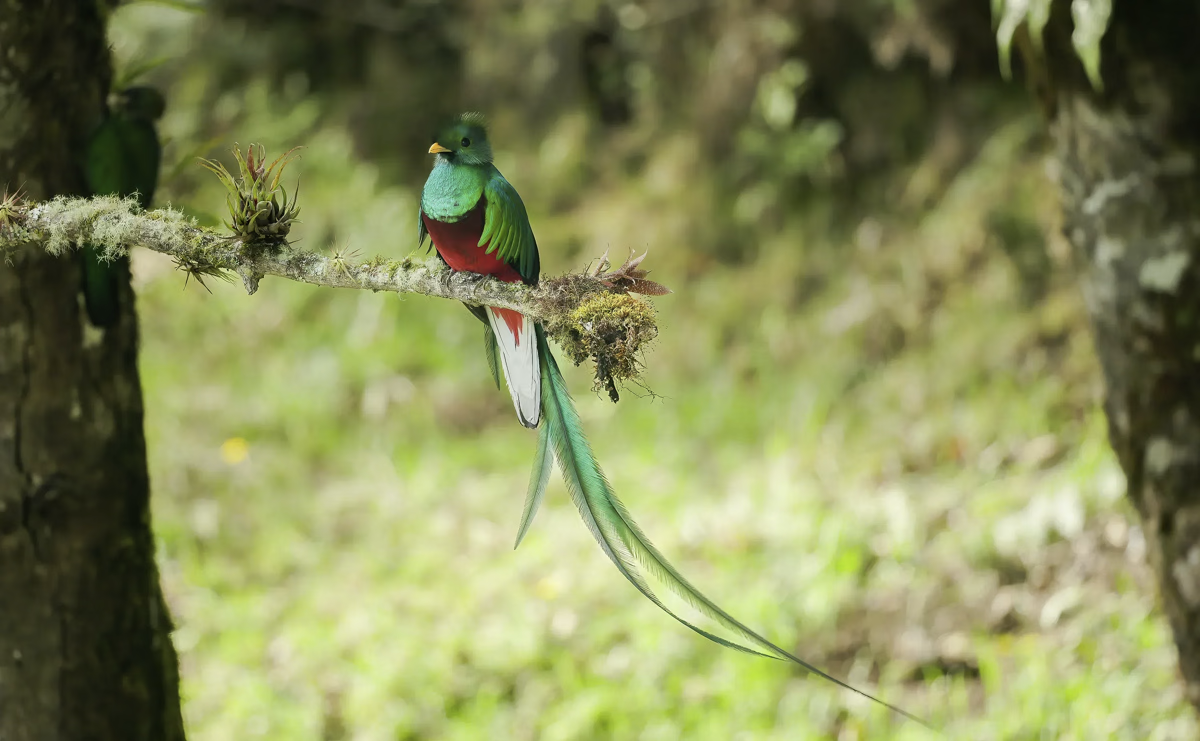
Costa Rica Monteverde quetzal

In the mist

Search for quetzals in Monteverde

Walk through cloud forest at first light as a naturalist listens for the call of the resplendent quetzal. A flash of green or a long tail among the moss-covered branches may reveal where it is perched.

Giant tortoise on a volcanic trail on Santa Cruz Island, Galápagos

In the highlands

Walk with giant tortoises in the Galapagos

On the Galapagos Islands, stroll through highland pastures where giant tortoises roam freely. Watch as they lumber slowly across the grass, pausing to stretch their necks toward leafy branches. Guides share the species’ remarkable story of survival in this protected habitat.

Puma in Patagonia

In the far south

Track pumas in Torres del Paine

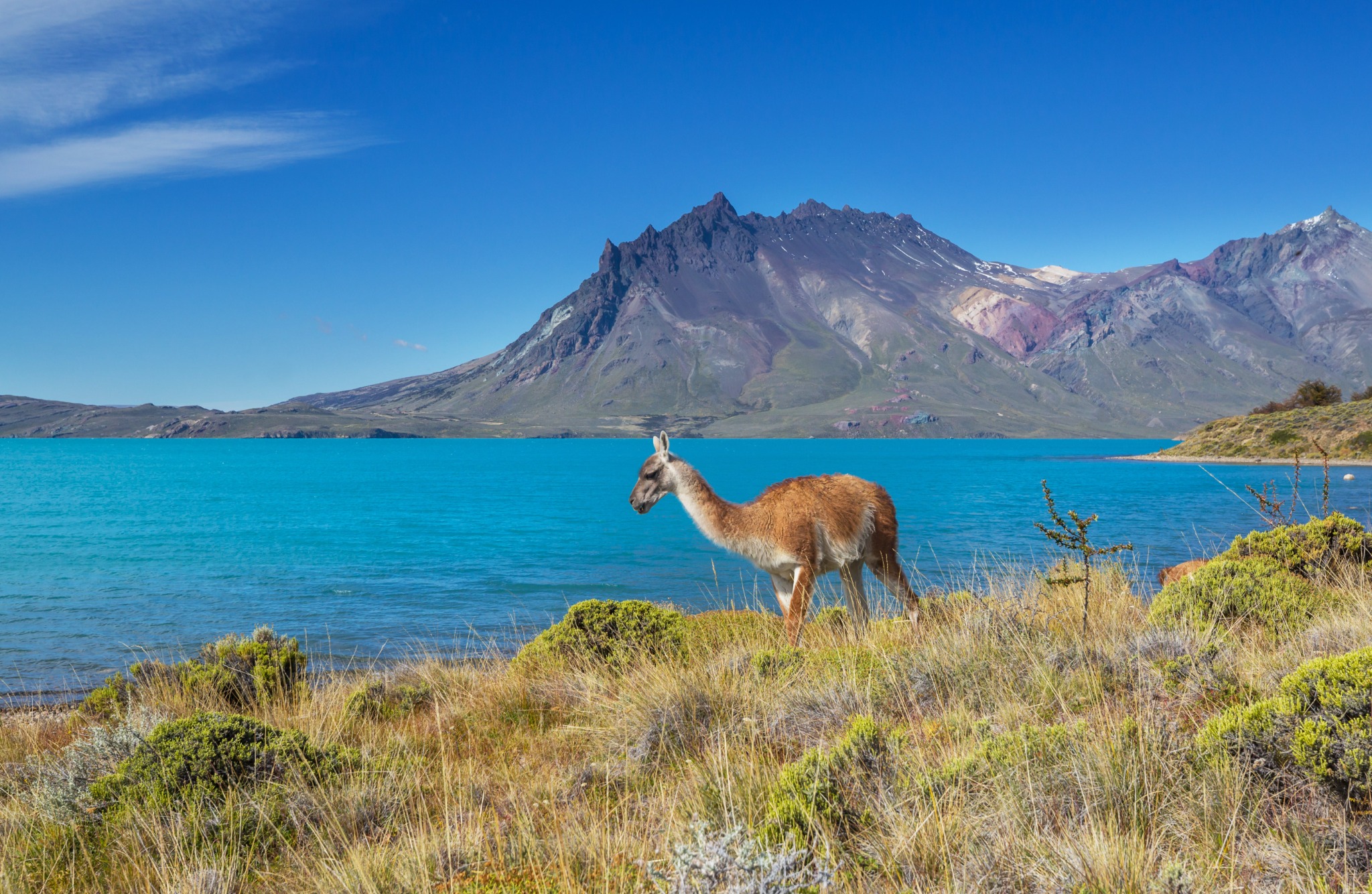
Join a specialist tracker in the grasslands and rocky foothills around Torres del Paine. Fresh prints, distant movement, and the behavior of guanacos can signal that a puma is nearby.

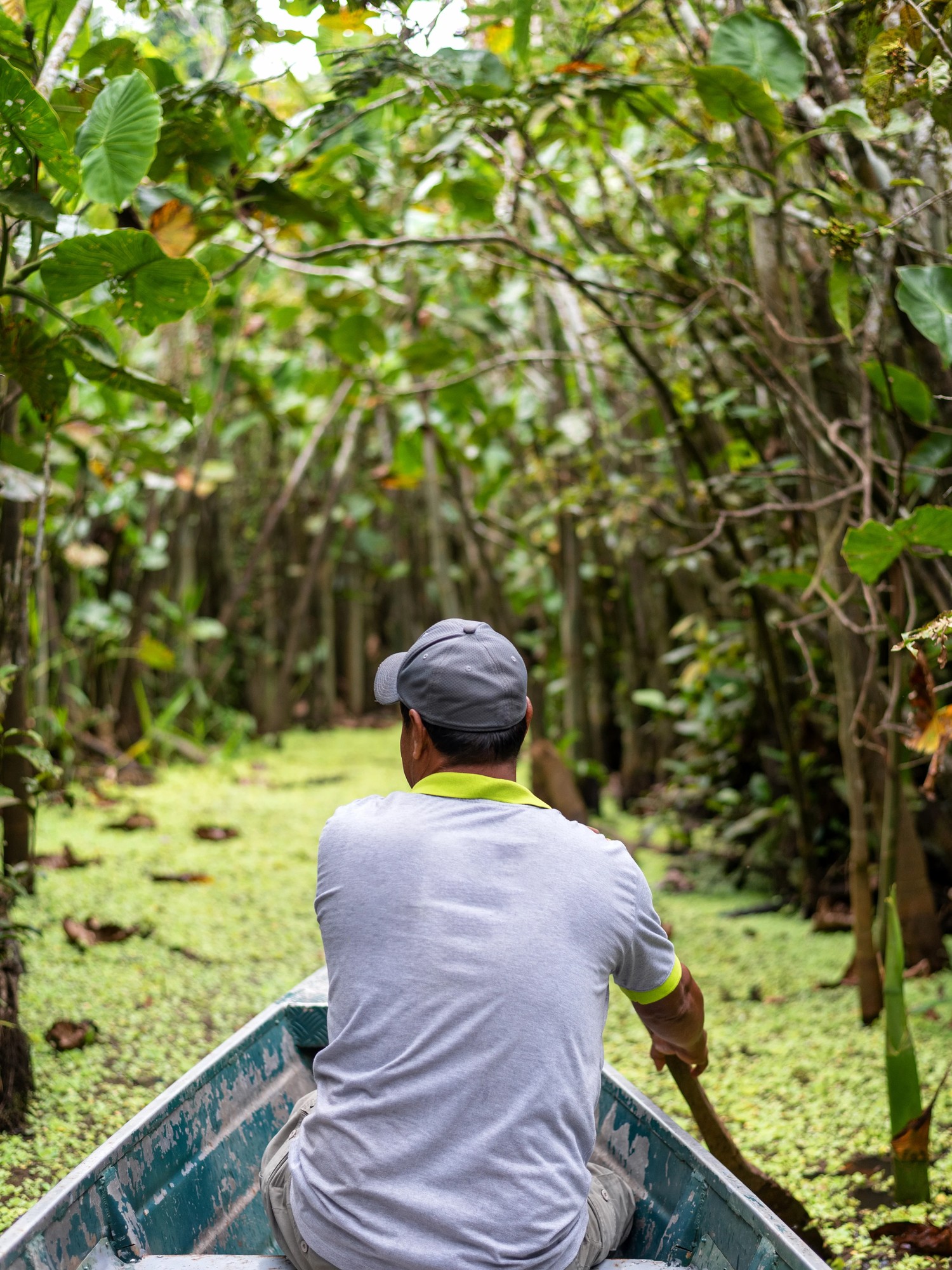
Guide paddling a canoe through a flooded forest channel in the Ecuadorian Amazon

Along the waterways

Canoe through the Amazon

Paddle narrow channels shaded by towering trees, the air thick with birdsong and the hum of insects. Your guide points out monkeys in the canopy, herons stalking the shallows, and the occasional caiman sliding into the water. It’s a quiet, slow-moving way to experience the rainforest’s depth.

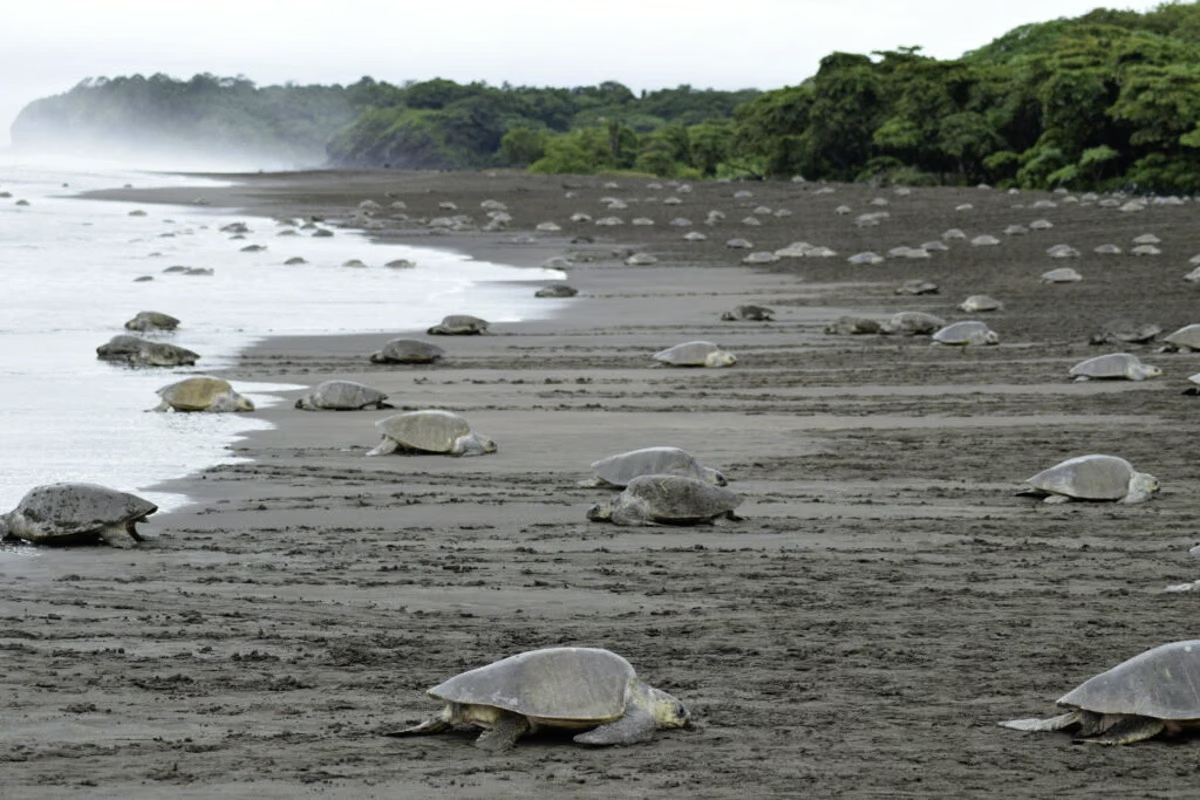
Ostional Santa Rosa Costa Rica turtle arribada

After dark

Witness a turtle arribada

On select Pacific beaches in Costa Rica and Nicaragua, thousands of sea turtles come ashore in a single night to lay their eggs. Stand quietly under the moonlight as they dig their nests and return to the sea, an ancient ritual few get to witness.

FAQ

Questions, answered.

The things nature lovers ask us most, from the best seasons for wildlife to choosing the right guides. Have a question we haven't covered? Send it to

info@osaviva.com.

More FAQ
When is the best time for wildlife?

That depends on the animal:

  • Green turtles nesting in Tortuguero, Costa Rica: July to October
  • Whale sharks off Isla Mujeres, Mexico: June to September
  • Humpback whales on the Pacific coast of Costa Rica and Panama: July to October, plus December to March
  • Galápagos: year-round, with different highlights each season
Will we see a jaguar?

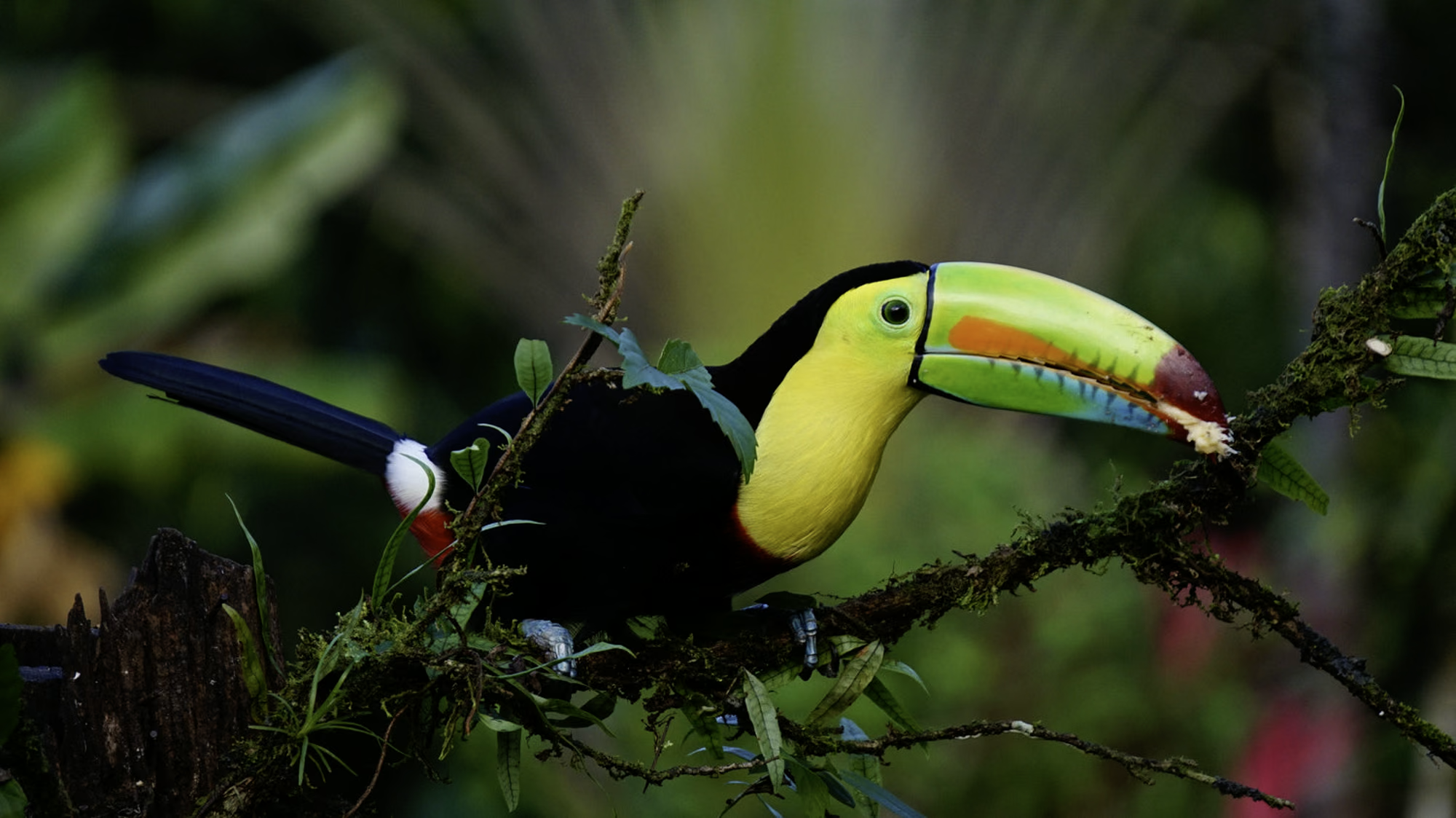
Possibly, but sightings are rare in the wild. Sloths, monkeys, toucans, coatis and macaws are far more reliable.

Is a naturalist guide worth it?

Yes. A trained guide with a spotting scope finds far more than you would alone, especially birds, frogs and anything high in the canopy.

What should I pack?

Binoculars, lightweight long sleeves and pants, a rain jacket, a headlamp for night walks, and shoes you don't mind getting muddy.

Is the rainy season a bad time to go?

It's often one of the best times to go! Forests are greener, many animals are more active, and lodges are quieter. Mornings are usually dry, with rain coming in the afternoon.

How close can we get to the animals?

Parks and operators set minimum distances, especially for whales, nesting turtles and Galápagos wildlife, where the rule is 2 m. Touching or feeding wildlife is off-limits everywhere.