Day 7: Cross to Chiloé
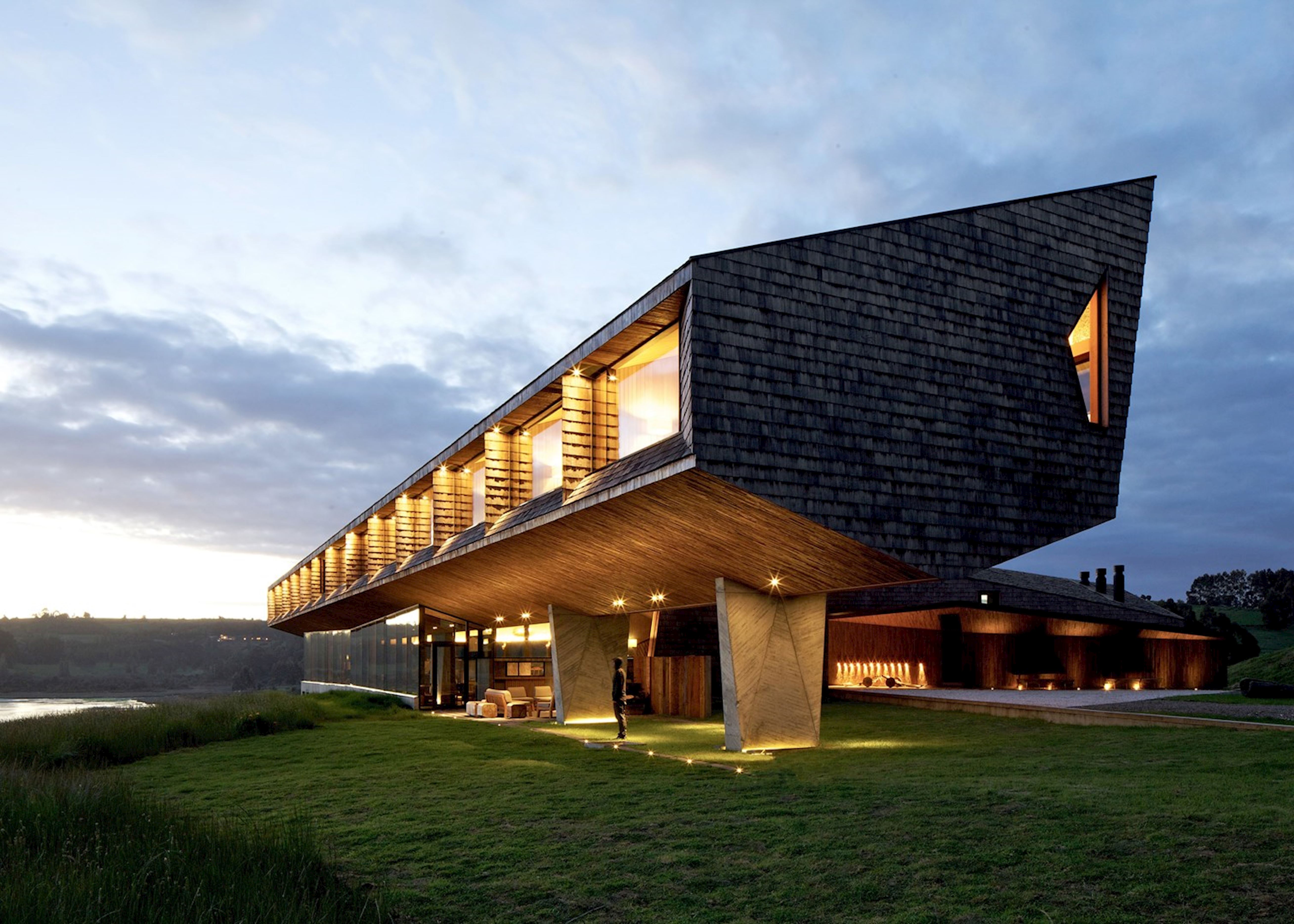
Travel by ferry to Chiloé and continue to your island base, the landscape shifting to rolling farmland, quiet inlets, and dense coastal forest. The crossing itself is short, but the change on the other side is immediate. Chiloé has its own food, folklore, and pace, shaped by centuries apart from mainland Chile. Settle into your hotel and start getting a feel for island life.
Day 8: Castro & the island's wooden architecture
Explore Castro's palafitos and a handful of Chiloé's UNESCO-listed wooden churches with a local guide, learning how isolation and seafaring shaped island life. The palafitos, houses built on stilts over the water, are one of the island's most recognizable sights, and the churches were built with wooden joinery instead of nails, a Chilote carpentry tradition passed down from Jesuit missionaries. Your guide will fill in the history behind both.
Day 9: Coastal nature & birdlife
Head to the island's Pacific side or its wetlands for a naturalist-led day focused on coastal ecosystems and birdlife. This side of Chiloé is wilder and less visited than the sheltered inland coast, with dunes, forest, and birdlife that keep naturalists coming back. Expect a slower pace today, built around watching and walking rather than covering ground.
Day 10: Food, farms & island traditions
Spend the day with local producers or cooks, learning about the potatoes, shellfish, and smokehouse traditions that set Chiloé's food apart from the mainland. Chiloé is said to have given the world dozens of native potato varieties, and curanto, a mix of shellfish, meat, and potatoes cooked in an underground pit, remains one of the island's signature dishes. A hands-on day for anyone who wants to taste Chiloé, not just see it.
Day 11: Departure
After breakfast, transfer from Chiloé for your onward journey.








%25252C%252520Chile.avif)
