


Cozumel lies off the northeastern Yucatán Peninsula, separated from Playa del Carmen by a channel of deep, current-driven water. Reefs along the western and southern coasts form part of the Mesoamerican Reef system and are protected within marine parks. San Miguel is the island's main town and ferry port, while the eastern coast is less developed, exposed to open Caribbean swell, and lined with beaches, rock formations, and small roadside businesses.
At a glance
| Best for | Scuba diving, snorkeling, marine life, island culture, families, and repeat water days |
|---|---|
| Don't miss | A protected reef excursion, San Miguel, Punta Sur, the eastern coast, and one quiet non-cruise day |
| Recommended stay | 4 to 7 nights |
| Best area to stay | South of San Miguel for reef access or near town for independent dining |
| Pairs well with | Playa del Carmen, Akumal & Tulum, Valladolid, and Isla Holbox |
| Closest airport | Cozumel International Airport (CZM), with ferry access from Playa del Carmen |
| Best time to visit | November through April for generally drier weather and lower humidity |
| Getting around | Private transfers, dive boats, ferries, and guided island excursions |
| Budget | $$ to $$$$ |
Why stay in Cozumel?
Cozumel's reefs are known for clear water, walls, swim-through formations, coral gardens, and drift diving. Current is a defining feature, and sites should be selected by certification, experience, weather, and comfort rather than reputation alone.
The marine park limits anchoring and other activities in protected zones. Responsible operators use moorings, control group size, avoid contact with coral, and provide clear guidance for divers and snorkelers.
San Miguel remains a working island town with markets, schools, restaurants, waterfront parks, and neighborhoods beyond the cruise terminal. The center becomes much quieter after ships depart, revealing a different evening atmosphere.
Punta Sur protects wetlands, dunes, mangroves, beaches, and the southern lighthouse area. Guided visits can include birdlife, lagoon interpretation, and coastal scenery rather than focusing only on a beach stop.
The east coast faces open sea and is visually dramatic but often unsafe for casual swimming. Roadside beaches and small restaurants provide a strong contrast to the calmer resort coast, especially with a local guide.
Cruise arrivals change the character of the waterfront and popular attractions. Overnight guests can schedule reefs and town visits outside the busiest ship hours.
Our take: stay at least four nights if diving is a priority, allowing multiple boat days and a buffer for wind. A town evening and an east-coast day prevent the island from feeling like only a collection of reef sites.
Is Cozumel a good fit?
- Want several days of diving or snorkeling.
- Prefer a real island town to a closed resort corridor.
- Need hotels for couples, families, and dive groups.
- Enjoy marine conservation and underwater photography.
- Can adapt plans to wind, current, and ferry conditions.
- Want an easy combination with the Riviera Maya.
Akumal provides easier mainland access and shallower bay experiences, while Cozumel has a much broader reef system and stronger diving infrastructure. Holbox is flatter, quieter, and more focused on wetlands and seasonal wildlife.
Best things to do
Dive the protected reef system
Certified divers can explore walls, coral formations, and drift sites selected according to experience and conditions. Reputable operators keep groups small and follow marine-park procedures.
Snorkel with an experienced guide
Several shallow sites suit confident snorkelers, but current can still be significant. The boat crew should explain entry, exit, flotation, and reef-protection rules.
Explore San Miguel
Walk the waterfront and streets beyond the ferry terminal, visit markets and small museums, and spend an evening after cruise traffic declines.
Visit Punta Sur
The ecological reserve combines wetlands, dunes, a lighthouse, and coastal habitat. A guided lagoon component adds bird and mangrove interpretation.
Travel the eastern coast
The open-ocean side contains undeveloped shoreline, small beaches, and strong surf. Stops should be selected for scenery and local food rather than assumed swimming safety.
Learn about Maya history on the island
San Gervasio and smaller sites reveal Cozumel's religious and trading importance within the Maya world. A specialist guide can place the modest structures in their wider network.
Look for birds and island wildlife
Mangroves, wetlands, and forest support resident and migratory species, including several island forms. Early naturalist outings are more productive than midday drives.
Plan a shore-free rest day
Repeated boat activity can be tiring. A pool, spa, town lunch, or slow coastal drive provides a useful break between marine days.

Where to stay
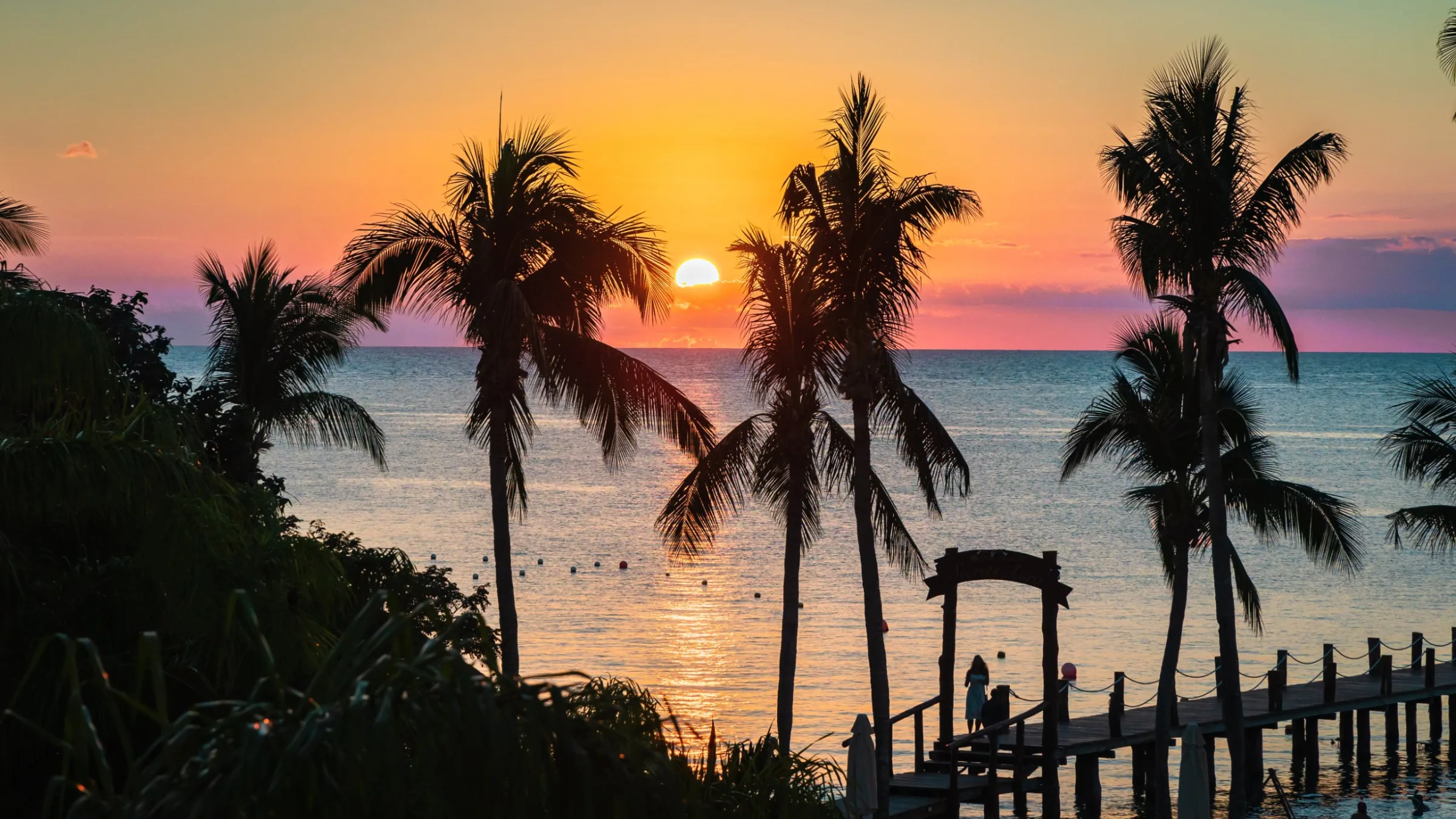
Stay south of San Miguel for the shortest boat runs to many marine-park sites. Resorts here often have their own piers, dive operations, and protected waterfront areas.
Stay near San Miguel for restaurants, evening walks, and a stronger connection to town. Beach frontage is more limited and cruise-day activity is greater.
Stay on the northern coast for quieter resorts and open views, accepting longer boat journeys to the southern reefs.
We favor the southern hotel zone for serious divers and town access for travelers who want only one or two marine days.
Our favorite hotels
Presidente InterContinental Cozumel
Presidente InterContinental has 218 rooms and suites across a low-rise beachfront property south of San Miguel. The property has multiple water-entry areas, a dive center, family facilities, and full resort service.
The Explorean Cozumel
The Explorean has 56 rooms in a garden property connected to Fiesta Americana Cozumel. Included guided activities and access to the neighboring resort's waterfront suit travelers who want an active program without a large-room hotel atmosphere.
Cozumel Palace
Cozumel Palace has 169 rooms in a compact all-inclusive property close to San Miguel. The property has direct water access, family rooms, and short movement into town.
Best time to visit
November through April is generally drier and less humid, with strong diving demand around winter holidays. Northern wind events can temporarily close ports or shift boats to more sheltered sites.
May through October is hotter, wetter, and within the tropical-storm season. Water remains warm, but marine operations can be interrupted by wind, lightning, or port closures.
Pair it with
- Playa del Carmen, Akumal & Tulum for cenotes, archaeology, and a mainland beach stay.
- Valladolid for Chichén Itzá, Ek Balam, and Yucatecan culture.
- Isla Holbox for a quieter island with mangroves and shallow water.
- Mérida for food, architecture, and Uxmal.
Getting there
Cozumel receives direct and connecting flights, while frequent passenger ferries operate from Playa del Carmen under suitable sea conditions. Vehicle ferries use separate schedules and are not necessary for most visitors.
Approximate travel times:
- Cozumel Airport to San Miguel: 10 to 15 minutes
- Cozumel Airport to the southern hotel zone: 20 to 35 minutes
- Playa del Carmen to Cozumel: approximately 35 to 50 minutes by passenger ferry
- San Miguel to Punta Sur: 35 to 50 minutes
- San Miguel to San Gervasio: 25 to 40 minutes
- Southern hotel zone to common dive sites: 10 to 45 minutes by boat, depending on site
Ferries and ports can close during strong wind. We avoid tight international connections after a ferry crossing and leave a non-diving interval before flying according to recognized dive-safety guidance.

Frequently asked questions
How many nights should I stay on Cozumel?
Four nights provide two or three marine days. Six or seven nights are better for serious divers, weather flexibility, and time to explore the island on land.
Is Cozumel only for divers?
No. Snorkeling, Punta Sur, San Miguel, archaeology, birding, and the eastern coast support a varied trip, but marine activity remains the island's principal strength.
Can beginners dive in Cozumel?
Training and introductory programs are available, but current can be strong. Use a qualified operator and select sites according to certification, health, and comfort in open water.
Is the east coast safe for swimming?
Many sections have strong surf, rocks, and currents. Enter only where current local advice confirms safe conditions.
Is Cozumel suitable for families?
Yes. Family resorts, shallow-water experiences, wildlife reserves, and town visits work well. Children should be matched carefully to boat duration and swimming conditions.
Should I stay overnight or visit from Playa del Carmen?
Stay overnight for repeated reef days, quieter evenings, and a fuller view of San Miguel. A day trip works for one planned activity but is vulnerable to ferry timing and crowds.
How do cruise ships affect the island?
The waterfront and major attractions are busiest on high-volume ship days. Overnight visitors can schedule town, parks, and reef departures outside peak arrival periods.
What should I pack?
Bring strong sun protection, a light rain layer, secure water footwear, a reusable bottle, and any personal dive equipment you prefer. Confirm baggage rules before carrying tanks or other specialized gear.


