


San Cristóbal de las Casas sits in a pine-covered valley more than 7,000 feet above sea level. The historic center contains churches, former convents, markets, museums, cafés, and low buildings with tiled roofs, while surrounding Tzotzil and Tzeltal Maya communities maintain distinct languages, clothing, religious practices, agricultural systems, and political histories. The region's cultural complexity requires sensitive guiding and enough time to avoid treating communities as attractions.
At a glance
| Best for | Maya cultures, textiles, markets, highland scenery, food, photography, and community-led learning |
|---|---|
| Don't miss | The historic center, a responsible community visit, the textile museum, a regional market, and a highland nature day |
| Recommended stay | 4 to 6 nights |
| Best area to stay | The historic center |
| Pairs well with | Palenque, Oaxaca, Guatemala, and the Chiapas lowlands |
| Closest airport | Ángel Albino Corzo International Airport near Tuxtla Gutiérrez (TGZ) |
| Best time to visit | November through April for generally drier weather |
| Getting around | Private transfers, guided walks, and community-led excursions |
| Budget | $$ to $$$ |
Why stay in San Cristóbal de las Casas?
The city was founded during the Spanish colonial period in a region already occupied by Maya peoples. Churches and civic buildings reflect that history, but contemporary San Cristóbal is also a center of Indigenous activism, migration, education, trade, and tourism.
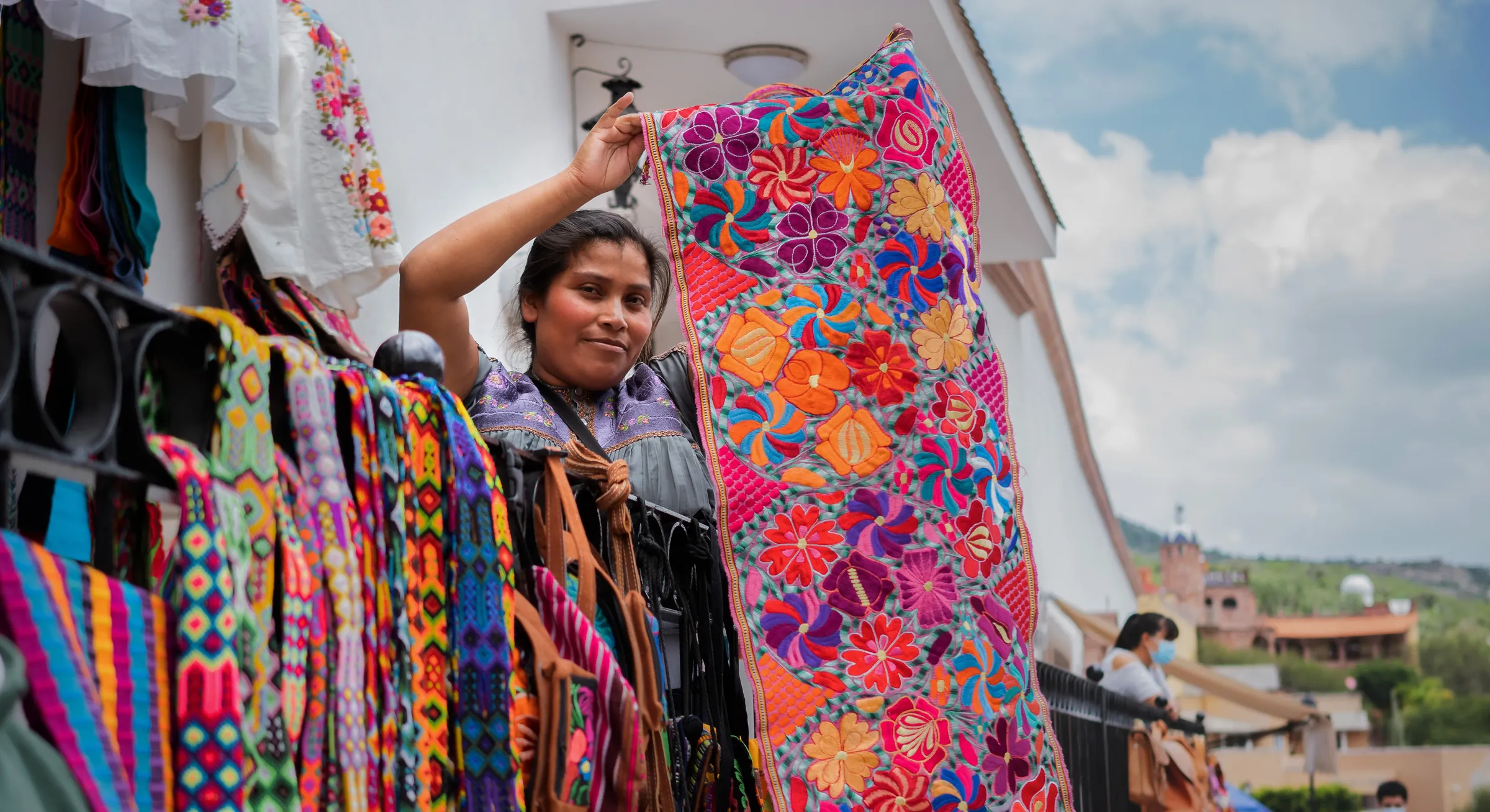
Textiles are among the most visible expressions of community identity. Materials, motifs, colors, and garment forms differ among towns and change over time. The Centro de Textiles del Mundo Maya provides essential museum context before direct workshop or cooperative visits.
San Juan Chamula and Zinacantán are commonly visited, but the experience must be locally led and respectful. Photography may be restricted, ceremonies are not performances, and visitors should follow community rules without negotiation.
The city has a varied food culture influenced by highland produce, Maya traditions, migrants from other Mexican regions, and international residents. Markets, bakeries, small restaurants, and cacao or coffee projects add more depth than focusing only on polished central dining rooms.
The surrounding landscape includes pine forest, caves, river valleys, wetlands, and routes toward Sumidero Canyon or the lower tropical forests. Travel times can be long, so nature days should be selected according to the wider route rather than added casually.
Our take: use a specialist local guide for community visits and keep at least one day free for the city itself. San Cristóbal is most rewarding when cultural learning, markets, museums, and quiet highland evenings receive equal time.
Is San Cristóbal de las Casas a good fit?
- Want to learn about living Maya cultures with local guidance.
- Enjoy textiles, markets, museums, and photography.
- Prefer a cool highland climate to tropical lowlands.
- Want to combine Chiapas with Palenque or Guatemala.
- Are comfortable with complex social and political context.
- Value small hotels and walkable historic streets.
Oaxaca has a larger restaurant and design-hotel scene, while San Cristóbal feels cooler, more mountainous, and more directly connected to contemporary Maya communities. Palenque provides tropical forest and Classic Maya archaeology rather than highland urban culture.
Best things to do
Walk through the historic center
Explore the cathedral area, Santo Domingo, former convents, pedestrian streets, markets, and neighborhoods with a guide who can address colonial and contemporary history.
Visit the Centro de Textiles del Mundo Maya
The museum's collection provides a foundation for understanding Maya weaving, clothing, symbolism, and regional variation before visiting artisans or cooperatives.
Join a community-led visit
Local hosts in selected Tzotzil or Tzeltal communities can explain textiles, agriculture, food, religious practice, and daily life. Community rules, photography restrictions, and privacy must be respected.
Explore the markets
Municipal and neighborhood markets bring together produce, prepared food, flowers, household goods, and regional clothing. A guide helps identify ingredients and navigate respectfully.
Learn about Chiapas coffee and cacao
Educational projects can explain cultivation, processing, labor, and the difference between highland and lowland growing regions without turning the experience into a shopping stop.
Visit nearby caves and forest
Arcotete, Rancho Nuevo, and smaller reserves provide short walks through pine forest and limestone landscapes. Conditions can be damp and cool even when the city is sunny.
Take a day toward Sumidero Canyon
The canyon can be combined with Chiapa de Corzo when arriving from or departing toward Tuxtla Gutiérrez. Water levels, heat, and boat conditions affect the experience.
Explore regional food
Highland dishes, market meals, breads, vegetables, and contemporary kitchens reveal influences from Maya communities and successive waves of migration. Small-group experiences provide more context than a list of restaurants.


Where to stay
Stay in the historic center for markets, museums, restaurants, and evening walks. Rooms facing inner courtyards are often quieter than those on pedestrian streets or near late-night venues.
Stay on the northern or western edge of the center for larger gardens and easier vehicle access while remaining within a short walk of the principal sites.
Stay outside town only for a rural retreat or specific nature program. Most first-time visitors gain more from a central hotel and private day excursions.
Highland nights can be cold, and not every historic hotel has central heating. Fireplaces, portable heaters, and room orientation should be confirmed for winter stays.
Our favorite hotels
Hotel Bo
Hotel Bo has 21 rooms and suites surrounding contemporary gardens near the historic center. The property has strong restaurant facilities, modern heating, and a polished design.
Casa Santa Lucía
Casa Santa Lucía has nine rooms in a restored eighteenth-century house. Each room incorporates textiles and craft traditions from a different Chiapas community, creating a highly intimate stay near the center.
Uvence Arte + Hotel
Uvence Arte + Hotel has eight spacious suites in a garden property outside the tightest central streets. Original art, fireplaces, and private terraces in selected categories suit travelers who prefer quiet and larger rooms.
Best time to visit
November through April is generally drier, with clear days and cold nights. December and January can be especially chilly in the evening, and indoor spaces may feel cooler than expected.
May through October brings more frequent rain, green hills, and afternoon storms. Roads toward Palenque and rural communities can be affected by heavy weather, so travel days need flexibility.
Pair it with
- Palenque for Classic Maya archaeology and tropical rainforest.
- Oaxaca for Zapotec history, artisan villages, and a larger culinary scene.
- Guatemala for Lake Atitlán, Antigua, or the Maya sites of Petén.
- The Chiapas lowlands for river, canyon, and wildlife landscapes.
Getting there
Most visitors fly into Tuxtla Gutiérrez and continue by road through the highlands. Palenque is reached by a long mountain journey or a combination of regional flights and transfers depending on the wider itinerary.
Approximate travel times:
- Tuxtla Gutiérrez Airport to San Cristóbal: 1.25 to 1.75 hours
- San Cristóbal to Sumidero Canyon: 1 to 1.5 hours
- San Cristóbal to Palenque: 5.5 to 7 hours
- San Cristóbal to the Guatemala border: 3.5 to 5 hours, depending on crossing
- Historic center to Arcotete: 25 to 40 minutes
- Historic center to selected nearby communities: 25 to 60 minutes
Roadblocks, construction, weather, and community events can alter travel times. We use experienced regional drivers and avoid tight same-day flight connections after long mountain transfers.

Frequently asked questions
How many nights should I stay in San Cristóbal?
Four nights provide three full days for the city, textiles, community learning, and one nature excursion. Five or six nights suit travelers continuing slowly through Chiapas.
Can I visit San Juan Chamula independently?
Visitors can enter the town, but a trusted local guide is strongly recommended. Photography and behavior rules are strict, ceremonies are private, and respectful interpretation is essential.
Is it appropriate to photograph people in the markets?
Ask permission clearly and accept refusal without pressure. Payment does not automatically create consent, and some communities or sacred settings prohibit photography entirely.
How cold does San Cristóbal get?
Days are often mild, but nights can be cold from late autumn through winter. Historic buildings may have limited insulation, so confirm heating and bring warm layers.
Is the altitude difficult?
The city sits above 7,000 feet. Most travelers adjust quickly, but a lighter first day and hydration are sensible. Seek medical advice before travel if you have relevant health concerns.
Is San Cristóbal suitable for families?
Yes, particularly for families interested in textiles, markets, caves, food, and culture. Community visits should be selected carefully and explained to children in advance.
Can I combine San Cristóbal and Palenque?
Yes, but the road day is long and winding. A private transfer with one or two meaningful stops is preferable to an overfilled sightseeing itinerary.
What should I pack?
Bring warm layers, rain protection, supportive shoes, sun protection, and respectful clothing for churches and community visits. Pack lightly if the hotel has stairs.


