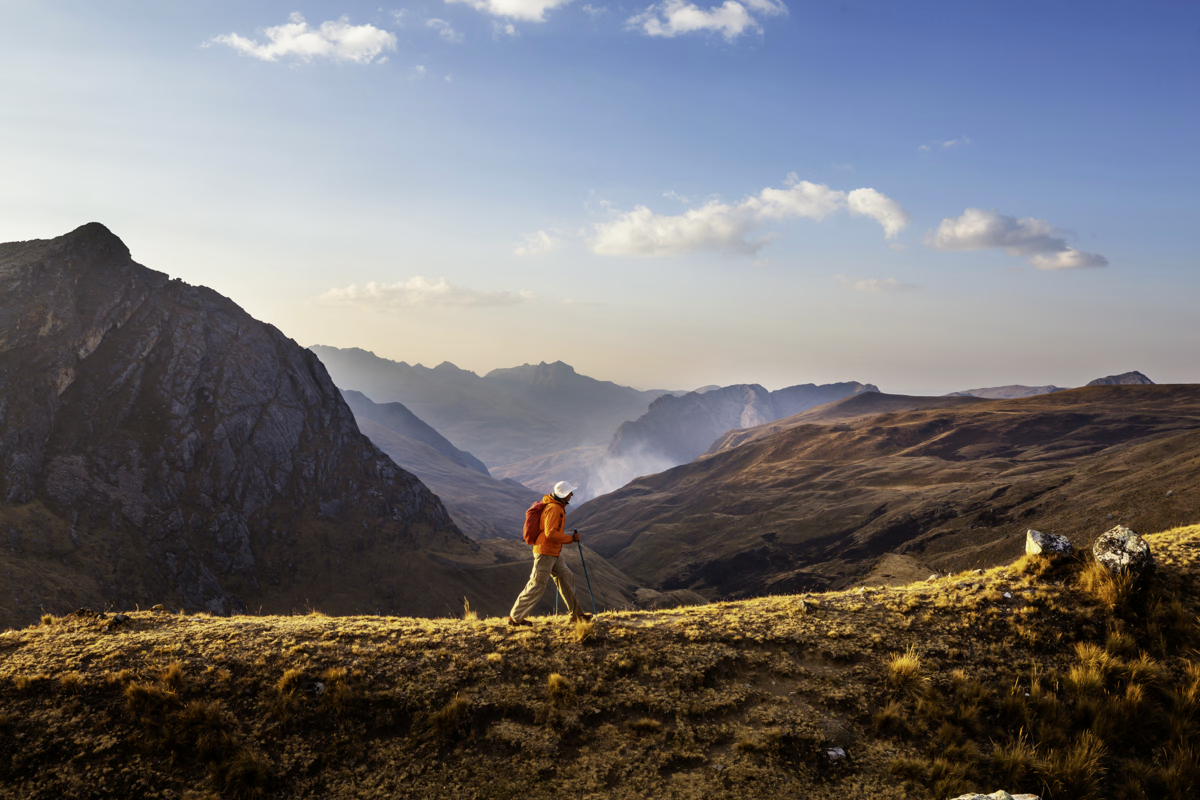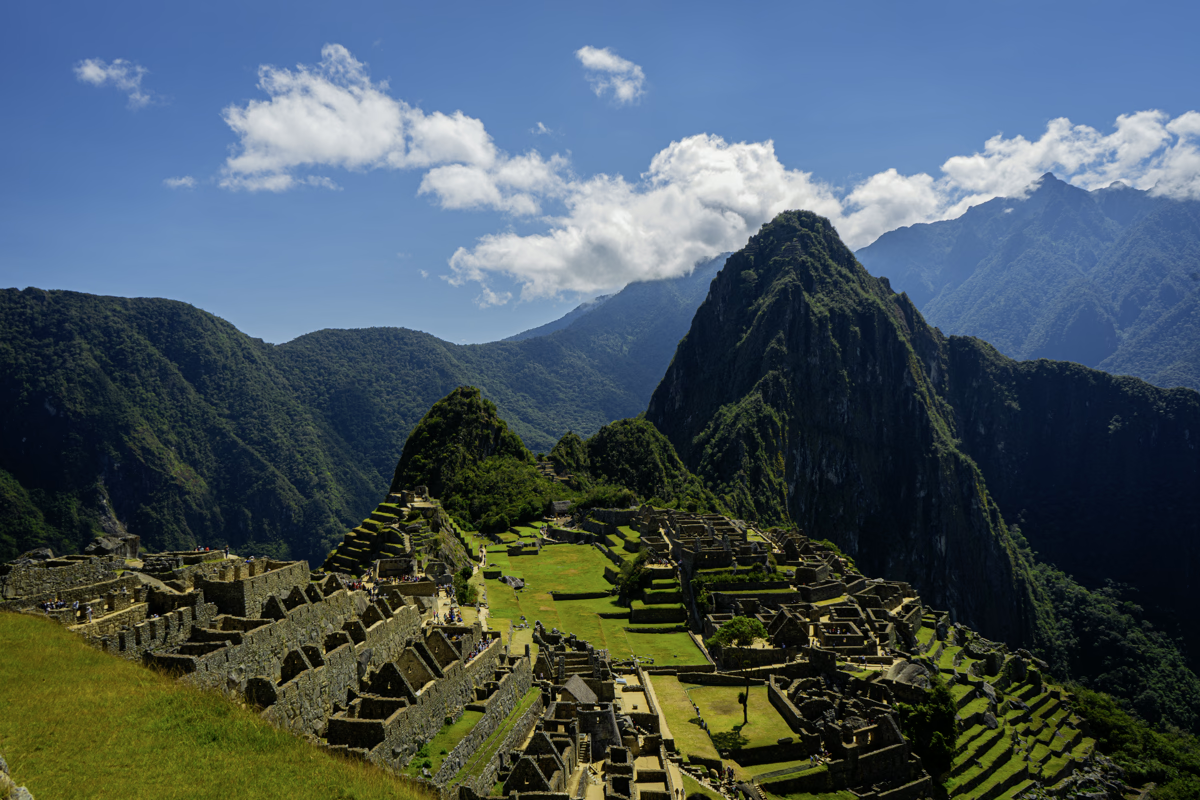
Peru's best-known destinations are spread across three very different landscapes. The Pacific coast is home to Lima and its celebrated restaurants, the Andes contain Cusco, the Sacred Valley, and Machu Picchu, while the Amazon Basin covers nearly two-thirds of the country. Domestic flights make it easy to combine these regions, allowing most travelers to experience several completely different environments in a single trip.
Rather than trying to see everything, most visitors choose two or three complementary regions. Cusco and the Sacred Valley provide the country's historical heart, the Amazon offers extraordinary biodiversity, and Arequipa, Lake Titicaca, or northern Peru each reveal another side of the country's geography and culture.
Whether you're interested in archaeology, hiking, wildlife, food, Indigenous culture, or luxury rail journeys, this guide will help you choose the regions that best match your travel style.


Peru destination finder
| If you're looking for... | We'd recommend... |
|---|---|
| Your first trip | Lima with Cusco, the Sacred Valley, and Machu Picchu |
| Luxury | The Sacred Valley, Cusco, Lima, or the Peruvian Amazon |
| City and culture | Lima or Cusco |
| History | Cusco, the Sacred Valley, Machu Picchu, or Northern Peru |
| Inca archaeology | Cusco, the Sacred Valley, and Machu Picchu |
| Pre-Inca archaeology | Northern Peru, Lake Titicaca, or the Nazca region |
| Food and restaurants | Lima, Cusco, or Arequipa |
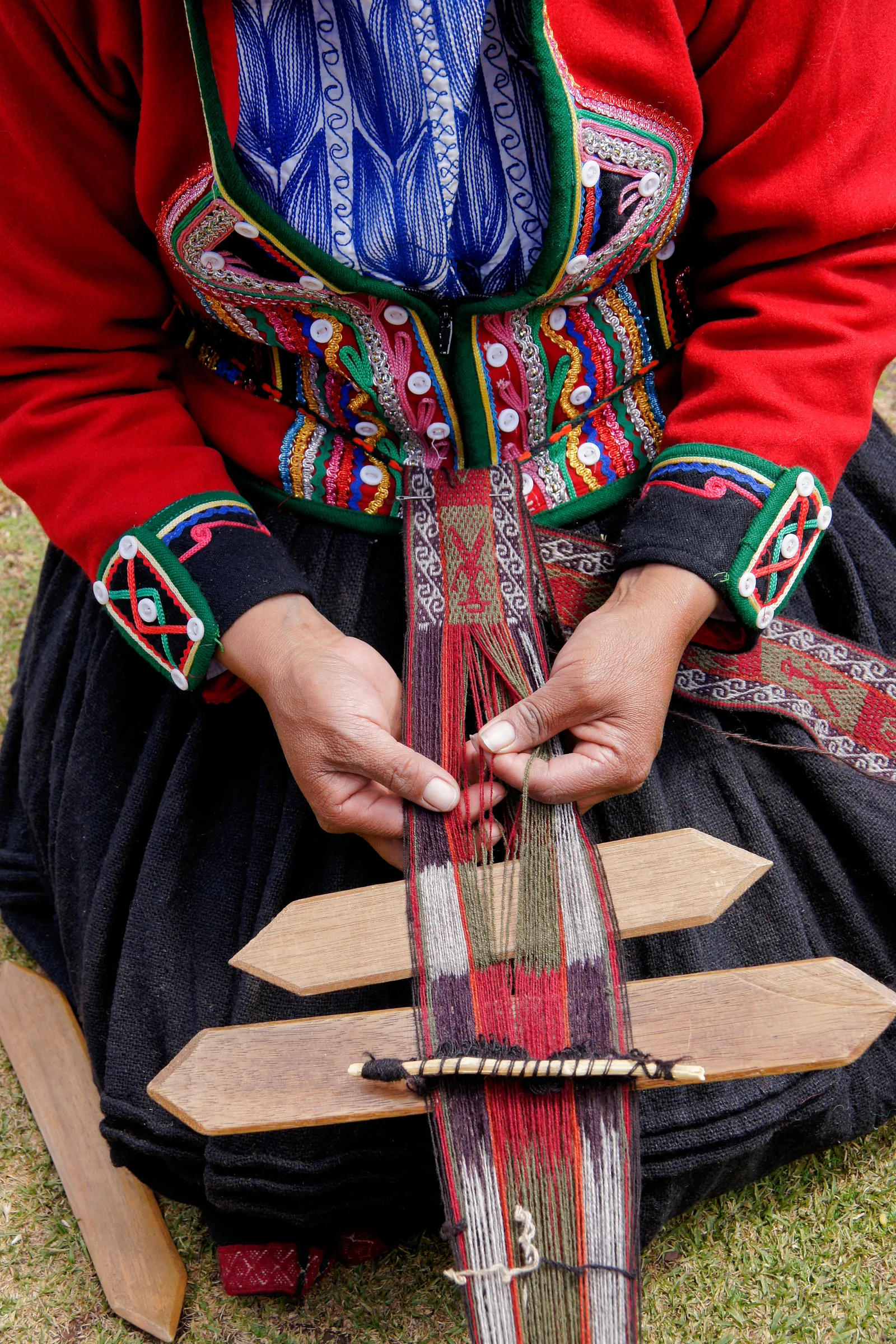
| Indigenous culture | The Sacred Valley, Lake Titicaca, or Northern Peru |
| Mountain landscapes | The Sacred Valley, Cusco, Arequipa & Colca Canyon, or Lake Titicaca |
| Hiking | Cusco & the Sacred Valley, Colca Canyon, or Northern Peru |
| Wildlife | The Peruvian Amazon, Colca Canyon, or the Ballestas Islands |
| Birdwatching | The Peruvian Amazon, Northern Peru, or Colca Canyon |
| Rainforest | The Peruvian Amazon |
| Scenic train journeys | Cusco, the Sacred Valley, Machu Picchu, or Lake Titicaca |
| Families | Lima with the Sacred Valley, Cusco, and Machu Picchu |
| Honeymoons | The Sacred Valley with Machu Picchu, Cusco, or the Peruvian Amazon |
| Off-the-beaten-path travel | Northern Peru, the Peruvian Amazon, or Lake Titicaca |


How should you divide your time?
Most international trips begin in Lima, which serves as Peru's primary gateway and is worth exploring before continuing into the Andes or Amazon. Because Peru's major attractions are separated by mountain ranges and vast distances, domestic flights are usually the most efficient way to travel between regions.
As a general rule:
5–7 days: Two destinations
8–10 days: Three destinations
11–14 days: Three to four destinations
15+ days: Four or more destinations, including Peru's more remote regions.
For a first visit, we usually recommend combining Lima with Cusco, the Sacred Valley, and Machu Picchu. Travelers with additional time can add the Amazon, Arequipa, or Lake Titicaca depending on whether they're most interested in wildlife, scenery, or culture.
Peru's regions
Lima
Peru's capital is one of Latin America's great food cities and the country's primary international gateway. The districts of Miraflores, Barranco, and San Isidro combine world-renowned restaurants, museums, contemporary art, colonial history, and dramatic cliffs overlooking the Pacific Ocean.
Most travelers spend two or three nights in Lima before flying into the Andes. Beyond its culinary reputation, the city provides an excellent introduction to Peru's history, culture, and rapidly evolving creative scene.

Cusco, the Sacred Valley & Machu Picchu
Once the capital of the Inca Empire, Cusco remains the cultural heart of Peru. Colonial churches and plazas stand atop Inca stone foundations, while the surrounding Sacred Valley contains traditional villages, agricultural terraces, archaeological sites, and many of the country's finest boutique hotels.
Most itineraries divide time between Cusco and the Sacred Valley before boarding the train to Machu Picchu. Together, these destinations provide Peru's most complete introduction to Inca history, Andean culture, and mountain scenery.
Explore Cusco, the Sacred Valley & Machu Picchu →
The Peruvian Amazon
More than half of Peru lies within the Amazon Basin, making it one of the world's most biodiverse countries. Travelers typically enter through Puerto Maldonado or Iquitos before continuing by boat to rainforest lodges surrounded by rivers, oxbow lakes, and protected reserves.
The Amazon is best experienced over three or four nights, allowing time for guided walks, wildlife viewing, canoe excursions, and night safaris. It pairs particularly well with Cusco, offering a striking contrast between the Andes and lowland rainforest.
Arequipa & Colca Canyon
Built from pale volcanic stone beneath three snow-capped volcanoes, Arequipa is one of Peru's most beautiful colonial cities. Nearby, Colca Canyon offers dramatic scenery, traditional villages, pre-Inca agricultural terraces, and one of South America's best opportunities to observe Andean condors.
Together, Arequipa and Colca Canyon make an excellent addition for travelers interested in architecture, hiking, and high-altitude landscapes beyond Cusco.

Lake Titicaca
Straddling the border between Peru and Bolivia, Lake Titicaca is the world's highest navigable lake and an important center of Andean culture. Indigenous communities continue to live on its islands and shores, preserving traditions that predate the Inca Empire.
Most travelers stay in Puno or at lakeside lodges while visiting the Uros floating islands, Taquile Island, and more remote communities. Lake Titicaca pairs naturally with Cusco or Arequipa.
Northern Peru
Northern Peru remains one of the country's least-visited regions despite its extraordinary archaeological and natural attractions. Colonial cities, cloud forests, pre-Inca civilizations, and the remains of Chan Chan and Kuélap provide a completely different perspective on Peru's history.
This region rewards travelers with additional time who want to explore beyond the classic circuit. It combines particularly well with Lima and offers a quieter alternative to Peru's better-known southern destinations.