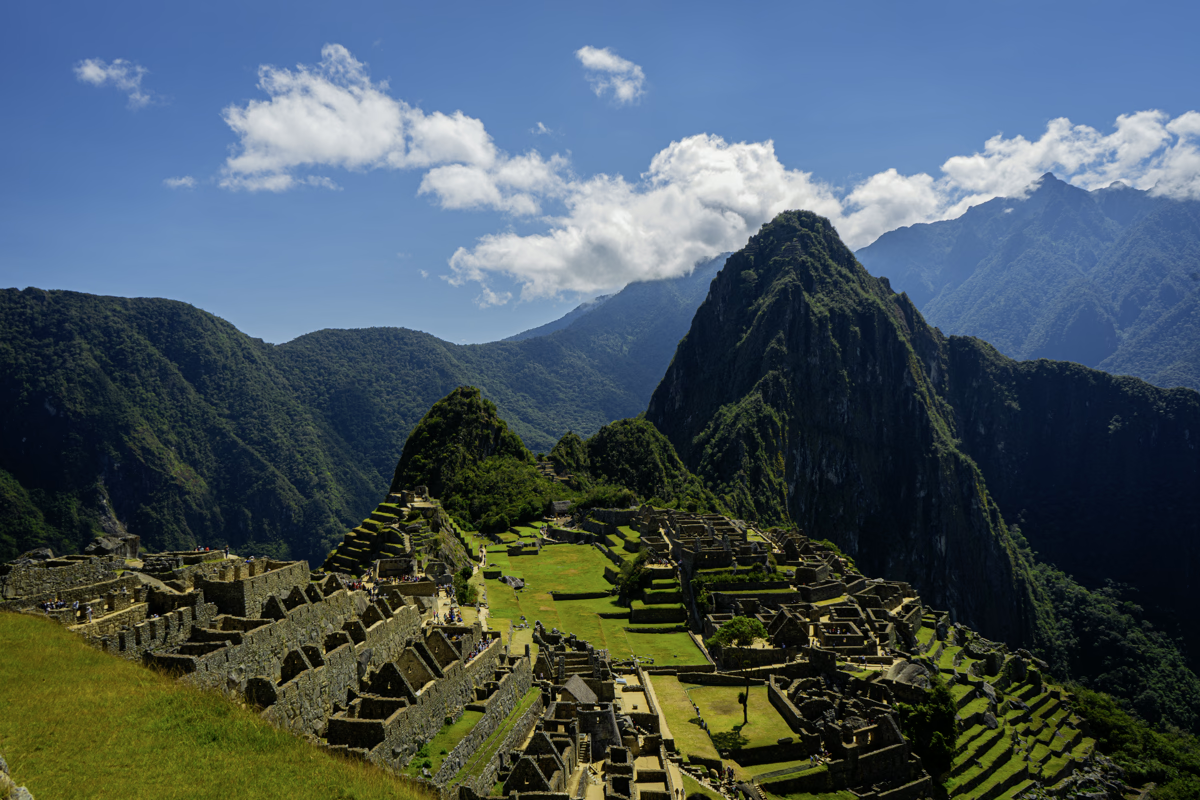
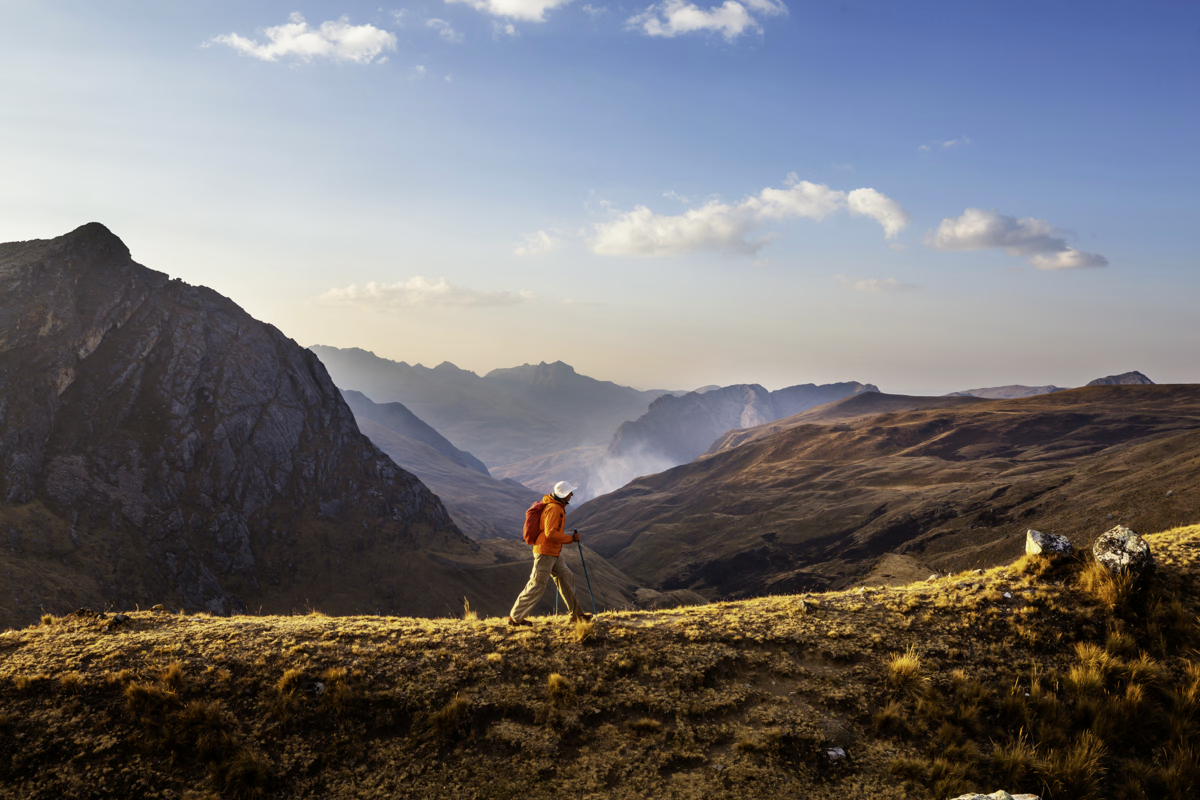
Lake Titicaca lies across the border between Peru and Bolivia at approximately 12,507 feet above sea level. On the Peruvian side, Puno is the main transport hub, but the lake itself is the reason to stay: deep blue water, wide Altiplano skies, totora reed beds, agricultural islands, and communities whose languages, textiles, and traditions differ across relatively short distances. A private program can combine Uros, Taquile, rural peninsulas, kayaking, and archaeology without turning the experience into a sequence of crowded boat stops.
At a glance
| Best for | High-altitude scenery, island communities, textiles, boating, archaeology, and photography |
|---|---|
| Don't miss | Taquile Island, the Uros reed islands, a rural peninsula, Sillustani, and sunrise over the lake |
| Recommended stay | 2 to 4 nights |
| Best area to stay | A lakefront hotel outside central Puno |
| Pairs well with | Arequipa & Colca Canyon and Cusco, the Sacred Valley & Machu Picchu |
| Closest airport | Inca Manco Cápac International Airport in Juliaca (JUL) |
| Best time to visit | April through October, with the clearest skies from May through September |
| Getting around | Private transfers, motorboats, traditional boats, kayaking, and guided walks |
| Budget | $$ to $$$$ |
Why stay at Lake Titicaca?
The scale of the lake is difficult to understand from Puno alone. From a remote peninsula or island, the horizon widens, the water changes color throughout the day, and the snow-capped Cordillera Real may appear across the Bolivian side in clear weather. Staying outside the city also reduces the time spent moving through traffic before each boat excursion.
The Uros communities are known for constructing floating islands from layers of totora reeds. Visits vary greatly in quality. Smaller, community-arranged experiences can explain how the islands are maintained, how households earn income, and how families move between traditional practices and modern education, healthcare, and work.
Taquile Island is known for complex textile traditions in which clothing communicates age, marital status, and community identity. The island has no cars, and visits involve walking on stone paths at high altitude. A locally hosted lunch and textile demonstration provide more substance than a brief stop at the dock.
The mainland around the lake contains pre-Inca tombs, agricultural landscapes, village markets, and quiet shoreline routes. Sillustani's chullpas rise above Lake Umayo, and lesser-visited peninsulas create opportunities for kayaking, birdwatching, and meals with local families.
Our take: spend at least two nights at a hotel directly on the lake and choose private or very small-group excursions. Lake Titicaca is most rewarding when there is time for conversation, walking, and changing light rather than a fast circuit through the most visited islands.
Is Lake Titicaca a good fit?
- Enjoy cultural travel centered on living communities.
- Want broad landscapes and quieter days after Cusco.
- Are interested in textiles, agriculture, and Indigenous history.
- Like boating, gentle walking, or kayaking.
- Prefer a remote lakefront hotel to an urban overnight.
- Are comfortable sleeping above 12,000 feet.
Travelers who are already struggling with altitude may need to shorten the stay or place it later in the itinerary. Puno has practical value as a transport center, but the best hotels and experiences are found along the shore beyond the city.
Best things to do
Visit the Uros reed islands
Learn how totora reeds are cut, layered, replaced, and used for houses, boats, fuel, and crafts. The quality of the visit depends on the host community and the amount of time allowed for genuine explanation.
Walk across Taquile Island
Stone paths climb through agricultural terraces and small settlements toward broad viewpoints. Local guides explain the island's textile traditions, social organization, and the meanings carried by different garments.
Stay on a quiet peninsula
A remote lakefront base provides direct access to small communities, coves, farms, and walking routes without returning to Puno each afternoon. Sunrise and night skies are among the strongest reasons to stay outside town.
Kayak along the shoreline
Protected bays and reed beds can be explored by kayak when wind and weather allow. The low viewpoint is useful for birdwatching and creates a quiet contrast to longer motorboat excursions.
Visit Sillustani
The pre-Inca and Inca funerary towers at Sillustani stand on a peninsula above Lake Umayo. The site is usually visited between Juliaca and Puno, with a guide explaining burial practices, stonework, and the cultures that preceded the Inca.
Learn about traditional textiles
Community-led demonstrations show how wool is spun, dyed, woven, and interpreted. Taquile is especially known for male knitting and female weaving, with clothing tied closely to identity and social roles.
Share a meal with a local family
Meals may include quinoa, potatoes, lake fish, cheese, and crops grown at high altitude. The experience is strongest when the hosts control the format and visitors have time to discuss daily life rather than moving immediately to the next stop.
Watch sunrise over the lake
Clear mornings bring dramatic color across the water and distant mountains. Lakefront rooms and early private excursions allow travelers to experience this without a predawn transfer from central Puno.


Where to stay
Stay on the Titilaka Peninsula if privacy, panoramic water views, and a complete excursion program are priorities. The remote location works best for two or three nights, with meals and activities organized through the hotel.
Stay on the Capachica Peninsula or another rural shoreline if you want a small lodge, close contact with nearby communities, and fewer visitors. Facilities are more limited, but the setting can feel far removed from Puno despite being reachable by road and boat.
Stay on Esteves Island or the edge of Puno if you need easier access to the train station, city services, or an early airport transfer. These hotels are more practical for a one-night stop, although they do not provide the same privacy as a remote peninsula.
We prefer a lakefront hotel outside the city and private boat arrangements. This creates more flexibility around weather and allows the itinerary to include lesser-visited communities rather than following the busiest standard route.
Our favorite hotels
Titilaka
Titilaka has 18 rooms on a private peninsula south of Puno, with water views from every room. Meals, private excursions, kayaking, and guided community visits are integrated into the stay.
Amantica Lodge
Amantica is an intimate two-suite lodge on the Capachica Peninsula. Its defining qualities are privacy, direct contact with the lake, and highly personalized outings with nearby communities rather than a large list of resort facilities.
GHL Hotel Lago Titicaca
This 123-room hotel sits on Esteves Island beside Puno, connected to the mainland by road.
Casa Andina Premium Puno
Casa Andina Premium Puno is a comfortable lakefront property outside the busiest part of the city. It is less remote than Titilaka but suits shorter stays, families, and travelers continuing early by road or rail.
Best time to visit
May through September is the driest period, with clear days, strong sunlight, and very cold nights. Morning boat trips can feel especially cold because of wind across the water, even when afternoons are mild in direct sun.
October through April brings more cloud and rain, with the greenest landscapes usually appearing after the summer rains. Storms can create rougher water and alter boat schedules, but the lake remains accessible year-round.
Pair it with
- Arequipa & Colca Canyon by traveling across the Altiplano from the Colca Valley.
- Cusco, the Sacred Valley & Machu Picchu by private road transfer, scheduled train, or a longer luxury rail journey.
- Lima for international connections before or after the southern Peru circuit.
Getting there
Most travelers arrive through Juliaca Airport and continue by road to Puno or a lakefront hotel. Lake Titicaca can also be reached from Colca or Cusco by private transfer, scheduled tourist service, or rail. Boat times depend on the island, vessel type, and wind conditions.
Approximate travel times:
- Juliaca Airport to central Puno: 1 hour
- Juliaca Airport to Titilaka: 1.5 to 2 hours
- Puno to the Uros islands: 30 to 45 minutes by boat
- Puno to Taquile Island: 2.5 to 3 hours by standard boat
- Colca Valley to Puno: 6 to 7 hours
- Cusco to Puno: 7 to 10 hours, depending on transport and stops
Road and boat travel both occur at high altitude, so the arrival day should remain light. We also avoid very tight onward connections because weather, traffic around Juliaca, and lake conditions can alter journey times.


Frequently asked questions
How many nights should I stay?
Two nights is the minimum for one full day on the lake. Three nights allow a private island visit, a mainland experience, and time to enjoy the hotel. Four nights suit travelers interested in textiles, photography, or slower community-based travel.
Should I stay in Puno or outside the city?
Stay outside Puno for quiet, direct water views, and more flexible excursions. Stay near the city when the trip is only one night or when an early train, flight, or road departure matters more than privacy.
Are the Uros islands too touristy?
Some heavily visited islands can feel staged because many boats arrive on the same route. A privately arranged visit with a specific community, enough time for conversation, and transparent local participation creates a more respectful and informative experience.
How difficult is the altitude?
Lake Titicaca sits above Cusco, and short walks can feel more demanding than expected. Place the lake after lower or progressively higher destinations when possible, move slowly, and seek medical advice before travel if you have relevant health concerns.
Is the lake warm enough for swimming?
The water is cold year-round, and swimming is not a central part of most itineraries. Kayaking, boating, shoreline walks, and views from a lakefront hotel are more common ways to experience the water.
What should I pack?
Bring warm layers, a wind-resistant outer layer, sun protection, gloves or a hat for early boat rides, and comfortable walking shoes. Strong sun and cold air can occur on the same day.
Is Lake Titicaca suitable for families?
Yes, particularly for families interested in boats, textiles, farming, and cultural exchange. The altitude, long standard boat trips, and cold mornings need to be considered, and private excursions are easier to adapt for children.
Can I travel directly between Lake Titicaca and Cusco?
Yes. Options include a private road journey with archaeological stops, scheduled rail service on selected days, and luxury sleeper-train itineraries. The best choice depends on available time and how much of the journey you want to treat as an experience.