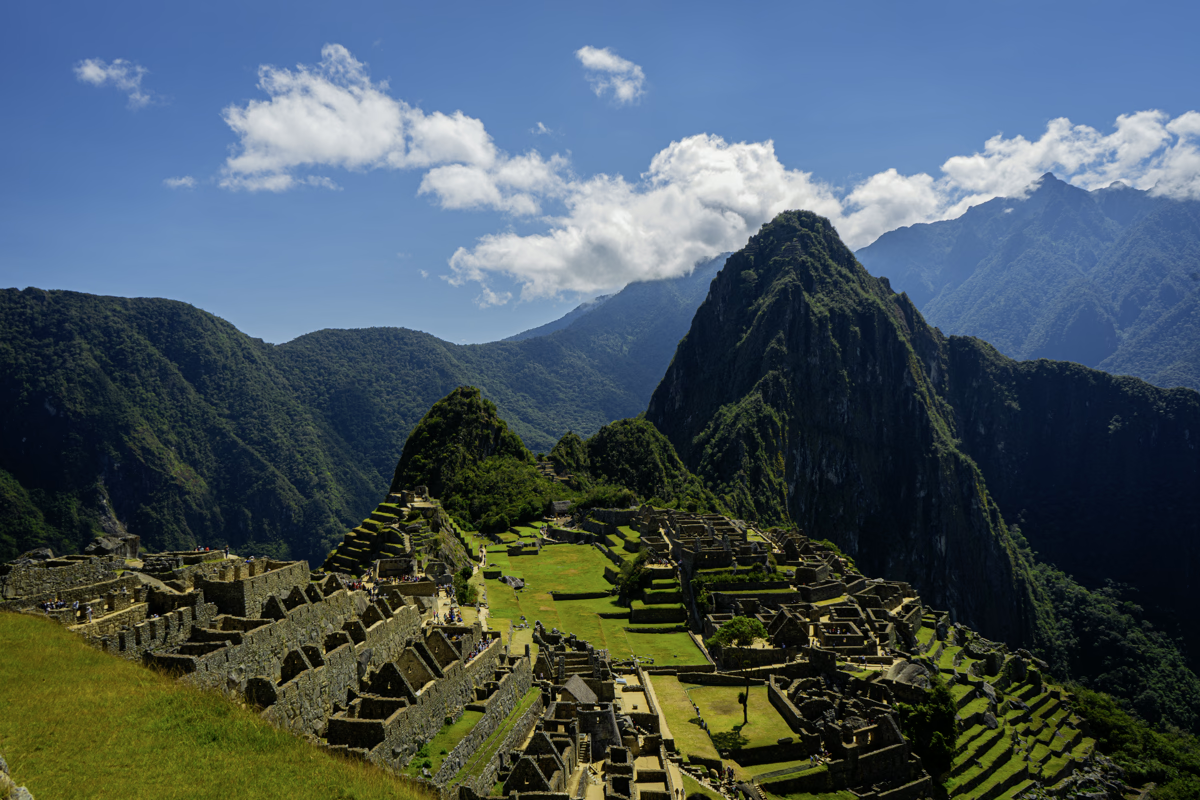
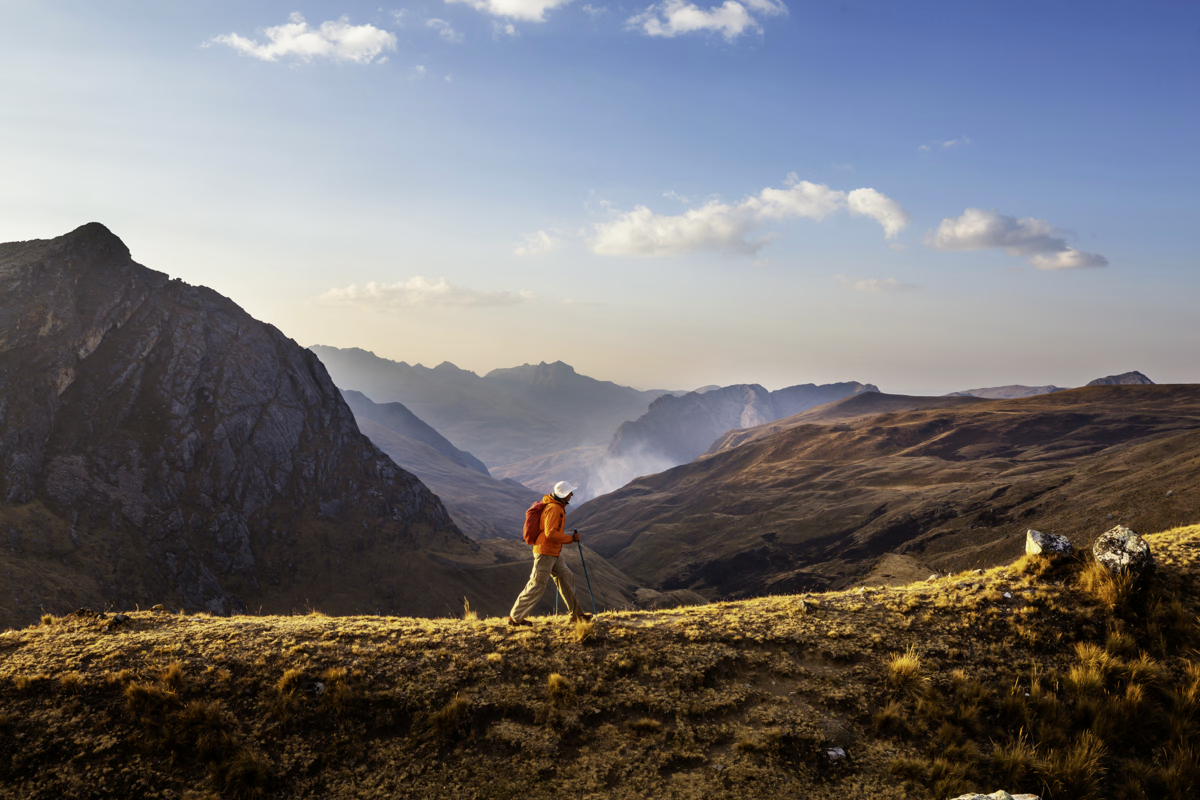
Northern Peru covers two major cultural landscapes. Along the desert coast, Trujillo and Chiclayo provide access to the Moche and Chimú sites of Chan Chan, Huaca de la Luna, Huaca Rajada, and the Royal Tombs of Sipán Museum. Inland, the Amazonas region rises into cloud forest around Chachapoyas, Kuélap, Gocta Falls, cliff tombs, and painted sarcophagi. Combining both areas requires flights and long road journeys, but it creates one of Peru's most archaeologically varied itineraries.
At a glance
| Best for | Pre-Inca archaeology, cloud forest, waterfalls, museums, birdwatching, and quieter cultural travel |
|---|---|
| Don't miss | Chan Chan, Huaca de la Luna, the Royal Tombs of Sipán Museum, Kuélap, Gocta Falls, and Leymebamba |
| Recommended stay | 6 to 10 nights |
| Best area to stay | Trujillo or Chiclayo on the coast, followed by Chachapoyas or Gocta |
| Pairs well with | Lima, the Peruvian Amazon, and a longer overland journey toward Ecuador |
| Primary airports | Trujillo (TRU), Chiclayo (CIX), Jaén (JAE), and Chachapoyas (CHH) |
| Best time to visit | May through October for the cloud forest; the coast is generally dry year-round |
| Getting around | Domestic flights, private transfers, cable car, guided walks, and selected hikes |
| Budget | $$ to $$$ |
Why stay in Northern Peru?
The north challenges the idea that Peru's archaeology begins and ends with the Inca. Near Trujillo, the Moche built monumental adobe temples covered with painted reliefs, and the later Chimú created Chan Chan, an enormous urban complex of palaces, plazas, storerooms, and ceremonial spaces. The dry climate has preserved architecture and decoration rarely seen in the wetter Andes.
Chiclayo is the gateway to the tomb of the Lord of Sipán and one of South America's most important archaeological museums. The discovery at Huaca Rajada transformed understanding of Moche political power, metallurgy, ritual, and burial practice. The Royal Tombs of Sipán Museum displays objects within a building designed to recall a Moche pyramid.
The Chachapoyas region changes the landscape completely. Cloud forest covers steep valleys around limestone cliffs, waterfalls, and archaeological sites. Kuélap occupies a ridge behind massive walls and contains the remains of hundreds of circular structures associated with the Chachapoya culture. Access arrangements can change because of conservation work, making local planning essential.
Gocta Falls drops in two main stages through forest near Cocachimba. The hike passes farms, orchids, birds, and changing views of the falls. Farther south, the Leymebamba Museum preserves more than 200 mummies and associated objects recovered from the cliff tombs at Laguna de los Cóndores.
Our take: choose either the coast or Chachapoyas for a five-night first visit, or allow eight to ten nights to combine them. The north is less polished than Cusco, but the archaeology, landscapes, and lack of heavy visitor traffic make the additional logistics worthwhile.
Is Northern Peru a good fit?
- Have already visited southern Peru or want a less familiar first itinerary.
- Are interested in civilizations that preceded the Inca.
- Enjoy archaeology, museums, cloud forest, and waterfalls.
- Accept longer road journeys in exchange for fewer visitors.
- Prefer small lodges and regional hotels to large luxury resorts.
- Want a trip that combines culture and active nature.
Travelers seeking the highest concentration of polished luxury hotels will find more choice in Lima, Cusco, and the Sacred Valley. Northern Peru is strongest for experienced travelers who value expert guiding, complex history, and access to places still outside the standard circuit.
Best things to do
Explore Chan Chan
The Chimú capital extended across a vast area near modern Trujillo. A guided visit focuses on one restored palace complex and explains adobe construction, water management, social hierarchy, and the city's relationship to the nearby coast.
Visit Huaca de la Luna
This Moche ceremonial center preserves painted walls, reliefs, plazas, and evidence of repeated rebuilding. The adjoining museum and views toward Cerro Blanco help explain how the site functioned within the broader Moche Valley.
See the Royal Tombs of Sipán Museum
The museum in Lambayeque contains gold, silver, copper, ceramics, and regalia excavated from elite Moche burials at Huaca Rajada. Its displays provide essential context before or after visiting the archaeological site.
Visit Kuélap
Kuélap's high walls, narrow entrances, circular foundations, ceremonial structures, and mountain setting distinguish it from the stone architecture of the Inca south. A full-day visit from Chachapoyas normally combines road travel, cable-car access, and an uphill walk.
Hike to Gocta Falls
The route from Cocachimba crosses cultivated land and cloud forest before reaching views of the two-stage waterfall. Conditions can be muddy, and the return climb is more demanding than the outward journey.
Explore Revash and the Leymebamba Museum
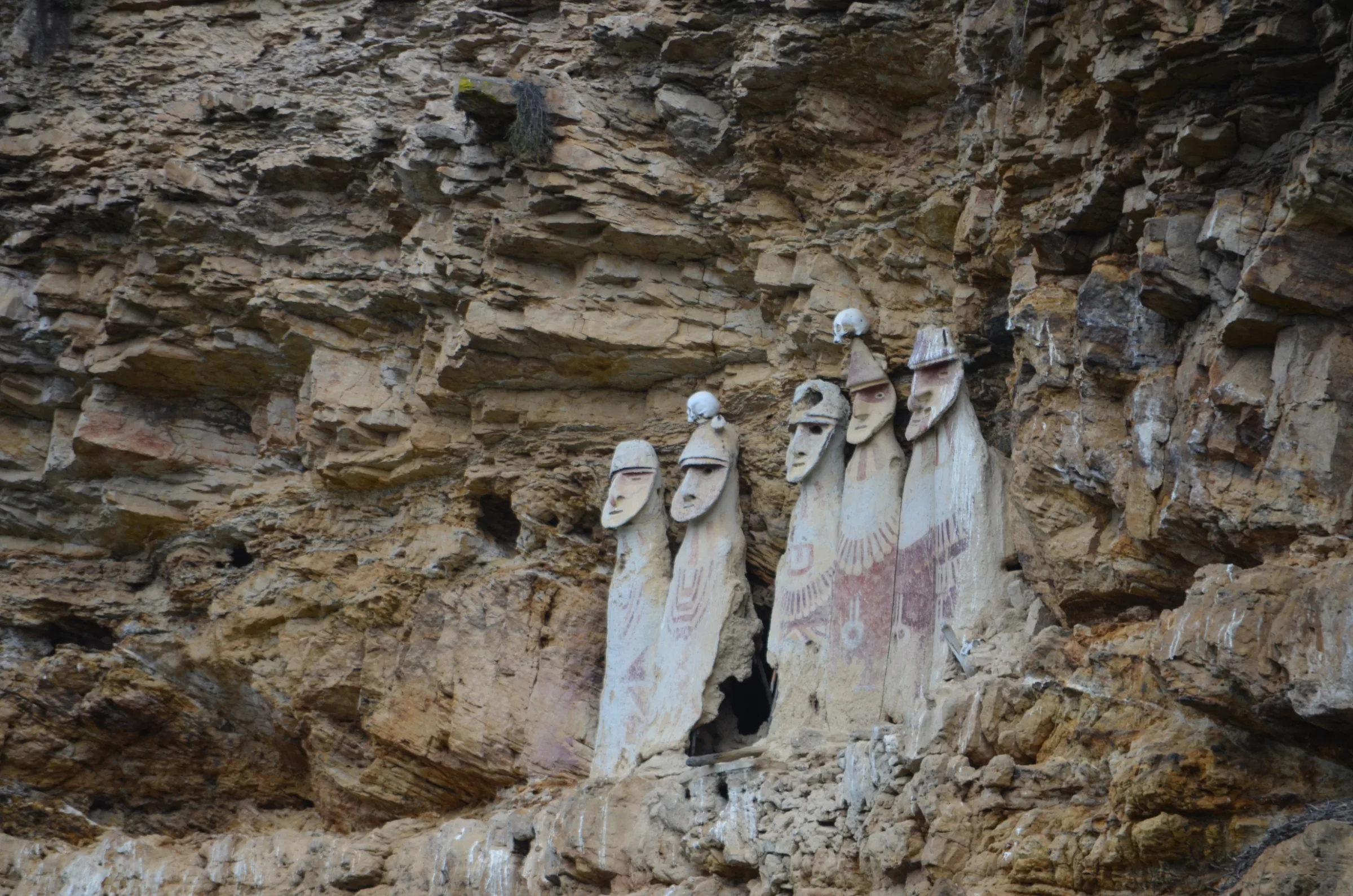
Revash's cliff-side mausoleums resemble small painted houses set high above the valley. The museum at Leymebamba adds crucial context through textiles, ceramics, funerary objects, and the mummies recovered from Laguna de los Cóndores.
Search for cloud-forest birds
The Amazonas region supports hummingbirds, tanagers, toucanets, and the Andean cock-of-the-rock. Birding can be added around Gocta, Abra Patricia, and lodge reserves, with early starts and specialist guides for serious travelers.
Experience northern Peruvian food
Coastal dishes include ceviche, cabrito, arroz con pato, and seafood stews, while the highlands use potatoes, corn, local herbs, and slow-cooked meats. Markets and regional restaurants help connect the archaeology to living northern culture.

Where to stay
Stay in Trujillo for Chan Chan, Huaca de la Luna, colonial architecture, and access to the fishing village of Huanchaco. The best full-service hotels sit outside the historic center, so private transfers are useful for archaeological days.
Stay in Chiclayo or Lambayeque for the Royal Tombs of Sipán Museum, Huaca Rajada, Túcume, and Sicán sites. Chiclayo is practical rather than visually refined, and its value comes from the surrounding archaeology and food.
Stay in Chachapoyas for restaurants, the main square, museums, and a central position for regional day trips. Stay near Cocachimba or Gocta if waterfall views, cloud forest, and a quieter lodge matter more than evening choice.
Combining the coast and cloud forest normally requires a domestic flight and a substantial road transfer. We avoid changing hotels every night and instead use one coastal base plus one or two bases in the Amazonas region.
Our favorite hotels
Gocta Natura Reserve
Gocta Natura Reserve has six cabins within a private forest restoration project near Cocachimba. The property has waterfall views, direct trail access, birdlife, and a strong conservation program.
Gocta Andes Lodge
Gocta Andes Lodge has a small collection of rooms and suites facing the waterfall, along with an infinity pool and immediate access to the main hiking route. It is the most practical choice for travelers who want Gocta views with more conventional hotel facilities.
Casa Hacienda Achamaqui
This former farmhouse stands beside the Utcubamba River outside Chachapoyas, surrounded by gardens and mountain slopes. Its 31 rooms, pool, and position between regional sites work well for families and travelers who prefer a rural setting without moving as far as Cocachimba.
Wyndham Costa del Sol Trujillo Golf
This 120-room full-service hotel has a pool, spa, restaurant, and larger rooms outside central Trujillo. It lacks the intimacy of the cloud-forest lodges but is the strongest full-service option for private archaeological excursions along the coast.
Best time to visit
The desert coast around Trujillo and Chiclayo is dry for most of the year, with warmer conditions from December through April and cooler, cloudier weather from June through October. Exceptional El Niño conditions can bring unusual rainfall and affect archaeological access.
The Chachapoyas cloud forest is wettest from roughly November through April. May through October generally brings firmer trails and more reliable road conditions, although rain and mist remain possible at any time.
Pair it with
- Lima for museums, food, and the strongest flight connections into the north.
- The Peruvian Amazon through Iquitos for a longer northern Peru itinerary.
- Ecuador for travelers continuing overland or by regional flight on an extended trip.
Getting there
Trujillo and Chiclayo have direct flights from Lima. The Chachapoyas region can be reached through Jaén followed by a long private transfer, or through limited flights to Chachapoyas when schedules operate. Kuélap, Gocta, Leymebamba, and other sites are dispersed across mountain roads.
Approximate travel times:
- Lima to Trujillo: 1 hour 15 minutes by air
- Lima to Chiclayo: 1 hour 20 minutes by air
- Trujillo to Chiclayo: 3.5 to 4 hours by road
- Jaén Airport to Chachapoyas: 3.5 to 4.5 hours
- Chachapoyas to Cocachimba: 1 to 1.5 hours
- Chachapoyas to Kuélap: 1.5 hours to the cable-car area, followed by cable car and walking time
Flight schedules and archaeological access can change, especially around Chachapoyas and Kuélap. We build the route around confirmed operations, allow weather flexibility, and avoid short same-day air connections after long mountain transfers.


Frequently asked questions
How many nights should I stay?
Allow four to five nights for either the northern coast or Chachapoyas. Combining both requires six to ten nights, depending on flight schedules and how many archaeological sites or hikes you want to include.
Is Northern Peru only for travelers who have already seen Machu Picchu?
No. It can be a first Peru trip for travelers especially interested in archaeology and quieter regions. However, the hotels and transport are less polished than the classic southern circuit, and the distances require more patience.
Should I choose Trujillo or Chiclayo?
Choose Trujillo for Chan Chan, Huaca de la Luna, Huanchaco, and a more attractive historic center. Choose Chiclayo for the Royal Tombs of Sipán Museum, Huaca Rajada, Túcume, and the strongest concentration of Moche funerary archaeology.
Is Kuélap open?
Access conditions can change because of conservation work, weather, and operating schedules. The site and cable-car arrangements should be confirmed before the itinerary is finalized, with alternative archaeological and nature excursions prepared if access changes.
How difficult is the Gocta hike?
The standard route involves several hours on undulating trails that can become muddy, with a noticeable uphill return. Horses may be available for part of the route, but travelers still need balance and walking ability on uneven ground.
What level of hotels should I expect?
The best cloud-forest lodges are small and memorable but do not have the extensive spas, room service, or staffing of Cusco's luxury hotels. On the coast, full-service properties are comfortable and practical rather than destination resorts.
Is Northern Peru suitable for families?
Yes, especially for older children interested in archaeology, cable cars, waterfalls, and wildlife. Long road journeys and museum-heavy days should be broken up, and the Gocta hike may need adjustment for younger travelers.
Do I need specialist guides?
Yes. The value of Northern Peru lies in understanding several distinct civilizations and landscapes. Skilled archaeological guides make the Moche, Chimú, and Chachapoya sites far more meaningful, while specialist bird guides are worthwhile in the cloud forest.