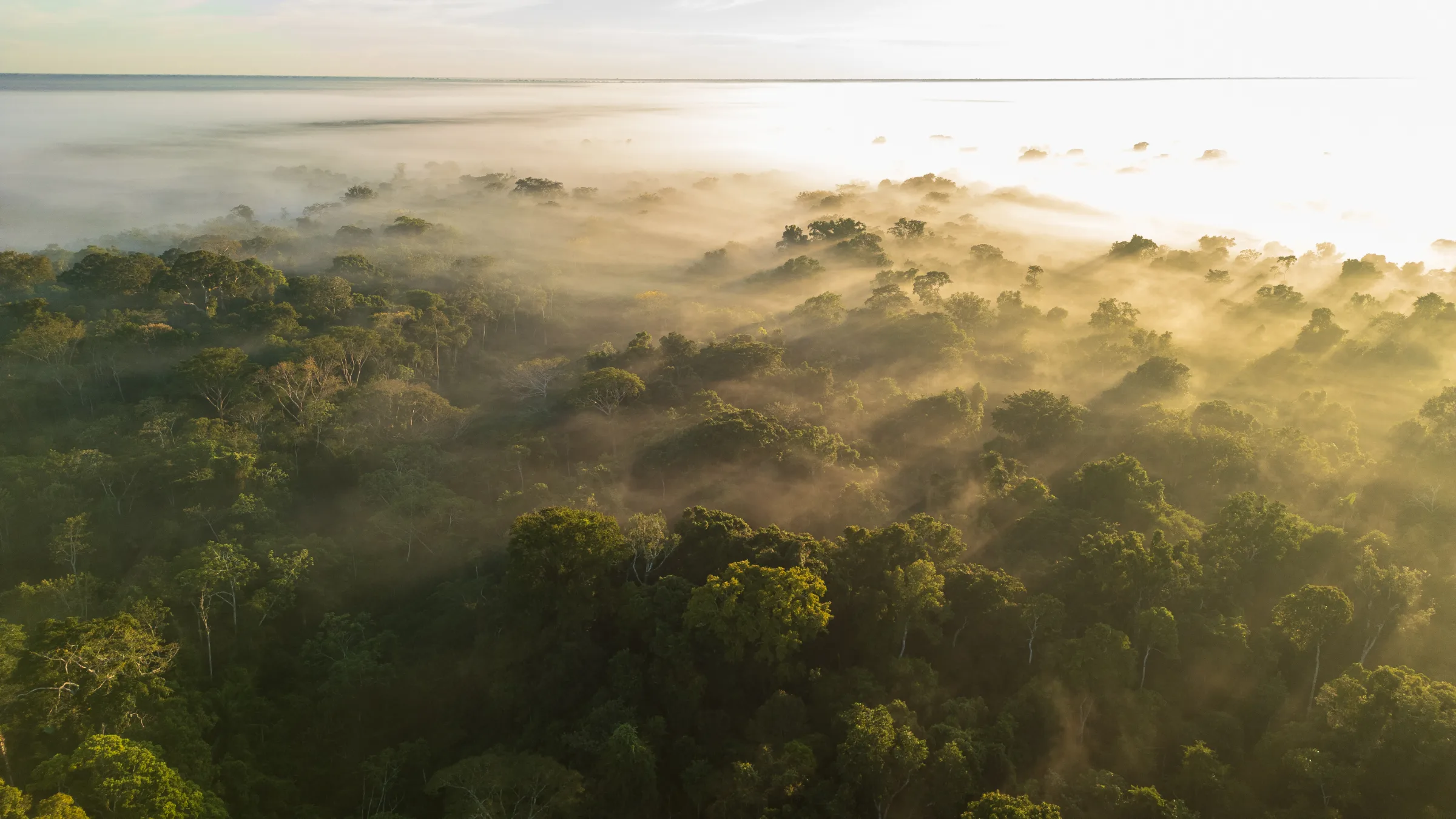
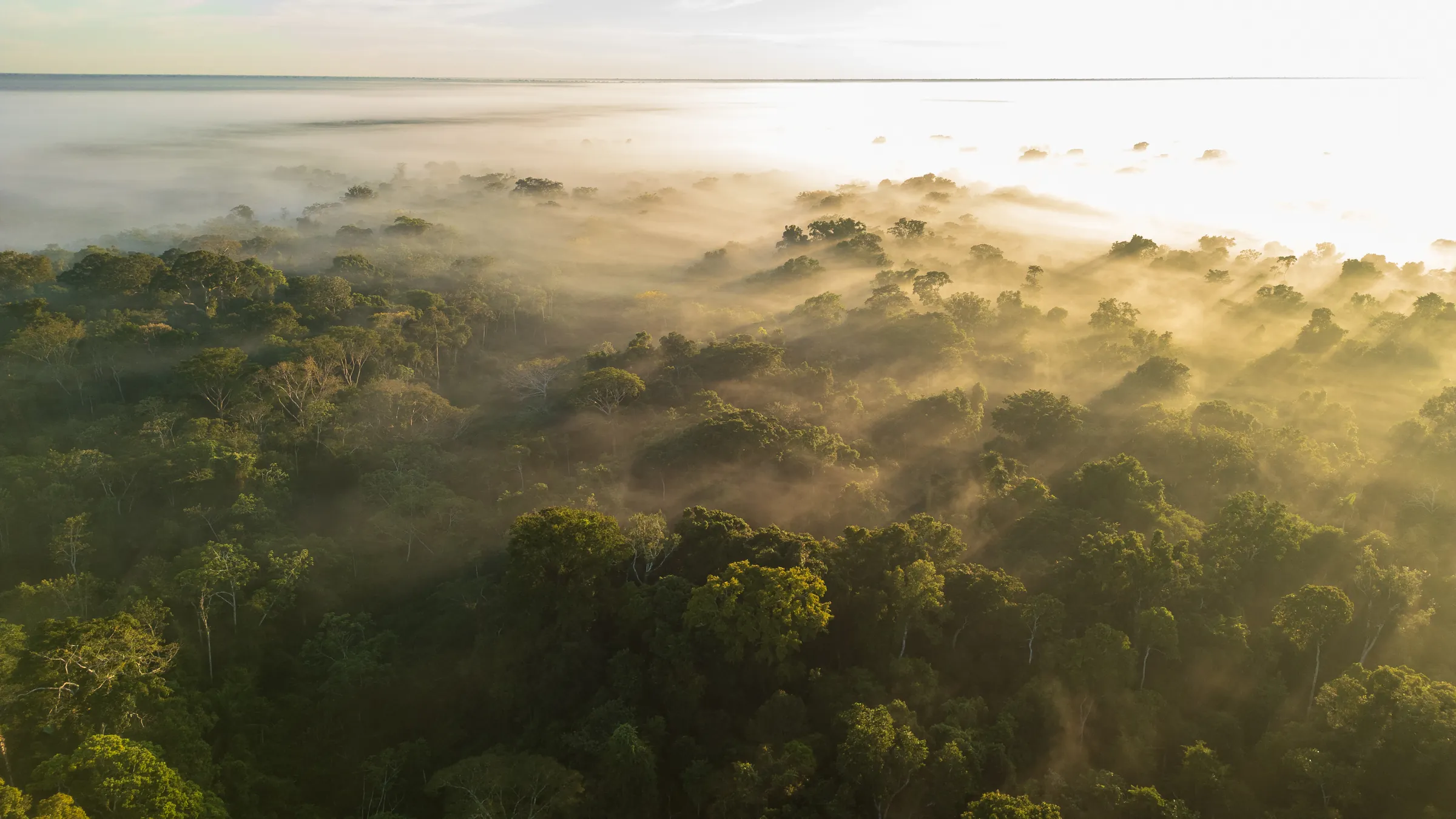
The Peruvian Amazon covers a vast part of the country, but most luxury trips focus on two gateways. Puerto Maldonado leads to lodge-based stays in Tambopata, where forest trails, canopy towers, oxbow lakes, and macaw clay licks are reached by river. Iquitos leads to expedition cruises through the waterways around Pacaya-Samiria National Reserve, where high water allows skiffs to enter flooded forest and wildlife viewing is built around long days on the river. Choosing between them is the first important planning decision.
At a glance
| Best for | Wildlife, birdwatching, rainforest, river exploration, photography, and naturalist guiding |
|---|---|
| Don't miss | Oxbow lakes, macaw clay licks, flooded forest, canopy walks, night excursions, and Pacaya-Samiria |
| Recommended stay | 4 to 7 nights |
| Best area to stay | Tambopata for lodges or the upper Amazon near Iquitos for expedition cruises |
| Pairs well with | Cusco, the Sacred Valley & Machu Picchu and Lima |
| Closest airports | Puerto Maldonado International Airport (PEM) and Coronel FAP Francisco Secada Vignetta International Airport (IQT) |
| Best time to visit | Year-round, with lower water favoring trails and higher water expanding boat access |
| Getting around | Motorized boats, skiffs, canoes, and guided forest walks |
| Budget | $$$ to $$$$ |
Why stay in the Peruvian Amazon?
Tambopata is the more direct addition to a southern Peru itinerary because flights connect Puerto Maldonado with both Lima and Cusco. Lodges range from relatively accessible properties reached in under an hour to remote operations requiring several hours by road and river. The deeper locations generally reduce outside disturbance and place guests closer to clay licks, old-growth forest, and a wider variety of habitats.
Iquitos cannot be reached by road from the rest of Peru. Most visitors fly in, continue overland to Nauta, and board a small expedition vessel for three, four, or seven nights. Cruises cover more territory than a lodge stay and allow travelers to explore several channels, tributaries, and sections of flooded forest without packing each day.
Wildlife sightings depend on patience, skilled guides, and natural conditions. Commonly sought species include several types of monkeys, sloths, caimans, giant river otters, pink river dolphins, macaws, toucans, hoatzins, and an extraordinary range of insects, frogs, and plants. Dense vegetation can make large mammals difficult to see, so the experience should be valued for the whole ecosystem rather than a guaranteed checklist.
Water levels change how the forest is explored. During higher-water months, small boats move between tree trunks and reach areas inaccessible on foot. During lower water, more trails and exposed riverbanks become available. Rain can occur in any month, and excursions often continue with light waterproof gear unless conditions become unsafe.
Our take: choose Tambopata for a land-based lodge with trails, towers, and clay licks. Choose Iquitos for a small-vessel journey centered on skiff excursions and river scenery. Four nights is a sensible minimum because the first and last days include transport.
Is the Peruvian Amazon a good fit?
- Enjoy wildlife observation without expecting guaranteed sightings.
- Value specialist naturalist guides and small-group excursions.
- Are comfortable with humidity, insects, rain, and early starts.
- Want active days divided between boats and forest walks.
- Prefer remote nature to conventional resort facilities.
- Are interested in conservation, ecology, and Indigenous knowledge.
Travelers who need predictable schedules, extensive air-conditioning, or urban-level connectivity should choose accommodations carefully. Luxury in the Amazon is defined less by marble and more by guiding quality, logistical reliability, private space, and access to intact habitat.
Best things to do
Explore an oxbow lake
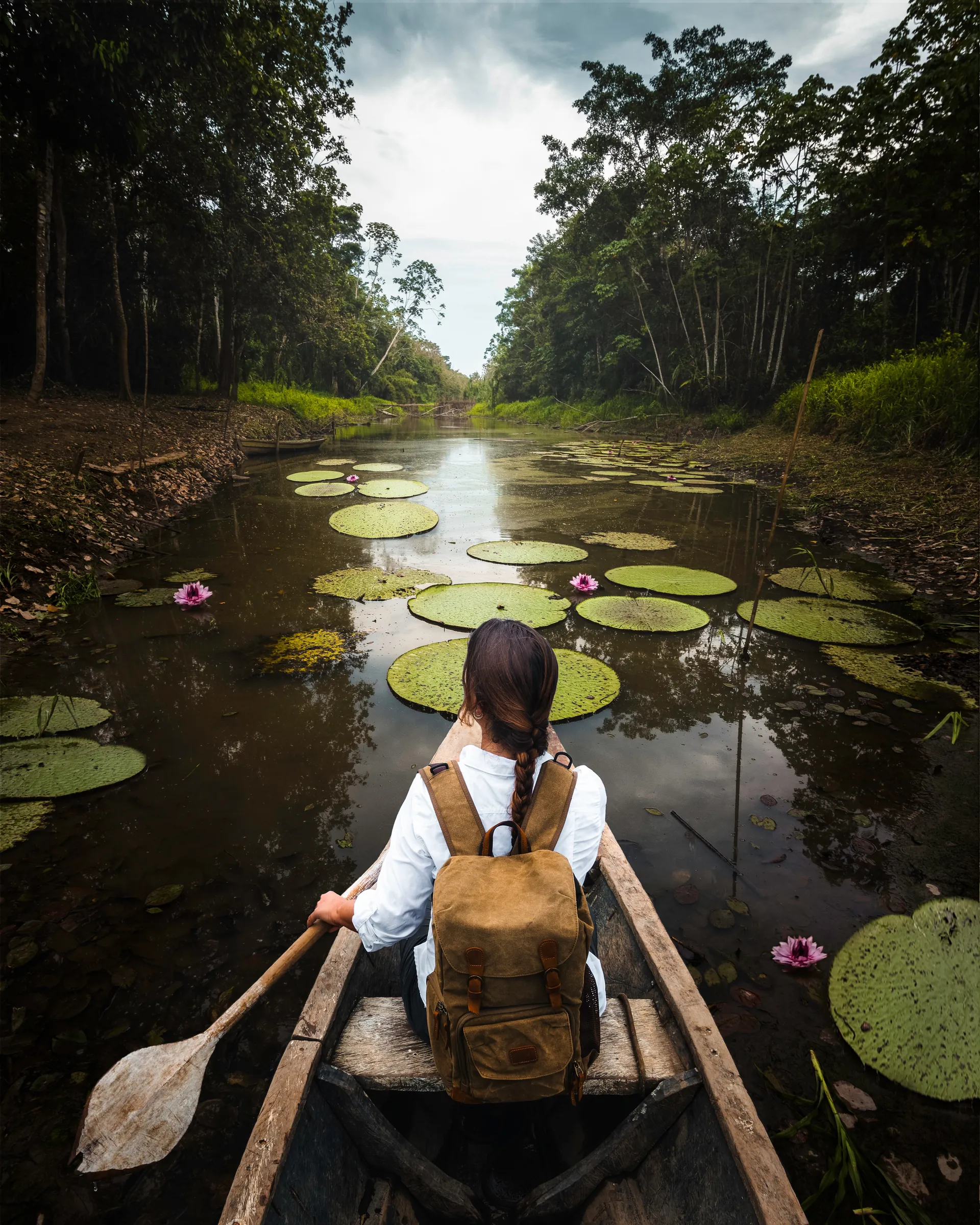
Quiet boat or canoe excursions across former river channels create opportunities to see giant river otters, caimans, monkeys, hoatzins, kingfishers, and waterside vegetation. Early morning often brings the strongest bird activity.
Watch macaws at a clay lick
In Tambopata, parrots and macaws gather at exposed mineral-rich banks on suitable mornings. The journey can begin before sunrise, and the number of birds depends on weather, season, and disturbance.
Walk through the rainforest with a naturalist
Guides point out medicinal plants, seed dispersal, camouflage, tracks, insects, fungi, and relationships that are easy to miss without trained observation. Day and night walks reveal very different parts of the ecosystem.
Search for wildlife by skiff
From an expedition vessel near Iquitos, small skiffs enter narrow tributaries and flooded forest at dawn, late afternoon, and after dark. These excursions are the core of the cruise rather than optional add-ons.
Climb a canopy tower or walkway
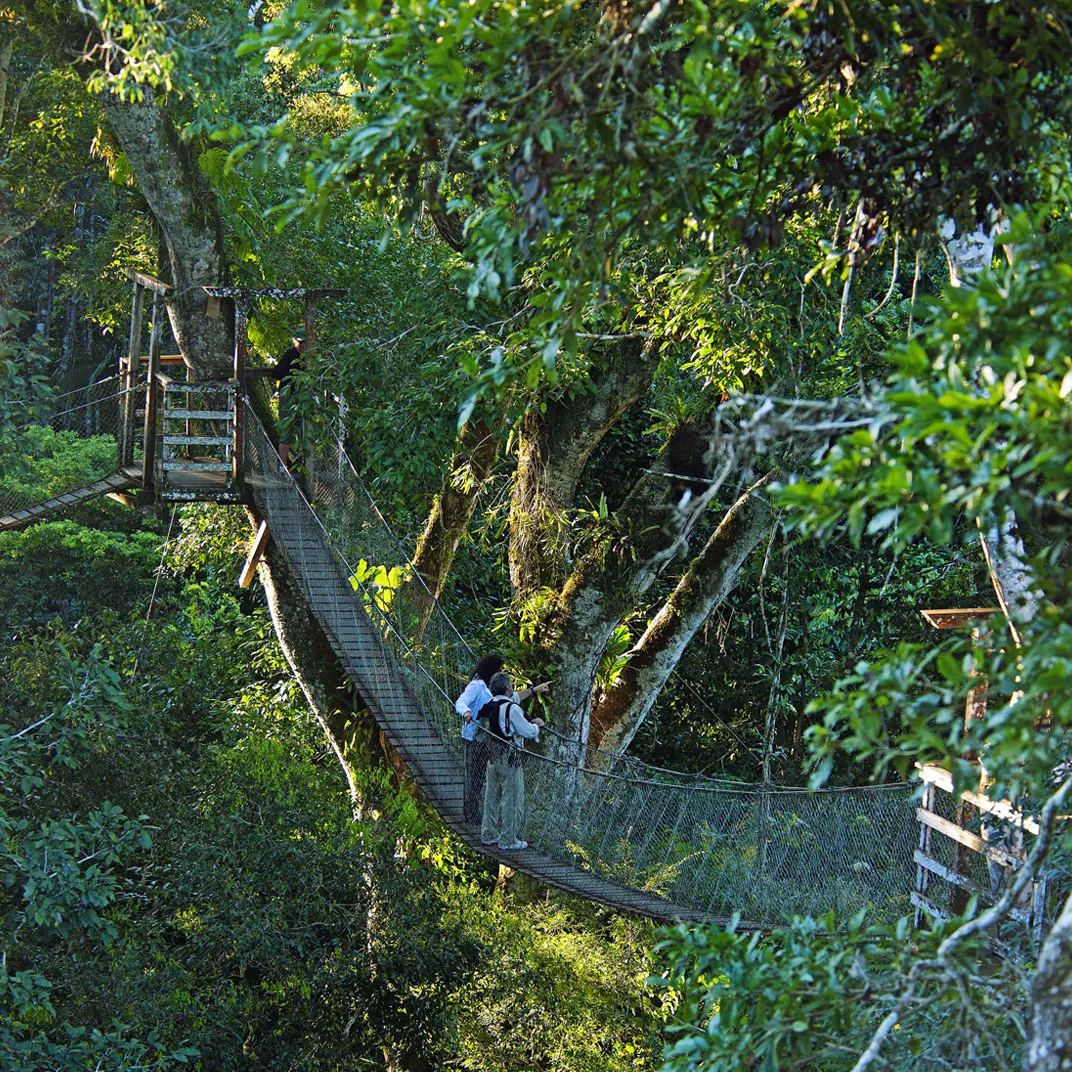
Elevated platforms move the viewpoint from the forest floor to the treetops, where toucans, parrots, raptors, and monkeys are more visible. Access and height vary by lodge, and some routes involve suspended bridges.
Look for pink river dolphins
Pink and gray river dolphins inhabit the Amazon's main channels, tributaries, and lakes. Sightings are often best from a skiff or the deck of a vessel where guides can watch changes in current and feeding activity.
Take a night excursion
Frogs, insects, spiders, caimans, bats, and nocturnal birds become more active after dark. A guided walk or boat outing shows how much of the rainforest remains hidden during daylight.
Learn from local communities
Responsible visits focus on locally led interpretation, traditional plant knowledge, fishing, food, crafts, and the realities of life along the river. The strongest programs are built through long-term partnerships rather than brief demonstrations arranged only for visitors.

Where to stay
Stay near Puerto Maldonado if you want a lodge-based trip that combines forest walks, canopy access, lakes, and river excursions. Properties closer to town reduce transfer time, while more remote lodges provide deeper access to Tambopata's protected landscapes and usually require longer stays.
Choose an Iquitos-based expedition cruise if you want to cover a larger section of river and explore Pacaya-Samiria by skiff. Vessels range from highly intimate four-suite boats to 20-suite ships with larger dining rooms and more extensive facilities.
Manu is one of Peru's most biologically important regions, but reaching its deeper zones takes more time and the accommodation is simpler. It suits experienced wildlife travelers prepared for a longer expedition rather than visitors seeking the smoothest first Amazon experience.
Meal plans, transfers, guides, and activities are normally bundled because there are no independent restaurants or transport options once you leave the gateway city. Compare programs by guide ratios, excursion length, habitat access, and transfer demands, not room design alone.
Our favorite hotels
Inkaterra Reserva Amazónica
Inkaterra Reserva Amazónica has 35 thatched-roof cabanas beside the Madre de Dios River within a large private ecological reserve. It is reached relatively quickly from Puerto Maldonado and includes guided walks, lake excursions, and access to the Inkaterra Canopy Walkway.
Refugio Amazonas
This 32-room lodge lies deeper in the Tambopata region and is managed by Rainforest Expeditions in partnership with the Indigenous community of Infierno. The property has open-sided rooms, active naturalist programs, and access to varied habitats.
Aqua Nera
Aqua Nera has 20 river-facing suites and operates three-, four-, and seven-night expeditions from Iquitos. Small-group skiff excursions, strong guiding, generous public spaces, and a dining program built around Amazonian ingredients place it among the region's most polished vessels.
Delfin I
Delfin I carries only four oversized suites, creating one of the most private cruise experiences in the Peruvian Amazon.
Best time to visit
The Amazon is hot, humid, and rainy throughout the year. In the Iquitos region, higher water generally occurs from roughly December through May, allowing skiffs to travel deeper into flooded forest. Lower water from June through November exposes more riverbanks and can make some walks longer.
Tambopata is often driest from May through October, although showers remain possible. Clay-lick activity, fruiting trees, wildlife movement, and river conditions change throughout the year, so no month guarantees the strongest sightings.
Pair it with
- Cusco, the Sacred Valley & Machu Picchu for an Andes and rainforest itinerary.
- Lima for international connections, museums, and a culinary stop before or after the forest.
- Northern Peru when combining Iquitos with archaeology and cloud forest over a longer trip.
Getting there
Puerto Maldonado is reached by air from Lima and, on selected schedules, Cusco. Lodge transfers usually combine a short road journey with travel by motorized boat. Iquitos is reached by air, with cruise guests commonly continuing by road to Nauta before boarding the vessel.
Approximate travel times:
- Lima to Puerto Maldonado: 1 hour 40 minutes by air
- Cusco to Puerto Maldonado: 1 hour by air
- Puerto Maldonado Airport to the river port: 15 to 30 minutes
- River port to area lodges: 45 minutes to 4 hours, depending on location
- Lima to Iquitos: 1 hour 45 minutes by air
- Iquitos Airport to Nauta: 1.5 to 2 hours by road
Arrival and departure flights should follow the lodge or cruise operator's recommended schedule because shared river transfers and vessel departures run at set times. Extra time in the gateway city may be required when flight schedules do not align.
Frequently asked questions
Should I choose a lodge or a river cruise?
Choose a Tambopata lodge for forest trails, canopy structures, clay licks, and a fixed home in one habitat. Choose an Iquitos cruise for greater daily range, flooded-forest exploration, and skiff excursions from a moving vessel. Both depend heavily on guide quality.
How many nights should I stay?
Four nights is a useful minimum. Five to seven nights provide more opportunities for wildlife, varied habitats, and weather flexibility. Short two-night programs devote a large share of the trip to transfers.
Will I definitely see monkeys, sloths, or jaguars?
No wildlife sighting is guaranteed. Monkeys, birds, and caimans are seen more frequently than large cats. Jaguars are present but elusive. Strong guides improve the odds by recognizing calls, tracks, fruiting trees, and changes in animal behavior.
Is it raining all day?
Usually not. Heavy showers may be brief or last for several hours, and rain can occur overnight. Excursions are adjusted around conditions, with boats often continuing in light rain and exposed walks postponed during storms.
How difficult are the activities?
Most programs require moderate mobility for boat steps, uneven trails, heat, and humidity. Excursions can often be shortened or adapted, but remote locations may not suit travelers who need fully accessible infrastructure.
Are mosquitoes a major problem?
Insects are part of the rainforest experience, although their number varies by season, water level, and location. Lightweight long clothing, closed shoes, and appropriate insect repellent are standard. Discuss any destination-specific health precautions with a travel-health professional.
Is the Amazon suitable for families?
Yes, particularly for curious school-age children who can follow guide instructions around boats, wildlife, and forest trails. Some lodges and vessels set minimum ages or limit specific excursions, so the program should be matched carefully to the children.
Will I have electricity and Wi-Fi?
Most upscale lodges and vessels provide electricity, charging, hot water, and some connectivity, but service may be limited or interrupted. The exact hours, outlet types, air-conditioning, and Wi-Fi coverage should be confirmed for the chosen property.