


Ecuador is one of South America's easiest countries to combine into a single itinerary. The Andes divide the country from north to south, with Quito and the volcanic highlands in the center, cloud forests to the west, and the Amazon Basin to the east. Offshore, the Galápagos Islands offer an experience unlike anywhere else on Earth and are easily reached by domestic flight from Quito or Guayaquil.
Most travelers choose two or three contrasting regions. The highlands provide Ecuador's cultural and historical heart, the Amazon showcases extraordinary biodiversity, and the Galápagos delivers one of the world's greatest wildlife experiences. Together, they create an itinerary that balances culture, scenery, and nature without requiring extensive travel.
Whether you're interested in wildlife, volcanoes, hiking, Indigenous culture, cloud forests, or luxury expedition cruising, this guide will help you choose the regions that best match your travel style.
Ecuador & Galápagos destination finder
| If you're looking for... | We'd recommend... |
|---|---|
| Your first trip | Quito with the Avenue of the Volcanoes and the Galápagos Islands |
| Luxury | The Galápagos Islands, Mashpi, or the Avenue of the Volcanoes |
| City and culture | Quito |
| History | Quito or Cuenca |
| Wildlife | The Galápagos Islands or the Amazon |
| Birdwatching | The Amazon, Mindo, or Mashpi |
| Rainforest | The Amazon |
| Cloud forests | Mindo or Mashpi |
| Volcanoes | Cotopaxi, Chimborazo, or the Avenue of the Volcanoes |
| Hiking | Cotopaxi, Chimborazo, or the Avenue of the Volcanoes |
| Snorkeling | The Galápagos Islands |
| Scuba diving | The Galápagos Islands |
| Families | Quito with the Galápagos Islands |
| Honeymoons | The Galápagos Islands with the Avenue of the Volcanoes |
| Off-the-beaten-path travel | The Amazon, Mashpi, or Mindo |
How should you divide your time?
Most international trips begin in Quito, although some travelers arrive through Guayaquil before continuing to the Galápagos Islands. Thanks to Ecuador's compact size and good domestic flight network, it's easy to combine several distinct landscapes without spending long days in transit.
As a general rule:
5–7 days: Two destinations
8–10 days: Three destinations
11–14 days: Three to four destinations
15+ days: Four or more destinations, including Ecuador's more remote regions.
For a first visit, we usually recommend combining Quito with the Avenue of the Volcanoes and the Galápagos Islands. Travelers with additional time can add the Amazon or the cloud forests, depending on whether they're most interested in wildlife, birdwatching, or hiking.
Ecuador & Galápagos regions
Quito & the Northern Highlands
Quito sits high in the Andes at nearly 9,400 feet above sea level and is one of South America's best-preserved colonial capitals. Its UNESCO World Heritage-listed historic center is filled with churches, plazas, museums, and centuries-old architecture, while modern neighborhoods offer excellent restaurants, boutique hotels, and lively markets.
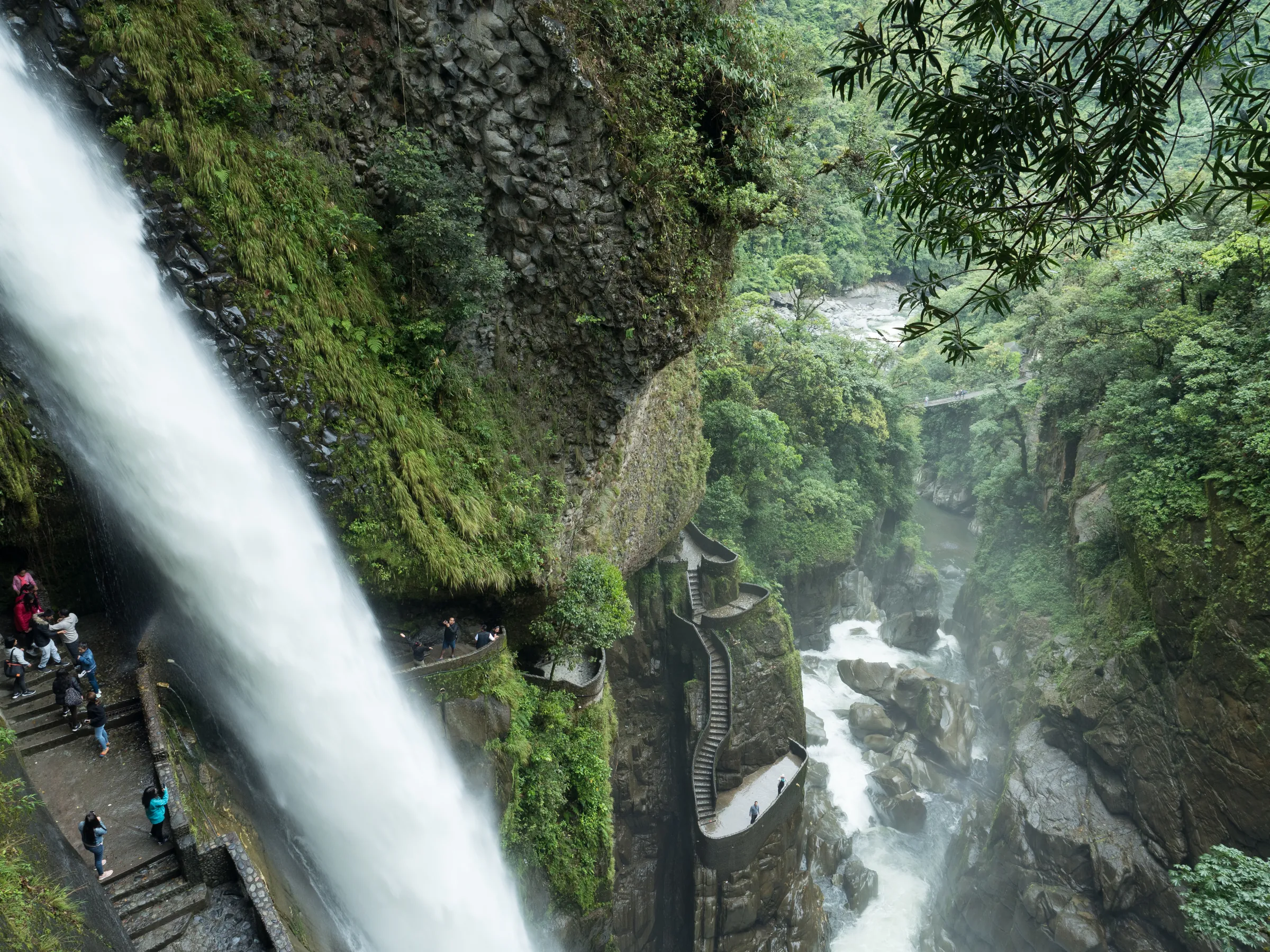
The surrounding highlands include Otavalo's famous Indigenous market, Papallacta's hot springs, and several private reserves, making Quito an excellent base for exploring northern Ecuador before continuing to the volcanoes, Amazon, or Galápagos.
Explore Quito & the Northern Highlands →
Avenue of the Volcanoes
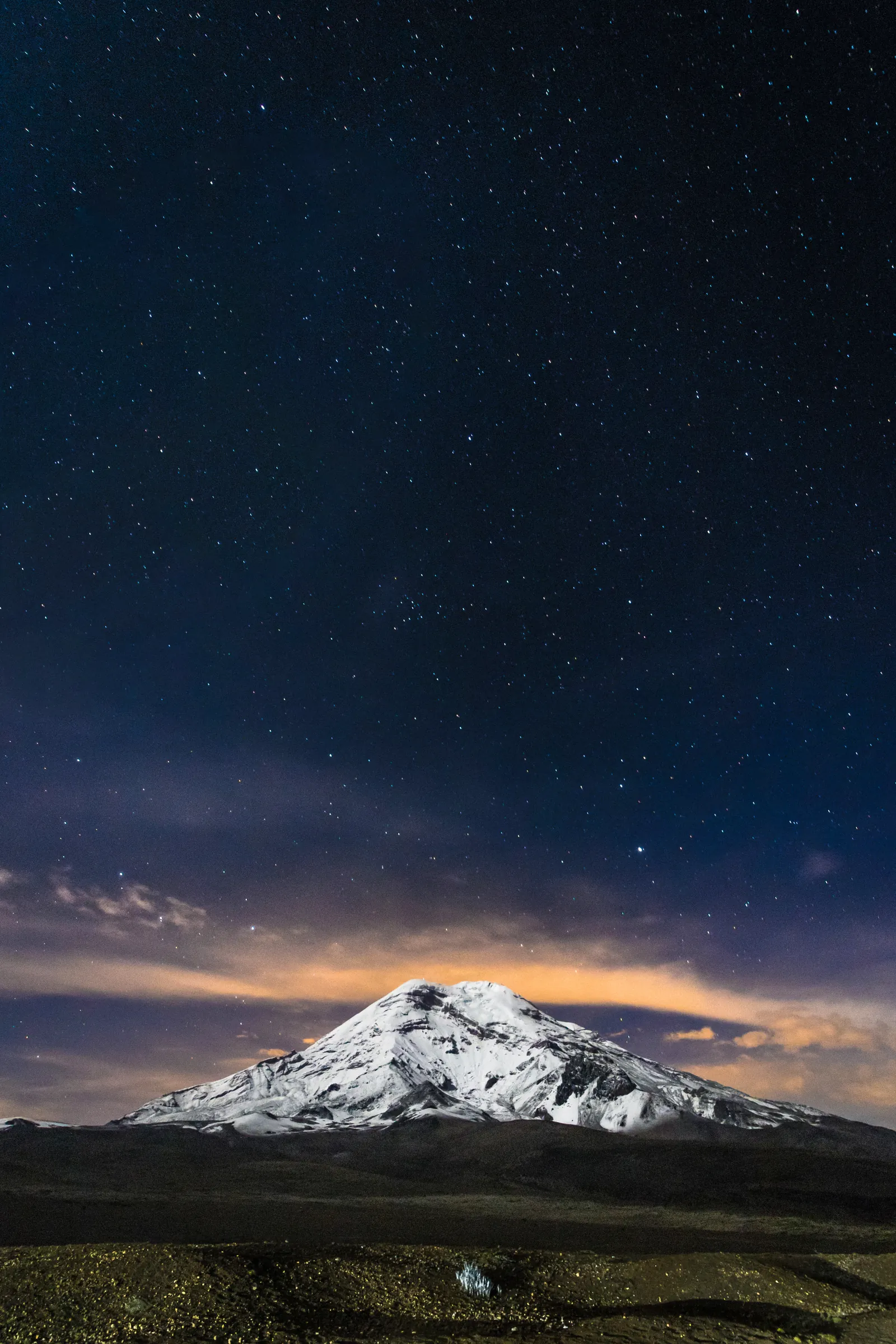
Running south from Quito, the Avenue of the Volcanoes is lined with some of Ecuador's most spectacular peaks, including Cotopaxi, Chimborazo, Cayambe, and Antisana. High-altitude grasslands, traditional haciendas, national parks, and Indigenous farming communities create one of the country's most iconic landscapes.
Most travelers spend several nights exploring the region from historic haciendas or mountain lodges, combining hiking, horseback riding, wildlife viewing, and visits to traditional villages. It pairs naturally with Quito and the Galápagos.
Explore the Avenue of the Volcanoes →
The Amazon
Nearly half of Ecuador lies within the Amazon Basin, making it one of the easiest countries in South America to experience the rainforest. Visitors typically fly to Coca before continuing by motorized canoe to remote jungle lodges located inside protected reserves and Indigenous territories.
The Amazon offers a completely different perspective on Ecuador, with rainforest walks, river excursions, canopy towers, wildlife viewing, and opportunities to learn about Indigenous cultures. Three or four nights allows enough time to experience the region's extraordinary biodiversity.
Cloud Forests
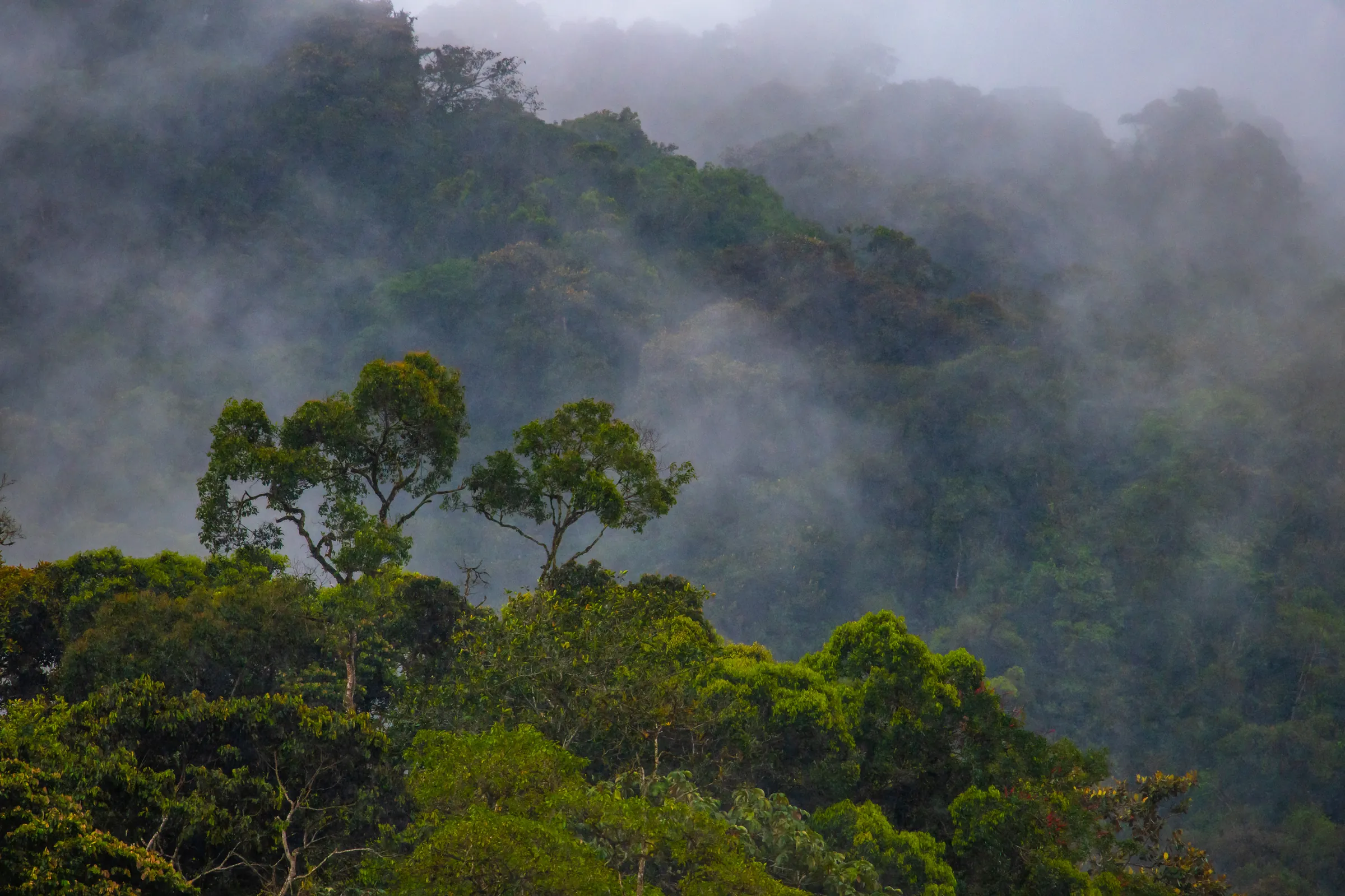
Where the Andes descend toward the Pacific, warm air creates lush cloud forests rich in orchids, hummingbirds, butterflies, and hundreds of bird species. Mindo is the best-known destination, while Mashpi Reserve offers one of South America's premier luxury wildlife experiences.
The cloud forests are ideal for travelers interested in birdwatching, nature photography, waterfalls, zip lining, or simply spending a few days surrounded by forest. They combine easily with Quito before continuing elsewhere in Ecuador.
Explore Ecuador's Cloud Forests →
Galápagos Islands
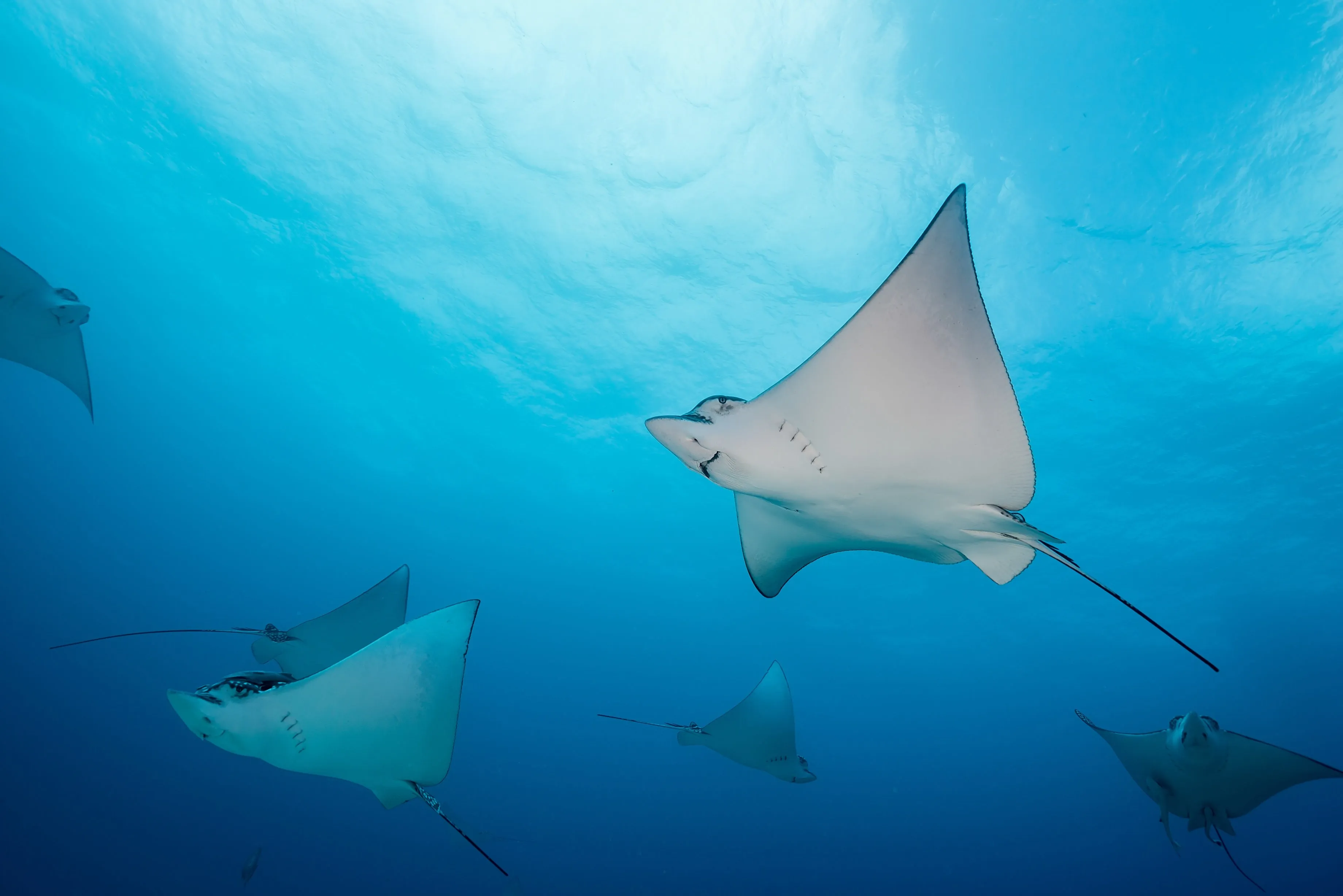
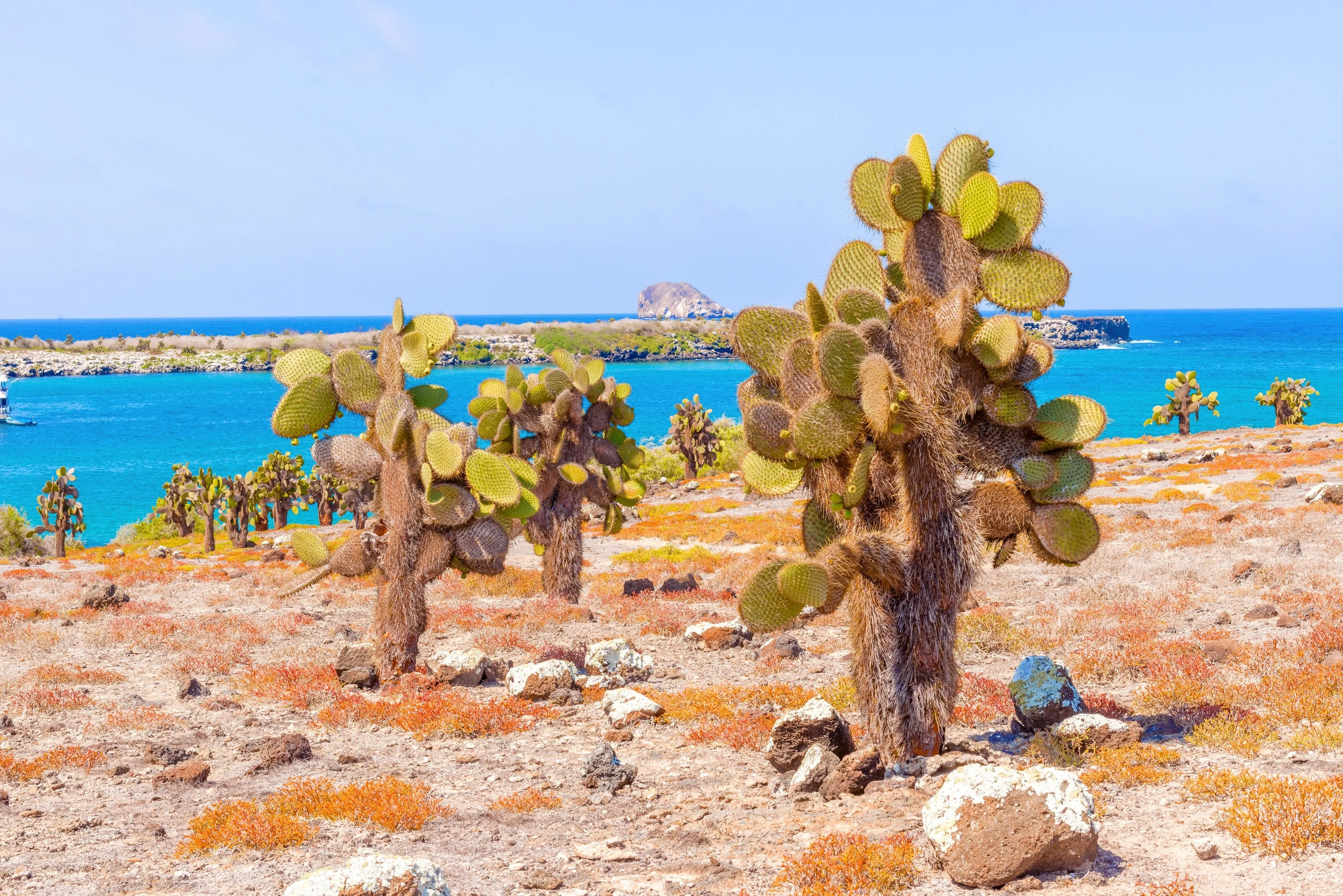
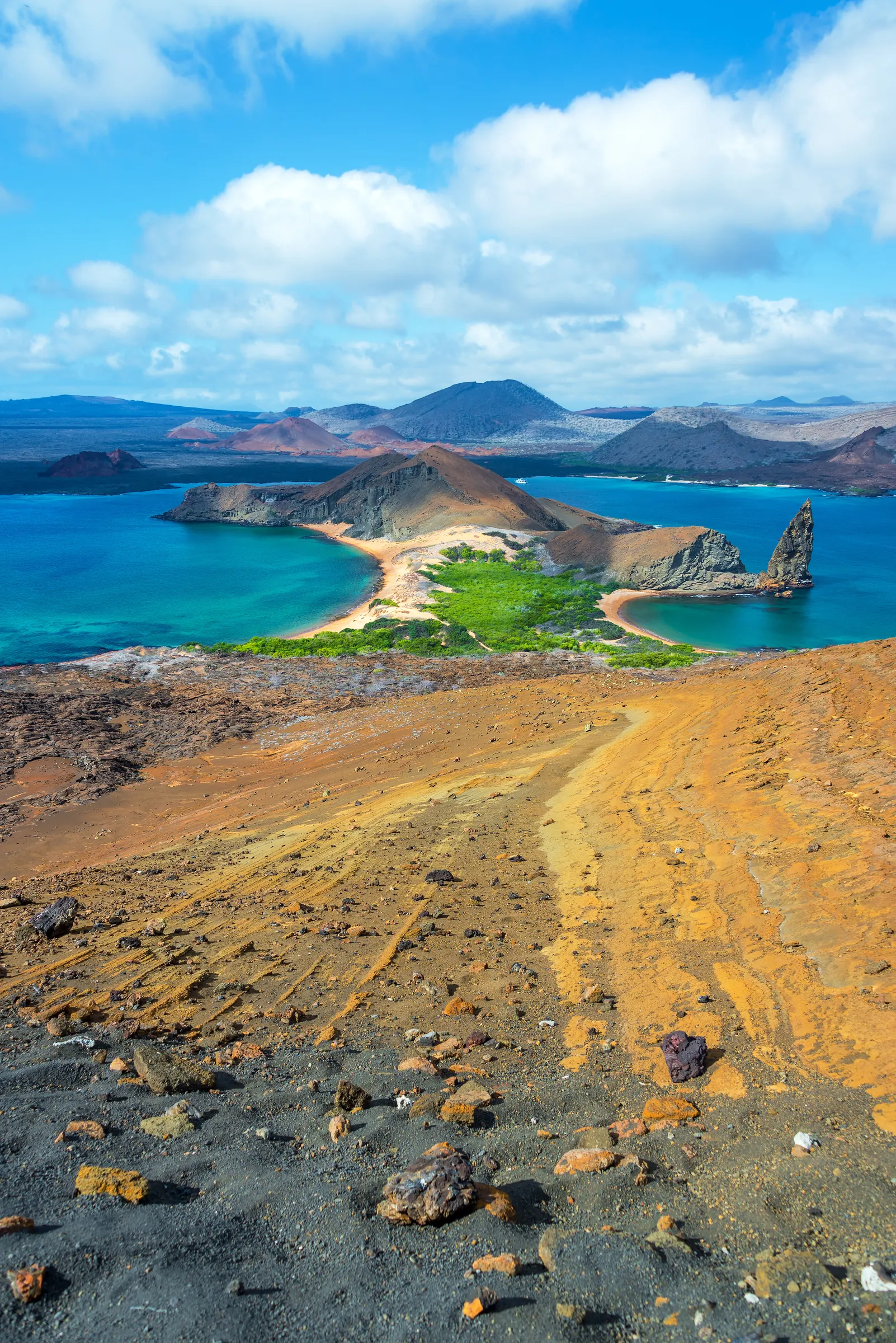
The Galápagos Islands are one of the world's most extraordinary wildlife destinations. Giant tortoises, marine iguanas, blue-footed boobies, sea lions, penguins, and countless other endemic species evolved in isolation, creating ecosystems found nowhere else on Earth.
Travelers can explore the archipelago by expedition cruise or island-hopping between Santa Cruz, San Cristóbal, and Isabela. Whether snorkeling with sea lions, hiking volcanic landscapes, or observing wildlife at close range, most visitors spend five to eight days discovering the islands' remarkable biodiversity.

