

Ecuador's Amazon is compact enough to combine with the Andes or Galápagos, yet it protects an extraordinary range of forest, rivers, oxbow lakes, and Indigenous territories. The most immersive lodge programs begin with a flight from Quito to Coca, followed by several hours by motorized canoe and smaller creek boats into the Yasuní region. Around Tena and the Upper Napo, lodges are reached by road and shorter boat journeys, making them useful for families, shorter stays, and routes continuing through Baños.
At a glance
| Best for | Wildlife, birdwatching, river exploration, rainforest ecology, Indigenous culture, and naturalist guiding |
|---|---|
| Don't miss | Oxbow lakes, canopy towers, parrot clay licks, night walks, canoe excursions, and community-led experiences |
| Recommended stay | 4 to 6 nights |
| Best area to stay | Yasuní and the lower Napo for deeper immersion, or Tena and the Upper Napo for easier access |
| Pairs well with | Quito, Baños, the Avenue of the Volcanoes, and the Galápagos Islands |
| Primary gateways | Francisco de Orellana Airport in Coca (OCC) and road access through Tena |
| Best time to visit | Year-round, with rain and wildlife activity possible in every month |
| Getting around | Motorized canoe, paddle canoe, guided forest walks, and lodge transfers |
| Budget | $$$ to $$$$ |
Why stay in the Ecuadorian Amazon?
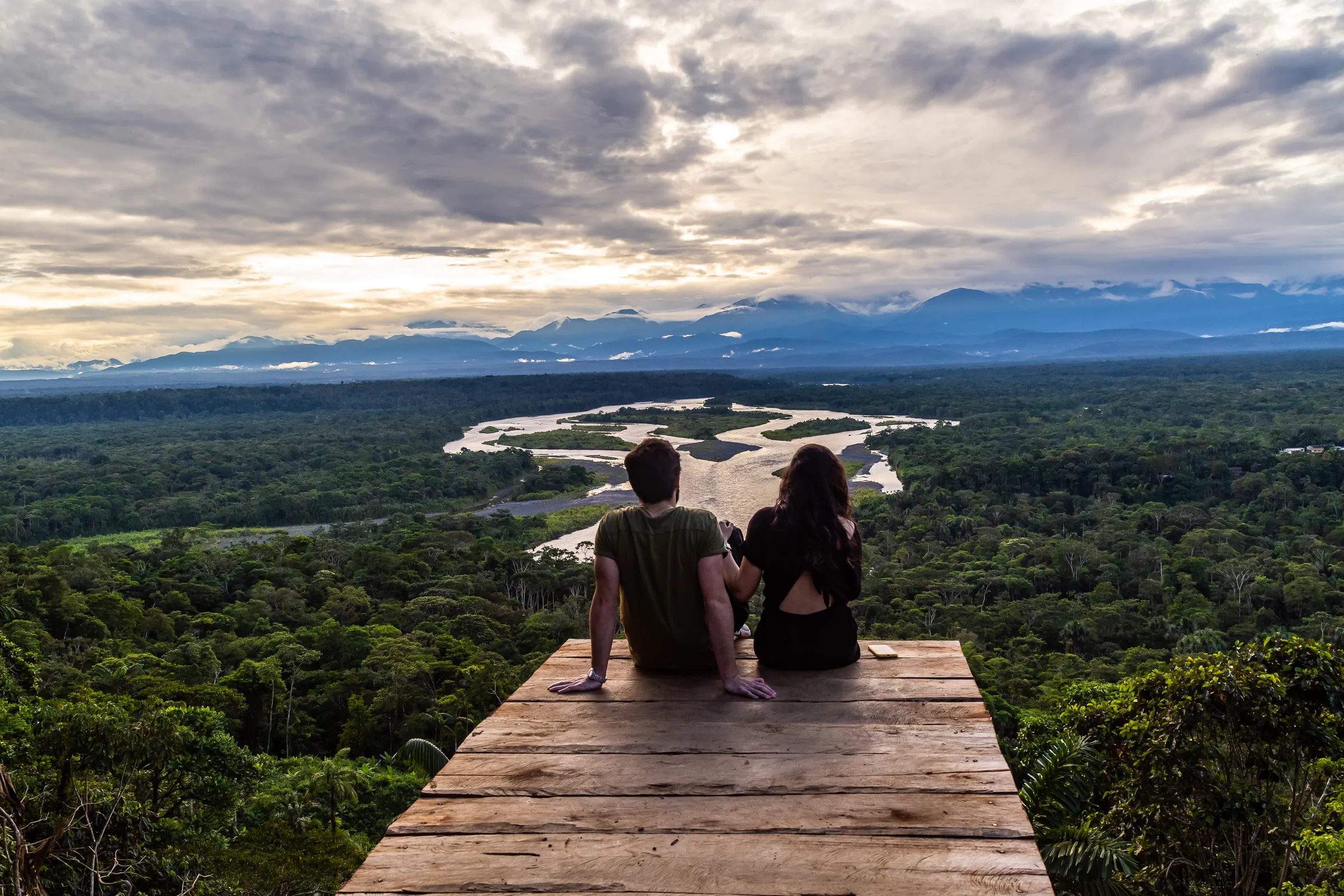
The lower Napo and Yasuní region provide the deepest lodge-based experience. After flying to Coca, travelers continue along the Napo River before entering smaller blackwater creeks and forest lagoons. The journey itself marks the transition from the Andes to a landscape where rivers replace roads and wildlife activity determines the day's schedule.
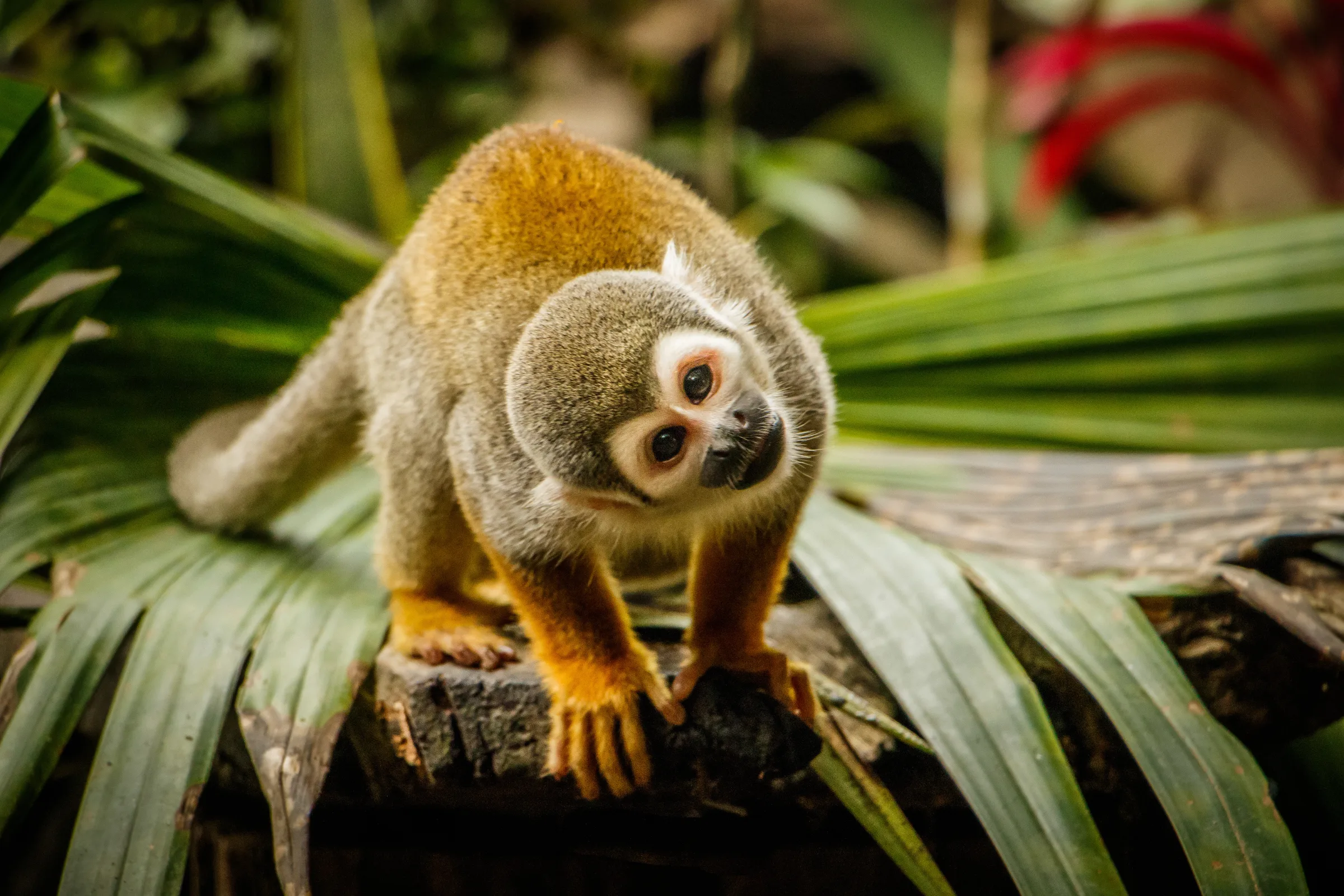
Yasuní National Park and the surrounding reserves protect terra firme forest, seasonally flooded forest, wetlands, and river islands. Monkeys, sloths, caimans, river dolphins, giant otters, macaws, toucans, hoatzins, frogs, insects, and hundreds of bird species may be encountered, although dense vegetation means no particular sighting is guaranteed.
The Upper Napo around Tena has a different character. Lodges are easier to reach, excursions can be shorter, and the region is effective between Baños and Quito. Forest fragmentation is greater near settled areas, so the specific reserve and its conservation practices matter when selecting a property.
Several leading lodges are owned by or work closely with Kichwa communities. Community-led interpretation can include forest knowledge, food, medicinal plants, music, crafts, and discussion of the choices facing communities around conservation, education, tourism, and resource extraction.
Our take: allow at least four nights for Yasuní because the first and last days include substantial travel. Choose a Tena-area lodge when easier logistics, mixed activity levels, or an overland mainland route matter more than reaching the most remote forest.
Is the Ecuadorian Amazon a good fit?
- Enjoy wildlife observation without expecting a guaranteed checklist.
- Value specialist naturalist guides and small-group excursions.
- Are comfortable with humidity, insects, rain, and early starts.
- Want to explore by canoe as well as on foot.
- Are interested in conservation and Indigenous knowledge.
- Prefer remote nature to conventional resort entertainment.
Travelers who need continuous connectivity, extensive air-conditioning, or fully predictable schedules should compare lodges carefully. In the rainforest, the quality of the guides, reserve, boats, and excursion program matters more than decorative luxury.
Best things to do
Explore a blackwater lagoon by canoe
Quiet paddle canoes move through narrow creeks and oxbow lakes where hoatzins, monkeys, caimans, kingfishers, and giant otters may be seen. Dawn and late afternoon generally bring the strongest wildlife activity.
Climb a canopy tower
Elevated platforms place visitors level with the forest crown, where toucans, parrots, raptors, and mixed bird flocks are easier to observe than from the ground. Some towers are reached by canoe, adding another habitat to the excursion.
Visit a parrot clay lick
Parrots and parakeets gather at exposed mineral-rich banks on suitable mornings. Numbers vary with weather, season, river conditions, and disturbance, so guides may adjust departure times or combine the visit with another wildlife stop.
Walk through terra firme forest
Naturalists explain seed dispersal, strangler figs, palms, insects, tracks, fungi, and the relationships that sustain the forest. Day and night walks reveal different species and should be paced around heat and recent rain.
Search for monkeys and river wildlife
Several monkey species inhabit the region, and guides listen for calls and movement in fruiting trees. River journeys may also reveal caimans, turtles, dolphins, herons, and birds feeding along exposed banks.
Take a night excursion
Frogs, insects, spiders, bats, caimans, and nocturnal birds become more active after dark. A guided walk or canoe outing shows how much of the forest remains hidden during daytime excursions.
Learn with a Kichwa community
Responsible programs are led by local hosts and may explore food, forest plants, crafts, music, and contemporary community life. The strongest visits are based on long-term partnerships and provide direct economic benefit to residents.
Watch wildlife from the lodge
Well-positioned lodges overlook lagoons, creeks, or forest clearings where animals may appear between excursions. Observation towers, boardwalks, and open-air public spaces make unstructured time an important part of the stay.


Where to stay
Stay in the Yasuní region if wildlife access, intact forest, and a fully immersive program are the priorities. Reaching these lodges normally requires a flight to Coca, a motorized canoe journey, and a final transfer by smaller boat or forest path.
Stay around Tena or the Upper Napo if you want road access, shorter transfers, and a wider choice of activity levels. These lodges work especially well for families, three-night stays, and travelers continuing overland from Baños.
Choose a river expedition if you prefer to cover more territory without returning to the same lodge each night. Ecuador's small Amazon vessels combine cabin accommodation with skiff outings, community visits, and forest excursions along the Napo River.
Most properties bundle meals, guides, activities, and transfers because independent transport and dining are not available once guests enter the reserve. Compare programs by habitat, guide ratios, group size, and transfer demands rather than room design alone.
Our favorite hotels
Napo Wildlife Center
Deep within Yasuní National Park, Napo Wildlife Center is reached by river and paddle canoe through the Amazon rainforest. Cabins overlook a blackwater lagoon, while Indigenous guides lead wildlife excursions through one of the planet’s most biodiverse regions.
Sacha Lodge
Sacha Lodge has 26 cabins within a large private reserve reached from Coca by river and forest creek. The property has a long canopy walkway, observation tower, butterfly house, and access to Pilchicocha Lagoon.
La Selva Amazon Ecolodge
La Selva has 19 suites beside Garzacocha Lagoon near the edge of Yasuní National Park. Its water-facing setting, family suite options, observation tower, and varied canoe and walking program provide a polished lodge experience without losing daily access to the forest.
Anakonda Amazon Cruises
Anakonda operates expedition voyages along the Napo River with private cabins, skiff excursions, naturalist guides, and community visits. It is the best fit for travelers who prefer a moving vessel and a wider daily range to a fixed lodge.
Best time to visit
The Ecuadorian Amazon is hot, humid, and rainy throughout the year. Rainfall patterns vary locally, and showers may be brief or last several hours. Wildlife remains active in every season, although specific sightings depend on fruiting trees, water levels, temperature, and daily conditions.
The period from roughly December through May is often wetter, with higher river and creek levels expanding canoe access. June through November can bring somewhat drier stretches and more walking, but low water may lengthen some boat transfers.
Pair it with
- Quito for architecture, museums, and flights through Coca.
- Baños for waterfalls, thermal bathing, and an overland transition into the Upper Napo.
- The Avenue of the Volcanoes for Cotopaxi, Chimborazo, and highland haciendas.
- The Galápagos Islands for two contrasting wildlife regions in one trip.
Getting there
Remote Yasuní lodges are normally reached by air from Quito to Coca, followed by a coordinated river journey. Tena-area properties are reached by road from Quito or Baños, with some requiring a final canoe transfer. Arrival schedules should follow the lodge's instructions because shared boats often depart at fixed times.
Approximate travel times:
- Quito to Coca: 40 minutes by air
- Coca Airport to the river dock: 10 to 20 minutes
- Coca to Yasuní-area lodges: 2.5 to 4.5 hours by combined river and creek transfer
- Quito to Tena: 3.5 to 4.5 hours by road
- Baños to Tena: 3 to 4 hours by road
- Tena to area lodges: 20 minutes to 2 hours, depending on location and boat access
Flight, river, and road conditions can alter arrival times. We avoid same-day international connections after a remote lodge transfer and normally keep a night in Quito before or after the Amazon.

Frequently asked questions
Should I choose Yasuní or Tena?
Choose Yasuní for deeper forest, longer transfers, and a fully immersive wildlife program. Choose Tena for easier road access, shorter stays, family flexibility, and an overland route through Baños.
How many nights should I stay?
Four nights is a useful minimum for a remote lodge because arrival and departure consume much of two days. Five or six nights provide more habitats, repeat wildlife opportunities, and flexibility around heavy rain.
Will I definitely see monkeys, sloths, or jaguars?
No wildlife sighting is guaranteed. Monkeys, birds, frogs, and caimans are encountered more frequently than large cats. Jaguars live in the region but are elusive and should not be expected on a typical stay.
Does it rain all day?
Usually not, although prolonged rain can occur. Guides adjust outings around storms, river levels, and trail conditions. Light rain often does not stop canoe excursions or forest walks.
How difficult are the activities?
Most lodge programs require moderate mobility for canoe steps, boardwalks, humid trails, and observation towers. Excursions can often be shortened, but remote properties may not have fully accessible infrastructure.
Are mosquitoes and insects a major problem?
Insects are part of the rainforest, but their number varies by water level, weather, and habitat. Lightweight long clothing, closed shoes, and suitable insect repellent are standard. Discuss health precautions with a travel-health professional before departure.
Is the Amazon suitable for families?
Yes, especially for school-age children who can follow instructions around boats, wildlife, and forest trails. Some lodges set minimum ages for specific activities, so the program should be matched to the family.
Will the lodge have electricity and Wi-Fi?
Upscale lodges generally provide electricity, hot water, charging, and limited connectivity, but service may be restricted or interrupted. Confirm air-conditioning, outlet types, and Wi-Fi coverage at the selected property.


