


A month-by-month guide to weather, wildlife, crowds, and the best time to visit for you.
Ecuador and the Galápagos experience remarkably different climates despite their relatively small size. The Andes enjoy cool spring-like temperatures year-round, the Amazon remains warm and humid in every season, the Pacific coast has a distinct wet and dry season, and the Galápagos Islands experience two contrasting seasons driven more by ocean currents than rainfall. Most travelers combine mainland Ecuador with the Galápagos, making it helpful to understand how these regions complement one another throughout the year.
Understanding Ecuador & the Galápagos' seasons
Unlike many destinations, Ecuador and the Galápagos don't have a single nationwide weather pattern. The mainland experiences seasonal differences based largely on elevation and rainfall, while the Galápagos are shaped by changing ocean currents. The warm season brings calmer seas and warmer water, while the cool season produces nutrient-rich waters that attract spectacular marine life. Because wildlife remains active throughout the year, there's no bad time to visit, only different experiences.
Warm season (December through May)
The warm season brings higher air and water temperatures, calmer seas, and occasional tropical showers in the Galápagos. Snorkeling conditions are generally at their best thanks to excellent visibility and comfortable water temperatures. On mainland Ecuador, the Pacific coast enjoys its summer season, while the Andes remain mild and the Amazon continues experiencing warm, humid weather.
Shoulder season (May & November)
May and November are excellent transition months that often combine pleasant weather with fewer visitors. Wildlife remains abundant in the Galápagos, sea conditions are generally favorable, and mainland Ecuador offers good conditions across most regions. These are two of our favorite months to recommend for travelers seeking a balance of weather, wildlife, and value.
Cool season (June through November)
The cool season is driven by the Humboldt Current, which lowers sea temperatures around the Galápagos while creating one of the richest marine ecosystems on Earth. Nutrient-rich waters attract whale sharks, hammerhead sharks, penguins, sea lions, and countless seabirds. Seas can be rougher than during the warm season, but this is one of the world's premier periods for wildlife encounters. On mainland Ecuador, the Andes remain pleasant, while the Pacific coast becomes cooler and drier.
Ecuador & Galápagos weather at a glance
| Month | Conditions | Crowds | Great for |
|---|---|---|---|
| January | Warm water and generally calmer seas in the Galápagos, with rainy-season conditions in parts of mainland Ecuador | High | Snorkeling, cruises, beaches, and first-time visits |
| February | Warm ocean temperatures, occasional showers, and increasingly green island landscapes | Medium | Marine wildlife, swimming, photography, and families |
| March | Some of the warmest water of the year, with humid conditions and generally calm seas | Medium to high | Snorkeling, diving, island hopping, and beach time |
| April | Warm seas, green landscapes, and active breeding and nesting seasons | Medium | Wildlife, cruises, photography, and honeymoons |
| May | Transition toward the cooler season, with pleasant weather and fewer visitors | Low | Shoulder-season travel, wildlife, and better value |
| June | Cooler currents arrive, bringing breezier conditions and increasingly productive seas | Medium | Diving, birdlife, whales, and marine wildlife |
| July | Cooler and drier in the Galápagos, with nutrient-rich water and rougher seas | High | Whale sharks, diving, hiking, and wildlife |
| August | Cool water, breezy weather, and exceptional marine activity | High | Penguins, sea lions, whales, diving, and birdwatching |
| September | Cool-season conditions continue, with active marine ecosystems and fewer visitors | Low to medium | Whale sharks, diving, wildlife, and lower crowds |
| October | Cool seas and misty mornings in the islands, with wildlife activity remaining strong | Low | Wildlife, cruises, photography, and good value |
| November | Ocean temperatures begin warming and sea conditions gradually become calmer | Low | Shoulder-season cruises, honeymoons, and wildlife |
| December | The warm season returns, bringing calmer seas and greener island landscapes | High | Families, snorkeling, cruises, and holiday travel |
January in Ecuador & the Galápagos
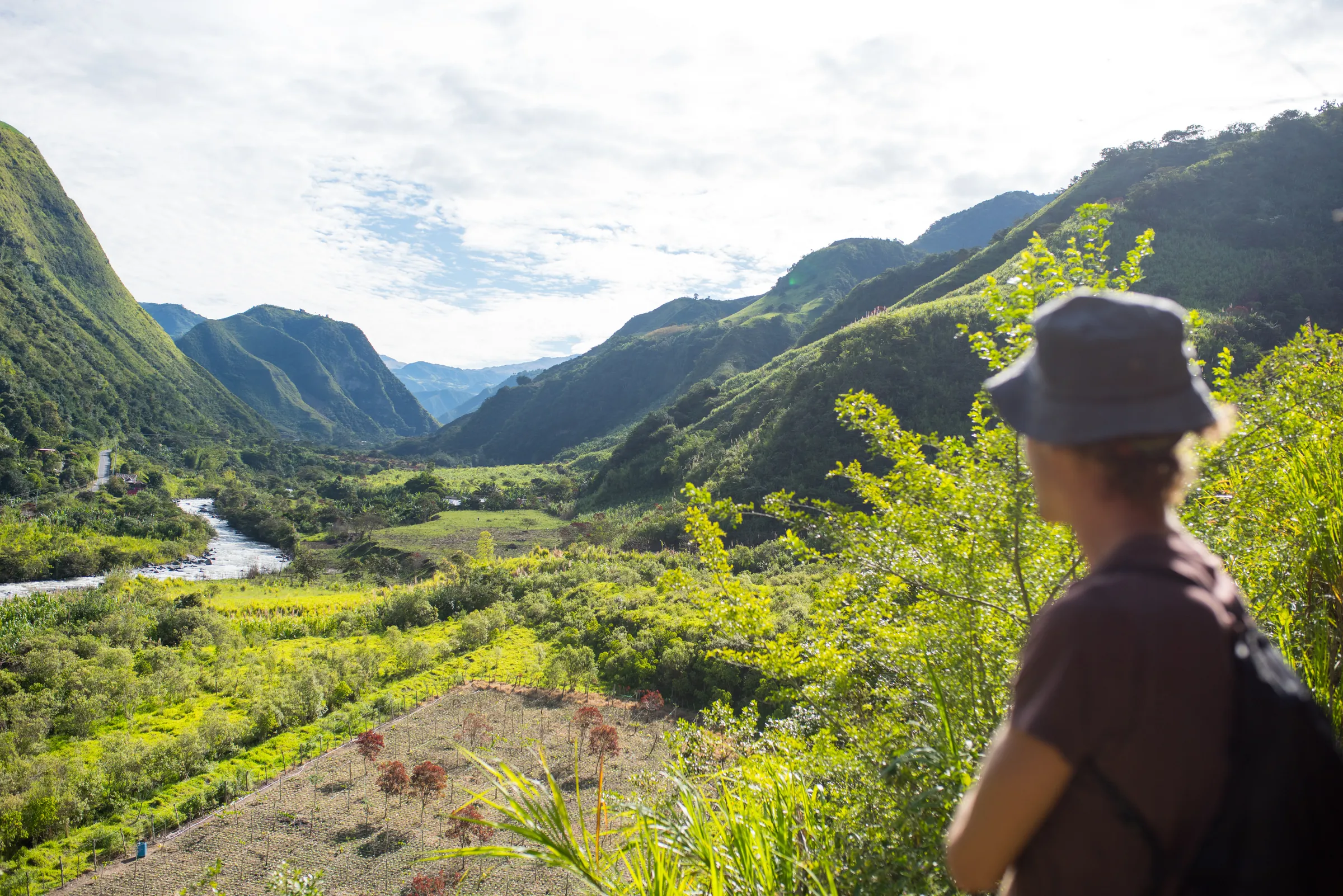
January marks the beginning of the warm season in the Galápagos. Seas are generally calm, water temperatures rise, and marine reptiles become increasingly active. Mainland Ecuador's Pacific coast enjoys warm summer weather, while the Andes remain comfortable for sightseeing.
Best for: Snorkeling, Galápagos cruises, beaches, and first-time visits.
February in Ecuador & the Galápagos
February offers some of the warmest ocean temperatures of the year. Calm seas create excellent snorkeling conditions, while lush vegetation follows seasonal rains on many islands. Marine life remains exceptionally active, with sea turtles nesting and many seabirds raising chicks.
Best for: Snorkeling, marine wildlife, photography, and family travel.
March in Ecuador & the Galápagos
March is often considered one of the best months for underwater activities. Warm, clear water combines with calm seas, making snorkeling and diving especially enjoyable. Mainland Ecuador remains pleasant across the Andes, while the coast continues its summer season.
Best for: Diving, snorkeling, island hopping, and wildlife photography.
April in Ecuador & the Galápagos
April combines excellent weather with abundant wildlife. Sea conditions remain calm, water temperatures are warm, and many species are actively breeding or nesting. Visitor numbers are generally lower than during the Christmas holiday period.
Best for: Wildlife, cruises, photography, and honeymoon trips.
May in Ecuador & the Galápagos
May marks the transition between seasons. Weather remains pleasant while visitor numbers often decrease. Wildlife activity continues throughout the islands, and conditions are excellent for travelers looking to avoid peak-season crowds.
Best for: Shoulder-season travel, wildlife, photography, and value.
June in Ecuador & the Galápagos
June welcomes the cooler Humboldt Current. Ocean temperatures begin dropping, bringing nutrient-rich waters that attract larger marine species. Humpback whales begin arriving along Ecuador's mainland coast, while diving conditions improve for experienced underwater enthusiasts.
Best for: Diving, whales, birdlife, and marine wildlife.
July in Ecuador & the Galápagos
July is one of the premier wildlife months in the Galápagos. Whale sharks begin appearing near the northern islands, sea lion activity increases, and cooler waters attract remarkable concentrations of marine life. Mainland Ecuador's Andes remain pleasant for hiking and cultural travel.
Best for: Whale sharks, diving, hiking, and wildlife.
August in Ecuador & the Galápagos
August continues the cool season with outstanding marine wildlife viewing. Penguins, flightless cormorants, sea lions, and seabirds are particularly active, while humpback whales continue migrating along Ecuador's Pacific coast.
Best for: Penguins, whale sharks, whales, diving, and birdwatching.
September in Ecuador & the Galápagos
September remains one of the strongest months for marine wildlife. Ocean temperatures stay cool, whale sharks continue visiting the northern islands, and birdlife remains exceptionally active. Mainland Ecuador enjoys relatively dry conditions in many Andean regions.
Best for: Whale sharks, diving, wildlife, and photographers.
October in Ecuador & the Galápagos
October offers excellent wildlife viewing while visitor numbers remain relatively low. Sea conditions gradually begin moderating ahead of the warmer season, and the Galápagos remain one of the world's finest wildlife destinations regardless of weather.
Best for: Wildlife, Galápagos cruises, and shoulder-season value.
November in Ecuador & the Galápagos
November marks another transition month as ocean temperatures slowly begin warming. Wildlife remains exceptional, crowds are relatively light, and conditions are well suited to travelers seeking good value before the Christmas holiday period.
Best for: Wildlife, cruises, photography, and honeymoon trips.
December in Ecuador & the Galápagos
December signals the return of the warm season. Seas become calmer, water temperatures begin rising, and the islands become greener following seasonal rainfall. Holiday travel increases substantially toward the end of the month.
Best for: First-time visits, snorkeling, cruises, and holiday travel.
What to pack for Ecuador & the Galápagos, by season

Warm season packing list (December through May)
- Lightweight, breathable clothing for the Galápagos, coast, and Amazon.
- Light sweater or fleece for Quito, Cotopaxi, and other Andean destinations where evenings can be cool.
- Swimsuit and rash guard for snorkeling and beach excursions.
- Comfortable walking shoes for island hikes and city sightseeing.
- Sandals or water shoes for beaches, Zodiac landings, and snorkeling trips.
- Sun hat or baseball cap.
- Sunglasses.
- Reef-safe sunscreen.
- Reusable water bottle.
- Dry bag for cameras, phones, and electronics during Zodiac transfers.
- Insect repellent for mainland Ecuador and the Amazon. Mosquitoes are generally not a significant issue in the Galápagos.
Cool season packing list (June through November)
- Lightweight clothing for daytime activities.
- Fleece or light jacket for cool evenings in the Andes and breezy Zodiac rides.
- Windbreaker or lightweight waterproof jacket.
- Swimsuit and rash guard or thin wetsuit if you're sensitive to cooler water temperatures while snorkeling.
- Comfortable walking shoes for volcanic trails and sightseeing.
- Sandals or water shoes.
- Sun hat, sunglasses, and reef-safe sunscreen.
- Dry bag or waterproof backpack.
- Reusable water bottle.
- Insect repellent for mainland Ecuador and Amazon excursions.
- Binoculars for birdwatching and wildlife viewing.
Ecuador & Galápagos wildlife calendar
| Wildlife | Best months | Where to see it | What to know |
|---|---|---|---|
| Giant tortoises | Year-round | Santa Cruz, Isabela, and San Cristóbal | Wild tortoises can be seen throughout the year. Their movements between highlands and lower nesting areas vary by island, rainfall, and season. |
| Marine iguanas | December through May | Coastlines throughout the Galápagos | Breeding colors and territorial displays are often most noticeable during the warm season. They remain present throughout the year. |
| Blue-footed boobies | Year-round | North Seymour, Española, San Cristóbal, and other islands | Different colonies breed at different times, so courtship, nesting, eggs, and chicks may be seen in multiple seasons. |
| Waved albatross | April through December | Española Island | Nearly the entire world population returns to Española to breed. Most birds leave the island by January. |
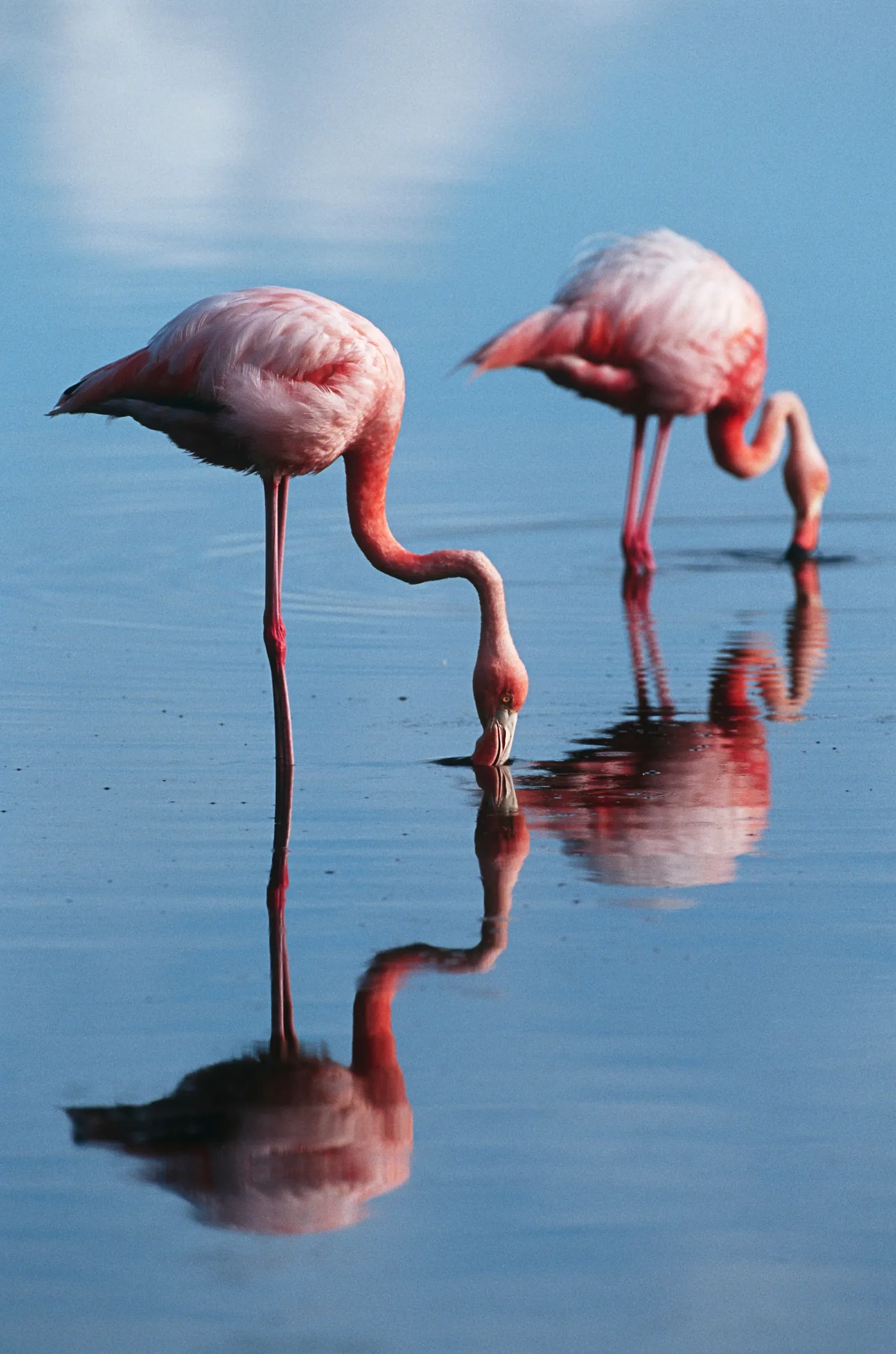
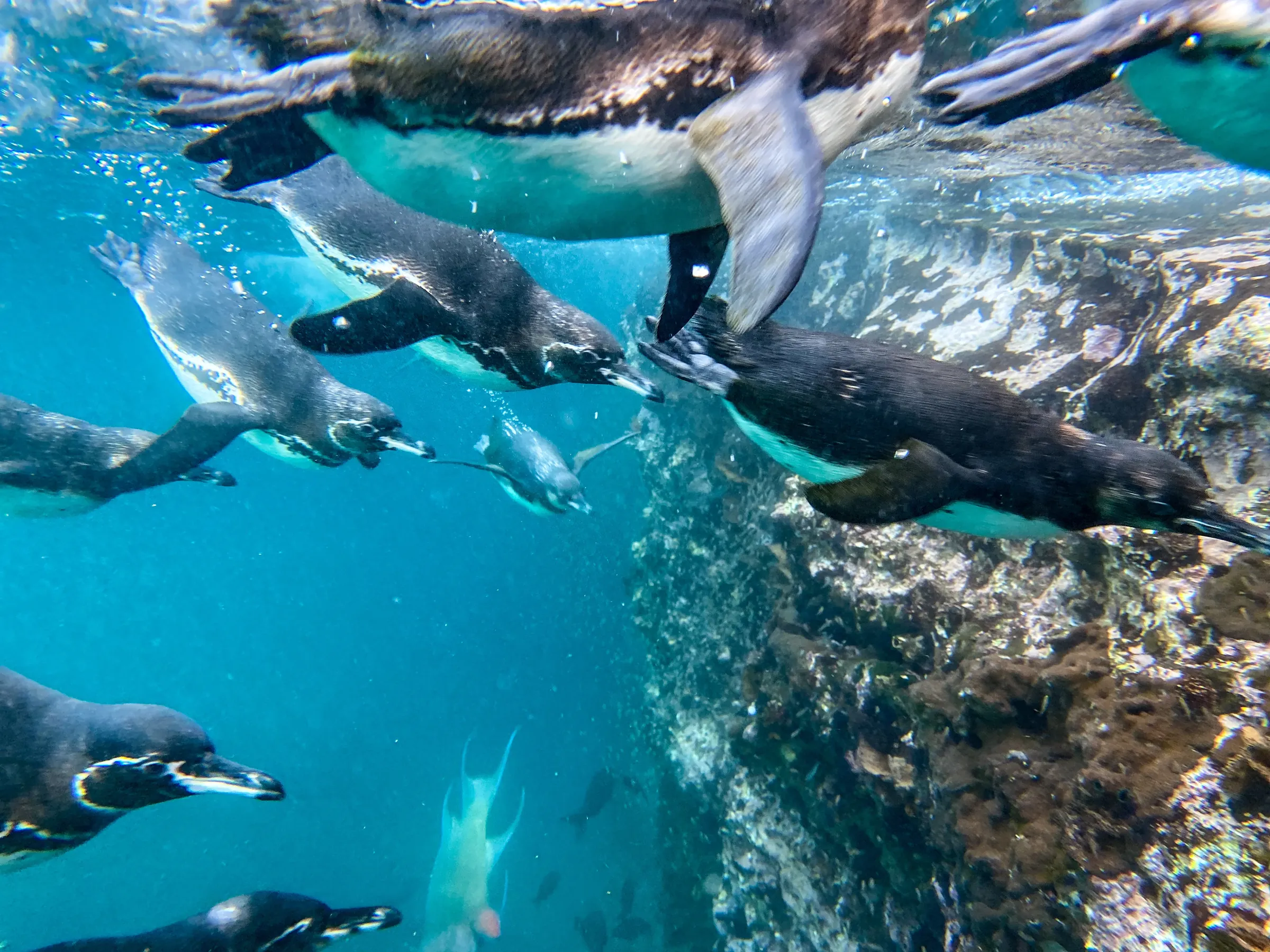
| Galápagos penguins | June through November | Isabela, Fernandina, Bartolomé, and Santiago | Cooler, nutrient-rich currents support feeding activity, although this small population can be seen throughout the year in parts of the western archipelago. |
| Whale sharks | June through November | Darwin and Wolf Islands | Encounters are primarily associated with liveaboard diving itineraries to the remote northern islands and are not part of most standard cruises. |
| Hammerhead sharks | Year-round | Darwin, Wolf, Gordon Rocks, and other dive sites | Schools of scalloped hammerheads can be encountered in several areas, with conditions and abundance varying by site and season. |
| Green sea turtles | December through May | Nesting beaches and coastal waters throughout the Galápagos | Females nest during the warm season, while turtles can be seen swimming and feeding around the islands throughout the year. |
| Galápagos sea lions | Year-round | Beaches and coastal areas throughout the archipelago | Sea lions are present year-round. The timing of births varies between islands, and visitors may see pups during several different months. |
| Humpback whales | June through September | Mainland Ecuador's Pacific coast and waters around the archipelago | Humpbacks migrate into tropical waters to breed and give birth. They may be seen from Galápagos vessels, but sightings are more reliable from mainland coastal destinations. |
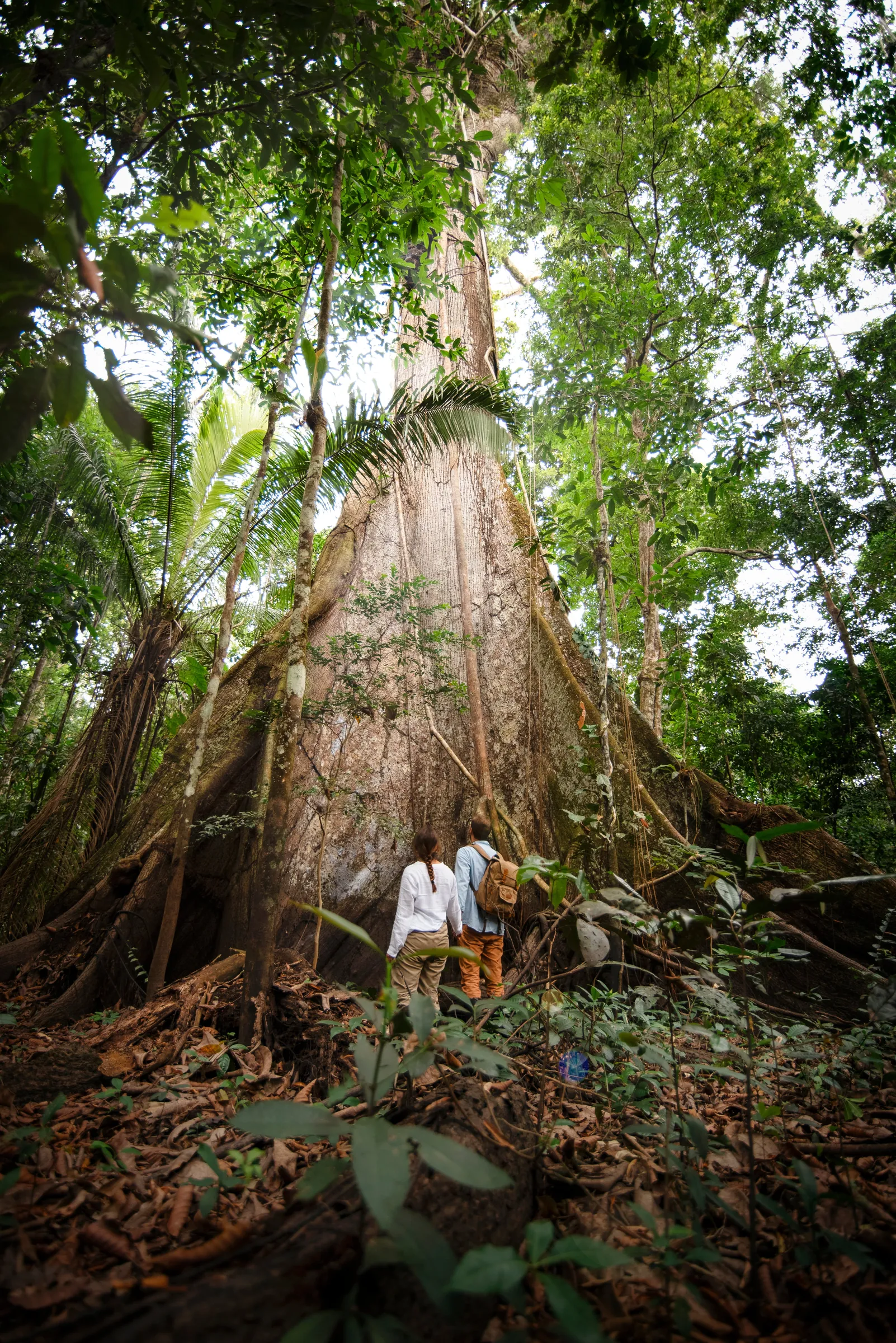
| Amazon wildlife | Year-round | Yasuní, Cuyabeno, and Ecuador's Amazon Basin | Wildlife viewing remains possible throughout the year. River levels and rainfall change how guests explore, with higher water favoring canoe access and lower water exposing more trails. |
| Cloud forest birds | Year-round | Mindo, Mashpi, and northwestern Ecuador | Hummingbirds, toucans, tanagers, and other species are present throughout the year. Early mornings and experienced local guides improve the chances of sightings. |
Frequently asked questions: weather in Ecuador & the Galápagos
When is the best time to visit Ecuador & the Galápagos?
There isn't a single best time. December through May generally offers warmer water and calmer seas, making it ideal for snorkeling and first-time visitors. June through November brings cooler ocean temperatures but some of the year's best wildlife encounters, particularly for divers and nature enthusiasts.

Is the Galápagos worth visiting year-round?
Absolutely. Wildlife viewing is exceptional throughout the year because different species breed, nest, migrate, and raise young at different times. Seasonal differences affect sea temperature and marine life more than the overall quality of the experience.
Does it rain all day during the warm season?
Usually not. The Galápagos often experience brief tropical showers followed by sunshine, while rainfall varies considerably across mainland Ecuador depending on elevation and region. The Andes frequently experience sunny mornings with occasional afternoon showers.
Which season is better for snorkeling?
December through May generally offers warmer water, calmer seas, and more comfortable snorkeling conditions. June through November features cooler water but often more abundant marine life thanks to nutrient-rich ocean currents.
When is the best time for diving?
Experienced divers often prefer June through November, when cooler waters attract whale sharks, hammerhead sharks, manta rays, and other large pelagic species around the northern islands. Water temperatures are lower, so thicker wetsuits are commonly used.
When is the cheapest time to visit Ecuador & the Galápagos?
The best value is often found during May and September through November, outside major holidays. Wildlife remains outstanding, while visitor numbers are generally lower than during Christmas, New Year's, and spring break.
How far in advance should I book?
For Christmas, New Year's, spring break, and the most popular Galápagos cruise departures, we'd recommend booking at least six months in advance. Smaller expedition vessels and high-end lodges frequently sell out well ahead of the busiest travel periods.
Are the Galápagos affected by hurricanes?
No. The Galápagos lie outside the Atlantic and Eastern Pacific hurricane belts and are not affected by hurricanes. Weather is instead influenced by changing ocean currents, which affect sea temperature, marine life, and sea conditions rather than creating tropical storms.
Best time to visit Ecuador & the Galápagos for...
| If you're looking for... | Best time to visit | Why |
|---|---|---|
| First-time visits | December through May | Warmer water and generally calmer seas create comfortable snorkeling conditions and an accessible introduction to the Galápagos. |
| Galápagos cruises | Year-round | Wildlife viewing remains exceptional throughout the year, with seasonal differences affecting ocean conditions, breeding behavior, and marine species. |
| Snorkeling | December through May | Warmer water and calmer seas generally make snorkeling more comfortable, particularly for children and travelers sensitive to cold water. |
| Scuba diving | June through November | Cooler, nutrient-rich currents attract abundant marine life, including whale sharks, rays, sharks, penguins, and schooling fish. |
| Whale sharks | June through November | Whale sharks are most frequently encountered around Darwin and Wolf Islands on specialized liveaboard diving itineraries. |
| Waved albatross | April through December | Waved albatrosses return to Española Island to breed, perform courtship displays, nest, and raise their chicks. |
| Quito & the Andes | June through September | These months are often drier in the highlands, improving mountain views and conditions for hiking, hacienda stays, and the Avenue of the Volcanoes. |
| Cloud forest birdwatching | Year-round | Ecuador's cloud forests support remarkable bird diversity in every season, although rainfall and visibility can vary from day to day. |
| Amazon travel | Year-round | Higher water supports canoe access into flooded forest, while lower-water periods expose more trails. Wildlife remains present throughout the year. |
| Photography | April through May November | These transition months can combine active wildlife, changing landscapes, and fewer visitors than the busiest holiday periods. |
| Families | December through May | Warmer water and calmer conditions make snorkeling and small-boat excursions more comfortable for younger travelers. |
| Honeymoons | April through May November | These shoulder months can combine pleasant conditions, active wildlife, and lower demand than Christmas, New Year's, and school vacations. |
| Best value | May September through November | Visitor numbers may be lower outside major school holidays, although Galápagos cruise rates depend heavily on vessel and departure date. |
| Avoiding crowds | May September through November | These periods generally fall outside the busiest Christmas, New Year's, spring break, and summer vacation travel dates. |

