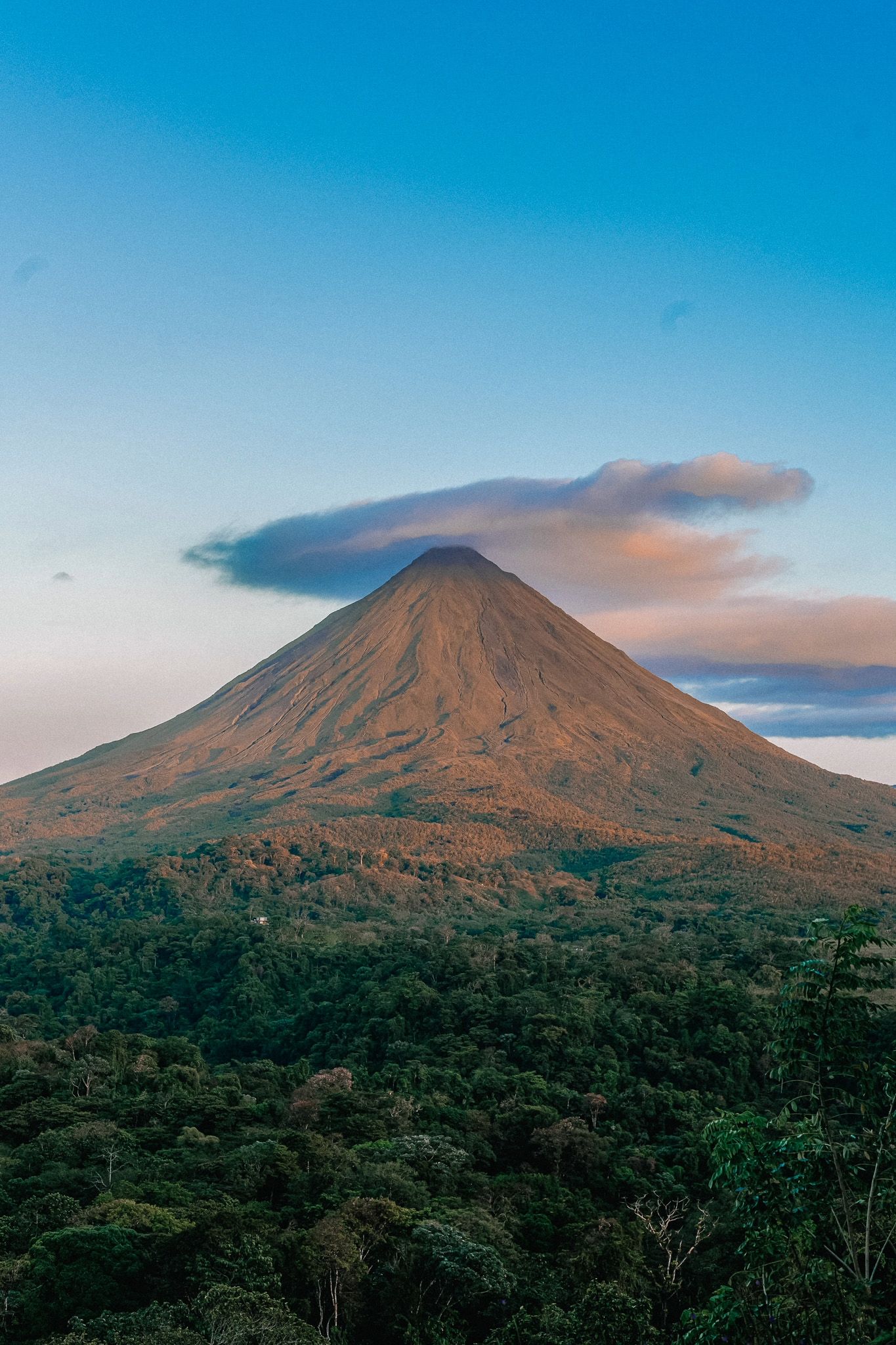
So you've settled on Costa Rica, and now you need to decide where within the country to go. Though Costa Rica looks small on a map (and it is relatively small), each region has its own personality, from volcanoes and cloud forests to surf towns, luxury beach resort compounds, and remote rainforest regions.
Instead of trying to see everything in one go, we always tell clients to treat this trip as their first trip to Costa Rica, rather than their only chance, and spend more time in fewer places. Embrace the idea of slower travel, don't rush through things, build contrasting regions into your itinerary and give yourself a chance to really enjoy each spot you visit.
Below, we've broken down the destinations we most often recommend, including what each region is known for, who it's best suited to, and how long to stay.
Costa Rica destination finder
| If you're looking for... | We'd recommend... |
|---|---|
| Your first trip | Arenal and the Central Pacific |
| Luxury | Papagayo, the Southern Highlands, or Uvita |
| Beaches | Guanacaste, the Nicoya Peninsula, or the Central Pacific |
| Direct beach access | Flamingo, Manuel Antonio, Santa Teresa, Nosara, or the South Caribbean |
| Surfing | Nosara or Santa Teresa |
| Adventure | Arenal, the Pacuare River, or Monteverde |
| Wildlife | Tortuguero or the Osa Peninsula |
| Whale watching | Uvita and Ojochal |
| Turtle nesting | Tortuguero |
| Turtle arribadas | Nosara (Ostional Wildlife Refuge) |
| Snorkeling and diving | Drake Bay and Caño Island |
| Coffee | The Central Valley or Southern Highlands |
| Remote rainforest lodges | The Osa Peninsula or the Pacuare River |
| Off the beaten path | Bajos del Toro or Golfo Dulce |
| Honeymoons | Arenal with Uvita, Papagayo, or Santa Teresa |
How many places should you visit?
Travel from A to B in Costa Rica almost always takes longer than Google Maps would suggest. Everything looks easy to get to, but in practice, it's a different story. We take this into account and build itineraries around the things our clients want to see, rather than picking a resort first, and then making everything else fit into that. If you pick a beachfront hotel but want to see Arenal volcano, go zip lining, and spend an evening at the hot springs, you have to expect a minimum of three hours travel each way, often more than that, depending where you're coming from. Mountain roads, national parks, river crossings, and ferry routes mean you'll spend more time getting between destinations than the map might make you think.
As a general rule:
- 5-7 days: Two destinations
- 8-10 days: Three destinations
- 11-14 days: Three to four destinations
- 15+ days: Four or more destinations
If it's your first visit, we'd usually recommend starting with Arenal and one beach destination, then building from there.
Costa Rica's regions
Whether you're looking for luxury beach resorts, volcanoes, wildlife, waterfalls, or off-the-beaten-path adventures, here's how we think about Costa Rica when planning our clients' trips.


Central Valley
The Central Valley is where many trips begin and end, as it's home to San José, one of Costa Rica's two international airports. While many travelers head straight for the beach or the highlands after landing, we often recommend spending a night here instead. It's home to Costa Rica's best coffee-growing regions, beautiful boutique hotels, excellent restaurants, and easy access to places like Poás Volcano and the artisan town of Sarchí. It's a relaxed way to start or finish a trip, particularly if you're arriving late or departing early, without spending hours in the car before or after a long flight.
Central Highlands
Bajos del Toro
For waterfall lovers, Bajos del Toro is a must-visit destination. This quiet mountain region is home to some of the most impressive waterfalls in Costa Rica, all located within hiking distance of one another, and surrounded by cloud forests, coffee farms and charming boutique lodges tucked into the hills. We often recommend it to travelers looking for somewhere quieter than Arenal, with beautiful scenery and far fewer visitors.
Pacuare River Gorge
Located deep in the lowland rainforests just on the eastern side of the continental divide, most stays in the Pacuare River Gorge begin with a trip down the Pacuare River before arriving to a lodge surrounded by jungle. There are no towns, no traffic, and almost no cell signal. Just forest, wildlife, adventure activities, and a chance to completely disconnect for a few days off the grid.
Explore the Pacuare River Gorge →
Southern Highlands
Home to rolling mountains, coffee plantations, and some of Costa Rica's most exclusive retreats, the Southern Highlands remain a less-visited destination with a lot to offer. The climate here is akin to perpetual spring, with cool temperatures, beautiful scenery, and opportunities to explore local coffee farms, hiking trails, and nearby cloud forests. It's a wonderful region for travelers looking to unwind for a few days before heading to the beach.
Explore the Southern Highlands →
Northern Mountains & Volcanoes
Arenal & La Fortuna
Arenal is one of the most visited destinations in Costa Rica, and for good reason. It's the adventure capital of the country, with whitewater rafting, zip lining, hanging bridges, hiking, waterfall rappelling, and more. Aside from adventure, the area is also home to volcano views, hot springs, rainforest, and wildlife, so no shortage of variety! Whether it's your first visit or your fifth, there's enough here to keep you busy for several days.


Tenorio & the Northern Highlands
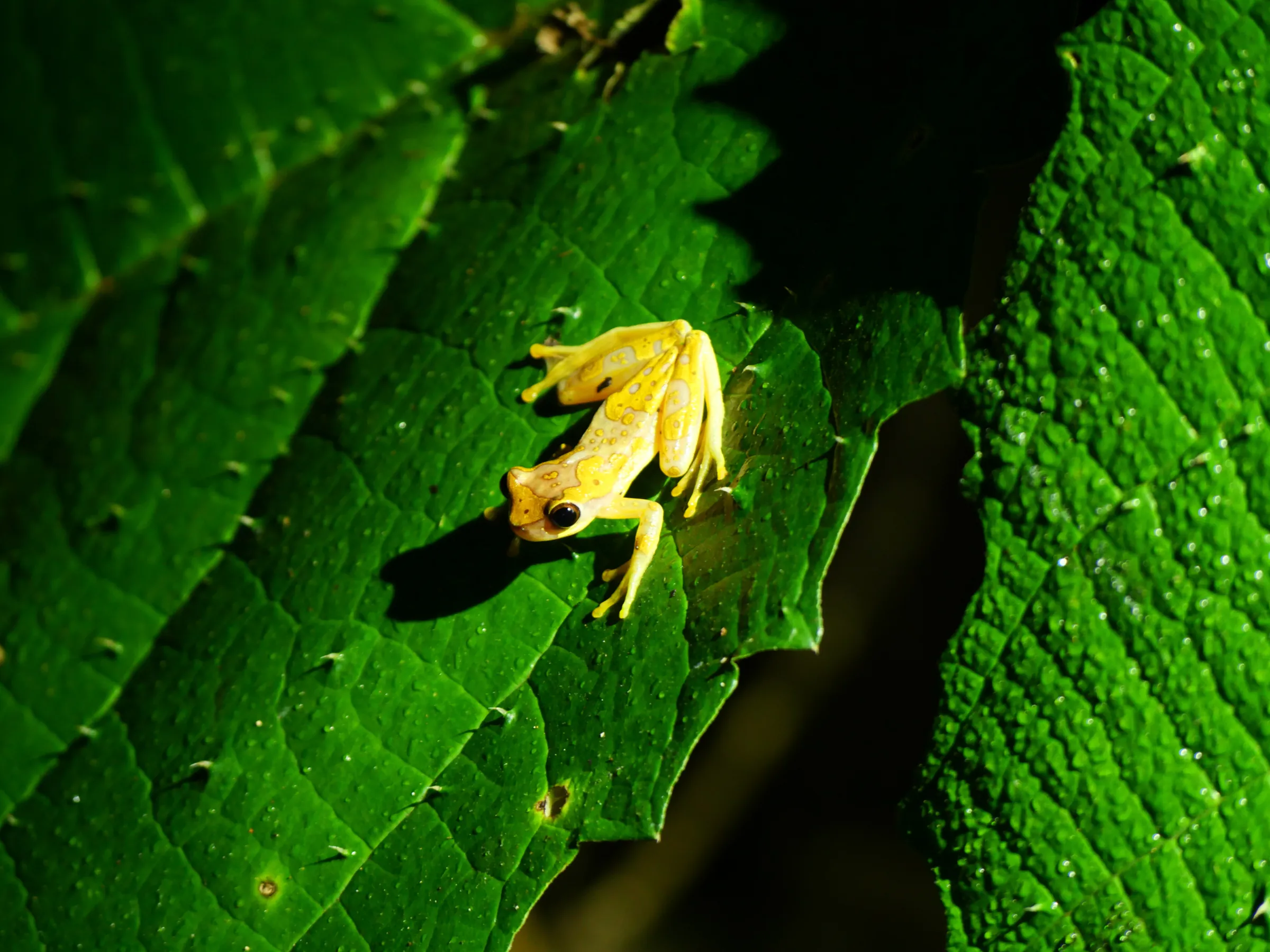
The Tenorio region and Costa Rica's Northern Highlands are known for luxury lodges tucked into the rainforest, surrounded by rivers, waterfalls, volcanoes, and abundant wildlife. Río Celeste is the area's best-known attraction, but there's far more to discover than a single hike. Spending a night or two here allows you to explore Tenorio Volcano National Park before the crowds arrive while enjoying one of Costa Rica's most peaceful regions.
Explore the Northern Highlands →
Monteverde
Monteverde is famous for its cloud forests, where cool mountain air, hanging bridges, and mist-covered trails create one of Costa Rica's most unique landscapes. It's one of the country's best destinations for hiking, birdwatching, and zip lining through the forest canopy. We often pair Monteverde with Arenal, and a beach destination, giving travelers the chance to experience three completely different ecosystems in a single trip.
Rincón de la Vieja
For a different type of volcanic landscape than Arenal, visit Rincón de la Vieja in Costa Rica's northwest corner. Instead of rainforest, you'll find dry tropical forest, bubbling mud pots, steaming fumaroles, waterfalls, and natural hot springs. It's a great addition to a Guanacaste itinerary, particularly for travelers looking to combine beach time with hiking and adventure.
Guanacaste
Papagayo
The Papagayo Peninsula is home to many of Costa Rica's most luxurious resorts, known for exceptional service, championship golf, ocean views, and easy access from Liberia Airport. Unlike many beach destinations, most resorts here are tucked into the hills overlooking secluded bays rather than sitting directly on the sand. We often recommend Papagayo for travelers looking to relax in a luxury resort while still having easy access to activities like sailing, snorkeling, fishing, and day trips around Guanacaste.
Flamingo, Potrero & the Gold Coast
This is one of the best destinations in Costa Rica for great beaches. Within the Gold Coast region, Playa Flamingo, Playa Potrero, Playa Conchal, and Las Catalinas are all within a short drive of one another, each with calm water, beautiful beaches, beachfront hotels, and excellent sailing. It's one of our favorite regions for families, couples, and anyone hoping to combine beach time with a little soft adventure.
Tamarindo
One of Costa Rica's liveliest beach towns, Tamarindo is known for its excellent restaurants, cafés, shops, nightlife, and consistent year-round surf. Everything is within easy walking distance, making it a popular choice for travelers who enjoy having plenty to do without needing to get in the car. It's a great fit for spring break groups, friends traveling together, and anyone looking for relaxed beach days followed by lively evenings, whether that's a sunset cocktail, live music, or dancing late into the night.
Sámara
Sámara has a relaxed pace, and still feels like the Costa Rican beach towns of twenty years ago. Its sheltered bay offers calm water for swimming, paddleboarding, and kayaking, while the town itself has a friendly, local feel with restaurants, cafés, and small boutique hotels scattered throughout. It's a perfect beach town for travelers looking to enjoy a quieter side of Guanacaste, but still within easy proximity of Liberia's international airport.
Nicoya Peninsula
Nosara
Known for surfing, yoga, wellness, and beautiful beaches, Nosara has become one of Costa Rica's most beloved and sought-after beach towns. Strict building regulations have helped preserve its natural character, giving the town a low-key atmosphere despite its growing popularity. Just south of town, Ostional Wildlife Refuge is one of the few places in the world where olive ridley turtle arribadas take place, giving visitors one more reason to experience this special corner of Costa Rica.
Santa Teresa, Mal País & Montezuma
The southern Nicoya Peninsula has a little something for everyone. Santa Teresa is home to luxury boutique hotels, excellent restaurants, and one of Costa Rica's best surf scenes. Just down the road, Mal País offers a quieter alternative, with villas perched in the hills overlooking the coastline, while Montezuma, on the peninsula's eastern tip, adds waterfalls, hiking trails, and a distinctly bohemian atmosphere. Together, they make this one of Costa Rica's most diverse beach destinations. Pro tip: Rent an ATV and explore all three.
Explore the southern Nicoya Peninsula →
Central Pacific
Manuel Antonio
The Central Pacific is one of Costa Rica's easiest regions to reach from San José. Just a quick 30-minute flight or three-hour drive away, it's a favorite for first-time visitors. While many travelers stop in Jacó, we often recommend continuing another hour south to Manuel Antonio and Quepos, where rainforest, beaches, and abundant wildlife come together in one destination. It's one of the best places in the country to spot monkeys, sloths, scarlet macaws, and toucans, often without leaving your hotel.
South Pacific
Dominical
A laid-back surf town where jungle-covered mountains meet the Pacific Ocean, Dominical is a great base for travelers looking to combine waterfalls, surfing, yoga, and easy access to nearby beaches without the crowds found farther north. We often recommend it to couples and families looking for a relaxed beach town with plenty to explore nearby.
Uvita & Ojochal
Just south of Dominical, Uvita and Ojochal offer a quieter, more upscale experience. Uvita is best known for Marino Ballena National Park and the famous Whale's Tail sandbar, while neighboring Ojochal has become one of Costa Rica's best food destinations, with an impressive collection of restaurants surrounded by rainforest with panoramic ocean views. Together, they make an excellent base for whale watching, wildlife, waterfalls, and boutique luxury hotels.

Osa Peninsula
Drake Bay
Drake Bay is one of Costa Rica's best destinations for snorkeling, diving, and marine wildlife. Many visitors come to explore Caño Island Biological Reserve, where clear water and healthy coral reefs attract sea turtles, reef sharks, rays, and countless tropical fish. It's also one of the main gateways to Corcovado National Park, making it easy to combine time on the water with guided hikes through one of the world's most biodiverse rainforests.
Puerto Jiménez & Cabo Matapalo
On the eastern side of the Osa Peninsula, Puerto Jiménez and Cabo Matapalo offer a completely different experience from Drake Bay. Puerto Jiménez is the peninsula's main town and a convenient base for exploring Corcovado National Park, while Cabo Matapalo is known for luxury eco-lodges tucked between the rainforest and the Pacific Ocean. It's one of Costa Rica's best destinations for travelers looking to disconnect, immerse themselves in nature, and experience the country's wildest coastline.
Explore Puerto Jiménez & Cabo Matapalo →
Golfo Dulce
Peaceful and underrated, Golfo Dulce is one of only a few tropical fjords in the world, with calm waters surrounded by rainforest. The setting is ideal for kayaking, dolphin watching, birding, snorkeling, paddleboarding, and more. Boutique eco-lodges dot the shoreline, many accessible only by boat, making it a wonderful choice for honeymooners and travelers seeking seclusion and wild, unspoiled nature.
Caribbean Coast
Tortuguero
Accessible only by boat or small plane, Tortuguero is off on the very northeastern Caribbean coast, and feels like a wild wonderland, removed from the rest of Costa Rica. A maze of canals winds through protected rainforest in one of the country's best destinations for spotting monkeys, sloths, caimans, and tropical birds. From July through October, it's also one of the world's most important nesting sites for green sea turtles, and three other species (olive ridley, leatherback, and hawksbill) can also be spotted here.
Puerto Viejo, Cahuita & Manzanillo
Costa Rica's southern Caribbean has a personality all its own. Afro-Caribbean culture, beautiful beaches, excellent snorkeling, and a laid-back atmosphere give the region a completely different feel from the Pacific coast. Spend your days exploring Cahuita National Park, relaxing on the beaches around Puerto Viejo, or snorkeling the coral reefs near Manzanillo. If you're traveling from mid-August through October, this is the best place to go for great beach weather.