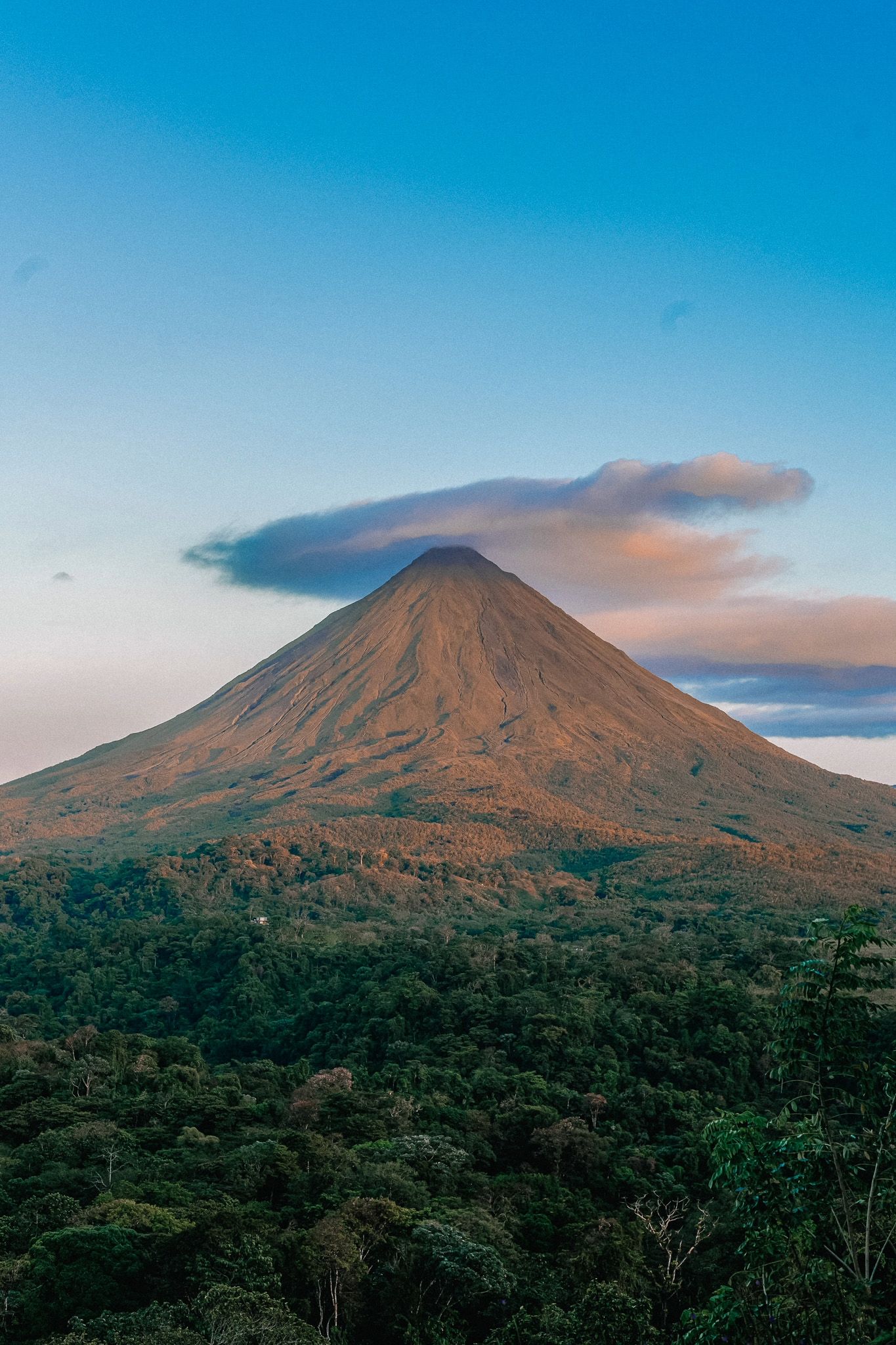
Golfo Dulce is one of the world's few tropical fjords, separating the Osa Peninsula from mainland Costa Rica. Deep, protected waters support dolphins, whales, sea turtles, and an extraordinary diversity of marine life, while rainforest stretches from the mountains to the shoreline. Kayaking, paddleboarding, wildlife watching, and boat excursions take centre stage here, where the water is often as calm as a lake.
At a glance
| Best for | Kayaking, dolphins, whales, wildlife, eco-lodges, and nature lovers |
|---|---|
| Recommended stay | 2–4 nights |
| Pairs well with | Puerto Jiménez & Cabo Matapalo, Drake Bay, Uvita & Ojochal, and the Central Valley |
| Closest airport | Golfito (GLF) or Puerto Jiménez (PJM) |
| Best time to visit | December through August |
| Budget | $$$–$$$$ |
Why stay in Golfo Dulce?
Golfo Dulce is often described as a gulf, but geologically it's a tropical fjord. Unlike the glacial fjords of Norway or Patagonia, this one formed through tectonic activity, creating a deep basin with a narrow entrance to the Pacific Ocean. That shape limits wave action and creates calm, protected waters unlike almost anywhere else on Costa Rica's Pacific coast.
The fjord supports an unusually rich marine ecosystem. Resident bottlenose dolphins live here year-round, humpback whales arrive during both Northern and Southern Hemisphere migrations, and sea turtles, rays, and countless fish species use these protected waters. The mangroves at the northern end of the gulf also serve as nursery habitat for juvenile scalloped hammerhead sharks, leading Costa Rica to establish its first shark sanctuary here.
The rainforest is never far away. Piedras Blancas National Park, the Golfo Dulce Forest Reserve, and private conservation areas surround much of the shoreline, creating a continuous corridor of protected habitat. Boat travel is part of daily life, and several lodges can only be reached from the water.
Because the water is sheltered, activities here are different from those along the open Pacific. Instead of surfing or offshore diving, most visitors spend their days kayaking beneath rainforest-covered hillsides, paddleboarding in quiet bays, searching for dolphins, or exploring mangroves by boat.
Our take: Golfo Dulce works especially well after Puerto Jiménez or Drake Bay. The pace of exploration changes completely. Instead of hiking through rainforest or heading offshore, your days revolve around the calm water, with wildlife often appearing alongside your kayak or boat rather than on the forest floor.
Is Golfo Dulce a good fit?
Golfo Dulce is a great fit if you:
- Enjoy kayaking, paddleboarding, or spending time on the water.
- Want to see dolphins, whales, sea turtles, and other marine wildlife.
- Prefer small eco-lodges surrounded by rainforest.
- Appreciate quiet destinations with few crowds.
- Are looking for a slower-paced alternative to the Osa Peninsula.
Puerto Jiménez or Drake Bay are better choices if Corcovado National Park is your main priority.
Best things to do
Kayak across one of Costa Rica's calmest waterways
Golfo Dulce's sheltered waters are unusually calm for the Pacific coast, making it one of the country's best destinations for kayaking. Paddle along rainforest-covered shorelines, quiet coves, and mangrove forests while keeping an eye out for dolphins, sea turtles, and coastal birds. Early mornings typically offer the calmest conditions.
Look for resident bottlenose dolphins
Unlike humpback whales, which migrate through seasonally, bottlenose dolphins live in Golfo Dulce year-round. They are frequently seen during kayaking trips and boat excursions, often swimming close to shore or alongside boats.
Go whale watching
Humpback whales visit Golfo Dulce twice each year as both Northern and Southern Hemisphere populations migrate through Costa Rica's Pacific waters. Depending on when you visit, you may see adults breaching, mothers with calves, or groups traveling through the gulf.
Explore the mangroves by boat
Mangrove forests fringe parts of Golfo Dulce, creating important nursery habitat for fish, birds, reptiles, and marine life. Guided boat tours provide access to narrow channels that would otherwise be difficult to explore while explaining the role mangroves play in protecting the coastline.
Hike in Piedras Blancas National Park
Often overlooked in favor of Corcovado, Piedras Blancas National Park protects one of Costa Rica's most biologically rich rainforests. The park shares many of the same plant and animal species as Corcovado but receives only a fraction of the visitors, making it an excellent choice for travelers seeking a quieter hiking experience.
Visit rainforest waterfalls
Several waterfalls are found throughout the Golfito and Golfo Dulce region, ranging from easy roadside stops to short rainforest hikes. They provide a refreshing break from the tropical heat and are often combined with other excursions.
Paddleboard along the shoreline
The gulf's protected water also makes it ideal for stand-up paddleboarding. Calm mornings provide excellent conditions for exploring the coastline while watching for rays, fish, and birdlife in the clear shallows.
Go birdwatching
The forests surrounding Golfo Dulce support scarlet macaws, toucans, trogons, parrots, hummingbirds, and hundreds of other bird species. Many eco-lodges maintain trails, gardens, and observation decks where wildlife can often be seen without leaving the property.
Join a guided night walk
Rainforests become especially active after sunset. Guided walks introduce visitors to tree frogs, insects, spiders, snakes, and nocturnal mammals while explaining how the forest changes after dark.


Where to stay
Accommodations around Golfo Dulce are spread between Golfito, the western shoreline, and remote rainforest lodges reached by boat.
Stay near Golfito if convenient transportation, domestic flights, and access to restaurants are important. It also works well for shorter stays or before continuing elsewhere in southern Costa Rica.
Stay along the western shore if you're looking for seclusion and an immersive rainforest experience. Many lodges occupy large private reserves between the forest and the gulf, where wildlife sightings are part of everyday life and neighboring development is minimal.
Our favorite hotels
Playa Cativo Lodge
One of Costa Rica's finest eco-lodges, Playa Cativo occupies a private stretch of shoreline that can only be reached by boat. The property is surrounded by rainforest within the Golfo Dulce Forest Reserve, creating an experience where kayaking, wildlife viewing, and quiet relaxation all begin just steps from your suite. It's one of our favorite choices for couples, honeymooners, and anyone looking to disconnect.
Golfo Dulce Retreat
Set on the eastern side of the gulf near Puerto Jiménez, Golfo Dulce Retreat combines comfortable accommodations with direct access to kayaking, paddleboarding, yoga, and wellness experiences. Its peaceful setting and smaller scale make it a great option for travelers looking to slow down and spend time in nature.
Best time to visit
December through April generally brings drier weather and calmer conditions for kayaking, paddleboarding, and boat excursions.
Marine wildlife changes throughout the year. Resident bottlenose dolphins can be seen in every season, while humpback whales migrate through Golfo Dulce twice annually. Rain falls year-round, helping sustain the rainforest that surrounds the gulf and the rich marine ecosystem it supports.
Pair it with
- Puerto Jiménez & Cabo Matapalo for Corcovado National Park, primary rainforest, and some of Costa Rica's best wildlife viewing.
- Drake Bay if snorkeling, scuba diving, and Caño Island are priorities.
- Uvita & Ojochal to experience another part of Costa Rica's South Pacific and increase your chances of seeing humpback whales during migration.
- The Central Valley before or after domestic flights to southern Costa Rica.
Getting there
Most visitors reach Golfo Dulce by flying to Golfito or Puerto Jiménez, then continuing by road or boat to their lodge.
Approximate travel times:
- Golfito Airport to nearby lodges: 10 to 20 minutes
- Puerto Jiménez to Golfito: About 30 minutes by ferry or approximately 2.5 hours by road around the gulf
- San José to Golfito: Approximately 50 minutes by domestic flight
Many lodges coordinate boat transfers directly from Golfito or Puerto Jiménez, particularly those located along the remote western shoreline.

Frequently asked questions
What is a tropical fjord?
Unlike the glacial fjords found in places like Norway or Chile, Golfo Dulce formed through tectonic activity rather than ice. Its deep basin, sheltered shape, and limited exchange with the open Pacific create unusual oceanographic conditions that support one of the richest marine ecosystems in Central America.
Is Golfo Dulce good for kayaking?
Yes. The gulf's protected waters make it one of Costa Rica's best destinations for kayaking and stand-up paddleboarding, particularly during the morning when conditions are typically calm.
Can you see dolphins year-round?
Yes. A resident population of bottlenose dolphins lives in Golfo Dulce throughout the year. Humpback whales migrate through seasonally, so sightings depend on the time of year.
Should I stay in Golfo Dulce or Drake Bay?
Choose Golfo Dulce if you prefer calm water, kayaking, eco-lodges, and marine wildlife. Choose Drake Bay if your priority is Corcovado National Park, Caño Island, scuba diving, and snorkeling. Golfo Dulce offers a quieter, more relaxed experience, while Drake Bay is generally more activity-focused.