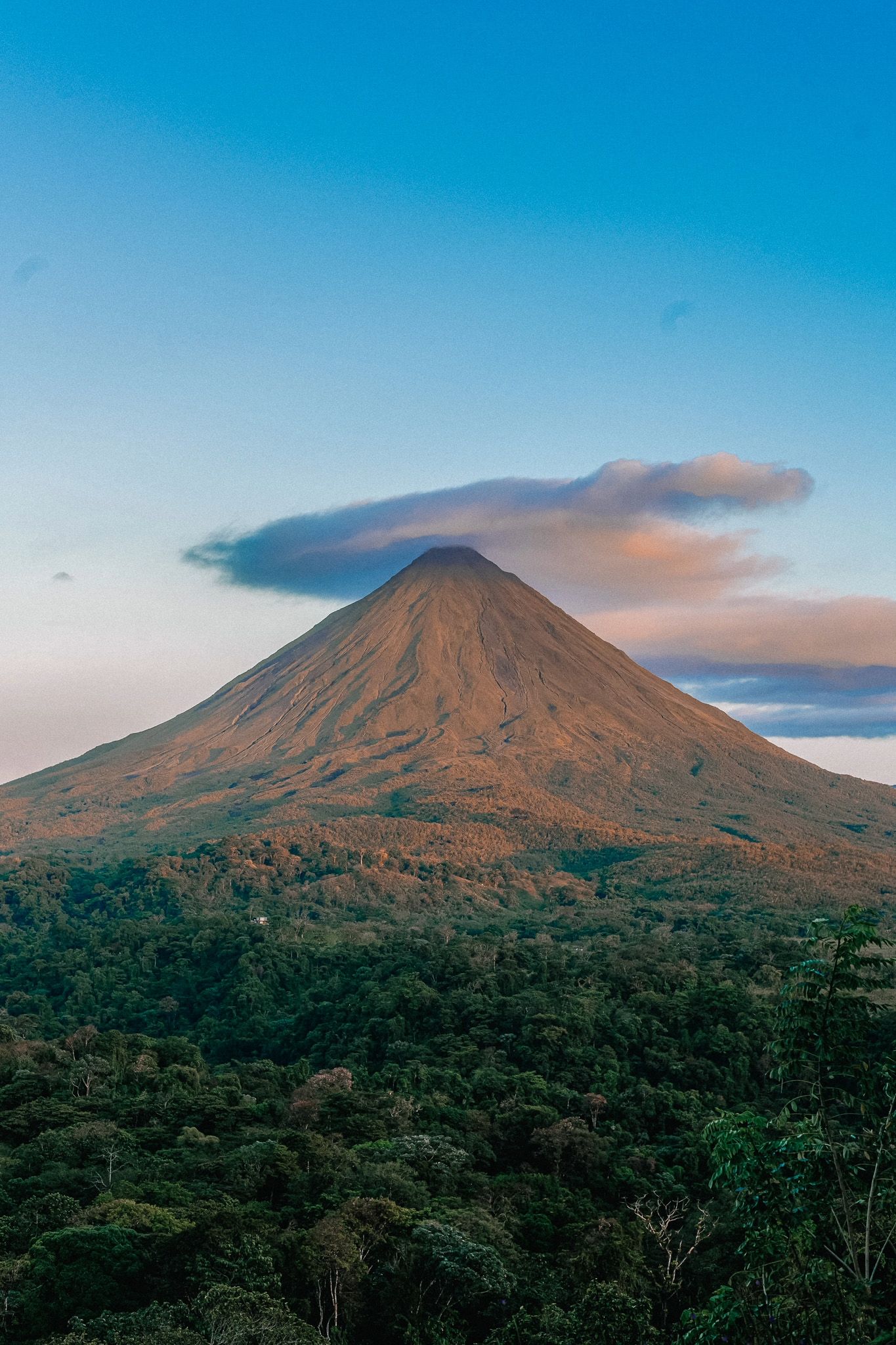
A month-by-month guide to weather, wildlife, crowds, and the best time to visit for you.
There's no one-size-fits-all answer to the best time to visit Costa Rica. We plan trips here in every month of the year because each season offers something different. The right time to go depends on your priorities, whether that's sunshine, wildlife, surfing, fewer crowds, or better value.
Understanding Costa Rica's seasons
Costa Rica has two main seasons: dry season and green season. Here's a quick overview.
Dry season (December through April)
In dry season, you can count on reliable sunshine throughout most of the country, particularly along the Pacific coast and around Arenal. It's the busiest time to visit, and is great for first-time travelers, beach vacations, and holiday travel around Christmas, New Year's and Easter. Expect the biggest crowds and highest prices during this period, particularly around holidays, when you'll find the highest hotel rates, with some properties doubling or tripling prices over peak dates.
Shoulder season (May, June & November)
These months are some of our favorites to recommend to clients with some flexibility in their schedule. They offer a great balance of weather, value, and availability. Landscapes become greener, waterfalls are flowing, and there are generally fewer crowds than during peak season. Afternoon and evening showers are common in some areas, but the wildlife certainly doesn't mind a passing shower to cool things down, and after hot, humid mornings, you might not either.
Green season (May through November)
One of the things we love about traveling during green season is that not much changes when it rains. Activities continue rain or shine, and tours are rarely canceled unless conditions become unsafe because of lightning, high swells, or rising rivers. It's also one of the best times of year to enjoy lush landscapes, active wildlife, and better value. Your budget will stretch a lot further than it will in peak season. September and October are the wettest months on most of the Pacific coast, but the Caribbean often enjoys its best weather during the same time.
Microclimates: one thing to know
Weather varies dramatically across the country thanks to Costa Rica's many microclimates, so the best time to visit depends just as much on where you're going as when you're traveling. We can help you figure all of those details out.
Costa Rica weather at a glance
| Month | Conditions | Crowds | Great for |
|---|---|---|---|
| January | Sunny and dry | High | First-time visits, beaches, wildlife |
| February | Sunny and dry | High | Honeymoons, beaches, diving |
| March | Hot and sunny | High | Families, beach trips |
| April | Mostly dry, with occasional showers | Medium | Mixed itineraries, Easter travel |
| May | Start of green season | Low | Quieter travel, lush scenery, better value |
| June | Sunny mornings and afternoon rain | Low | Wildlife, waterfalls, fewer crowds |
| July | Green season with a midsummer break | Medium | Families, summer holidays, beach time |
| August | Lush and tropical | Low | Wildlife, surfing, better value |
| September | Wet on the Pacific, drier on the Caribbean | Very low | Caribbean coast, rafting |
| October | Wettest month on much of the Pacific | Very low | Caribbean coast, fewer visitors |
| November | Rain easing across much of the country | Low | Shoulder season, wildlife, greener landscapes |
| December | Transition into dry season | Medium to high | Holiday travel, beaches, first-time visits |
January in Costa Rica
January is one of the easiest months to visit Costa Rica, particularly if it's your first trip. Much of the Pacific coast is sunny and dry, and we often combine destinations like Arenal, Manuel Antonio, Nosara, and Santa Teresa. Monteverde is cool and misty year-round (it's the cloud forest, after all), and the Caribbean is less predictable than the Pacific, although showers are usually short-lived. Another highlight this month is Costa Rica's coffee-growing regions in the Central Valley and Tarrazú. The harvest is in full swing, and a coffee tour can walk you through the whole process from cherry to cup.
Wildlife viewing is excellent, hiking trails are in good condition, and beach days are predictable. It's one of the busiest months of the year, so expect higher prices and book well in advance if you're traveling over New Year's. Hotel rates often dip slightly once the holiday rush is over, so if your dates are flexible, we'd recommend the second and third weeks of January.
If we were planning a trip in January, we'd focus on Costa Rica's Pacific coast, Arenal, and the cloud forest, and save the Caribbean for another time of year. The exception is Tortuguero, which is worth visiting year-round.
February in Costa Rica
February is a very dry month, with long sunny days and reliable weather across much of the country. It's a fantastic month to be outdoors, whether you're hiking, surfing, snorkeling, or simply enjoying the beach.
February is one of our favorite times to visit Costa Rica's Central and South Pacific. Manuel Antonio, Dominical, Uvita, and the Osa Peninsula all enjoy dry, sunny conditions, and it's one of the best months of the year for humpback whale watching as the northern hemisphere population migrates through Costa Rica's Pacific waters. If waterfalls are high on your list, February is a fantastic time to explore Bajos del Toro, when lower rainfall helps keep its brilliant blue pools clear. Coffee harvest continues through much of February, particularly in higher-elevation regions like Tarrazú, where many farms are still busy picking and processing beans.
February falls squarely within the dry season, so expect hotels and private guides to book well in advance. Rates remain significantly higher than during the green season. If reliable sunshine is your priority, February is hard to beat.

March in Costa Rica
Long, sunny beach days define March in Costa Rica. It's one of the hottest and driest months of the year, particularly along the Pacific coast. Roads are in excellent condition (most river crossings have dried up), and outdoor adventures are rarely interrupted by rain.
If you're traveling during spring break, head to Guanacaste. Direct flights into Liberia make it easy to reach destinations like Tamarindo, Playa Flamingo, Playa Conchal, and the Papagayo Peninsula, where you'll find some of Costa Rica's best beaches and consistently sunny weather. March is one of the busiest months of the year, so booking well in advance is essential. For spring break travel, we'd recommend booking at least six months in advance.
As the dry season reaches its peak, animals tend to gather around remaining water sources, making sloths, monkeys, scarlet macaws, and even quetzals easier to spot in many parts of the country.
April in Costa Rica
April marks the end of Costa Rica's dry season. Most of the month remains warm and sunny, particularly along the Pacific coast, although the first afternoon showers often begin to appear toward the end of the month. They're usually brief, more a welcome break from the heat than a disruption to your plans.
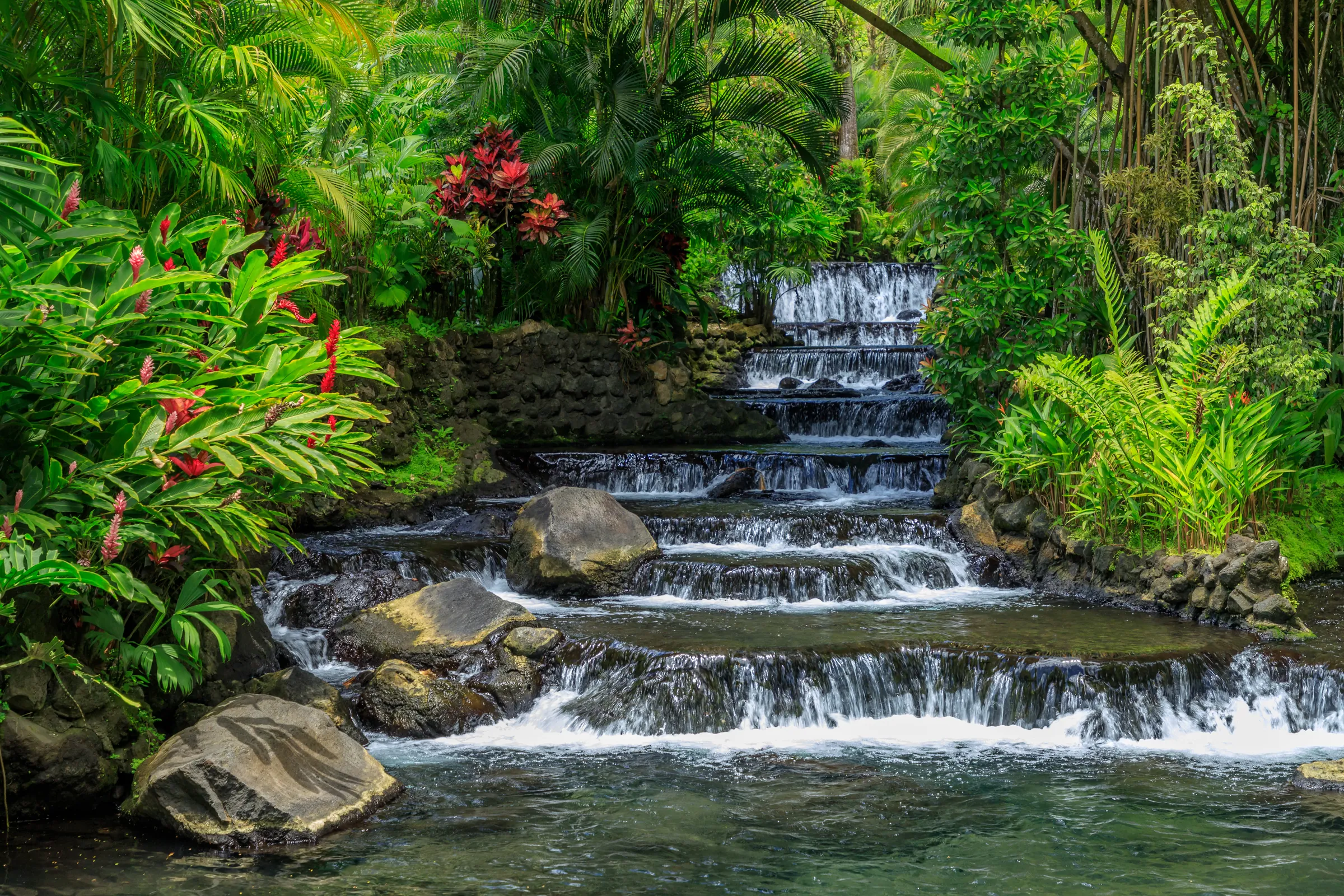
For waterfall lovers, April is one of our favorite times to see Río Celeste, before heavier rains later in the year can temporarily affect the river's famous turquoise color. Bajos del Toro is equally spectacular, with some of Costa Rica's most beautiful waterfalls looking their best before the green season begins.
April is still part of Costa Rica's high season. Semana Santa (Easter Week) often falls during the month and is one of the busiest travel periods of the year. Many hotels charge peak season rates, comparable to Christmas and New Year's, over Easter week. Availability is extremely limited, so we'd recommend booking at least six months in advance. Expect busy beaches, heavier road traffic, and lots of tourist and local families at popular attractions.
May in Costa Rica
Kicking off green season, May is one of Costa Rica's best-kept secrets, and a month we regularly recommend to clients with flexible travel dates. The first rains bring the forests back to life, rivers begin to fill, and waterfalls become even more impressive. Most days still begin with sunshine, followed by brief afternoon or evening showers.
May is when Costa Rica's jungles return to their vibrant green, wildlife becomes more active as food and water become plentiful again, and waterfalls are at their most spectacular. It's an excellent month for Arenal, where the rainforest feels especially alive and hot springs are even more enjoyable in the cooler weather. The Pacific beaches are still beautiful, particularly during the first half of the month.
Along with green season comes low tourist season, so you'll find better hotel availability and lower rates than during the dry season. We frequently tell clients that "the weather doesn't change overnight, but the rates do." The first couple of weeks of May are among our favorite times to visit. If you're comfortable planning outdoor activities in the mornings and embracing the occasional afternoon shower, May offers some of the best value all year.
June in Costa Rica
We love June in Costa Rica! It strikes a balance between great weather, lush landscapes, and better value. Green season is well established, but mornings are still reliably sunny across much of the country before afternoon showers roll in.
June is a fantastic time to visit Arenal and the Central Valley. Waterfalls are flowing, the rainforest is incredibly green, and Costa Rica's coffee-growing regions are beautiful this time of year. Whitewater rafting is top notch in June, as rivers benefit from the seasonal rains before reaching their highest levels later in the season.
June is a great choice if you don't love tropical heat. Afternoon and evening showers help cool things down, and the evenings are often noticeably more comfortable for sleeping than they are during the dry season.
Rain rarely lasts all day. With an early start and a flexible itinerary, you'll still have plenty of time to hike, spot wildlife, soak in hot springs, or enjoy the beach before the afternoon showers arrive.
July in Costa Rica
Although it's part of the green season, July is one of Costa Rica's hidden gems. Much of the Pacific coast experiences veranillo, or "little summer," a period of drier, sunnier weather that often lasts for several weeks.
July offers the best of both worlds: the countryside is lush after the early rains, waterfalls are spectacular, and the return of sunshine makes beach time on the Pacific more inviting. It's a popular month for family travel, so expect more visitors than you would in May or June.
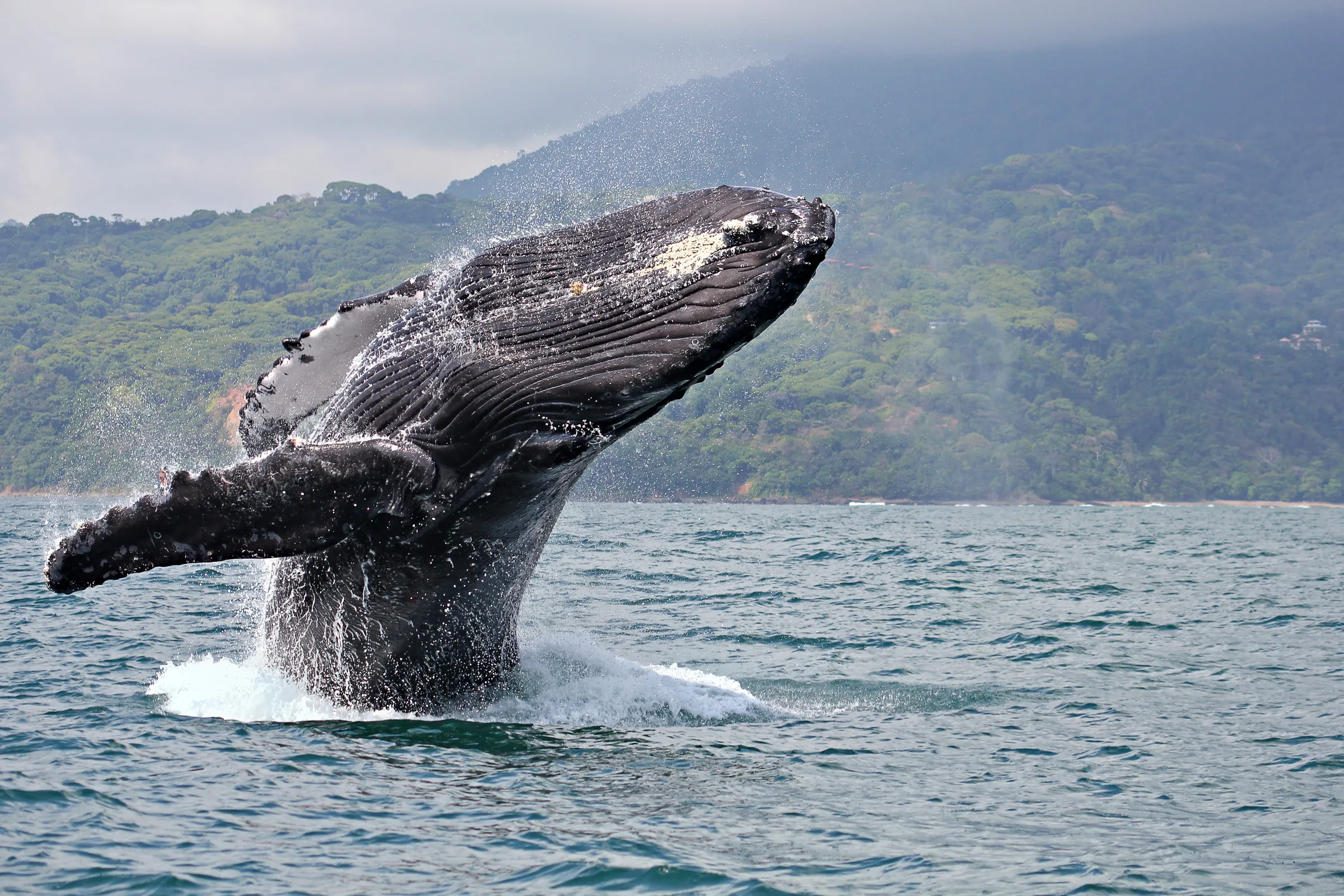
July is an exceptional month for wildlife. Green sea turtle nesting season gets underway in Tortuguero, one of the largest and most important nesting sites for green turtles in the Western Hemisphere. Later in the month, Southern Hemisphere humpback whales begin arriving along Costa Rica's South Pacific coast to breed and give birth, kicking off whale watching season near Uvita.

August in Costa Rica
August continues the green season. While afternoon showers are more common along the Pacific, the southern Caribbean starts to shine. Puerto Viejo and Cahuita enjoy some of their best weather of the year, with sunny days, warm water, and a laid-back Caribbean vibe unlike anywhere else in the country.
If you're looking for something a little different, it's a great time to combine Costa Rica with Bocas del Toro in neighboring Panama. Mid-to-late August, September, and October are ideal for a cross-border Caribbean itinerary, pairing Costa Rica's vibrant Caribbean coast with one of Central America's best island destinations.
One of the highlights in August is the marine wildlife on both coasts. Green sea turtle nesting is in full swing in Tortuguero, while Southern Hemisphere humpback whales continue to breed and give birth along Costa Rica's South Pacific coast.
If you're limited to traveling during the summer holidays, August is a fantastic choice. We'd simply plan your itinerary differently, focusing on what's special this time of year.
September in Costa Rica
While much of the Pacific coast is overcast and affected by heavy rainfall, the southern Caribbean is in its best weather season. Puerto Viejo, Cahuita, and Manzanillo get sunny days, warm water, and beachy weather from mid-August through the end of October. Hotel rates drop, making this a month for budget-savvy travelers. Tortuguero is the exception, booking up early during turtle nesting, so if your dates are fixed, book well in advance to grab a spot at the best lodges.
If you're traveling in September, we'd build your itinerary around the Caribbean. It's a great time to pair Costa Rica with Bocas del Toro in northern Panama, with an easy cross-border itinerary that takes advantage of the region's seasonal weather patterns. If you do include the Pacific coast, plan your outdoor activities in the mornings, which usually stay sunny. When planning, keep in mind that some lodges and restaurants close during the height of green season in September and October.
Following August, September is another outstanding month for wildlife, and one of the best for seeing wild babies! Green and hawksbill sea turtles continue nesting in Tortuguero, with the first hatchlings beginning to emerge. Southern Hemisphere humpback whales remain along Costa Rica's South Pacific coast, where it's common to see calves close to shore.
October in Costa Rica
If you look at a month-by-month precipitation forecast, October is usually Costa Rica's rainiest month. However, along the Caribbean coast, in places like Puerto Viejo, Cahuita, and Tortuguero, it's one of the best months of the year. It's a great time for sun-soaked beach days without crowds. Better yet, because Costa Rica sits south of the Caribbean hurricane belt, it's one of the only Caribbean beach destinations we'd recommend in October. As an added bonus, Costa Rica's Caribbean is largely spared from the sargassum seaweed that impacts other islands and coastlines throughout the Caribbean.
If we were planning a trip in October, we'd focus on the Central Valley, Tortuguero, and the southern Caribbean beaches. Hotel rates remain among the lowest of the year, making October a great value month for travelers.
If you're planning a self-drive itinerary, October requires a little more caution. Swollen rivers and poor road conditions can make some routes more challenging, particularly in rural areas. We generally recommend leaving plenty of flexibility in your plans or considering private transfers or domestic flights where possible, instead.
October offers experiences you simply won't find at other times of year. Turtle hatchlings begin emerging in Tortuguero, birdwatching is excellent along the Caribbean coast, and coffee harvest gets underway in the Central Valley. If you're interested in wildlife and local culture as much as beaches, October has plenty to offer.
November in Costa Rica
A transitional shoulder season month that bridges the gap between October's peak green season and the return of the dry season in December, November has a lot to offer. Heavy rains across the Pacific begin to ease, hotel rates remain lower than they will be during peak season, and the rainforests stay beautifully green after months of rainfall. This is one of our favorite months for honeymooners, with a wonderful balance of value, availability, and improving weather before the Christmas rush.
November in Costa Rica feels as though the country is waking up again. Sunshine becomes more reliable, waterfalls are still spectacular, and many of the country's most popular destinations are noticeably quieter than they'll be just a few weeks later. If you happen to be passing through San José in late November, try to align your visit with the Desfile de Boyeros (Oxcart Parade), when Costa Rica's beautifully painted oxcarts roll through the city in celebration.
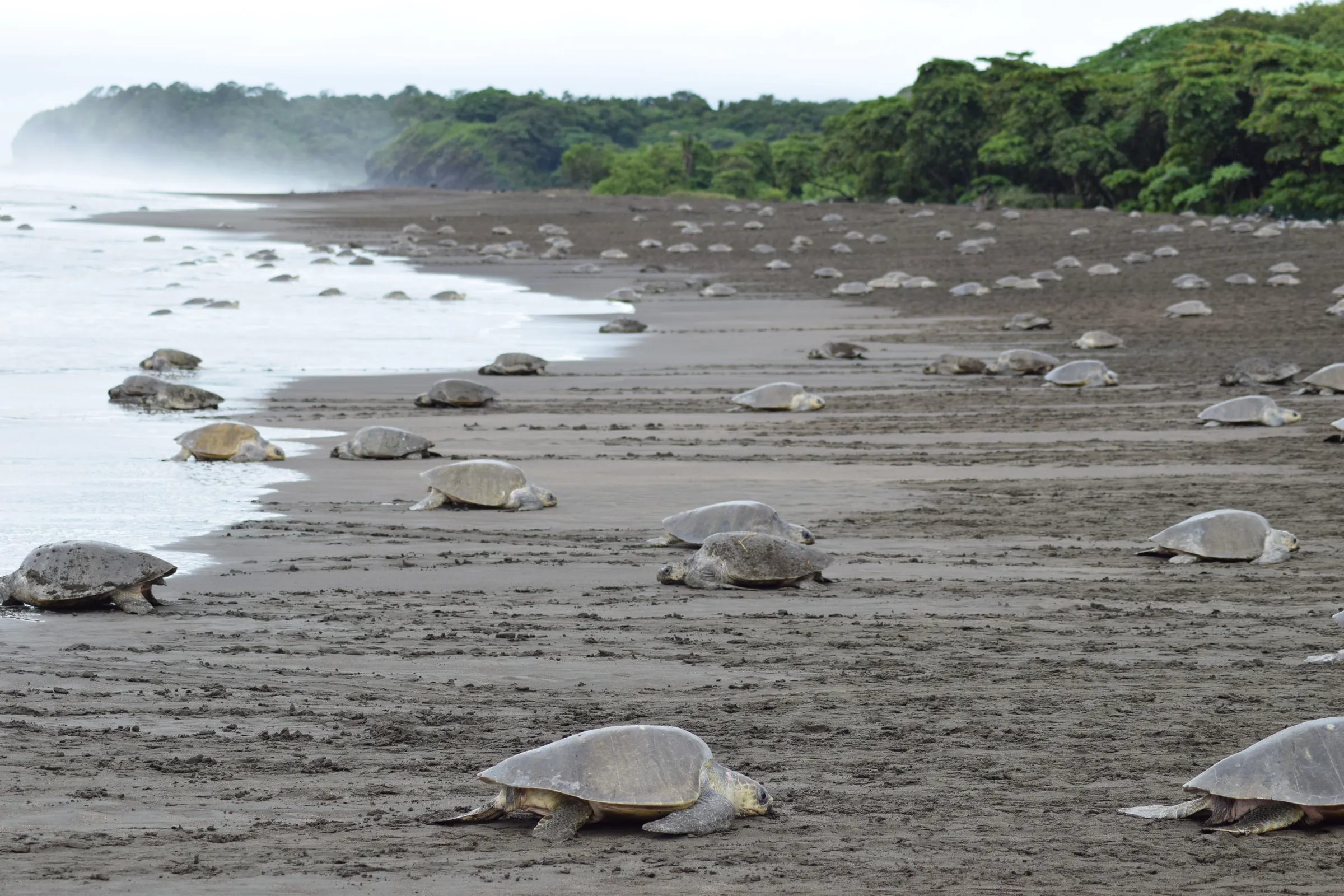
November is also one of the best months for turtle lovers. Olive ridley arribadas continue around Ostional, where thousands of turtles can come ashore to nest in a single night. Pacific leatherback nesting season is also underway at Playa Grande, making November one of the few months when you can combine incredible turtle experiences with improving weather on the Pacific coast.


December in Costa Rica
December feels almost like two different months. The first half of the month still feels like shoulder season, though prices don't reflect that. They jump to dry season pricing come December 1. Landscapes remain lush after the rains, visitor numbers are relatively low, and you'll often enjoy excellent weather before peak season begins. By Christmas, Costa Rica has fully transitioned into the dry season, and hotels, beaches, and national parks become some of the busiest you'll see all year. Plus, pricing hits its peak over holiday season.
If your schedule is flexible, we always recommend traveling during the first half of December. You'll often enjoy the same beautiful weather as holiday travelers, but without the crowds or peak season pricing. After mid-December, many of Costa Rica's most sought-after boutique hotels sell out month, even years, in advance.
December is a wonderful month for first-time visitors. Nearly every region is a great option, wildlife is active, and the return of the dry season makes it easy to combine beaches, rainforests, volcanoes, and cloud forests in a single trip.
What to pack for Costa Rica, by season
Dry season packing list(December through April)
- Lightweight, breathable clothing. Natural fabrics like linen and cotton are often more comfortable than synthetic quick-dry fabrics in Costa Rica's humidity, which can retain odors after a full day outdoors.
- Swimsuit and beach cover-up.
- Comfortable running shoes or trail shoes for hiking. If you're taking domestic flights, these are usually a better choice than heavy hiking boots, which add weight to your luggage.
- Sun hat or baseball cap.
- Sunglasses.
- Reef-safe sunscreen.
- Insect repellent. We like lemon eucalyptus-based repellents as an alternative to products containing DEET.
- Reusable water bottle to stay hydrated throughout the day.
- A light sweater or jacket for evenings in Monteverde, the Central Valley, or higher elevations.
Green season packing list (May through November)
- Lightweight, breathable clothing. Quick-dry fabrics are a good choice during green season, especially if you're hiking or spending time outdoors between afternoon showers.
- A lightweight rain jacket or poncho. Skip bulky waterproof jackets; you'll appreciate something light and packable in Costa Rica's warm climate.
- Comfortable running shoes or trail shoes with good grip. Trails can become muddy, and you'll likely encounter wet conditions during hikes.
- Swimsuit and beach cover-up. Rain rarely lasts all day, and you'll still have plenty of opportunities to enjoy beaches, hot springs, and pools.
- Dry bag or waterproof backpack to keep electronics, cameras, and travel documents protected during rainstorms or boat transfers.
- Insect repellent. Mosquitoes are more active during the green season, particularly around dawn and dusk. We like lemon eucalyptus-based repellents as an alternative to products containing DEET.
- Sun hat, sunglasses, and reef-safe sunscreen. Even during the rainy season, Costa Rica's tropical sun is surprisingly strong.
- Reusable water bottle to stay hydrated throughout the day.
- A light sweater or jacket for evenings in Monteverde, the Central Valley, or other higher-elevation destinations.
Costa Rica wildlife calendar
| Wildlife | Best months | Where to see it | What to know |
|---|---|---|---|
| Northern Hemisphere humpback whales | December–March | Uvita, Marino Ballena National Park and the Osa Peninsula | February is one of the strongest months, with whales migrating through Costa Rica’s Pacific waters to breed and give birth. |
| Southern Hemisphere humpback whales | July–October | Uvita, Marino Ballena National Park and the South Pacific | Whales begin arriving in late July. August and September are particularly rewarding, with mothers and calves often seen close to shore. |
| Green sea turtles | July–October | Tortuguero | Nesting begins in July and continues through October. Hatchlings begin emerging later in the season. |
| Caribbean leatherback turtles | March–June | Tortuguero and Gandoca-Manzanillo | Leatherbacks arrive earlier than Tortuguero’s green turtles and nest in smaller numbers. |
| Pacific leatherback turtles | October–March | Playa Grande and Las Baulas National Marine Park | Nesting begins during the late green season and continues into Costa Rica’s dry season. |
| Olive ridley arribadas | August–November | Ostional Wildlife Refuge | Mass nesting events are tied to the lunar cycle. Thousands of turtles may arrive over several nights, but exact timing cannot be guaranteed far in advance. |
| Resplendent quetzals | December–May | Monteverde, Savegre and San Gerardo de Dota | Quetzals can be seen year-round, but the breeding and nesting period can make sightings easier during the first half of the year. |
| Scarlet macaws | Year-round | Osa Peninsula, Carara National Park and the Central Pacific | Macaws are present throughout the year and are frequently seen flying in pairs or feeding in coastal almond trees. |
| Sloths and monkeys | Year-round | Arenal, Manuel Antonio, Tortuguero, the Osa Peninsula and Cahuita | Sightings are possible in every season. A knowledgeable guide can make a significant difference, especially when spotting sloths high in the canopy. |
| Frogs and amphibians | May–November | Arenal, Monteverde, Tortuguero and other rainforest regions | Frogs become more active during the green season, particularly after dark and following periods of rainfall. |
Wildlife seasons are approximate and can shift from year to year. Nesting, migration and sightings are never guaranteed.
Frequently asked questions: weather in Costa Rica
When is the best time to visit Costa Rica?
It depends on what you're looking for. If sunshine is your priority, visit during the dry season, from December through April. If you'd rather enjoy fewer crowds and better value, consider May, June, or November. If you're planning your trip around a specific wildlife or cultural experience, such as humpback whales, sea turtles, or coffee harvest, choose your travel dates to match the season.
Does it rain all day during the green season?
Rarely, although it does happen from time to time. Throughout much of the green season, mornings are sunny, with showers arriving later in the afternoon or evening. Some regions receive more rain than others, with the Central and South Pacific receiving the most rainfall. It's common to spend the morning hiking, spotting wildlife, or relaxing at the beach before the rain arrives. September and October are the wettest months on the Pacific coast, but they're also when the Caribbean enjoys some of its best weather.
Is Costa Rica safe to visit during rainy season?
Absolutely. Costa Rica is a year-round destination, and we plan trips throughout the green season. Expect afternoon showers, muddy trails, and the occasional road closure in more remote areas, but these rarely disrupt a well-planned itinerary. With a little flexibility, green season offers lush landscapes, active wildlife, and some of the best value of the year.
Which coast has better weather?
It depends on when you're traveling. The Pacific coast is driest from December through April, while the Caribbean follows a different weather pattern. From mid-August through October, the Caribbean enjoys its sunniest weather just as the Pacific reaches its rainiest period.
When is the cheapest time to visit Costa Rica?
May through November offer the best value. Hotel rates drop significantly once the dry season ends, although weather remains excellent through much of May and June. If you're looking for the best balance of weather and value, we'd recommend May, June, or November.
How far in advance should I book?
If you're traveling during Christmas, New Year's, spring break, or Easter, we'd recommend booking at least six months in advance, and often closer to a year for Costa Rica's most sought-after boutique hotels. Green season offers much more flexibility, although Tortuguero books well ahead during turtle nesting season.
Is Costa Rica affected by hurricanes?
Costa Rica sits south of the Caribbean hurricane belt, so direct hurricane strikes are extremely rare. Tropical systems can occasionally bring periods of heavier rain, but Costa Rica's Caribbean coast is one of the few places in the region we'd recommend from mid-August through October, when much of the Caribbean is in peak hurricane season.
Best time to visit Costa Rica for...
| If you’re looking for... | Best time to visit | Why |
|---|---|---|
| First-time visits | December through April | The most predictable weather makes it easy to combine beaches, volcanoes, rainforests, and cloud forests in one trip. |
| Beach vacations | Pacific: November through May Caribbean: Mid-August through October | The Pacific is driest from late fall through spring, while the Caribbean enjoys some of its best beach weather in late summer and early fall. |
| Wildlife | Year-round | Every season brings something different, from whales and sea turtles to quetzals, sloths, monkeys, and scarlet macaws. |
| Whale watching | February August through September | Northern Hemisphere humpbacks migrate through early in the year, while Southern Hemisphere whales arrive from late July to breed and give birth. |
| Sea turtles | July through November | Green turtles nest in Tortuguero, olive ridley arribadas take place at Ostional, and Pacific leatherback nesting begins in late fall. |
| Waterfalls | November through July | Rivers are flowing, waterfalls are impressive, and many blue-water sites remain clearer before the heaviest rains of September and October. |
| Whitewater rafting | December through August | Rafting is excellent across much of the year, with river levels building through green season before reaching their highest levels later in the year. |
| Coffee tours | January through February October through November | Harvest season gives you the chance to see coffee picked, processed, and prepared from cherry to cup. |
| Best value | May, June, September, October, and November | Green season brings lower hotel rates, fewer visitors, and lush landscapes. |
| Honeymoons | January, February, May, June, and November | These months strike a strong balance between weather, availability, value, and memorable seasonal experiences. |