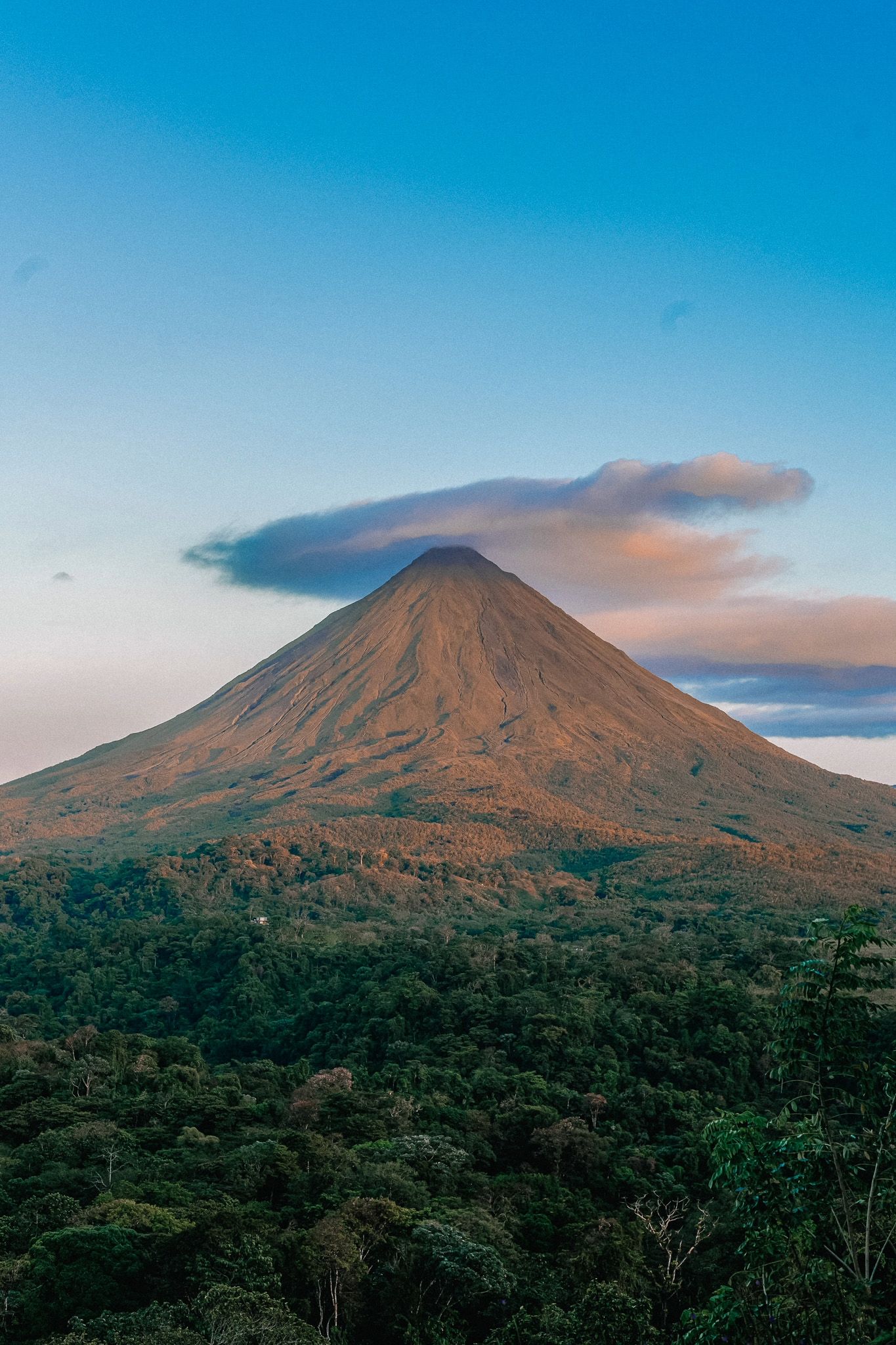
Corcovado National Park may be the headline, but the Pacific Ocean is what makes Drake Bay special, and unique from the rest of the Osa. Boats leave each morning for Corcovado, Caño Island Biological Reserve, whale watching, snorkeling, diving, sport fishing, and remote beaches that can't be reached by road. Few places in Costa Rica combine primary rainforest, healthy coral reefs, and marine wildlife so closely together.
At a glance
| Best for | Corcovado National Park, snorkeling, diving, marine wildlife, birdwatching, and couples |
|---|---|
| Recommended stay | 3–5 nights |
| Pairs well with | Uvita & Ojochal, Golfo Dulce, Puerto Jiménez & Cabo Matapalo, and the Central Valley |
| Closest airport | Drake Bay (DRK) |
| Best time to visit | December through August |
| Budget | $$$–$$$$ |
Why stay in Drake Bay?
Drake Bay sits on the northern edge of the Osa Peninsula, where the Pacific Ocean provides access to places that simply can't be reached by road. Most excursions begin at the beach, where small boats depart for Corcovado National Park, Caño Island Biological Reserve, offshore dive sites, whale watching, snorkeling, and sport fishing.
Caño Island Biological Reserve protects some of Costa Rica's healthiest coral reefs. The protected waters support reef fish, sea turtles, reef sharks, eagle rays, dolphins, and seasonal visitors including humpback whales and whale sharks. Water clarity is often among the best on Costa Rica's Pacific coast, particularly during the dry season, making the reserve one of the country's premier destinations for snorkeling and diving.
Corcovado National Park protects more than 424 square kilometres (164 square miles) of Pacific lowland rainforest. Four species of monkeys, Baird's tapirs, scarlet macaws, anteaters, peccaries, and hundreds of bird species inhabit the park, while jaguars and pumas remain elusive residents rarely encountered by visitors. Depending on the ranger station you visit, the experience ranges from relatively gentle coastal walks to longer hikes through primary rainforest.
The coastline has shaped Drake Bay just as much as the rainforest. There is no marina, cruise terminal, or large waterfront development. Visitors arriving by boat step directly onto the beach, just as they have for decades. Hotels are scattered along the coastline and connected by beaches, jungle trails, and a small network of roads rather than a traditional town centre.
Our take: Drake Bay is the better choice if your trip includes both Corcovado and Caño Island. The combination of rainforest hiking, snorkeling, diving, and marine wildlife is difficult to replicate anywhere else in Costa Rica.
Is Drake Bay a good fit?
Drake Bay is a great fit if you:
- Want to explore both Corcovado National Park and Caño Island Biological Reserve.
- Enjoy snorkeling or scuba diving.
- Hope to see whales, dolphins, sea turtles, and other marine wildlife.
- Prefer small eco-lodges and boutique hotels.
- Don't mind traveling farther in exchange for a quieter, more remote destination.
Puerto Jiménez is usually a better choice if your priority is spending more time hiking Corcovado's eastern sector or staying somewhere with more restaurants, shops, and services.
Best things to do
Explore Corcovado National Park
Drake Bay provides access to both the Sirena and San Pedrillo sectors of Corcovado National Park, each offering a different experience. Sirena is known for its exceptional wildlife viewing and larger mammals, while San Pedrillo combines rainforest, waterfalls, and a quieter trail network. All visits require a certified guide, who greatly improves your chances of spotting wildlife.
Snorkel at Caño Island Biological Reserve
Caño Island protects some of Costa Rica's healthiest coral reefs and is widely considered the country's premier snorkeling destination. Visibility is often best during the dry season, and trips regularly encounter sea turtles, reef sharks, rays, and large schools of tropical fish.
Dive Caño Island
For certified divers, Caño Island offers some of Costa Rica's best underwater experiences. Volcanic rock formations and nutrient-rich waters attract reef sharks, turtles, eagle rays, moray eels, and large schools of fish. Conditions vary throughout the year, but the reserve consistently ranks among the country's top dive sites.
Go whale watching
Drake Bay lies along one of Costa Rica's most important whale migration routes. Southern Hemisphere humpbacks are most commonly seen from July through October, while Northern Hemisphere whales typically arrive between December and March. Dolphins are frequently spotted throughout the year.
Hike the Drake Trail
The Drake Trail follows the coastline between beaches, rainforest, and rocky headlands, connecting several lodges and viewpoints along the way. It's an enjoyable way to experience the area's scenery while watching for monkeys, scarlet macaws, and other wildlife.
Explore the mangroves by kayak
The mangroves around Drake Bay provide important habitat for birds, reptiles, and juvenile marine life. Guided kayaking trips offer a quieter way to explore these waterways while learning about the ecosystems that connect the rainforest with the Pacific Ocean.
Join a guided night walk
The rainforest changes completely after sunset. Guided walks reveal frogs, snakes, insects, spiders, and other nocturnal wildlife that are rarely encountered during the day, while also providing insight into the ecology of Costa Rica's tropical forests.
Go sport fishing
The Pacific waters offshore support roosterfish, tuna, mahi-mahi, snapper, and seasonal billfish. Whether you're interested in inshore or offshore fishing, Drake Bay has become one of Costa Rica's leading destinations for anglers.


Where to stay
Hotels are spread along the coastline rather than concentrated around a traditional town center, so choosing the right location makes a significant difference.
Stay near Drake Bay village if you want restaurants, cafés, tour operators, and boat departures within walking distance. It's the most convenient base for exploring Corcovado and Caño Island.
Stay farther along the coastline if privacy and nature are your priorities. Several eco-lodges sit on secluded stretches of coast surrounded by rainforest, where monkeys, scarlet macaws, and other wildlife are regular visitors.
Keep in mind that not every beachfront hotel is centered around swimming. Many beaches serve as departure points for boats, and the setting, wildlife, and access to excursions are often more important than calm water.
Our favorite hotels
Copa de Árbol Beach & Rainforest Resort
One of Drake Bay's most luxurious eco-lodges, Copa de Árbol combines spacious private cabins, excellent dining, and direct access to both Corcovado National Park and Caño Island. The rainforest setting attracts abundant wildlife, making it an excellent choice for couples and honeymooners.
Aguila de Osa Rainforest & Marine Adventure Lodge
Aguila de Osa has long been one of the region's iconic nature lodges. Its location overlooking Drake Bay provides easy access to diving, snorkeling, whale watching, and Corcovado excursions, while resident naturalist guides help guests make the most of the surrounding rainforest.
SCP Corcovado Wilderness Lodge
Set on a quiet stretch of coastline south of the village, SCP Corcovado Wilderness Lodge offers a comfortable base for travelers looking to balance adventure with relaxation. It's particularly well suited to active travelers planning several days of excursions.
Drake Bay Getaway Resort
This small boutique property offers a peaceful hillside setting within easy reach of Drake Bay village. Comfortable accommodations, personalized service, and convenient access to tours make it a great option for couples and independent travelers.
Best time to visit
December through April generally brings the driest weather and the calmest sea conditions, making it the best time for snorkeling, diving, and boat excursions.
The green season transforms the rainforest, bringing lush vegetation, fewer visitors, and excellent wildlife viewing. Afternoon rain is common, and occasional weather can delay boat departures.
Humpback whales migrate through Drake Bay twice each year. Southern Hemisphere whales are most commonly seen between July and October, while Northern Hemisphere whales generally arrive from December through March.
Pair it with
- Uvita and Ojochal for whale watching, beaches, and some of Costa Rica's best dining before continuing south.
- Puerto Jiménez and Cabo Matapalo for a deeper exploration of Corcovado National Park and the Osa Peninsula.
- Golfo Dulce for kayaking, dolphin watching, and one of the world's few tropical fjords.
- The Central Valley before or after your domestic flight.
Getting there
Most visitors reach Drake Bay by domestic flight from San José or by boat from Sierpe.
Approximate travel times:
- Sierpe to Drake Bay by boat: about 1 hour
- San José to Drake Bay by domestic flight: approximately 50 minutes
- Uvita to Sierpe: about 1 hour by road
- Puerto Jiménez: travel time varies depending on whether you combine road and boat transfers
The boat transfer from Sierpe is part of the experience, traveling through mangrove-lined rivers before emerging onto the Pacific coast and arriving directly on Drake Bay's beach.


Frequently asked questions
Should I stay in Drake Bay or Puerto Jiménez?
Choose Drake Bay if snorkeling, scuba diving, Caño Island, and boat-based excursions are high on your list. Choose Puerto Jiménez if you want easier road access and plan to spend more time exploring Corcovado's eastern sector and the surrounding rainforest.
Is Drake Bay worth visiting if I don't dive?
Absolutely. Corcovado National Park, whale watching, snorkeling, kayaking, birdwatching, rainforest hikes, and wildlife tours make Drake Bay one of Costa Rica's most rewarding destinations, even if you never scuba dive.
Can you visit Corcovado National Park from Drake Bay?
Yes. Guided day trips depart regularly to both Sirena and San Pedrillo ranger stations. Which sector you visit depends on the type of hike you're looking for and current park availability.
Is Drake Bay a good destination for families?
Yes, particularly for families with older children who enjoy wildlife, hiking, and spending time on the water. The destination is centered around guided nature experiences rather than resort facilities, making it best suited to active travelers.