


Argentina is the second-largest country in South America, and its major travel regions are separated by long distances. Buenos Aires sits on the Atlantic coast, Mendoza lies beneath the Andes in the west, Iguazú Falls is in the subtropical northeast, and Patagonia stretches across much of the south. Domestic flights are usually the most practical way to combine them.
Most travelers choose two or three contrasting regions rather than trying to cover the country from end to end. Buenos Aires adds food, architecture, and culture, Mendoza brings vineyards and mountain scenery, and Patagonia or Iguazú introduces one of Argentina’s defining natural landscapes.
Whether you are interested in wine, hiking, wildlife, food, glaciers, waterfalls, or Andean culture, this guide will help you choose the regions that best match your travel style.
Argentina destination finder
| If you're looking for... | We'd recommend... |
|---|---|
| Your first trip | Buenos Aires, Mendoza, and Patagonia or Iguazú Falls |
| Luxury | Mendoza, Patagonia, or Buenos Aires |
| City and culture | Buenos Aires |
| History | Buenos Aires, Córdoba, or Salta |
| Wine country | Mendoza, the Uco Valley, or Cafayate |
| Mountain landscapes | Patagonia, Mendoza, or Northwest Argentina |
| Hiking | Patagonia or Northwest Argentina |
| Glaciers | Patagonia |
| Waterfalls | Iguazú Falls |
| Wildlife | Patagonia, the Iberá Wetlands, or Península Valdés |
| Birdwatching | The Iberá Wetlands or Patagonia |
| Road trips | Northwest Argentina, Mendoza, or Patagonia |
| Families | Buenos Aires with Iguazú Falls and Patagonia |
| Honeymoons | Mendoza with Patagonia or Iguazú Falls |
| Off-the-beaten-path travel | The Iberá Wetlands, Northwest Argentina, or Península Valdés |
How should you divide your time?
Most international trips begin in Buenos Aires, which serves as Argentina's main gateway and is worth exploring before continuing elsewhere. Because Argentina is one of the world's largest countries, domestic flights are the most practical way to connect its major regions. Rather than trying to travel overland between destinations, most itineraries focus on two or three contrasting regions.
As a general rule:
5–7 days: Two destinations
8–10 days: Three destinations
11–14 days: Three to four destinations
15+ days: Four or more destinations, including some of Argentina's more remote regions.
For a first visit, we usually recommend combining Buenos Aires with Mendoza and Patagonia or Iguazú Falls. Together, these regions showcase Argentina's culture, wine, dramatic landscapes, and some of South America's most iconic natural scenery.
Argentina's regions


Buenos Aires
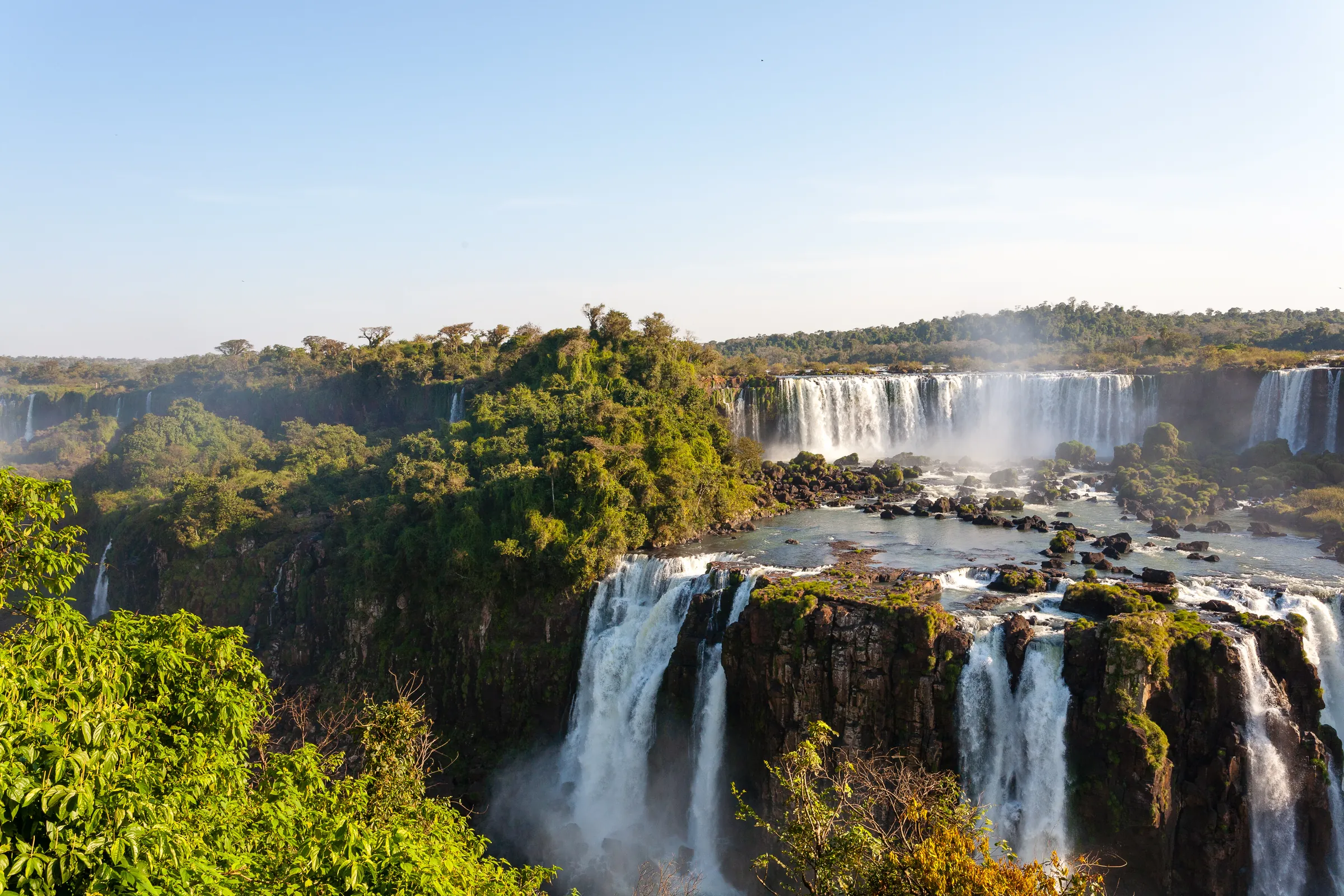
Buenos Aires is one of South America's great cities, known for its European architecture, leafy neighborhoods, vibrant café culture, and world-renowned restaurants. Historic San Telmo, elegant Recoleta, colorful La Boca, and the parks of Palermo each reveal a different side of the Argentine capital, while tango, galleries, and bustling markets reflect the city's cultural identity.
Most visitors spend three or four nights exploring Buenos Aires before flying to another region. The city pairs naturally with every itinerary and provides an excellent introduction to Argentina's history, food, and contemporary culture.
Mendoza Wine Country
Set against the Andes near the Chilean border, Mendoza is Argentina's premier wine region and one of the world's leading destinations for Malbec. Vineyards stretch across the foothills while the Uco Valley, Luján de Cuyo, and Maipú each offer different winery experiences, ranging from historic estates to contemporary architectural wineries.
Beyond wine tasting, visitors come for cycling, horseback riding, mountain scenery, and exceptional food. Most travelers spend three or four nights here, combining winery visits with time to relax at vineyard lodges or boutique hotels.
Patagonia
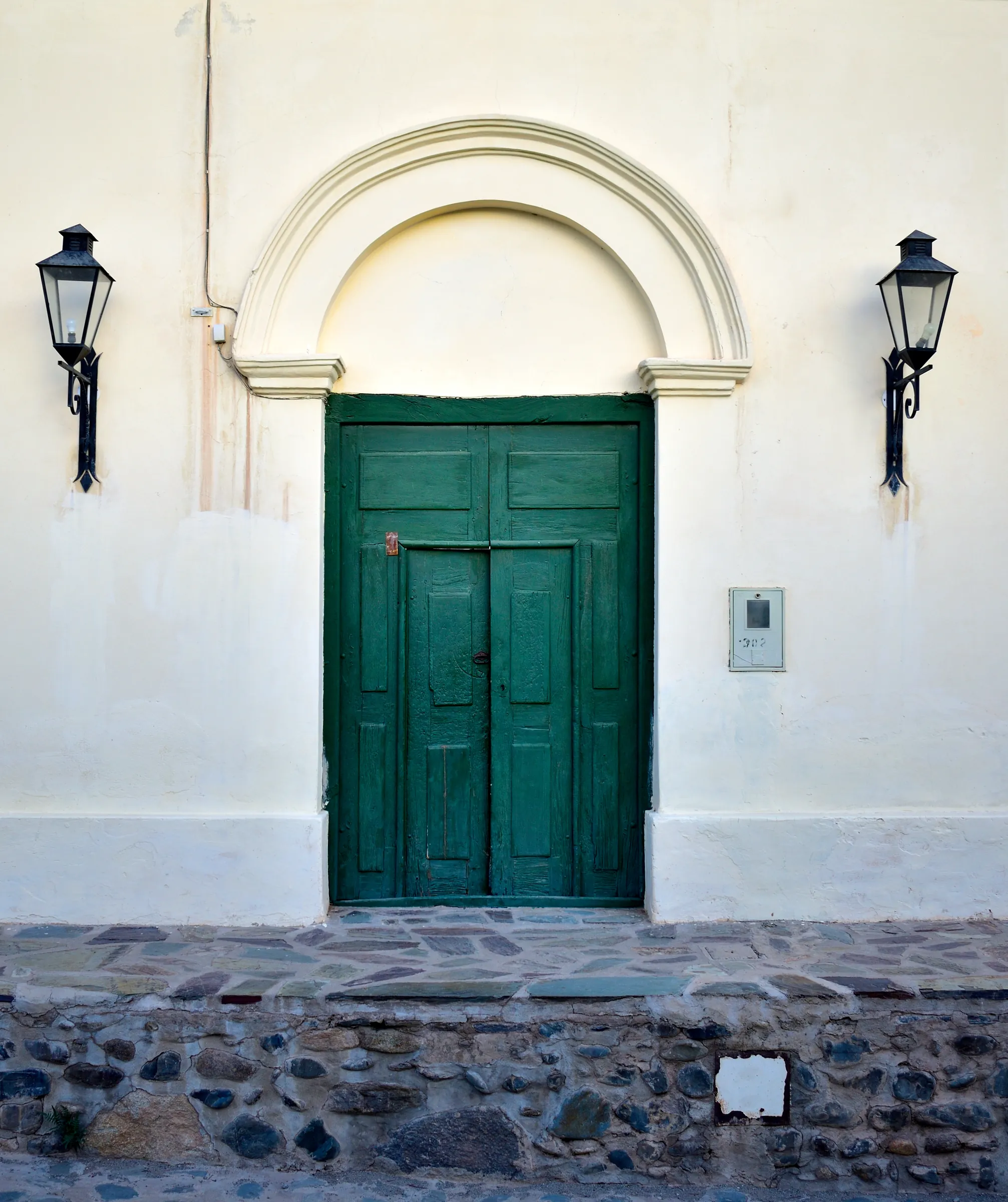
Argentina's Patagonia stretches from the Lake District to the glaciers and peaks of the far south, encompassing some of the country's most spectacular scenery. El Calafate serves as the gateway to Los Glaciares National Park and the famous Perito Moreno Glacier, while El Chaltén has become Argentina's hiking capital beneath the granite peaks of Mount Fitz Roy.
Farther south, Ushuaia sits at the southern tip of South America overlooking the Beagle Channel, while Península Valdés on the Atlantic coast is renowned for whale watching, penguins, elephant seals, and other marine wildlife. Patagonia rewards travelers with dramatic landscapes and unforgettable outdoor experiences, whether hiking, cruising, or simply taking in the scenery.
Northwest Argentina
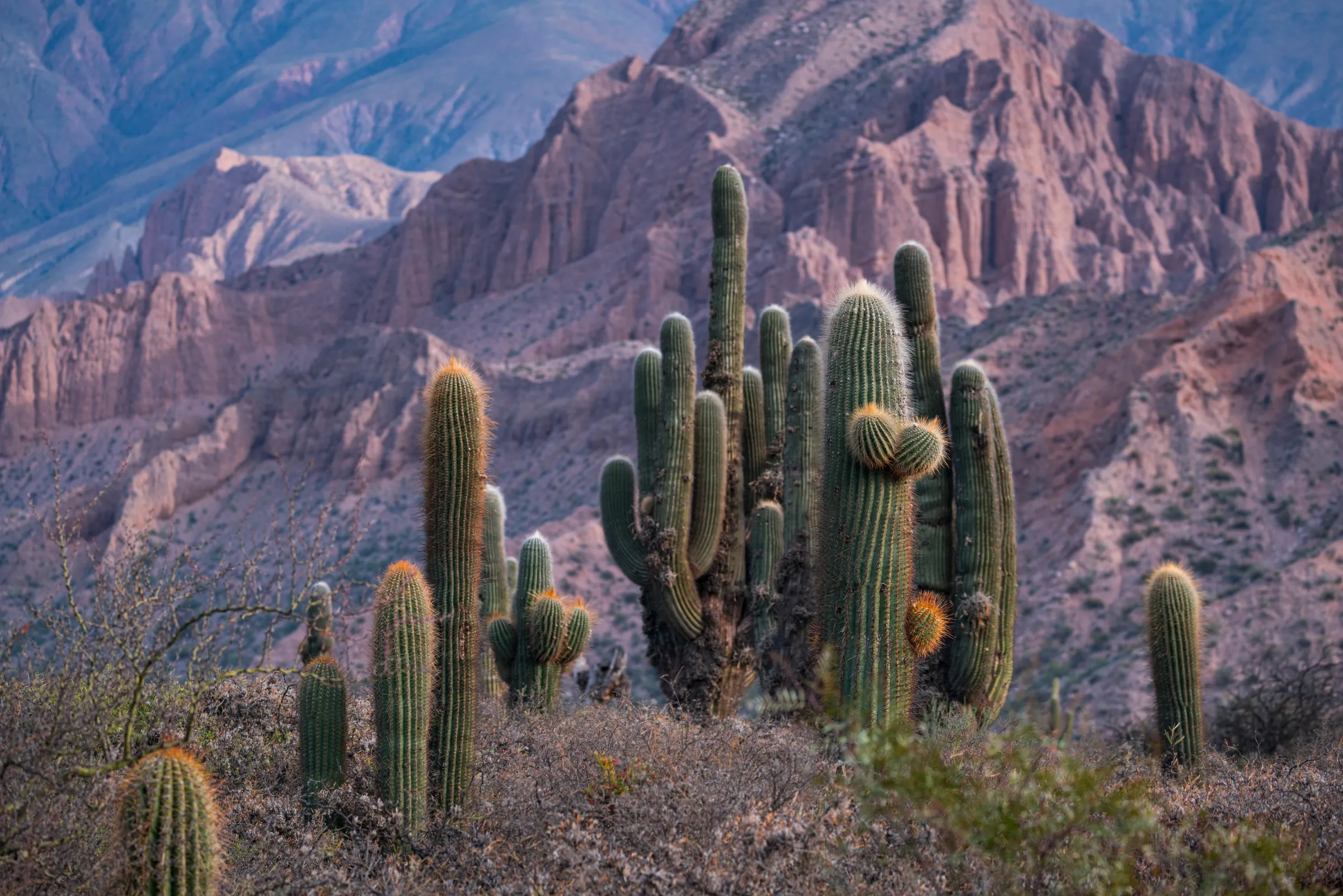
Northwest Argentina offers landscapes unlike anywhere else in the country. Colonial cities, multicolored mountains, high-altitude deserts, salt flats, vineyards, and traditional Andean communities combine to create one of Argentina's most distinctive regions. Salta serves as the cultural center, while the Quebrada de Humahuaca and the valleys around Cafayate showcase dramatic geological formations and centuries of Indigenous and colonial history.
This region is best explored by road, allowing travelers to experience changing landscapes and small towns at a relaxed pace. It is an excellent choice for visitors looking to venture beyond Argentina's classic highlights.

Iguazú Falls
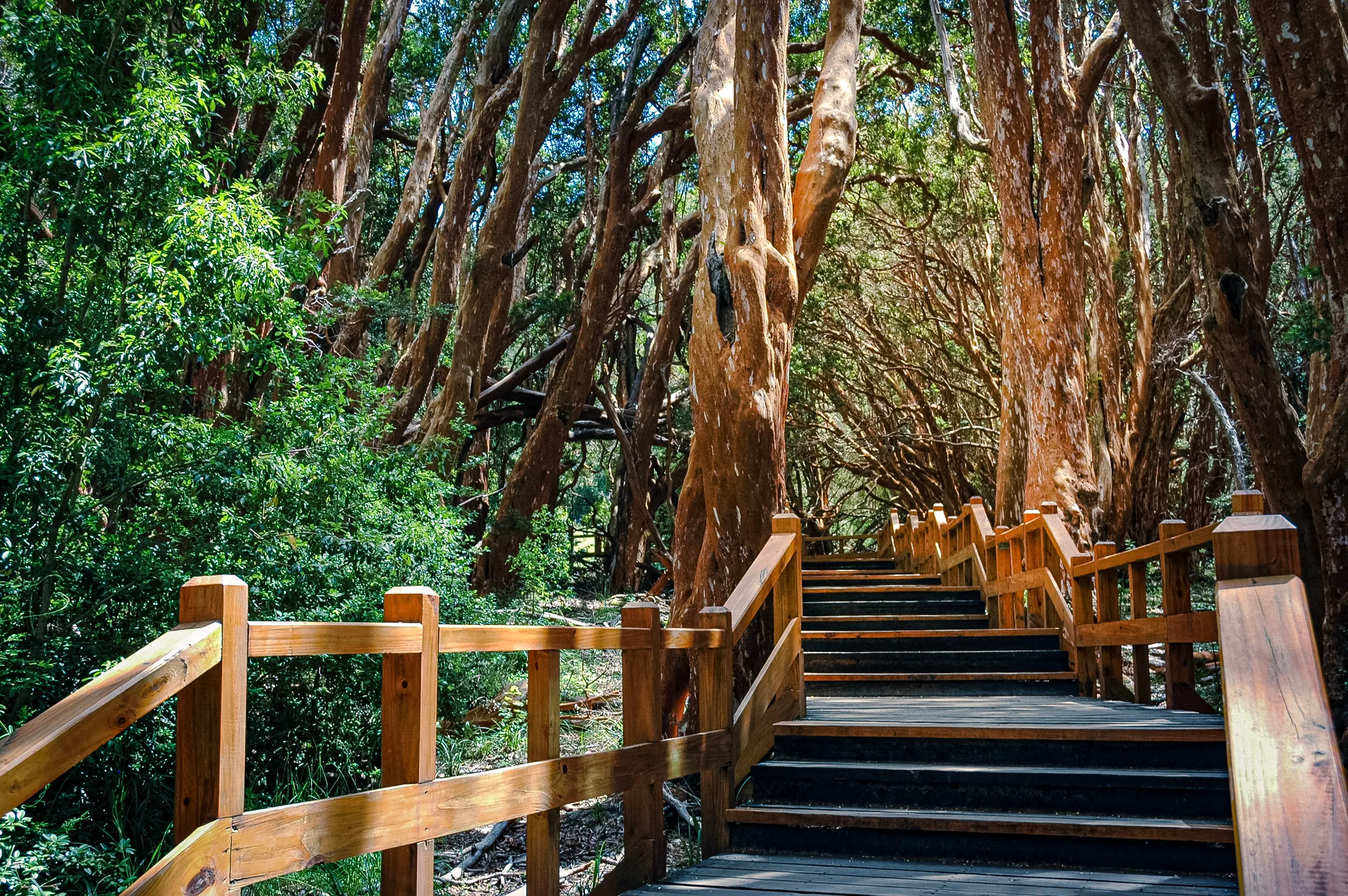
Located on Argentina's northeastern border with Brazil, Iguazú National Park protects one of the world's largest waterfall systems. More than 250 individual cascades spread across the Iguazú River, with elevated walkways leading through rainforest to viewpoints overlooking the immense Devil's Throat.
Most visitors spend two or three nights here, combining the Argentine and Brazilian sides of the falls with opportunities to explore subtropical rainforest rich in birds, butterflies, monkeys, and other wildlife. Iguazú pairs particularly well with Buenos Aires and is easily added to longer itineraries.
Iberá Wetlands
The Iberá Wetlands are one of South America's largest freshwater ecosystems and among Argentina's most important conservation success stories. Vast marshes, lagoons, grasslands, and gallery forests provide habitat for capybaras, caimans, marsh deer, giant anteaters, and hundreds of bird species, while rewilding projects have helped restore species that once disappeared from the region.
Unlike Patagonia or Iguazú, Iberá is less about iconic scenery and more about wildlife viewing and quiet immersion in nature. Travelers typically stay at eco-lodges and explore by boat, horseback, or guided vehicle safaris, making it one of Argentina's best destinations for those seeking a slower, conservation-focused experience.

