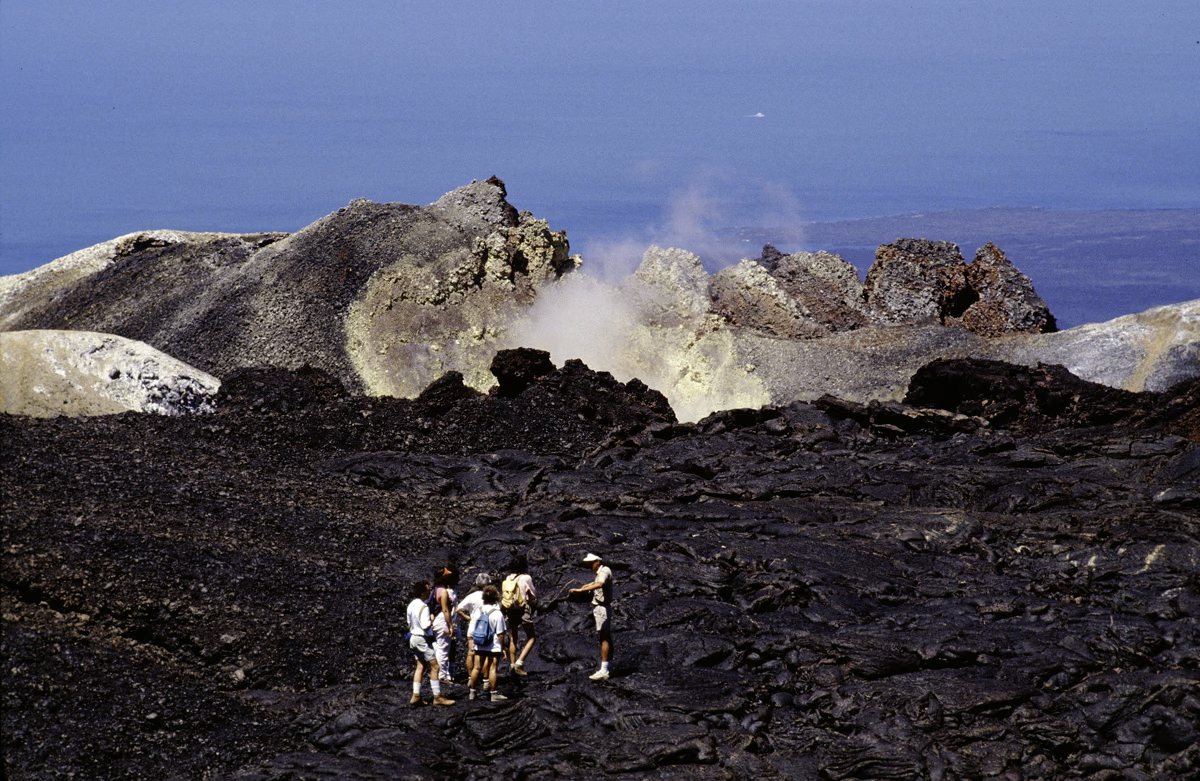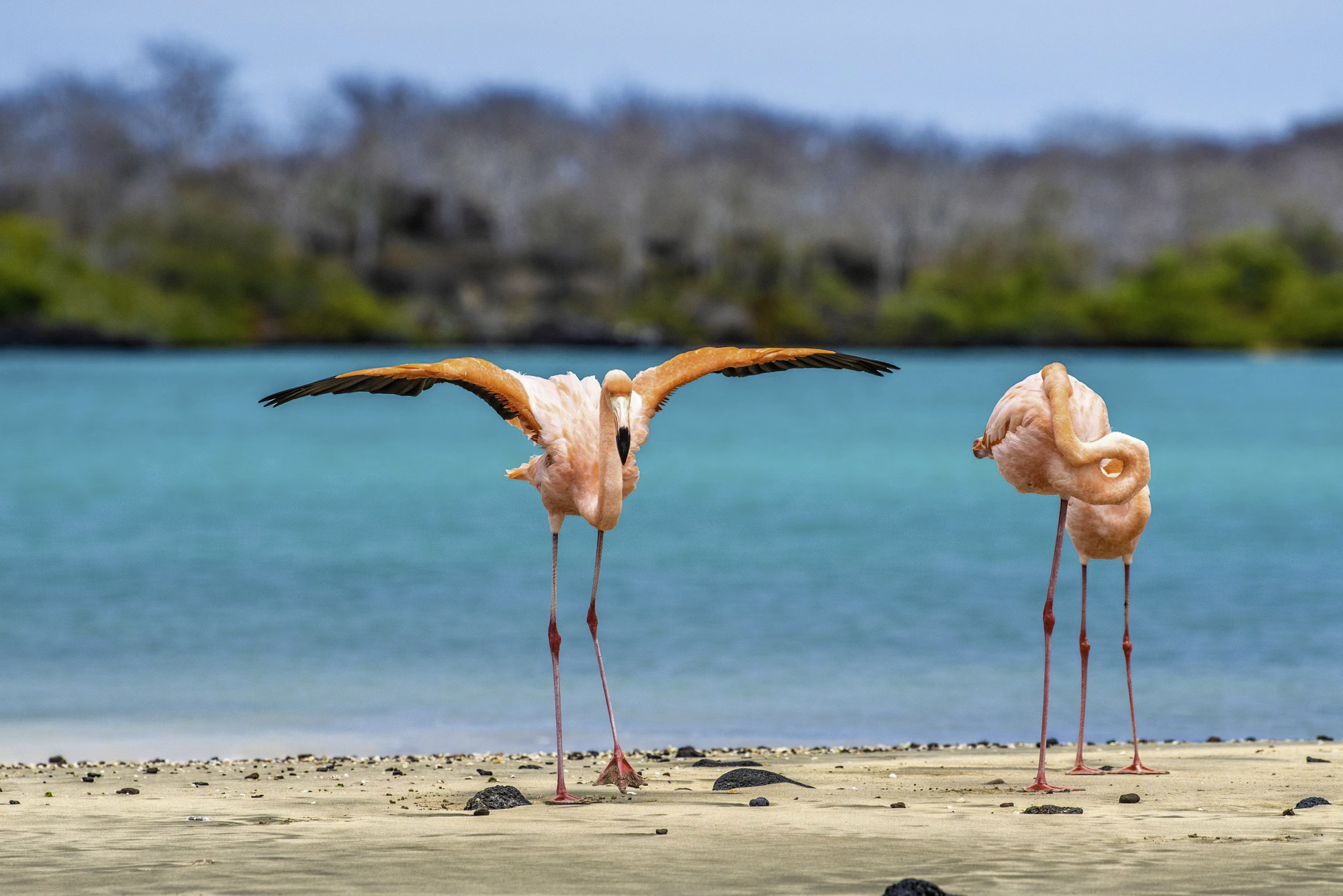
There is plenty to look at in the Galápagos before anyone says a word. Marine iguanas lie across black lava, sea lions sleep beside the path, and birds go about their business remarkably close to visitors. A naturalist gives those sightings context: what an animal is doing, why it lives on this island, and what changes on the next one.
The guide is one of the most consequential parts of a Galápagos trip. You may remember the boat’s name. You’re more likely to remember the explanation that made you look twice.
The details behind the sighting
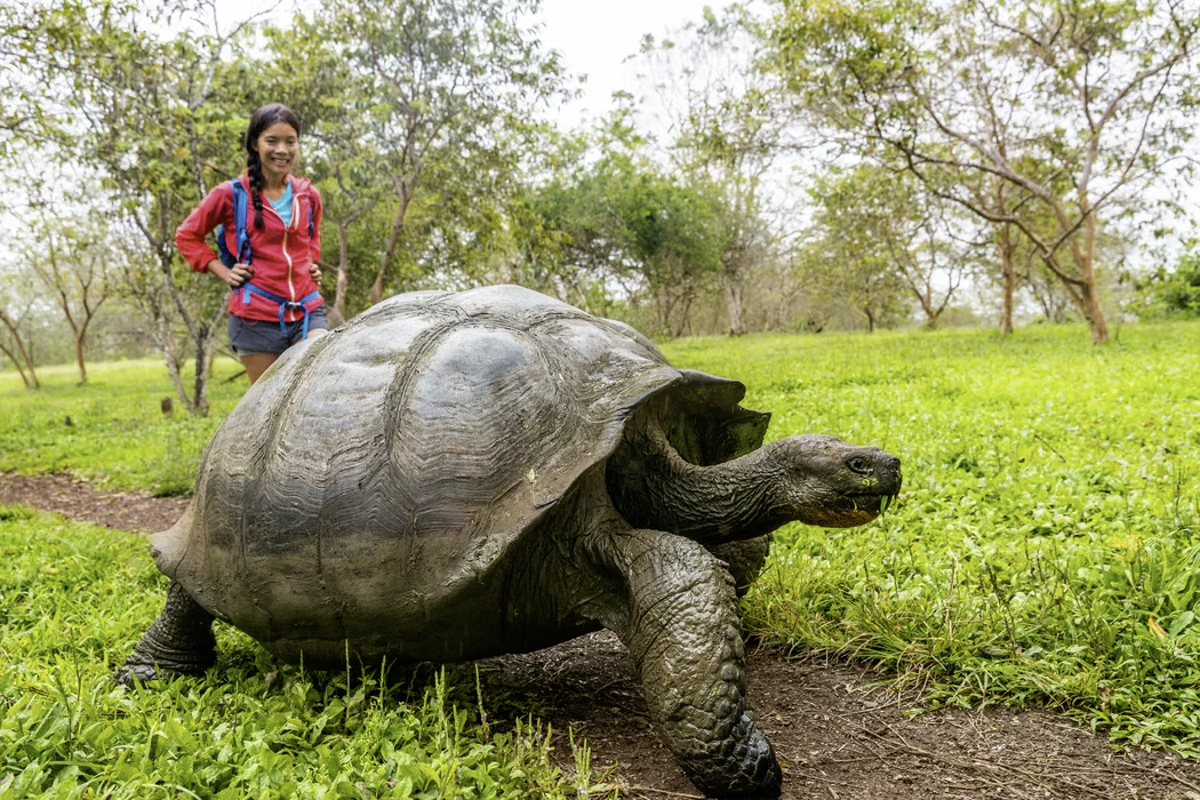
A marine iguana feeds in the sea, grazing on algae before returning to land. A tortoise’s shell tells another story: saddle-backed tortoises can stretch their necks upward toward taller vegetation, whereas domed tortoises inhabit wetter highlands with more abundant forage. A naturalist connects the animal in front of you to the landscape it lives in.
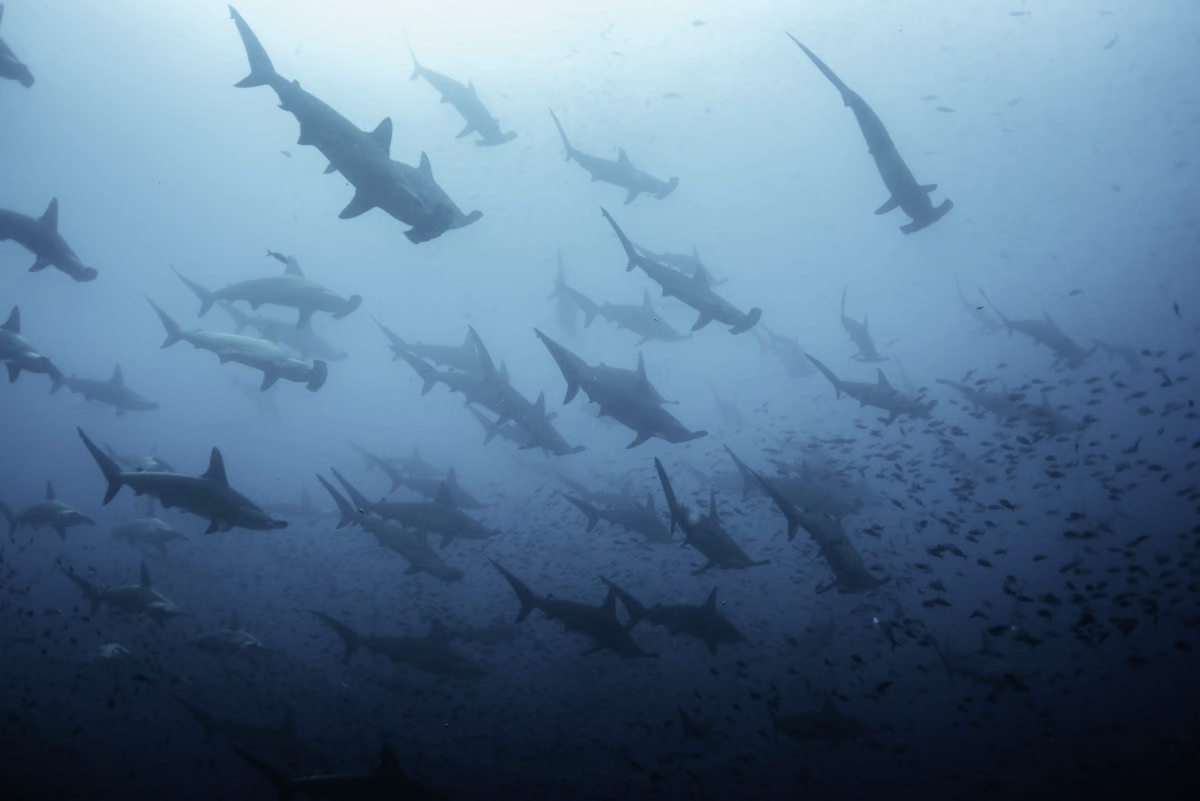
The islands differ in elevation, vegetation, and wildlife. That gives each landing a different conversation, even when a few familiar species appear again. Identifying a bird is the beginning; watching what it does is where the walk gets interesting.

A day on the islands
On an expedition cruise, a briefing introduces the next landing: the terrain, the route, and the wildlife the group may encounter. Then everyone boards the small boat for shore. Once on the trail, a feeding bird or a courtship display can become the subject of the next stop.
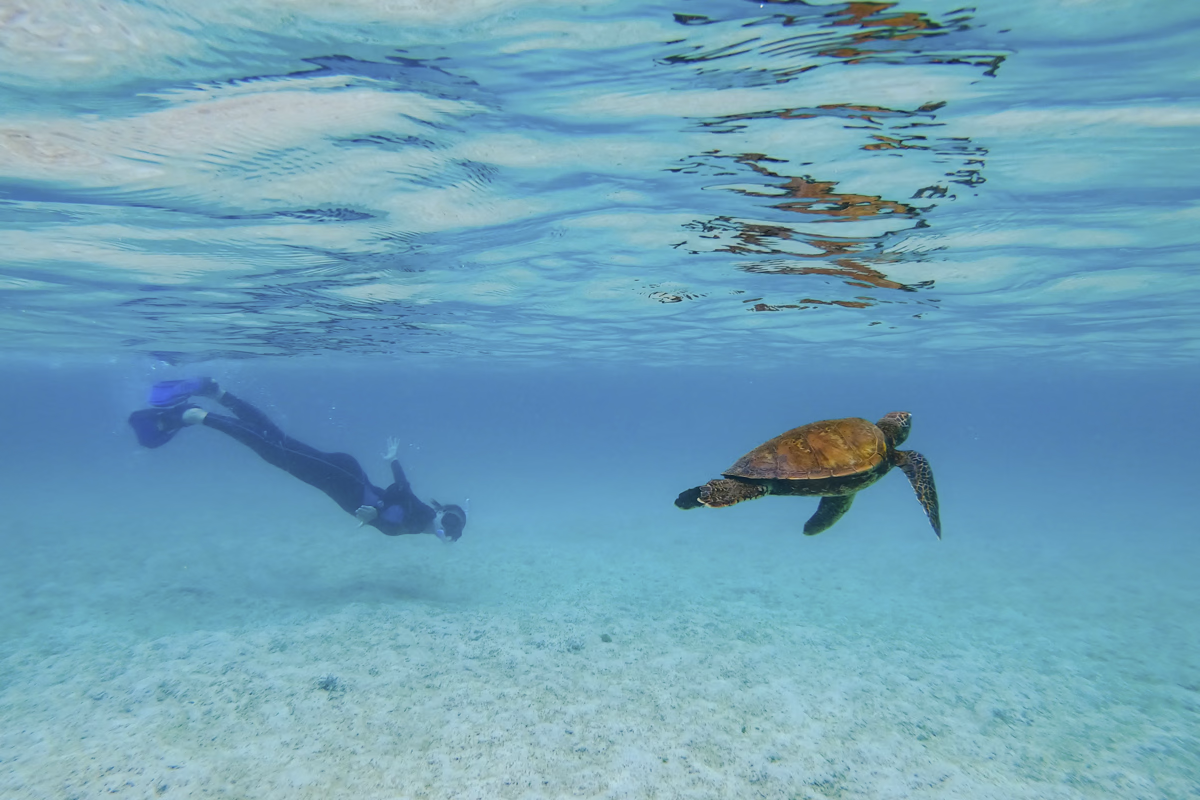
Snorkeling takes the conversation underwater. Water temperature, currents, and visibility affect the outing, and the guide briefs the group before anyone gets in. Back aboard, the evening discussion connects the day’s sightings with the next day’s route.
A land-based trip works differently, with day-boat excursions and outings from an island hotel. The guiding may change from one excursion to the next, and time on the boat becomes part of the day’s itinerary.

Sharing the trail
Naturalists also manage how a group moves through a visitor site. A sea lion may settle across the path; nesting birds may be close to the marked route. The guide reads the situation and adjusts the group’s position, giving animals room as the visit continues.
The national park’s visitor rules underpin each outing, with briefings covering the details for that site.

The guide and the trip you choose
A keen birder, a photographer, and a family making their first wildlife trip bring different interests to the same landing. Group size, language, and the pace of the outing affect how much time there is for their questions. A photographer may spend longer watching one subject; children may have the question that starts the best discussion of the morning.
A cruise often provides continuity with a naturalist across several days. Land-based excursions may introduce several guides, each leading a different outing. We consider those arrangements alongside the vessel, hotels, and route when planning a trip.
Our Galápagos cruise-versus-land guide takes a closer look at the two ways to travel.