Sea lions approach within a few feet in the shallows off San Cristóbal. Marine iguanas dive past snorkelers to graze on algae at Punta Espinosa. Green sea turtles rest in the same coves you're swimming through. You can see all of it, even without a scuba tank.
For most first-time visitors, snorkeling alone is worth the trip. It puts you in the water with sea lions, turtles, rays, marine iguanas, reef sharks, and, on the right routes, Galápagos penguins. Diving becomes worth the additional cost, certification, and preparation when large hammerhead schools, whale sharks, or the remote sites of Darwin and Wolf are the reason you're going, but that's a different kind of trip on a liveaboard, not an add-on to a standard Galápagos adventure itinerary
This guide covers realistic snorkeling expectations, where to do it, which island to base on, when to go, and what it costs. If hammerheads or whale sharks are non-negotiable, our Galápagos liveaboard diving guide covers sites, costs, and how to choose an operator.

Meet the locals: iconic marine encounters
Wildlife in the Galápagos isn't staged and while it's more reliable here than elsewhere, it's not guaranteed.
Commonly encountered, on most routes, most days: sea lions in shallow bays, green sea turtles resting or moving through coves, eagle and golden rays, whitetip reef sharks resting in hollows or under ledges.
Route-dependent: marine iguanas diving to feed, seen mainly at Isabela and Fernandina sites like Punta Espinosa and Las Tintoreras, not everywhere. Small hammerhead groups at a handful of central-island sites.
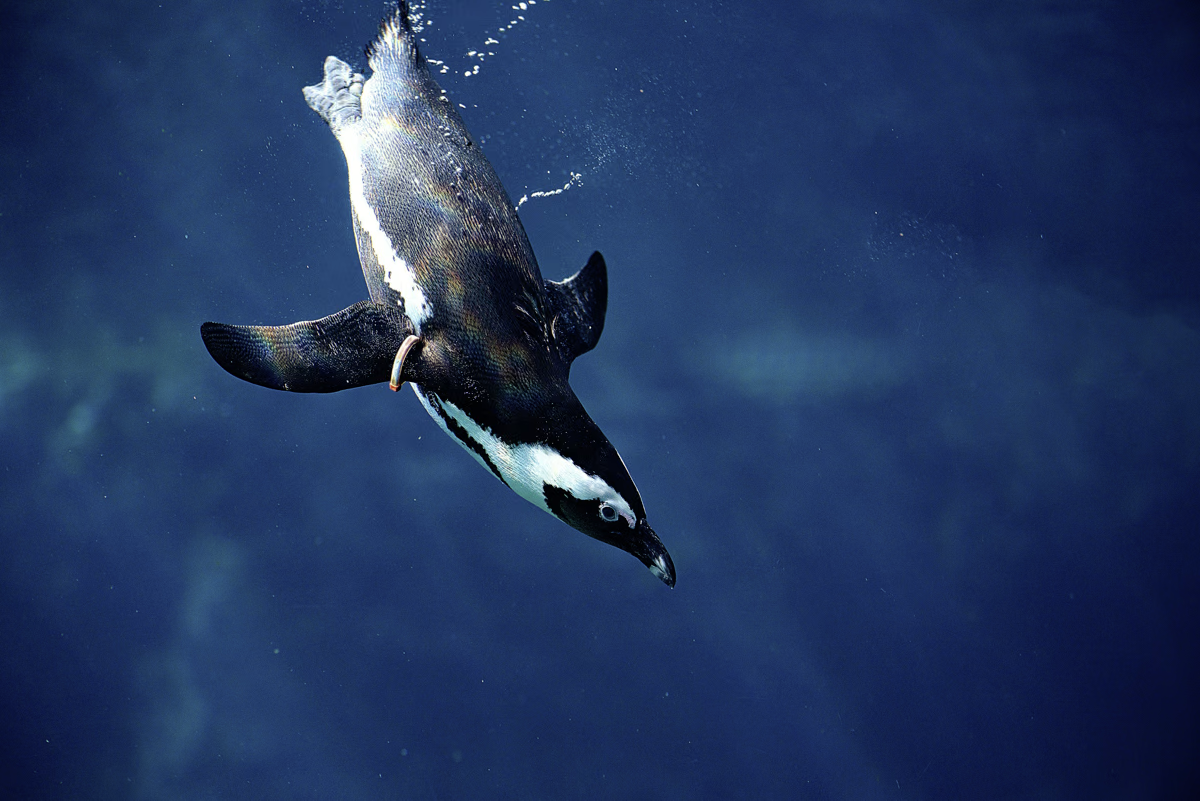
Seasonal: Galápagos penguins hunt more actively in the cooler months (June to November) around Isabela and Bartolomé; they're present year-round but easier to spot when they're feeding hard. Manta and mobula rays peak April to June at cleaning stations like Punta Vicente Roca.
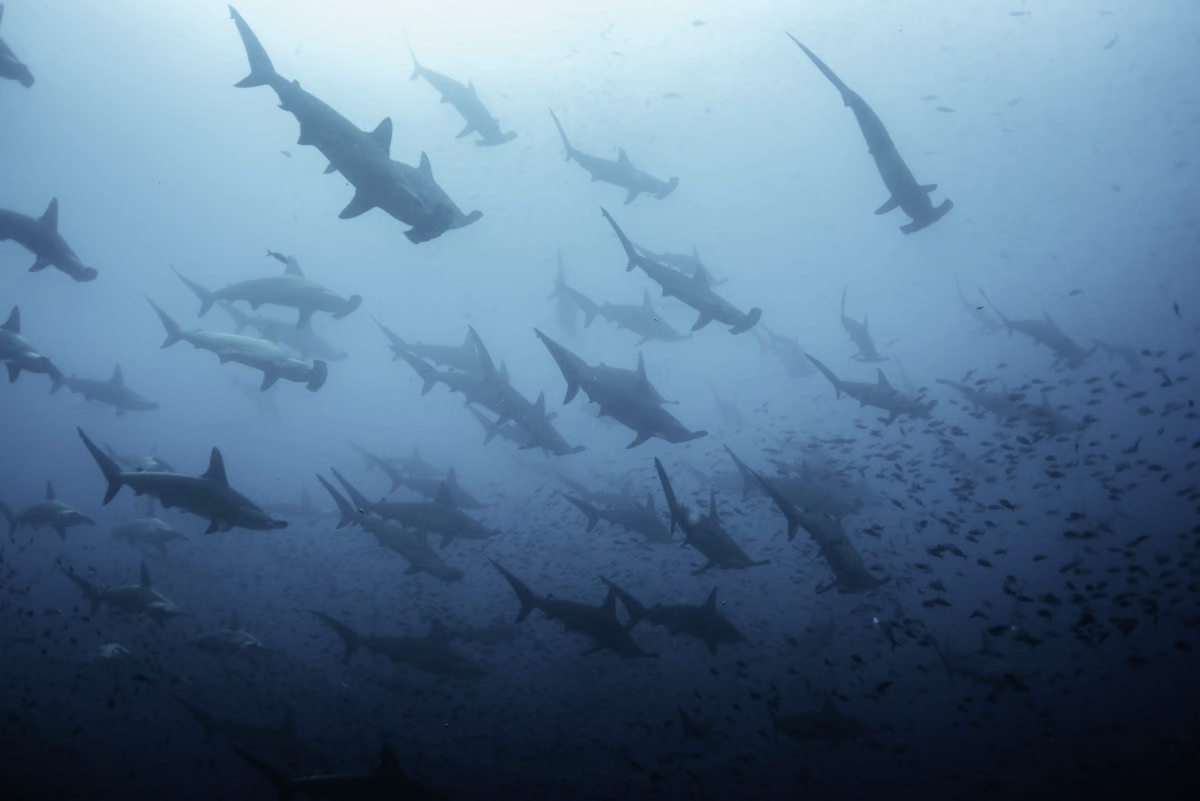
Unlikely, and primarily associated with remote dive sites: large hammerhead schools numbering in the hundreds and whale sharks. Both concentrate at Darwin and Wolf in the far north, accessible only by liveaboard, and require Advanced Open Water certification and drift-current experience to even attempt.
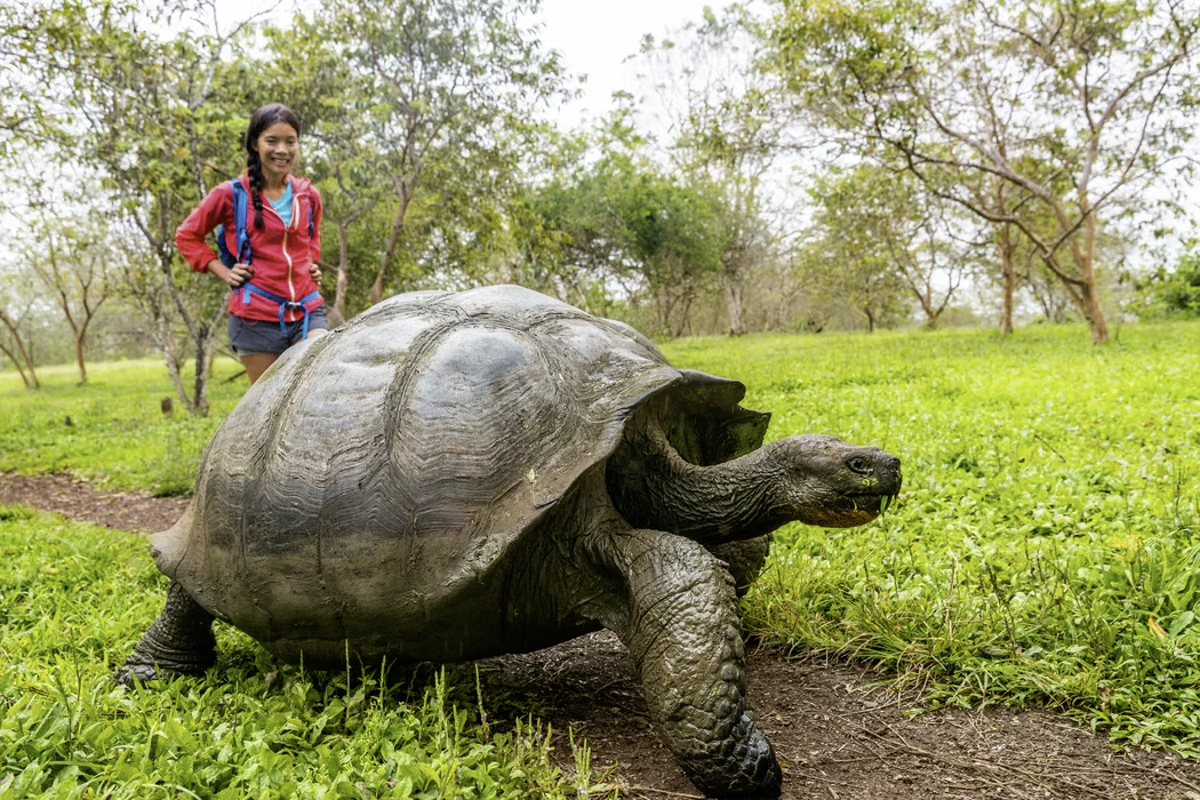
Green sea turtles are commonly seen resting over sandy bottoms or moving through shallow coves, often at the same depth as snorkelers.
Sea lions may choose to swim very close to swimmers, and that's okay when it's on their terms. But visitors should never pursue, touch, feed, or intentionally close the distance. If one approaches, stay still where conditions allow and follow your guide's instructions.
What does scuba add?
Diving opens up deeper habitats and the animals that live there: hammerhead walls, seasonal whale sharks, silky sharks, and bigger pelagic encounters generally. Most of that lives at Darwin and Wolf, reachable only by a 7 to 10-plus night liveaboard, in 16 to 22°C water with strong currents, and most operators require Advanced Open Water certification plus a minimum number of logged dives in current before they'll take you there.
Central-island dive sites like Kicker Rock and Punta Vicente Roca are more accessible with turtles, rays, and smaller hammerhead groups without the liveaboard commitment, so certified divers don't have to choose between "day trip" and "Darwin or nothing."
If you're not certified, snorkeling affords you a lot of what makes the Galápagos special. If you're already certified, or willing to certify before the trip, diving adds a different tier of wildlife, but a Galápagos dive trip should be planned especially for that experience, rather than tacked onto another trip. Our Galápagos liveaboard diving guide covers what that actually involves.

Which island should you stay on?
San Cristóbal, for sea lions, Kicker Rock, and shorter trips. Easiest airport arrival direct from Quito or Guayaquil, a walkable town in Puerto Baquerizo Moreno, and shore-access sites like Playa Mann for families or first-timers who don't want a boat ride before their first swim.
Santa Cruz, for tour variety and mixed-interest groups. The central hub with the widest range of operators, easy day trips to nearby snorkel sites, and the best setup if one of you wants to dive while the other snorkels.
Isabela, for penguins, marine iguanas, and a quieter stay. The largest and least developed island, reached by a 2 to 3 hour ferry from Santa Cruz, with Los Túneles and Las Tintoreras among the strongest sites in the archipelago for both. Fewer crowds, slower pace, and worth the extra transfer if penguins and marine iguanas are a priority for you, though it's not necessary for every itinerary.
Osaviva insight: a trip doesn't need to include all three islands. We prefer to give our clients enough time at each site to let the wildlife show up on its own schedule, than rush through three locations just to check a box. Isabela is the one worth the added transfer time if you have it; if you don't, San Cristóbal and Santa Cruz alone still cover sea lions, turtles, rays, and most of what makes snorkeling here worth it.
The best snorkeling areas
| Wildlife priority | Best snorkeling areas | Important context |
|---|---|---|
| Sea lions | San Cristóbal bays, Santa Fe | Among the most reliable encounters in the islands, year-round |
| Penguins | Isabela (Los Túneles, Punta Vicente Roca), Bartolomé | Never guaranteed; route and season both matter, best June to November |
| Marine iguanas underwater | Isabela and Fernandina (Punta Espinosa, Las Tintoreras) | More active feeding dives in cooler months (June to November) |
| Turtles | Los Túneles, Tagus Cove, Concha de Perla (Isabela), most protected coves | Common across nearly every route, year-round |
| Rays and reef sharks | Kicker Rock, Devil's Crown, Pinzón | Conditions can be more exposed, better suited to confident swimmers |
How much does it cost?
For a land-based, snorkeling-focused week in 2026, excluding flights:
- Snorkel day tour: $80–$180 per person (gear, guide, lunch included; higher for remote sites like Devil's Crown)
- Gear rental, if not included: $30–$60 per day
- Galápagos National Park entrance fee: $200 per adult, $100 per child, cash only on arrival
- Transit Control Card (TCT): $20 per person, paid online in advance
- Hotels: roughly $40–$120 per night at budget and mid-range properties in Puerto Ayora, Puerto Baquerizo Moreno, or Puerto Villamil, climbing well past $400 per night at the small luxury eco-lodges
Put together, a land-based week of snorkeling typically costs $2,000 to $5,000 per person beyond flights, depending on hotel tier and how many day tours you book.
A small-ship cruise reaches more sites over the same number of days but costs more: based on 2026 booking data, a typical 4 to 8 night snorkeling-and-wildlife cruise runs roughly $3,000 to $12,000-plus per person depending on vessel class, on top of the same park fee and Transit Control Card. That's a wide range because it spans mid-range catamarans through suite-grade luxury yachts; ask any operator quoting you a price which tier they mean.
For liveaboard diving cost specifics, see our Galápagos liveaboard diving guide.
When should you go?
December to May: warmer water (22 to 28°C), calmer seas, and generally the clearest visibility of the year. The more comfortable stretch for families, first-time snorkelers, and anyone prone to seasickness or cold.
June to November: cooler, nutrient-rich water (16 to 24°C) drives more marine activity, including more active penguin and marine iguana feeding, but seas run choppier and visibility can drop when plankton is thick. This is also the window that matters for diving specifically, since it's when whale sharks and the largest hammerhead schools show up at Darwin and Wolf, sites snorkelers can't reach either way.
| Go during this period if… | Best season | Why |
|---|---|---|
| You want calm water, comfort, and easy conditions for kids | December–May | Warmest water, calmest seas, best visibility |
| You want penguins and marine iguanas at their most active | June–November | Cool-water upwelling drives more feeding activity |
| You want manta and mobula rays | April–June | Peak sightings at cleaning stations like Punta Vicente Roca |
| You're diving for whale sharks or big hammerhead schools | July–October | Darwin and Wolf only, liveaboard diving, not snorkeling |
What should families and nervous swimmers know?
Most operators welcome kids from around age 6 and provide child-sized masks and fins, flotation vests, and calmer sites first. Non-swimmers can usually still join the boat for surface viewing.
Kicker Rock and Devil's Crown are worth the trip but carry more current and exposure than Concha de Perla or Playa Mann. A confident adult swimmer and a nervous eight-year-old don't belong on the same site itinerary just because both are snorkeling. Tell your guide or operator about the full range of comfort levels in your group before you book, not once you're on the boat.
Conservation rules
The Galápagos stays wild because visitors must follow strict Galápagos National Park Directorate rules. The essentials: always go with an authorized naturalist guide in protected areas, keep at least 2 meters from wildlife even when animals approach you, never touch or feed anything, use only authorized operators and vessels, and pack out everything you bring in.

Frequently asked questions
Is the Galápagos worth visiting if I don't dive?
Yes. Snorkeling puts you in the water with sea lions, green turtles, rays, and, seasonally, penguins, without any certification, and it's how most first-time visitors experience the marine wildlife here. Diving adds species like hammerheads and whale sharks, but those live at Darwin and Wolf, sites that are liveaboard-only regardless of certification level.
Do I need to know how to swim well to snorkel in the Galápagos?
Comfortable swimming and basic snorkel experience are enough for most sites. Currents vary by location and season, and your guide will brief you on each site's conditions before you're in the water.
What's the difference between snorkeling from a day tour and from a cruise?
A day tour bases you on land and takes you out to nearby sites each day. A cruise moves you between islands, so you reach a wider range of snorkel sites over the same number of days, at a higher cost. Rough 2026 ranges, excluding flights: $2,000 to $5,000 per person for a land-based week, versus $3,000 to $12,000-plus per person for a 4 to 8 night small-ship cruise, depending on vessel class.
Can I add scuba diving to a snorkeling-focused trip later?
Some land-based operators offer introductory or discover-scuba dives without full certification, at accessible sites. It's a good way to test whether diving is worth certifying for before committing to a liveaboard trip.
Can I see whale sharks or large hammerhead schools while snorkeling?
No. Both concentrate at Darwin and Wolf, in the far north, reachable only by liveaboard and only relevant to certified divers. If either is the reason for your trip, plan around diving from the start rather than hoping to add it in later.