Santiago & Central Chile combine the country's largest city with Andean scenery, Pacific coastline, and fertile agricultural valleys. Santiago introduces Chile through its museums, markets, neighborhoods, and restaurants, while Maipo, Casablanca, Cachapoal, and Colchagua show how climate, elevation, and distance from the ocean shape central Chile's farming and agricultural landscapes. Valparaíso adds a very different coastal setting of steep hills, historic funiculars, and street art.
At a glance
| Best for | Food, museums, architecture, art, Andes views, Pacific coast, and agricultural landscapes |
|---|---|
| Don't miss | Lastarria, Cerro San Cristóbal, Valparaíso, Cajón del Maipo, and the central valleys |
| Recommended stay | 4 to 6 nights |
| Best area to stay | Lastarria or Vitacura in Santiago, with an optional coastal or countryside extension |
| Pairs well with | Atacama Desert, Lake District, Patagonia, and Easter Island (Rapa Nui) |
| Closest airport | Arturo Merino Benítez International Airport (SCL) |
| Best time to visit | September through May |
| Getting around | On foot, by private transfer, and with guided excursions |
| Budget | $$$ to $$$$ |
Why stay in Santiago & Central Chile?
Santiago sits in the broad Maipo Valley between the Andes and the Chilean Coastal Range. The city spreads across distinct neighborhoods rather than revolving around a single historic center. Lastarria and Bellas Artes concentrate museums, galleries, independent shops, and restaurants near Cerro Santa Lucía, while Providencia, Las Condes, and Vitacura have contemporary hotels, parks, and many of the capital's best dining rooms.
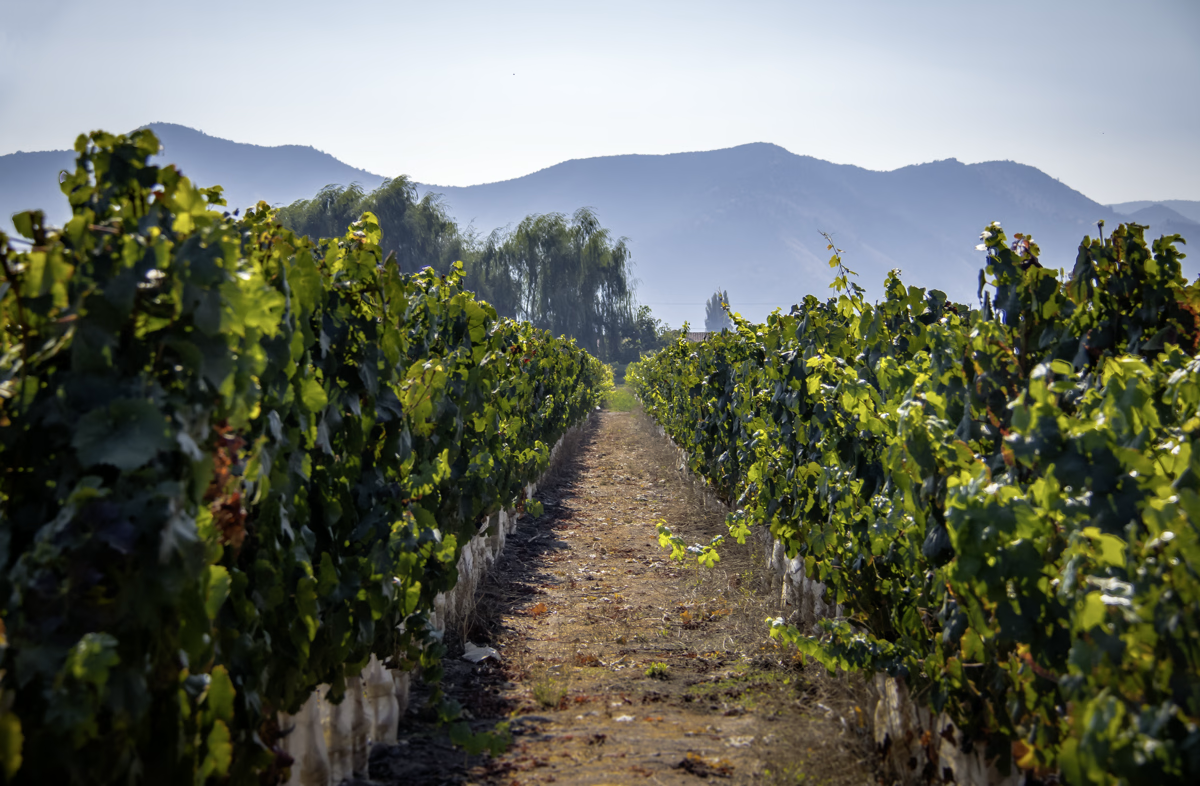
Central Chile's valleys are equally important to the country's identity. Maipo begins on Santiago's southern edge, Casablanca lies between the capital and the coast, and Colchagua extends farther south around Santa Cruz. Irrigation, dry summers, cool Pacific air, and Andean soils have shaped generations of farming, rural architecture, and vineyard development across the region.
Valparaíso provides the strongest contrast. The historic port climbs across a series of hills linked by staircases and century-old funiculars, with colorful houses, murals, and views over the Pacific. Its UNESCO-listed historic quarter can be visited from Santiago or combined with Casablanca for a full day that moves from rural valleys to the coast.
Our take: Santiago works best when the city is treated as one part of a broader Central Chile stay. Adding Valparaíso, Cajón del Maipo, or the central valleys explains far more about the country's geography and history than a brief stop in the capital alone.
Is Santiago & Central Chile a good fit?
- Enjoy museums, architecture, and contemporary city culture.
- Are interested in Chile's agricultural valleys and rural heritage.
- Appreciate acclaimed restaurants and neighborhood food markets.
- Want to combine the Andes, countryside, and Pacific coast without long internal flights.
- Like design-led city hotels and smaller coastal properties.
- Need a strong beginning or end to a longer Chile itinerary.
Atacama is a better choice for desert landscapes and astronomy, while Patagonia focuses on trekking, glaciers, and wildlife. Santiago & Central Chile provide the country's strongest combination of urban culture, coastal history, and central valley landscapes.
Best things to do
Explore Lastarria and Bellas Artes
These adjoining neighborhoods place the Museum of Fine Arts, the Gabriela Mistral Cultural Center, Cerro Santa Lucía, galleries, bookstores, and independent restaurants within a compact area. They are the most rewarding parts of central Santiago to explore on foot.
See Santiago from Cerro San Cristóbal
A funicular and cable car climb Metropolitan Park to viewpoints above the city. Clear mornings reveal how closely Santiago is hemmed in by the Andes, a geographical fact that shapes its climate, air quality, and urban growth.
Visit Santiago's historic center
Plaza de Armas, the Metropolitan Cathedral, La Moneda Palace, and the Pre-Columbian Art Museum trace the city from its Spanish foundation to modern Chile. A guide helps connect the architecture with the country's political and social history.
Experience Santiago's food scene
Restaurants in Lastarria, Bellavista, Vitacura, and Barrio Italia draw from Chile's long coastline, central valleys, and Indigenous ingredients. Market visits introduce seafood, seasonal produce, bread, empanadas, and regional cooking without reducing Chilean cuisine to one signature dish.
Explore Cajón del Maipo
This Andean canyon begins southeast of Santiago and contains reservoirs, mountain roads, thermal landscapes, and trailheads beneath high peaks. Guided day trips provide a quick transition from dense city neighborhoods to the upper Maipo watershed.
Learn about the central valleys
Guided estate visits can focus on irrigation, architecture, soil, agricultural history, and the way Pacific and Andean influences change from Maipo to Casablanca and Colchagua. The valleys are most informative when treated as working rural landscapes rather than simple stops outside the city.
Spend a day in Valparaíso
Ride the historic funiculars, walk Cerro Alegre and Cerro Concepción, and examine the murals that cover stairways and retaining walls throughout the port. The city's steep geography and improvised architecture distinguish it from every other major destination in Chile.
Visit the Pacific coast
Valparaíso, Viña del Mar, and the smaller towns north and south of the port show different versions of central Chile's coast. A private excursion can combine urban heritage, seafood, beaches, and the cooler coastal climate in one day.


Where to stay
Stay in Lastarria or Bellas Artes if museums, restaurants, and walkable streets are your priorities. The Singular Santiago and Hotel Magnolia place you near Cerro Santa Lucía, the Museum of Fine Arts, and many of the capital's independent galleries and dining rooms.
Stay in Vitacura or Las Condes if you prefer larger rooms, contemporary luxury hotels, and quick access to Santiago's eastern neighborhoods. This part of the city is closer to many acclaimed restaurants and has clearer Andes views on days with good visibility.
Stay in Valparaíso for one or two nights if architecture, street art, and the Pacific port are central to the trip. Cerro Alegre and Cerro Concepción have boutique hotels within historic hillside buildings, although steep streets and irregular access require thoughtful logistics.
For most Osaviva itineraries, we use Santiago as the main base, include Valparaíso and the central valleys through guided excursions, and add an overnight coastal stay only when the port is a major interest.
Our favorite hotels
The Singular Santiago
In Santiago’s Lastarria district, The Singular combines the proportions of a traditional city hotel with contemporary Chilean interiors. A rooftop pool and terrace overlook the neighborhood, with museums, parks, and restaurants immediately nearby.
Hotel Magnolia
An angular 1920s building has been transformed into Hotel Magnolia near Santiago’s historic center. Original stone and stained glass meet contemporary additions, creating a design-led base close to Cerro Santa Lucía and Lastarria.
Mandarin Oriental, Santiago
Gardens and a large lagoon-style pool create a resort-like setting within Santiago’s Las Condes district. Spacious rooms and extensive facilities make Mandarin Oriental particularly useful for families or travelers wanting a quieter city stay.
Hotel Bidasoa
Hotel Bidasoa is a family-owned boutique property in Vitacura with contemporary rooms, strong sustainability practices, and a popular restaurant. It has a more personal alternative to the large international hotels in eastern Santiago.
Casa Higueras
Casa Higueras occupies a restored mansion on Cerro Alegre in Valparaíso.
Best time to visit
September through May generally brings the best conditions for combining Santiago, Valparaíso, the Andes, and the central valleys. Spring and autumn have comfortable temperatures, while the dry summer months from December through February are warm and reliable for coastal and countryside excursions.
June through August is cooler and wetter in central Chile, although Santiago remains active year-round and clear winter days can bring striking views of snow across the Andes. Coastal fog and winter rain can affect Valparaíso, so guided plans should remain flexible.
Pair it with
- Atacama Desert for salt flats, high-altitude lagoons, geysers, and astronomy.
- Lake District for volcanoes, forests, hot springs, and lakeside towns.
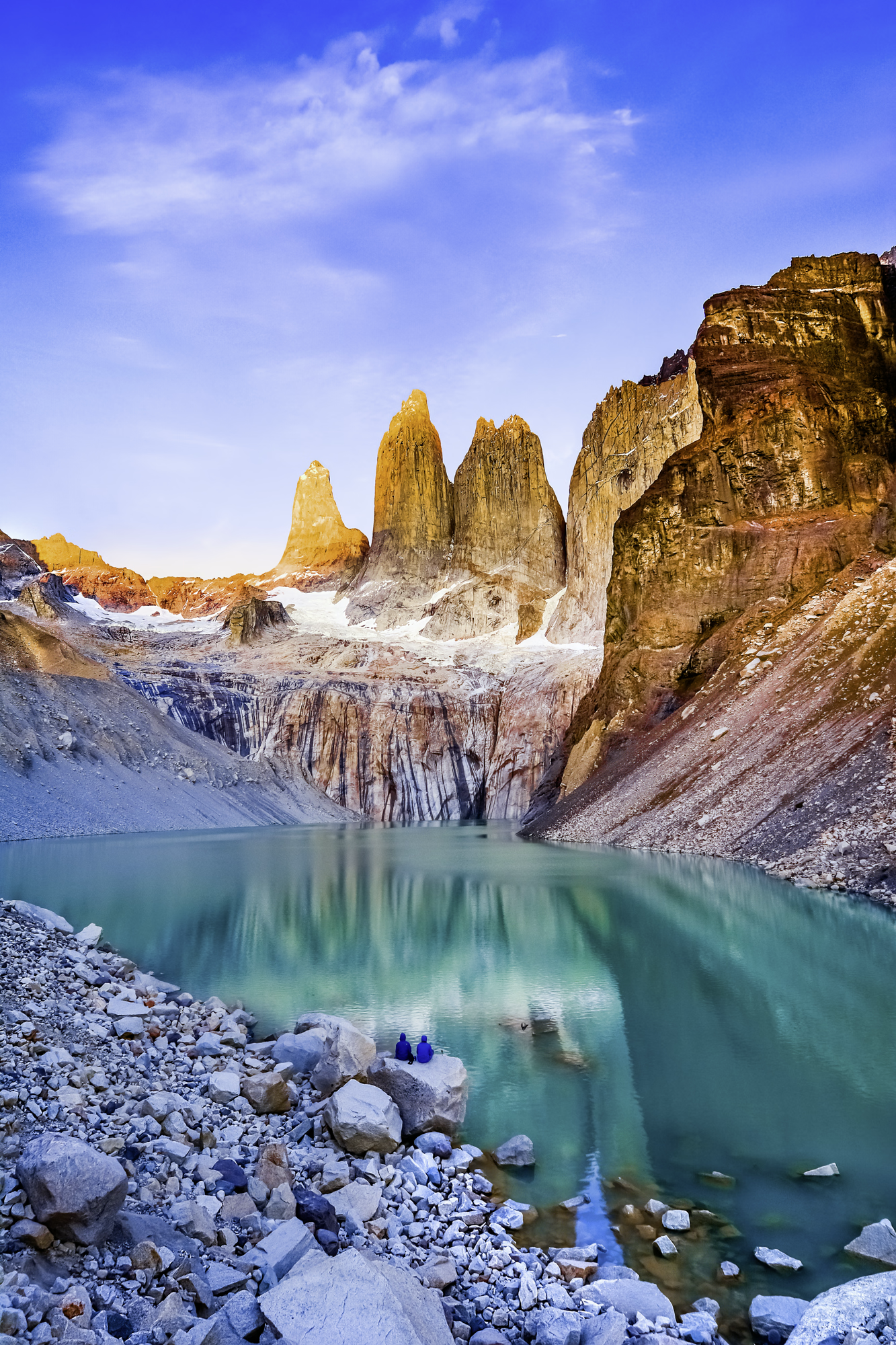
- Patagonia for trekking, glaciers, wildlife, and experiential lodges.
- Easter Island (Rapa Nui) for Polynesian culture and one of the world's most important archaeological landscapes.
Getting there
Arturo Merino Benítez International Airport is Chile's main international gateway. Private transfers connect the airport with Santiago's neighborhoods, while guided day trips or overnight programs reach the Andes, central valleys, and Pacific coast.
Approximate travel times:
- Santiago Airport to Lastarria: 30 to 45 minutes
- Santiago to Cajón del Maipo: 1 to 1.5 hours
- Santiago to the Maipo Valley: 45 minutes to 1 hour
- Santiago to the Casablanca Valley: 1 hour
- Santiago to Valparaíso: 1.5 hours
- Santiago to Santa Cruz in the Colchagua Valley: 2 to 2.5 hours
Most longer Chile itineraries begin or end in Santiago. Three city nights with one or two guided days beyond the capital create a useful introduction before flying north to Atacama, south to Patagonia, or west to Rapa Nui.


Frequently asked questions
How many nights should I stay?
Allow four to six nights for the wider region. Three nights in Santiago plus guided days in Valparaíso, Cajón del Maipo, or the central valleys work well, with an overnight coastal extension when architecture and port history are priorities.
Should I stay in Lastarria or Vitacura?
Choose Lastarria for museums, architecture, independent restaurants, and a more walkable city experience. Choose Vitacura or Las Condes for larger luxury hotels, contemporary dining, gardens, and easier access to Santiago's eastern neighborhoods.
Is Valparaíso worth visiting?
Yes. Its funiculars, steep hills, port history, and street art are unlike anything in Santiago. A knowledgeable guide is valuable because the city's most interesting architecture and murals are spread across several hills rather than concentrated around one plaza.
Can I visit the Andes from Santiago?
Yes. Cajón del Maipo and the upper Maipo watershed can be reached on a full-day guided excursion. The route, weather, and altitude determine which viewpoints and walks are practical on a given day.
Is Santiago a good destination for families?
Yes. Metropolitan Park, interactive museums, food markets, coastal excursions, and open-air public spaces provide plenty of variety. Mandarin Oriental is particularly useful for families who value larger rooms, gardens, and a swimming pool.
Can I visit central Chile in winter?
Yes. Santiago's museums and restaurants operate year-round, and the Andes are especially dramatic after snowfall. Winter brings cooler temperatures and more rain to the central valleys and coast, so daily plans require more flexibility.
Do I need a guide?
Not for every neighborhood, but we recommend guides for Santiago's historic center, Valparaíso, Cajón del Maipo, and rural estate visits. They add political, architectural, environmental, and agricultural context while managing transport across a geographically spread-out region.