A month-by-month guide to weather, wildlife, crowds, and the best time to visit for you.
Chile stretches more than 4,300 kilometres (2,670 miles) from north to south, making it one of the world's most geographically diverse countries. The Atacama Desert is among the driest places on Earth, Central Chile experiences a Mediterranean climate, the Lake District receives abundant rainfall, and Patagonia has cool, highly changeable weather. Rather than asking when to visit Chile, it's often more useful to ask which region you want to explore. Use this guide to understand how the seasons affect each part of the country and when conditions are best for your trip.
Understanding Chile's seasons
Because Chile lies in the Southern Hemisphere, its seasons are opposite those in North America and Europe. Summer runs from December through February, autumn from March through May, winter from June through August, and spring from September through November. Conditions vary dramatically by latitude, however. Patagonia is largely a summer destination, Central Chile can be visited throughout the year, and the Atacama Desert is suitable in every season.
Summer (December through February)
Summer brings long daylight hours, warm temperatures, and the best access to Patagonia, making it Chile's busiest travel season. Hiking trails, remote lodges, and scenic drives are fully open, while Central Chile enjoys hot, dry weather. The Atacama Desert remains accessible year-round, although brief summer storms occasionally affect the high-altitude Altiplano. Christmas, New Year's, and school holidays create particularly high demand across the country.
Shoulder seasons (March through May & September through November)
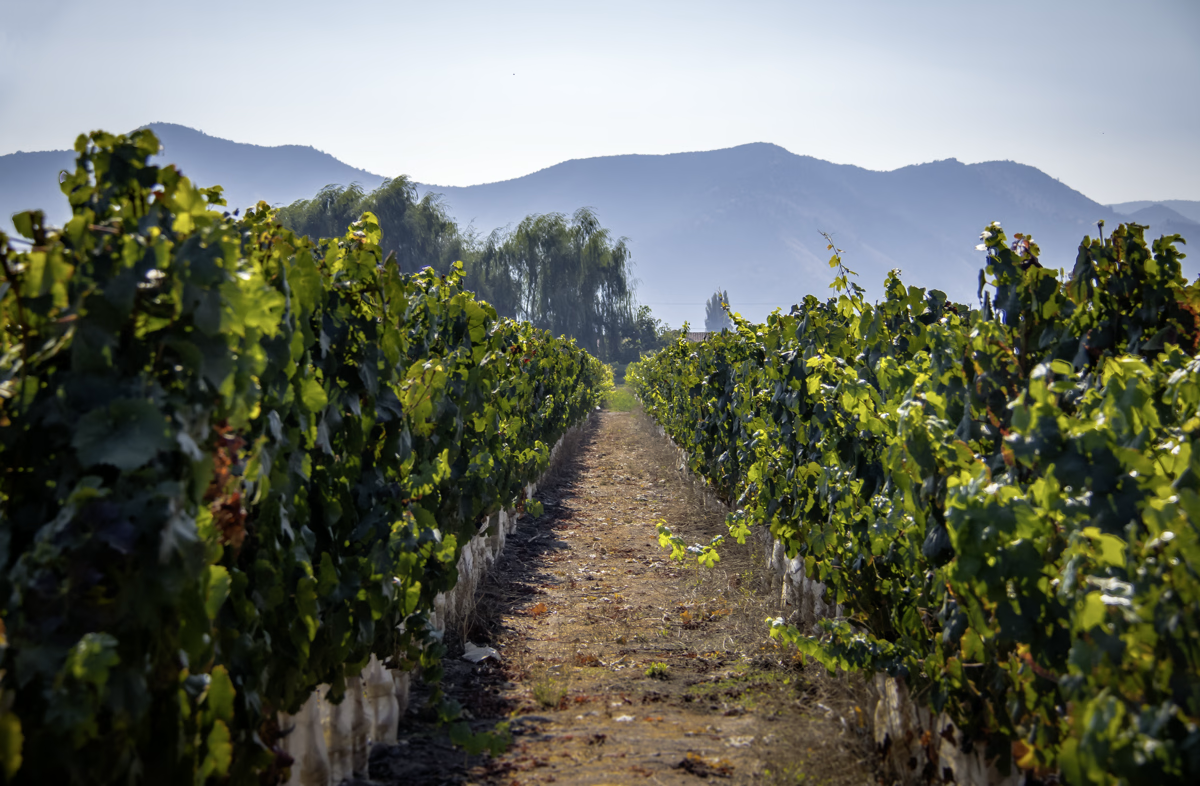
Spring and autumn are two of our favorite times to visit Chile. Temperatures are generally mild, visitor numbers are lower than during summer, and Central Chile's vineyards, cities, and national parks are especially enjoyable. Patagonia remains accessible during much of October, November, and March, while autumn brings beautiful colors to the Lake District and wine regions.
Winter (June through August)
Winter transforms Chile into a very different destination. Snow covers the Andes, ski resorts open near Santiago, and Patagonia becomes much quieter, with many lodges and tourism services closing for the season. The Atacama Desert remains an excellent choice during winter thanks to its clear skies and comfortable daytime temperatures, although nights can become extremely cold.

Chile weather at a glance
| Month | Conditions | Crowds | Great for |
|---|---|---|---|
| January | Warm summer weather, long daylight hours, and peak accessibility in Patagonia | Very high | Patagonia, the Lake District, coast, and family travel |
| February | Warm and dry in Central Chile, with favorable conditions in the far south | High | Patagonia, wine country, Chiloé, and road trips |
| March | Mild early autumn weather with fewer visitors and harvest activity | Medium | Wine harvest, Patagonia, Santiago, and shoulder-season travel |
| April | Cooler autumn conditions, colorful foliage, and increasing rain in the south | Low to medium | Wine country, cities, photography, and northern Chile |
| May | Cool and quieter, with wetter conditions in Central and Southern Chile | Low | Atacama, city stays, lower rates, and cultural travel |
| June | Winter begins, bringing snow to the Andes and cold conditions in Patagonia | Medium | Skiing, the Atacama Desert, stargazing, and winter landscapes |
| July | Cold winter weather, peak ski season, and limited access in parts of Patagonia | High in ski areas | Skiing, Atacama, Santiago, and winter vacations |
| August | Winter continues, with snow in the Andes and dry conditions in the far north | Medium | Skiing, Atacama, stargazing, and fewer international visitors |
| September | Spring begins, with warming temperatures and improving access in the south | Medium around holidays | Wildflowers, Santiago, wine country, and Independence celebrations |
| October | Mild spring conditions, longer days, and fewer crowds than summer | Medium | Patagonia, the Lake District, hiking, and multi-region trips |
| November | Warmer spring weather with increasingly reliable southern access | Medium to high | Patagonia, honeymoons, wine country, and first-time visits |
| December | Summer begins with long days, warm central weather, and peak southern access | High | Patagonia, family travel, road trips, and holiday vacations |
January in Chile
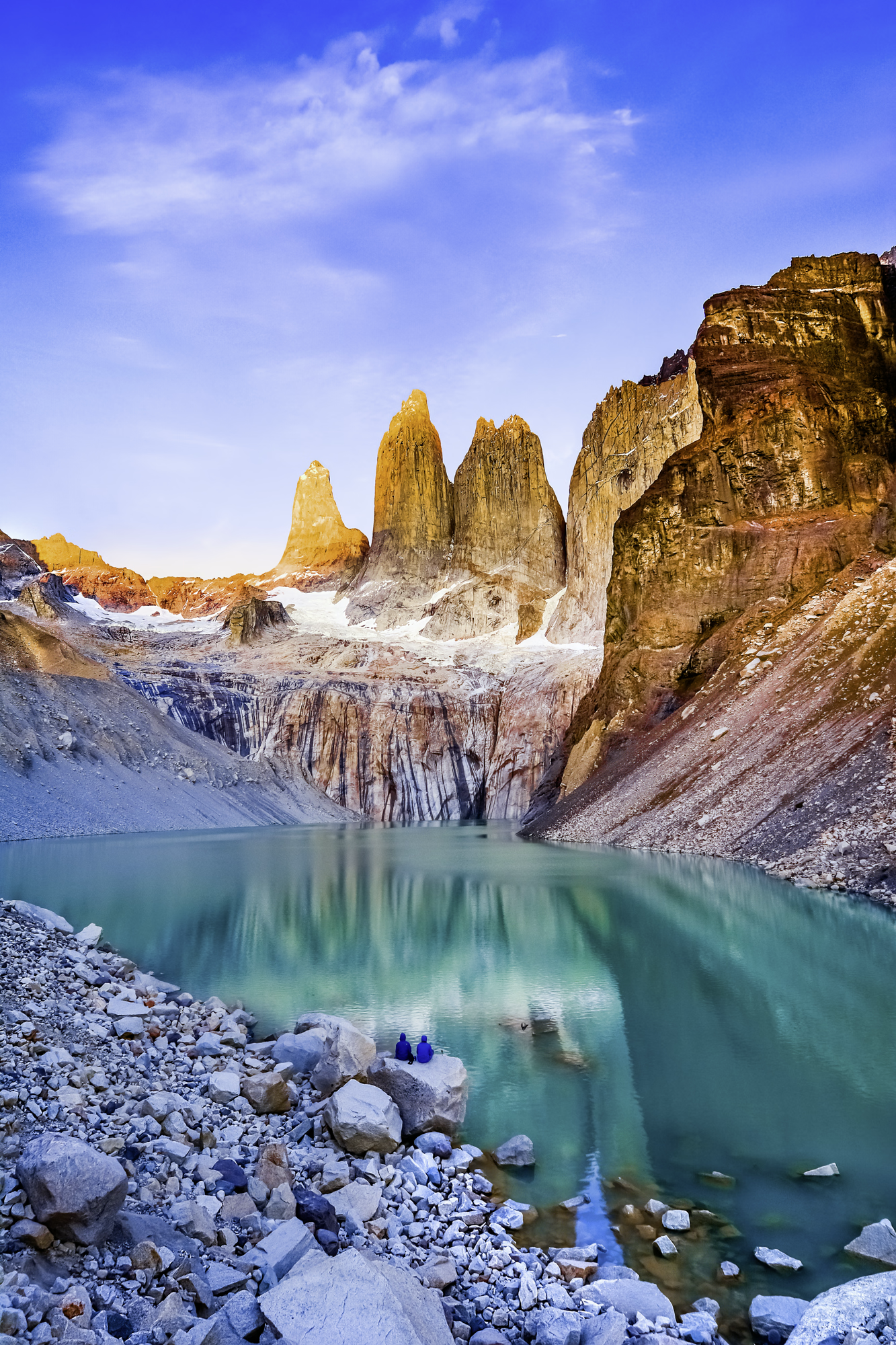
January is one of the busiest months of the year and one of the best times to visit Patagonia. Long daylight hours make it possible to spend full days hiking in Torres del Paine or exploring the Lake District, while Central Chile enjoys warm, dry weather. The Atacama Desert remains accessible, although occasional Altiplanic summer storms can affect some high-elevation excursions.
Best for: Patagonia, Torres del Paine, the Lake District, Atacama, and first-time visits.
February in Chile
February continues the summer season with warm temperatures and excellent hiking conditions throughout Patagonia. Chilean school holidays keep many destinations busy, but visitor numbers begin easing slightly toward the end of the month. Vineyards, coastal towns, and the Lake District are all at their most active.
Best for: Patagonia, road trips, wine country, beaches, and family vacations.
March in Chile
March is one of our favorite months to recommend. Autumn begins arriving in Central Chile, temperatures become more comfortable, and Patagonia remains highly accessible with noticeably fewer visitors than January and February. Harvest season also begins in Chile's wine regions.
Best for: Wine harvest, Patagonia, Santiago, and shoulder-season travel.


April in Chile
April brings cooler temperatures and autumn color across Central Chile and the Lake District. Patagonia remains open during the first part of the month, although some lodges and seasonal services begin closing as winter approaches. This is an excellent month for vineyards, photography, and travelers looking to avoid crowds.
Best for: Wine country, the Lake District, Santiago, photography, and lower crowds.
Best time to visit Chile for...
May in Chile
May marks the transition toward winter. Rainfall increases across Central and Southern Chile, while Patagonia begins winding down for the season. The Atacama Desert remains an excellent choice, with dry conditions, cool days, and exceptional stargazing.
Best for: Atacama, stargazing, city breaks, and lower hotel rates.
June in Chile
Winter arrives across much of Chile. Ski resorts near Santiago begin opening as snowfall increases in the Andes, while Patagonia becomes very quiet outside a handful of year-round properties. The Atacama Desert continues to offer clear skies and some of the world's best astronomical viewing.
Best for: Skiing, Atacama, astronomy, and winter scenery.
July in Chile
July is the heart of Chile's ski season. Resorts around Santiago operate at their busiest, while the Atacama remains one of the country's best winter destinations thanks to mild daytime temperatures and exceptionally clear skies. Patagonia experiences cold temperatures and reduced tourism services.
Best for: Skiing, Atacama, Santiago, and winter vacations.
August in Chile
Winter continues through August, although days gradually begin lengthening. Whale watching starts along parts of Chile's coast, ski conditions remain excellent in the Andes, and the Atacama continues to provide reliable weather for hiking and astronomy.
Best for: Skiing, Atacama, whale watching, and fewer crowds.
September in Chile
Spring arrives across much of Chile, bringing warmer temperatures, wildflowers, and improving conditions in Patagonia. Chile's Independence Day celebrations take place in mid-September, making it one of the country's liveliest cultural periods.
Best for: Santiago, wine country, spring flowers, and cultural festivals.
October in Chile
October is one of the best months for travelers seeking good weather without peak-season crowds. Patagonia begins reopening for summer, hiking trails become increasingly accessible, and Central Chile enjoys comfortable spring temperatures.
Best for: Patagonia, hiking, the Lake District, and multi-region itineraries.
November in Chile
November combines excellent weather with relatively moderate visitor numbers. Patagonia is fully open for the season, vineyards and gardens are vibrant, and temperatures are pleasant across Central Chile. This is one of our favorite months for first-time visitors.
Best for: Patagonia, wine country, Santiago, honeymoons, and first-time visits.
December in Chile
Summer returns across the country, bringing long daylight hours and ideal conditions for Patagonia. The first half of the month often offers an excellent balance of weather and availability, while Christmas and New Year's become one of Chile's busiest travel periods.
Best for: Patagonia, holiday travel, the Lake District, and outdoor adventures.


What to pack for Chile, by season
Summer packing list (December through February)
- Lightweight clothing for Central Chile, wine country, and the Atacama Desert.
- Warm layers or a fleece for Patagonia, where temperatures can change rapidly.
- Waterproof jacket. Even in summer, Patagonia can experience rain and strong winds.
- Comfortable hiking boots if visiting Torres del Paine, the Lake District, or other national parks.
- Casual walking shoes for Santiago, Valparaíso, and vineyard visits.
- Sun hat or baseball cap.
- Sunglasses.
- Sunscreen. UV exposure is strong at altitude and in Patagonia.
- Reusable water bottle.
- Small daypack for hikes and day trips.
- Swimsuit if your itinerary includes hot springs or lakes.
Winter packing list (June through August)
- Warm base layers.
- Insulated jacket for Patagonia, ski areas, and high elevations.
- Hat, gloves, and scarf if traveling in the Andes or southern Chile.
- Waterproof outer layer for rain and snow.
- Comfortable waterproof walking shoes or winter boots.
- Lightweight clothing for the Atacama, where daytime temperatures remain pleasant despite cold nights.
- Sunglasses and sunscreen for snow reflection and high-altitude travel.
- Reusable water bottle.
- Small backpack for day trips.
- Moisturizer and lip balm, particularly for the dry air in the Atacama Desert.
| If you're looking for... | Best time to visit | Why |
|---|---|---|
| First-time visits | October through November March through April | Spring and fall make it easier to combine Santiago, wine country, the Atacama, and parts of Patagonia without peak summer demand. |
| Patagonia | October through March | Longer days, milder temperatures, and broader lodge and trail access make this the main season for Torres del Paine and Southern Patagonia. |
| Patagonia with fewer crowds | October through November March | These shoulder months retain workable hiking conditions while avoiding the highest demand around Christmas and the peak of summer. |
| Atacama Desert | Year-round | The Atacama is exceptionally dry throughout the year, although nights are coldest in winter and high-altitude excursions can be affected by summer storms. |
| Stargazing | April through November | Longer nights and very low rainfall support stargazing, although moon phase and local cloud cover matter more than the calendar alone. |
| Santiago & Central Chile | September through November March through May | Spring and fall bring milder temperatures than midsummer and generally better conditions for cities, vineyards, and the central coast. |
| Wine harvest | March through April | Harvest activity brings vineyard events and seasonal energy to the Maipo, Casablanca, Colchagua, and other central wine valleys. |
| Lake District | December through March | Summer brings warmer temperatures, longer daylight hours, and the best conditions for hiking, kayaking, and scenic drives. |
| Chiloé | December through March | The island remains changeable and rainy, but summer generally provides the mildest conditions for coastal walks, boat trips, and cultural touring. |
| Skiing | June through September | Winter snowfall supports ski areas in the central Andes, with exact opening dates determined by annual snow conditions. |
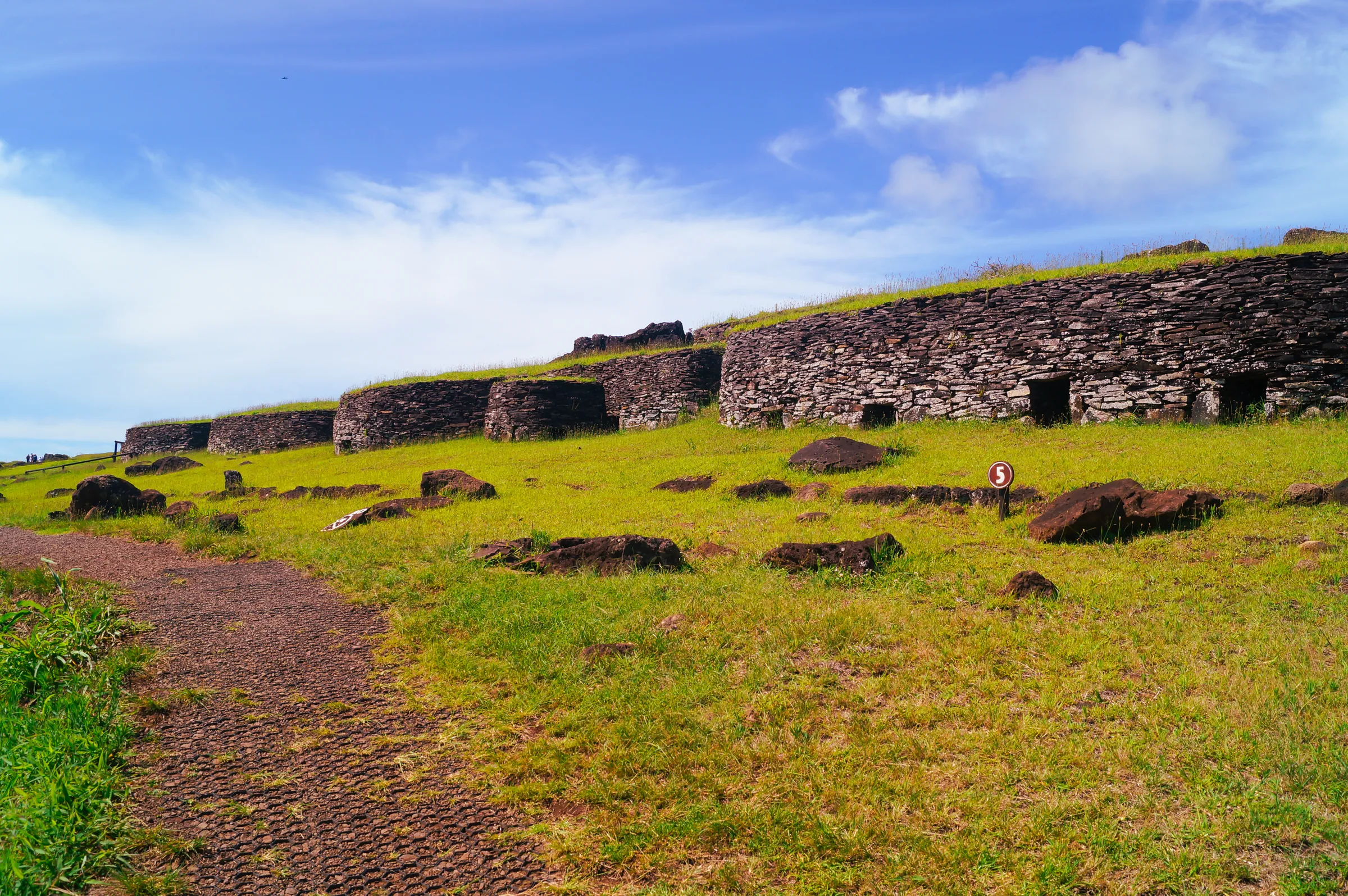
| Easter Island | April through June October through December | These periods can offer comfortable temperatures and fewer visitors than the peak summer months, though brief showers occur year-round. |
| Best value | April through May September through October | Shoulder-season travel often brings better hotel availability and lower demand, although some remote Patagonian properties may be closed. |
| Honeymoons | October through November March through April | These months suit combinations of the Atacama, wine country, and Patagonia while avoiding some of the busiest holiday periods. |

Frequently asked questions: weather in Chile
When is the best time to visit Chile?
For most travelers, October through April offers the greatest flexibility, particularly if your itinerary includes Patagonia. If you're focusing on Santiago, wine country, or the Atacama Desert, Chile can be an excellent destination throughout the year.
Is Patagonia open year-round?
Not entirely. While Torres del Paine National Park remains open, many lodges, camps, and tourism services operate only between October and April. Hiking conditions are generally best from November through March.
Is the Atacama Desert a year-round destination?
Yes. The Atacama can be visited throughout the year. Winter generally brings the clearest skies for stargazing, while summer is warmer but may occasionally experience Altiplanic thunderstorms at higher elevations.
When is the best time to visit Patagonia?
Most travelers visit between November and March, when hiking trails, lodges, and transportation operate at full capacity. October and March are particularly attractive because they combine good weather with fewer visitors than the peak summer months.
When is the cheapest time to visit Chile?
The best value is generally found during the shoulder seasons of March through May and September through October, outside of major holidays. Winter can also offer attractive pricing outside ski resorts and the Atacama Desert.
How far in advance should I book?
If you're traveling during December, January, February, or planning to visit Patagonia, we'd recommend booking at least six months in advance. Popular lodges in Torres del Paine and boutique hotels in the Lake District often sell out well before the summer season.
Does Chile have hurricane season?
No. Chile is not affected by Atlantic or Pacific hurricanes. Instead, weather patterns are influenced by the Pacific Ocean, the Andes, and regional storm systems. Travelers should be prepared for strong winds and rapidly changing conditions in Patagonia, especially during the summer hiking season.