


The Coffee Region is one of Colombia's defining landscapes, where emerald-green hills, towering wax palms, colorful villages, and working coffee farms stretch across the central Andes. Recognized as a UNESCO World Heritage cultural landscape, the region encompasses Salento, Filandia, Pereira, Armenia, Manizales, and dozens of traditional coffee estates that continue to produce some of the world's finest Arabica coffee. Whether you're hiking through the Cocora Valley, staying at a historic hacienda, or learning how coffee is grown and roasted, the Coffee Region is one of South America's most rewarding travel experiences.
At a glance
| Best for | Coffee, mountain scenery, hiking, boutique haciendas, and charming villages |
|---|---|
| Don't miss | Cocora Valley, Salento, Filandia, coffee plantation tours, and wax palms |
| Recommended stay | 3 to 5 nights |
| Best area to stay | Near Salento or at a coffee hacienda outside Pereira or Armenia |
| Pairs well with | Medellín & Antioquia, Cartagena & the Caribbean Islands, and Bogotá & the Eastern Andes |
| Closest airport | Matecaña International Airport (PEI), El Edén International Airport (AXM), or La Nubia Airport (MZL) |
| Best time to visit | December through March and July through August |
| Getting around | Private transfers |
| Budget | $$ to $$$$ |
Why stay in the Coffee Region?
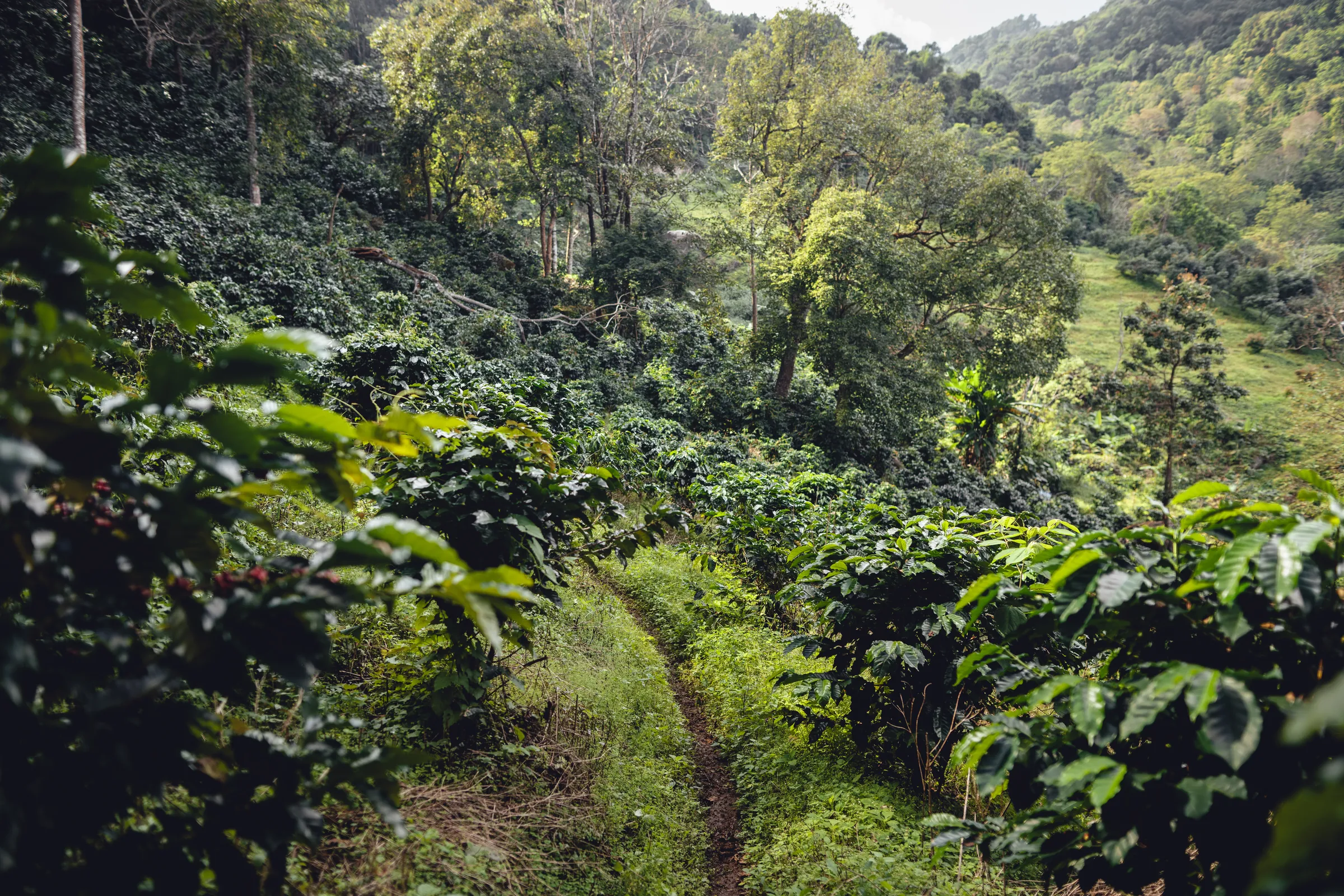
The Coffee Region shows a side of Colombia defined by fertile mountain landscapes rather than bustling cities. Rolling hills are blanketed with coffee plants, rivers cut through deep green valleys, and traditional farms continue to cultivate coffee using methods refined over generations. The result is one of the country's most beautiful rural landscapes and one of the best places in the world to understand the journey from coffee cherry to cup.
Each town has its own personality. Salento is the region's best-known destination, famous for colorful colonial architecture and its gateway location to the Cocora Valley. Nearby Filandia is a quieter alternative with beautifully preserved streets, artisan shops, and panoramic viewpoints. Pereira, Armenia, and Manizales serve as convenient gateways while also offering excellent restaurants, museums, and access to the surrounding countryside.
The Coffee Region is equally rewarding for nature lovers. The Cocora Valley is home to the world's tallest palm tree, the Quindío wax palm, which rises dramatically above rolling green hills. Cloud forests, hummingbirds, orchids, waterfalls, and mountain trails create opportunities for hiking and wildlife viewing throughout the region.
Our take: The Coffee Region is much more than coffee. Staying at a traditional hacienda, exploring the colorful villages, and hiking through the Cocora Valley creates one of Colombia's most memorable travel experiences.
Is the Coffee Region a good fit?
- Love coffee and local food.
- Enjoy mountain scenery and hiking.
- Appreciate boutique countryside hotels.
- Want to experience rural Colombian culture.
- Enjoy photography and beautiful landscapes.
- Prefer a relaxed pace of travel.
Medellín has a more urban experience with vibrant neighborhoods and innovative cuisine, while Cartagena focuses on colonial history and Caribbean beaches. The Coffee Region is Colombia's premier destination for countryside scenery, boutique haciendas, and authentic coffee experiences.
Best things to do
Hike through the Cocora Valley
Home to Colombia's national tree, the Quindío wax palm, Cocora Valley is one of the country's most iconic landscapes. Hiking trails wind through cloud forest, rivers, and towering palm groves unlike anywhere else in the world.
Tour a coffee hacienda
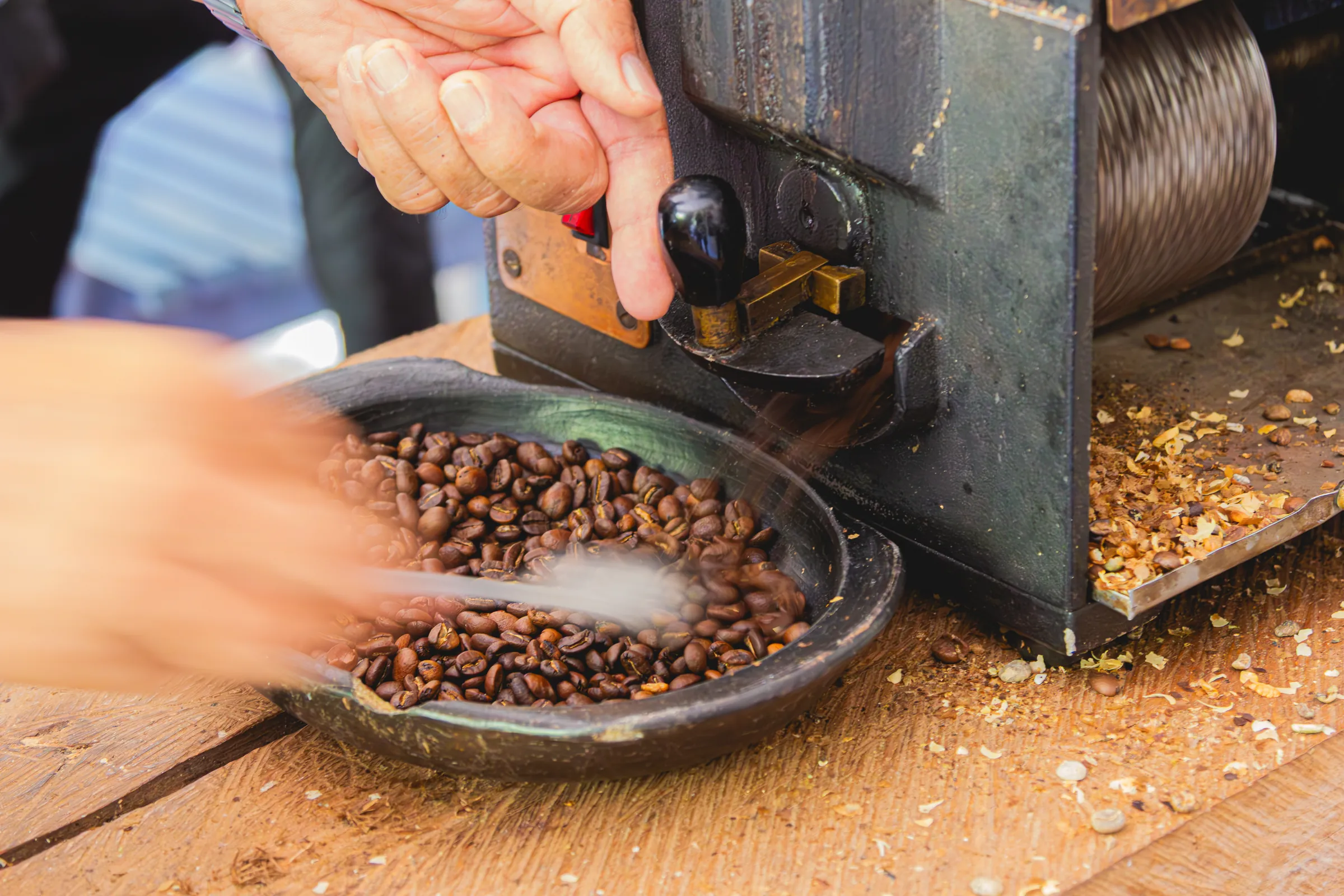
Visit a working coffee estate to learn every stage of production, from harvesting and washing to roasting and tasting. Many of the region's finest haciendas also offer beautiful accommodations.
Explore Salento
Colorful balconies, artisan shops, lively cafés, and the bustling Plaza Bolívar make Salento one of Colombia's most charming mountain towns.
Visit Filandia
Often overlooked in favor of Salento, Filandia has equally attractive colonial architecture, excellent restaurants, fewer visitors, and spectacular views from the Mirador Colina Iluminada.
Ride the Willys Jeeps
The classic Willys Jeeps that transport visitors between Salento and Cocora Valley have become an icon of the Coffee Region and remain an important part of daily life.
Go birdwatching
The surrounding cloud forests support hundreds of bird species, including hummingbirds, toucans, tanagers, and the striking Andean cock-of-the-rock.
Stay at a traditional hacienda
Many historic coffee estates have been transformed into elegant boutique hotels, allowing guests to experience Colombia's coffee culture while enjoying beautiful gardens, mountain views, and exceptional hospitality.
Sample regional cuisine
The Coffee Region is known for hearty Andean cooking, fresh local produce, trout, artisan cheeses, and of course, some of the finest coffee you'll ever drink.

Where to stay
Stay near Salento if you'd like proximity to the Cocora Valley while remaining within walking distance of cafés, restaurants, artisan shops, and the town's colorful colonial streets. It's the region's most popular base and an excellent choice for first-time visitors.
Stay at a coffee hacienda outside Pereira or Armenia if you're looking for a quieter countryside experience. These boutique estates place you among rolling coffee plantations and gardens while offering exceptional hospitality, farm-to-table dining, and guided coffee experiences.
Stay near Filandia if you prefer a more relaxed atmosphere. Often described as Salento's quieter neighbor, Filandia has beautifully preserved architecture, excellent restaurants, artisan workshops, and panoramic mountain views without the larger crowds.
One of the pleasures of visiting the Coffee Region is moving between its towns and landscapes. A morning might begin with coffee harvested just outside your hotel, continue with a hike beneath the towering wax palms of the Cocora Valley, and end with dinner overlooking the surrounding mountains.
Our favorite hotels
Cannúa Lodge
Built into a forested hillside east of Medellín, Cannúa uses compressed earth, local materials, and terraced gardens throughout the property. Eighteen rooms and villas overlook the surrounding mountains and cultivated landscape. Food, nature, and regenerative design shape the stay.
Hacienda Bambusa
A working cacao and cattle estate surrounds Hacienda Bambusa in the heart of Colombia’s coffee country. Eight rooms occupy a traditional hacienda-style house with broad verandas facing gardens and green foothills. Its small scale creates a quiet starting point for exploring the region.
Bio Habitat Hotel
Glass-walled habitats sit among forest and gardens in Colombia’s coffee region at Bio Habitat. Private terraces and pools look across the surrounding mountains, while the architecture is designed to keep the landscape constantly visible.
Sazagua Hotel Boutique
Tropical gardens surround Sazagua in the coffee-growing countryside near Pereira. Rooms, suites, and private villas incorporate regional craft and architecture, while the restaurant draws heavily from ingredients grown across the surrounding landscape.
Hacienda Venecia
Near Manizales, Hacienda Venecia is a traditional working coffee estate where guests can experience the daily work of coffee production while staying in beautifully restored historic buildings surrounded by plantations.
Best time to visit
The Coffee Region enjoys a mild spring-like climate throughout the year, making it an excellent destination in every season. December through March and July through August generally bring the driest conditions for hiking, sightseeing, and exploring the countryside.
Coffee is harvested twice each year in many parts of the region, meaning plantation tours remain rewarding regardless of when you visit. Rain showers are possible in any month, but they often pass quickly and help keep the landscapes beautifully green.
Pair it with
- Medellín & Antioquia for innovative cuisine, vibrant neighborhoods, and Guatapé.
- Cartagena & the Caribbean Islands for colonial history and Caribbean beaches.
- Bogotá & the Eastern Andes for museums, Andean culture, and historic neighborhoods.
- Tayrona & the Sierra Nevada for rainforest, beaches, and boutique eco-lodges.
Getting there
The Coffee Region is served by three airports in Pereira, Armenia, and Manizales, making it easy to reach from Bogotá, Medellín, and Cartagena. Private transfers connect the airports with the surrounding haciendas, mountain towns, and coffee estates.
Approximate travel times:
- Matecaña International Airport (Pereira): 45 minutes to Salento
- El Edén International Airport (Armenia): 45 minutes to Salento
- Salento to Cocora Valley: 20 minutes
- Salento to Filandia: 40 minutes
- Pereira to Hacienda Bambusa: 45 minutes
Many Colombia itineraries combine the Coffee Region with Medellín, creating a natural transition between the country's vibrant cities and its spectacular rural landscapes before continuing to Cartagena or Bogotá.

Frequently asked questions
How many nights should I stay?
We recommend three to five nights. That gives you enough time to visit a coffee hacienda, hike through the Cocora Valley, explore Salento and Filandia, and enjoy the fewer crowds and less nightlife of Colombia's countryside.
Should I stay in Salento or at a coffee hacienda?
It depends on the experience you're looking for. Salento is ideal if you'd like restaurants, cafés, and a lively mountain town within walking distance. A coffee hacienda is a quieter place to stay surrounded by plantations, gardens, and beautiful Andean scenery. Many travelers choose to combine both.
Is the Cocora Valley worth visiting?
Absolutely. The valley is home to the world's tallest palm tree, the Quindío wax palm, and its landscapes are unlike anywhere else in Colombia. Hiking among these towering palms is one of the country's signature experiences.
Is Filandia better than Salento?
Not necessarily, but it is quieter. Salento has more restaurants, hotels, and visitors, while Filandia has a more relaxed atmosphere with beautifully preserved architecture and excellent local dining. We often recommend visiting both during your stay.
Can I visit a working coffee plantation?
Yes. Many estates welcome visitors for guided tours that explain every stage of coffee production, from harvesting and processing to roasting and tasting. Staying at a working hacienda makes the experience even more memorable.
Is the Coffee Region a good destination for families?
Yes. Families can enjoy coffee farms, butterfly gardens, nature reserves, horseback riding, short hikes, and the colorful towns that make the region one of Colombia's most accessible countryside destinations.
Do I need a guide?
We recommend one for coffee plantation visits, birdwatching, and hiking in the Cocora Valley. Local guides provide valuable insight into the region's history, agriculture, wildlife, and culture while helping you Explore places many visitors overlook.


