


A month-by-month guide to weather, wildlife, crowds, and the best time to visit for you.
Colombia sits close to the equator, so temperatures change relatively little from month to month. Elevation and geography matter far more than the calendar. Bogotá remains cool because it sits high in the Andes, Medellín and the Coffee Region have mild mountain climates, Cartagena stays hot and humid, and the Amazon and Pacific coast receive substantial rainfall throughout the year. Many Andean destinations experience drier periods from December through March and again around July and August, but regional conditions can differ considerably.
Understanding Colombia's seasons
Colombia does not experience four conventional seasons. Instead, most regions alternate between wetter and drier periods, with temperatures determined largely by elevation. Rain often arrives as a heavy afternoon shower rather than lasting continuously, although the Pacific coast and Amazon remain humid and wet in every season.
Main dry season (December through March)
December through March is generally the driest period in Bogotá, Medellín, the Coffee Region, and much of the Caribbean coast. These months are well suited to multi-region itineraries, hiking, coffee farm visits, and time near the coast. They also include some of Colombia's busiest travel dates, particularly Christmas, New Year's, and the weeks surrounding major festivals and school vacations.
Midyear dry period (June through August)
Rain often eases across parts of the Andes during June, July, and August, creating a second useful window for travel. Conditions are typically favorable for Bogotá, Medellín, the Coffee Region, and mountain activities, although July and August overlap with domestic and international summer travel. Humpback whale season also begins along Colombia's Pacific coast in July.
Rainier periods (April through May and September through November)
The Andes commonly experience two rainier periods, with heavier showers around April and May and again from September through November. October and November are often among the wettest months across central Colombia and the Caribbean coast. Travel remains possible, but trails can become muddy and outdoor plans may require more flexibility.
Colombia weather at a glance
| Month | Conditions | Crowds | Great for |
|---|---|---|---|
| January | Generally dry in the Andes and Caribbean, with warm coastal weather | High | Cartagena, Medellín, the Coffee Region, and first-time visits |
| February | Dry across many popular regions, with comfortable mountain conditions | Medium to high | Culture, hiking, coffee farms, and Caribbean beaches |
| March | Mostly dry early in the month, with rain increasing later | Medium | Multi-region trips, cities, and outdoor activities |
| April | One of the wetter months in Bogotá, Medellín, and the Coffee Region | High around Easter | Green scenery, museums, food, and cultural travel |
| May | Frequent showers in the Andes, with regional breaks in the rain | Low | Lower rates, lush landscapes, and quieter cities |
| June | Rain begins easing in many Andean regions, with drier days returning | Medium | Hiking, coffee country, Amazon trips, and families |
| July | Relatively dry in the Andes, with windy conditions in some regions | High | Hiking, festivals, Pacific whale watching, and summer travel |
| August | Generally dry in central Colombia, with warm Caribbean conditions | Medium to high | Pacific whales, Bogotá, Medellín, and multi-region trips |
| September | Rain begins increasing in the Andes and Caribbean | Low | Pacific whale watching, lower rates, and flexible travelers |
| October | One of the wettest months across many central and Caribbean regions | Low | Amazon travel, city stays, and off-season value |
| November | Rain remains common but begins easing toward the end of the month | Low to medium | Green scenery, culture, and shoulder-season travel |
| December | Drier weather returns across much of the Andes and Caribbean | High | Holiday travel, Cartagena, beaches, and first-time visits |


Best time to visit Colombia for...
January in Colombia
January falls within Colombia's main dry season and is one of the most reliable months for a first visit. Bogotá generally has clearer days, Medellín and the Coffee Region are well suited to outdoor excursions, and Cartagena enjoys hot, sunny weather with less rain than later in the year. Holiday demand remains high during the first part of the month.
Best for: Cartagena, Medellín, the Coffee Region, Bogotá, and first-time visits.
February in Colombia
February continues the drier season across many of Colombia's most visited regions. Conditions are particularly favorable for combining the Andes with the Caribbean coast, while lower rainfall makes coffee farm visits, walking tours, and countryside excursions easier to plan.
Barranquilla Carnival typically takes place in February or early March, depending on the date of Lent. Travelers attending should reserve accommodations and transportation well in advance.
Best for: Culture, coffee farms, Cartagena, hiking, and Carnival travel.
March in Colombia
March often begins dry, although rainfall may increase later in the month as the first wetter period approaches. Warm Caribbean weather continues, and conditions remain favorable for Bogotá, Medellín, and the Coffee Region.
Semana Santa can fall in March or April, bringing high domestic demand to colonial cities and religious destinations. Popayán and Mompox are especially known for their Holy Week traditions.
Best for: Multi-region trips, colonial cities, Caribbean beaches, and cultural travel.
April in Colombia
April is generally one of the wetter months in Bogotá, Medellín, and the Coffee Region. Showers frequently arrive later in the day, so mornings are often the best time for walking tours, hiking, and visits to coffee farms. Persistent all-day rainfall is less common than short, intense downpours.
Easter can make April busy even when the weather is less predictable, particularly in destinations known for Semana Santa celebrations.
Best for: Museums, food, green landscapes, cultural events, and flexible travelers.
May in Colombia
May remains wet across much of the Andes, with lush scenery throughout the Coffee Region and countryside surrounding Medellín. Visitor numbers are usually lower after Easter, and hotels may have better availability than during the winter dry season.
Rain can affect mountain trails and rural roads, but it rarely prevents an entire trip from operating. Planning outdoor activities earlier in the day leaves more flexibility if afternoon showers develop.
Best for: Lower rates, green scenery, quieter cities, and food-focused trips.
June in Colombia
Rainfall begins easing in many Andean destinations during June, although regional conditions remain variable. Bogotá, Medellín, and the Coffee Region become more practical for outdoor activities, and the Amazon begins moving into a relatively drier period with lower river levels and more accessible forest trails.
June also precedes the busiest part of the midyear vacation period, making the first half of the month especially appealing.
Best for: Hiking, coffee country, Amazon trips, and early summer travel.


July in Colombia
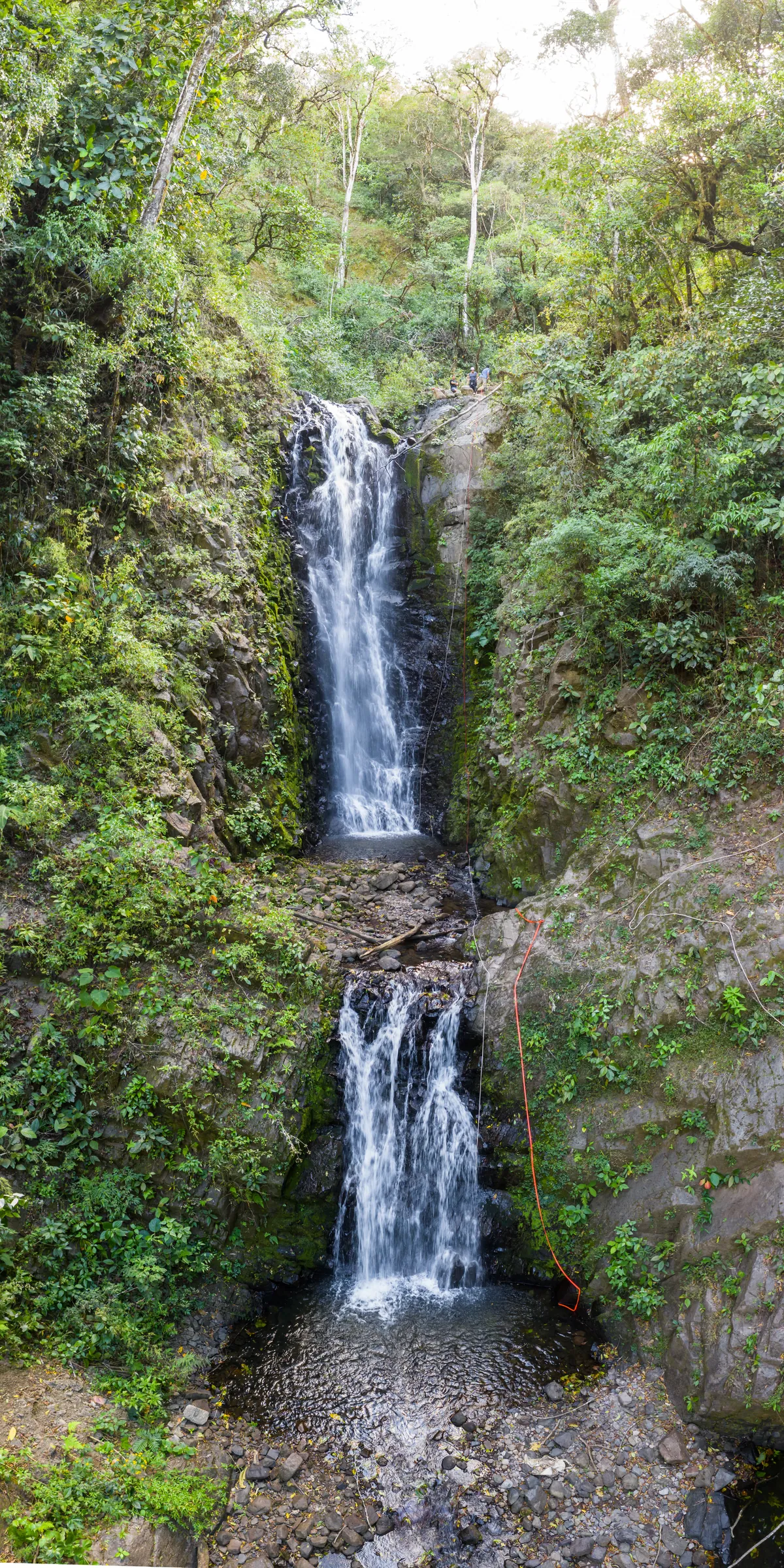
July is one of Colombia's strongest midyear travel months. Parts of the Andes experience a reduction in rainfall, creating favorable conditions for Bogotá, Medellín, the Coffee Region, and mountain excursions. It is also the beginning of humpback whale season along the Pacific coast, where whales arrive to breed and give birth.
Domestic school vacations and international summer travel increase demand, so popular hotels and guides should be reserved early.
Best for: Hiking, Pacific whale watching, families, and multi-region itineraries.
August in Colombia
August continues the midyear drier period across much of central Colombia. Medellín hosts its annual Flower Festival during this season, while Pacific whale watching becomes one of the country's most important seasonal wildlife experiences.
Cartagena and the Caribbean coast remain hot and humid, but beach and island trips are still possible between showers.
Best for: Pacific whales, Medellín, festivals, the Coffee Region, and cultural travel.
September in Colombia
September marks the transition into Colombia's second wetter period. Rain becomes more frequent in the Andes and along parts of the Caribbean, although mornings can still be clear enough for sightseeing and outdoor activities.
Whale watching continues along the Pacific coast, with September often falling near the heart of the migration season.
Best for: Pacific whale watching, fewer crowds, lower rates, and flexible travelers.
October in Colombia
October is one of the wettest months across many parts of Colombia. Bogotá, Medellín, the Coffee Region, and Cartagena can all experience frequent afternoon rain, while the Pacific coast remains exceptionally wet even as whale season approaches its end.
The trade-off is lower visitor numbers, green landscapes, and better hotel availability. City-based itineraries are easier to manage than trips centered on long hikes or remote roads.
Best for: City stays, food, museums, Amazon travel, and off-season value.
November in Colombia
November begins wet in many regions, but rainfall often starts to ease toward the end of the month. Landscapes remain green, visitor numbers are lower than during the December holidays, and improving conditions can make late November a useful shoulder-season period.
The Caribbean coast is still humid and may receive substantial rain, so travelers prioritizing beaches should remain flexible.
Best for: Green scenery, culture, late-month travel, and lower crowds.
December in Colombia
December marks the return of drier weather across much of the Andes and Caribbean. Conditions become increasingly favorable for Bogotá, Medellín, the Coffee Region, Cartagena, and Tayrona, making this one of the easiest months for a broad Colombia itinerary.
Demand rises sharply around Christmas and New Year's, and boutique hotels, villas, and private guides can book months ahead.
Best for: First-time visits, Cartagena, beaches, coffee country, and holiday travel.
What to pack for Colombia, by season
Drier-season packing list (December through March and June through August)
- Lightweight, breathable clothing for Cartagena, the Caribbean coast, the Amazon, and other lowland regions.
- A sweater or light jacket for Bogotá, which remains cool throughout the year because of its elevation.
- A light rain jacket or compact umbrella. Even the drier months can bring sudden showers in the Andes.
- Comfortable walking shoes for cities, coffee farms, archaeological sites, and colonial streets.
- Lightweight hiking shoes with good grip for the Cocora Valley, Tayrona, and mountain trails.
- Swimsuit and beach cover-up for Cartagena, the Rosario Islands, Tayrona, and Caribbean extensions.
- Sun hat or baseball cap.
- Sunglasses.
- Sunscreen. UV exposure can be strong at high elevations even when temperatures feel cool.
- Insect repellent for the Amazon, Caribbean coast, Pacific coast, and lower-elevation nature reserves.
- Reusable water bottle.
- A small daypack for city tours and excursions.
- A dry bag for boat trips, Pacific coast stays, and Amazon excursions.
Rainier-season packing list (April through May and September through November)
- Lightweight, quick-dry clothing for warm and humid regions.
- A compact rain jacket or poncho for afternoon downpours.
- Comfortable walking or hiking shoes with good traction.
- An extra pair of socks for full-day excursions and wet trails.
- A small umbrella for city sightseeing.
- Dry bag or waterproof backpack to protect phones, cameras, travel documents, and other electronics.
- Swimsuit and beach cover-up. Warm weather continues even during wetter months.
- Insect repellent, particularly for the Amazon, Pacific coast, Caribbean lowlands, and wetlands.
- Sun hat, sunglasses, and sunscreen. Strong UV exposure remains possible between showers.
- A sweater or light jacket for Bogotá and other high-altitude destinations.
- Reusable water bottle.
- Breathable long pants and long-sleeve shirts for forest walks and mosquito protection.
| If you're looking for... | Best time to visit | Why |
|---|---|---|
| First-time visits | December through March | Drier conditions make it easier to combine Bogotá, Medellín, the Coffee Region, Cartagena, and the Caribbean coast. |
| Cartagena & the Caribbean | December through April | These months generally bring lower rainfall, abundant sunshine, and better conditions for beaches and boat excursions. |
| Bogotá | December through March July through August | Bogotá is cool year-round, but these periods are often drier and better suited to walking tours and excursions outside the city. |
| Medellín | December through March June through August | Medellín receives rain throughout the year, but these periods tend to have fewer wet days than April, May, October, and November. |
| Coffee Region | December through March July through August | Drier trails and clearer mountain views make it easier to visit farms, hike in the Cocora Valley, and explore rural towns. |
| Pacific whale watching | July through October | Humpback whales migrate to Colombia's Pacific waters to breed and give birth, with excursions operating from coastal communities such as Nuquí and Bahía Solano. |
| Amazon travel | December through March June through August | Different water levels create different experiences, but these periods often provide a useful balance of navigable rivers and manageable rainfall. |
| Hiking | December through March July through August | Drier conditions improve trails in the Andes, Coffee Region, and Sierra Nevada, although mountain weather can change quickly. |
| Birdwatching | December through March | Resident birds can be seen year-round, while drier trails and the presence of Northern Hemisphere migrants benefit multi-region birding trips. |
| Festivals | February through March July through August | Barranquilla Carnival takes place before Lent, while Medellín's Flower Festival is generally held during the midyear season. |
| Best value | April through May September through November | Rain is more likely, but hotel rates and visitor numbers are often lower outside Easter and major events. |
| Honeymoons | January through March | Drier conditions support itineraries combining Cartagena, the Coffee Region, and a city stay with fewer weather-related interruptions. |
| Avoiding crowds | February through March September through November | February and March can offer favorable weather after the holiday peak, while fall is quieter if you are comfortable with more frequent showers. |

Frequently asked questions: weather in Colombia
When is the best time to visit Colombia?
For a first trip covering several regions, December through March generally offers the most reliable conditions. July and August create another useful travel window, particularly for Bogotá, Medellín, the Coffee Region, and Pacific whale watching. Colombia can still be visited throughout the year because temperatures remain fairly stable and rain often falls in shorter afternoon bursts.
Does it rain all day during Colombia's rainy seasons?
Usually not. In many Andean and Caribbean destinations, rain arrives as a heavy afternoon or evening shower rather than continuous rainfall. Some days are wetter than others, and the Pacific coast and Amazon receive more sustained precipitation, but rainy-season travel does not automatically mean losing entire days to bad weather.
Is Colombia worth visiting during the rainy season?
Yes. April, May, October, and November bring greener landscapes, lower visitor numbers, and often better hotel availability. City trips remain practical, and most tours continue operating. Travelers planning long hikes, remote road journeys, or beach-focused itineraries should allow more flexibility.
Which part of Colombia has the best weather?
There is no single answer because elevation and geography create very different climates. Cartagena and the Caribbean remain hot throughout the year, Bogotá is cool because of its altitude, Medellín has mild temperatures with regular rainfall, and the Pacific coast is one of the wettest regions in the world. The best region depends on the month and the activities you have planned.
When is the cheapest time to visit Colombia?
The best value is often found during April and May or from September through November, excluding Easter and major festivals. These periods receive more rain, but lower demand can improve hotel availability and pricing. December, January, Easter, and parts of July and August are generally busier.
How far in advance should I book?
For Christmas, New Year's, Easter, Barranquilla Carnival, Medellín's Flower Festival, and peak summer travel, booking at least six months ahead is sensible, particularly for boutique hotels, private guides, and remote lodges. The Pacific coast has limited high-quality lodging, so whale-season trips should also be planned well in advance.
When is whale-watching season in Colombia?
Humpback whales generally arrive along Colombia's Pacific coast in July and remain through October. Nuquí, Bahía Solano, Bahía Málaga, and Gorgona are among the principal destinations, with August and September often near the heart of the season. Sightings and sea conditions are never guaranteed.
Is Colombia affected by hurricanes?
Most of mainland Colombia lies south of the primary Atlantic hurricane routes, but the Caribbean coast and offshore islands can still experience tropical storms and occasional hurricanes between June and November. San Andrés and Providencia have greater exposure than Bogotá, Medellín, or the Coffee Region. Travelers visiting the Caribbean during this period should purchase comprehensive insurance and choose flexible booking terms.

