Chilean Patagonia combines the granite peaks of Torres del Paine with glaciers, turquoise lakes, windswept steppe, and the fjords surrounding Puerto Natales. The region's scale can be misleading: distances between trailheads, viewpoints, and lodges are substantial, and weather can change several times in one day. Choosing the right location and excursion program is therefore as important as choosing which hikes to attempt.
At a glance
| Best for | Trekking, glaciers, wildlife, photography, horseback riding, and experiential lodges |
|---|---|
| Don't miss | The Paine Massif, Grey Glacier, Base Torres, Salto Grande, and Puerto Natales |
| Recommended stay | 4 to 6 nights |
| Best area to stay | Inside or near Torres del Paine National Park, or in Puerto Natales |
| Pairs well with | Santiago & Central Chile, Atacama Desert, Lake District, and Chiloé Island |
| Closest airport | Puerto Natales Airport (PNT) in season or Punta Arenas Airport (PUQ) year-round |
| Best time to visit | October through April |
| Getting around | Lodge transfers and guided excursions |
| Budget | $$$$ to $$$$$ |
Why stay in Patagonia?
Torres del Paine National Park protects a compact but unusually varied landscape. Granite towers rise beside sedimentary peaks, glacial lakes shift from slate gray to turquoise, and open grasslands support guanacos, foxes, rheas, condors, and pumas. The weather moves quickly across this exposed terrain, which is one reason the same viewpoint can look entirely different a few hours later.
Puerto Natales developed as a sheep-farming and port town on the Última Esperanza Sound. Today it is the main gateway to Torres del Paine, but it also has access to fjord navigation, the Balmaceda and Serrano glaciers, the Milodon Cave, and a growing collection of restaurants and small hotels. Staying here is useful for travelers who want a town experience or plan to explore beyond the park.
The luxury lodges have made Patagonia accessible to a wider range of travelers. Strong programs include demanding full-day treks, shorter wildlife walks, scenic drives, boat excursions, and horseback riding with local baqueanos. This means visitors do not need to complete the W Trek or climb to Base Torres to understand the region.
Our take: The hotel location should follow the activities. Staying inside or along the edge of Torres del Paine reduces transfer time for park excursions, while Puerto Natales is better for fjords, town dining, and travelers who want a broader view of southern Patagonia.
Is Patagonia a good fit?
- Want to hike beneath granite peaks and beside glacial lakes.
- Enjoy wildlife, photography, and open landscapes.
- Appreciate lodges that include expert guides and daily excursions.
- Like horseback riding, boat journeys, and scenic drives as alternatives to long treks.
- Are comfortable with strong wind and rapidly changing weather.
- Want one of Chile's most ambitious nature experiences.
The Lake District is a better choice for forests, hot springs, and smaller towns, while Atacama has desert geology and high-altitude scenery. Patagonia is Chile's defining region for glaciers, trekking, and large-scale wilderness.
Best things to do
Hike to Base Torres
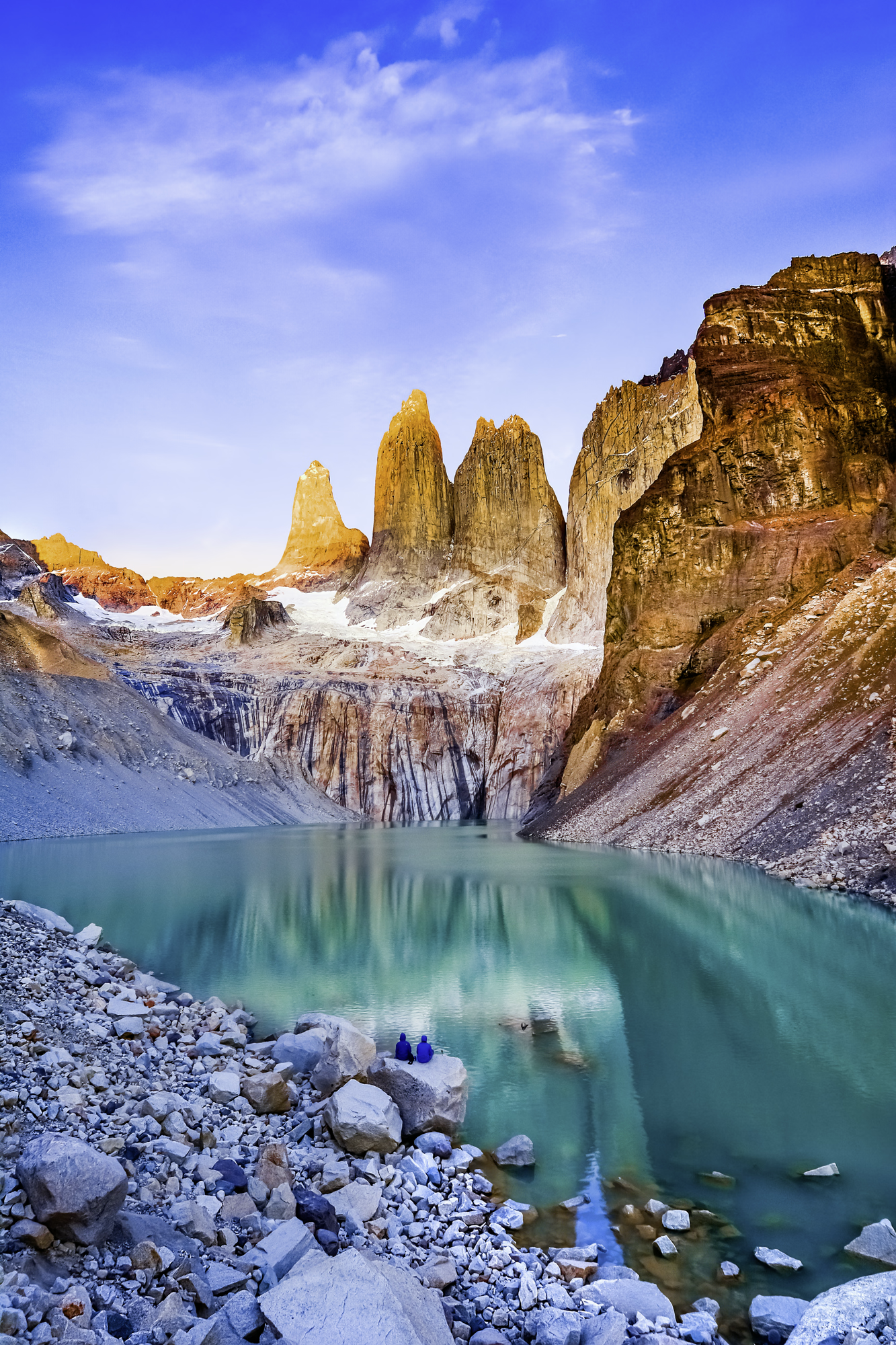
This demanding full-day route follows the Ascencio Valley before climbing a steep moraine to a glacial lake beneath the three granite towers. Weather and trail conditions affect every departure, and the hike is not required to enjoy the park.
See Grey Glacier
Grey Glacier descends from the Southern Patagonian Ice Field into a long lake on the park's western side. Boat navigation, viewpoints, and guided walks provide several ways to understand its scale without committing to a multi-day trek.
Explore the park's viewpoints
Salto Grande, Lake Pehoé, Laguna Amarga, and the Cuernos viewpoints can be linked through guided drives and shorter walks. This approach is particularly effective for photographers and travelers who want varied scenery without a single strenuous objective.
Look for Patagonian wildlife
Guanaco herds are common across the eastern steppe, while condors, foxes, rheas, and armadillos may appear throughout the park. Specialist outings focus on puma habitat, but sightings remain unpredictable and responsible guides keep appropriate distance.
Ride with Patagonian horsemen
Horseback routes cross estancia grasslands, river valleys, and private reserves beyond the busiest park trails. Local baqueano traditions connect the excursion to the ranching history that shaped southern Patagonia long before modern tourism.
Navigate the fjords from Puerto Natales
Boat journeys through Última Esperanza Sound reach the Balmaceda and Serrano glaciers, passing waterfalls, cliffs, and marine birdlife. These excursions reveal a maritime landscape that is not visible from the roads inside Torres del Paine.
Explore Puerto Natales
The waterfront, restored warehouses, small museums, and restaurants make Puerto Natales more than a transit point. It is also the best place to understand the region's sheep-farming, industrial, and maritime history.
Visit the Milodon Cave
This large natural cavern preserves evidence associated with extinct giant ground sloths and early human occupation. The surrounding reserve adds short trails and broad views across the Patagonian steppe.


Where to stay
Stay inside Torres del Paine National Park if immediate access to the trails and central viewpoints is the priority. Explora occupies a rare location on Lake Pehoé, reducing daily transfers and keeping the Paine Massif visible from the lodge.
Stay on the park's eastern side if privacy, wildlife, and personalized guiding matter most. Awasi Patagonia and Tierra Patagonia sit in open landscapes near Lake Sarmiento, where guanacos are common and the park can be explored through different entrances.
Stay near Lake Toro if you want a close-to-nature lodge with views across water and mountains. Patagonia Camp places luxury yurts within native forest outside the park boundary and runs a full menu of guided excursions.
Stay in Puerto Natales if restaurants, fjord excursions, and regional history are important. The Singular Patagonia occupies the restored Puerto Bories industrial complex just outside town and is useful before or after time in Torres del Paine.
Our favorite hotels
Explora Torres del Paine
Explora sits directly above Lake Pehoé with the Paine Massif filling the view beyond. The location inside the national park allows guided hikes and rides to begin close to the hotel rather than after lengthy daily transfers.
Awasi Patagonia
Fourteen private villas occupy a reserve overlooking the Torres del Paine landscape. Each villa receives its own guide and four-wheel-drive vehicle, allowing exploration to take place independently of larger group schedules.
Tierra Patagonia
A long, low structure follows the contours of the shore overlooking Lake Sarmiento and the Paine Massif. Floor-to-ceiling windows keep the landscape visible throughout Tierra Patagonia, with guided excursions included each day.
The Singular Patagonia
This 57-room hotel occupies a former cold-storage and meat-processing complex at Puerto Bories, now protected as a National Monument. The property has original industrial machinery, fjord views, a strong restaurant, and access to boat excursions.
Patagonia Camp
Yurts with private terraces look through native forest toward Lake Toro at Patagonia Camp. Guided excursions explore Torres del Paine by day, while the wooded lakeshore setting feels sheltered from the park’s more exposed terrain.
Best time to visit
October through April has the longest daylight and the broadest range of operating lodges and excursions. December through February is busiest and generally mildest, although strong wind, rain, and cold conditions can occur in any month.
October, November, March, and April often provide a strong balance of lower visitor numbers, active wildlife, and good lodge availability. Winter travel is possible on a limited basis, but many hotels close and snow or ice can restrict routes.
Pair it with
- Santiago & Central Chile for museums, restaurants, and the central valleys.
- Atacama Desert for salt flats, geysers, high-altitude lagoons, and astronomy.
- Lake District for volcanoes, forests, freshwater lakes, and hot springs.
- Chiloé Island for maritime culture, wooden churches, wetlands, and regional cuisine.
Getting there
Seasonal flights operate from Santiago to Puerto Natales, while Punta Arenas has more frequent year-round service. Lodges arrange private transfers from either airport, and travel time varies considerably according to the park entrance and hotel location.
Approximate travel times:
- Santiago to Puerto Natales (flight): approximately 3 hours 15 minutes
- Santiago to Punta Arenas (flight): approximately 3 hours 20 minutes
- Punta Arenas Airport to Puerto Natales: 3 hours
- Puerto Natales Airport to central Puerto Natales: 10 minutes
- Puerto Natales to Torres del Paine: 1.5 to 2.5 hours
- Puerto Natales to The Singular Patagonia: 10 minutes
Park tickets, lodge space, and major excursions should be arranged well in advance for the summer season. Most luxury properties package airport transfers, meals, and guided activities, which simplifies travel in a region with long distances and limited independent services.


Frequently asked questions
How many nights should I stay?
Four nights is the minimum we recommend for Torres del Paine, while five or six nights allow more flexibility for weather and a wider mix of hiking, wildlife, and boat excursions. Add another night in Puerto Natales if fjords or regional history are priorities.
Should I stay in Torres del Paine or Puerto Natales?
Stay in or near the park for the shortest access to trails and mountain viewpoints. Stay in Puerto Natales for restaurants, fjord navigation, and a more varied town experience. Some itineraries combine both.
Do I have to hike to Base Torres?
No. Base Torres is demanding and represents only one part of the park. Shorter walks, Grey Glacier navigation, wildlife outings, horseback riding, and scenic viewpoints reveal the landscape without requiring a full-day climb.
How fit do I need to be?
Patagonia works for a wide range of fitness levels when the lodge has a varied excursion program. Travelers should be comfortable walking on uneven ground, but routes can be selected from gentle nature walks to strenuous mountain treks.
Will I see pumas?
Pumas live in and around Torres del Paine, but sightings cannot be guaranteed. Specialist wildlife outings improve the chances, especially on the eastern steppe, while maintaining distance and avoiding disruption to the animals.
Is Patagonia suitable for families?
Yes, particularly for families with older children who enjoy hiking, wildlife, and outdoor exploration. Minimum ages vary for certain activities, and private guiding can help match each day to the family's ability and energy.
Do I need a guide?
We recommend guided excursions throughout the region. Guides monitor weather, trail conditions, and park access while adapting routes and explaining the geology, wildlife, glaciology, and ranching history behind the scenery.