Adobe towns under red mountains and an enormous desert sky

High-Desert Roads & Andean Villages

When to go

April-November

Trip length

15 days / 14 nights

Typical investmentPrice

from $8,350 pp

This 14-night journey explores Argentina’s northwest, where adobe towns, colored mountains, high-altitude desert and deep Indigenous history replace Patagonia’s ice and granite. Start in Buenos Aires, then travel by private vehicle through Salta, Cafayate, Cachi and the Quebrada de Humahuaca, with time built in to stop in the villages and landscapes along the way.

<iframe src="https://my.atlist.com/map/14cf7d90-c8f4-4daa-8c37-eb160b57d1f9?share=true" allow="geolocation 'self' https://my.atlist.com" width="100%" height="400px" loading="lazy" frameborder="0" scrolling="no" allowfullscreen id="atlist-embed"></iframe>

Along the way

Trip highlights

Layered red rock formations in an arid canyon.

A landscape that shifts from cactus forest to salt flats to canyons

Two hikers on a steep trail across an arid mountainside.

High-altitude torrontés wine and the Quilmes ruins

Plate of steak and vegetables served at a restaurant.

Adobe streets, weavers and Calchaquí countryside

Two people walking at the base of eroded orange rock formations.

The Quebrada de Humahuaca’s painted mountains and villages in red, ochre, and green

Your route

Day by day

A brief city beginning

Buenos Aires

Day 1: Arrival in Buenos Aires

Arrive in Buenos Aires and settle into your hotel. The rest of the day is free, a quiet start before the trip turns north into Argentina's high desert.

Day 2: Buenos Aires before the north

Explore a neighborhood, market, or museum with a private guide, keeping the afternoon light before tomorrow's flight north. One last taste of the capital before the landscape shifts entirely, from wide boulevards to red rock and altitude.

‍

Brightly painted buildings along the cobbled Caminito street.

Colonial plazas beneath dry mountains

Salta

Day 3: Fly to Salta

Fly north to Salta and settle near the historic center, where low colonial buildings sit beneath the dry Andean foothills. Known locally as Salta la Linda, the city moves at an easy, sun-warmed pace shaped by centuries of colonial and Indigenous history layered together.

Day 4: Salta's markets & history

Explore the city with a private guide, including a market and a museum that gives context to the region's Indigenous and colonial history. Stalls piled with peppers, herbs, and handwoven textiles tell the story of the northwest as vividly as any museum wall.

Day 5: Salinas Grandes salt flats

Drive into the high puna to Salinas Grandes, one of Argentina's largest salt flats, sitting above 3,400 meters, then return to Salta for the evening. The white stretches so far and so flat that the horizon seems to dissolve, broken only by distant volcanic peaks and impossibly blue sky.

Woman walking beneath a covered colonial arcade.

Red canyons & high-altitude vines

Cafayate

Day 6: Through the Calchaquí Valleys

Drive south through the red-rock formations of the Quebrada de las Conchas toward Cafayate, stopping often along the way. Wind and water have carved the canyon into shapes with names like the Devil's Throat and the Amphitheater, deep red against a cloudless sky.

Day 7: Cafayate & the valley floor

Spend the day with your guide exploring local food, high-altitude torrontés vineyards, and nearby villages, with the landscape setting the pace. Grown at elevations that would defeat most wine regions, Cafayate's torrontés carries a floral, unmistakable character found almost nowhere else.

Day 8: Quilmes & the Calchaquí past

Visit the Ruinas de Quilmes, one of the largest pre-Hispanic settlements in Argentina, then return to Cafayate for a slower afternoon among the vineyards. Stone terraces climb the hillside where the Diaguita people once resisted Inca and later Spanish conquest for decades, a history written into the rock itself.

‍

Autumn colored vineyard rows with mountains in the distance.

Stone roads to an adobe town

Cachi

Day 9: Across the high road to Cachi

Travel through mountain passes, cactus-covered slopes, and broad valleys toward Cachi, where whitewashed adobe streets sit beneath high peaks. Towering cardón cacti stand like sentinels along the roadside, some centuries old, as the road climbs toward one of the country's most remote and beautiful colonial towns.

Day 10: Cachi & the Calchaquí countryside

Walk the town and nearby landscapes with a local guide, with time for archaeology, crafts, or a rural lunch. Cachi's whitewashed church and cobblestone plaza sit against the snow-dusted Nevado de Cachi, a scene that has changed little in centuries.

Day 11: Seclantás & mountain villages

Drive to Seclantás, known for its weavers working on backstrap looms, and spend time with local artisans before returning to Cachi. This stretch of road is called the Ruta del Poncho, where families have passed down the craft of dyeing and weaving wool for generations.

Green adobe doorway set into a whitewashed wall.

Painted mountains & Quebrada villages

Purmamarca & Quebrada de Humahuaca

Day 12: North through Jujuy

Continue north toward Purmamarca, beneath the Cerro de los Siete Colores, and into the Quebrada de Humahuaca, a long mountain corridor lined with colored rock and highland settlements. Streaks of red, ochre, green, and purple run across the hillside in bands, mineral layers laid down over millions of years.

Day 13: Villages of the Quebrada

Visit Tilcara, Uquía, or nearby communities with a private guide, focusing on local history, textiles, food, and archaeological context. This UNESCO-listed valley has been a crossroads for Andean cultures for thousands of years, and its ancient pucará fortresses and colonial churches still hold that layered history.

Day 14: High-desert viewpoints

Spend a final day among the northern landscapes, with the route chosen around altitude, road conditions, and your group's interests. Few places in Argentina feel as far from anywhere else as this high, wind-scoured corner of the Andes.

Day 15: Departure

Return toward Salta or Jujuy for onward travel, the red rock and salt-white horizons of the northwest now part of the journey's memory.


Full moon rising above an orange ridge and village at dusk.

Where will your story take you?

Let's discover your next adventure

Our top picks

Where to stay

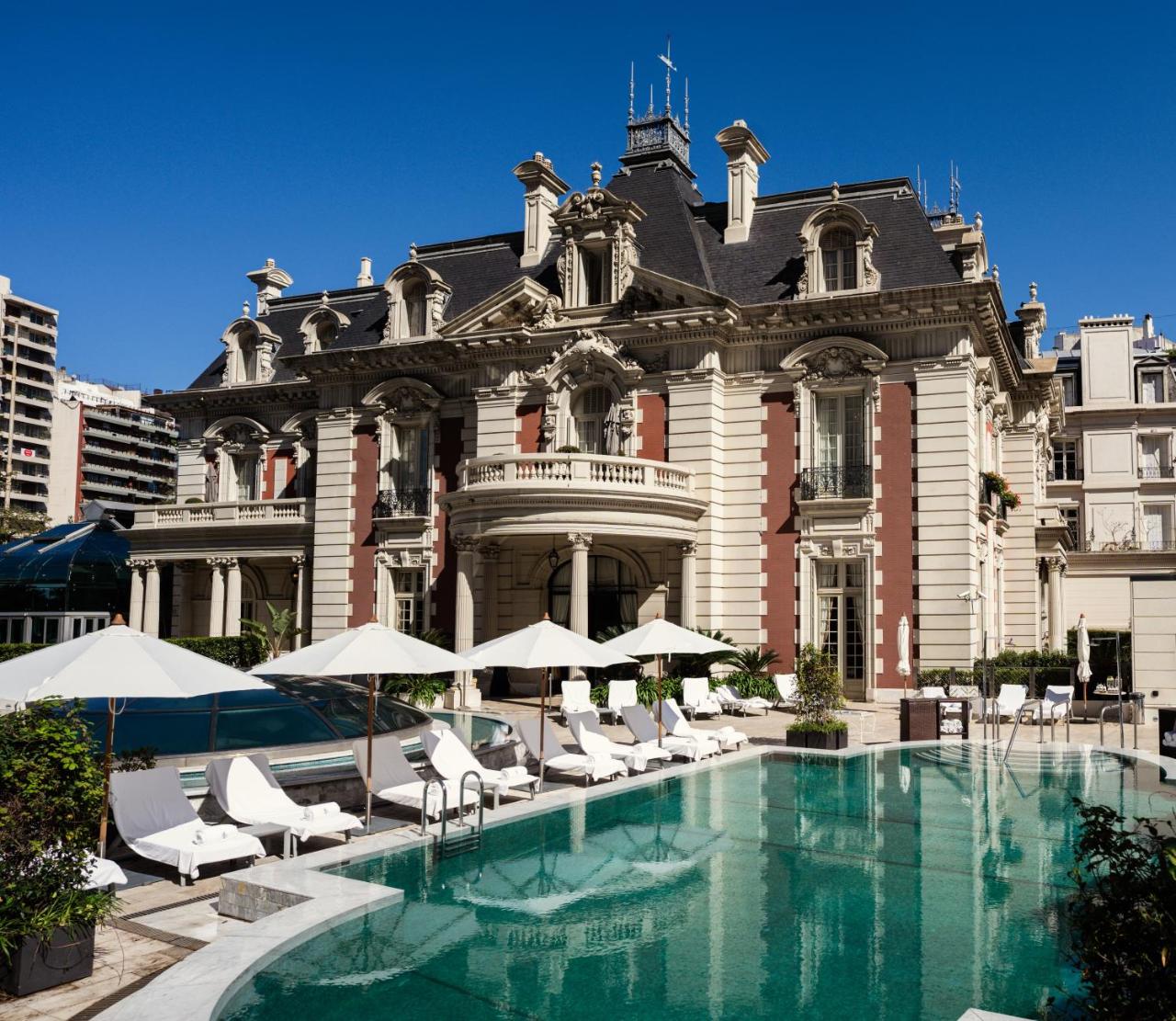
Four Seasons Buenos Aires

Four Seasons Hotel Buenos Aires

Four Seasons Hotel Buenos Aires combines 165 rooms and suites in a contemporary tower and the restored early-20th-century La Mansión in Recoleta. A garden pool, spa, steakhouse, asado restaurant, and 49 suites make it the city’s most complete classic luxury hotel.

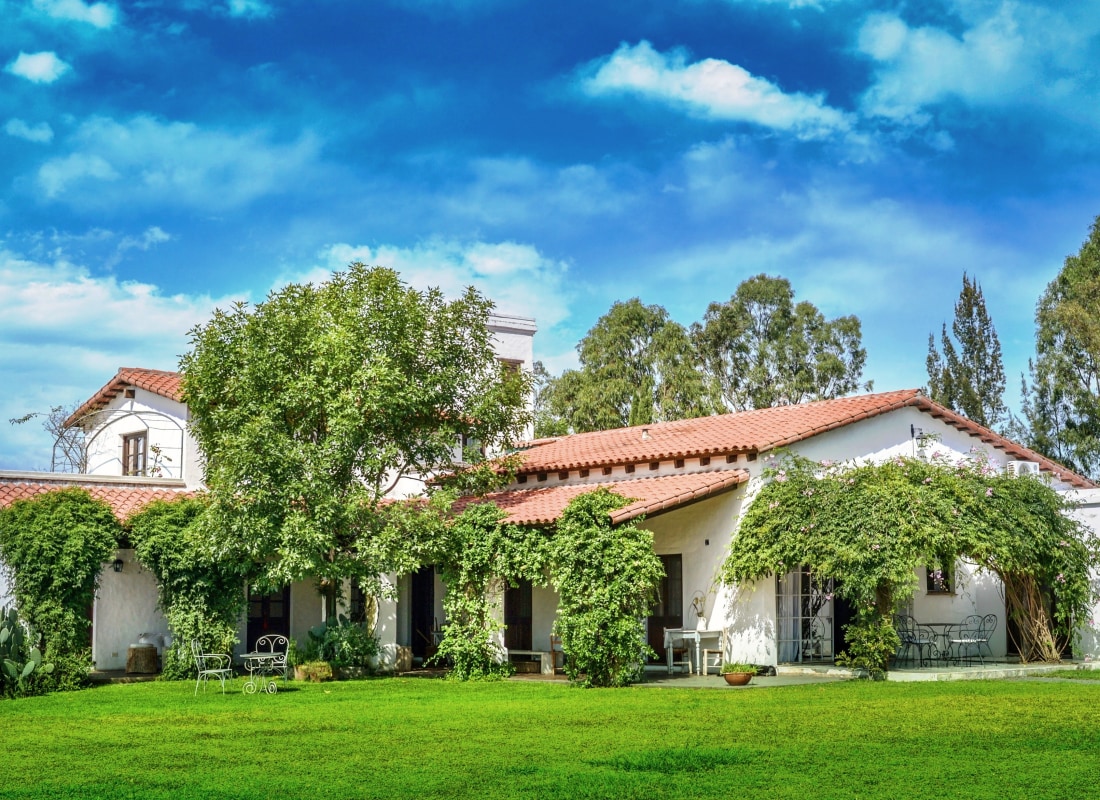
Finca Valentina

Finca Valentina

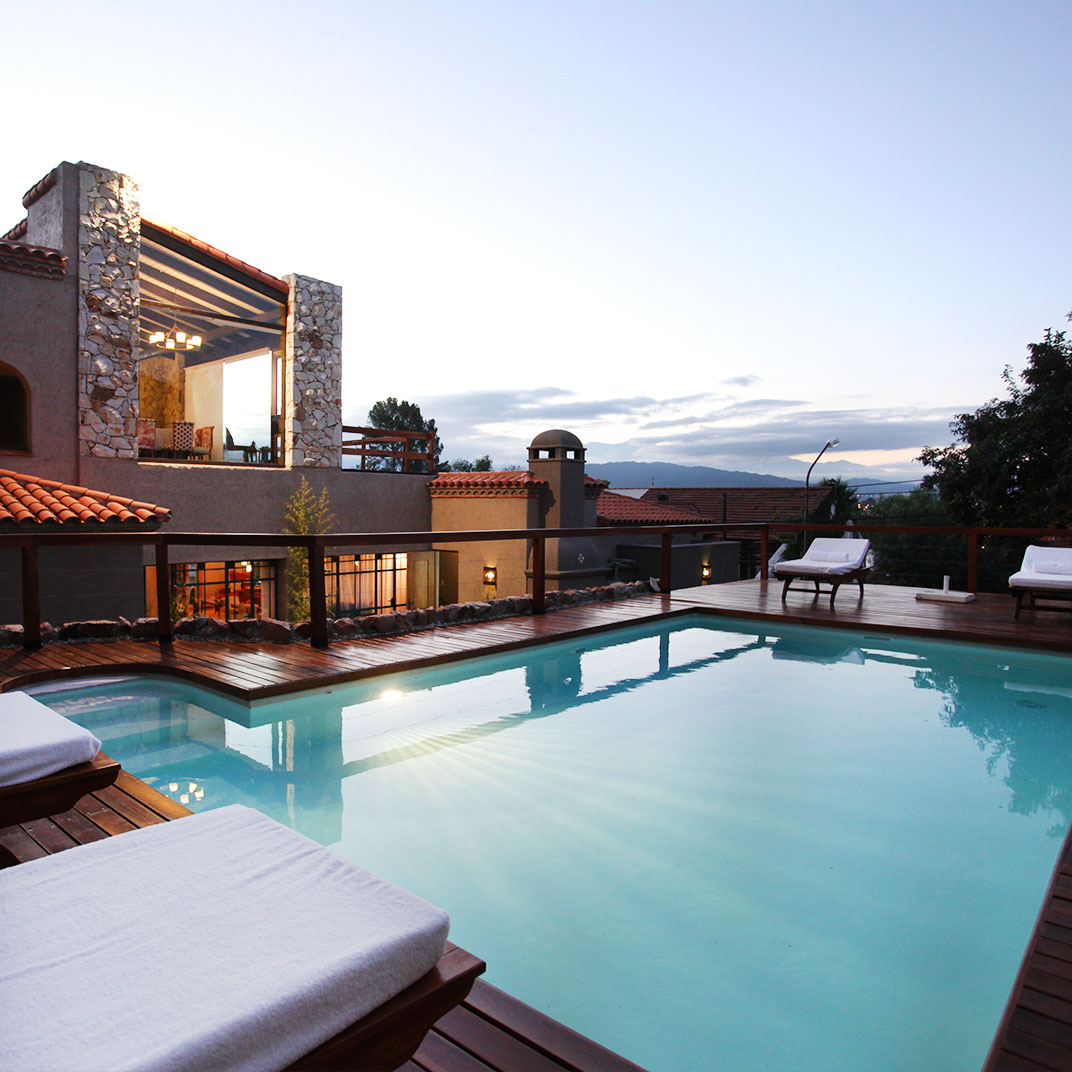
Finca Valentina spreads nine rooms and a private family villa through gardens outside Salta. A restored country house, outdoor pool, Andean textiles, home-style dining, bikes, and easy airport access create a relaxed northwest base without the scale of an estancia resort.

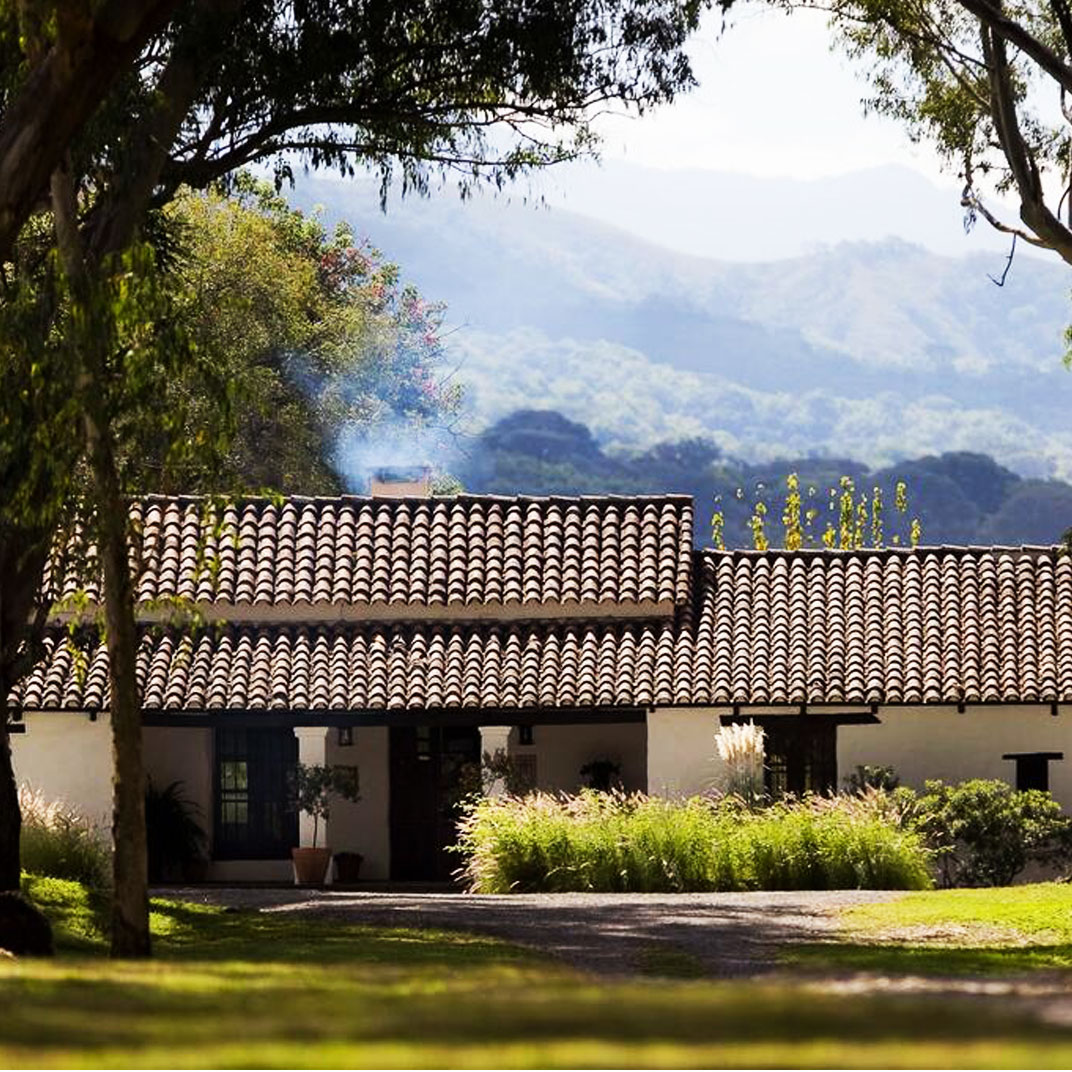
House of Jasmines

House of Jasmines

House of Jasmines places 14 rooms and suites across a century-old estancia outside Salta. Jasmine gardens, Andes views, a 300-square-meter spa, outdoor pool, riding, cooking, and regional dining create a more complete countryside stay than a small guesthouse.

Pristine Salinas Grandes Luxury Camp

Pristine Salinas Grandes Luxury Camp

Pristine Salinas Grandes Luxury Camp has six geodesic suites on the high-altitude salt flats of Jujuy, 70 kilometers from Purmamarca. Full-board programs include regional cuisine, local wines, stargazing, salt-pool visits, and a final transfer from Tres Morros; Premium Suites add a heated outdoor bathtub in season.

Kkala Hotel Boutique

Kkala Hotel Boutique

In-room jacuzzi tubs in its Deluxe rooms and Suite, paired with a heated outdoor pool set into the hillside with valley and hill views — an unusually spa-leaning amenity set for a 10-room boutique property, delivered through room features rather than a dedicated spa building. There's no on-site restaurant; the jacuzzi is a feature of only 3 of the 10 rooms rather than a shared spa; the hotel sits outside the walkable historic center, so getting downtown means a taxi or hotel transfer; and the small property has level changes and no elevator, worth noting for reduced-mobility guests.

Grace Cafayate

Grace Cafayate

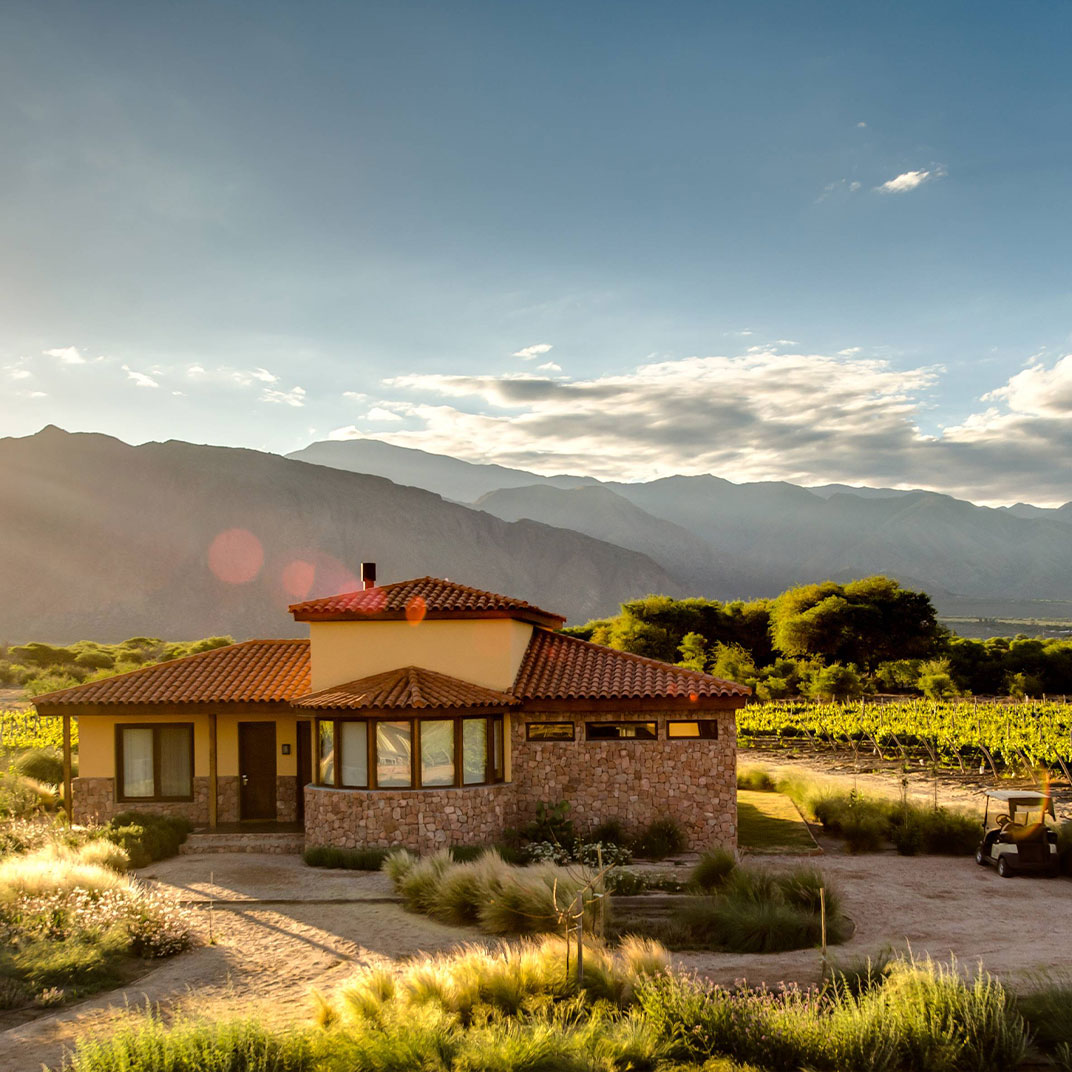
Grace Cafayate sits just outside town, looking across the vineyards toward the Andes. Indoor and outdoor pools, a spa, and a mix of rooms, suites, and villas make it a polished base for a few days in the Calchaquí Valleys.

Hotel El Manantial del Silencio

El Manantial del Silencio

El Manantial del Silencio sits 3.5 km outside Purmamarca, with adobe-style walls, timber beams, and courtyards framing views toward Cerro de los Siete Colores. A dedicated spa gives the property more of a retreat feel than most hotels in the Quebrada de Humahuaca.

Let’s start planning

Get a quote

Tell us a little about your plans. We’ll be in touch to talk through this trip with you.

Choose dates or select flexible

We’ll use your details to respond to your enquiry. Read our Privacy Policy.

Thank you! Your submission has been received!
Oops! Something went wrong while submitting the form.