


Mexico is best experienced with an appetite in tow. Here, food is history, ritual and connection, all on one plate – from the earthy masa of a tortilla pressed by hand to the precise plating of a Michelin-starred dish. To eat here is to taste the country’s culture itself.
And every region tells its own story. In Mexico City, tacos al pastor carry the legacy of Lebanese immigrants. In Oaxaca, moles hold layers of technique, memory and celebration. On the Yucatán Peninsula, achiote, sour orange and habanero lead straight back to the Maya. You’ll taste these stories as much as hear them.
Think of this guide as part culinary itinerary, part cultural immersion. Whether you start in a crowded market or finish in a candlelit dining room on the edge of the jungle, Mexico asks only one thing of you: pay attention to what’s on your plate, and where it came from. ¡Buen provecho!
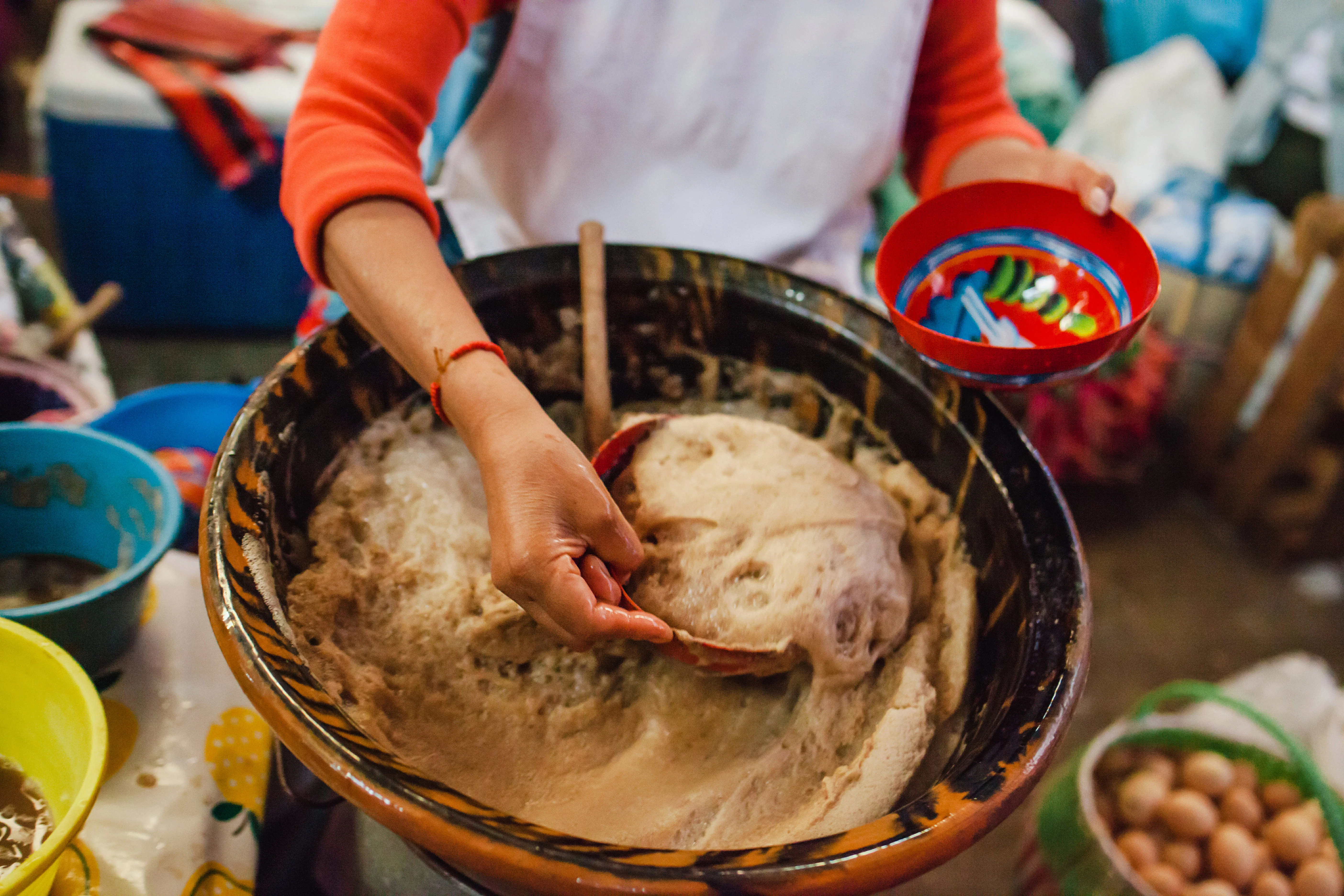
Ancient roots, modern tables
It all starts with corn. Long before the Spanish arrived, Maya, Mexica, Zapotec, Mixtec, Purépecha and many other Indigenous communities were growing maize, beans, squash, chiles, tomatoes, cacao, vanilla and the herbs that still define regional cooking today. Maize became masa through nixtamalization – cooking dried corn with an alkaline solution before grinding it – and masa became tortillas, tamales, atole and just about everything in between.
Then came the Spanish, with pigs, cattle, dairy, wheat, rice and sugar. Trade routes later added ingredients and techniques from Africa and Asia. Over the centuries, each region folded those influences into its own kitchen, so a flour tortilla in Sonora, a recado in Yucatán and a mole in Oaxaca each come from a completely different history.
In 2010, UNESCO added traditional Mexican cuisine to its Representative List of the Intangible Cultural Heritage of Humanity. The honor recognized a whole way of life around food: farming, ritual, community knowledge, cooking techniques and the passing down of traditions, with Michoacán as its central example.
Knowing those roots makes every meal richer. A street taco and an elegant tasting menu might look worlds apart, but they often start with the very same corn, chiles, herbs and techniques.

First stop: Mexico City, the capital of flavor
Start in Mexico City, where past and present share the same plate. Yes, it’s huge, and that’s exactly the point. Regional cooks, ingredients, markets, taquerías, bakeries and ambitious restaurants all come together in one sprawling, delicious capital.
Street food rituals
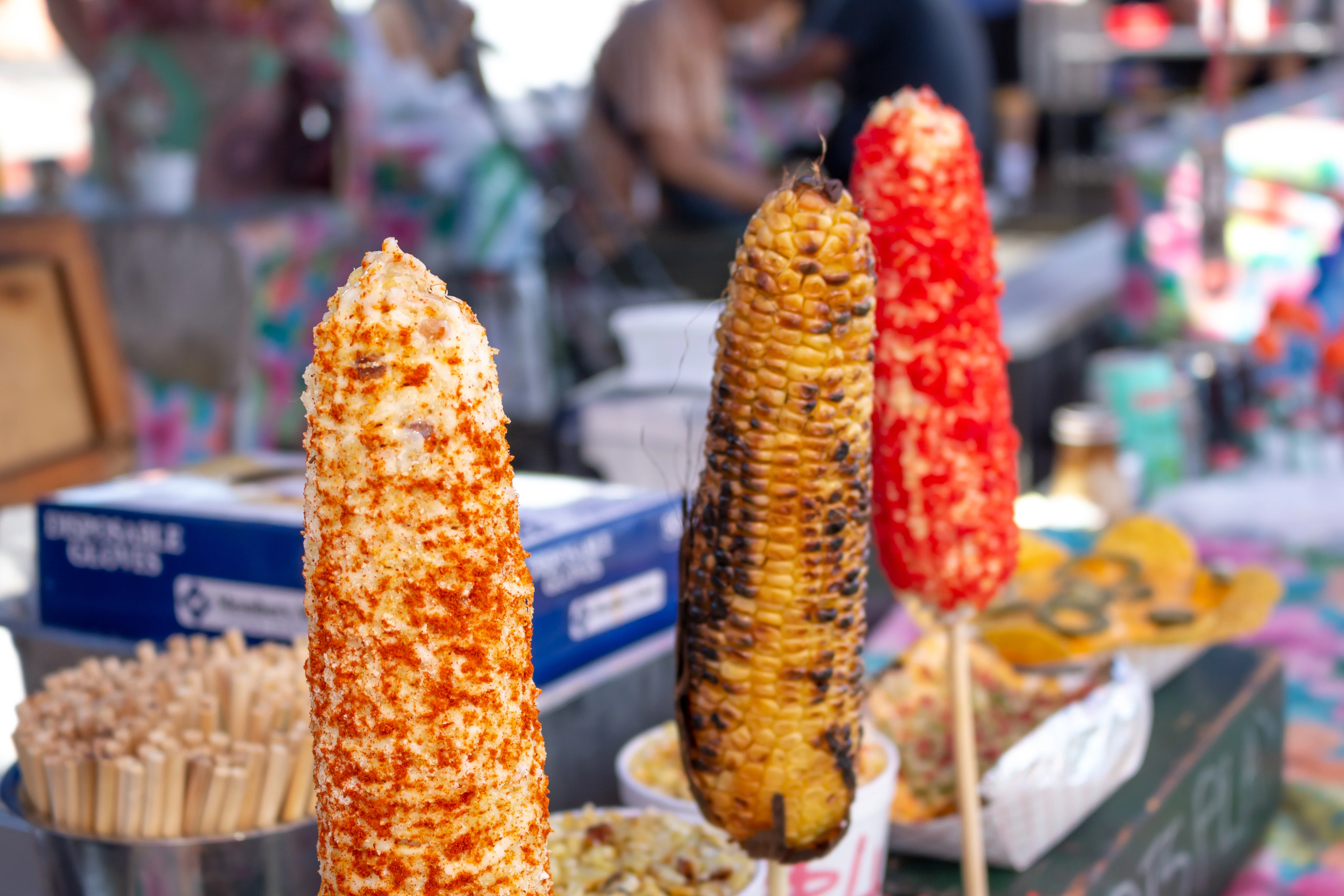
Late-night tacos al pastor, carved straight from a vertical spit, trace their roots to Lebanese shawarma. Tlacoyos – thick masa cakes filled with beans, fava beans or requesón – go back much, much further. Tamales emerge from steaming pots in the morning, and after dark the elote and esquites carts roll back out. Pace yourself.
Markets with a purpose
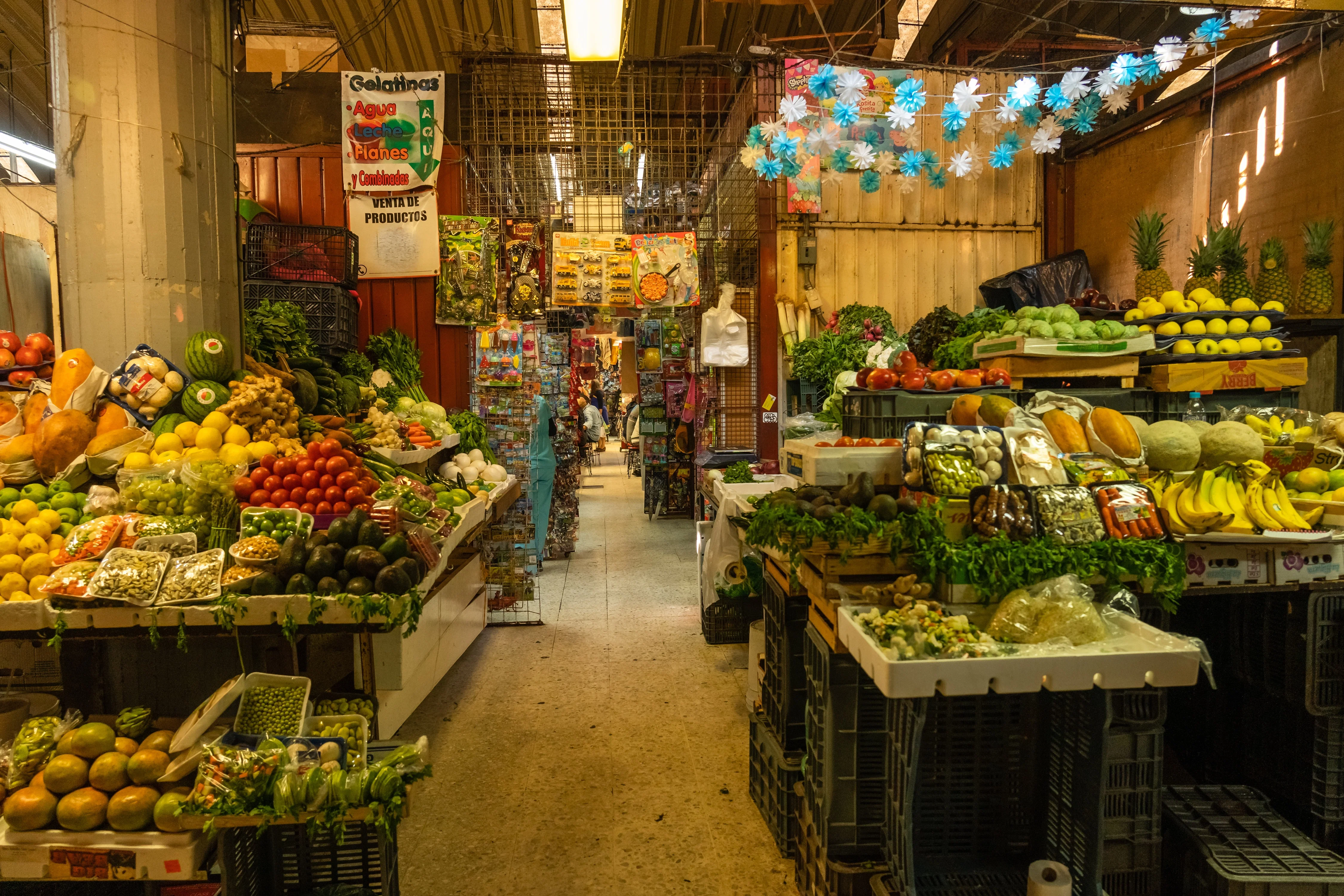
La Merced is vast, busy and best explored with someone who knows its corners. Mercado de Coyoacán makes an easier first market, with daily shoppers and visitor-friendly stalls side by side. We love fitting in a guided market walk early in the trip. Once you can spot the chiles, herbs, fruits and masa-based foods, you’ll recognize them everywhere you go.
Modern dining icons
At Pujol, the mole madre has been continuously renewed for more than a decade. Quintonil builds its menus around Mexican ingredients and close relationships with its producers. Both hold two Michelin stars in the current selection, with Sud 777 among the city’s one-star dining rooms.
Mexico City is the perfect introduction, because street food, neighborhood restaurants, markets, bakeries and formal tasting menus all fit into the same itinerary. Book the hardest tables early, and save a few nights for tacos on a plastic stool. Trust us.
Oaxaca: a pilgrimage of mole, masa, and mezcal
Oaxaca is often called the culinary heart of Mexico, and one visit is all it takes to see why. Indigenous communities, mountain valleys, tropical lowlands and coastal towns, each with its own growing conditions, have created a cuisine with extraordinary range.
Moles with different histories
Oaxaca is famous for its moles: negro, coloradito, amarillo, rojo, verde, chichilo and manchamanteles. Think of the well-known list of seven as a starting point rather than the full story. Recipes change from household to household, town to town and cook to cook, and mole negro is one expression of a much bigger tradition.
Tlayudas after dark
A tlayuda starts with a large tortilla, toasted until crisp at the edges but still soft enough to fold. It may be spread with asiento and beans, then piled with quesillo, cabbage, salsa and meat. Eat yours at a night market or open-air stand, with smoke rising from the comal and everything assembled to order. That’s a tlayuda at its best.
Agave traditions
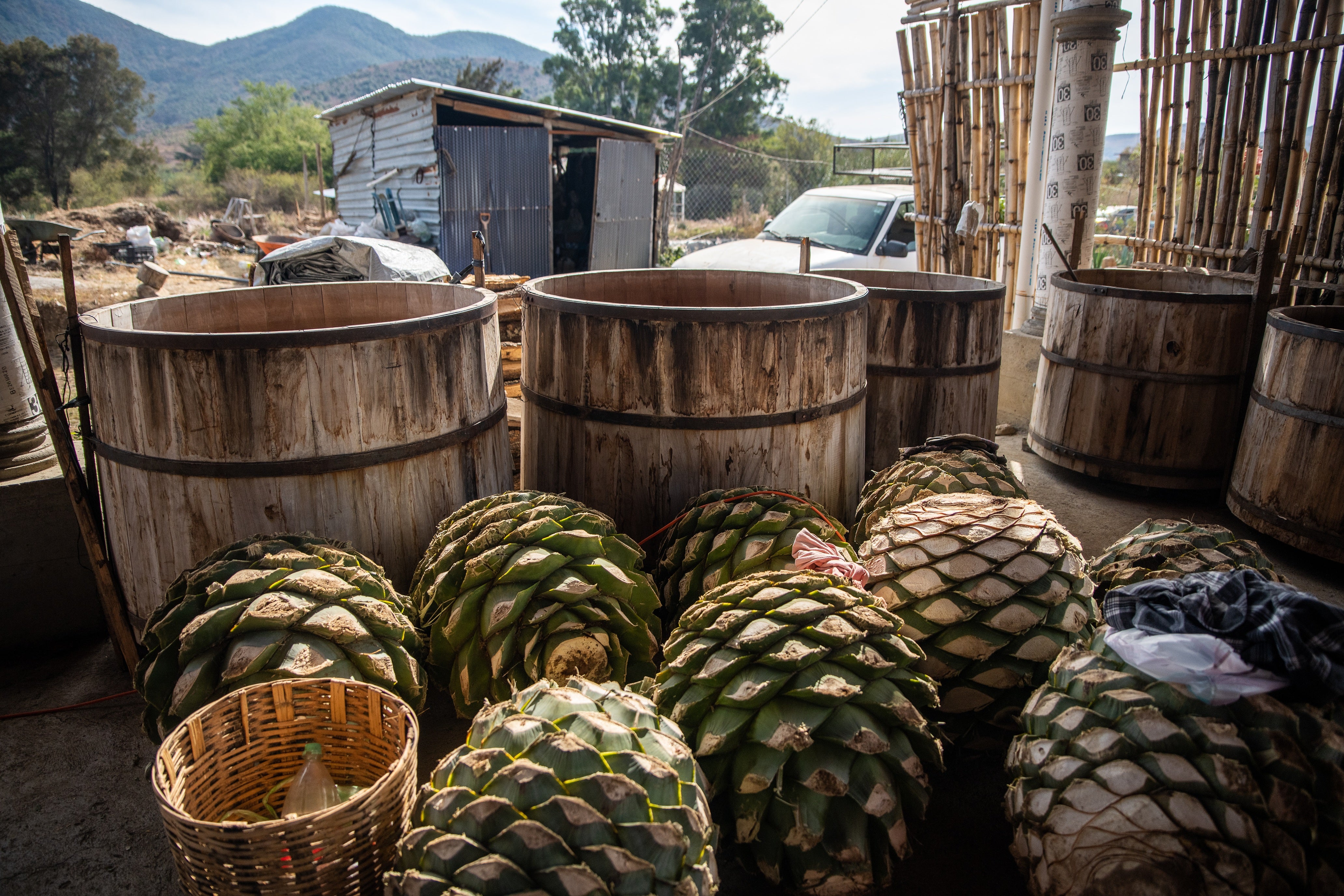
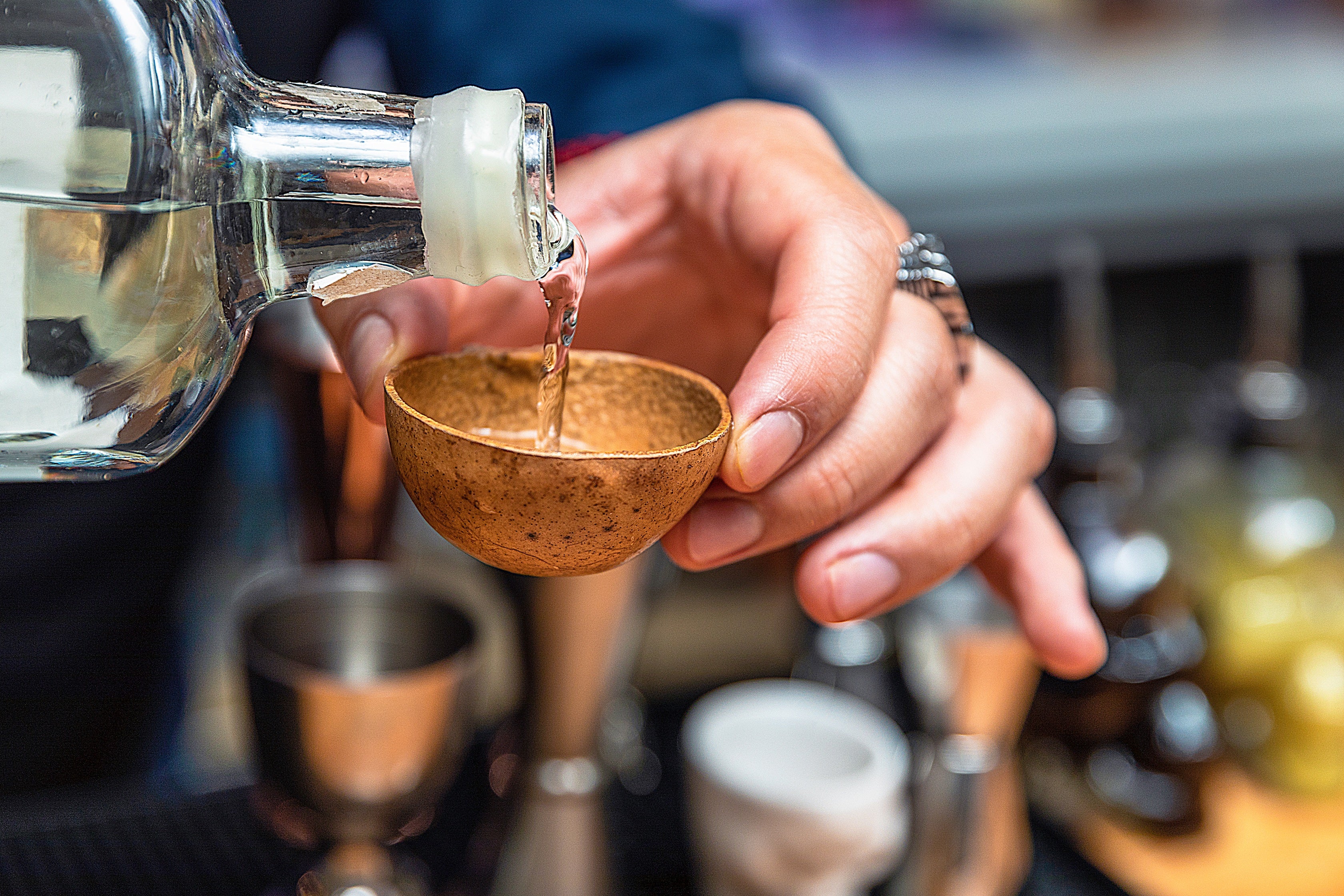
Head out of the city to a small palenque and you’ll see the work behind every sip of mezcal: harvesting mature agave, roasting the piñas in earthen pits, then crushing, fermenting and distilling in small batches. The real treat is learning how species, soil, altitude, fermentation and the producer’s own choices change the spirit in your glass. ¡Salud!
Cooking classes, market visits, cacao workshops and meals with local cooks make Oaxaca so much richer than a string of restaurant reservations. Give it at least four nights, and more if you’re adding villages or an agave-producing community outside the city.

Yucatán Peninsula: Maya foundations and layered history
Tropical heat and deep Maya heritage have given the Yucatán Peninsula one of Mexico’s most recognizable regional cuisines. Achiote, sour orange, habanero, pumpkin seed, turkey, maize and recados star in dishes that taste worlds away from central Mexico.
Cochinita pibil
If one dish sums up the region’s layered history, it’s cochinita pibil. The pibil technique – cooking food in an earth oven – is pre-Hispanic, while the pork and sour orange arrived later. Today’s version brings those histories together: achiote-marinated pork, cooked low and slow until tender.
Everyday staples
Panuchos are tortillas filled with black beans, fried, then topped with turkey or pork, pickled onion and vegetables. Salbutes are their lighter cousins: puffed tortillas with crisp edges. Add sopa de lima, relleno negro, papadzules and regional sweets, and there’s far more to explore than one famous dish.
Heat and balance
Habanero is central here, and it plays well with others. Citrus, tomato, pickled onion, tropical fruit and pumpkin seed bring acidity, sweetness and richness to balance out the heat.
Mérida makes the obvious base, but some of the most memorable meals happen in villages, markets, haciendas and smaller towns. Pair your city dinners with at least one experience that puts the food back in its farming or family context.
Northern Mexico: fire, flour, and ranching traditions
Head north and the landscape changes, and so does the pantry. Vast distances, ranching, wheat fields and desert conditions gave rise to cuisines built around beef, goat, dried meat, cheese, flour tortillas and open fire.
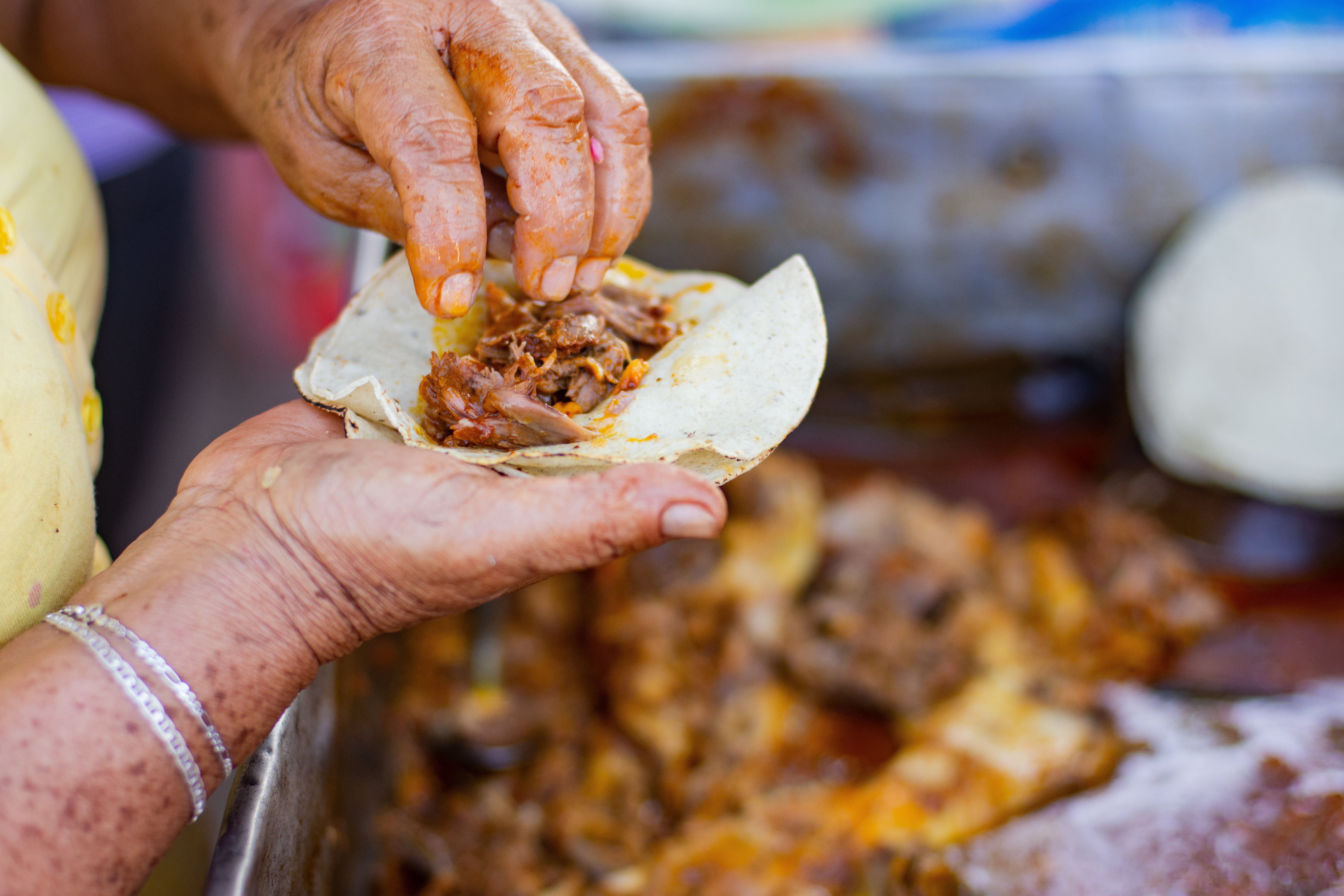
Here, carne asada is as much a gathering as a meal. In Sonora, flour tortillas can be so thin they’re nearly translucent, and they matter just as much as the grilled meat they wrap. Nuevo León is known for cabrito and a long ranching tradition, Chihuahua for its cheeses and dried meat, and Coahuila for one of the oldest wine histories in Mexico.
And there’s so much more to the north than steak. Regional breads, beans, preserved foods, cheeses and salsas show how cooks adapted to the climate and the distances. Monterrey, Saltillo, Chihuahua City, Hermosillo and the border communities each serve up their own take on northern cooking.
Pacific coast and Baja California: seafood close to its source
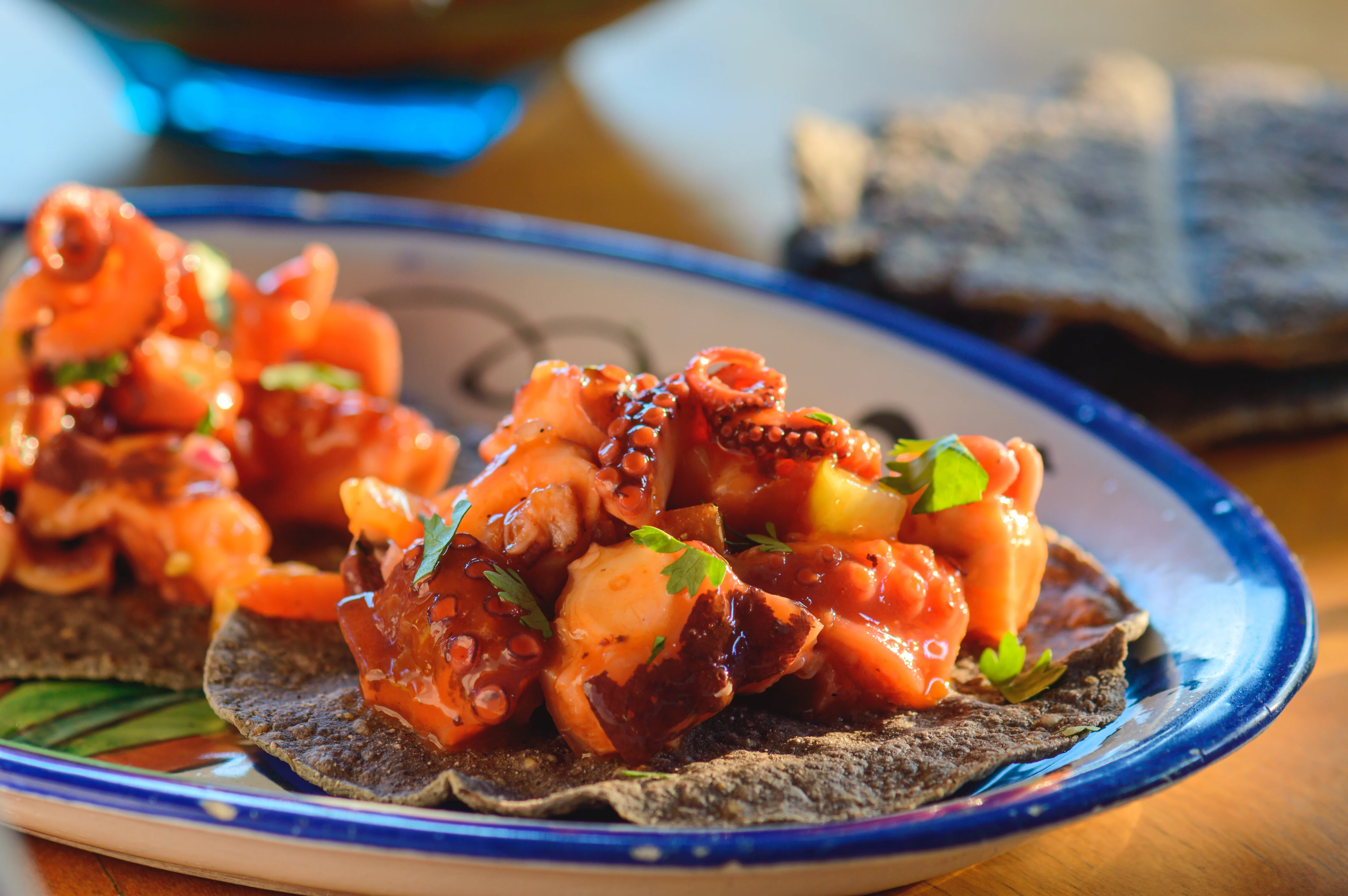
Along Mexico’s Pacific coast, the menu follows the tide. Fish tacos in Ensenada are crisp and simple. Aguachile, closely tied to Sinaloa, is all lime, chile and very fresh seafood. In Nayarit, pescado zarandeado is split open and cooked over fire, and farther south, coastal Oaxaca and Guerrero bring their own chiles, herbs and seafood traditions to the table.
Baja California has become one of the most exciting food regions in the country, with the sea, farms, vineyards and border influences all close together. In a single day, you can go from tacos at a simple stand to shellfish by the water to dinner among the vines of Valle de Guadalupe. Sound like a good day? We think so.
The valley’s restaurant scene moves fast, so the best reservation is often a kitchen cooking from the farms and fisheries around it, rather than the most famous name. And book a driver for days with several stops along rural roads.
Festivals and seasonal tastes
Some foods are worth planning a trip around. Pan de muerto appears in the weeks before Día de los Muertos, on family altars as much as bakery counters. Chiles en nogada belong to late summer and the Independence season, when walnuts and pomegranates are in. And tamales take center stage around Christmas, Candlemas on February 2, and countless local celebrations.
These foods carry real meaning: family, faith, the farming calendar and regional pride. A market tour, a bakery visit or a meal with a local cook will tell you far more about them than any themed restaurant event.
Drinks that tell a story
Aguas frescas made with hibiscus, tamarind, lime or seasonal fruit cool down a hot market afternoon. Atole and champurrado bring masa and cacao to the breakfast table on cooler mornings. Chiapas is one of Mexico’s major coffee-growing regions, and Tabasco and Chiapas both carry deep cacao histories.
For the grown-ups, agave spirits and wine add another layer. Tequila is tied to designated regions and blue agave, while mezcal spans a far wider range of agave species and production areas. Valle de Guadalupe is Mexico’s best-known wine country, though Coahuila, Querétaro, Guanajuato and other regions have established wineries of their own.
From market stalls to Michelin stars
Mexico’s modern dining scene belongs on the same trip as its markets and street food. The current Michelin selection reaches well beyond Mexico City to Oaxaca, Baja California, Nuevo León, Quintana Roo and other regions, giving international recognition to restaurants that Mexican diners and chefs have celebrated for years.
The best contemporary kitchens wear their sources proudly. Native corn, regional chiles, wild herbs, seafood, fermentation and fire stay recognizable, even when the presentation changes. That’s fine dining at its most exciting: when it adds to the conversation around traditional food.
Designing your culinary itinerary
The best food trips balance a plan with an appetite. Lock in one or two reservations that really matter to you, then leave plenty of room for markets, neighborhood spots, bakeries and the tips you’ll pick up once you arrive.
Three ways to build a food-focused Mexico trip
| Route | Length | What you’ll taste | Planning note |
|---|---|---|---|
| Mexico City and Oaxaca | 7 to 9 nights | Street food, markets, moles, tlayudas, contemporary dining, cacao, and agave traditions. | Use a short flight between the cities. Reserve major tasting menus early, then leave room for markets and spontaneous meals. |
| Mérida and the Yucatán Peninsula | 7 to 10 nights | Cochinita pibil, panuchos, salbutes, sopa de lima, seafood, recados, and regional sweets. | Combine city meals with villages, markets, haciendas, and archaeological sites. Midday heat affects how much can fit into one day. |
| Baja California and Valle de Guadalupe | 5 to 7 nights | Fish tacos, shellfish, open-fire cooking, farm produce, and vineyard restaurants. | A private driver is useful in the valley. Spread the long tasting meals across different days. |
Book a street-food or market tour near the start of your trip, and the context will make every meal that follows taste better. Spread your tasting menus across different days, and save them for when you’ve recovered from a long flight or road transfer.
Mexico is far too big for one food trip, so pick a regional loop and go deep. Choosing family-run kitchens, local producers, market vendors and community-based experiences keeps more of what you spend in the places keeping these traditions alive.
The last word
A culinary journey through Mexico is an education in culture, history and hospitality. From the depth of an Oaxacan mole to the brightness of Yucatecan salsas, the smoke of a northern grill and the polish of Mexico City’s dining rooms, every region tells its story through flavor.
Mexico’s cuisine is a living map. Follow it with curiosity, and you’ll come home well fed, with a clearer picture of how geography, migration, farming, family and ritual made the country what it is today.
To eat in Mexico is to taste history itself.
Planning a culinary trip with Osaviva
We plan private Mexico journeys around the regions and food traditions you’re most excited about. Think boutique hotels, local guides, market visits, cooking classes, private transfers and the restaurant reservations worth having. We weave it all into a route that leaves plenty of room for appetite and spontaneity.
It all starts with a free 30-minute call to talk about who’s traveling, when, where you’d love to go, what matters most and your budget. Prefer to skip the call? For a $75 planning fee, we’ll go straight to a written, priced sample itinerary, and the $75 is credited toward your trip when you book.

