


At Lapa Rios on Costa Rica’s Osa Peninsula, the rainforest is both the reason for the stay and the land the lodge protects. Its reserve covers more than 1,000 acres of primary and secondary forest. Guided walks take guests into that landscape, and a naturalist guide school creates opportunities for young people from surrounding communities.
That is the kind of detail we want behind a hotel’s sustainability story: a place, a project, and people doing the work. Across Latin America, responsible travel becomes more tangible through the lodge you stay at, the person leading a visit, and the businesses you spend time with.
A hotel with more to tell
Land conservation is one part of the picture. A kitchen buying from nearby farms, drinking-water refill stations, and local training programs tell you about the daily operation too. Lapa Rios describes its conservation work and community initiatives alongside the experience guests book.
When we assess a property, those details sit beside the room, the location, and the guiding. A sustainability label alone gives us much less to work with than an explanation of what the hotel does.
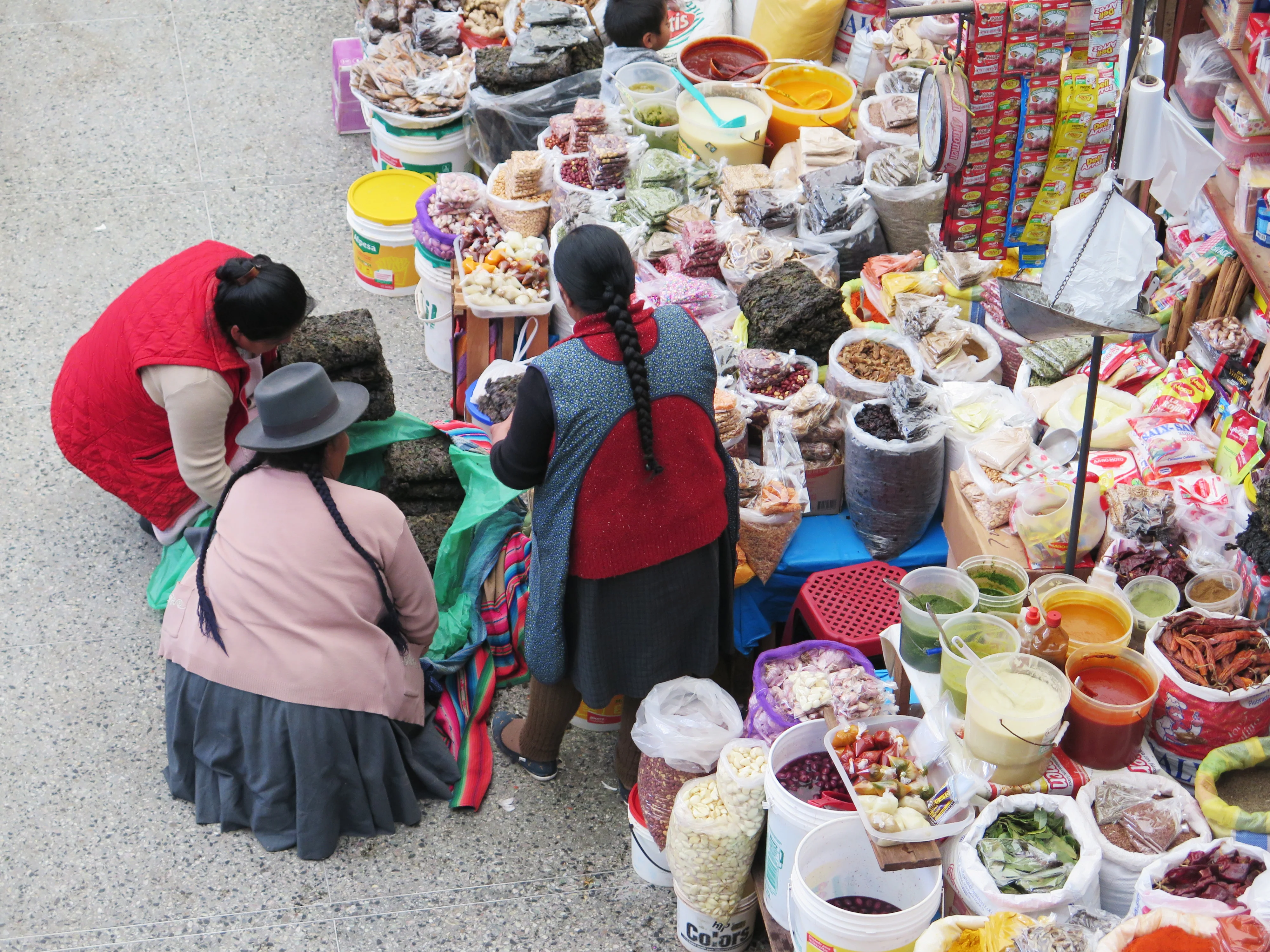
Lunch, coffee, and the person who made it
A Costa Rican soda might serve rice, beans, plantains, and the day’s choice of protein. A coffee farm visit brings the grower into a drink you probably have every morning. At a weaving workshop, the person demonstrating a technique can explain the work behind the textile you take home.
These experiences put faces and names to a place. The ownership and payment arrangements matter too, which is why we look at who runs the visit and who receives the fee. Our Guatemala article looks more closely at Indigenous-led travel.
Wildlife in its own surroundings
A sloth high in a tree can be difficult to spot until a guide positions a scope. Then the claws, coat, and slow movement become visible without bringing the animal any closer. The same principle runs through a forest walk or a reef visit: a knowledgeable guide helps you see more from the right position.
Permitted trails and wildlife-viewing rules are part of the excursion, with the guide explaining them for the particular site.
A few things worth packing
A reusable bottle for hotel drinking-water refills, a market tote, and a dry bag for boat transfers all have straightforward uses on a Latin American trip. Solid toiletries can reduce bottles and leaks in the suitcase. The equipment you already own is a sensible place to start.
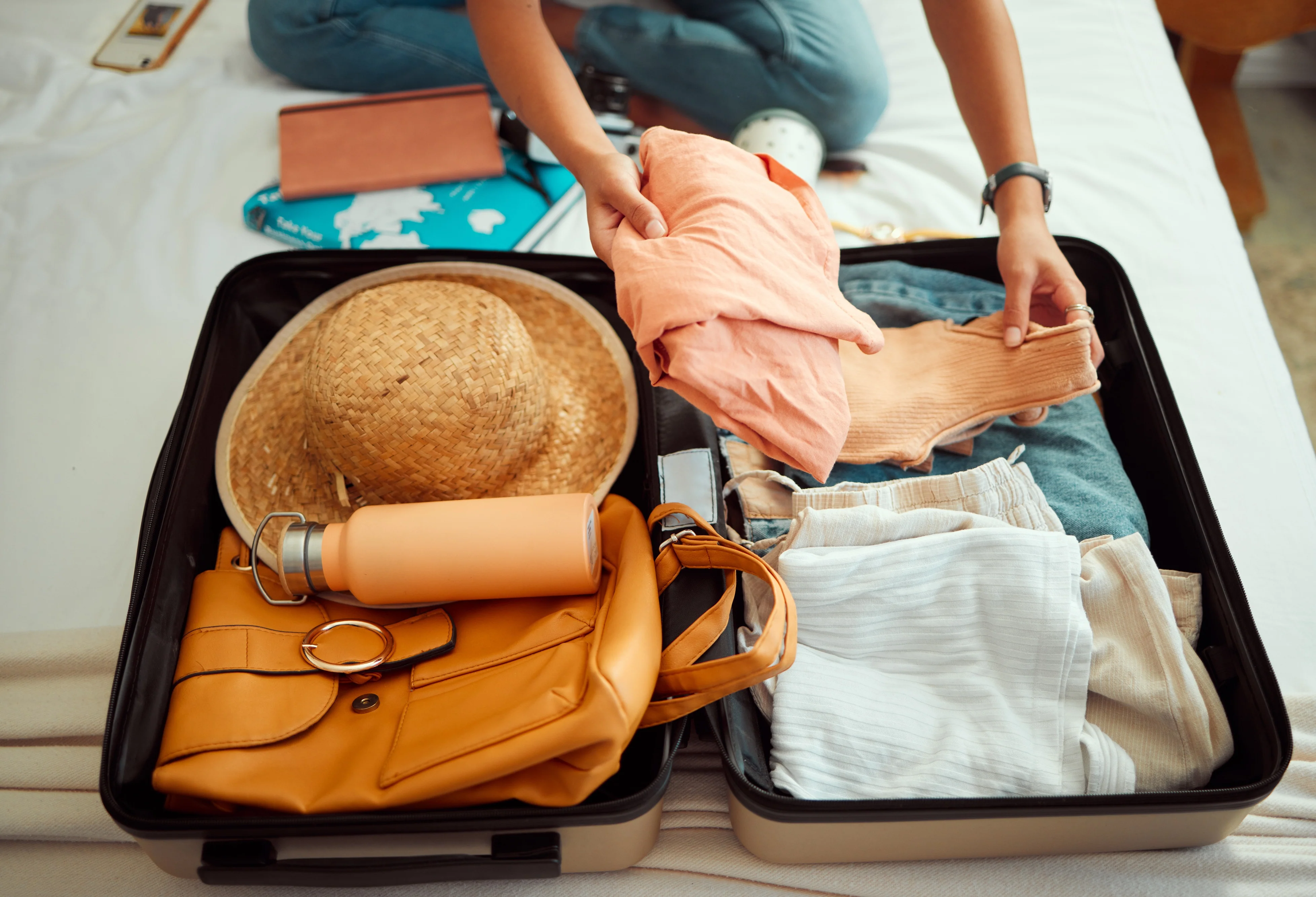
For days on the water, a sun shirt provides coverage without washing product into the sea. Sunscreen still matters for exposed skin, with product rules depending on the site. NOAA’s guidance explains the relationship between sun protection and marine environments.
Insect repellent belongs on the packing list too. The CDC recommends EPA-registered repellents and protective clothing; product directions determine appropriate use. We send practical preparation advice for the places on your itinerary.
Part of planning the trip
Our priorities include local vendors, vetted partners, fair pay, environmental practices, and cultural respect. Those priorities influence which hotels, guides, and experiences we recommend. They become part of the trip through specific choices, from a lodge protecting its surrounding forest to a workshop led by the people whose craft you came to see.