


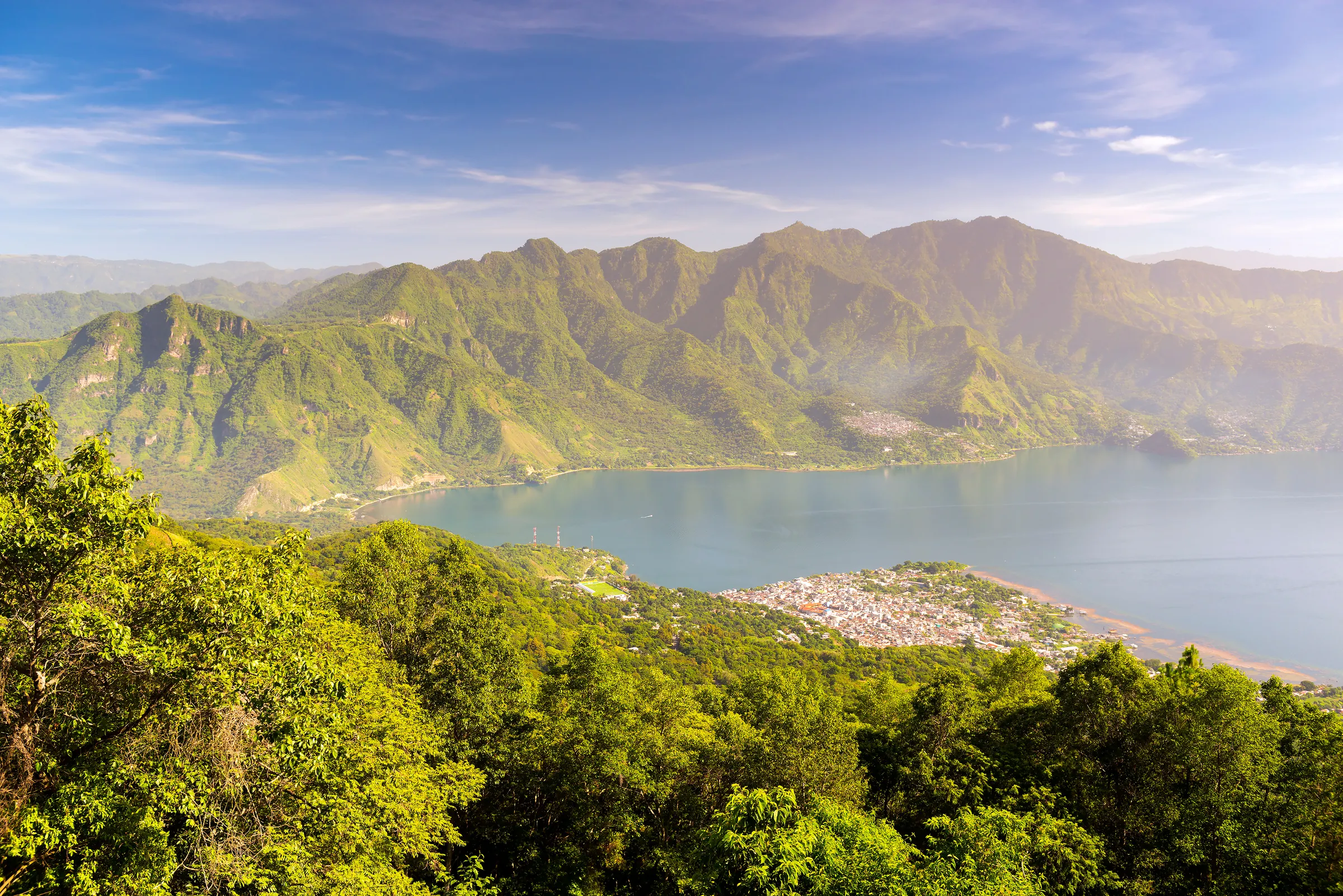
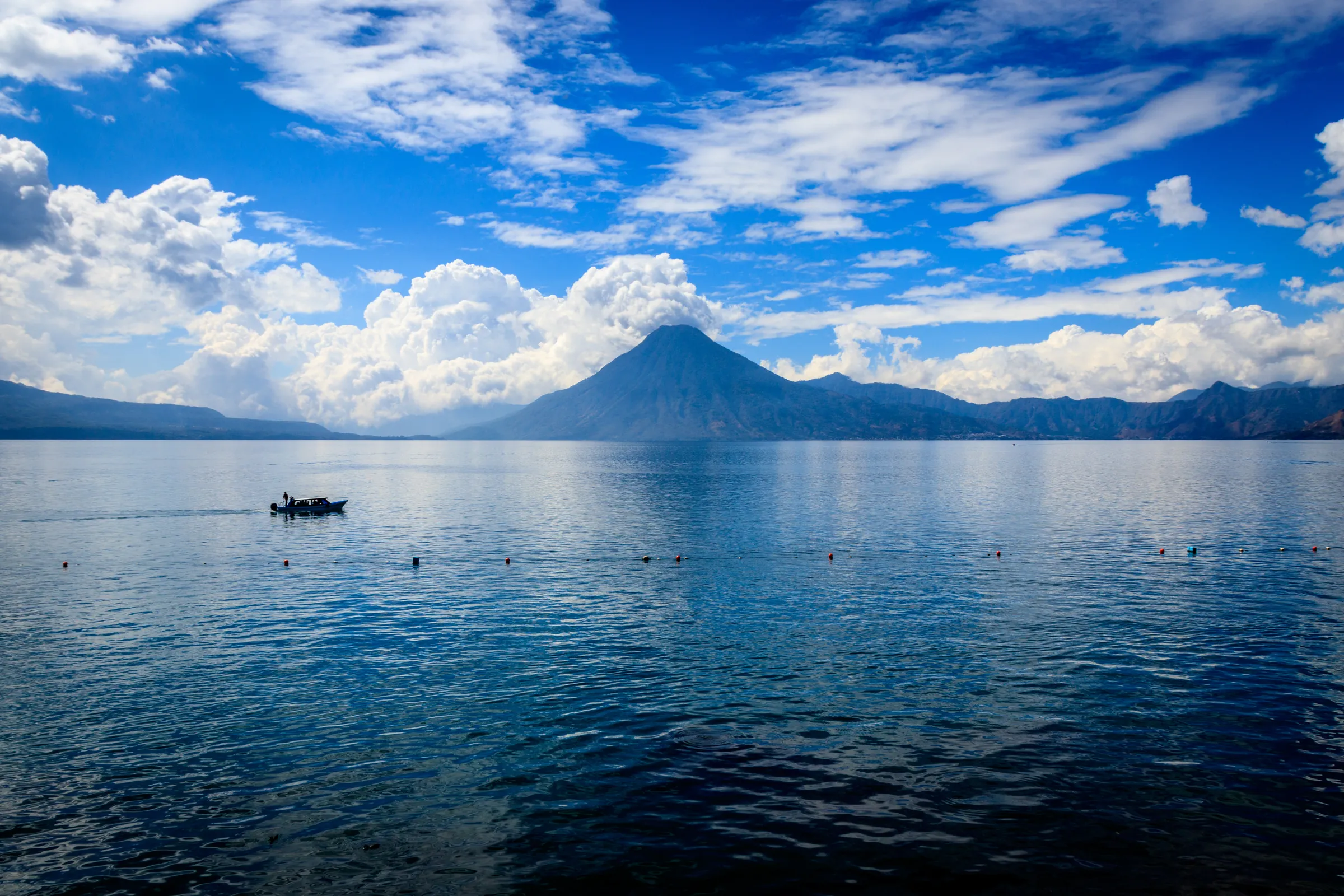
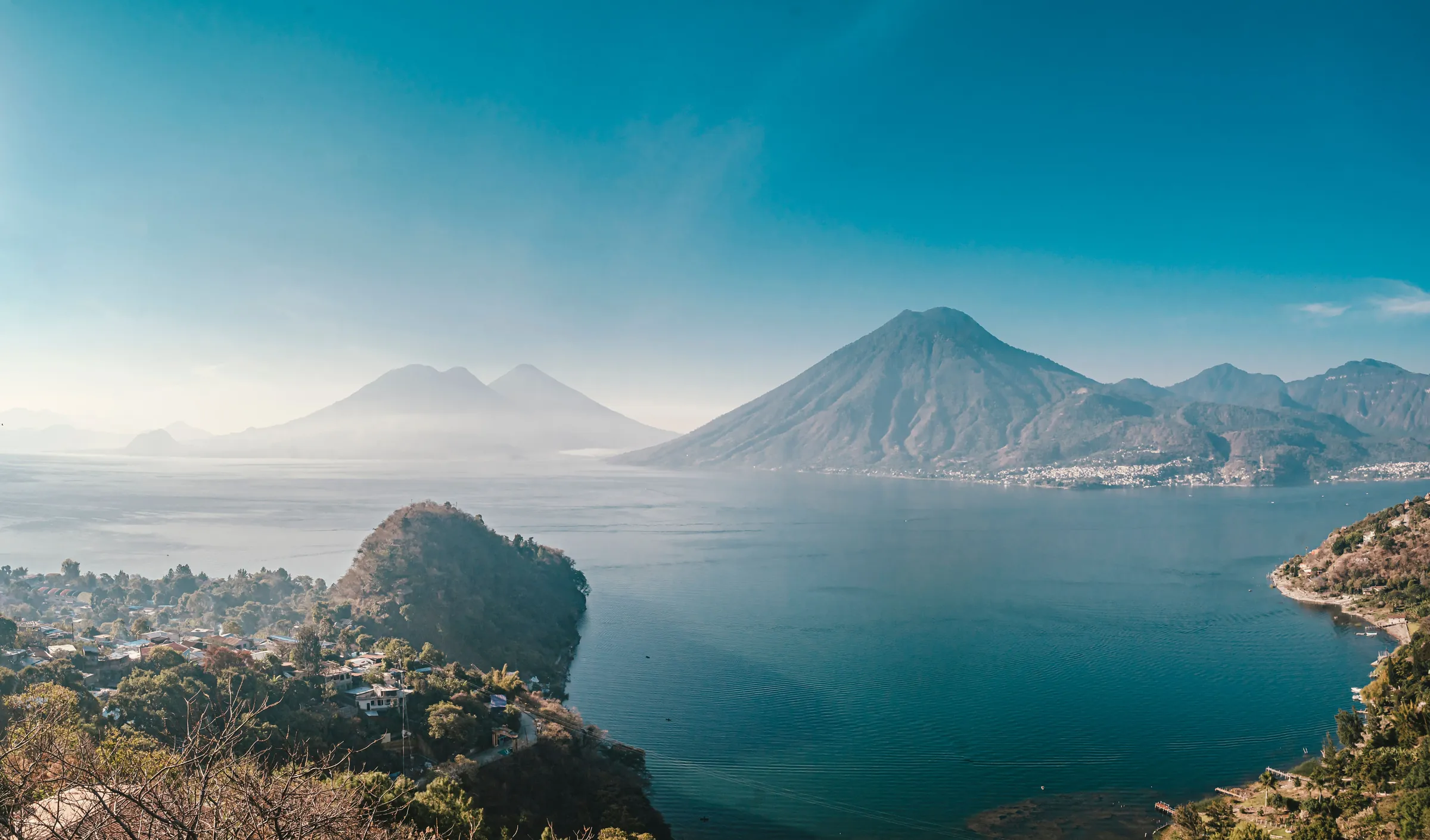
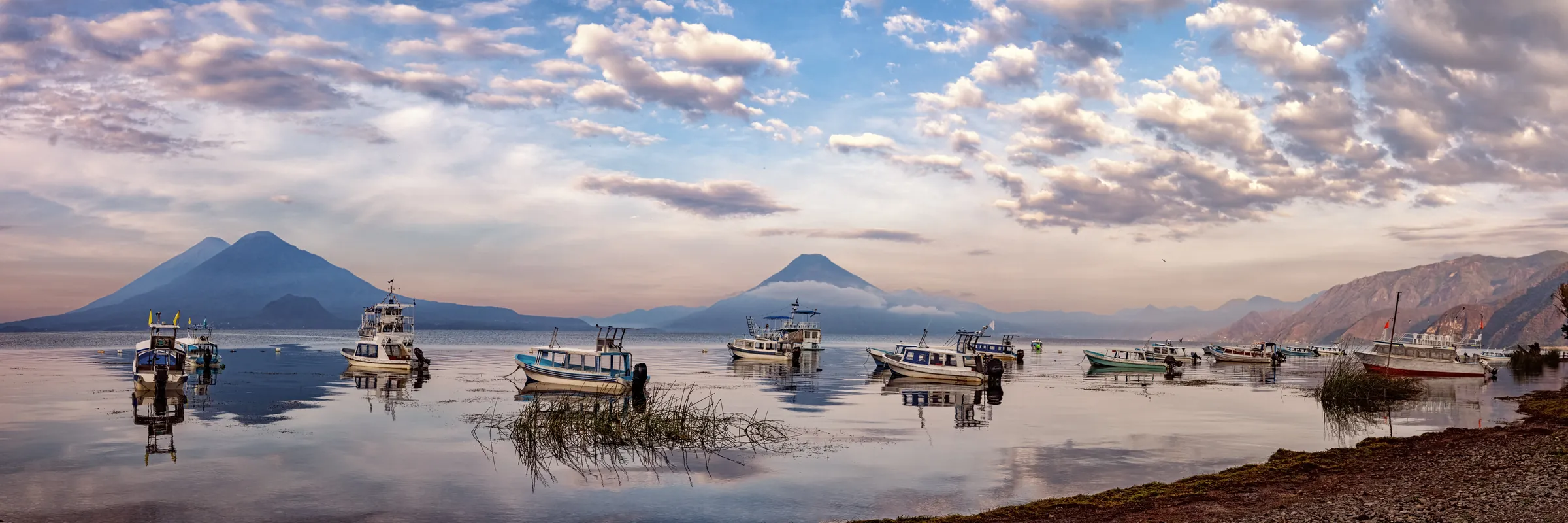
Most tourists who visit Lake Atitlán come for the views. Fair enough, we get it. Three volcanoes and lake colors that change throughout seasons and days – the landscape is pretty remarkable here. The towns that dot the shoreline all have their own unique character too, but there’s more to see than just a scenic setting. The region is home to the Tz'utujil and Kaqchikel Maya, who have lived and breathed this area for hundreds of years. Today, many of Atitlán’s most memorable activities are hosted by families who have lived on these shores for generations. Weaving, coffee tours and tasting, cooking classes, sunrise hikes to the top of Rostro Maya – these are all ways to experience Lake Atitlán through the eyes of its people, to connect with Maya hosts and support their communities while you discover more about – and go deeper into – Guatemala.
Lake Atitlán overview
| Activity | Where | Who hosts you | Good to know |
|---|---|---|---|
| Natural-dye weaving | San Juan La Laguna | Tz’utujil women’s cooperatives like Casa Flor Ixcaco and Asociación Lema’ | Lema’ offers a three-hour hands-on weaving class; book a day ahead. |
| Coffee farm visit | San Juan La Laguna; San Miguel Escobar, near Antigua | Local coffee growers and their families | Harvest season, roughly November to March, is the liveliest time to go. |
| Maya cooking class | Santa Cruz La Laguna | Graduates of the Amigos de Santa Cruz culinary program | Weekdays only, in small groups; you’ll reach the village by boat. |
| Pottery & painted houses | San Antonio Palopó & Santa Catarina Palopó | Kaqchikel potters and painters | Easy to pair in one morning on the eastern shore. |
| Sunrise hike | Rostro Maya (Indian’s Nose) | Local guides from San Juan and nearby villages | Expect a 4am start and small trail fees paid to the landowners. |
| Market day | Chichicastenango | A local Chichi guide | Thursdays & Sundays; Sunday is the bigger market. |
| Fire ceremony | Arranged privately around the lake | An ajq’ij, a Maya spiritual guide | Follow the guide’s lead, and take photos only when invited. |


Weaving in San Juan La Laguna
We recommend a minimum of three nights at Lake Atitlán to get a little landscape, a little culture, a little rest. But if you’re tight on time and only have a day, spend it in San Juan, an artsy little cobblestone town filled with cooperatives, with streets hung with textiles and paintings.
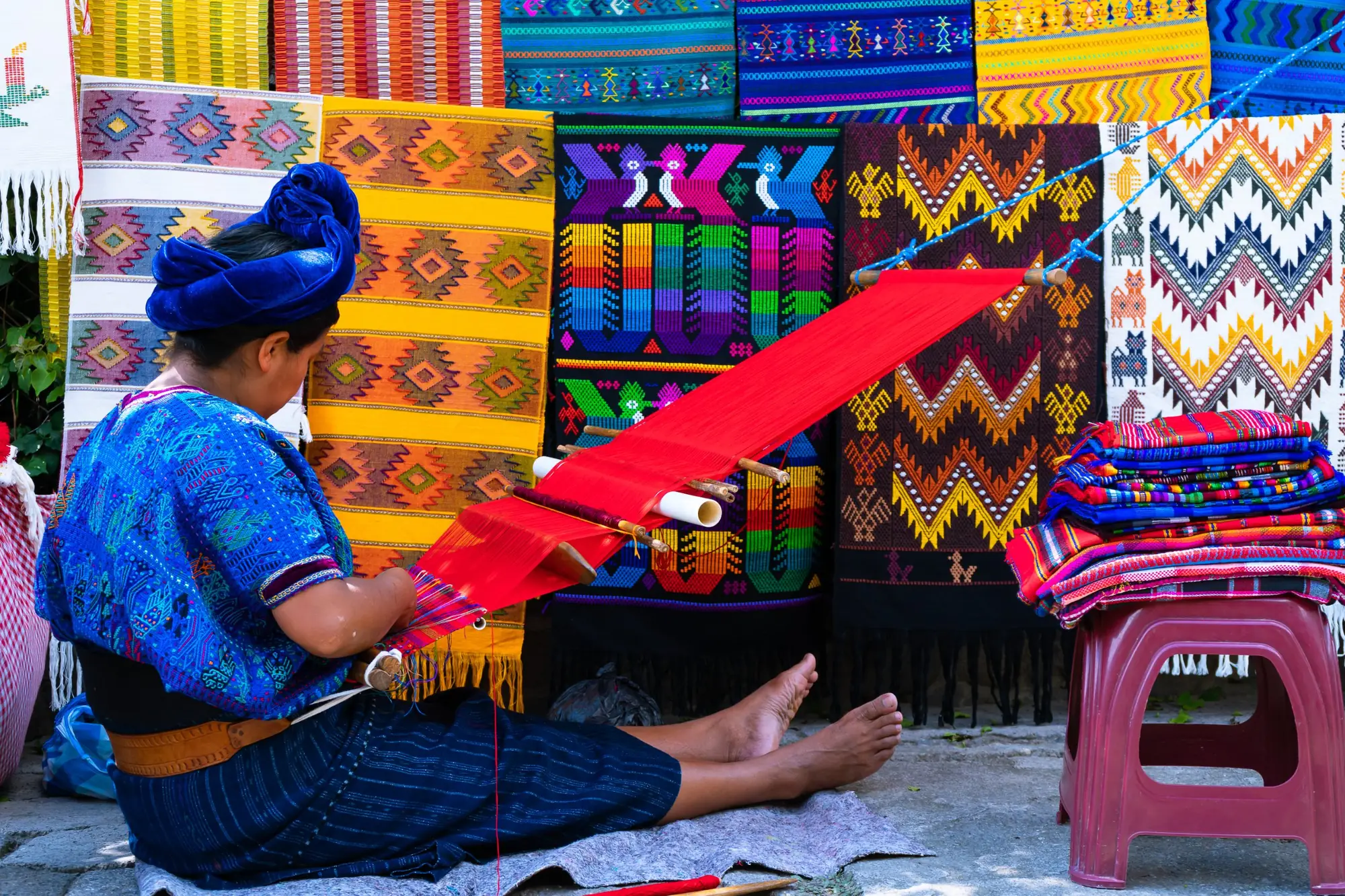
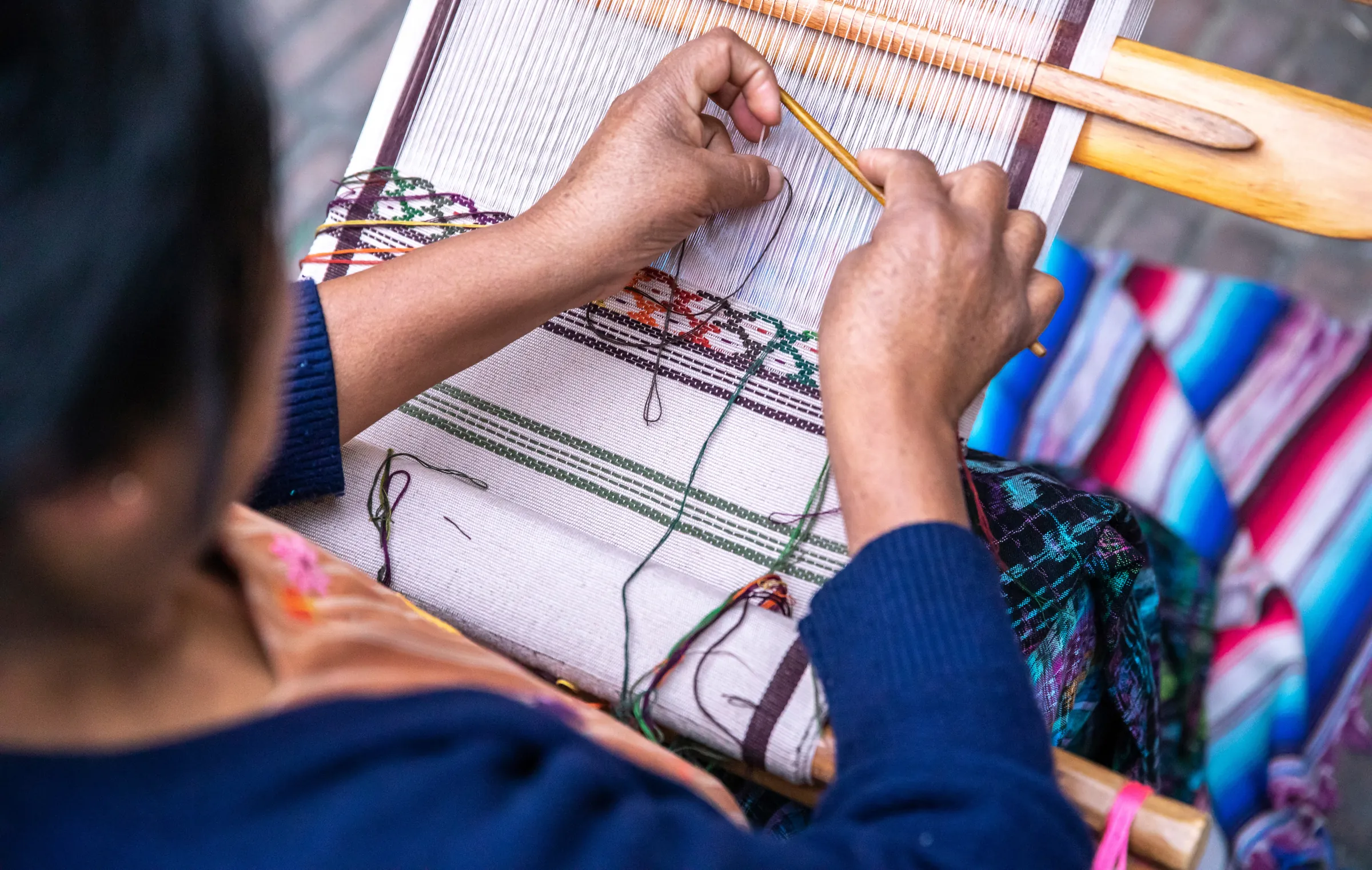
Start your day at Casa Flor Ixcaco, a cooperative that’s been around more than thirty years, founded by Teresa Ujpan Pérez. Today, 34 resident artisans cultivate native cotton, hand-spin it, then dye it in a rainbow of shades using natural dyes extracted from leaves, flowers, and bark. Then, they weave it on backstrap looms into beautiful textiles, each piece linked to its maker by a little tag about the woman who created it: her picture, her name, and how long it took her to make.
A few streets away, get hands-on with the women of Asociación Lema' – a collective named after the lema tree, whose bark is used as a dye. Take a half-day weaving class, and learn about the process of dyeing cotton with natural colors – achiote makes a deep orange, pericón a bright, sunny yellow, and, unexpectedly, coconut shell a soft pink.
And don’t forget to leave space in your schedule (and your suitcase) to peruse the galleries run by Tz'utujil painters, or visit the honey and chocolate collectives.

Coffee with the people who grow it
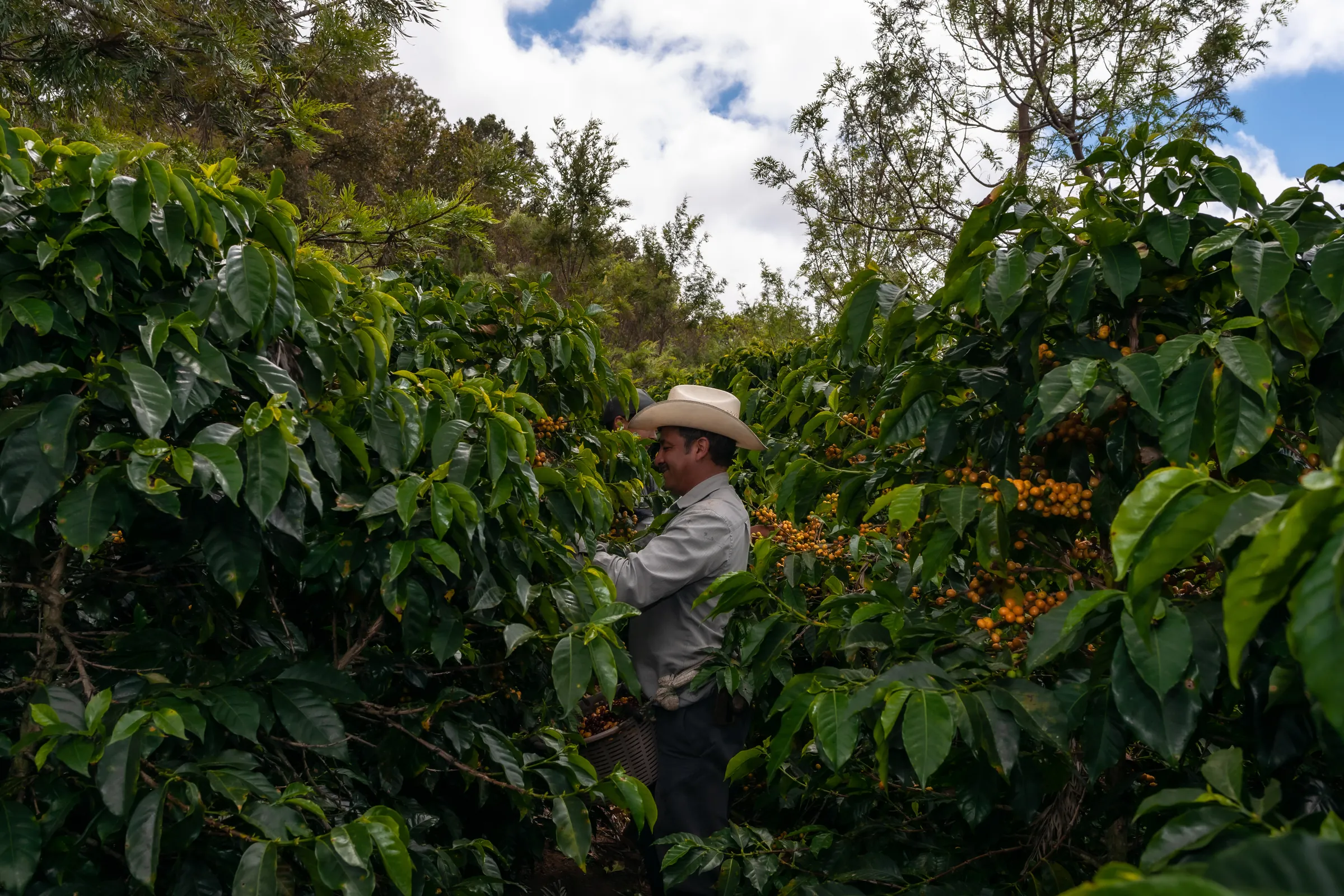
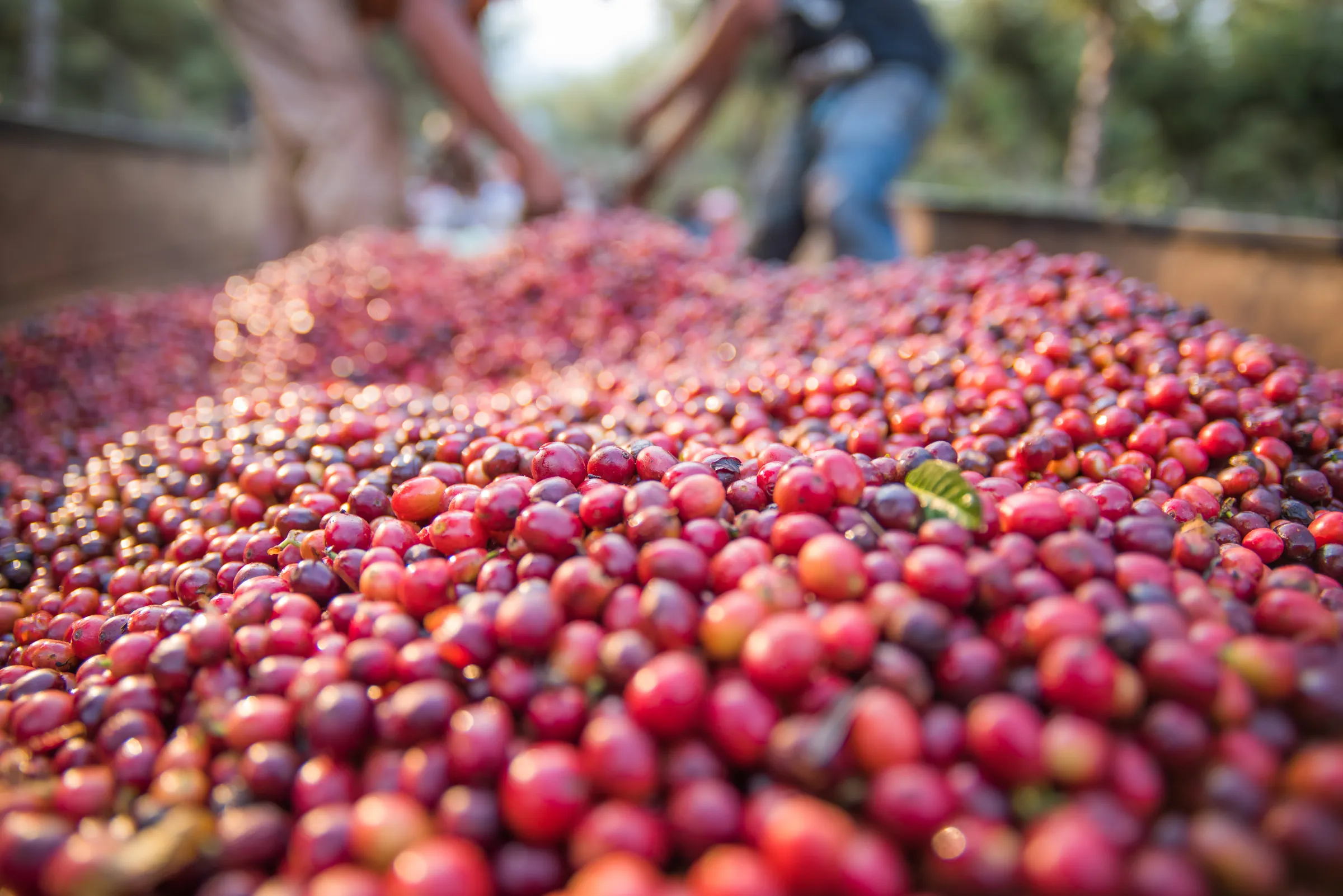
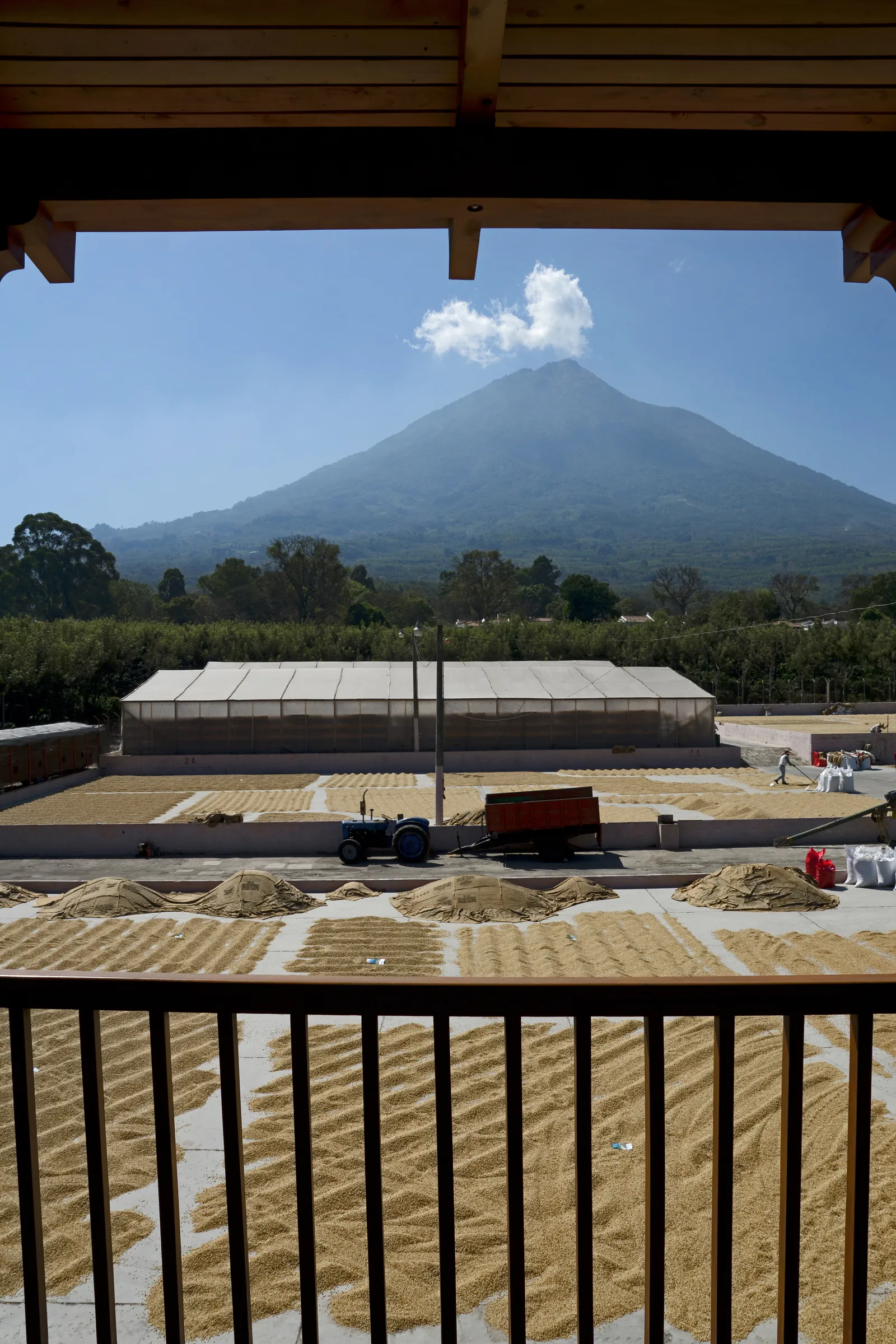
Also in the highlands, spend a few hours with an Indigenous coffee farmer and learn about the crop from their perspective – from pruning the trees and managing disease, to processing the cherries, and waiting for payment. Tz'utujil producers in San Juan La Laguna started Cooperativa La Voz Que Clama en el Desierto in 1979; today, 167 producer families are part of the cooperative, which has welcomed visitors since 2006. You'll walk through the coffee plots, see the processing and roasting, and finish with a tasting at their café. Near Antigua, De La Gente arranges visits with coffee growers in San Miguel Escobar, where you'll walk the fields, learn each step, and end the day sharing coffee at home. They also work with farmer-run cooperatives in other regions.
A Maya cooking class in Santa Cruz La Laguna
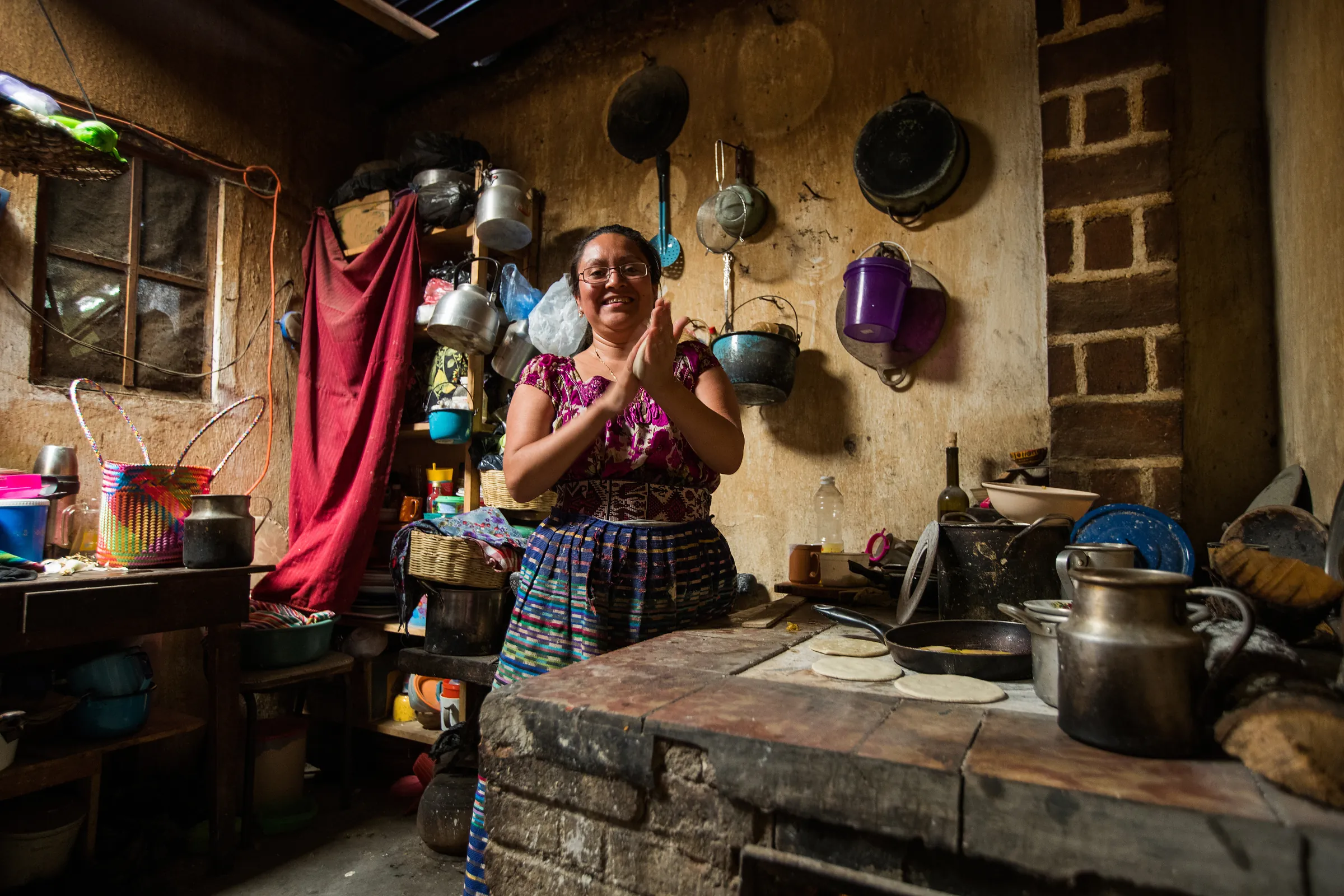
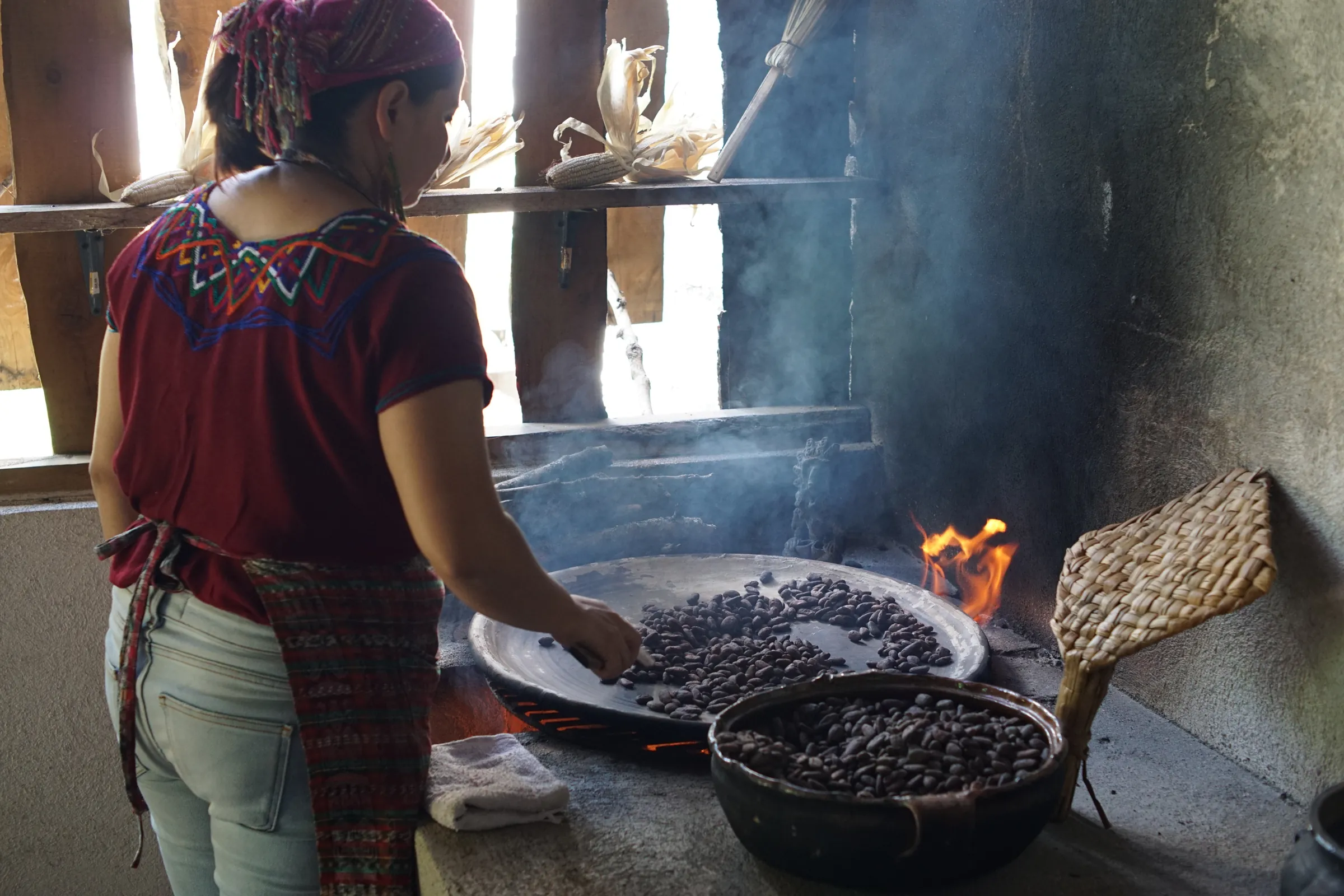
We love to take the same exploratory spirit into the kitchen, too. One of our favorite activities around the lake is a Maya cooking class hosted in Santa Cruz La Laguna.
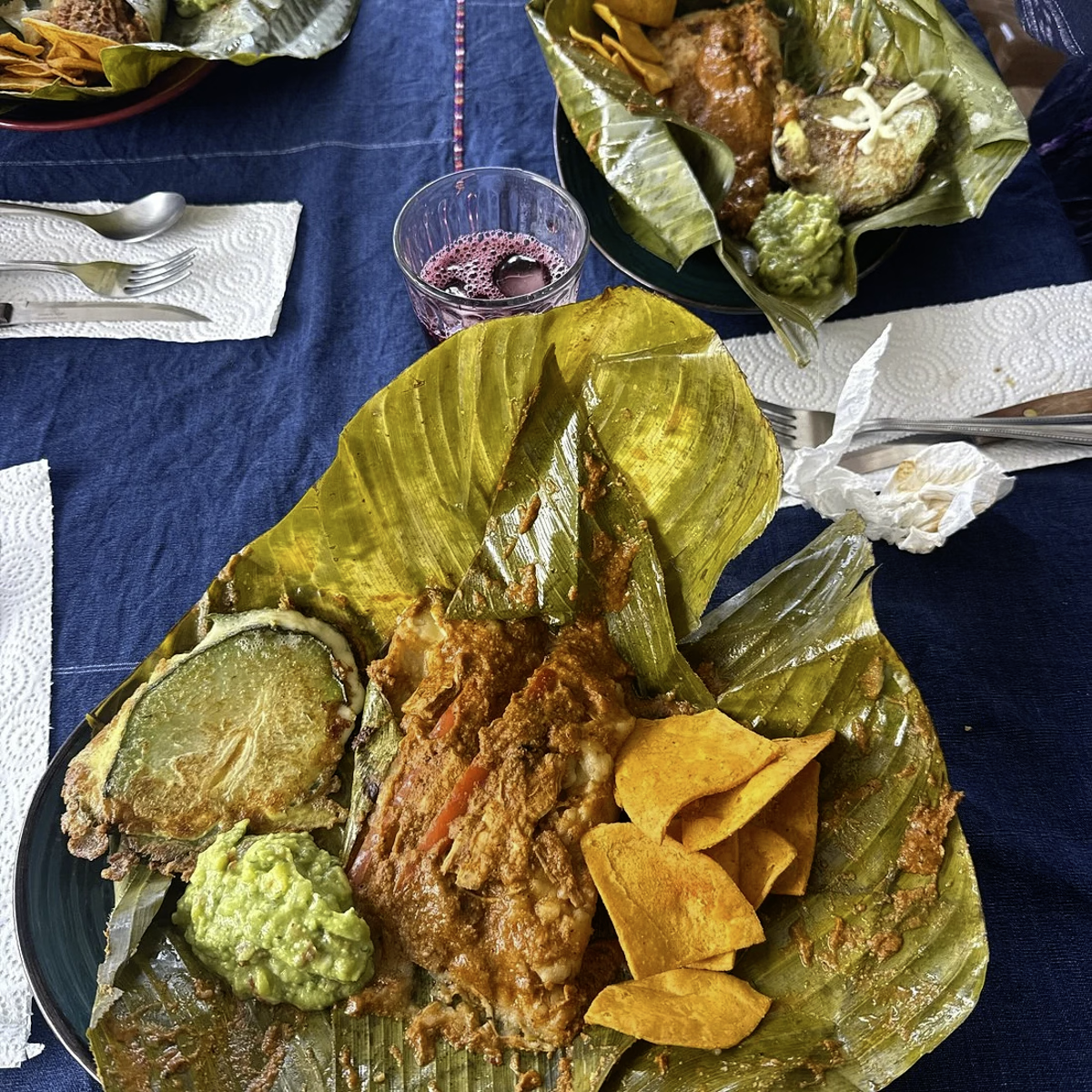
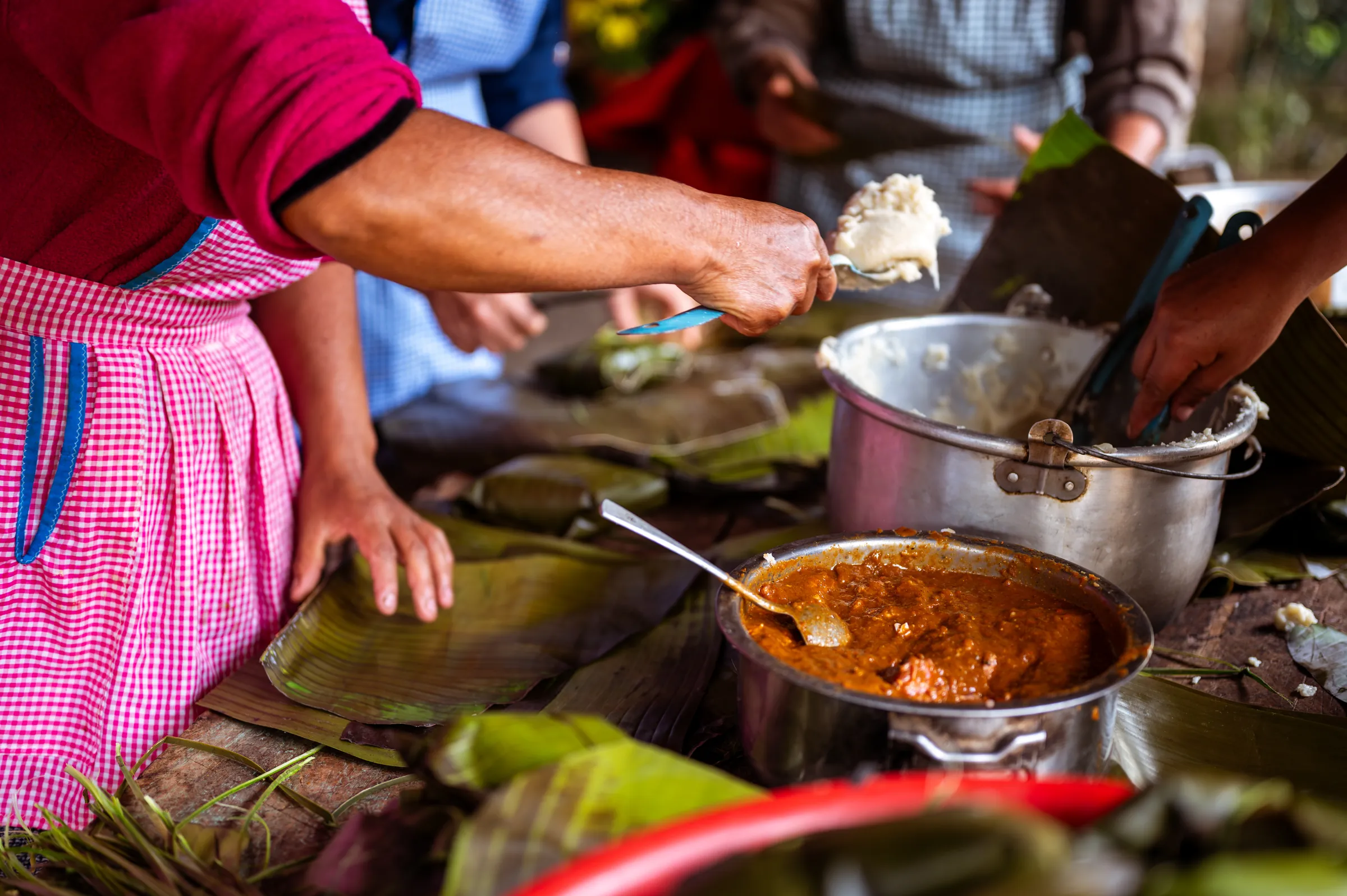
The class is run out of a center set up by the Amigos de Santa Cruz Foundation, and taught by graduates of its culinary program. You’ll make pepián, a rich stew thickened with toasted pumpkin seeds and chiles (Guatemala’s unofficial national dish), and little tamalitos, then sit down with your host and the rest of your group to share your meal with a view of the lake.
Pottery and painted walls in the Palopós
In San Antonio Palopó, a Kaqchikel town on the lake's eastern shore, the Pérez family runs a ceramics workshop where visitors can watch craftsmen shape and hand-paint bowls and plates.
San Antonio’s sister town, Santa Catarina, is probably the prettiest town on the lake. It’s a cheerful, photogenic stop, more open-air art gallery than town, with more than 950 house fronts painted with folk-art patterns in shades of turquoise and dark blue inspired by the huipiles that local women wear.
Sunrise from Rostro Maya
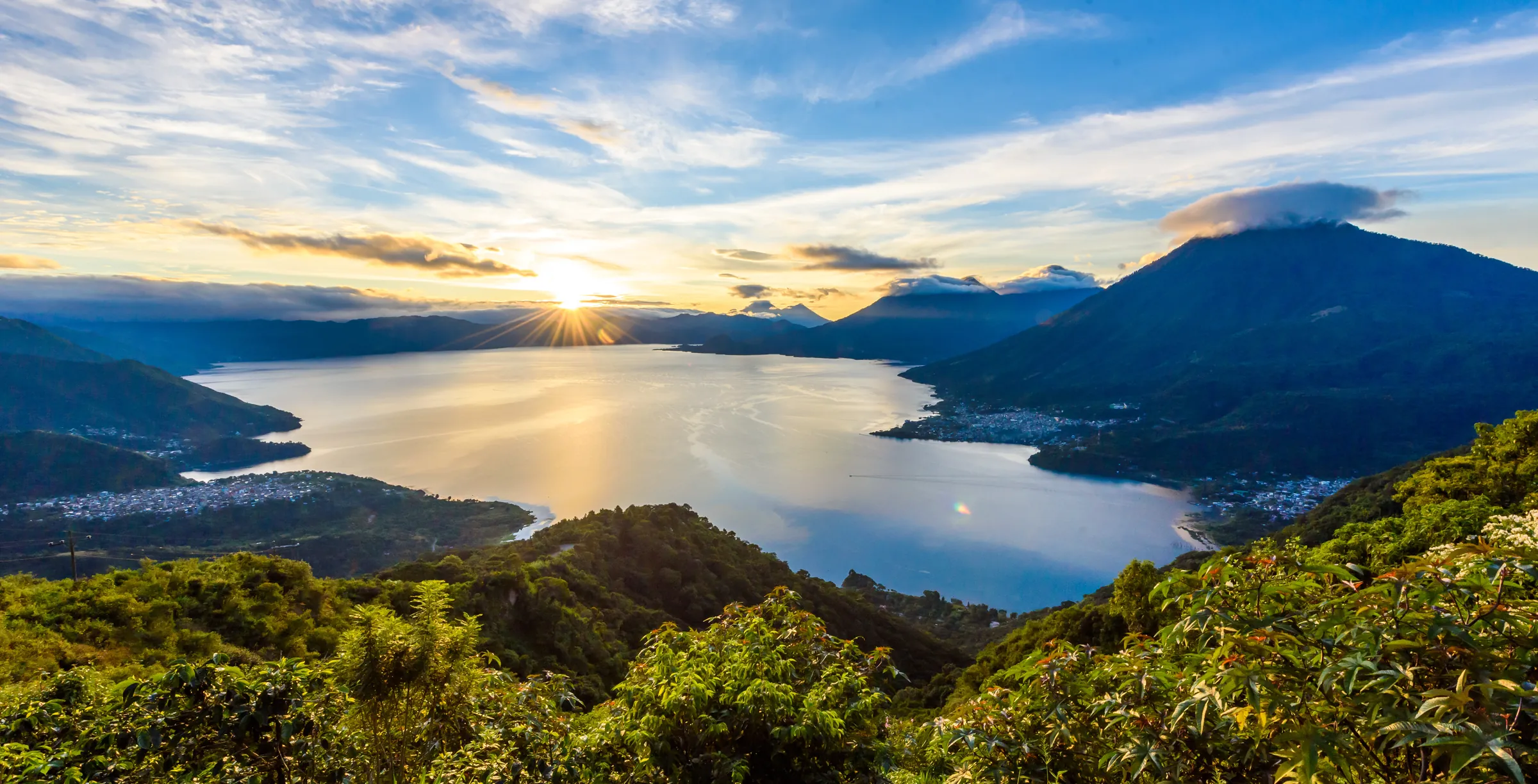
For a more active endeavor, Indigenous guides from San Juan and nearby villages will take you up the Rostro Maya, or Indian’s Nose, a mountain shaped like a face, staring up at the sky. The hike starts from Santa Clara La Laguna around 4am; it’s a steep climb to the top, but it takes less than an hour, and the payoff is worth it when you get to watch the sunrise over the volcanoes surrounding Lake Atitlán.
Market day in Chichicastenango
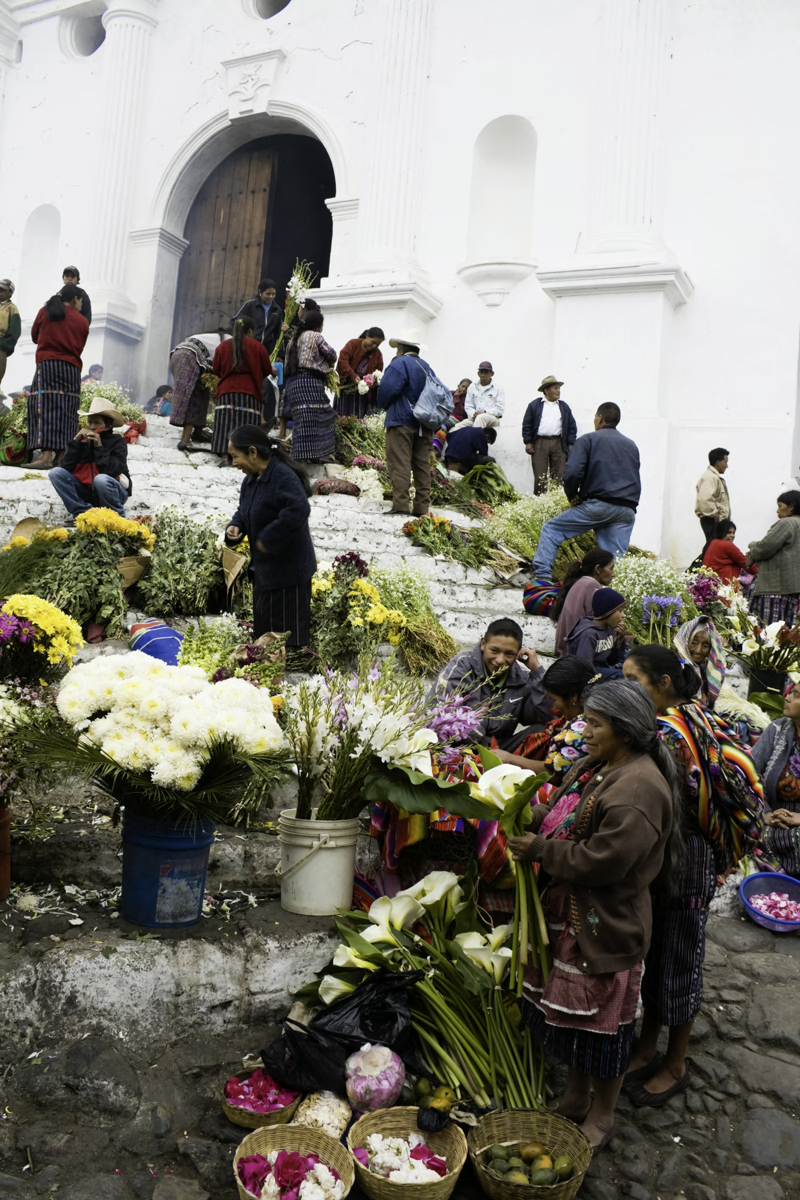
This one is a must-do, and since the market is only active on Thursdays and Sundays, it’s worth planning your schedule around. Sundays are better if you can swing it. Chichicastenango is a K'iche' town an hour and a half from the lake on a good day (traffic can make the trek longer), and twice a week it hosts one of the biggest Indigenous markets in the Americas. Vendors (more than 2,000 of them) set up at dawn, selling hand-woven textiles and huipiles, carved wooden masks, ceramics, jade, leather, produce and medicinal herbs, and the market runs until late afternoon. The church at the center of town, Santo Tomás, is an important part of Maya history – it’s where the Popol Vuh, the K’iche’ creation story, was found and transcribed by a Spanish friar around 1700. On Sundays outside Santo Tomás, men wave tins of copal incense, and inside, Catholic mass and Maya prayer happen in tandem, with candles laid out on the floor, while up on the hill above town, at the sacred site of Pascual Abaj, Maya day-keepers hold fire ceremonies.
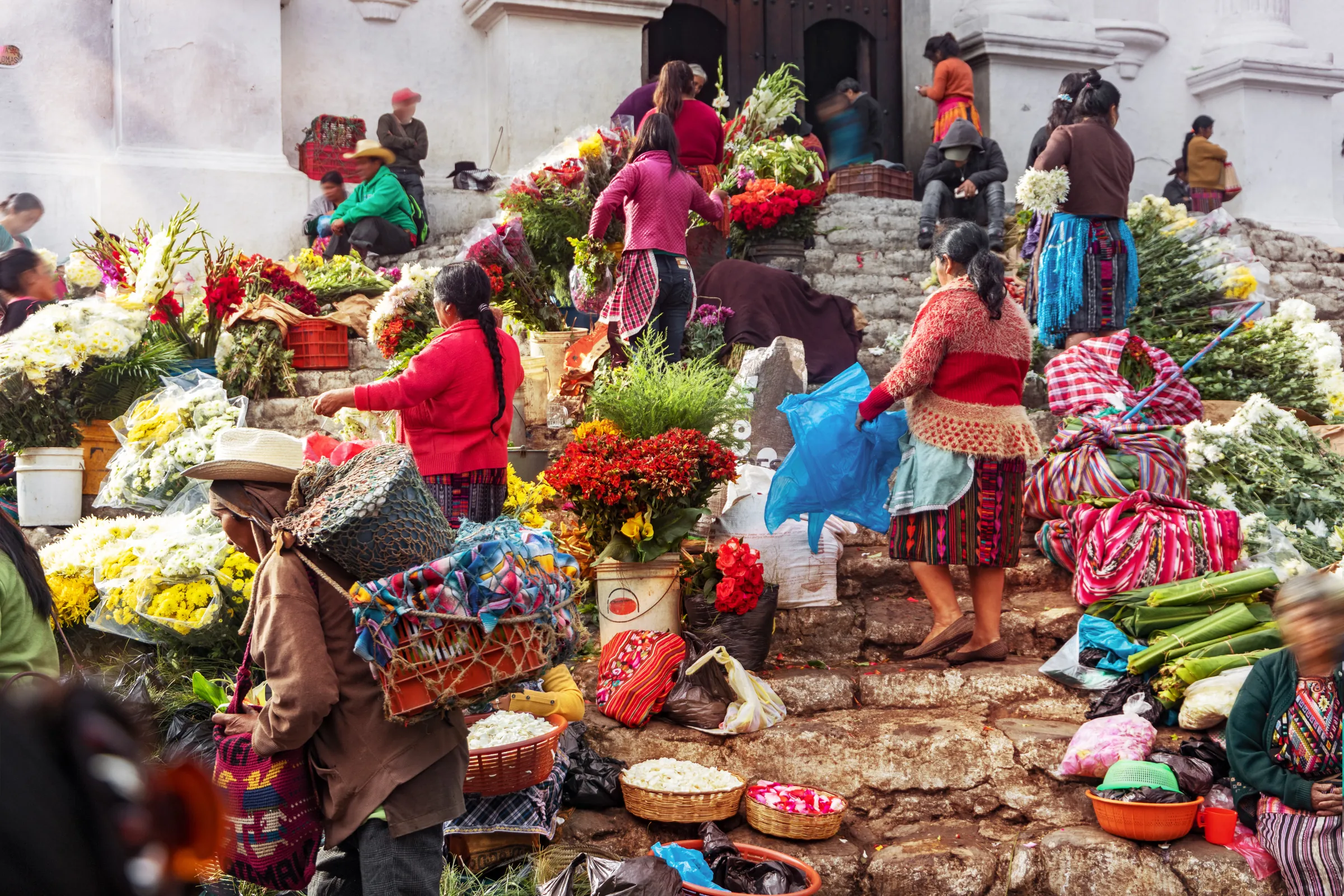
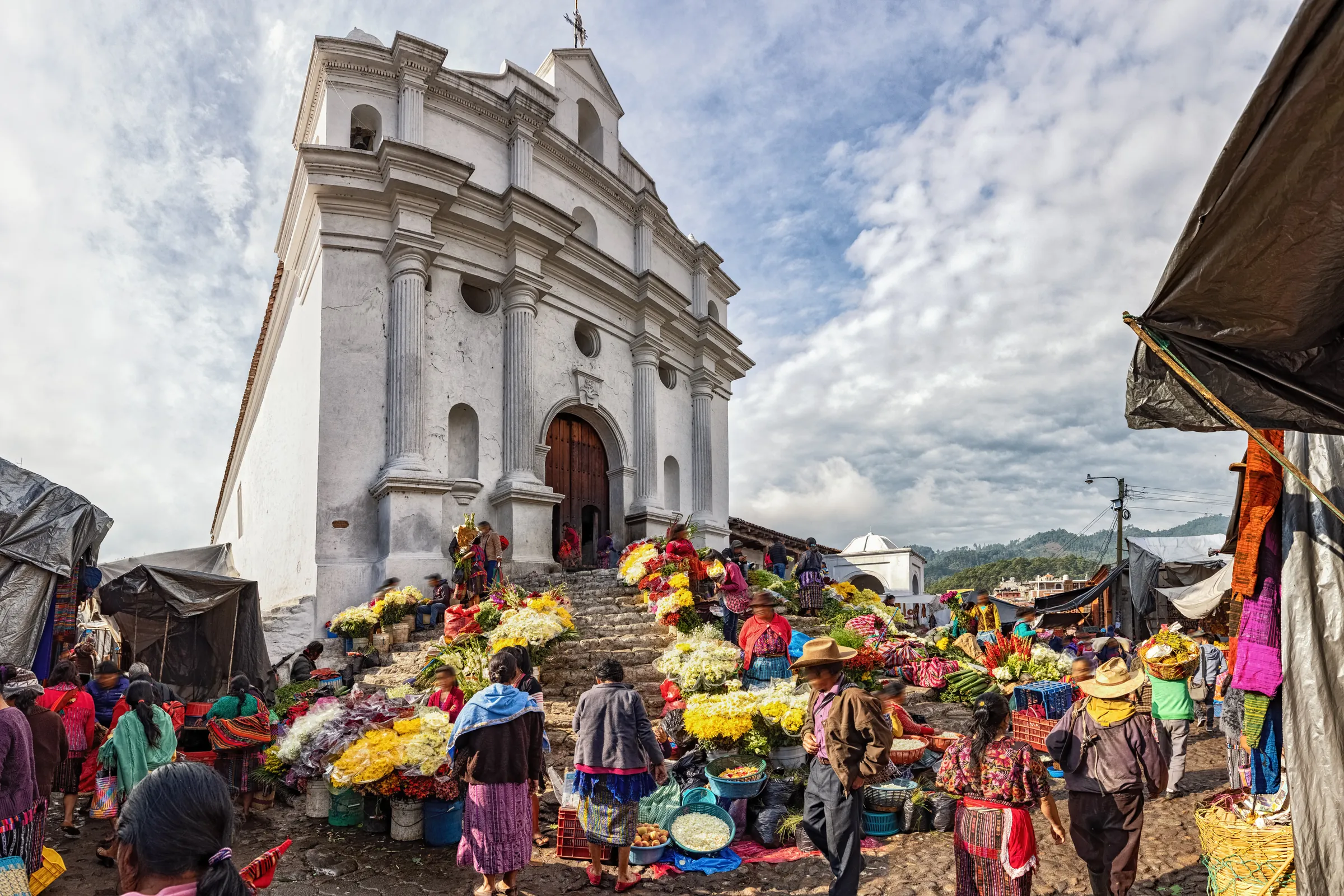
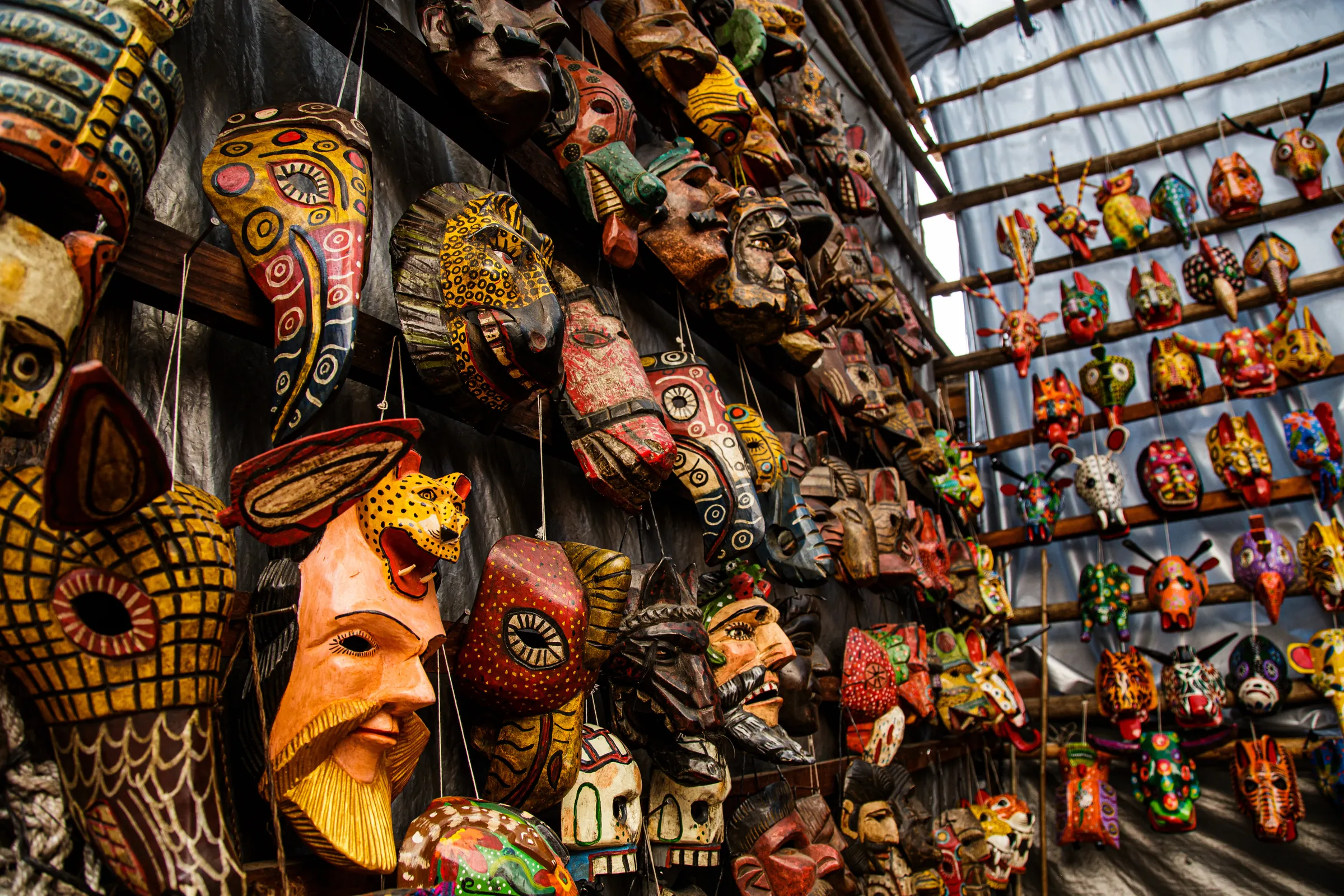
Hire a local Chichi guide to lead you through the organized chaos and explain the context, and taste test everything you see – unusual fruits, street food, you name it. And while the market and religious celebrations are beautiful and colorful, be respectful – don’t photograph people without asking first. Many will be happy to oblige, but if not, just move on.
A fire ceremony, by invitation
Some of our travelers ask where they can participate in a Maya fire ceremony, where a Maya spiritual guide (known as a day-keeper, or an ajq’ij) sets out a circle of offerings and lights a fire in the center, then prays to the ancestors, the earth, and the creator. Participants feed the fire with offerings – copal resin and ocote pine kindling – at the guide’s direction, and it’s a humbling and moving experience for most people who join.
To take part, we recommend booking a private ceremony. Fire ceremonies are a living religious practice, tied to the Cholq’ij, the 260-day sacred calendar, and its 20 day energies, called nawales. In community ceremonies, visitors usually join only if they’re invited, so a private ceremony gives you more opportunity to learn about and be part of the experience. Plus, every person has a nawal based on their birth date, and a guide will often tell visitors theirs.

How we choose our partners and guides
We’ve all heard of greenwashing: when a company makes itself look more environmentally friendly than it is by using green language or labels without changing how it operates (think of hotels that ask guests to reuse towels to conserve water but run on diesel generators and import everything they use instead of buying locally). Something similar happens in cultural tourism too: a tour uses photos of Maya women or takes guests to experience a market, but the money made never gets spent or reinvested in the community; or, a tour agency calls itself community-based but only gives the guide a small flat-rate fee for a full day of service.
This is part of why we carefully vet our partners and boots on the ground. We only work with companies we know well, with good local reputations, who treat their guides and the communities fairly and responsibly, pay fair wages, and use local-to-the-area guides whenever possible.
A few things can make you a better guest, too. Ask before taking anyone’s picture, buy straight from the artisan when you can (cut out the market middleman if possible), and don’t haggle too vigorously, especially if what you’re buying might have taken weeks to make.
Plan your Lake Atitlán trip
Our Food, Markets & Maya Culture trip builds a lot of this in, from market day in Chichicastenango to cooking beside the lake. If you’d rather be outdoors, Volcanoes & Highlands pairs a hike up Acatenango with Rostro Maya and a private fire ceremony. Or tell us about your trip, and we’ll build your days at the lake around what you’re curious about.

