


As a kid growing up in Canada, I visited Mara Lake in British Columbia with the family each summer, and every year, we’d be regaled with stories of the Ogopogo, a lake monster not unlike Scotland’s famous Nessie, that dwelled in the depths of the lake. Twenty years later, I no longer believe in the Ogopogo, but there is a different lake-dweller, equally mysterious and similarly shrouded in myth and legend, living nearly 7,000 km southeast of where I grew up, in Lake Nicaragua – the Lake Nicaragua Shark.
Before the 1960s, when little was known about the marine life in the area, scientists believed that the sharks found in Lake Nicaragua were an endemic species, the Lake Nicaragua Shark. In the scientific community, the species was believed to be one of a kind – the only true freshwater shark that existed anywhere in the world. Scientists believed that the landscape had changed over time, slowly closing Lake Nicaragua off from the Pacific Ocean, trapping the sharks.
In 1961, researchers determined that the Lake Nicaragua Shark was, in fact, the common bull shark (Carcharhinus leucas), a species known to exist in fresh water elsewhere in the world. Later tagging studies proved that the bull sharks weren’t trapped at all: they swim in from the Caribbean Sea, transiting the San Juan River by jumping upstream like salmon, and ending up in Lake Nicaragua. Since the studies in the 1960s, the bull shark population in Lake Nicaragua has experienced a dramatic decline, driven by heavy commercial fishing in the 1970s and believed to be compounded by silt build-up in the San Juan River, which makes it difficult for the sharks to swim through.
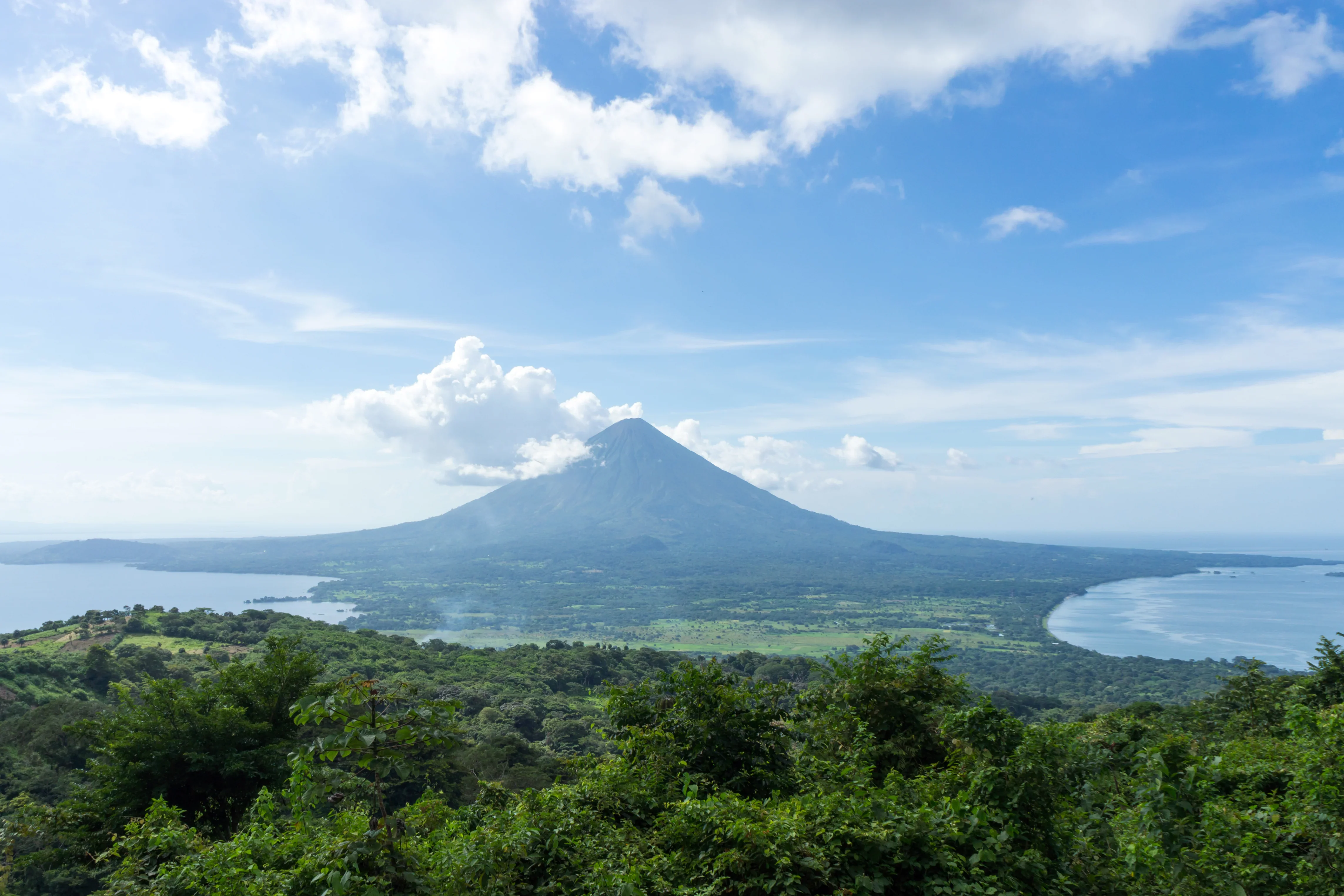
Bull sharks, named for their stocky shape, broad snout and notoriously unpredictable and aggressive behavior, prefer warm shallow waters, and are often found near the mouths of rivers, and along coastal areas. Believed to be responsible for the majority of shallow water attacks on humans, bull sharks, along with the tiger and great white shark, are among the three species most likely to bite humans. The bull shark is a formidable creature, and must be treated with respect, but even so, the risk of attack is exceedingly low – to this day, there have only ever been seven recorded shark attacks in the country, three of which took place in Lake Nicaragua, with the earliest report dating all the way back to January 1950. Overall, in the US, the odds of getting attacked and killed by a shark are 1 in 4,332,817. In a lifetime, you’re more likely to die from fireworks (1 in 340,733), lightning (1 in 79,746), a car accident (1 in 84), stroke (1 in 24) or heart disease (1 in 5).
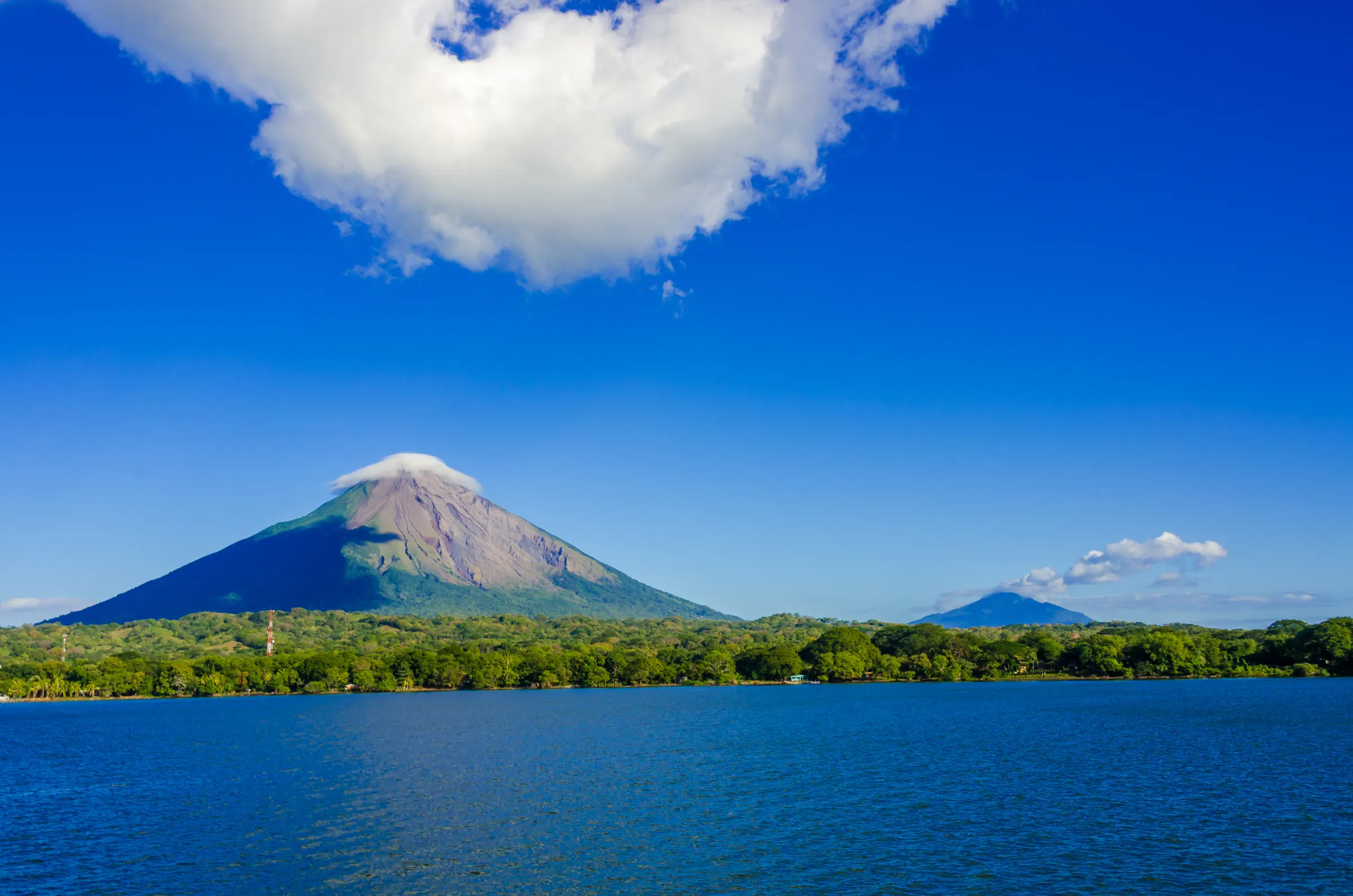
Are there still sharks in Lake Nicaragua?
Yes, but you'd be very lucky to see one. In the 1970s, demand for shark fin soup turned the lake into a fishery, and thousands of sharks were caught every year for about a decade. The population never bounced back, with studies showing numbers falling through the 2010s, though there's no estimate today.
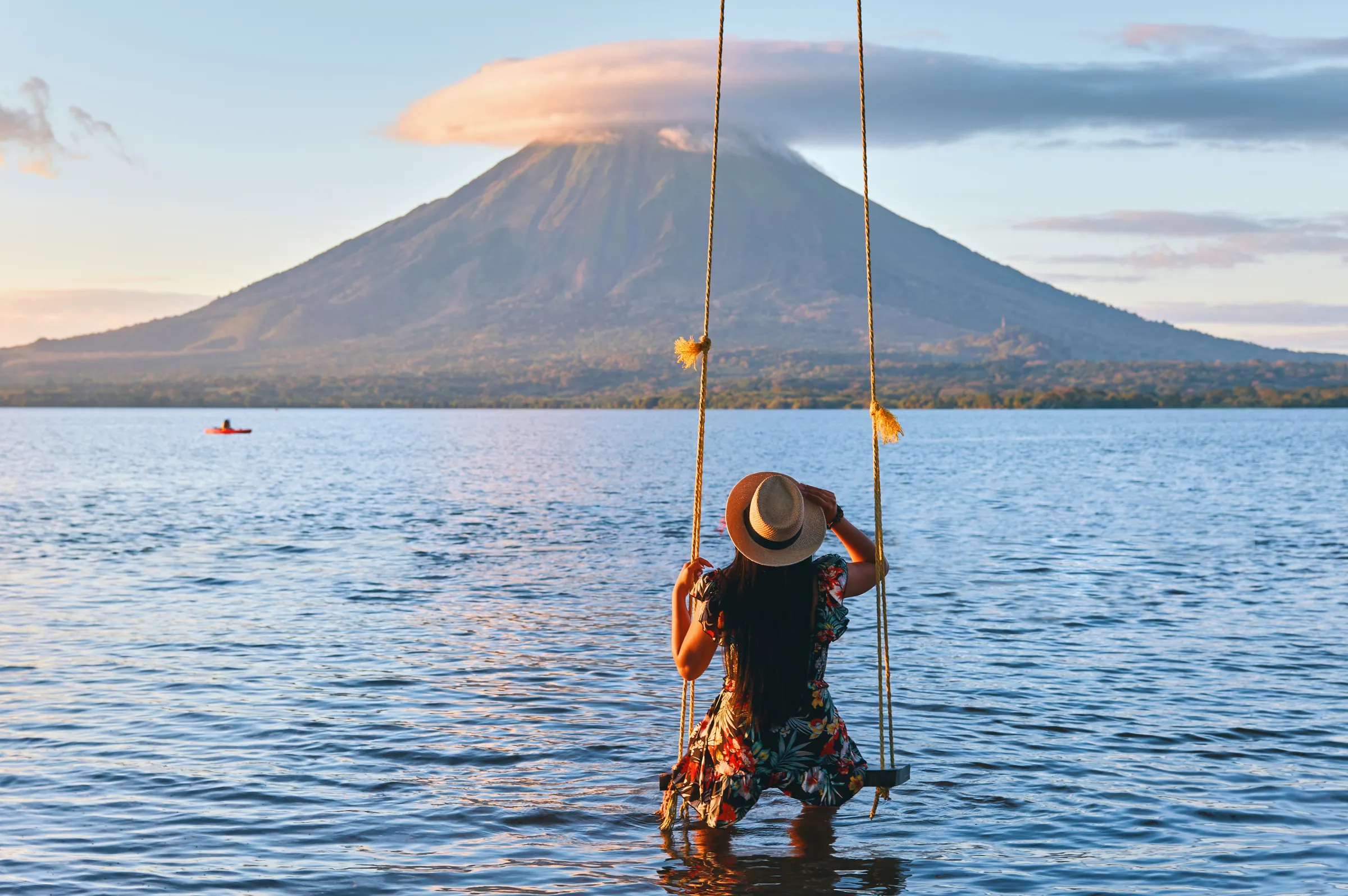
Is it safe to swim in Lake Nicaragua?
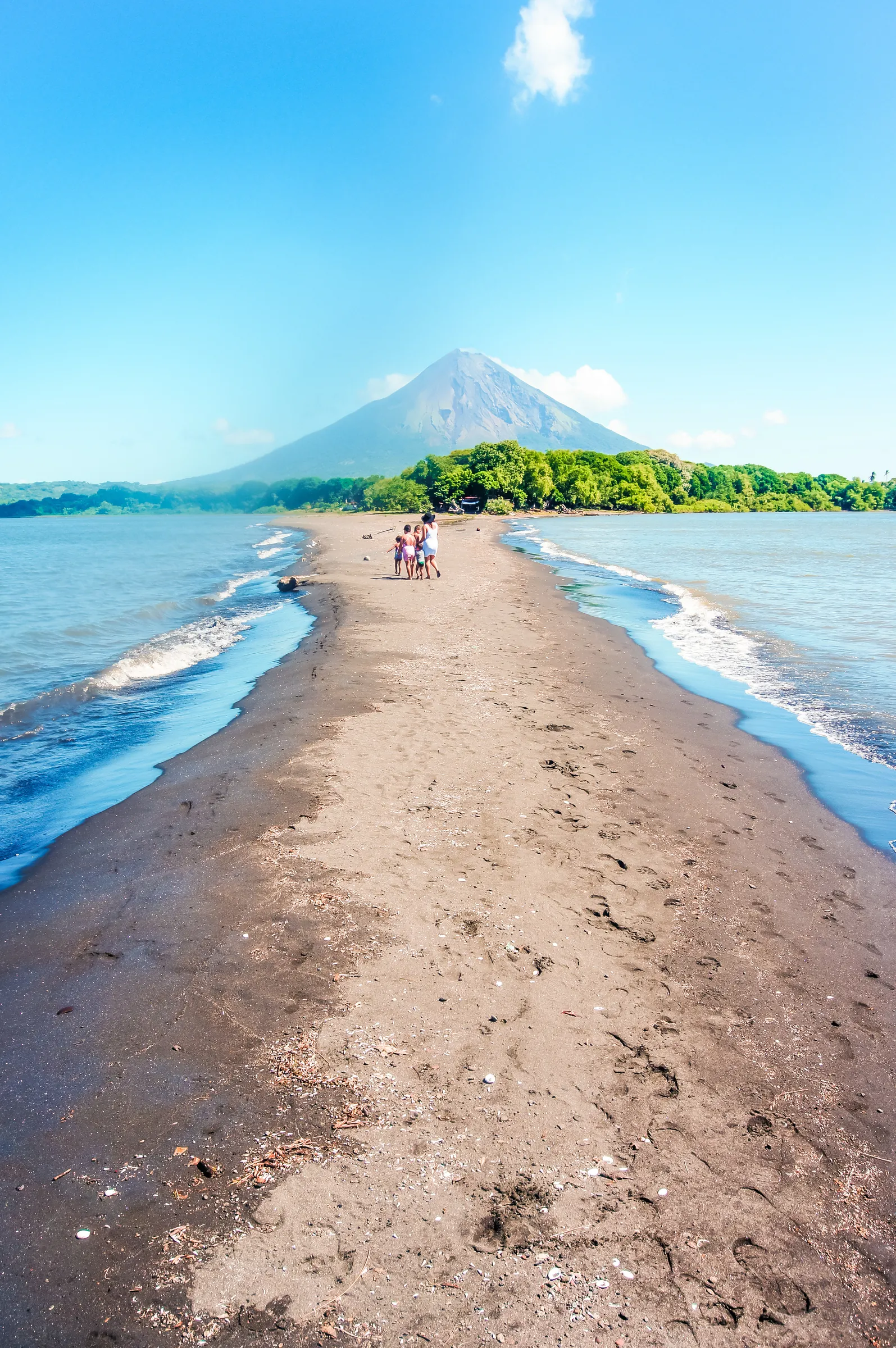
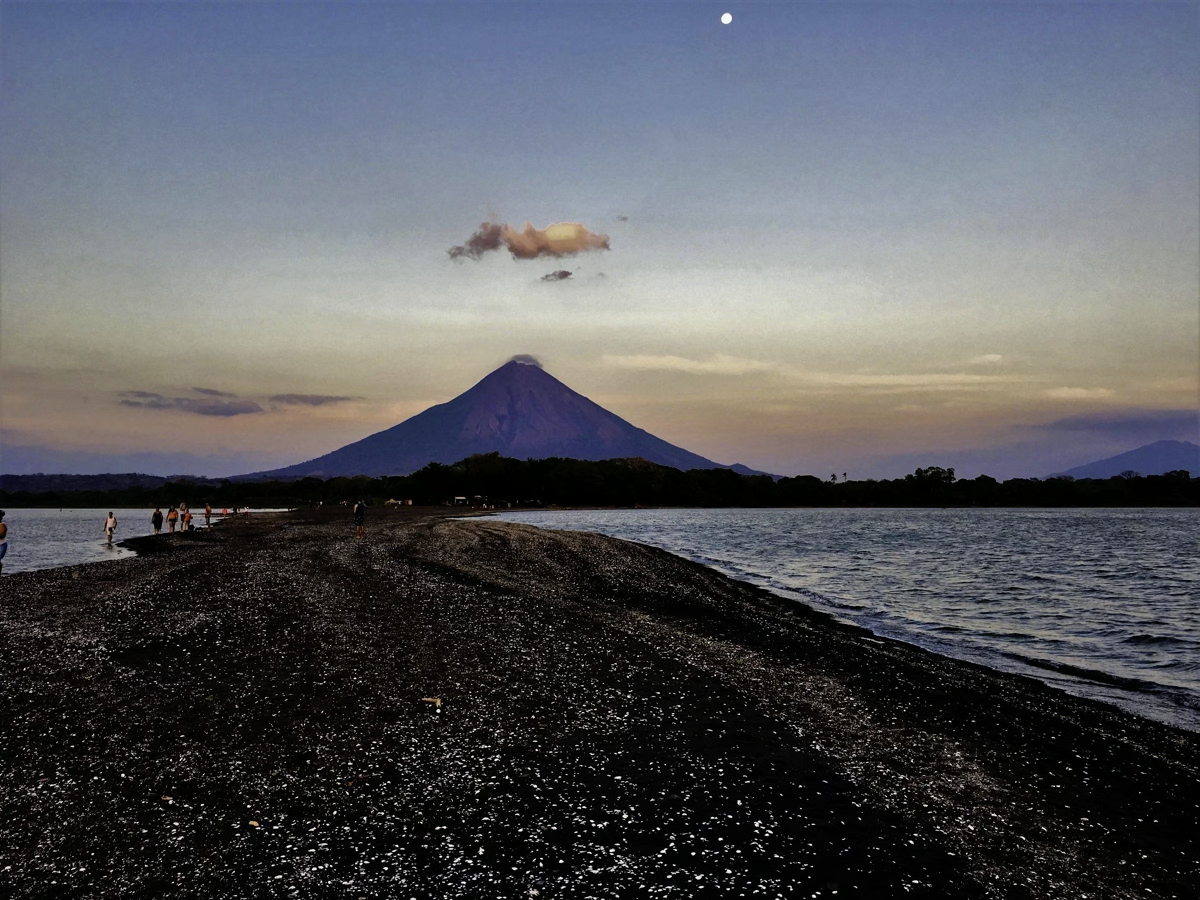
Yes. With so few sharks left, and only three recorded attacks in the lake's history, the odds of a run-in are close to zero. Ometepe Island is the best place to swim, at Playa Santo Domingo on the isthmus between the island’s volcanoes. The lake near Granada isn’t clean enough for swimming, so steer clear there.

Plan your trip to Nicaragua
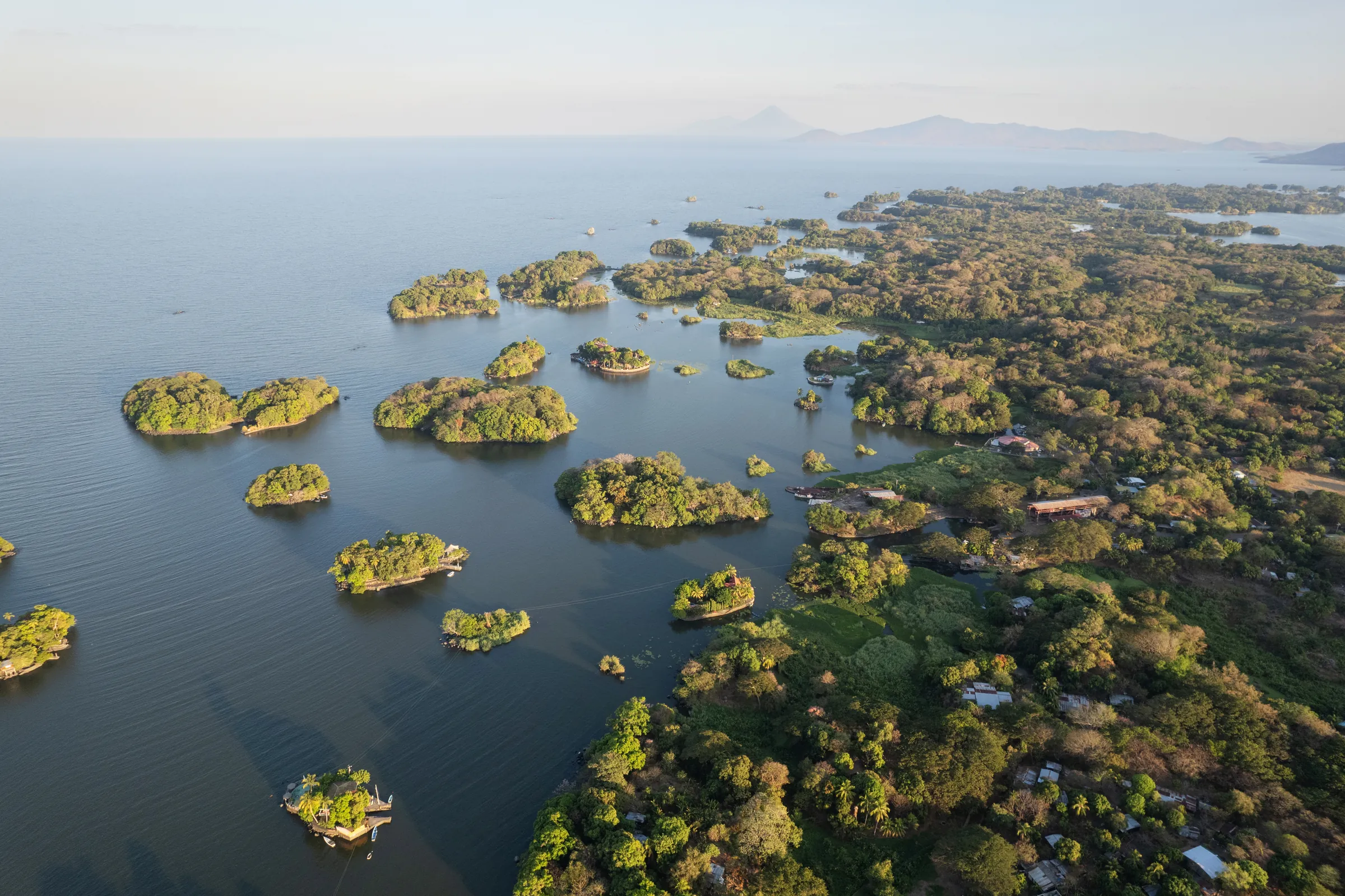
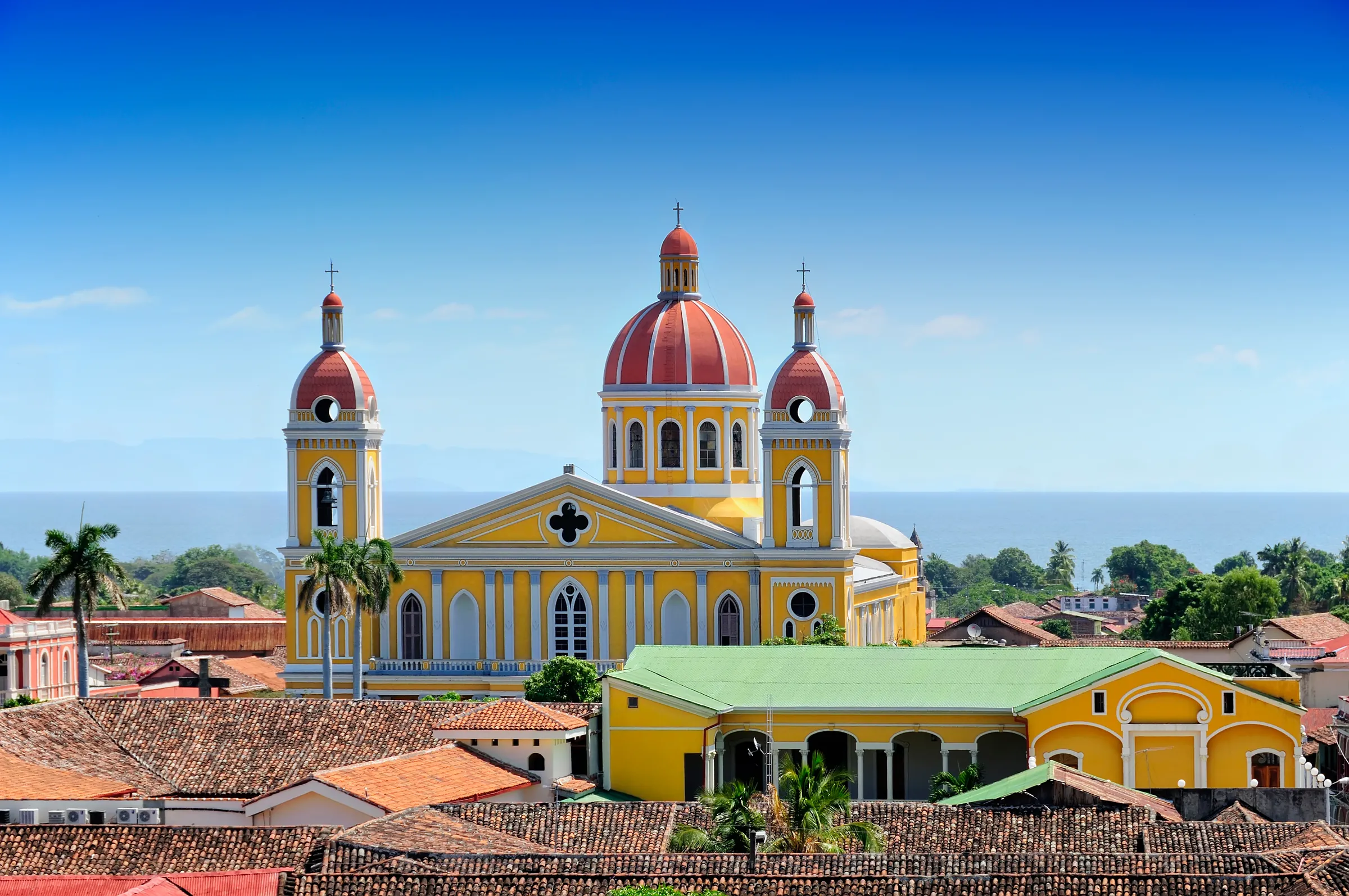
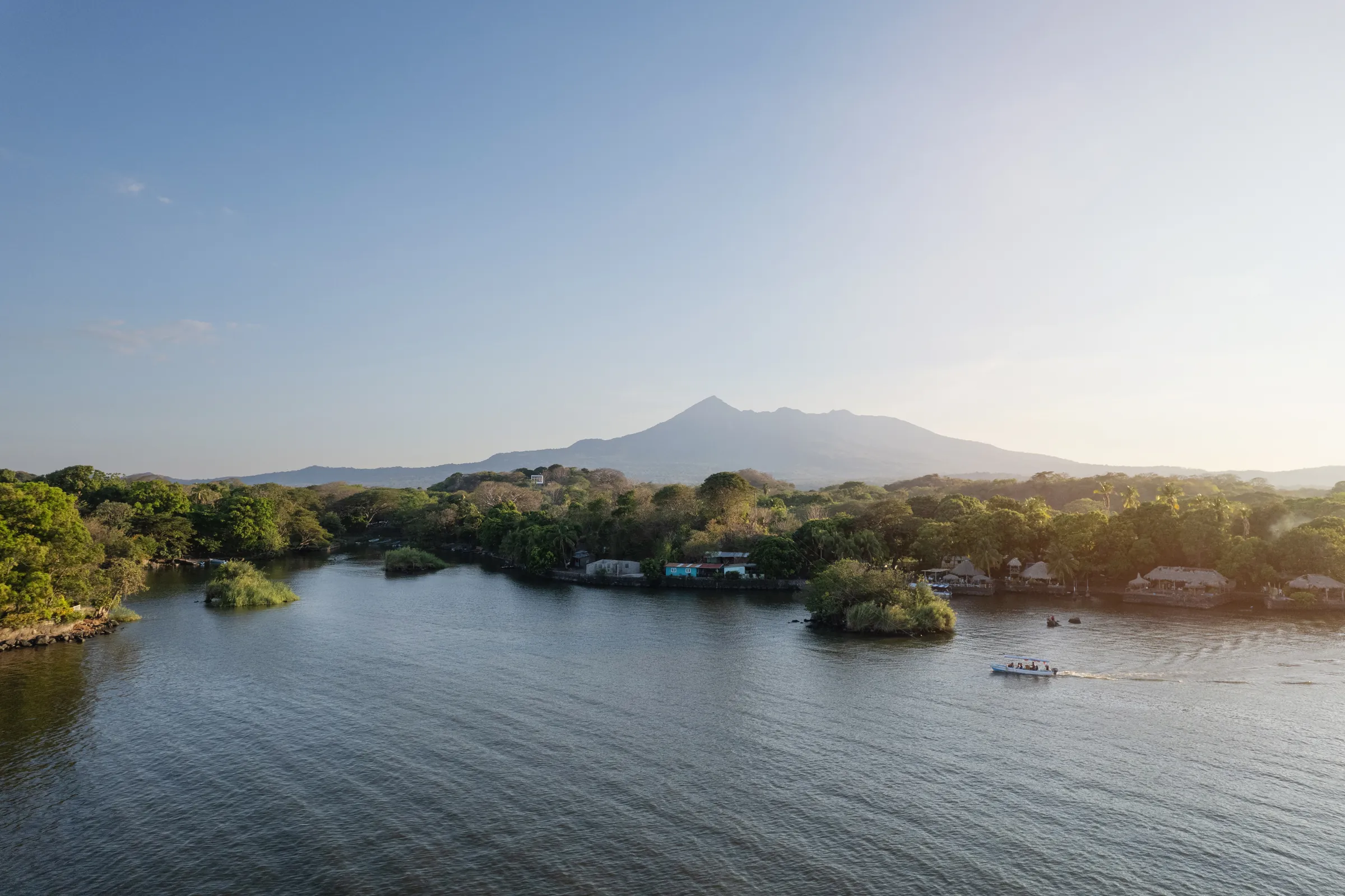
Lake Nicaragua is the heart of the country, and many trips take you there at least once, to Granada or Ometepe. Our Volcanoes, Colonial Cities & Ometepe trip pairs León and Granada with a few days on Ometepe, while Pacific, Lake & Caribbean takes you from the Emerald Coast to the Granada Isletas and then to the Corn Islands.
If you’re planning a honeymoon, our Nicaragua honeymoon guide has everything you need to know. Or reach out, and we’d be happy to plan a custom itinerary for you.


