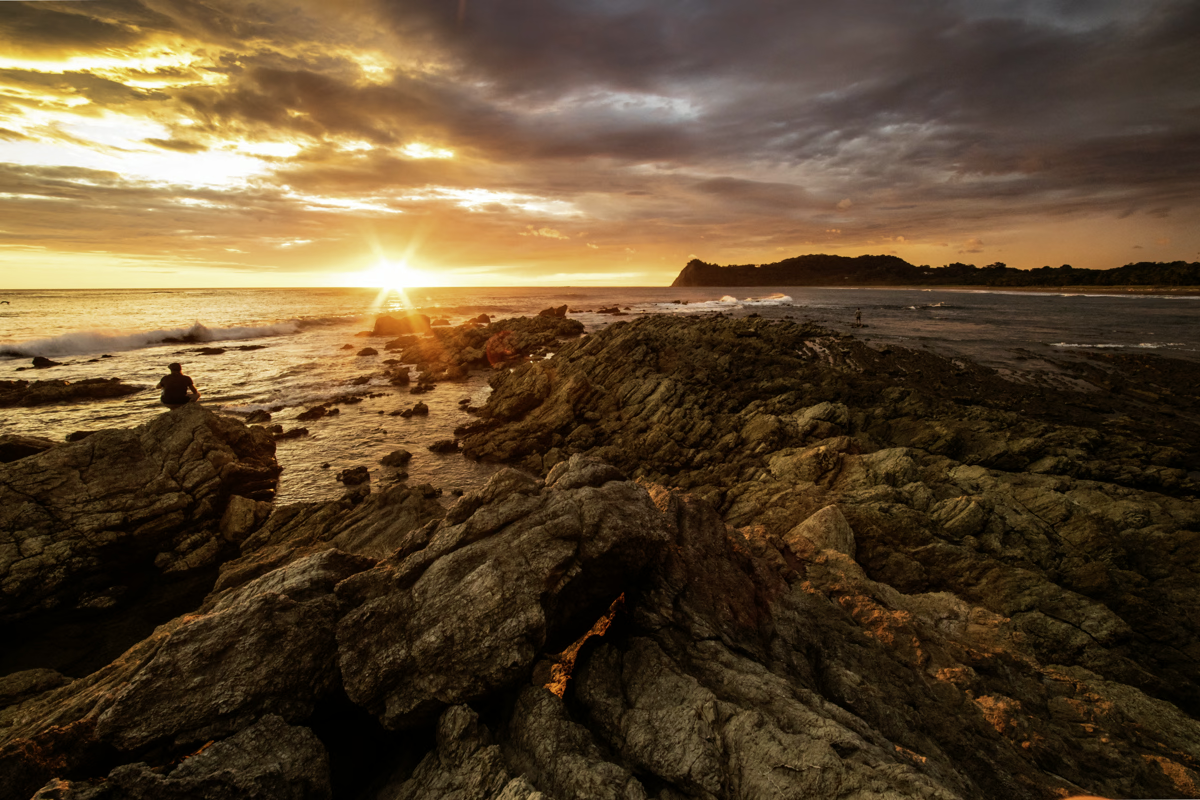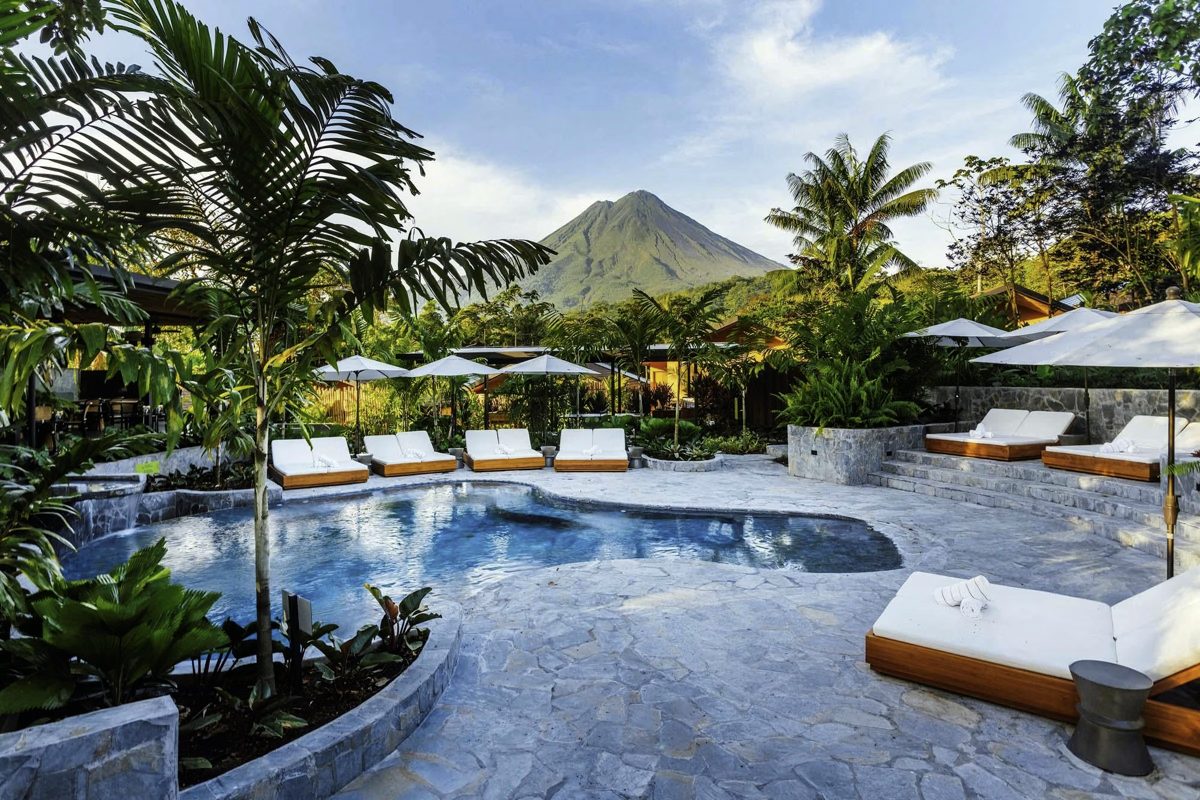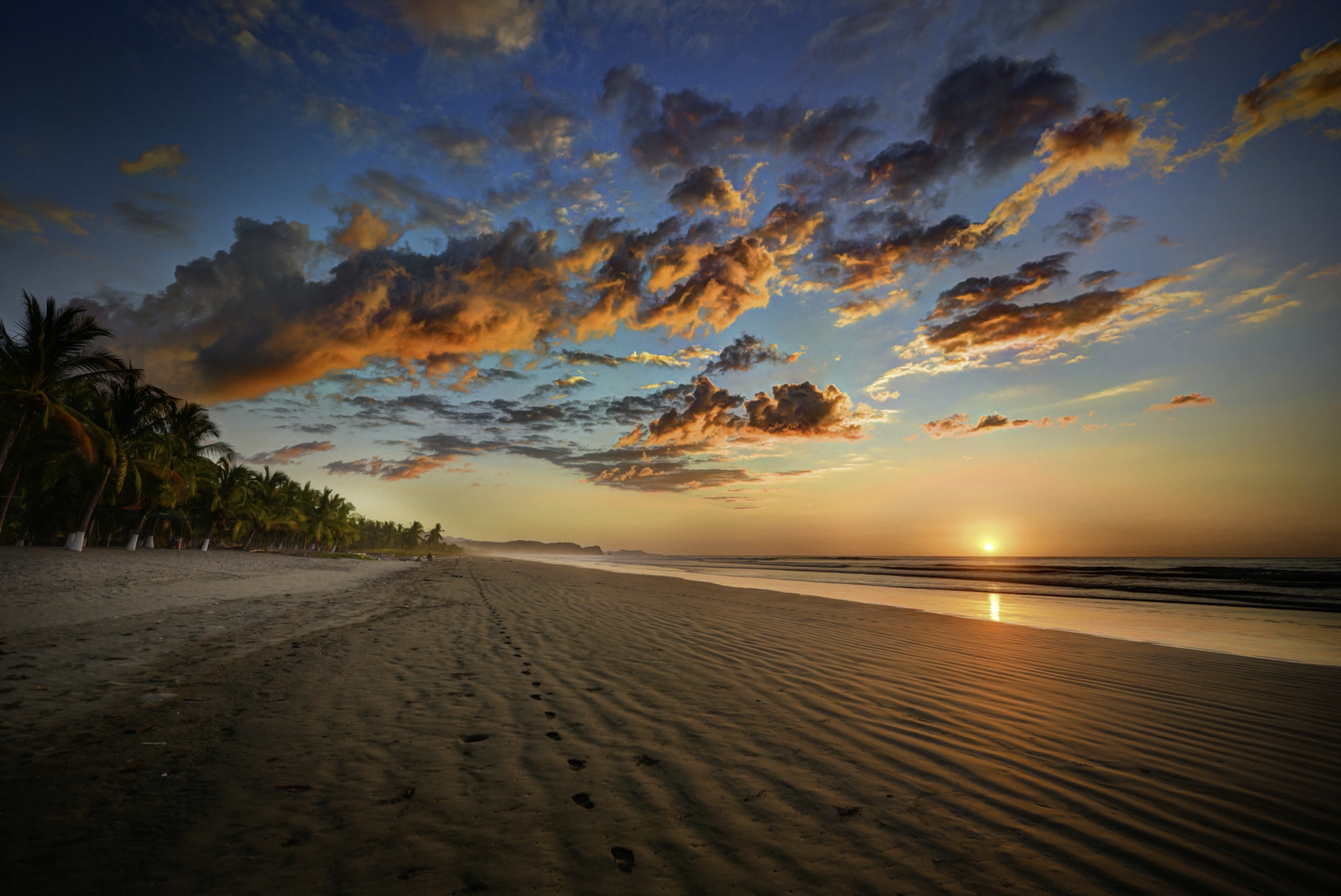
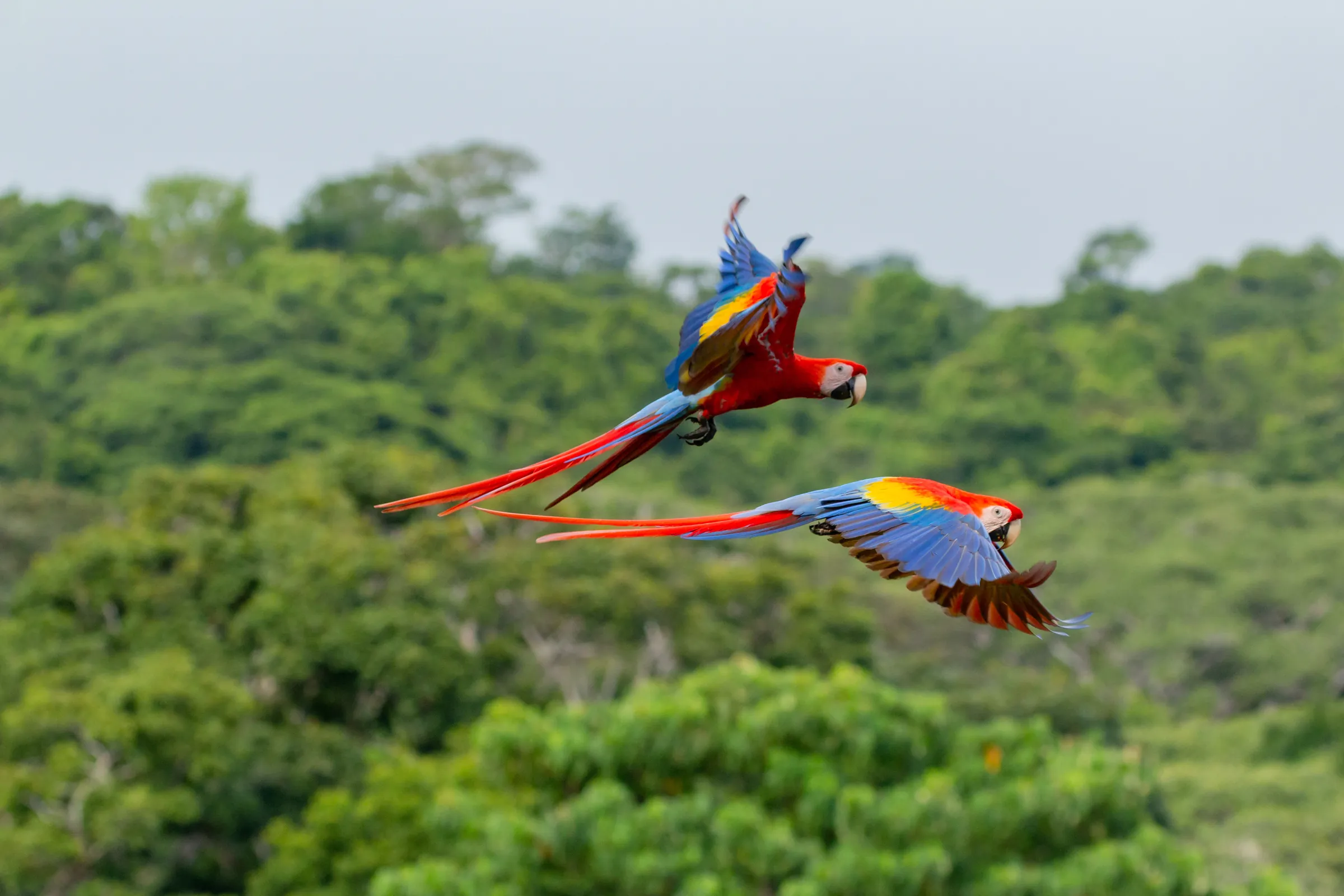
It’s no mistake that Costa Rica is known for its beaches. With almost 1300 kilometers (800 miles) of sweeping coastlines bordering the Pacific Ocean and the Caribbean Sea, there’s a beach for every beach lover here. Some are postcard-perfect, with powder-soft sand and crystal clear water. Others are dark and wild, where jungle meets sea and you can walk for miles without spotting a soul, besides the monkeys playing in the trees and the scarlet macaws as they glide overhead. Whether you want to get in touch with your inner beach bum, get back to nature, get your adventure on - sport fishing, snorkeling, sailing or kayaking, or take in a dramatic sunset with drink in hand, these are the best beaches in Costa Rica.
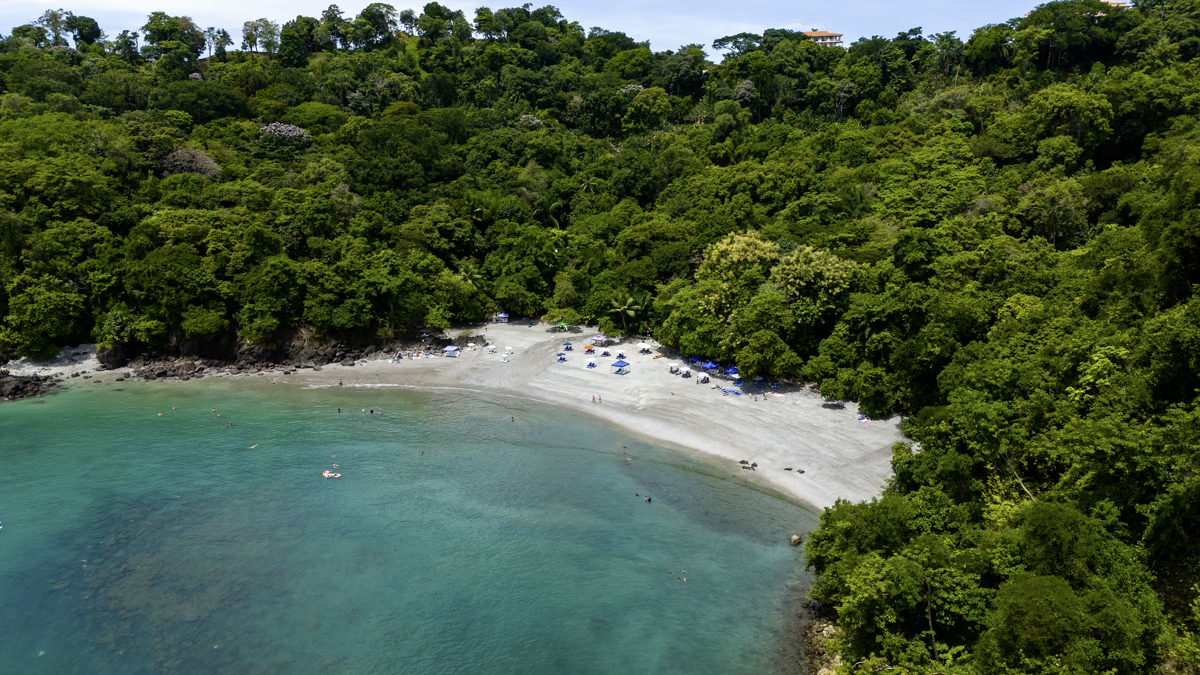
Short on time? Here’s the quick version, with each beach’s coast, what it does best and the closest airport. Scroll down for the full story on every one.
1. Best protected cove: Manuel Antonio
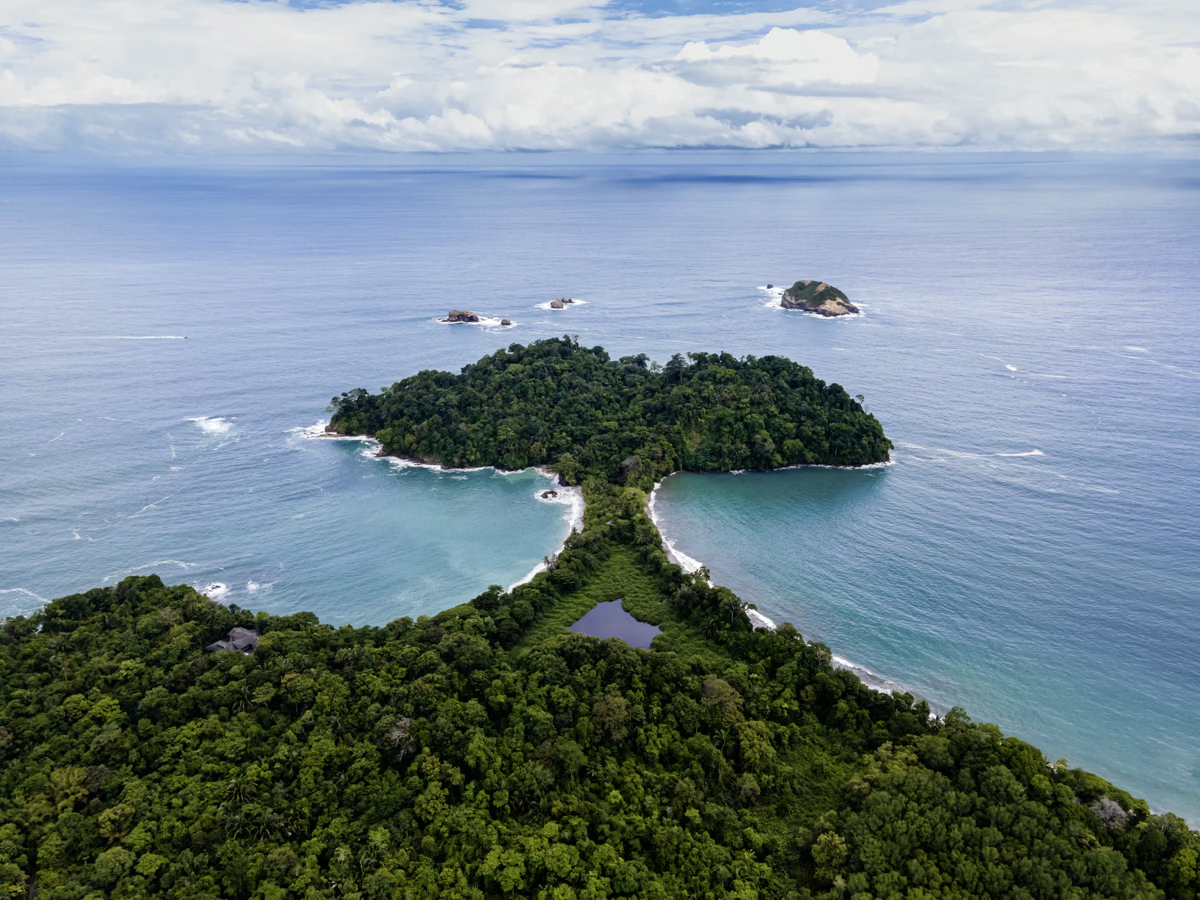
The small seaside village of Manuel Antonio is famous for its national park, and though it is tiny, the village is bustling with packs of tourists, street vendors, and guides hunting for clients to take into the park. The best time to visit the town is during low season or on a Tuesday when the park is closed – the town transforms into a quiet, sedate, relaxing place, with waves lapping at the white sands of Playa Espadilla and La Playita, both open to the public even when the park is closed.
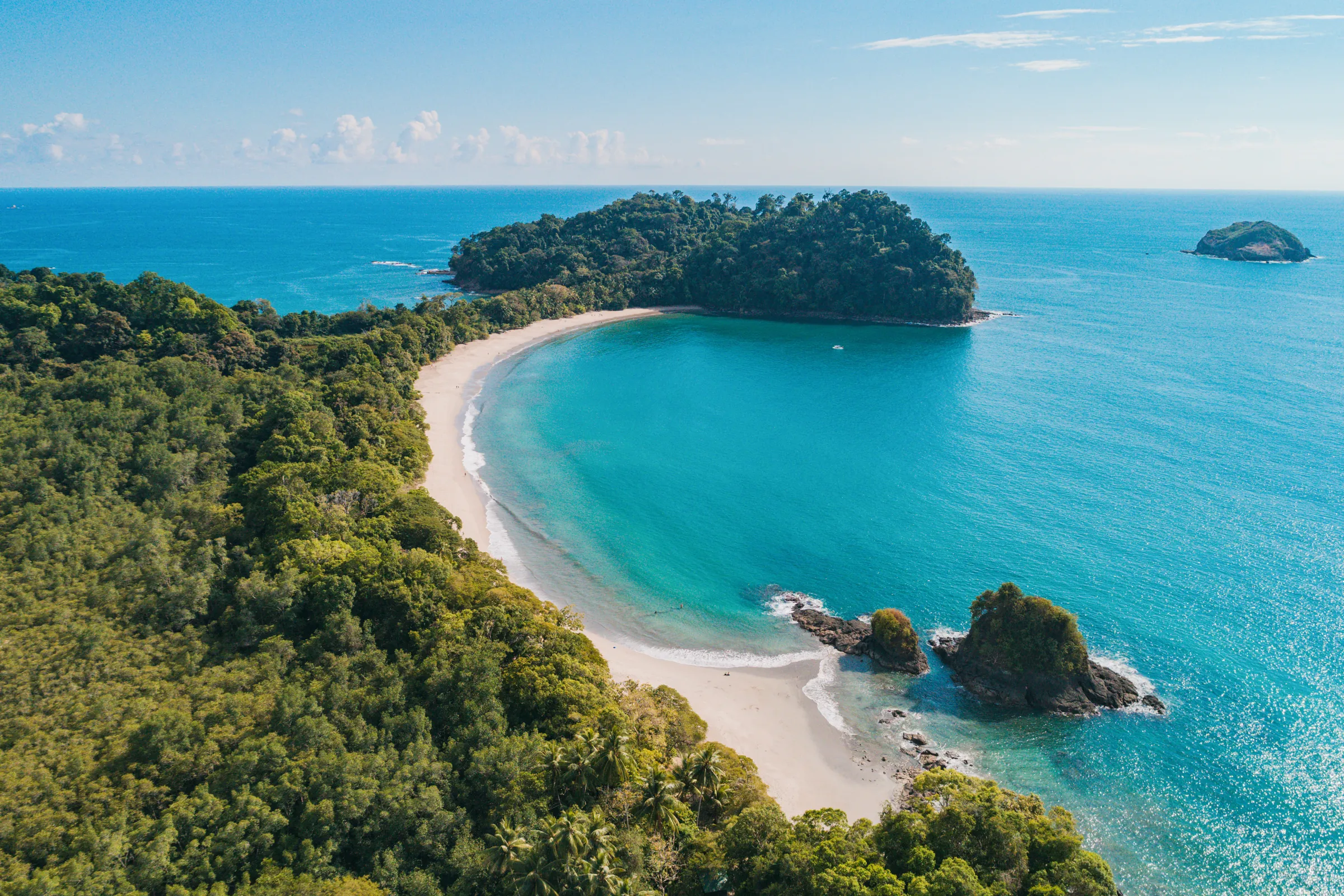
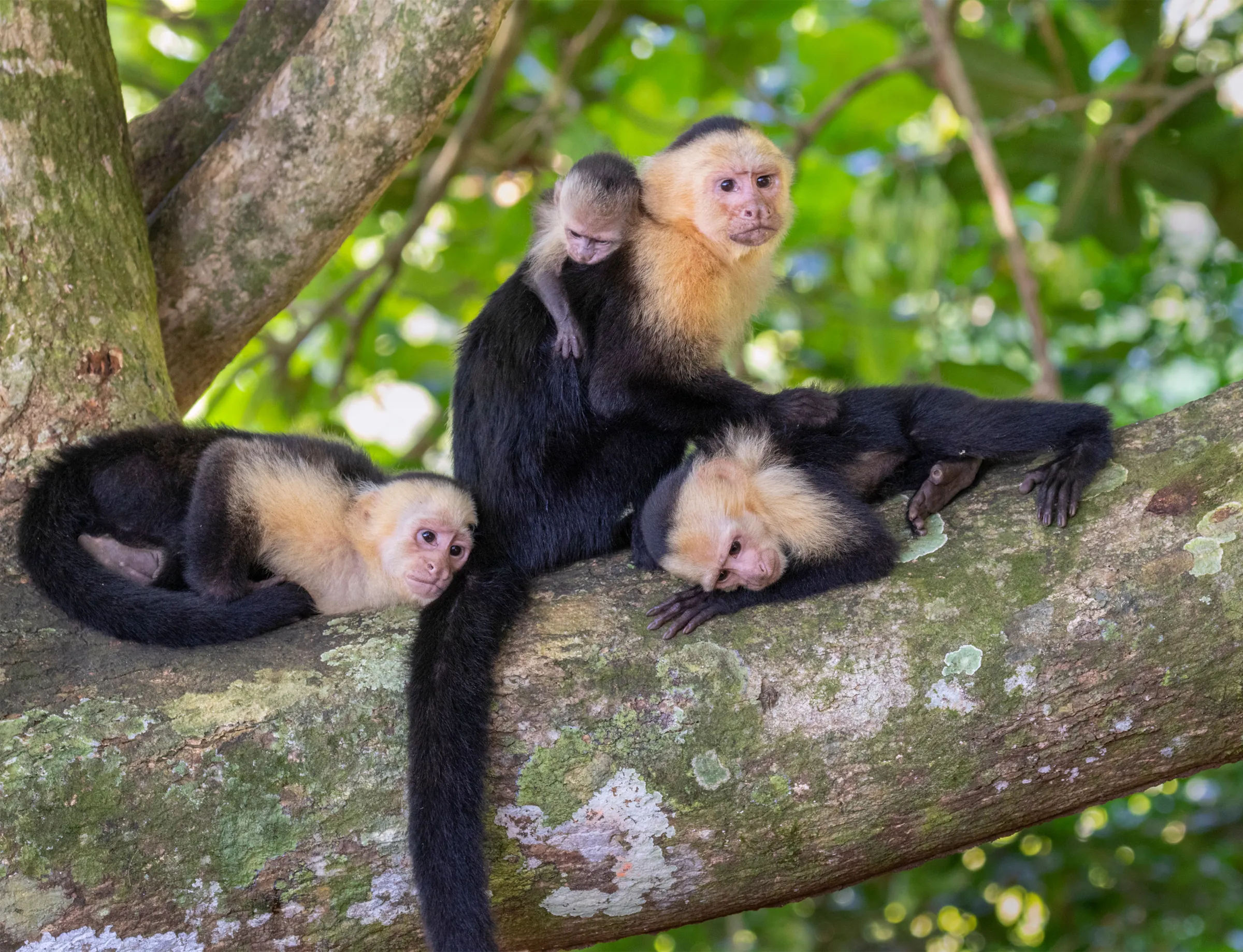
Do not miss Manuel Antonio National Park, even if you have to fight the crowds. The payoff is worth it! Inside the gates, a short walk down a service road, the park contains some of the most perfect white sand beaches in the entire country, protected coves with turquoise water and powdery sand lined with palm trees filled with white-faced monkeys and backed by thick, lush jungle. It really is paradise. Click here to explore our trips that include a visit to Manuel Antonio.
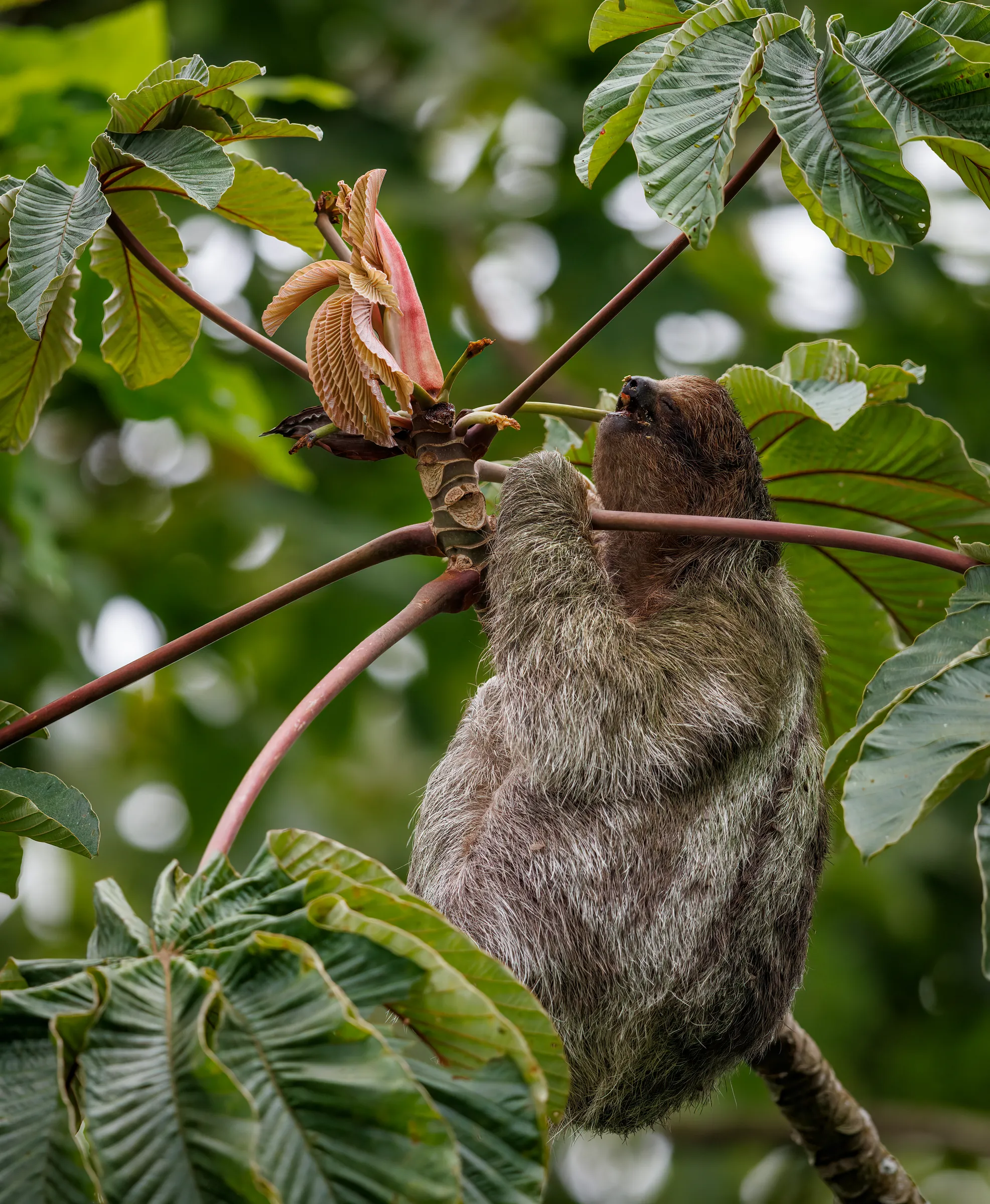
Park tickets are sold online only, through SINAC, Costa Rica’s national park service, and the number of visitors each day is capped. In dry season they can sell out several days ahead, so book as soon as your dates are set. Then go early. The gates open at 7am, the animals are at their busiest in those first cool hours, and you’ll have the coves mostly to yourself before the tour groups arrive. A naturalist guide is well worth it here. They carry spotting scopes and will find the sloths, tree frogs and vipers you’d walk straight past.
2. Best for consistent surf: Santa Teresa

On the western edge of the Nicoya Peninsula, Santa Teresa is a tiny idyllic beach village, sprawling parallel to the coast, along miles of dusty dirt road. Despite its small size, the last several years have seen this laid-back town blossom into a booming travel destination, with luxury hotels springing up to accommodate the surfers and foreigners coming from far and wide to visit the powdery white beaches and constant, reliable swells fueled by offshore tropical winds.
Explore more surf destinations in Costa Rica.
A broad strip of forest frames Santa Teresa’s beach, and one of the town’s best features is its absence of high-rise buildings, allowing the town to maintain its paradisaical pristine allure – the unblemished coastline with its long sweep of white sand, backed by jungle-covered hills. With year-round sunshine, consistent tropical temperatures and four spectacular beach areas, it is no secret why adventure-seekers find themselves in Santa Teresa, but despite the constant flow of foreigner traffic through these parts, the quiet town still evokes an end-of-the-world vibe that allows you to feel like one of very few lucky souls able to visit this beautiful, unspoiled place. Click here to explore our trips that include a visit to Santa Teresa.
Getting here is half the fun. The quickest way in is a short hop from San José to the little airstrip at Tambor, then about an hour by road. Or take the car ferry from Puntarenas across the Gulf of Nicoya to Paquera, and drive on from there with the windows down. Santa Teresa and Malpaís run into each other along the same coast road, so wherever you stay, you can easily spend a day in each.
3. Best for long, romantic walks: Malpaís
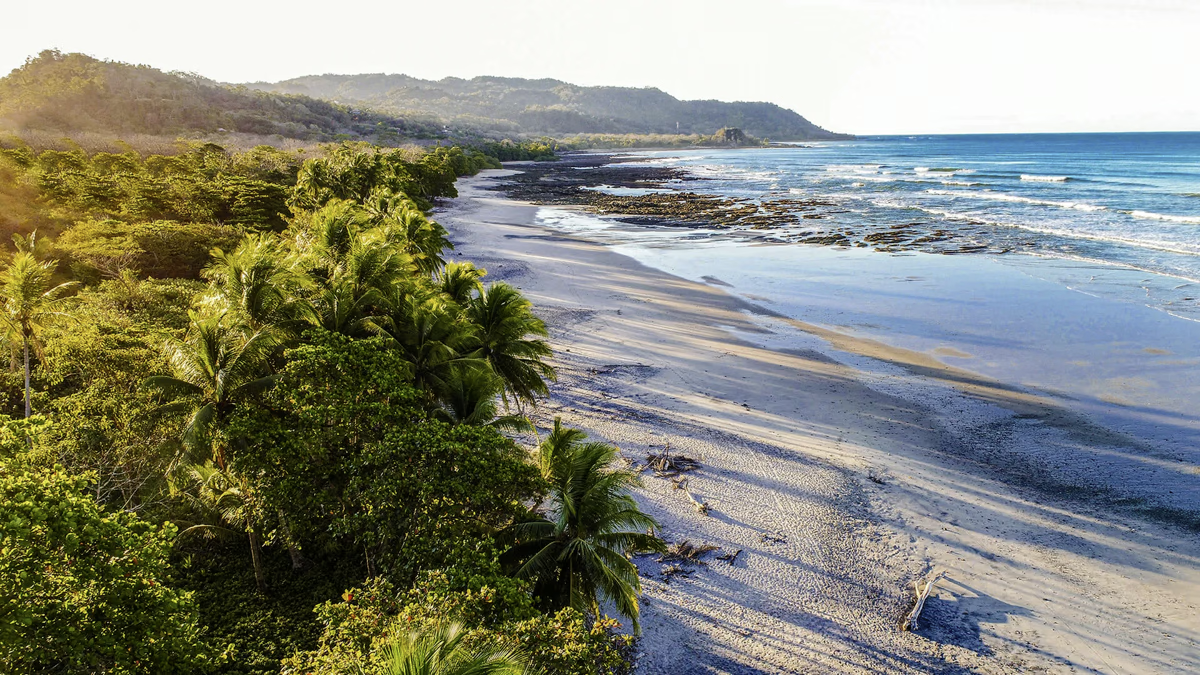
A tranquil community at the southwestern tip of the Nicoya Peninsula, Malpaís is a surfer’s mecca, drawing visitors from all over the globe to surf epic waves that can make even the most seasoned of surfers drool. With golden and white sand beach that stretches for miles, and flaming sunsets that light up the sky in orange, red and pink, it’s ironic that the name Malpaís means “badlands” in Spanish. Loosely spread out along five kilometers of road, the laid-back tranquil town is boxed in by beauty, with the Cabo Blanco Natural Reserve to the south, Santa Teresa to the north, and tropical dry forest that grows down to the shore where rocky outcroppings alternate with pockets of beach, some made up entirely of tiny seashells. Click here to explore our trips that include a visit to Malpaís.
Calmer and less developed than its neighbor to the north, Santa Teresa, Malpaís’ serene atmosphere is a respite from the crowds, with only a few hotels and no supermarkets or shops. The ocean is the main attraction, packing consistent waves and a long beach break. Besides surfing, visitors to Malpaís can partake in fishing, diving, kite surfing, stand up paddle (SUP), and snorkeling. By night, the area offers a chilled-out funky vibe with a smattering of restaurants and bars, many just steps from the beach.
Have a free morning? Lace up your shoes for Cabo Blanco. It was Costa Rica’s very first protected area, and its longest trail winds through the forest for a couple of hours before dropping you onto a wild, empty beach at the very tip of the peninsula. Pack a picnic and plenty of water.
4. Best edge-of-the-world vibe: Montezuma
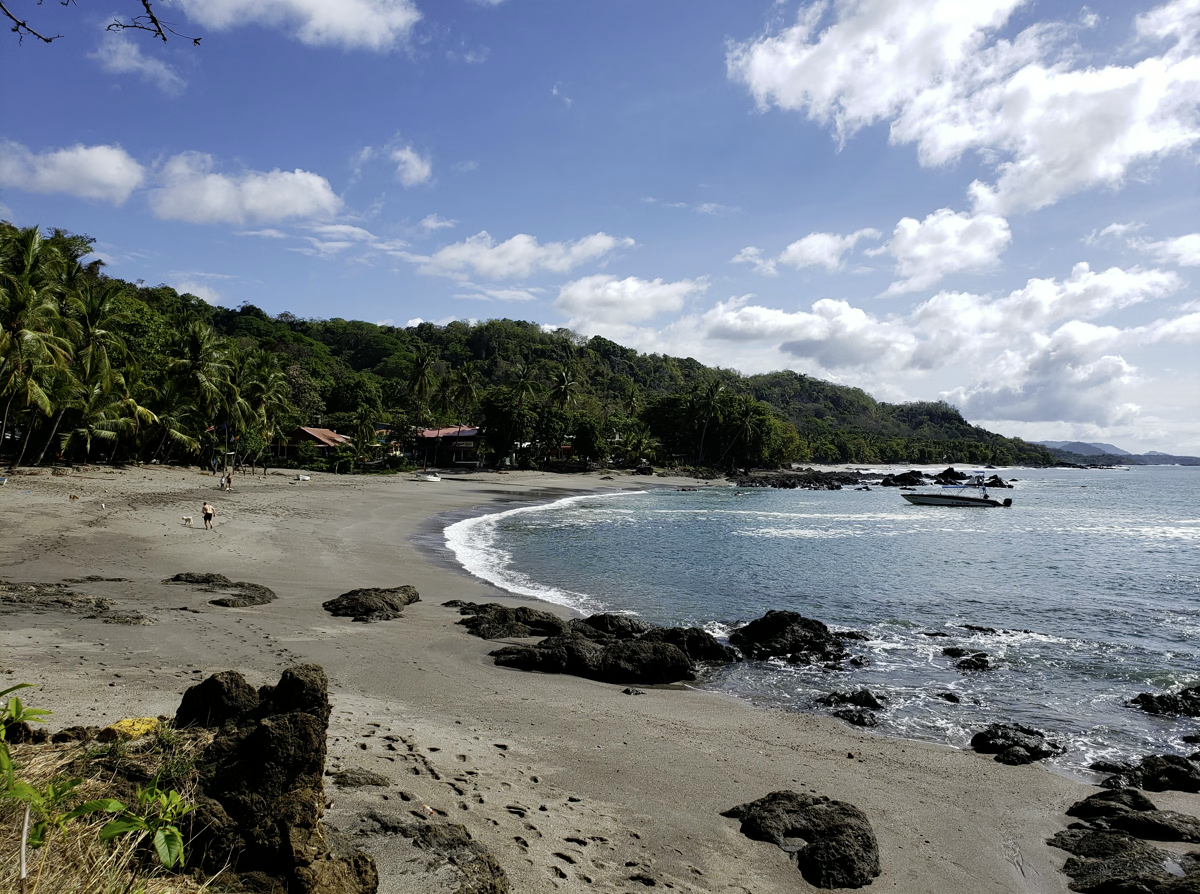
Montezuma is a picturesque beach village with an endearing bohemian atmosphere on the Nicoya Peninsula. Remote and secluded, the town evokes an end-of-the-road feeling, attracting only those who are committed to making the trek to get here – a mix of backpackers, young families, and couples seeking a romantic getaway – to enjoy a warm and wild ocean, and jungle that dips down to meet the sea. Montezuma’s main drag stretches out parallel to the ocean, along several kilometers of rugged coastline, lined with charming wood houses, hotels, and a selection of restaurants featuring local and international-inspired cuisine.
Planning a honeymoon? Visit our Costa Rica honeymoon planning guide here.
Most people come for the waterfall. A short, rocky hike up the river from the edge of town brings you to a tall cascade with a swimming hole at its base, and there are more pools above it if you’re up for the scramble. Stay on the marked trail, as the rocks between the upper falls are slick. From the beach, boats also run day trips out to Isla Tortuga, a white-sand island in the Gulf of Nicoya with calm, clear water for snorkeling and a long lunch in the shade.
5. Most unique geographical feature: Uvita
South of Dominical, Uvita is a quiet beach town with a gentle pace of life and a thriving expat community. The town is small and set into the jungle hillside, a network of dirt roads lined with farms, guesthouses and shops, a cluster of strip malls by the main highway, and a scattering of hotels nestled into the hills overlooking the coast.
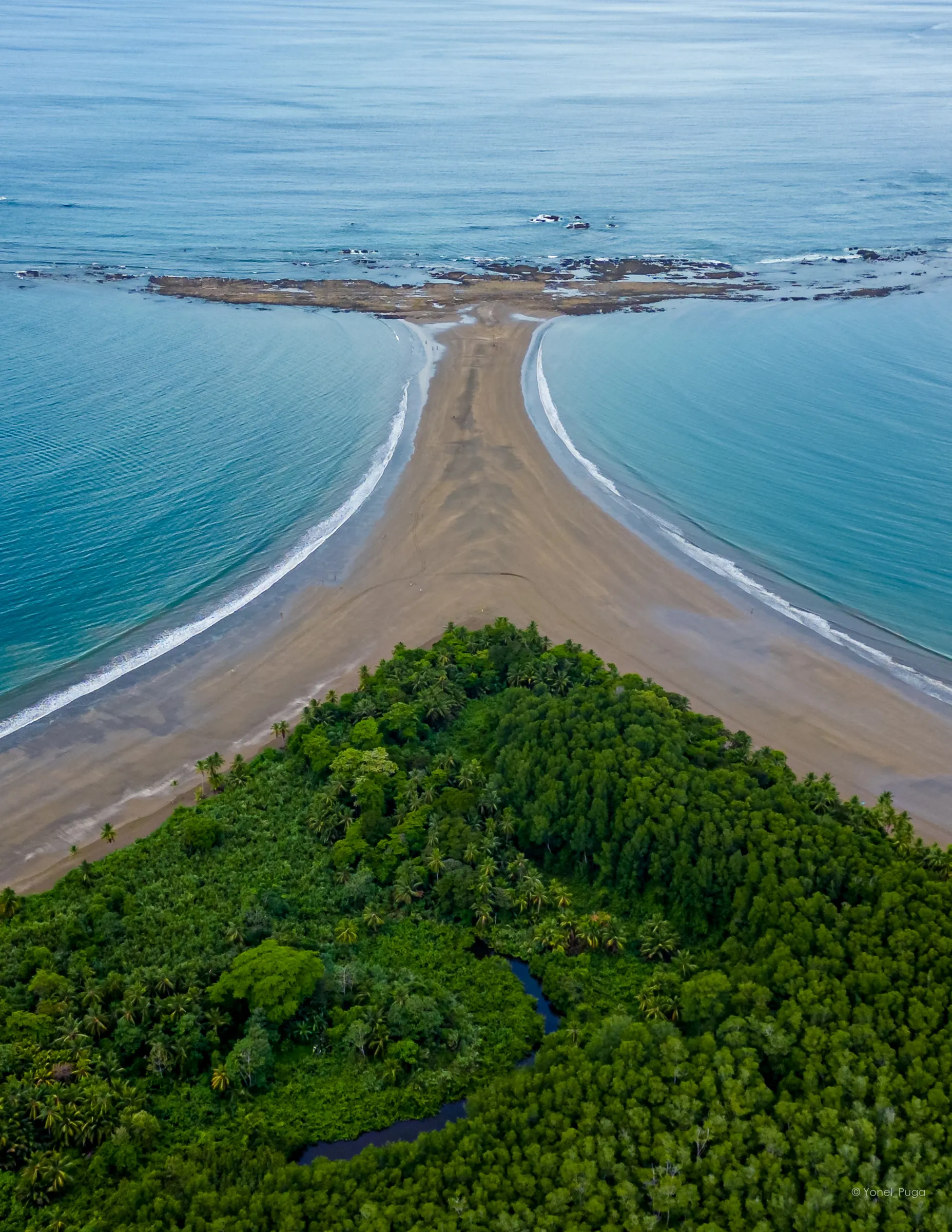
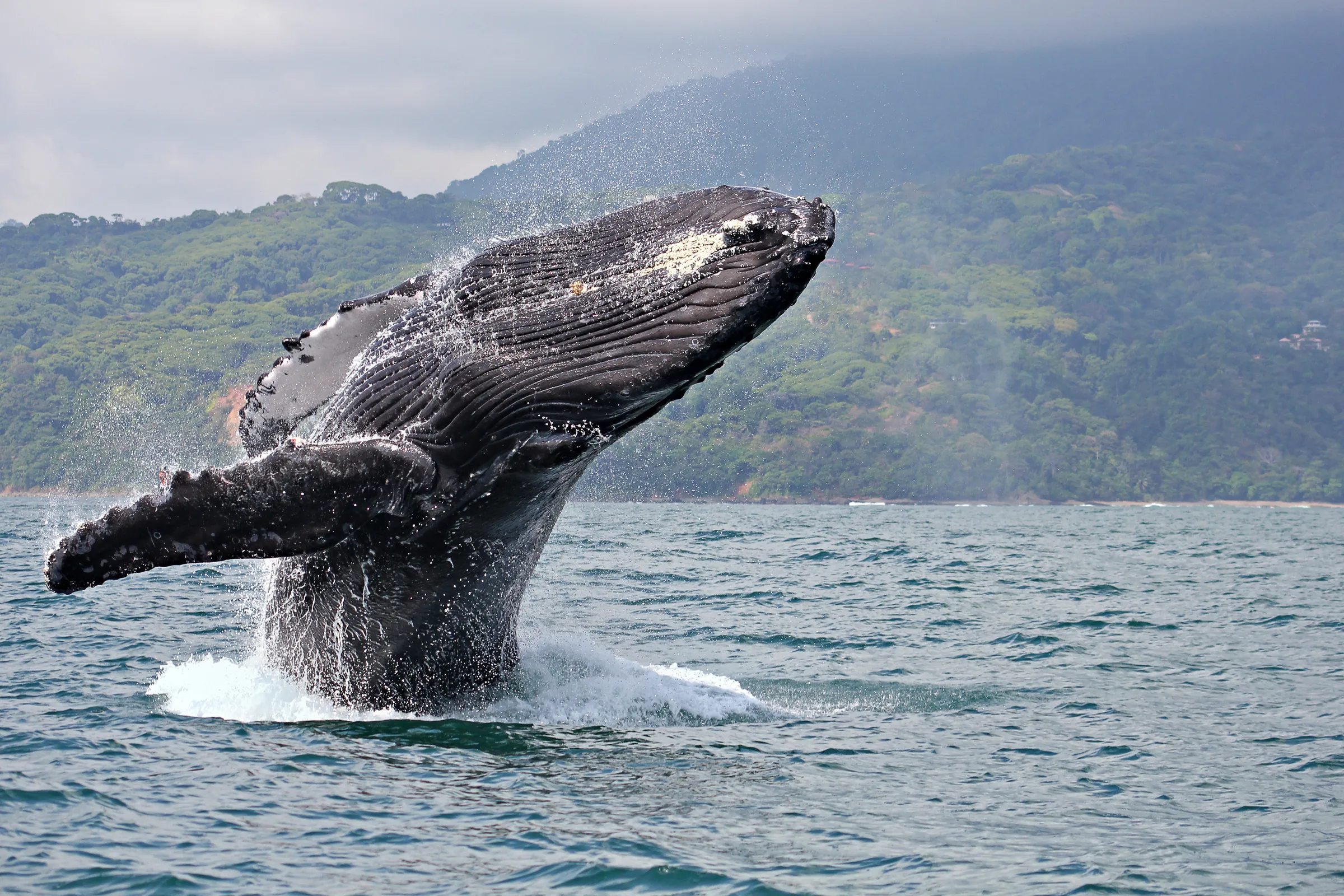
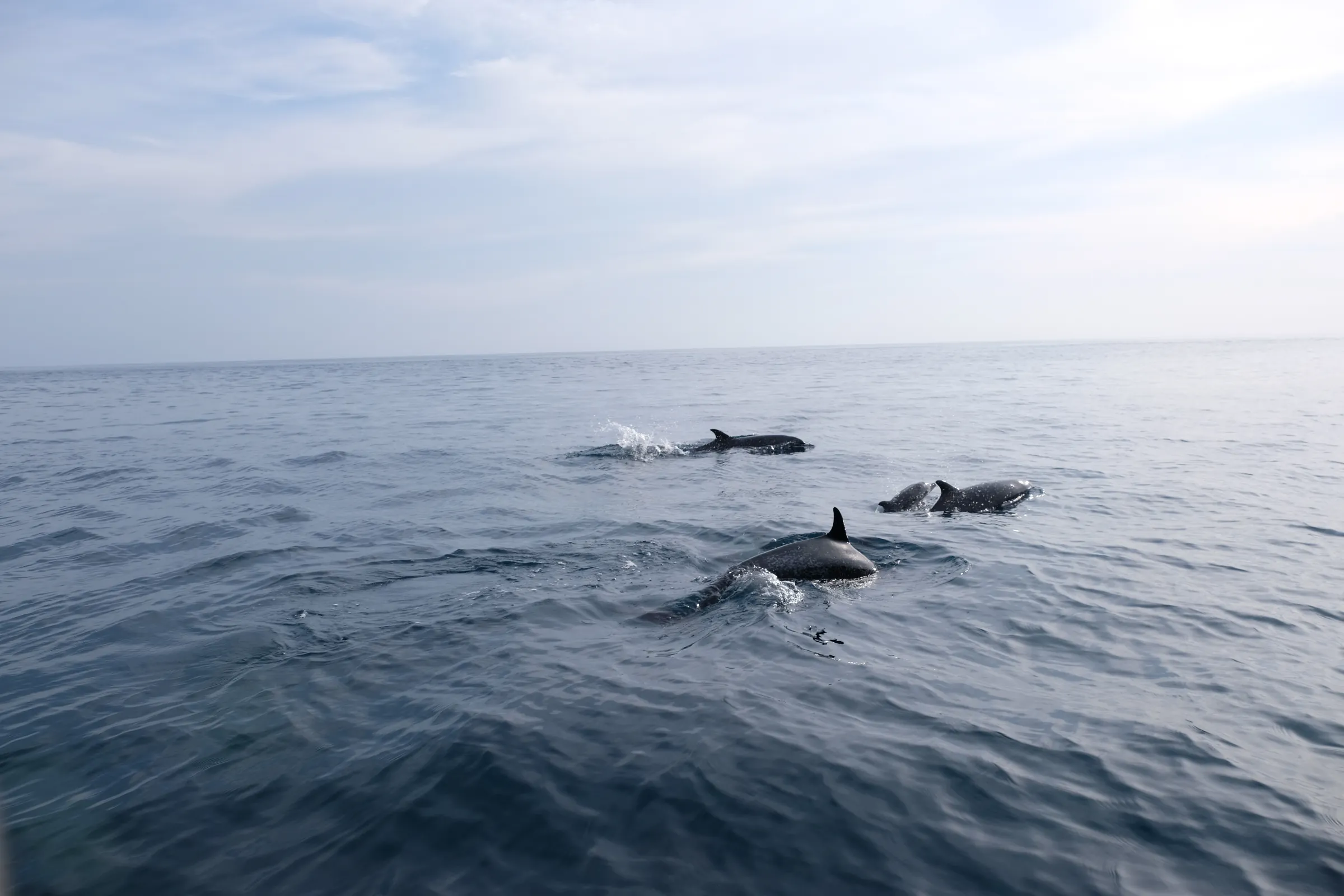
The area’s main attraction is Marino Ballena National Park, famous for its migrating pods of humpback whales, wild, deserted beaches, and the whale’s tail-shaped sandbar that stretches out into the ocean, best seen with a bird’s eye view from high up in the hills. Click here to explore our trips that include a visit to Uvita.
Humpbacks swim in from both hemispheres, so Uvita gets two whale seasons a year. Whales from the north arrive roughly December through April, and whales from the south come up from mid-July through October, with August to October usually the best of it. You can only walk out onto the whale’s tail at low tide, so check the tide chart before you go. The park is open from 7am to 4pm, and if low tide falls outside those hours, you’ll have to try again the next day.
6. Most jaw-dropping sunsets: Dominical
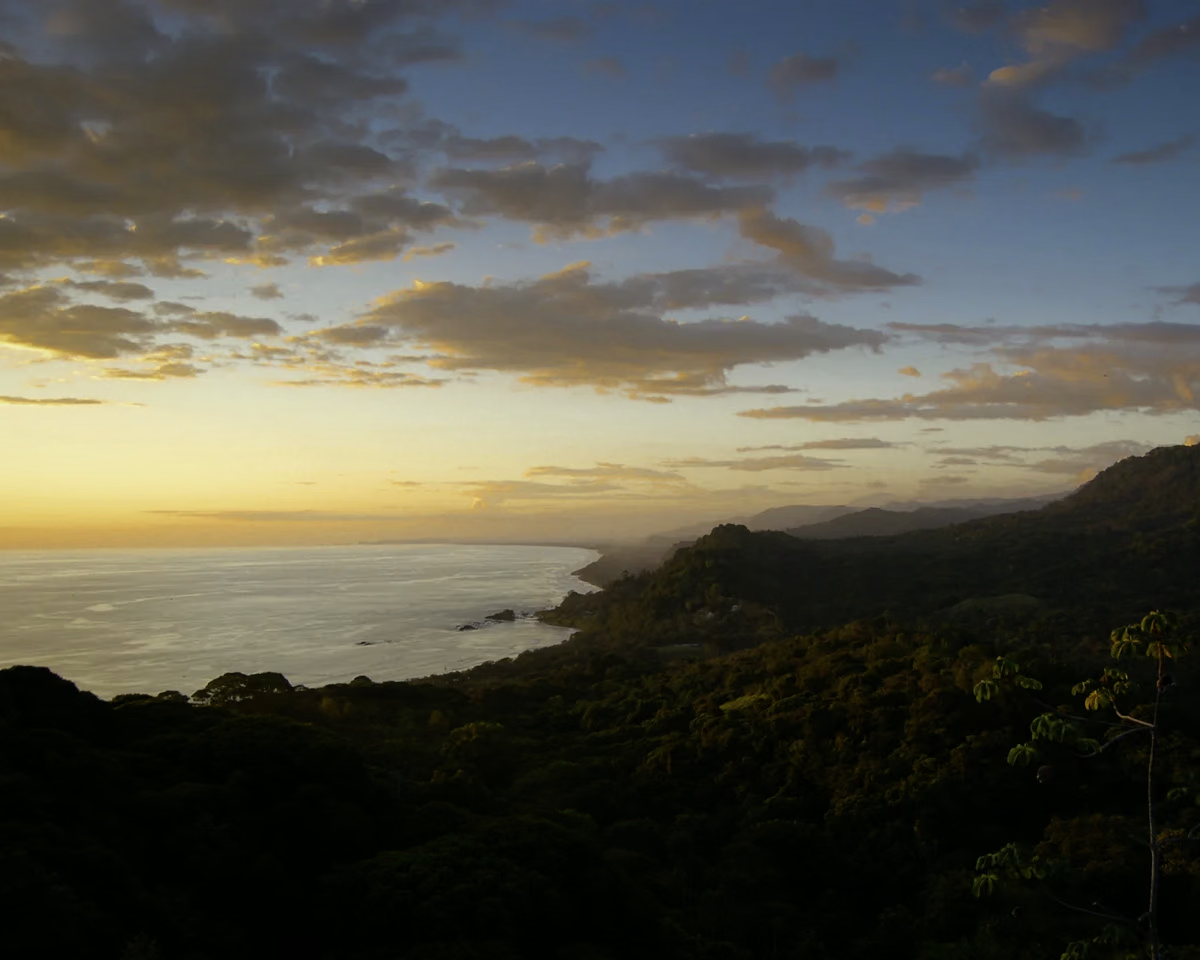
Best known for its waves, the quirky little beach town of Dominical on Costa Rica’s Central Pacific has long been a favorite destination for those looking for an off-the-beaten-path experience, attracting a motley crew of surfers, backpackers, and sun worshippers. For a long time, the only way to get to town was to travel a dusty, pitted stretch of dirt road south of Manuel Antonio, keeping the less adventurous travelers at bay. Though the development of the Costanera Sur highway has brought a buzz of development and with it, hordes of fresh faces to the area, Dominical has maintained its laid-back, beachy vibe, with unpaved roads and free from big chain resorts and fast food restaurants.
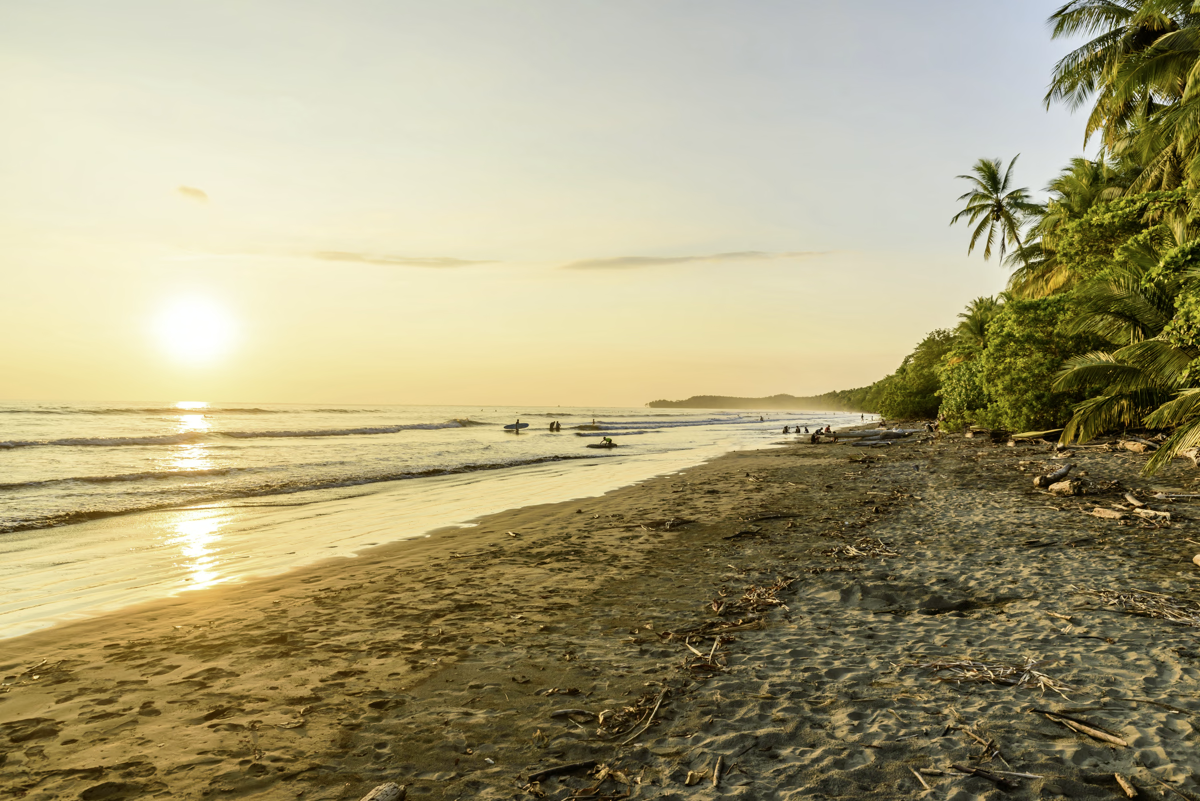
The beach fronting Dominical is one of the best surfing beaches in Costa Rica, offering consistent waves, great for both beginner and experienced surfers. The dark rocky stretch of sand meanders along the coastline for 4 kilometers (2.5 miles), with deep blue water lining one side, and jungle-covered hills sloping up the other, and the further you walk, the quieter the beach becomes – you won’t be sharing the sand with more than a handful of bathers at any given time. Though this isn’t the prettiest beach in Costa Rica, sunsets here are spectacular, and as twilight comes calling, locals and tourists alike congregate on the beach, beer in hand, to watch the sun dip below the horizon. Click here to explore our trips that include a visit to Dominical.
The same surf that made Dominical famous also brings strong rip currents, so keep your swims close to the lifeguard flags. Dominical is one of the few beaches in the country with its own lifeguard crew. For calmer water, head just south to the rocky little cove at Playa Dominicalito. And before you leave, make the trip up into the hills behind town to Nauyaca Waterfalls, a two-tiered cascade with a deep pool at the bottom that’s absolutely worth the walk.
7. Best wild black sand beach: Carate
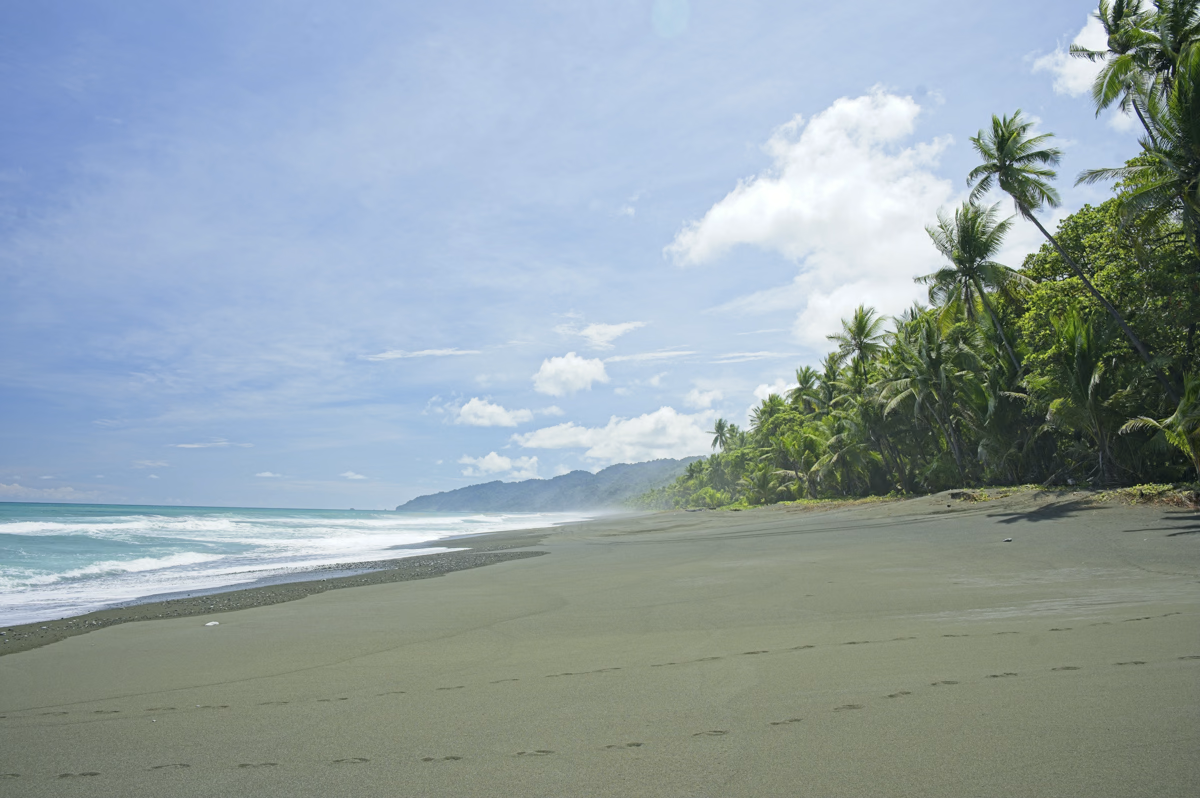
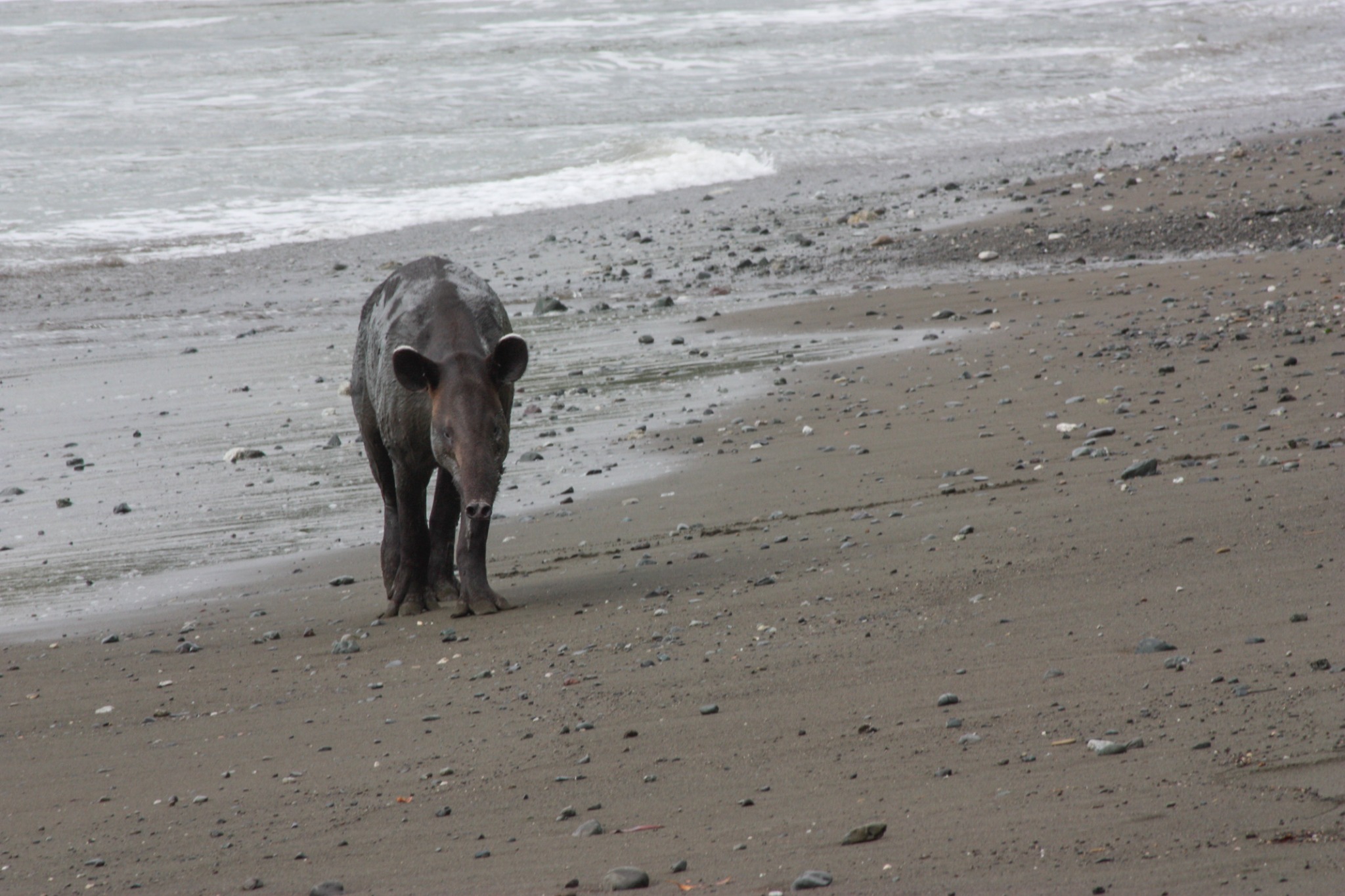
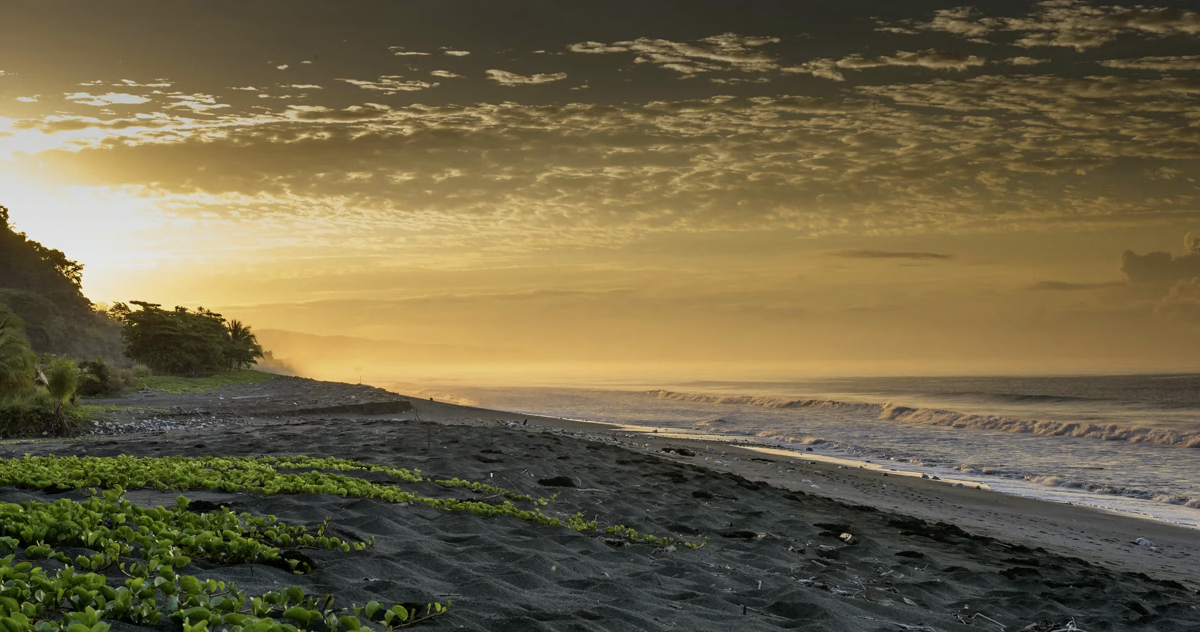
In Costa Rica’s South Pacific, on the beautiful Osa Peninsula, Carate is a small community located right next to Corcovado National Park, widely considered the “crowned jewel” of Costa Rica’s national park system. This tiny village, situated near the La Leona Ranger Station on the eastern side of Corcovado is one of Costa Rica’s best kept secrets, with abundant bird and wildlife, excellent hiking, and long stretches of deserted jungle beaches to explore. The town itself is nothing more than a single dirt road, with a cluster of secluded hotels, restaurants, and one solitary bodega where visitors can buy snacks.
Carate’s proximity to Corcovado National Park makes it an ideal location to stay while exploring the park, with a wide range of accommodations, from low-budget tents to luxury villas available along the road and nestled further back in the jungle. During turtle nesting season, which runs from June through November, endangered olive ridley, leatherback, hawksbill and green sea turtles, visit the shores along Carate Beach to lay their eggs. Click here to explore our trips that include a visit to Carate.
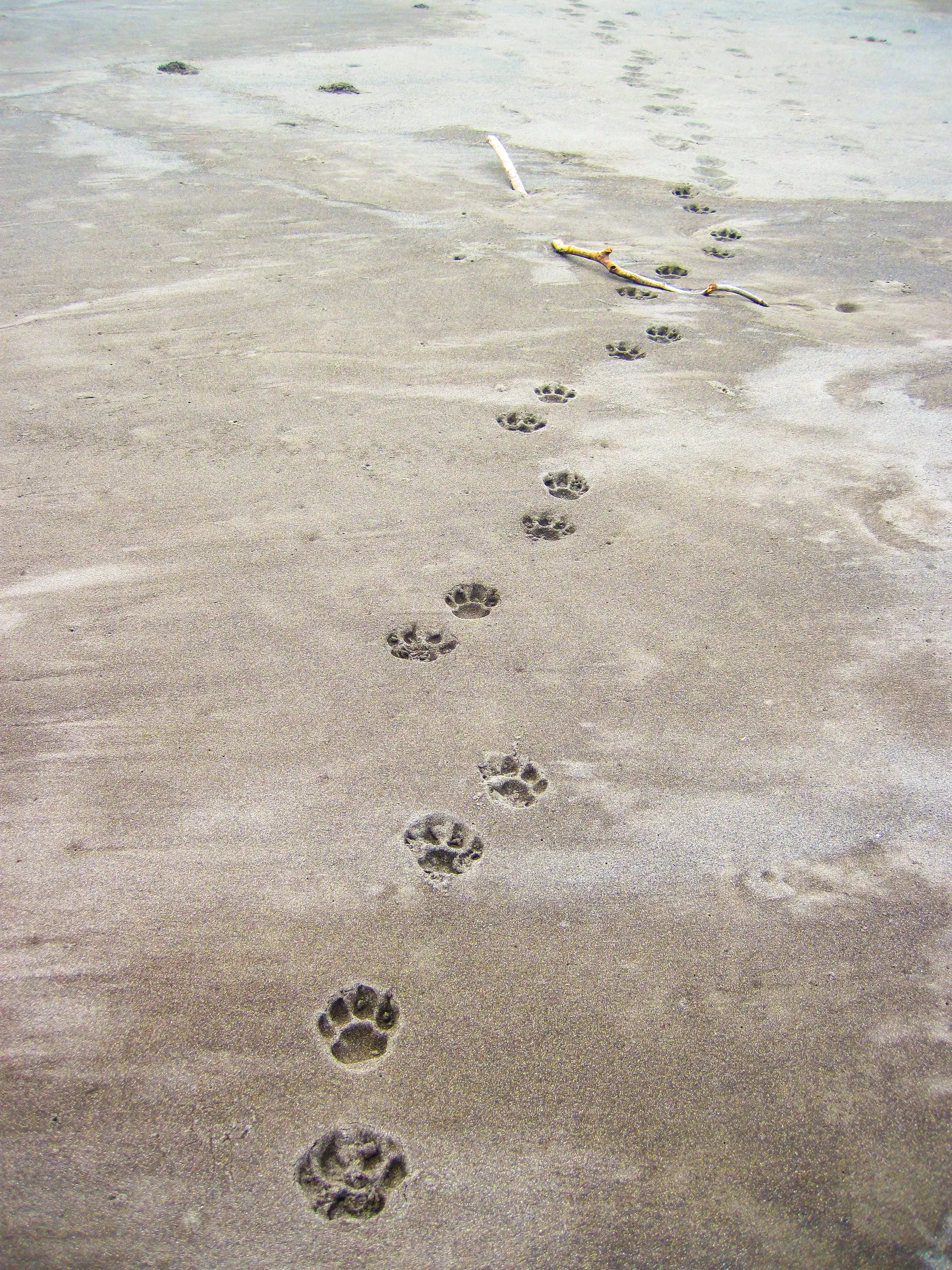
To enter Corcovado, you’ll need a certified guide. It’s been the rule since 2014, and on these trails you’ll be glad of the company. From Carate, it’s about a 3-kilometer walk along the beach to La Leona Ranger Station, where the park begins. Most people hike in for the day and turn back, but if you can, do the full trek from La Leona to Sirena Station, deep in the heart of the park. Spend the night there and you’ll wake up to tapirs, peccaries and scarlet macaws. Getting to Carate takes some effort: about an hour and a half to two hours on a rough road from Puerto Jiménez, or a small plane straight to the Carate airstrip.
8. Best beach nightlife: Tamarindo
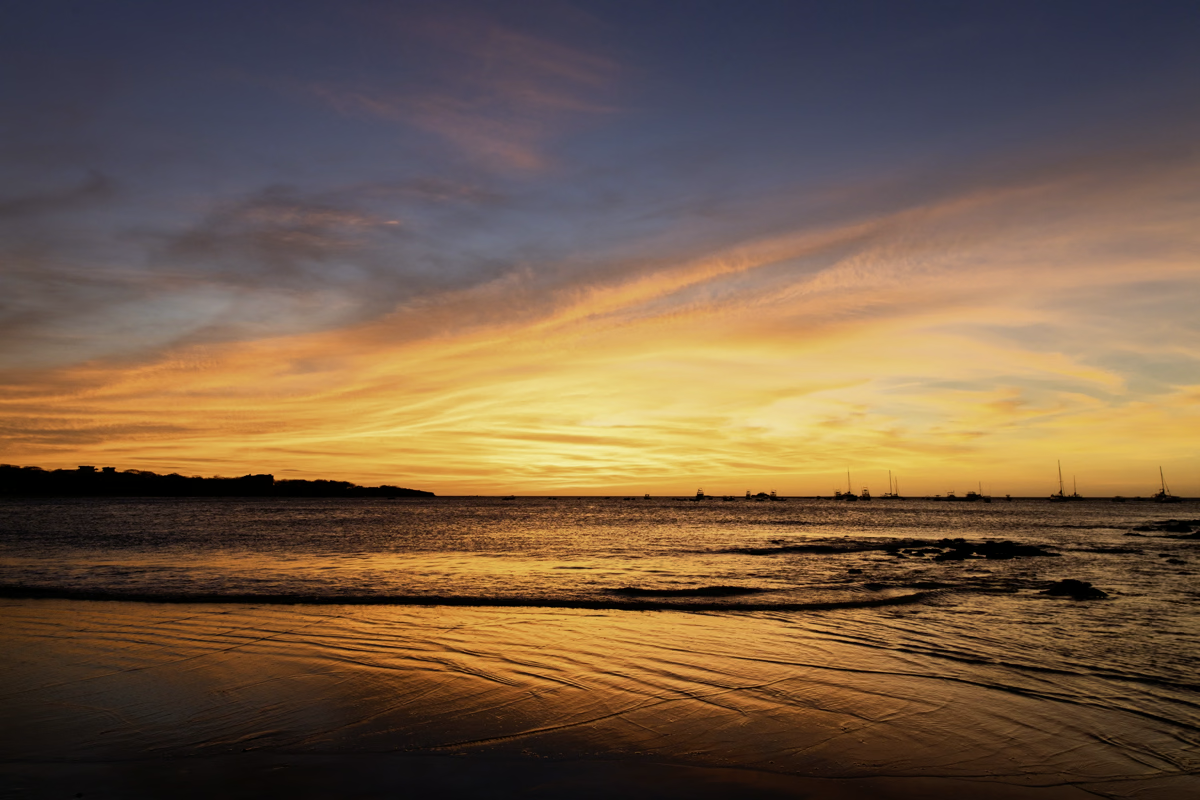
Once a quiet fishing village, a quarter century of hedonism has transformed Tamarindo into one of the most popular party and surf destinations in Costa Rica, with hordes of visitors coming to enjoy sun, sand and surf by day and a vibrant nightlife once the sun goes down. Foodies will find some of the best restaurants in the country here. Tamarindo is a melting pot of expats from all over Europe, the Americas, and Asia, so there is truly a diverse array of cuisine options, ranging from international fusion to upscale sushi joints, beach bars to Argentine steakhouses. There is something for everyone.
Tamarindo’s long, rocky beach boasts excellent surfing, with some of the best breaks in the world, as evidenced by the many international surfing competitions held here every year. The town’s central location – with popular beaches Conchal and Flamingo to the north, and Langosta to the south – makes it an ideal home base for travelers looking to explore Costa Rica’s northern Pacific coast. For those that aren’t comfortable on a surfboard, there are plenty of other activities to experience in Tamarindo, from kayaking to sport fishing, ATVs to zip lining and horseback rides. Click here to explore our trips that include a visit to Tamarindo.
Need a break from the buzz? Just across the estuary, Playa Grande is a wilder, quieter surf beach and part of Las Baulas National Marine Park, set aside to protect nesting leatherback turtles. The leatherbacks have become very rare here over the years, but the estuary itself is a treat. Take an early boat trip up the river for crocodiles, herons and tangled mangrove forest, all before breakfast.
9. Best Caribbean flavor: Punta Uva

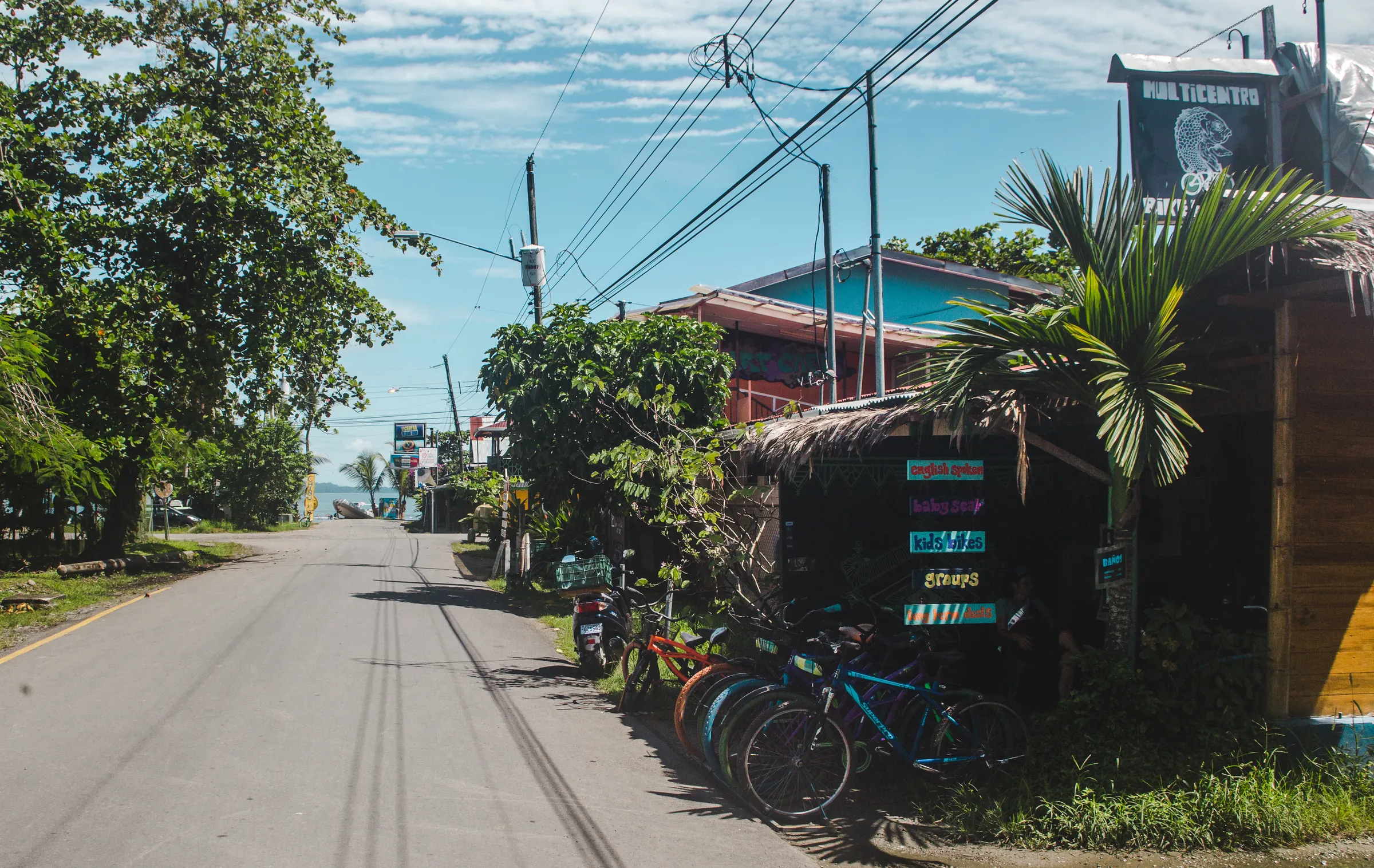
South of Puerto Viejo de Talamanca, Punta Uva is a small seaside village known for its calm, reef-protected water, and beautiful, powdery white sand. The town is small – a few dirt roads, a handful of shops and restaurants and some small hotels – with a very laid-back Caribbean vibe and delicious Afro-Caribbean inspired cuisine.
Best explored by bicycles (which can be rented from one of many bike shops in Punta Uva), the region is flat and relatively easy to get around. Bicycle is preferable to driving, as parking throughout Punta Uva is very limited. Two stunning beaches, Playa Punta Uva and Playa Punta Uva Arrecife, connected by a short trail through the jungle, both offer palm-studded beaches, turquoise water and soft, white sand. Besides relaxing at the beach, the area has a multitude of activities available for travelers looking for things to do – hiking, snorkeling, kayaking, scuba diving and stand-up paddle are popular here. Click here to explore our trips that include a visit to Punta Uva.
The reef keeps the water calm most days, which makes Punta Uva one of the best places to swim and snorkel on the Caribbean side, especially in September and October, when the sea is usually at its clearest. Stay for lunch. The little kitchens here serve rice & beans simmered in coconut milk, rondón (a rich coconut seafood stew), and patí, a spicy meat pastry that makes the perfect beach snack.
10. Best secluded beach: Manzanillo
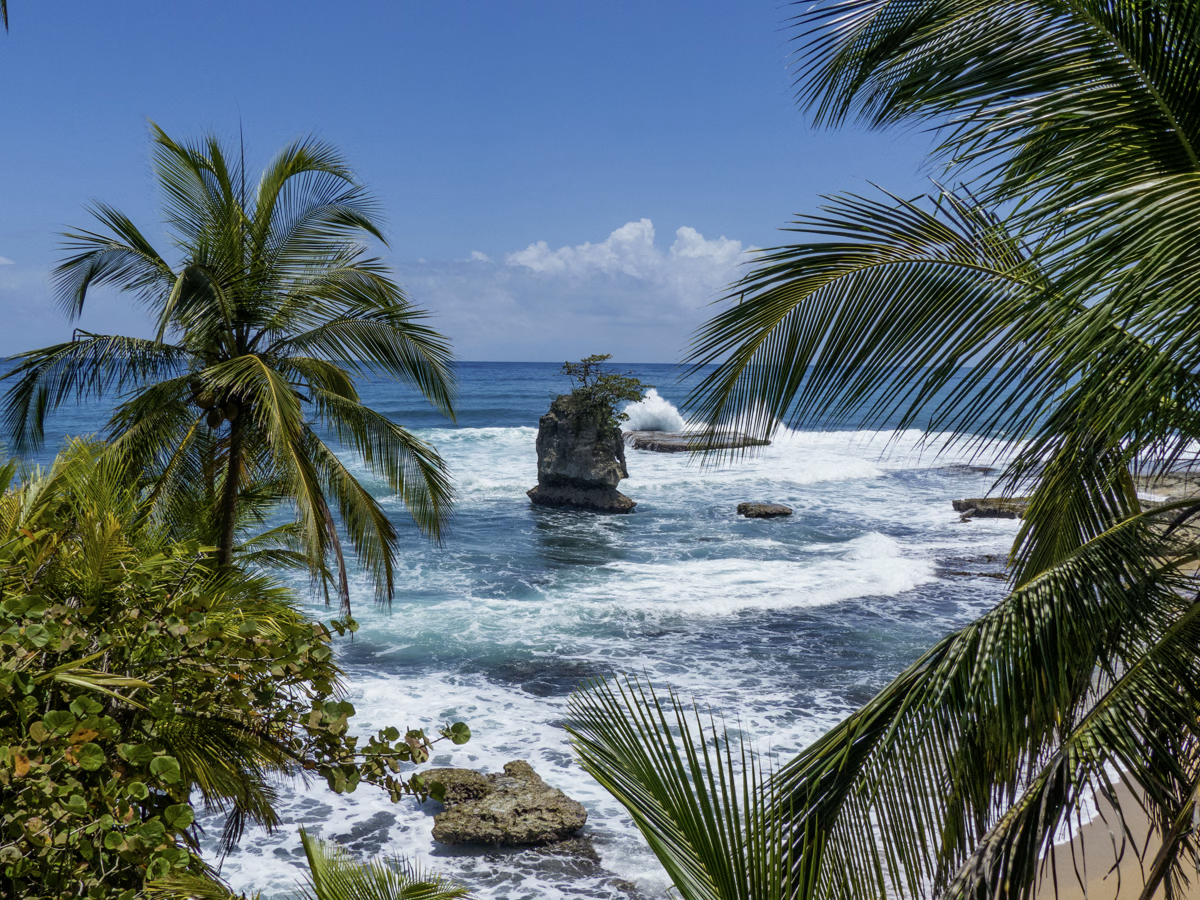
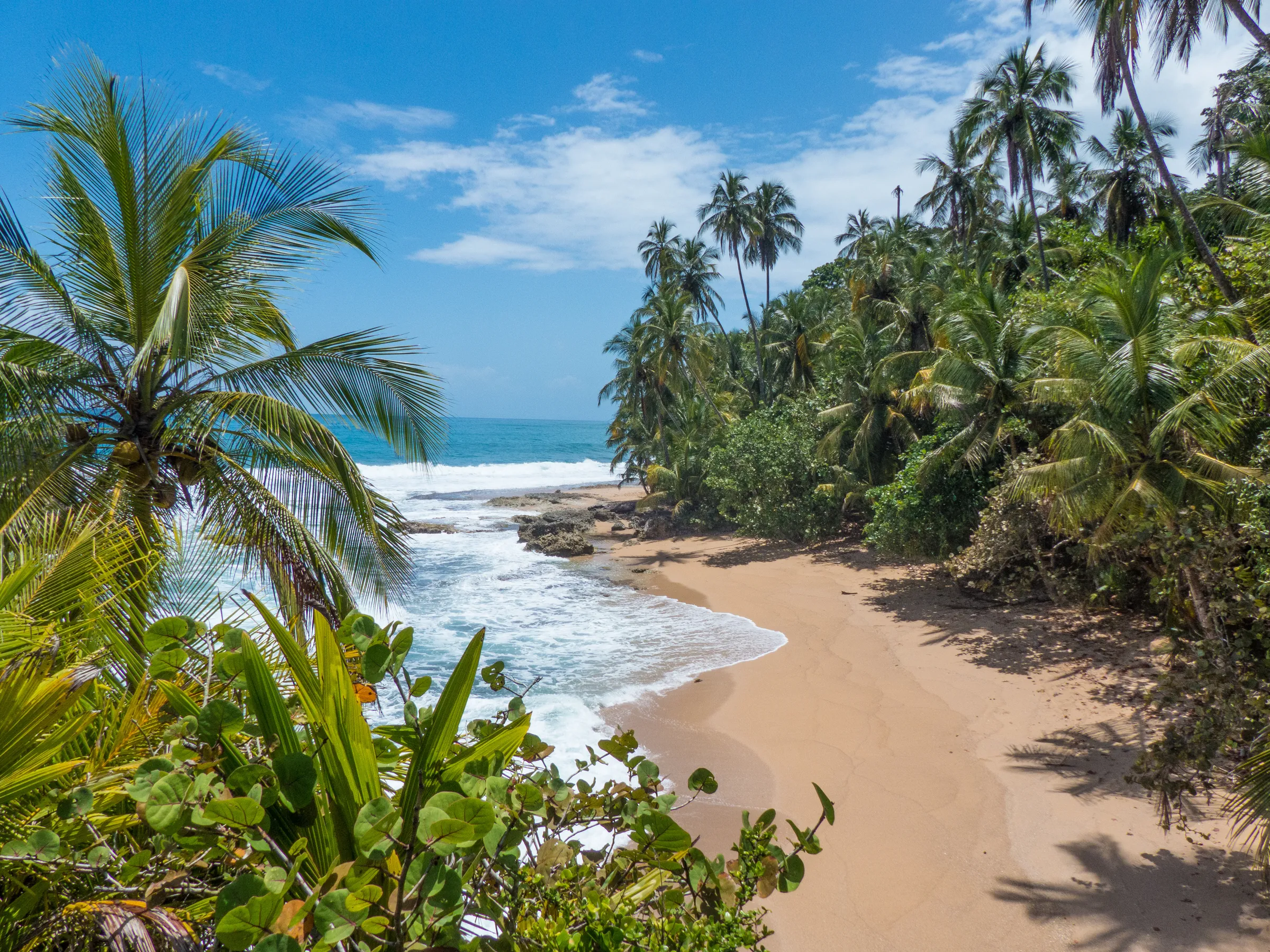
Remote and exotic, the Gandoca-Manzanillo Refuge lies in the southeastern corner of Costa Rica, 73 kilometers south of Limón, past Cahuita, Puerto Viejo and Manzanillo. South of Manzanillo, the road ends and a network of hiking trails begins, stretching out to Punta Mona and the Gandoca station, down to tiny coves and beaches where you’re unlikely to see anyone else all day. The reserve protects a number of rare habitats including wetlands, beach, mangrove and palm swamps, 740 acres of lowland rainforest, and a coral reef.
The beaches and wildlife are the main attractions in Gandoca-Manzanillo. The 10-kilometer stretch features long stretches of palm-fringed white sand beach punctuated by rocky outcroppings and cliff faces that create small, protected coves perfect for swimming. With stunning turquoise and deep blue waters, this tropical paradise also features an amazing coral reef offshore, excellent for snorkeling and scuba diving.
A plethora of wildlife lives in Gandoca-Manzanillo both on land and under the sea. Along with being an important nesting area for several species of endangered sea turtles, manatees, crocodiles, caimans, tarpons and dolphins, the refuge is home to howler and white faced monkeys, pacas, tapirs, jaguars, as well as many species of birds, amphibians and reptiles, including the beautiful golden yellow eyelash pit viper. Beneath the ocean, the coral reef is home and host to a wide variety of brightly colored tropical fish including the blue parrotfish, angelfish, sea anemones, urchins, sea fans, sea cucumbers, lobsters and sponges. Click here to explore our trips that include a visit to Manzanillo.
The first stretch of the trail toward Punta Mona is easy to follow. Past the first few coves it gets muddier and much harder to read, so bring a local guide if you want to go the distance. You’ll see far more wildlife with one, too. From the village, small boats head out to look for dolphins, including the rare Guiana dolphin, which feeds in the calm water just offshore.
11. Calmest swimming beach: Playa Chiquita
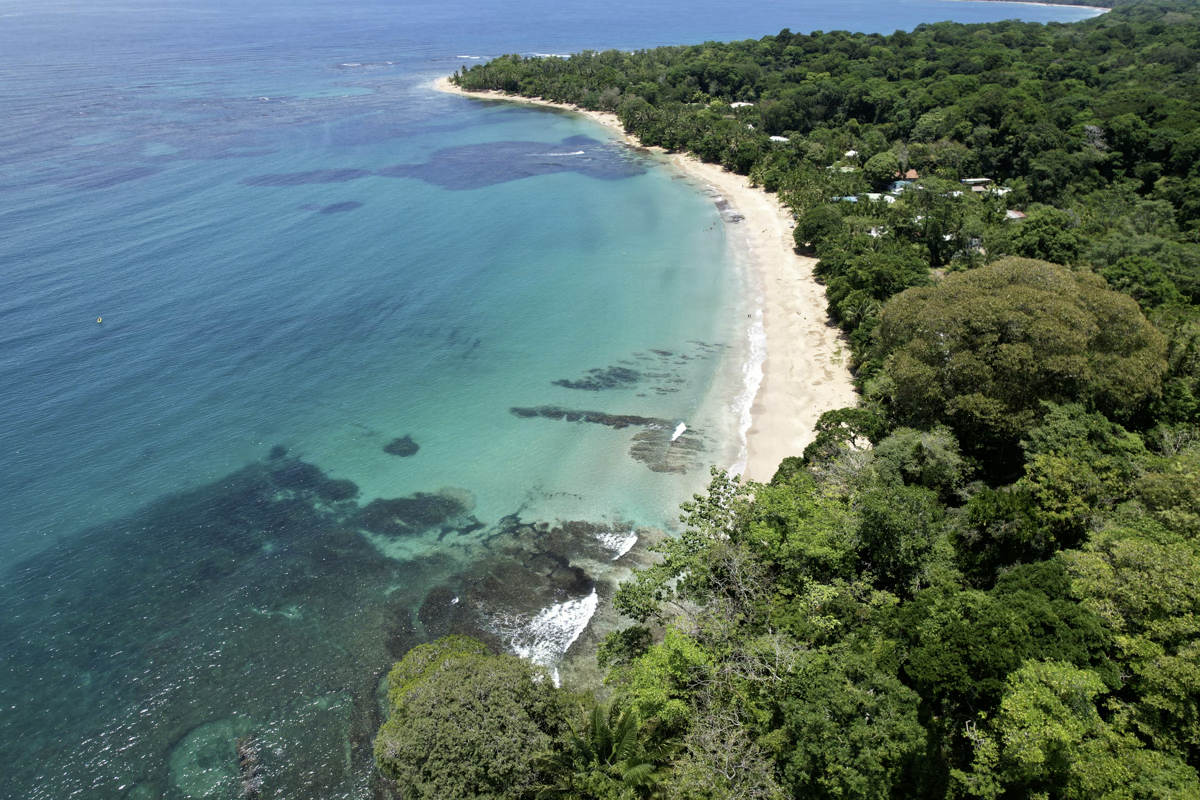
Nestled just south of Puerto Viejo on the beautiful Caribbean coast, Playa Chiquita is an area known for its pristine jungle-fringed beaches and sparkling clear waters. This quiet region has no dedicated town center, so despite its proximity to Puerto Viejo, the atmosphere here is low-key and evokes a feeling of isolation, with only a few hotels and restaurants scattered along the highway, surrounded by lush rainforest.
Along the beach, a short trail runs parallel to the shoreline, meandering past Playa Chiquita’s many protected bays. Waves are quite calm throughout the area, making swimming a dream, but be mindful of rocks and reef as you get further out. Click here to explore our trips that include a visit to Playa Chiquita.
Animal lovers, make time for the Jaguar Rescue Center, a short bike ride up the road. The team here cares for injured and orphaned sloths, monkeys, owls and more, and releases them back into the forest whenever they can.
12. Best for wide, white sands: Playa Conchal
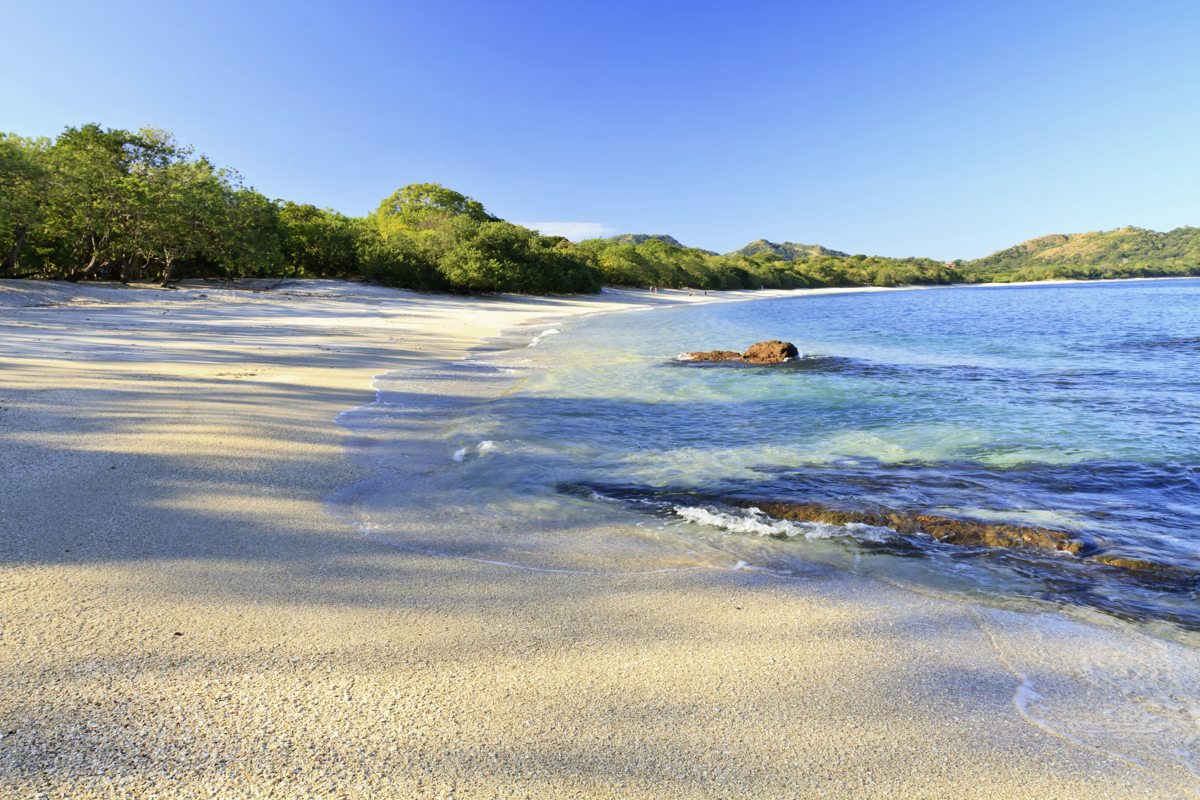
Considered one of the most exotic and beautiful beaches in Costa Rica, Playa Conchal gets its name from the hundreds of millions of conchas, or shells that wash up on the beach and are gradually crushed into coarse sand. The water is stunning off the coast of Playa Conchal, ranging from turquoise to aqua to sea-foam green, nearly always calm, making this one of the best places in Costa Rica for snorkeling. The undersea life in this area is spectacular, with many species of tropical fish and stingrays frequently sighted.
Read more about the best snorkel spots in Costa Rica.
As one of the busier beaches in the country, the stretch of sand near town is nearly always packed with locals, foreigners and vendors peddling their wares. Still, Playa Conchal is pure paradise, and the further south you go, the wider and more spectacular the beach becomes. Well worth a visit.
Every beach in Costa Rica is public, Conchal included, even with a big resort behind much of it. The easiest way in is on foot, walking south along the sand from the village of Brasilito. Bring your snorkel gear and go in the morning, while the water is glassy and before the afternoon wind picks up.
13. Best for sport fishing: Playa Flamingo

If the idea of Costa Rica evokes imagery of soft, powdery white sand and clear blue waters, Playa Flamingo just might be the place you’re dreaming of. This piece of paradise is postcard-worthy indeed, a strip of gorgeous light colored sand flanked by a serene azure sea, and the rugged Catalina keys floating off in the distance. Clustered along a main drag that runs parallel to the beach, a selection of top-notch restaurants and bars offers visitors a variety of cuisines to choose from, and the hills surrounding town are a breeding ground for development, with new mansions, luxury condominium developments and high-end hotels seemingly appearing daily. Home to Marina Flamingo, which reopened in 2023 after nearly two decades of closure, Flamingo is the ideal jumping-off point for seafaring excursions. The waters off the coast of Flamingo boast world-famous sport fishing, with anglers vying for tuna, snapper, mahi mahi, marlin, sailfish, rooster and more.
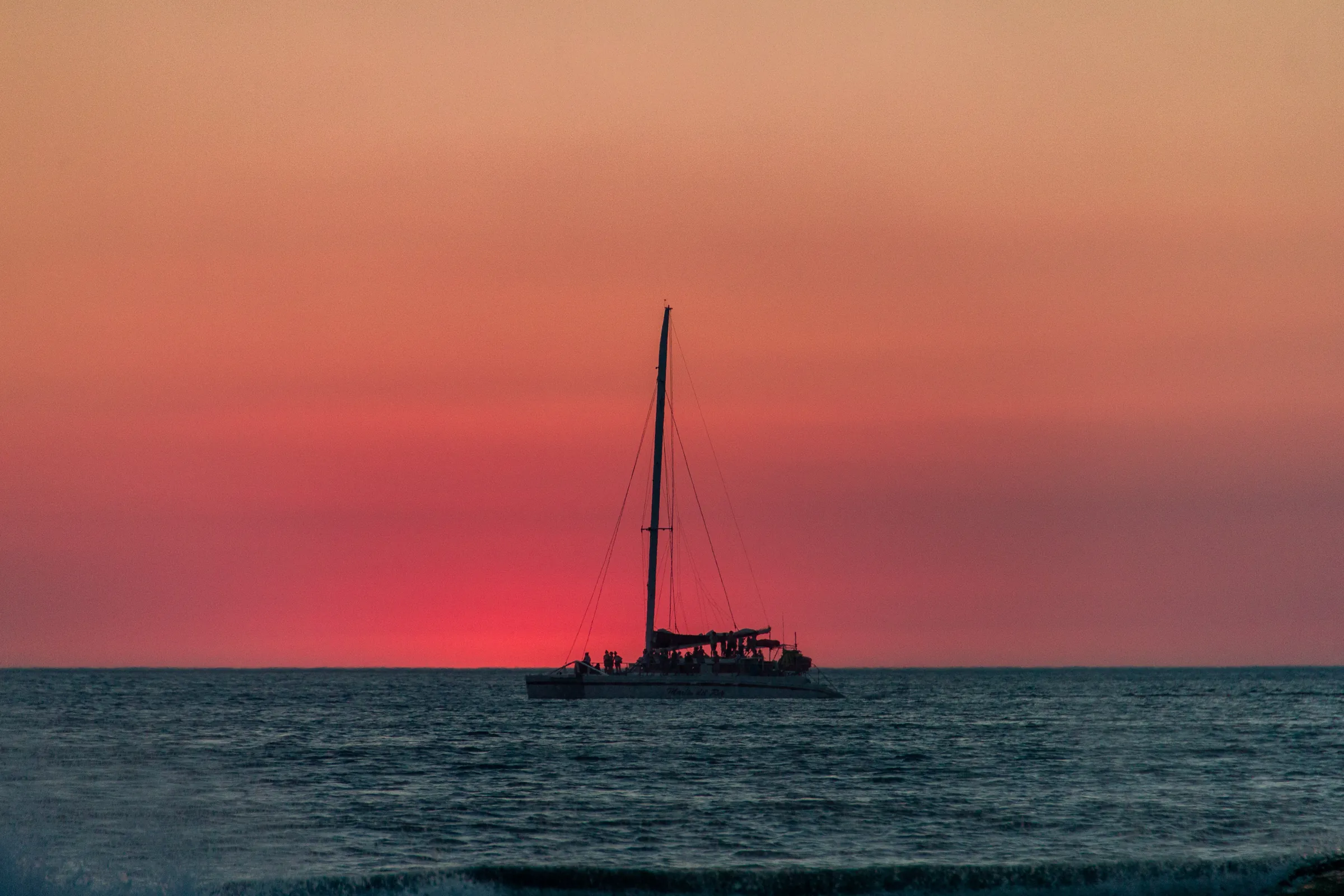
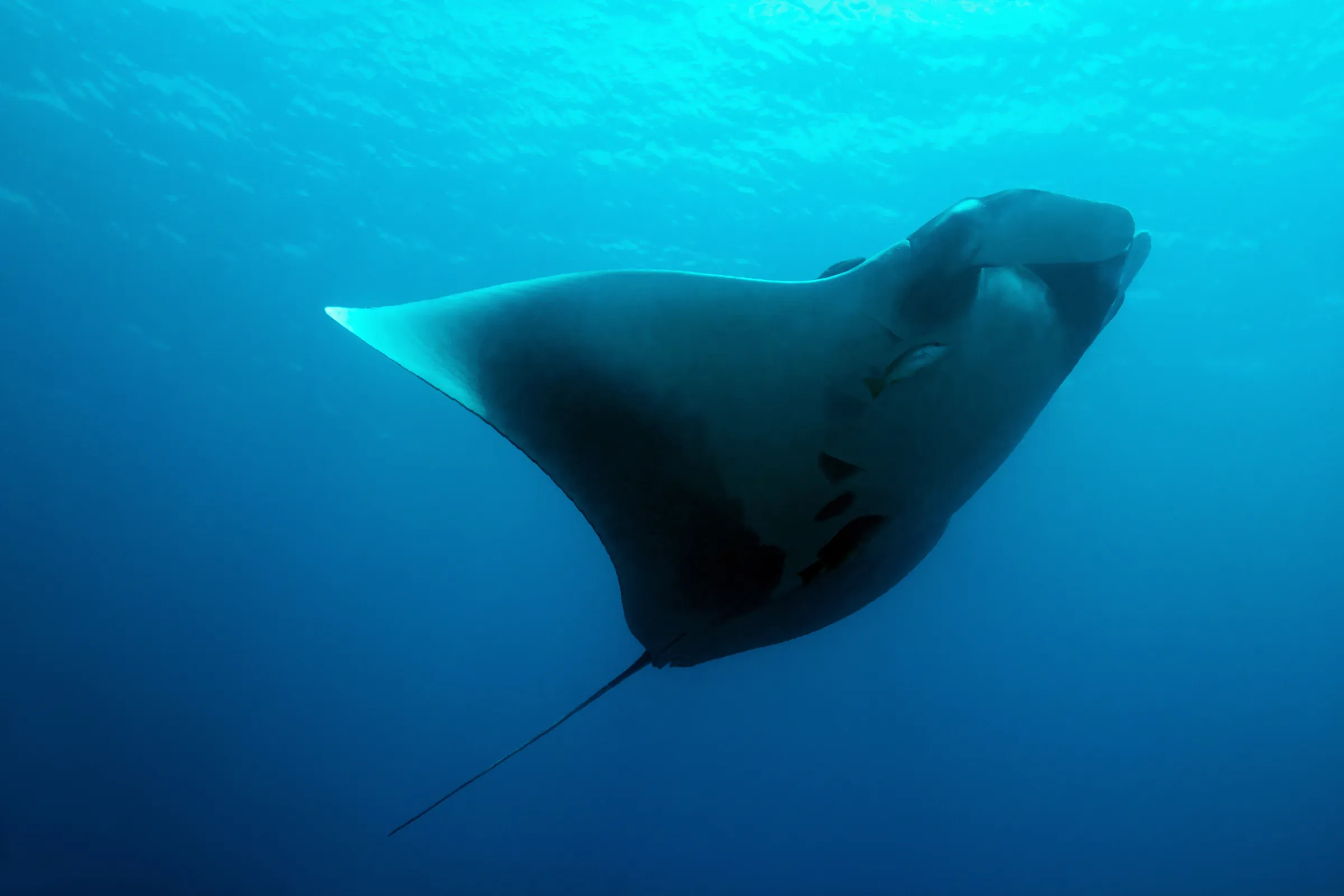
Rather sail than fish? Flamingo is also one of our favorite spots on the coast for a sunset sail. Catamarans head out in the late afternoon for a snorkel stop and drinks on deck as the sky turns pink. Divers, set your sights on those Catalina Islands. Giant manta rays pass through in the dry season months, along with turtles, rays and big schools of fish.
14. Best for beachcombers: Playa Langosta
Just south of Tamarindo, the small beach town of Playa Langosta is an exotic locale, less crowded and more secluded than its neighbor to the north. The sprawling white sand beach at Playa Langosta boasts a powerful surf break at the southern end of the beach, attracting experienced surfers from Costa Rica and abroad who aim to tame the waves. The river mouth break is a thrilling challenge, with strong surf that breaks left and right over a sandy bottom, and though this area is relatively safe, surfers should watch out for rocks, undertows, currents and riptides.
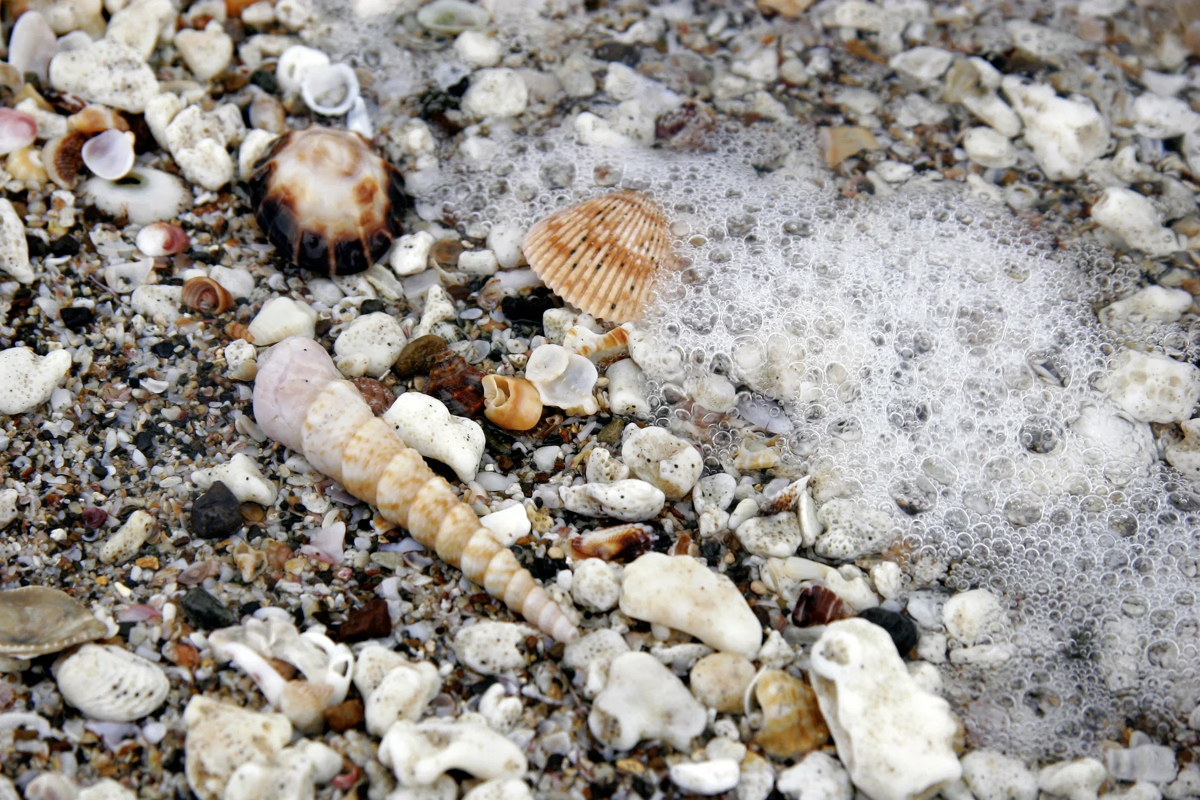
Playa Langosta is an excellent beach for walking and beachcombing, with fine powdery sand, beautiful seashells and the occasional sand dollar that washes up on shore. Rocky outcrops on the northern end of the beach provide abundant tide pools, some large enough to swim in during low tide. With no town center, there are few amenities in Playa Langosta, save for a few upscale accommodation options. Head north to Tamarindo for shopping and to indulge in a vibrant nightlife scene, then retreat to Langosta for a good night’s sleep and lazy laid back days in tranquil paradise.
Langosta is part of Las Baulas National Marine Park, along with Playa Grande just up the coast, and that protection is a big part of why it has stayed so peaceful. Our perfect day here? Tide pools at low tide in the morning, a long lazy lunch, then a walk down to the river mouth for sunset.
15. Best local vibe: Sámara
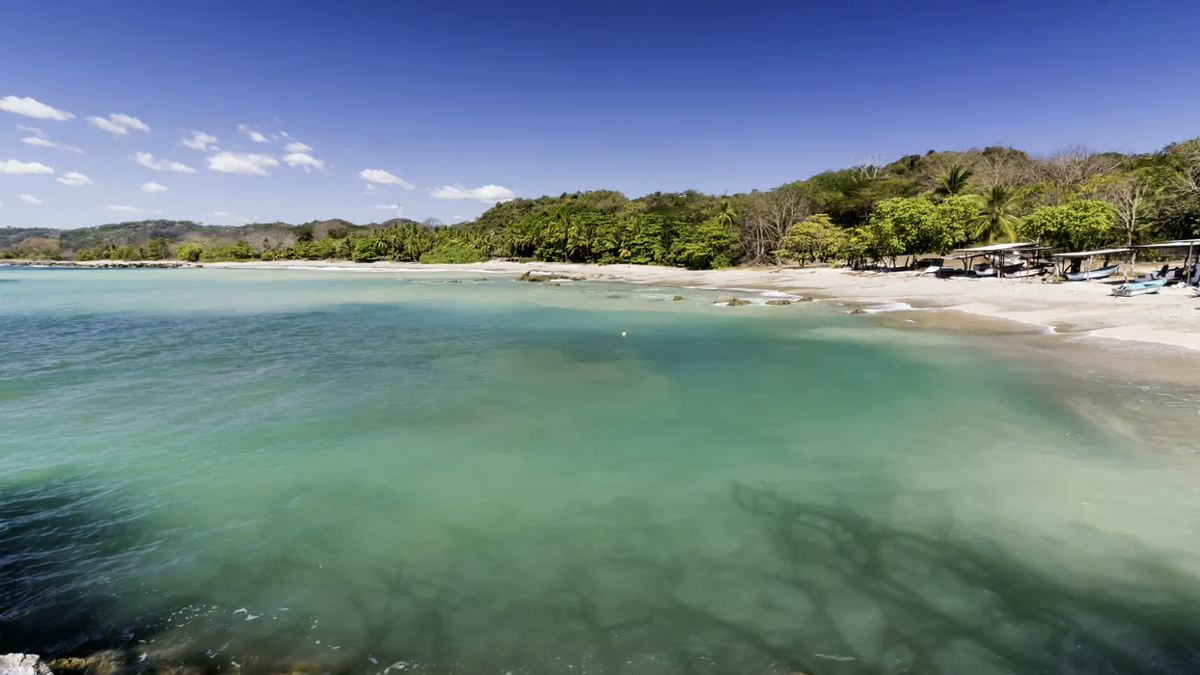
Costa Rica may have a well-established tourist trail, but the Nicoya Peninsula is remote and wild, and Sámara is just that – a laid-back beach town with calm, beautiful water and miles of wide, tan colored sand lined by palm trees. The town is popular with vacationing locals, foreign families and backpackers, making for a happy mix of 20-somethings grabbing a beer at a beachfront bar, couples strolling at sunset, and children at play in the ocean. A thriving expat community warns that the longer you stay in Sámara, the less you’ll want to leave.
A collection of hotels and restaurants are clustered around one main drag, but despite the well-developed tourism here, Sámara is noticeably absent of all-inclusive resorts, chain hotels, fast food restaurants and multi-story buildings. The seemingly endless stretches of beach are quiet, never crowded, with shallow, safe seas, and gentle waves prime for surfing, and somehow, despite the international influences at play here and a constant stream of foreigners flowing in and out of town, Sámara manages to maintain its local charm and off-the-beaten-path feel. For now.
A reef and little Isla Chora sit across the mouth of the bay, which is what keeps the water here so gentle. You can kayak or paddleboard out to the island for a snorkel, and the waves close to shore are soft enough for first-time surfers and little ones alike. It’s one of our go-to beaches for families. Just south, Playa Carrillo is a long, palm-lined curve of sand that’s even quieter.
16. Most healing vibe: Nosara
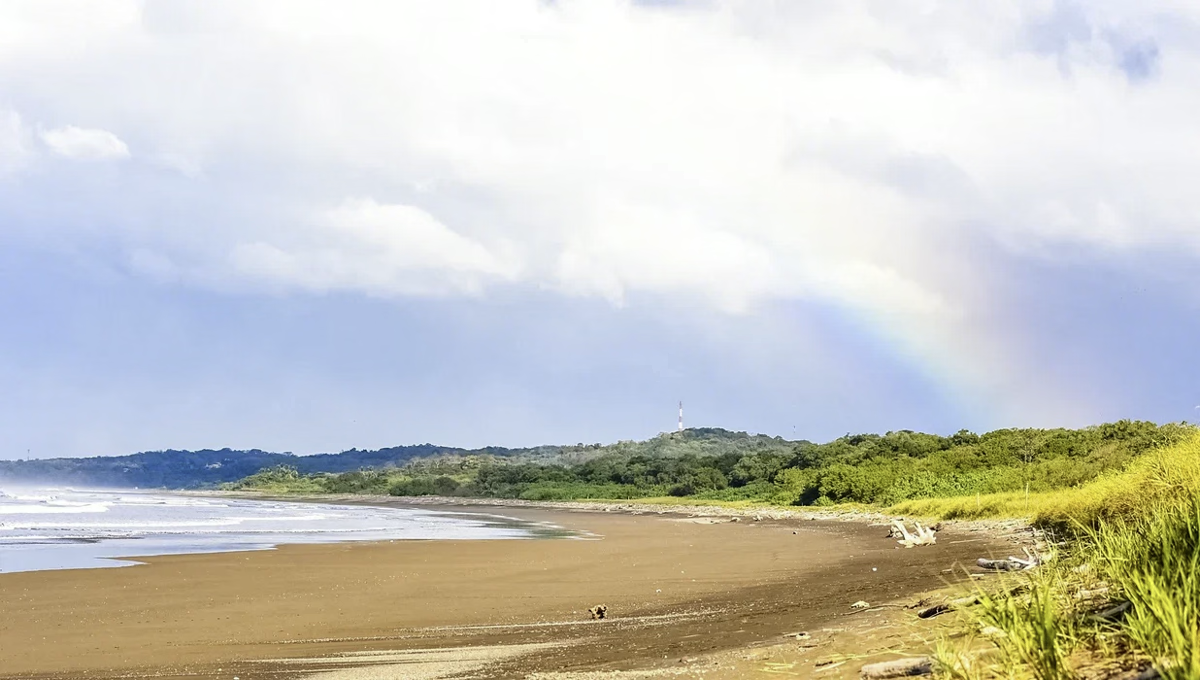
Defined by its laidback attitude and jungle-carpeted shorelines unmarred by commercialism, Nosara is a small town famous among yogis and surfers on the northern Pacific coast of Costa Rica. The town, flavored by a vibrant expat community where old hippies and New Agers collide, is an enclave of enlightenment, considered by many to be an ‘energy center’, similar to Sedona, Arizona. It is a place where many people come and not everyone leaves.
Though the town is located six kilometers (3.7 miles) inland, the region is most famous for its beaches: Nosara, Guiones, Garza and Pelada. Playa Nosara features a long swipe of dark sand that stretches from Playa Ostional to the mouth of the Nosara River, Boca Nosara. Before the river empties into the ocean, it flows through swamplands and an estuary backed by lush mangrove forests, home to over 270 species of exotic birds, monkeys, armadillos, coatis, anteaters and crabs. Click here to explore our trips that include a visit to Nosara.
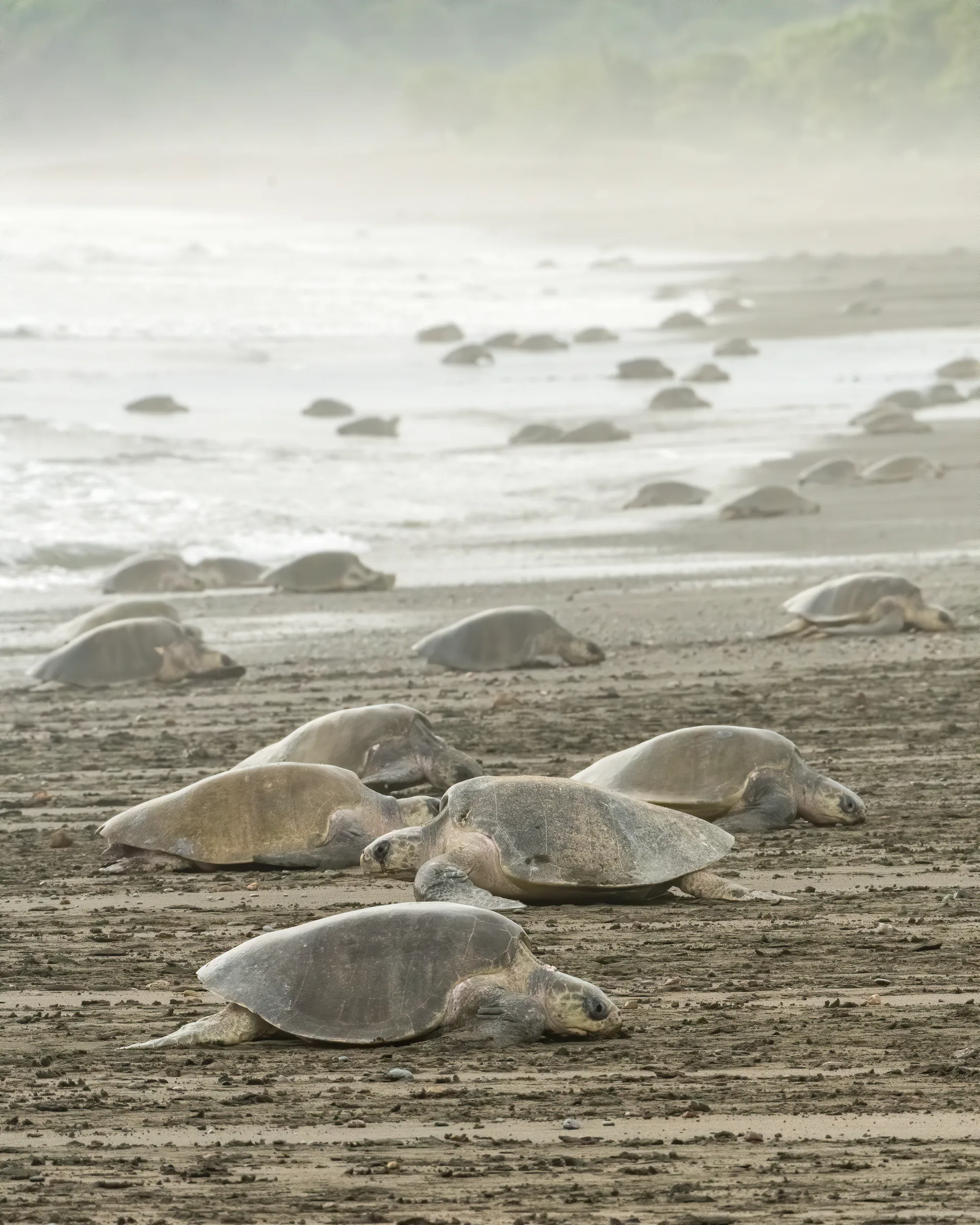
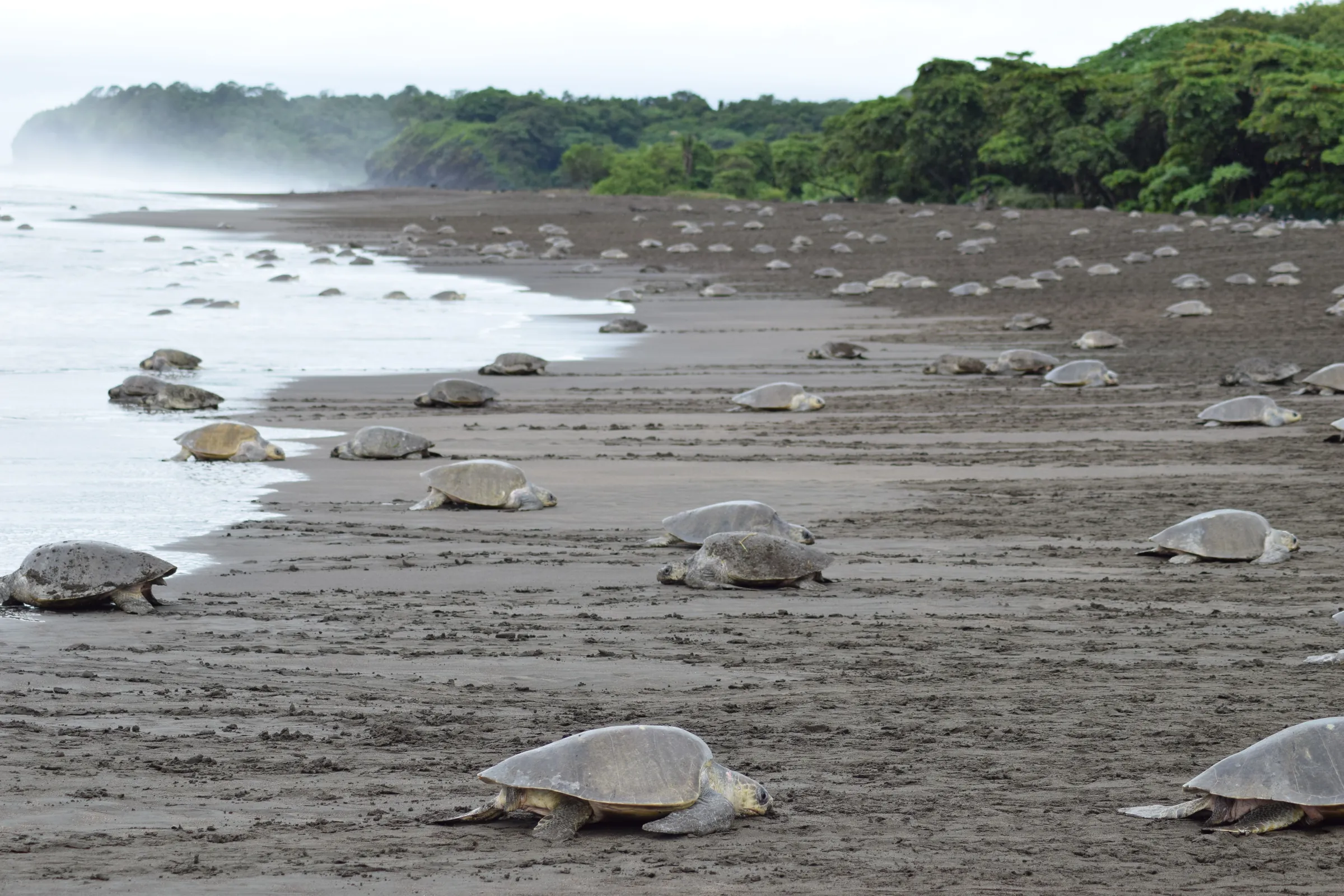
Just up the coast, Ostional Wildlife Refuge sees one of the biggest olive ridley arribadas in the world, when thousands of turtles crawl ashore to nest over a few nights. Arribadas happen through much of the year, but September through November is usually the peak. Go with a guide from the Ostional community, who will know when one is underway. Nosara also has its own small airstrip, so you can skip the long, bumpy drive and fly in from San José.
17. Best for wildlife encounters: Tortuguero
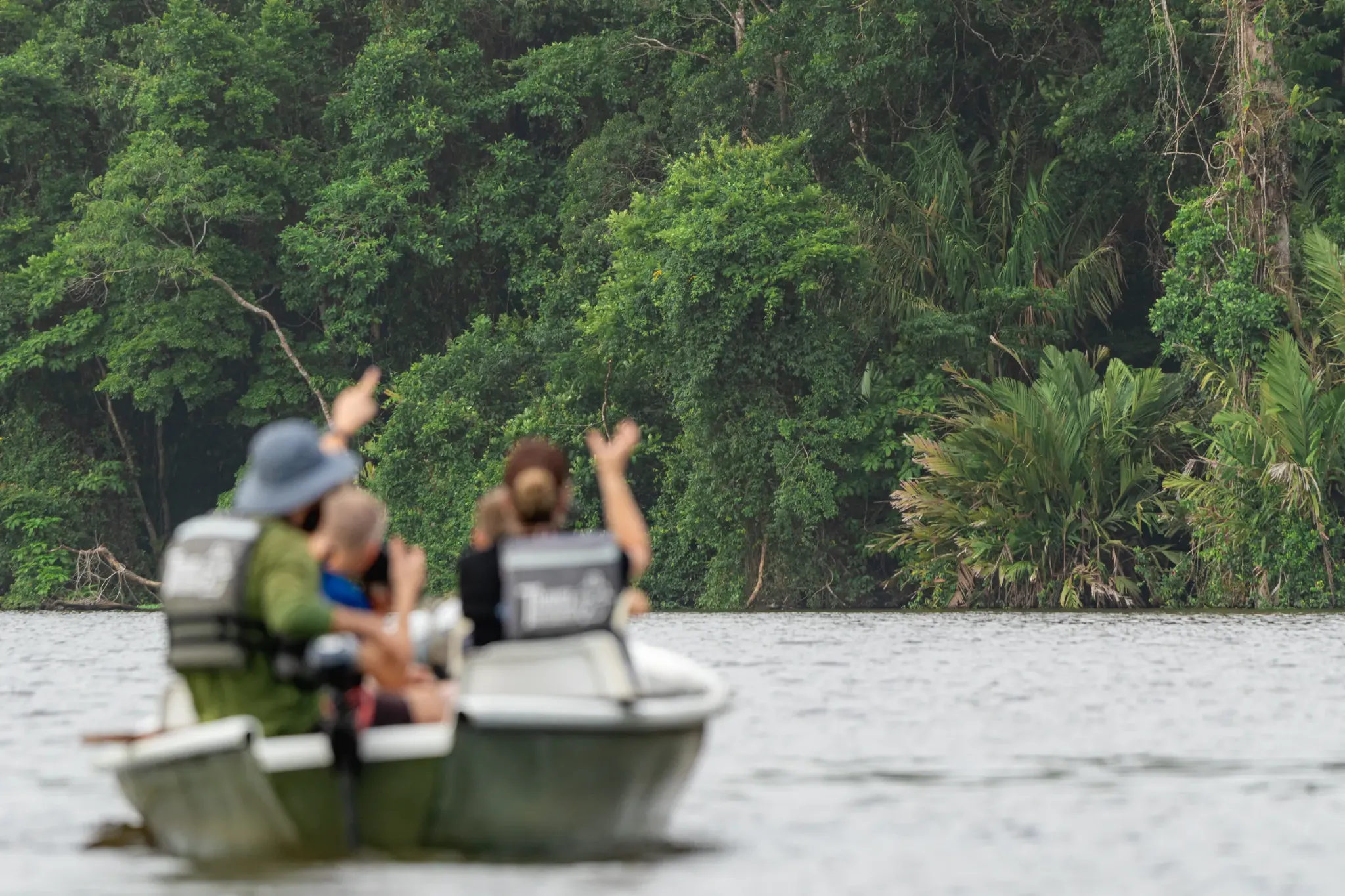
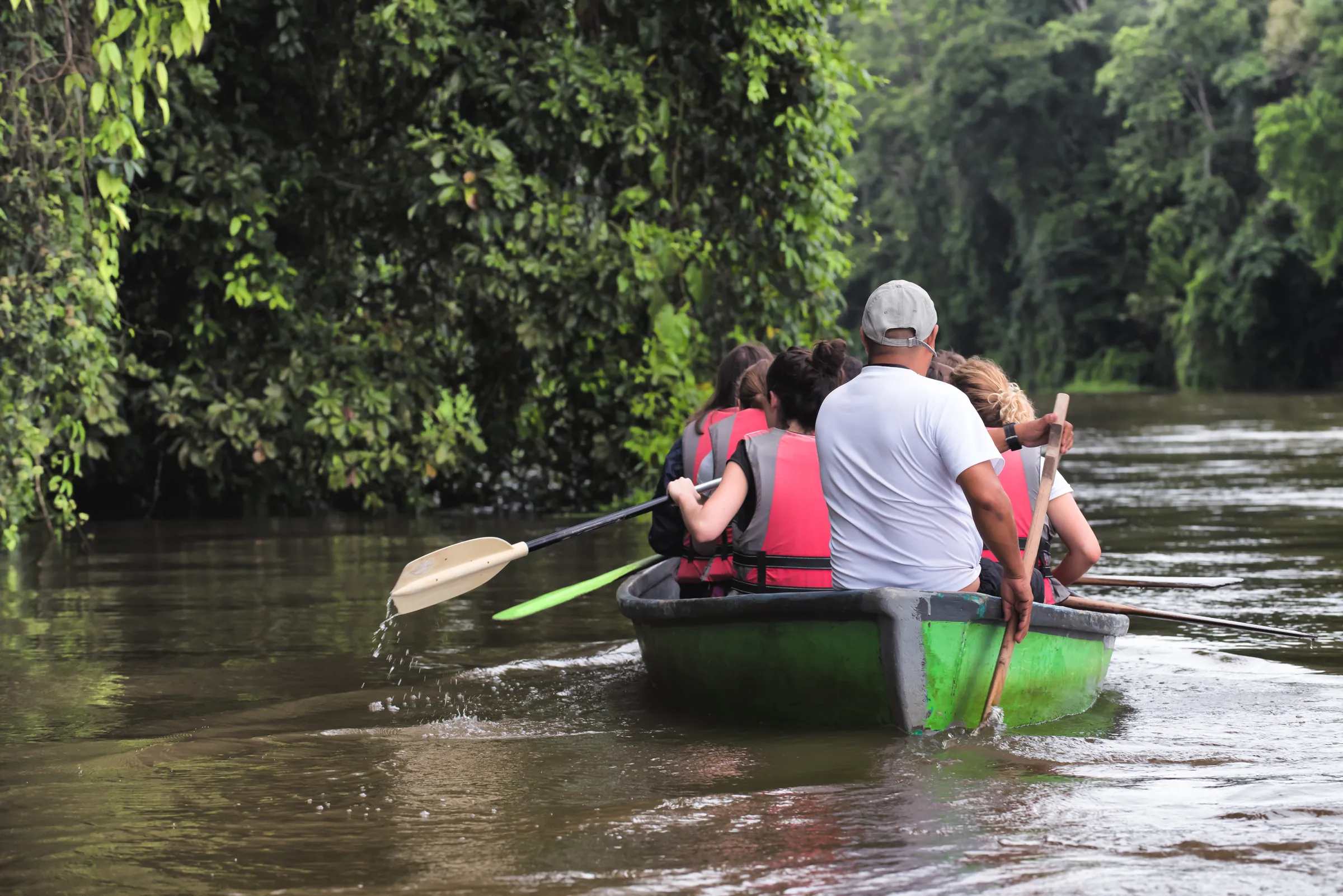
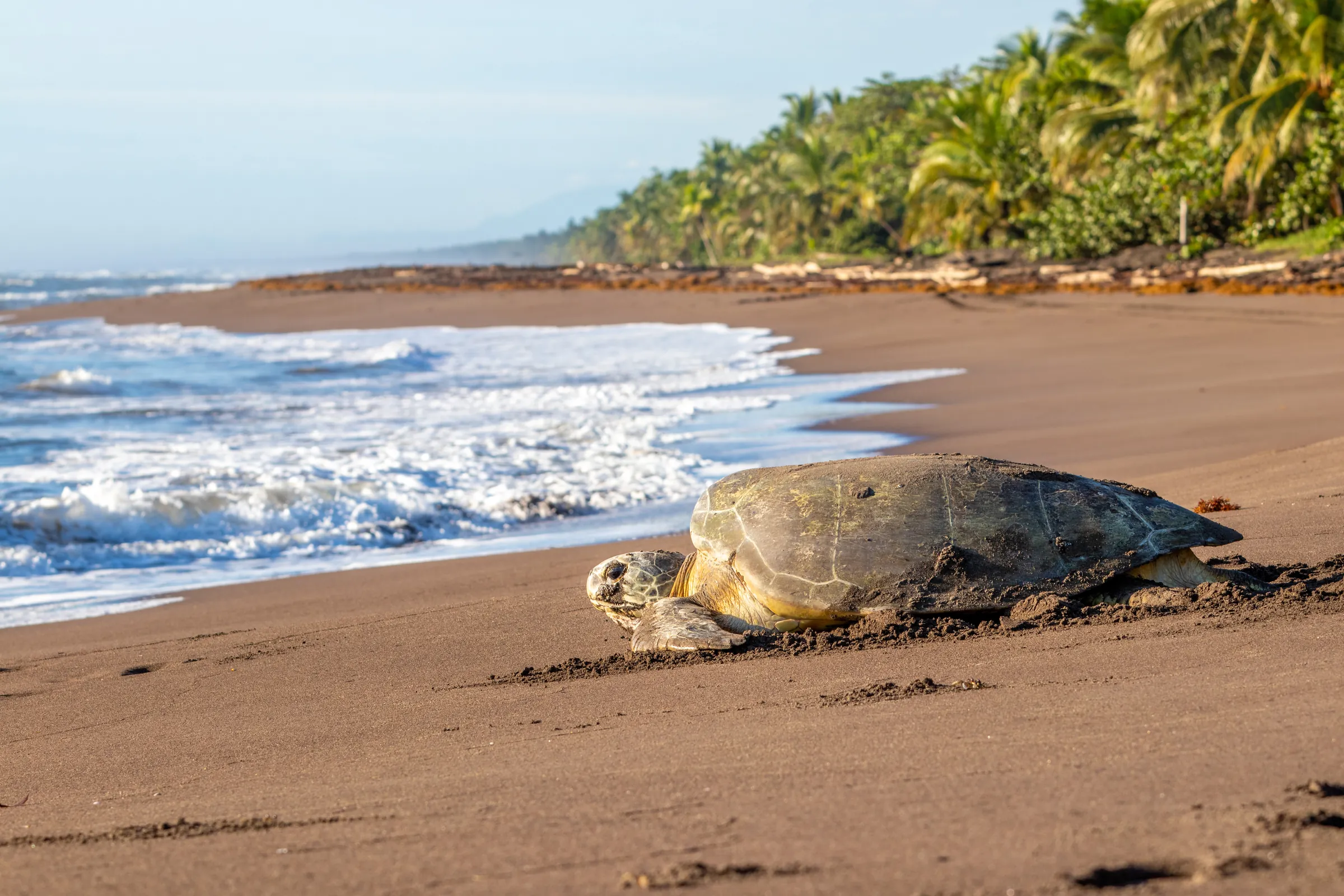
Tucked away in the northeastern corner of the country, Tortuguero National Park is a labyrinth of waterways, lagoons and channels that are home to a vast diversity of wildlife. Accessible by only boat or plane, this region is cut off from the rest of the country, flanked by the Caribbean Sea to the east, and Barra del Colorado Reserve to the north. Among the most important nesting sites in the Western Hemisphere for endangered green sea turtles, Tortuguero protects over 19 000 hectares (46 960 acres) of rainforest, including 35 kilometers (22 miles) of beach, which is also a key nesting area for leatherback, hawksbill and loggerhead sea turtles.
The exceptionally high level of rainfall and rich environment where freshwater meets the sea makes the beaches, canals, lagoons and wetlands of Tortuguero an area of extreme biodiversity, home to around 170 species of reptiles and amphibians, 60 species of mammals, including monkeys, jaguars and tapirs, and more than 300 bird species. Along the zig-zagging canals, visitors can find everything from monkeys and turtles to caimans and wading birds. The most popular way to traverse the canals is on a boat, canoe, or kayak tour. Canoe and kayak excursions are ideal, as this allows guests and guides to paddle into narrower offshoots off of the four main canals, allowing the opportunity to see wildlife even closer up. Click here to explore our trips that include a visit to Tortuguero.
Green turtle nesting season runs from July through October, and a night tour with a certified guide is the only way onto the beach after dark. Watching a turtle dig her nest by red light is one of those moments that stays with you. Save your swims for the lodge pool, though. The surf along Tortuguero’s beach is rough, the currents are strong, and the beach is unguarded.
18. Best hidden gem: Playa Biesanz
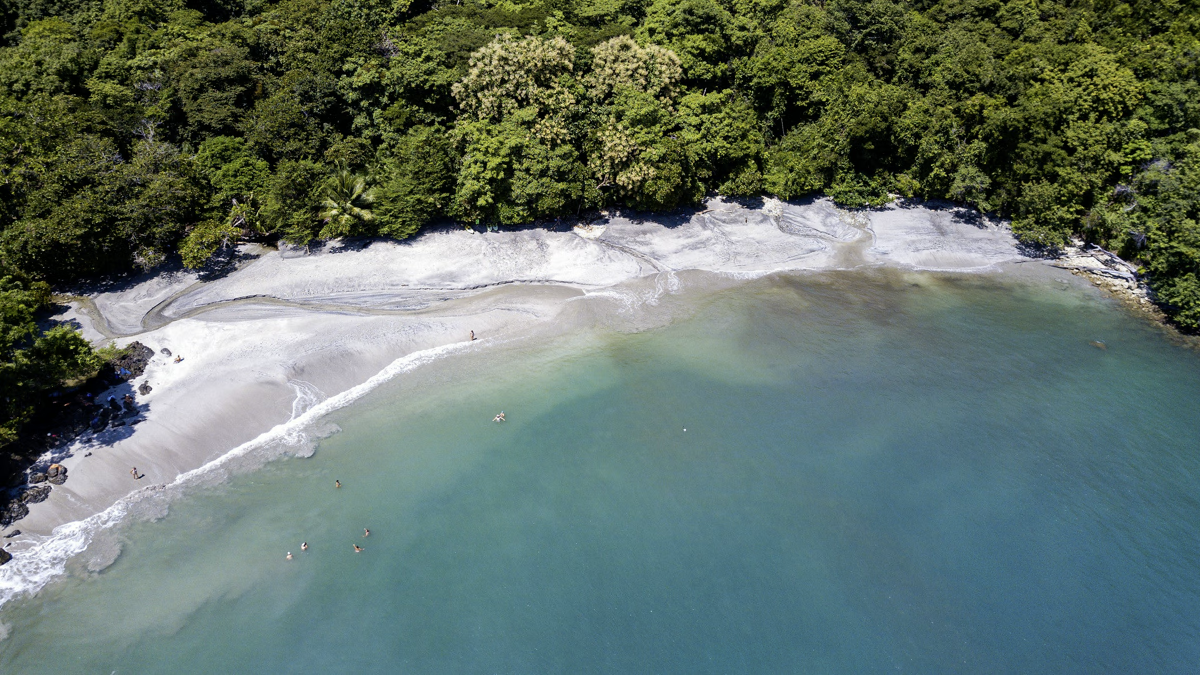
What makes Playa Biesanz so special? This charming little beach is almost unknown, located in a quiet corner between Quepos and Manuel Antonio. Not often visited by tourists, you’re likely to have the area to yourself; it’s the perfect place to laze away the afternoon in crystalline, turquoise waters with not a soul in sight. Click here to explore our trips that include a visit to Playa Biesanz.
Biesanz sits in a sheltered cove, so the water is usually calm and clear enough to snorkel straight off the sand. You reach it on a short, steep trail down through the forest. Keep an eye out for monkeys and sloths on the way, they’re regulars here. Pack water, snacks and a towel, and settle in for the afternoon.
Pacific or Caribbean?
Most first-timers head straight for the Pacific, and it’s easy to see why. That side holds most of Costa Rica’s coastline, the big surf towns, the sunsets over the water and most of the beach hotels, all the way from Guanacaste in the north down to the Osa Peninsula in the south. The Caribbean is smaller, greener and slower. Think reggae drifting out of open-air kitchens, rice & beans cooked in coconut milk, and reef-protected coves where the jungle grows down to the sand. We love both. With a little more time, a coast-to-coast trip gives you the best of each, and a short domestic flight links the two.
When to go
On the Pacific side, dry season runs from December through April. Blue skies, long golden afternoons, and the busiest beaches of the year. Guanacaste is the driest corner of the country, so the northern beaches tend to stay sunnier for longer once the rains arrive. The Caribbean coast runs on its own calendar. September and October are usually its driest, calmest months, which also happen to be some of the wettest on the Pacific. So if your trip falls in the fall, swing east.
Our favorite months for a beach trip? May & November. Shoulder season gives you green hillsides, quieter sand and better rates, with plenty of sunshine between the afternoon showers. It’s when we love to send couples to the coast.
Staying safe in the water
Costa Rica’s beaches are beautiful, but many have strong rip currents, and lifeguards are few and far between. Rip currents cause more than 50 drownings here every year, most of them at a small number of popular surf beaches. A few simple habits go a long way:
- Swim near a lifeguard stand or warning flags whenever you can.
- Ask your hotel which beaches are safe for swimming that day. Conditions change with the tide and the swell.
- Watch the water for a few minutes before you go in. A rip often looks like a calm, darker channel between the breaking waves.
- If you get caught in one, stay calm. Rips pull you out, not under. Swim parallel to the shore until you’re free of the current, then head back in.
For the calmest swimming in this guide, try the coves inside Manuel Antonio National Park, Punta Uva, Playa Chiquita, Sámara, Conchal and Biesanz.
Good beach manners
By law, every beach in Costa Rica is public. The first 50 meters back from the high tide line belong to everyone, so even the beaches backed by big resorts are yours to enjoy. If you’re lucky enough to come across nesting turtles or hatchlings, give them plenty of space, keep flashlights and camera flashes off, and let the little ones make their own way to the sea. Your guide will show you how to watch without disturbing them.
Planning your Costa Rica beach trip
Eighteen beaches, two coasts and a whole lot of choice. Our favorite beach trips pair two very different stretches of coast with a few nights in the rainforest or cloud forest in between. Maybe the surf and sunsets of Santa Teresa with the wild beaches of the Osa. Or the calm Caribbean reefs of Punta Uva with the canals of Tortuguero. Tell us what kind of beach days you’re dreaming of, and we’ll build the rest of the trip around them.