

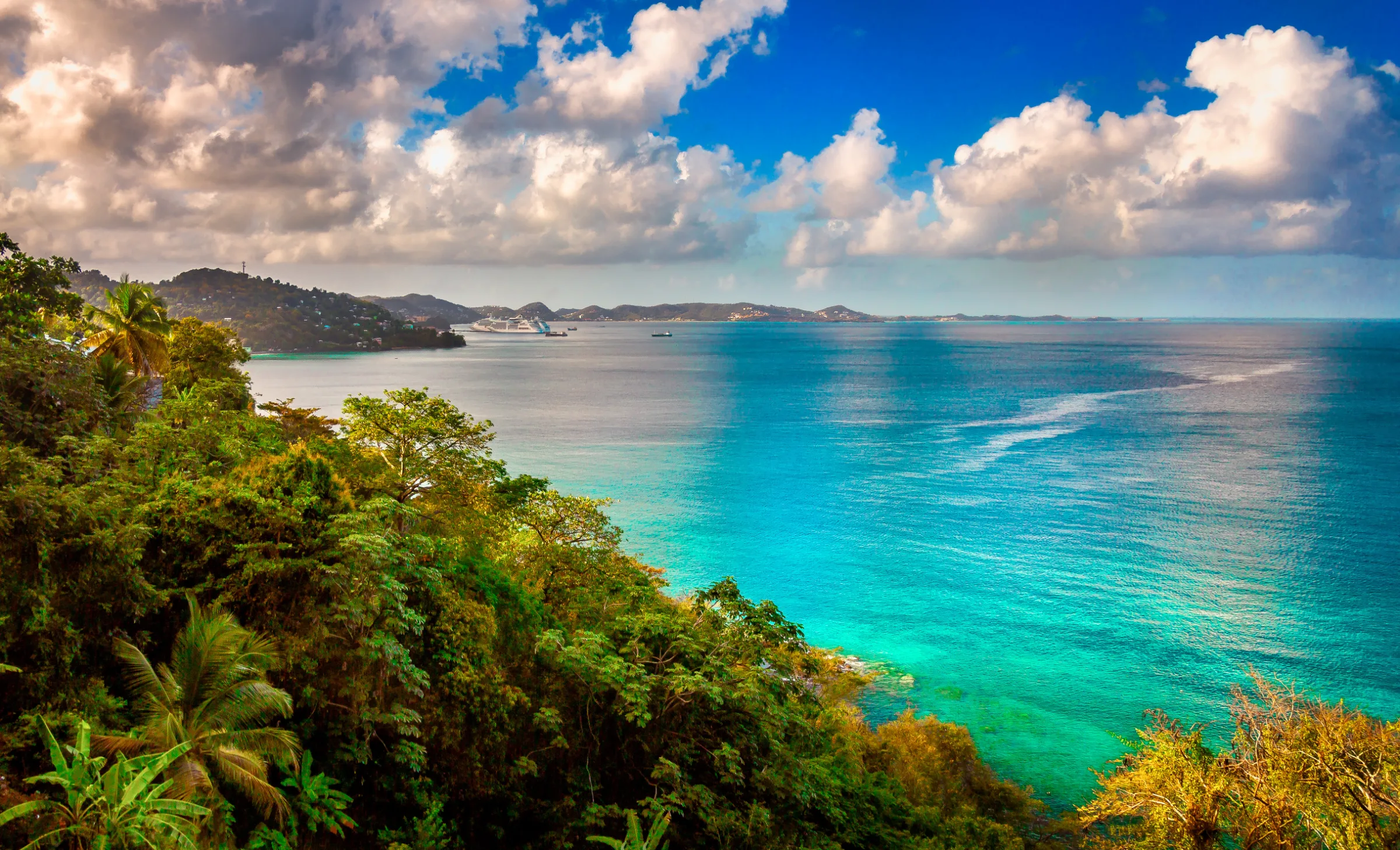
Grenada is the largest island in a three-island country that also includes Carriacou and Petite Martinique. Grand Anse and the southwest contain most of the major hotels and restaurants, while St. George's wraps around a steep natural harbor. The interior rises into rainforest, crater lakes, rivers, farms, and waterfalls. Cacao, nutmeg, mace, cinnamon, and other crops remain important to the island's identity, and the surrounding water supports reefs, wrecks, sculpture sites, and sailing routes into the Grenadines.
At a glance
| Best for | Beaches, cacao, spices, rainforest, waterfalls, diving, sailing, and relaxed luxury |
|---|---|
| Don't miss | Grand Anse, St. George's, Grand Etang, a cacao or spice estate, and an underwater or island-hopping excursion |
| Recommended stay | 5 to 8 nights |
| Best area to stay | Grand Anse or Lance aux Épines, with an optional Carriacou extension |
| Pairs well with | St. Vincent, the Grenadines, Barbados, or St. Lucia |
| Primary airport | Maurice Bishop International Airport (GND) |
| Best time to visit | January through May for generally drier weather |
| Getting around | Private transfers, guided excursions, domestic flights, ferries, and chartered boats |
| Budget | $$ to $$$$ |
Why stay in Grenada?
Grand Anse is a long, gently curving beach backed by hotels, small businesses, and residential areas. The water is often calmer than on the Atlantic side, and the southwest position places travelers close to the airport, St. George's, marinas, and many of the island's restaurants.
The interior changes quickly with elevation. Grand Etang National Park protects rainforest around a crater lake, with trails, viewpoints, monkeys, birds, and access toward several waterfalls. Rain can arrive even when the coast is sunny, and paths become slippery after heavy weather.
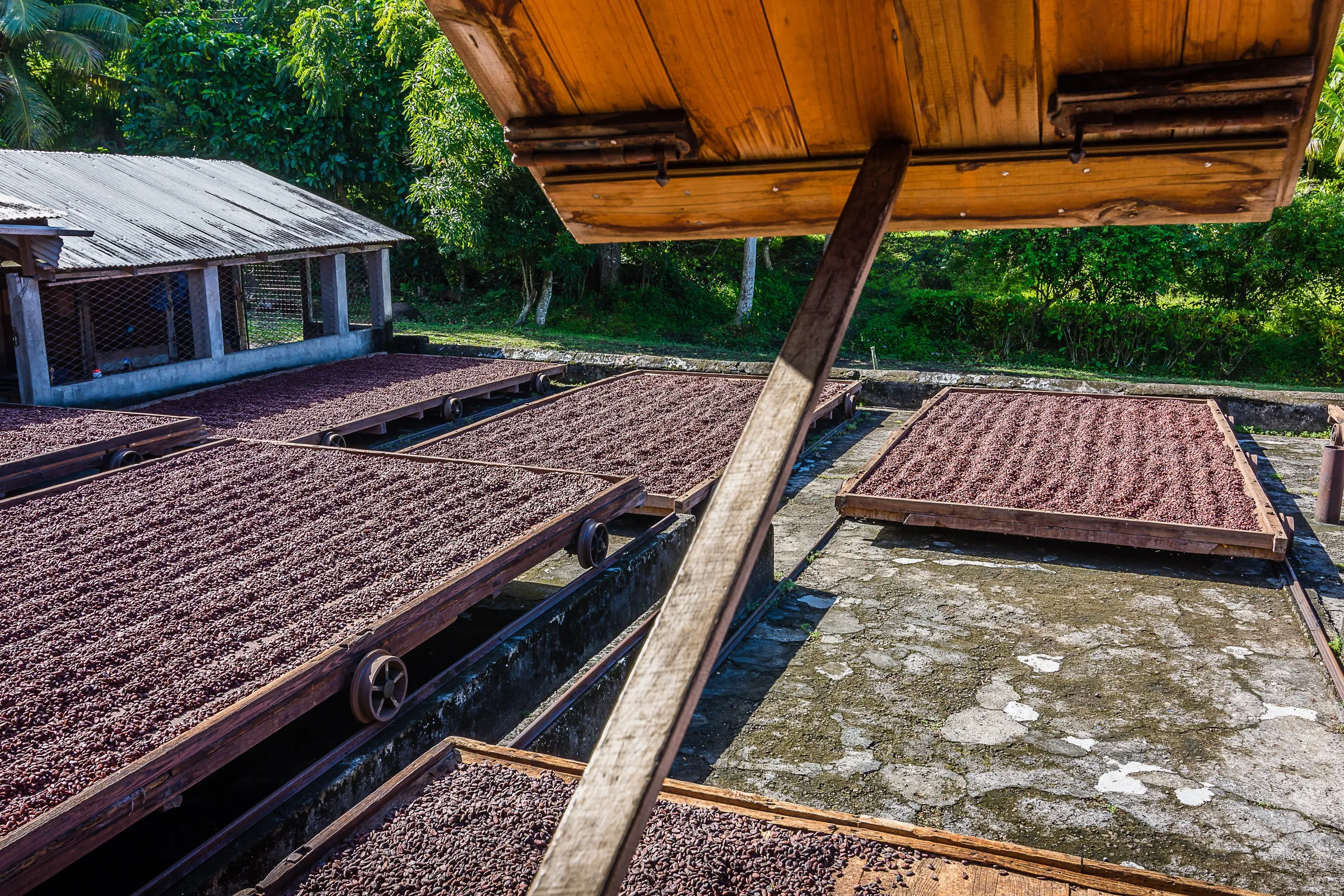
Cacao provides one of Grenada's most informative agricultural experiences. Estate visits can follow the process from pod and fermentation through drying and chocolate production while explaining smallholder farming, export history, and the challenges of maintaining crops in a storm-prone region.
St. George's is one of the Caribbean's most visually distinctive capitals, with Georgian-era buildings, steep lanes, forts, churches, markets, and the horseshoe-shaped Carenage. A guide adds necessary context on Indigenous history, French and British rule, slavery, emancipation, and modern independence.
Carriacou has a drier landscape, smaller settlements, boatbuilding traditions, and easier access to reefs and nearby cays. Petite Martinique is smaller still and closely tied to fishing, seafaring, and inter-island trade. They work best as a separate stay rather than a hurried day from Grenada.
Our take: use Grenada for beach, food, forest, and culture, then add Carriacou only when the trip is at least eight nights. A trip beyond the resort areas reveals more of the country, but distances through the interior require measured daily planning.
Is Grenada a good fit?
- Want a beach trip with rainforest and agricultural experiences.
- Enjoy cacao, spices, gardens, food, and small-scale producers.
- Need boutique hotels and villas rather than only large resorts.
- Want diving, snorkeling, sailing, and waterfalls in one trip.
- Are interested in adding Carriacou or the southern Grenadines.
- Prefer a quieter atmosphere than the Caribbean's busiest resort islands.
Travelers seeking extensive nightlife or highly concentrated shopping may prefer Barbados or Jamaica. Grenada is strongest for nature, food production, marine activity, and small hotels.
Best things to do
Spend time on Grand Anse
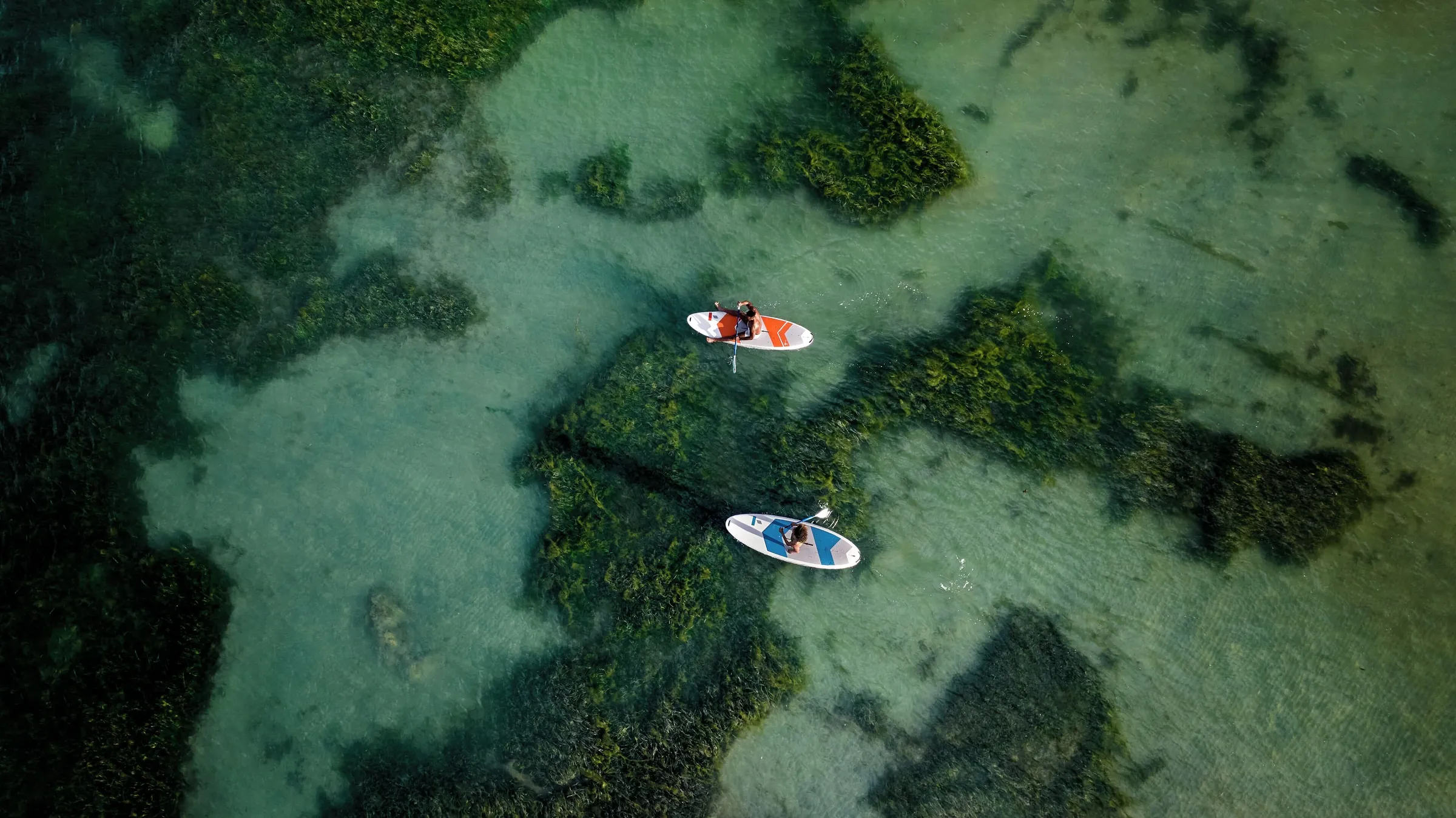
The beach supports swimming, paddleboarding, long walks, and several independent places to eat. Staying directly on the sand allows the itinerary to alternate active island days with unstructured time.
Explore St. George's
Walk around the Carenage, market, churches, forts, and hillside streets with a guide who can address the city's colonial and maritime history. Heat and steep slopes make a compact route preferable to a long midday walk.
Visit a cacao estate
Learn how cacao is grown, fermented, dried, roasted, and transformed into chocolate. Small estates and producers differ in scale, so the visit should be selected for depth of interpretation rather than the size of the shop.
Explore Grand Etang and the rainforest
Short walks and longer trails reveal crater-lake scenery, tropical plants, birds, and forest streams. A naturalist guide can adjust the route according to recent rain and the group's fitness.
Swim near a waterfall
Annandale, Concord, Seven Sisters, and smaller falls vary in access, crowd levels, and walking difficulty. Conditions can change after rain, and jumping from rocks should not be part of the planned experience.
Dive the underwater sculpture park
Sculptures placed in a shallow marine environment near Molinière have developed into artificial reef habitat. Snorkel and dive visits should use moorings and operators that follow marine-protection rules.
Sail toward Carriacou and the Grenadines
Private boats can reach reefs, cays, and small islands north of Grenada, with routes determined by vessel type and sea conditions. Multi-day charters provide more time than a rushed out-and-back excursion.
Visit Carriacou
Explore Hillsborough, beaches, boatbuilding traditions, small villages, and nearby marine sites. An overnight or longer stay provides a much clearer view of the island than a brief ferry turnaround.

Where to stay
Stay on Grand Anse for a long beach, restaurants, airport proximity, and the broadest choice of hotels. Properties at the quieter southern and northern ends provide more privacy than the central public-access areas.
Stay in Lance aux Épines or Prickly Bay for villas, marinas, small beaches, and a residential atmosphere. The peninsula is close to the airport and restaurants but does not have a beach as long as Grand Anse.
Stay near St. David or the southeast for seclusion, hillside views, and smaller properties. Stay on Carriacou for reefs, villages, sailing, and a slower island with fewer full-service hotels.
We normally use one Grenada base because the southwest connects efficiently to most private excursions. A Carriacou extension should be treated as a separate island stay with its own flight or ferry day.
Our favorite hotels
Calabash Luxury Boutique Hotel
Calabash has 30 suites and four villas on a sheltered beach in Lance aux Épines. The property has family ownership, breakfast served on private terraces, a strong restaurant, and a residential peninsula setting.
Silversands Grand Anse
Silversands has 43 suites and nine villas directly on Grand Anse, centered on a 100-meter swimming pool running toward the beach. Contemporary architecture and large villas distinguish it from Grenada's more traditional boutique properties.
Laluna
Laluna has 16 cottages and four villas across approximately 10 acres on a small beach south of Grand Anse. The intimate layout, private plunge pools, and strong couple-focused atmosphere suit travelers who value privacy over extensive facilities.
Mount Cinnamon Resort
Mount Cinnamon has 37 suites and villas on a hillside above Grand Anse. The property has multi-room layouts, kitchens in many categories, a beach club, and broad views.
Best time to visit
January through May is generally the driest period, with strong demand during winter holidays and sailing season. The interior remains wetter than the coast throughout the year.
June through December is warmer and wetter, with tropical storms possible. Grenada lies toward the southern part of the main hurricane belt, but significant weather remains possible and travel insurance is important. Some marine and forest activities may be adjusted after heavy rain or strong wind.
Pair it with
- St. Vincent for volcanic hiking, black-sand beaches, and a more rugged main island.
- The Grenadines for small-island resorts, sailing, and the Tobago Cays.
- Barbados for broader dining, heritage touring, and major flight connections.
- St. Lucia for the Pitons, hillside resorts, and another volcanic landscape.
Getting there
Maurice Bishop International Airport sits near the main southwest hotel districts. Carriacou is reached by domestic air or ferry, while private charters connect Grenada with the southern Grenadines. Flight and ferry schedules should be checked before hotel reservations are finalized.
Approximate travel times:
- Grenada Airport to Grand Anse: 10 to 20 minutes
- Grenada Airport to Lance aux Épines: 10 to 20 minutes
- Grand Anse to St. George's: 15 to 30 minutes
- Grand Anse to Grand Etang: 35 to 50 minutes
- Grenada to Carriacou: approximately 20 minutes by air
- Grenada to Carriacou: approximately 1.5 to 2 hours by fast ferry
Mountain roads and city traffic can extend island touring times. We leave comfortable buffers before flights and ferries and avoid placing a long rainforest excursion on the final departure day.

Frequently asked questions
How many nights should I stay in Grenada?
Five nights work for Grand Anse, St. George's, rainforest, and one agricultural or marine day. Seven or eight nights provide a fewer crowds and less nightlife or enough time to add Carriacou.
Should I stay on Grand Anse?
It is the best first-time location for beach, restaurants, airport access, and a broad hotel choice. Lance aux Épines is quieter and more residential, while remote coasts suit travelers who plan to remain mainly at the hotel.
Is Grenada suitable for families?
Yes. Suite-style hotels, calm-water beaches, cacao visits, gardens, boats, and shorter waterfall walks work well for families. Trail conditions and boat duration should be selected according to age and mobility.
Is Carriacou worth adding?
Yes, for travelers interested in sailing, reefs, boatbuilding, small communities, and a quieter pace. It deserves at least two or three nights because the flight or ferry takes up part of two travel days.
Can I visit the rainforest without a difficult hike?
Yes. Grand Etang viewpoints, short forest paths, gardens, and accessible waterfalls provide gentler options. Longer waterfall routes can be muddy and should be guided after rain.
Is the underwater sculpture park suitable for snorkelers?
Many parts can be seen from the surface in suitable conditions, while divers can examine the sculptures more closely. Water confidence, visibility, and current should be assessed by the operator.
What makes Grenada the Spice Island?
Nutmeg, mace, cinnamon, cloves, turmeric, and other crops have long been grown and traded here. Estate and market visits explain the agricultural history more fully than purchasing packaged spices alone.
What should I pack?
Bring lightweight clothing, strong sun protection, a waterproof layer, supportive shoes for forest paths, water shoes, and insect repellent. A small dry bag is useful for boats and waterfall days.


