


A month-by-month guide to weather, wildlife, crowds, and the best time to visit for you.
The Caribbean spans thousands of islands across a vast stretch of tropical ocean, so there's no single weather pattern that applies everywhere. Some islands are mountainous and lush, while others are dry and arid. Rainfall, temperatures, and even hurricane risk vary depending on where you travel. In general, the dry season offers the most reliable beach weather, while the wetter months bring greener landscapes, fewer visitors, and better value across much of the region.
Understanding the Caribbean's seasons
The Caribbean experiences two primary travel seasons rather than four distinct ones. Temperatures remain warm throughout the year, with seasonal differences driven mainly by rainfall, humidity, and the Atlantic hurricane season. Although every island has its own microclimate, understanding these broader patterns can help you choose the best time for your trip.
Dry season (December through April)
The dry season brings abundant sunshine, lower humidity, and the calmest conditions for beaches, sailing, snorkeling, and diving. This is the Caribbean's busiest travel period, particularly during Christmas, New Year's, spring break, and Easter, when many hotels and villas book months in advance.
Shoulder season (May, June & November)
These months often provide an excellent balance of weather, value, and fewer crowds. Brief afternoon showers become more common, but many days remain warm and sunny. Hotel rates are frequently lower than during the winter peak, making this one of our favorite times to visit many Caribbean destinations.
Green season (June through November)
The green season brings warmer temperatures, higher humidity, and more frequent afternoon showers across much of the Caribbean. Tropical landscapes become especially lush, waterfalls flow more strongly, and visitor numbers decline. This period also overlaps with the Atlantic hurricane season, with the greatest chance of tropical storms typically occurring between August and October. Southern islands such as Grenada, Barbados, and St. Vincent & the Grenadines generally experience fewer hurricane impacts than many destinations farther north, although weather conditions can vary from year to year.
Caribbean weather at a glance
| Month | Conditions | Crowds | Great for |
|---|---|---|---|
| January | Sunny, dry, and less humid across much of the region | High | Beach vacations, sailing, diving, and winter escapes |
| February | Dry with warm days, cooler evenings, and generally calm seas | High | Honeymoons, snorkeling, hiking, and island hopping |
| March | Sunny and dry with some of the year's most reliable weather | Very high | Families, sailing, beaches, and first-time visits |
| April | Warm, mostly dry, and increasingly humid toward the end of the month | High | Easter travel, diving, snorkeling, and beach stays |
| May | Warm with more humidity and occasional afternoon showers | Medium | Better value, quieter resorts, and warm-water activities |
| June | Start of hurricane season with warm weather and more frequent rain | Low | Lower rates, sailing in the southern Caribbean, and fewer crowds |
| July | Hot and humid with passing showers and periods of sunshine | Medium | Families, summer vacations, festivals, and lush scenery |
| August | Very warm with higher humidity and increasing tropical storm risk | Low to medium | Warm seas, quieter hotels, and flexible travelers |
| September | Peak hurricane risk with heat, humidity, and variable sea conditions | Very low | Off-season rates and trips to lower-risk southern islands |
| October | Wet and humid across much of the region, with continued storm risk | Very low | Rainforests, waterfalls, lower rates, and flexible itineraries |
| November | Rain begins to ease, although conditions vary considerably by island | Low | Shoulder-season value, fewer crowds, and late-month beach trips |
| December | Transition into the dry season with improving weather and lower humidity | Medium to high | Early-month value, holiday travel, sailing, and winter sun |

Best time to visit the Caribbean for...
January in the Caribbean
January sits in the heart of the Caribbean's dry season and is one of the best months to visit. Sunny days, lower humidity, and generally calm seas create excellent conditions for relaxing on the beach, sailing between islands, snorkeling, and diving. Cooler trade winds also make hiking destinations such as Dominica and Guadeloupe especially comfortable.
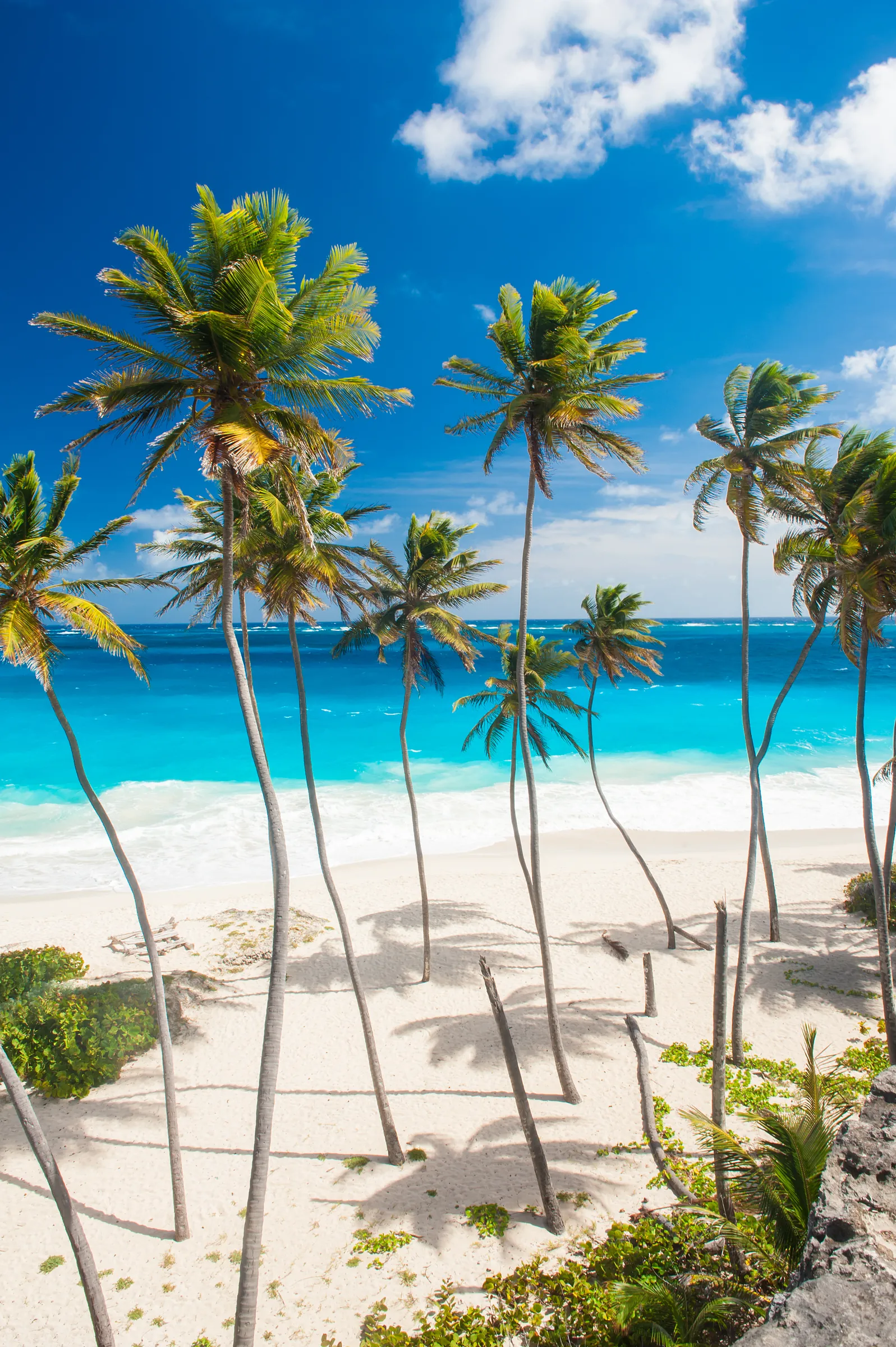
Best for: Beach vacations, sailing, diving, Dominica, Guadeloupe, and winter escapes.
February in the Caribbean
February continues the dry season with warm temperatures, reliable sunshine, and excellent conditions across much of the region. It's also one of the best months for humpback whale watching around Dominica, while calm seas make island-hopping and marine activities particularly enjoyable.
This is one of the Caribbean's busiest travel periods, so boutique hotels and villas often book well in advance.
Best for: Whale watching, honeymoons, snorkeling, sailing, and first-time visits.
March in the Caribbean
March is typically one of the driest months of the year. Long sunny days, warm water temperatures, and reliable trade winds create outstanding conditions for beaches, diving, and sailing. Families also begin arriving during spring break, making this one of the year's busiest months across many islands.
Best for: Families, sailing, beaches, snorkeling, and luxury island vacations.
April in the Caribbean
April combines dry-season weather with slightly warmer temperatures before the wetter months begin. Conditions remain excellent for diving, snorkeling, hiking, and exploring beyond the beach, while visitor numbers often begin to ease after the Easter holidays.
This is one of our favorite months to recommend thanks to its combination of reliable weather, warm seas, and improving hotel availability.
Best for: Diving, snorkeling, island hopping, hiking, and shoulder-season value.
May in the Caribbean
May marks the beginning of the Caribbean's shoulder season. Temperatures become warmer, humidity gradually increases, and brief afternoon showers become more common, although there is still plenty of sunshine across most islands. Visitor numbers also decline after Easter, making this one of the best months to find attractive hotel rates without sacrificing beach weather.
Best for: Better value, beaches, snorkeling, sailing, and quieter resorts.
June in the Caribbean
June marks the official start of the Atlantic hurricane season, but many islands continue to enjoy long periods of sunshine interrupted by occasional tropical showers. Sea temperatures are at their warmest, creating excellent conditions for swimming, snorkeling, and diving. Southern islands such as Grenada and Barbados typically remain good choices during this time of year.
Best for: Lower hotel rates, warm-water activities, diving, and southern Caribbean islands.


July in the Caribbean
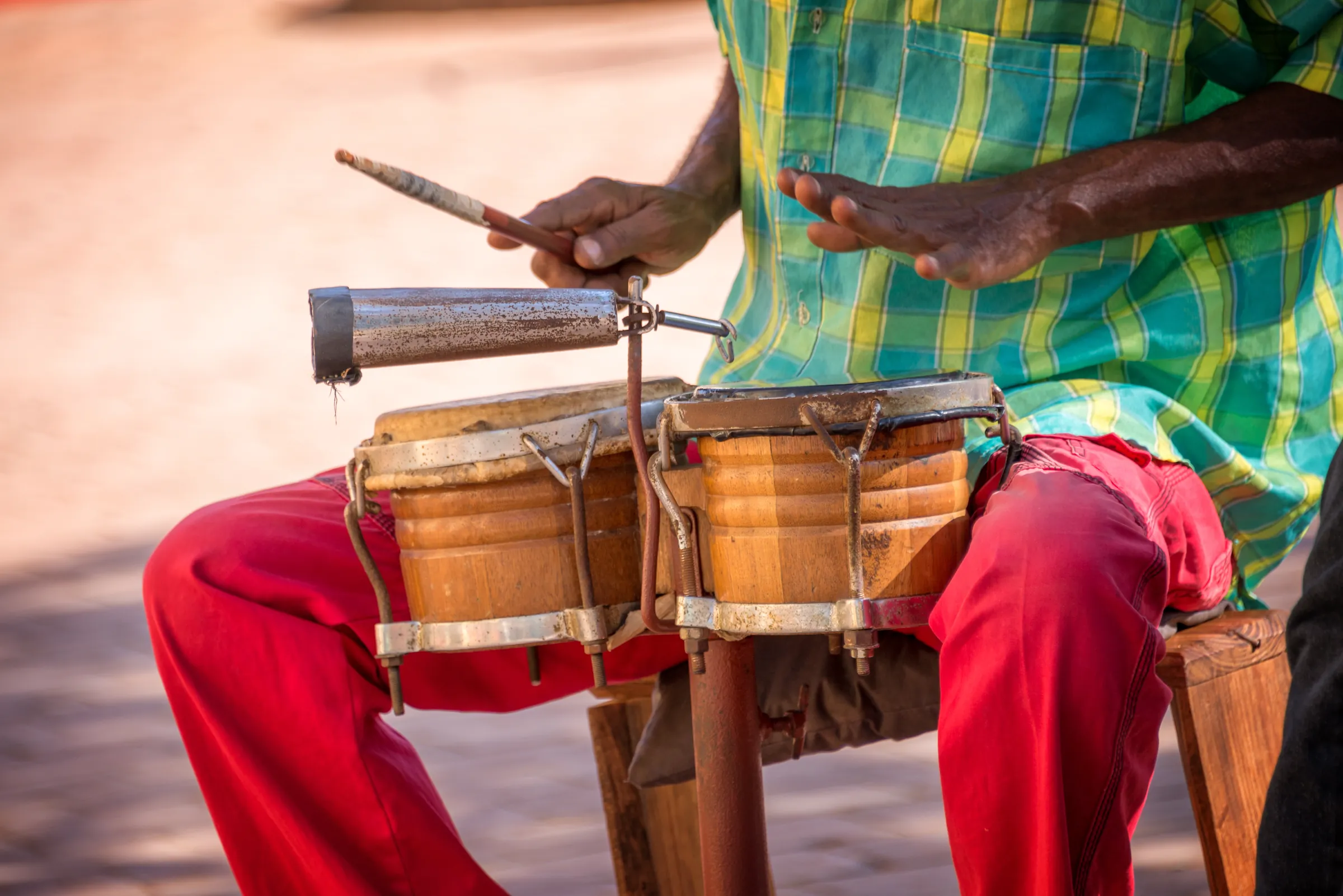
July brings hot, tropical weather across much of the Caribbean. While afternoon showers become more frequent, they rarely last all day, and many travelers continue to enjoy excellent beach conditions. Summer vacations also bring an increase in family travel, while Carnival celebrations take place on several islands during the season.
Best for: Families, festivals, beach vacations, and summer travel.
August in the Caribbean
August is warm, humid, and falls within the Atlantic hurricane season. Tropical systems become more likely later in the month, particularly across the northern and eastern Caribbean, although many days remain sunny between passing showers. Travelers with flexible plans can often find excellent value, especially on islands that sit farther south.
Best for: Lower rates, warm seas, Grenada, Barbados, and flexible travelers.
September in the Caribbean
September falls within the peak of the Atlantic hurricane season and is generally the quietest month for tourism across much of the Caribbean. While many days remain warm and sunny, tropical storms are most likely during this period, particularly in the northern and eastern Caribbean. Travelers with flexible itineraries often choose southern islands, where hurricane impacts are typically less frequent.
Best for: Southern Caribbean islands, off-season rates, and flexible travelers.
October in the Caribbean
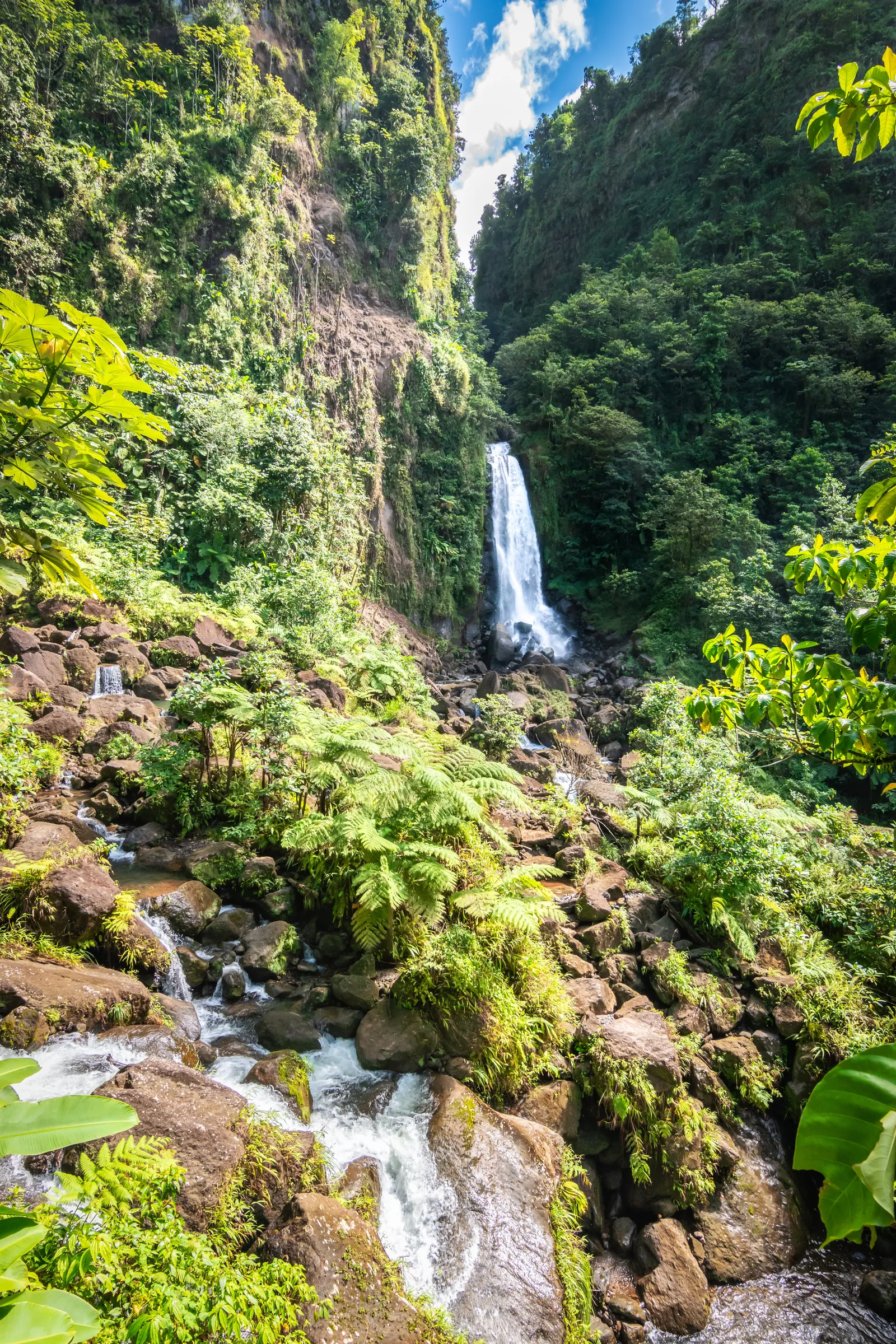
October continues the hurricane season, although weather patterns begin to improve toward the end of the month in some destinations. Tropical landscapes are especially lush, waterfalls are flowing strongly on mountainous islands, and visitor numbers remain low. This can be a rewarding time to visit if you're prepared for occasional weather disruptions.
Best for: Rainforests, waterfalls, lower rates, and flexible itineraries.
November in the Caribbean
November marks the transition back toward the dry season. Rainfall generally begins to decrease, humidity becomes more comfortable, and travel conditions improve across much of the region. Early November often offers excellent value, while the second half of the month sees increasing demand as winter travelers begin arriving.
Best for: Shoulder-season value, beach vacations, diving, and fewer crowds.
December in the Caribbean
December brings the return of the dry season and some of the year's most reliable weather. The first half of the month often combines excellent conditions with better availability, while Christmas and New Year's become one of the busiest and most expensive times to visit. Many boutique hotels and villas sell out months in advance for the holiday period.
Best for: Holiday travel, winter sun, sailing, snorkeling, and luxury Caribbean vacations.
What to pack for the Caribbean, by season
Dry season packing list (December through April)
- Lightweight, breathable clothing. Linen, cotton, and moisture-wicking fabrics are ideal for the Caribbean's warm tropical climate.
- Swimsuit and beach cover-up. You'll likely spend much of your trip at the beach, by the pool, or enjoying time on the water.
- Comfortable walking shoes for exploring historic towns, botanical gardens, and nature trails.
- Sandals or water shoes for beaches, boat excursions, and snorkeling trips.
- Sun hat or baseball cap.
- Sunglasses.
- Reef-safe sunscreen. Many Caribbean islands protect fragile coral reefs, so reef-safe products help minimize your environmental impact.
- Insect repellent. Mosquitoes are generally most active around dawn and dusk, particularly on lush islands such as Dominica and Guadeloupe or after rainfall.
- Reusable water bottle to stay hydrated throughout the day.
- A light sweater or long-sleeve shirt for breezy evenings, ferry crossings, or air-conditioned restaurants.
Green season packing list (May through November)
- Lightweight, breathable clothing. Quick-dry fabrics are especially useful during the wetter months.
- A lightweight rain jacket or compact poncho. Brief tropical showers are common, but bulky waterproof jackets are rarely necessary.
- Comfortable walking shoes with good grip if you plan to hike rainforest trails, waterfalls, or volcanic landscapes.
- Swimsuit and beach cover-up. Rain rarely lasts all day, and there are still plenty of opportunities to swim, snorkel, or relax on the beach.
- Sandals or water shoes for beaches, boat trips, and marine excursions.
- Dry bag or waterproof backpack to protect cameras, phones, travel documents, and other electronics during rain showers or boat transfers.
- Insect repellent. Mosquito activity generally increases during the wetter months, particularly on more mountainous and forested islands.
- Sun hat, sunglasses, and reef-safe sunscreen. Even on cloudy days, the Caribbean sun remains strong.
- Reusable water bottle to stay hydrated throughout the day.
- A light sweater or long-sleeve shirt for breezy evenings, ferry rides, or heavily air-conditioned indoor spaces.
| If you're looking for... | Best time to visit | Why |
|---|---|---|
| First-time visits | January through April | Lower humidity, reliable sunshine, and calmer seas make it easier to enjoy beaches, boat trips, hiking, and other outdoor activities across a wide range of islands. |
| Reliable beach weather | January through April | These months generally bring the lowest rainfall, most comfortable humidity levels, and the greatest likelihood of long, sunny beach days. |
| Sailing & island hopping | December through April | Reliable trade winds, calmer seas, and lower storm risk create favorable conditions for yacht charters, ferry journeys, and multi-island itineraries. |
| Snorkeling & scuba diving | December through May | Drier weather and generally calmer seas can improve underwater visibility around islands such as the Cayman Islands, Turks & Caicos, Grenada, and the Grenadines. |
| Rainforests & waterfalls | June through November | Seasonal rainfall brings fuller rivers, stronger waterfalls, and greener landscapes on mountainous islands such as Dominica, Guadeloupe, St. Lucia, Grenada, and St. Vincent. |
| Hiking | January through April | Lower humidity and reduced rainfall make rainforest trails, volcanic climbs, and coastal walks more comfortable, particularly in Dominica, Guadeloupe, and St. Lucia. |
| Whale watching | January through April | This is the main period for seasonal humpback whale encounters in parts of the region, while Dominica also supports year-round sperm whale excursions. |
| Sea turtle nesting | May through October | Several turtle species nest on Caribbean beaches during the warmer months. Exact timing varies by island, species, rainfall, and local conservation program. |
| Carnival & festivals | Varies by island | Carnival dates differ throughout the region, with major celebrations taking place at different times in Jamaica, St. Lucia, Barbados, Grenada, Dominica, and other islands. |
| Honeymoons | January through May | These months offer a strong balance of reliable weather, calm water, comfortable humidity, and excellent conditions for combining beach time with sailing or outdoor activities. |
| Best value | May, June & November | Rates often fall after the winter season, visitor numbers decline, and many islands still receive long periods of sunshine between passing showers. |
| Avoiding crowds | May, June & November | These shoulder months fall outside the busiest winter and holiday periods, creating a quieter experience at many hotels, beaches, and restaurants. |
| Lower hurricane risk | December through May | The Atlantic hurricane season runs from June through November, with the greatest statistical risk typically occurring from August through October. |
| Summer travel | June through August | Families can find warm seas, summer festivals, and lower rates than during winter, but should choose flexible reservations and comprehensive travel insurance. |
Frequently asked questions: weather in the Caribbean
When is the best time to visit the Caribbean?
For most travelers, the best time to visit is between December and April, when the weather is generally sunny, humidity is lower, and rainfall is at its lowest across much of the region. If you're looking for better value and fewer crowds, May, June, and November are excellent alternatives that often offer a great balance of weather, availability, and pricing.
Does it rain all day during the green season?
Usually not. Throughout much of the Caribbean, the green season is characterized by brief afternoon or evening showers followed by sunshine rather than days of continuous rain. Mountainous islands such as Dominica and Guadeloupe generally receive more rainfall than flatter or drier islands, but most visitors still enjoy plenty of time outdoors.
Is the Caribbean worth visiting during hurricane season?
Absolutely, provided you understand the trade-offs. Hurricane season officially runs from June through November, with the highest risk typically occurring between August and October. Many travelers visit successfully during this period and enjoy lower hotel rates and quieter beaches, but we recommend purchasing comprehensive travel insurance and choosing flexible booking terms whenever possible.
Which Caribbean islands have the best weather?
That depends on the time of year. During the dry season, most islands enjoy excellent weather. During hurricane season, southern islands such as Grenada, Barbados, St. Vincent & the Grenadines, Aruba, Bonaire, and Curaçao are generally less affected by tropical storms than many destinations farther north, although no destination is completely risk-free.
When is the cheapest time to visit the Caribbean?
The best value is typically found from May through November, outside of major holidays. Hotel rates are often lower, availability improves, and popular beaches and attractions are less crowded. May, June, and November usually offer one of the best combinations of favorable weather and lower prices.
How far in advance should I book?
If you're traveling during Christmas, New Year's, spring break, or Easter, we recommend booking at least six months in advance, particularly if you're staying at a boutique resort, luxury villa, or private island property. During the shoulder and green seasons, you'll usually have more flexibility, although the most sought-after hotels can still sell out well in advance.
Is every Caribbean island affected equally by hurricane season?
No. Hurricane risk varies considerably across the region. Islands in the southern Caribbean, including Grenada, Barbados, and St. Vincent & the Grenadines, typically experience fewer direct hurricane impacts than many islands farther north. Weather patterns also vary from year to year, so it's always worth monitoring forecasts and purchasing travel insurance if you're traveling during hurricane season.

