

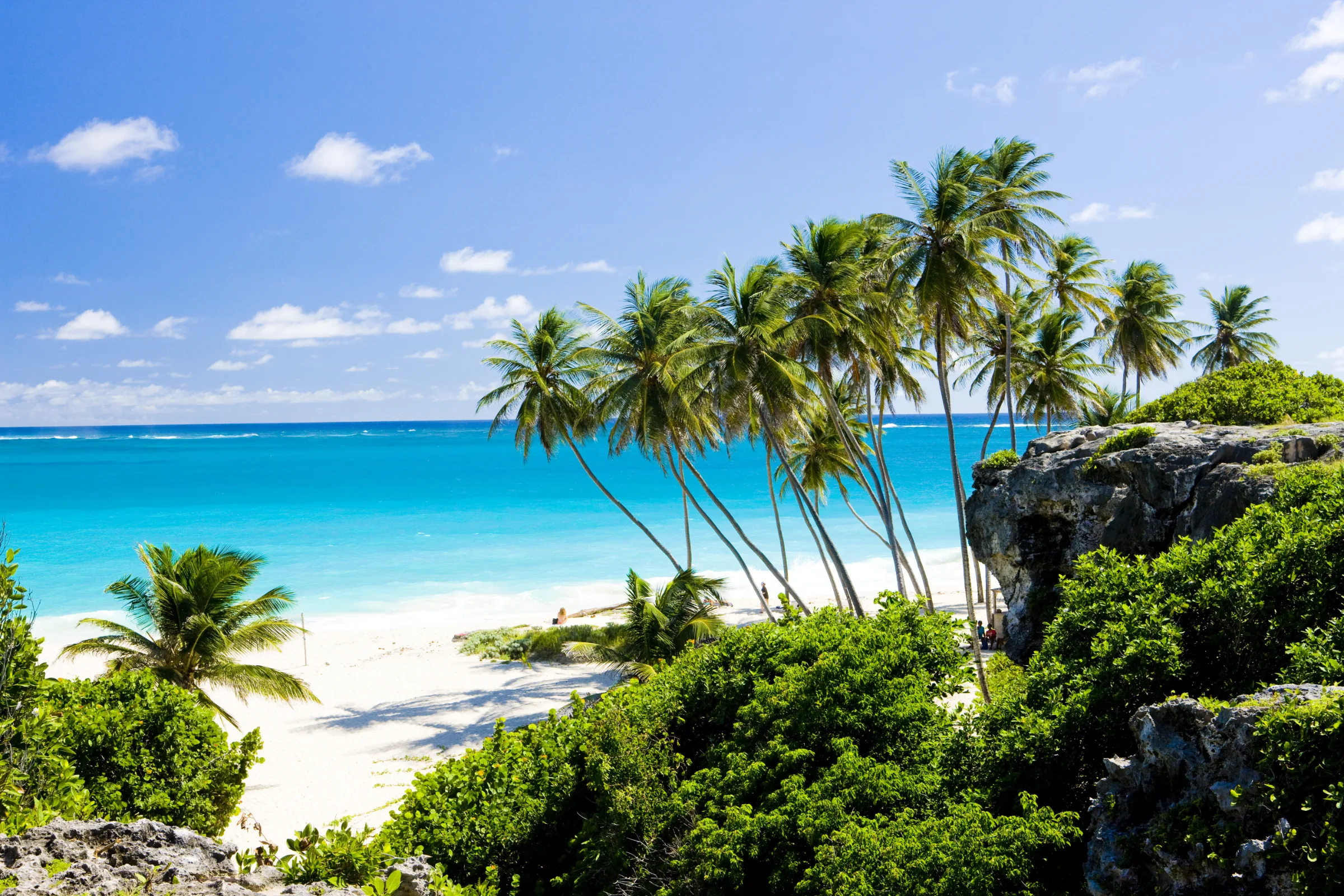
Barbados is a coral-limestone island with distinct coasts. The west faces the Caribbean and contains calm bays, luxury hotels, and many of the island's best-known restaurants. The south mixes beaches, surf, nightlife, and walkable areas around St. Lawrence Gap and Worthing. The east faces the open Atlantic, where Bathsheba's rock formations and powerful waves create a much wilder landscape. Inland, villages, gullies, gardens, historic houses, and former sugar estates reveal a country with a deep and complicated colonial history.
At a glance
| Best for | Beaches, food, heritage, families, villas, surfing, gardens, and varied island touring |
|---|---|
| Don't miss | Bridgetown and the Garrison, a west-coast boat day, the east coast, local food, and an inland garden or historic site |
| Recommended stay | 5 to 8 nights |
| Best area to stay | The west coast for luxury, the south coast for activity, or the east coast for seclusion |
| Pairs well with | St. Lucia, Grenada, St. Vincent, or the Grenadines |
| Primary airport | Grantley Adams International Airport (BGI) |
| Best time to visit | December through April for the driest weather |
| Getting around | Private transfers, guided island tours, chartered boats, and short walks in selected districts |
| Budget | $$ to $$$$ |
Why stay in Barbados?
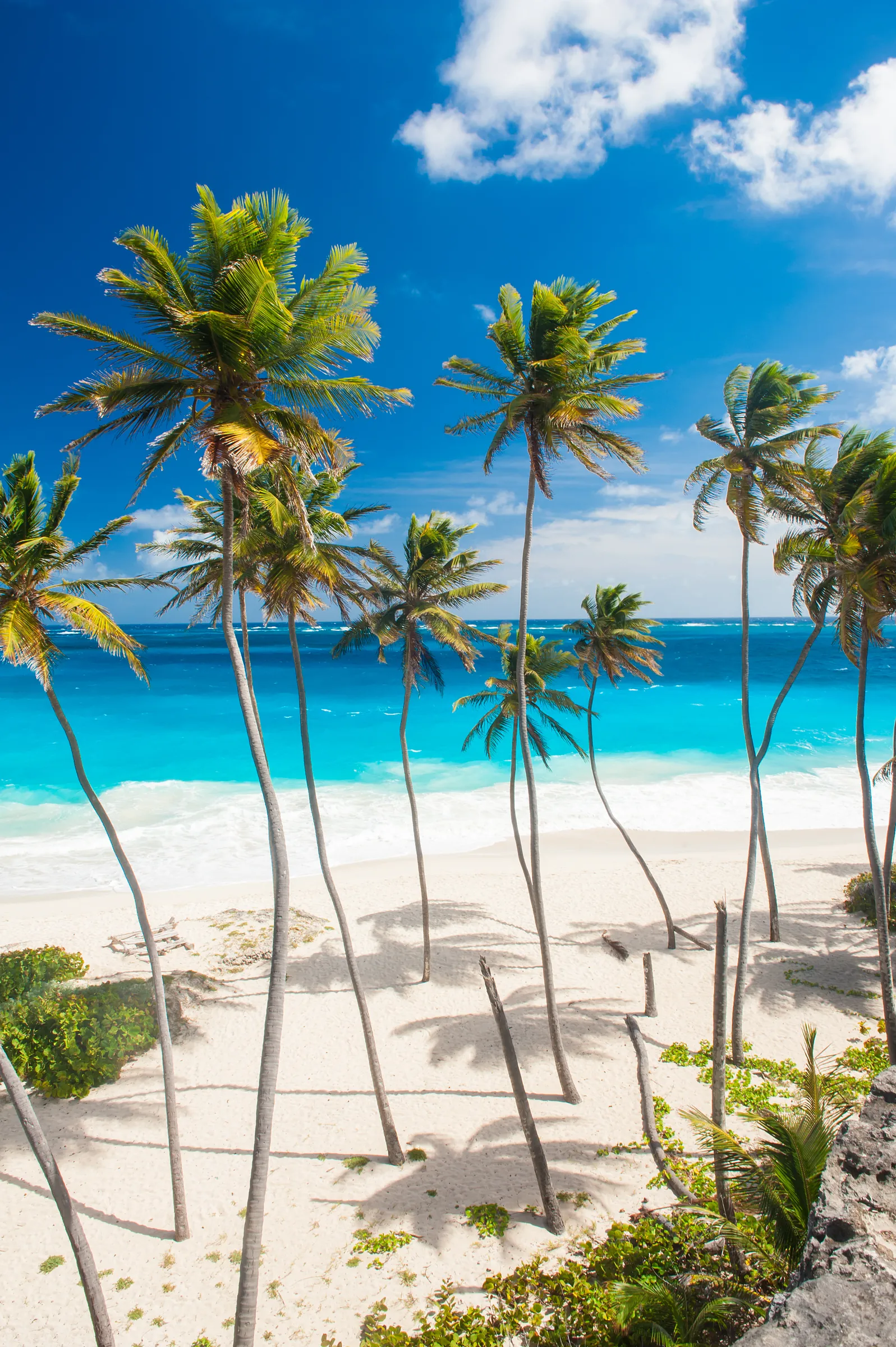
The west coast is the island's classic luxury corridor. Holetown contains restaurants, shops, and historic sites, while hotels and villas extend north and south along beaches broken by small headlands. Water is often calmer than on the Atlantic side, but beach width and wave conditions still change seasonally.
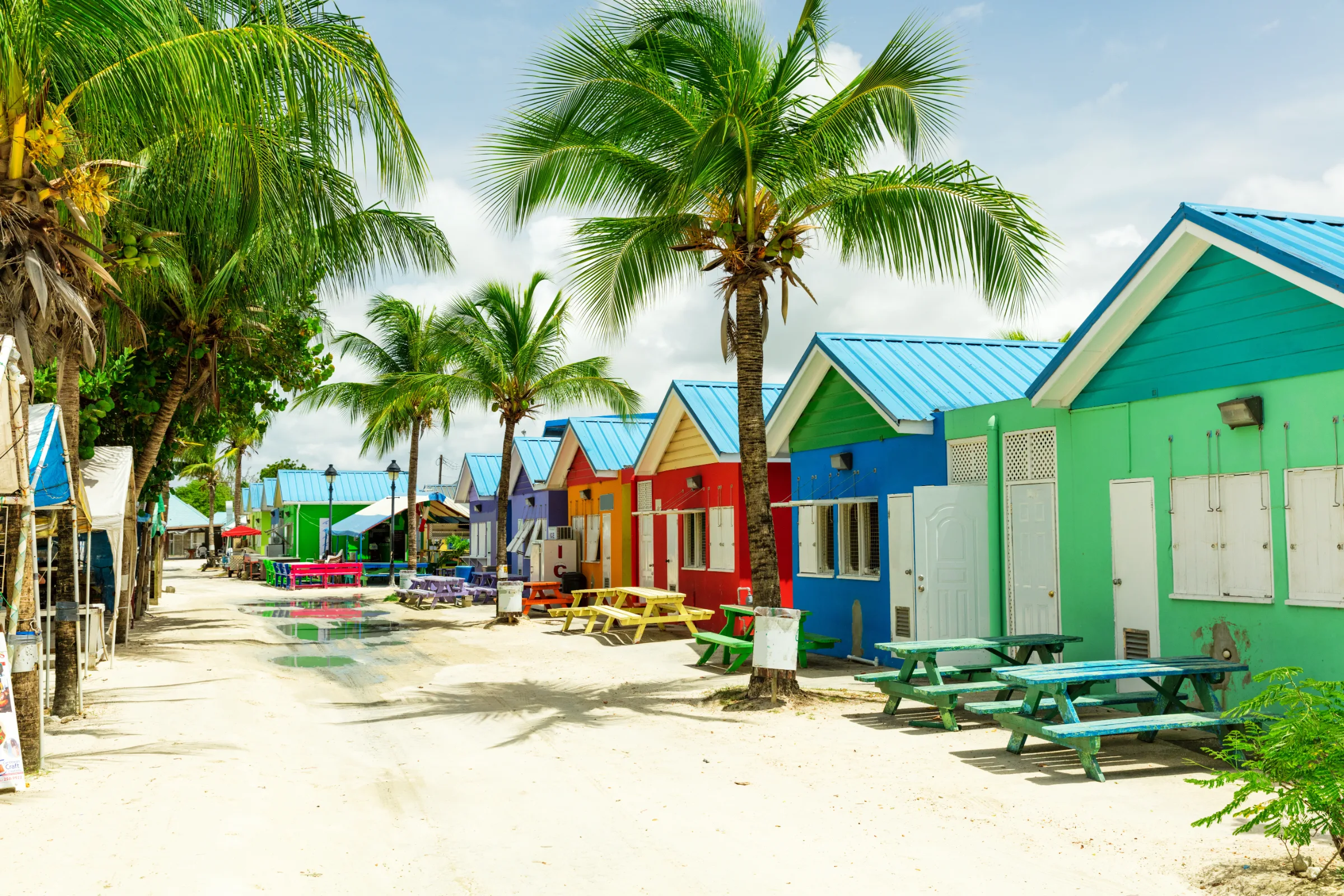
The south coast is more active and varied. Hastings, Worthing, Rockley, and St. Lawrence Gap combine beaches, apartment-style accommodations, independent restaurants, nightlife, and access to several surf schools. It suits travelers who want to leave the hotel on foot more often.
Bathsheba and the east coast reveal a different Barbados. Atlantic swell, eroded limestone formations, steep hills, and small villages replace the protected swimming bays of the west. The region is strong for photography, walking, and surf culture, but many waters are unsuitable for casual swimming.
Bridgetown and its Garrison are recognized for their colonial urban history and military architecture. A thoughtful visit should also address slavery, emancipation, trade, and the role of sugar in building the island's wealth. Museums and heritage guides help connect the preserved structures to the people whose labor sustained them.
Barbados has one of the Caribbean's broadest dining scenes, ranging from chef-led west-coast restaurants to fish markets, bakeries, food stalls, and family-run places serving Bajan dishes. The island's size allows travelers to compare several regions without changing hotels.
Our take: stay on the west coast for a hotel-focused beach trip or the south for a more independent social trip, then reserve at least one full day for the east and interior. Barbados becomes much more interesting once the itinerary leaves the hotel corridor.
Is Barbados a good fit?
- Want a polished beach trip with strong restaurants and services.
- Need accommodation for couples, families, or villa groups.
- Enjoy history, gardens, food, sailing, and easy day touring.
- Want several coastlines within one compact island.
- Prefer a destination with substantial independent dining.
- Are interested in both luxury hotels and local cultural experiences.
Travelers seeking high mountains or dense rainforest should look to St. Lucia or Dominica. Barbados’ variety comes from its coasts, communities, food, and history rather than dramatic elevation.
Best things to do
Explore Bridgetown and the Garrison
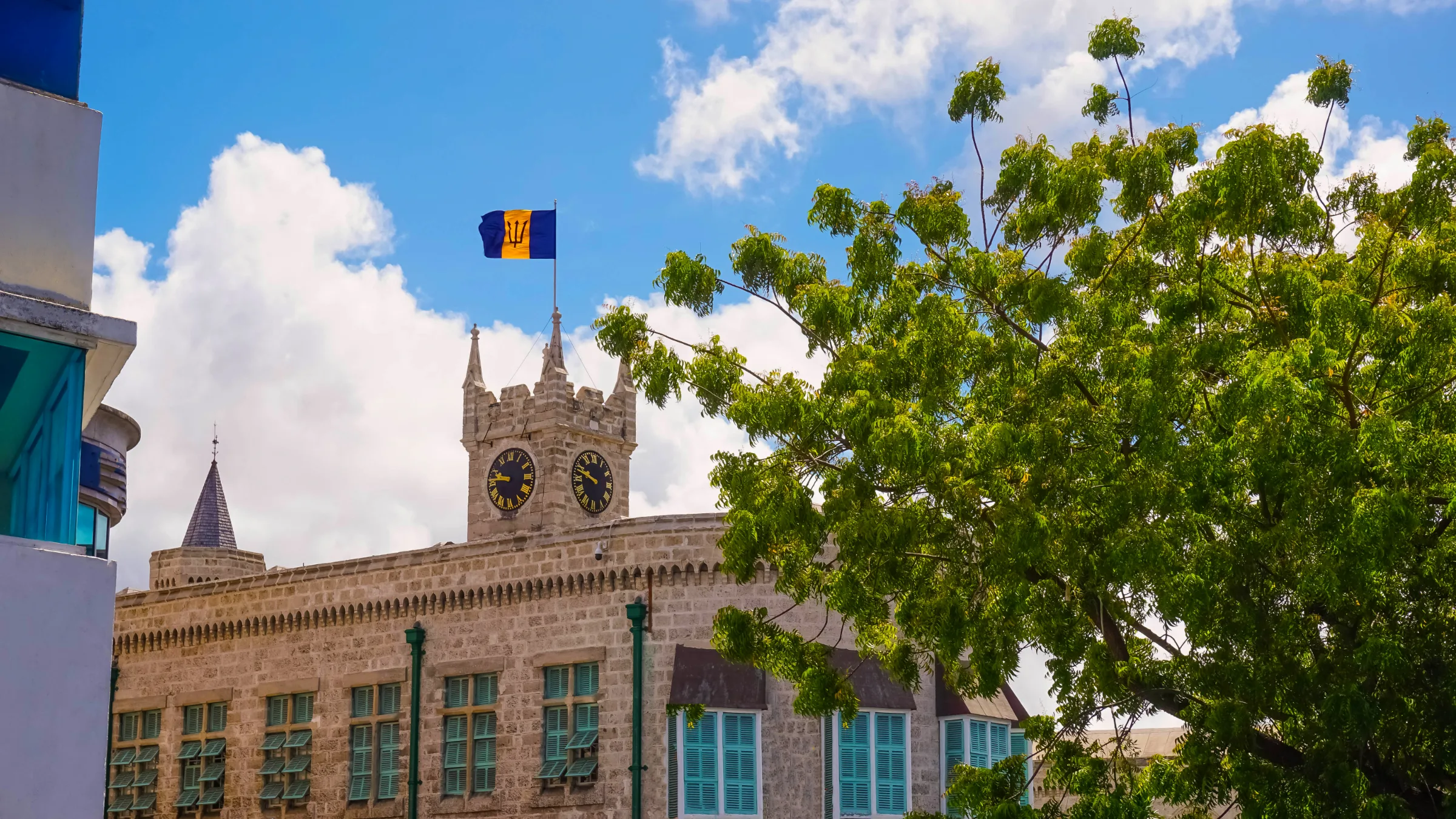
A guided walk can connect Parliament, the Careenage, synagogues, churches, warehouses, military buildings, and museums. Strong interpretation addresses colonial power, slavery, emancipation, and modern independence.
Sail along the west coast
Private catamaran trips can include swimming, snorkeling, turtles, and a coastal lunch. Small-group or private vessels provide more control over timing and crowded marine sites.
Visit Bathsheba and the east coast
Drive through hilly interior roads toward Atlantic viewpoints, villages, and the rock formations around Bathsheba. The coast is scenic but exposed, and swimming should follow local advice.
Experience Bajan food
Compare flying fish, cou-cou, fish cakes, cutters, grilled seafood, baked goods, and market produce through family-run businesses and guided food experiences. The island's culinary range goes well beyond formal west-coast dining.
Tour a garden or gully
Hunte's Gardens, Andromeda, Flower Forest, and Welchman Hall Gully reveal tropical plants, limestone terrain, and green interior landscapes. Each has a different balance of cultivated garden and natural habitat.
Learn about sugar and plantation history
Historic houses and estate sites can explain architecture, agriculture, forced labor, and the economic system that shaped Barbados. Choose guides and museums that address the full history rather than only decorative interiors.
Surf with a qualified instructor
The south coast has accessible beginner breaks, while the east coast includes powerful waves for experienced surfers. Lessons should be matched to current swell, swimming ability, and age.
Visit a fish market
Oistins is the best known, but other landing sites and markets also reveal the island's fishing culture. Visits are most rewarding when combined with a local guide or a quieter weekday meal rather than only the busiest Friday night.
Where to stay
Stay on the west coast for calm-water beaches, luxury hotels, villas, and upscale restaurants. Holetown provides the greatest concentration of shops and dining, while properties farther north generally feel quieter.
Stay on the south coast for a livelier, more walkable trip with restaurants, nightlife, surfing, and a wider range of hotel prices. Beaches differ from bay to bay, so immediate shoreline should be checked for the chosen property.
Stay on the east coast for Atlantic scenery, surf culture, and seclusion. Hotel selection is limited, and casual swimming is not appropriate at many beaches. The area works best for travelers who value landscape over resort facilities.
We generally use one base because the island is compact, but a short east-coast extension can provide a meaningful contrast to a longer west-coast stay.
Our favorite hotels
Cobblers Cove
Cobblers Cove has 40 suites in a restored 1940s house and surrounding garden buildings on the northwest coast. The property has small scale, pink-and-white architecture, strong restaurant, and quiet beachfront.
Coral Reef Club
Coral Reef Club has 88 rooms, cottages, and suites across 12 acres of mature gardens near Holetown. Family ownership, extensive planting, a full spa, and several private-pool categories suit repeat Caribbean travelers who prefer traditional service.
Sandy Lane
Sandy Lane has 113 rooms and suites plus a separate five-bedroom villa beside approximately 1,000 feet of west-coast beach. The property has three golf courses, a large spa, and extensive family facilities.
Best time to visit
December through April is generally the driest period, with cooler evenings and the strongest demand for west-coast hotels and villas. Festive weeks and major events require early reservations.
May and June are warmer and often provide good value before the wettest period. Tropical storms are possible from June through November, although Barbados lies toward the southern edge of the main hurricane belt. Rain frequently arrives in short, heavy showers rather than continuous all-day weather.
Pair it with
- St. Lucia for volcanic peaks, rainforest, and hillside resorts.
- Grenada for spice estates, waterfalls, and a greener landscape.
- St. Vincent for hiking, black-sand beaches, and fewer resort zones.
- The Grenadines for small-island sailing and private resorts.
Getting there
Grantley Adams International Airport receives long-haul and regional flights and sits in the southeast. Transfer times are shortest to the south coast and longest to the northern west-coast hotels. Barbados also is an important air connection point for smaller eastern Caribbean islands.
Approximate travel times:
- Barbados Airport to the south coast: 15 to 30 minutes
- Barbados Airport to Bridgetown: 25 to 40 minutes
- Barbados Airport to Holetown: 35 to 60 minutes
- Barbados Airport to the northern west coast: 45 to 75 minutes
- Holetown to Bathsheba: 35 to 50 minutes
- South coast to Bathsheba: 35 to 55 minutes
Traffic around Bridgetown and the south coast can extend journeys during peak periods. We leave generous airport time and avoid planning a full island tour immediately before departure.
Frequently asked questions
Should I stay on the west or south coast?
Choose the west for luxury hotels, calmer beaches, villas, and upscale dining. Choose the south for walkability, nightlife, surfing, and a broader price range. Both coasts provide straightforward access to the island's cultural sites.
How many nights should I stay?
Five nights work for a focused beach trip. Seven or eight nights allow time for Bridgetown, the east coast, gardens, food experiences, and several unstructured beach days.
Is Barbados suitable for families?
Yes. Calm west-coast bays, suites, villas, sailing, caves, gardens, and food experiences work well across generations. Hotel facilities and immediate water conditions should guide the choice.
Can I swim on the east coast?
Some sheltered areas may be suitable under local guidance, but much of the coast has strong Atlantic surf and currents. The east is better known for scenery, walking, and experienced surfing than casual swimming.
Is Bridgetown worth visiting?
Yes. A guided visit provides context on colonial trade, slavery, military history, religion, emancipation, and national life. The experience is strongest when combined with the Garrison and a museum or food stop.
Do I need an all-inclusive plan?
No. Barbados has an unusually broad range of independent restaurants, particularly on the west and south coasts. Meal plans can still be useful for families or remote properties, but they are not necessary for most itineraries.
Is Barbados very formal?
Luxury hotels may maintain dress standards for dinner, but the island also has casual beach restaurants, markets, and food stalls. Requirements should be checked with the selected hotel before packing.
What should I pack?
Bring lightweight clothing, strong sun protection, a light rain layer, supportive shoes for heritage walks, and beach footwear. Add smart-casual clothing when staying at a traditional west-coast hotel.


