


Costa Rica is a nature lover’s paradise, where every trail, canopy, and coastline teems with life. With over 500,000 species, representing nearly 5% of the world’s biodiversity, this Central American gem is a must for wildlife enthusiasts. From scarlet macaws painting the sky to sea turtles nesting on moonlit beaches, the country offers endless opportunities to witness nature’s magic. In this travel blog, I’ll guide you through the top seven best wildlife destinations in Costa Rica, sharing where to go, when to visit, and what makes each spot unforgettable. Whether you’re a birder, a marine lover, or a jungle explorer, these destinations will leave you in awe. Let’s dive into the wild heart of Costa Rica.
Monteverde Cloud Forest Reserve
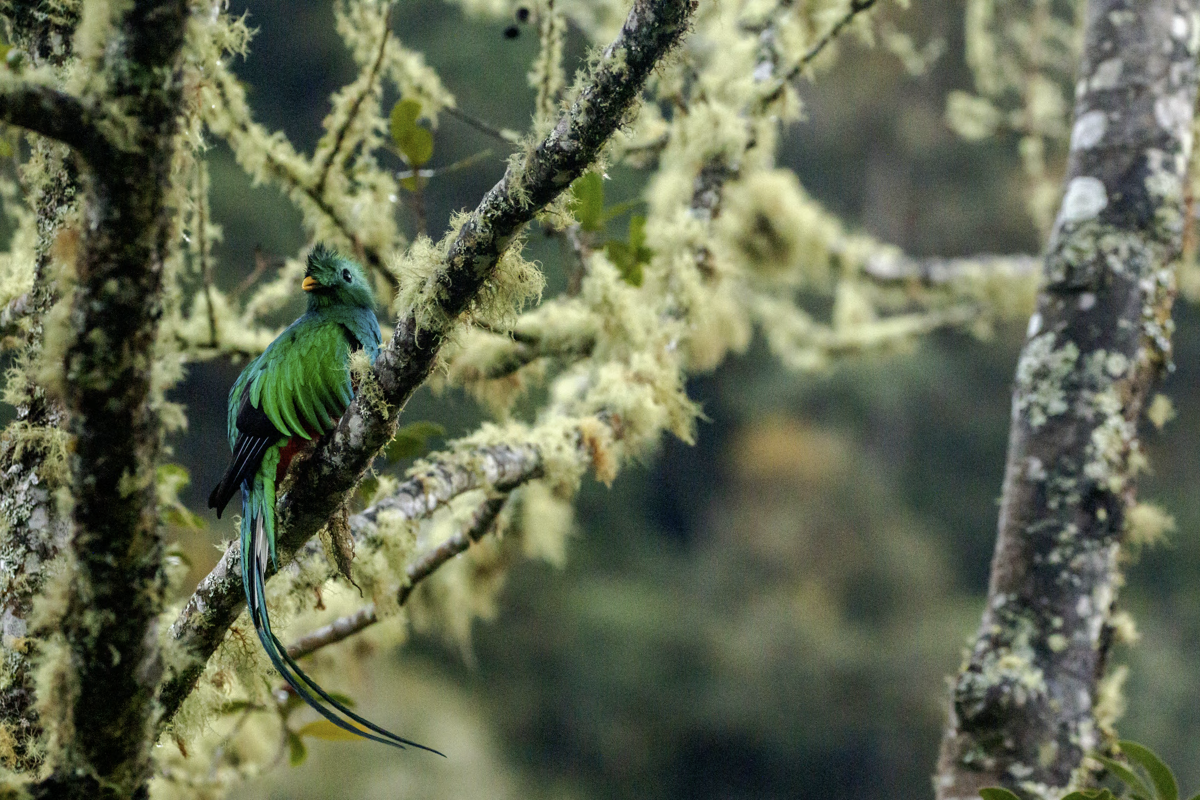
Misty, high-altitude forest along the continental divide, with trees so thick in orchids and bromeliads that the canopy looks built rather than grown. This is resplendent quetzal country, along with more than 400 other bird species, sloths, hummingbirds, tree frogs, kinkajous, and bats.
Go December through April for the driest trails; March and April specifically for quetzal nesting season, when sightings are at their best. Ziplining through the canopy is the obvious activity, but a maintained trail hike and a guided night walk for the nocturnal species are worth the time too. Temperatures stay in the 60s and 70s year-round, with light rain common May through November.
Stay at Hotel Belmar, a Design Hotels-member boutique built into the cloud forest with sweeping valley views, an on-site spa, and easy access to the Monteverde and Santa Elena reserves.
Weather: Cool and misty, with temperatures between 60°F and 75°F (16°C to 24°C) year round. Light rain is common, especially during the green season from May to November.
What makes it special: This misty forest is a biodiversity hotspot, home to more than 400 bird species, including the elusive resplendent quetzal. Towering trees draped in orchids and bromeliads shelter sloths, hummingbirds, and tree frogs. Sitting along the continental divide, the forest feels otherworldly and immersive.
Things to do: Zip line through the canopy, hike well maintained trails, or join a guided night walk to spot nocturnal wildlife such as kinkajous and bats.
Corcovado National Park
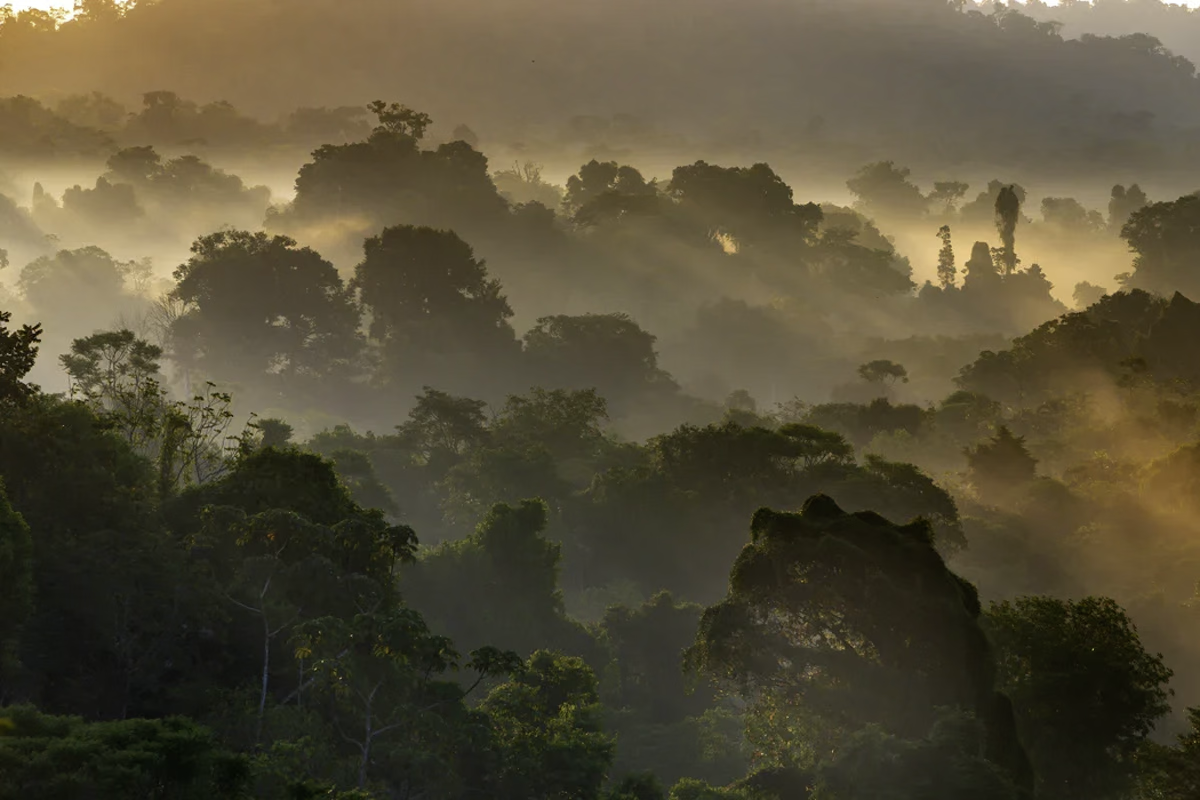
Called one of the most biologically intense places on the planet, and it earns the description: jaguars, tapirs, scarlet macaws, and hundreds of bird species across vast lowland rainforest on the Osa Peninsula. It’s remote by design, which is part of what keeps the wildlife here as dense as it is.
December through April for the most accessible trails; the green season, May through November, brings richer wildlife activity but suits more experienced travelers better. Guided rainforest hikes are the core activity, along with mangrove kayaking near Drake Bay and snorkeling at Caño Island. Expect 77–90°F with heavier rain in the wet months.
Stay at Lapa Rios, consistently ranked among the top properties in the country for wildlife density, or El Remanso Rainforest Lodge, a cliffside ecolodge with private villas and naturalist guides who know the peninsula closely.
Weather: Hot and humid, with temperatures from 77°F to 90°F (25°C to 32°C). Rainfall is heavier from May to November and lighter from December to April.
What makes it special: Often described as one of the most biologically intense places on Earth, Corcovado protects a vast stretch of lowland rainforest. Jaguars, tapirs, scarlet macaws, and hundreds of bird species thrive here. The sense of remoteness makes every encounter feel earned.
Things to do: Kayak mangroves near Drake Bay, snorkel Caño Island, or relax on wild beaches after guided hikes.

Tortuguero National Park
Costa Ricans call this “the little Amazon,” and the canal system that gives it the name supports sloths, caimans, monkeys, and a wide range of aquatic birds, on top of the green sea turtles that nest on its beaches.
Turtle nesting peaks July through September; September and October bring fewer visitors alongside slightly drier conditions. Sunrise canal boat tours are the signature activity, paired with the turtle conservation museum and short jungle hikes. Expect 75–85°F year-round, with rain common throughout and September–October the closest thing to a dry stretch.
Stay at Tortuga Lodge & Gardens, set along the canals with a private villa option and easy access to guided wildlife excursions right from the dock.
Weather: Hot, humid, and rainy throughout the year, with temperatures from 75°F to 85°F (24°C to 29°C). September and October tend to be drier.
What makes it special: Known as Costa Rica’s Little Amazon, Tortuguero’s canal system supports rich wildlife. Sloths, caimans, monkeys, and aquatic birds fill the waterways, while beaches host nesting sea turtles.
Things to do: Sunrise canal boat tours, visits to the turtle conservation museum, and short jungle hikes.

Manuel Antonio National Park
The one park on this list where rainforest trails run straight into white sand beach, and the wildlife viewing reflects that: capuchin monkeys, sloths, iguanas, and toucans, often visible without much effort.
December through April for drier weather, and early mornings year-round for the best activity before the heat and crowds build. Snorkeling, swimming, and mangrove boat tours round out the trail hiking, with surf lessons available nearby. Expect 77–88°F and humid conditions most of the year.
Stay at Arenas del Mar, a true beachfront eco-resort directly on Playa Espadilla with wildlife that shows up on the property itself, or Makanda by the Sea, an adults-only boutique built around its own private wildlife sanctuary.
Weather: Warm and humid year round, with temperatures from 77°F to 88°F (25°C to 31°C).
What makes it special: Rainforest trails meet white sand beaches, creating easy wildlife viewing. Capuchin monkeys, sloths, iguanas, and toucans are commonly seen.
Things to do: Snorkeling, swimming, mangrove boat tours, and nearby surf lessons.
Cahuita National Park
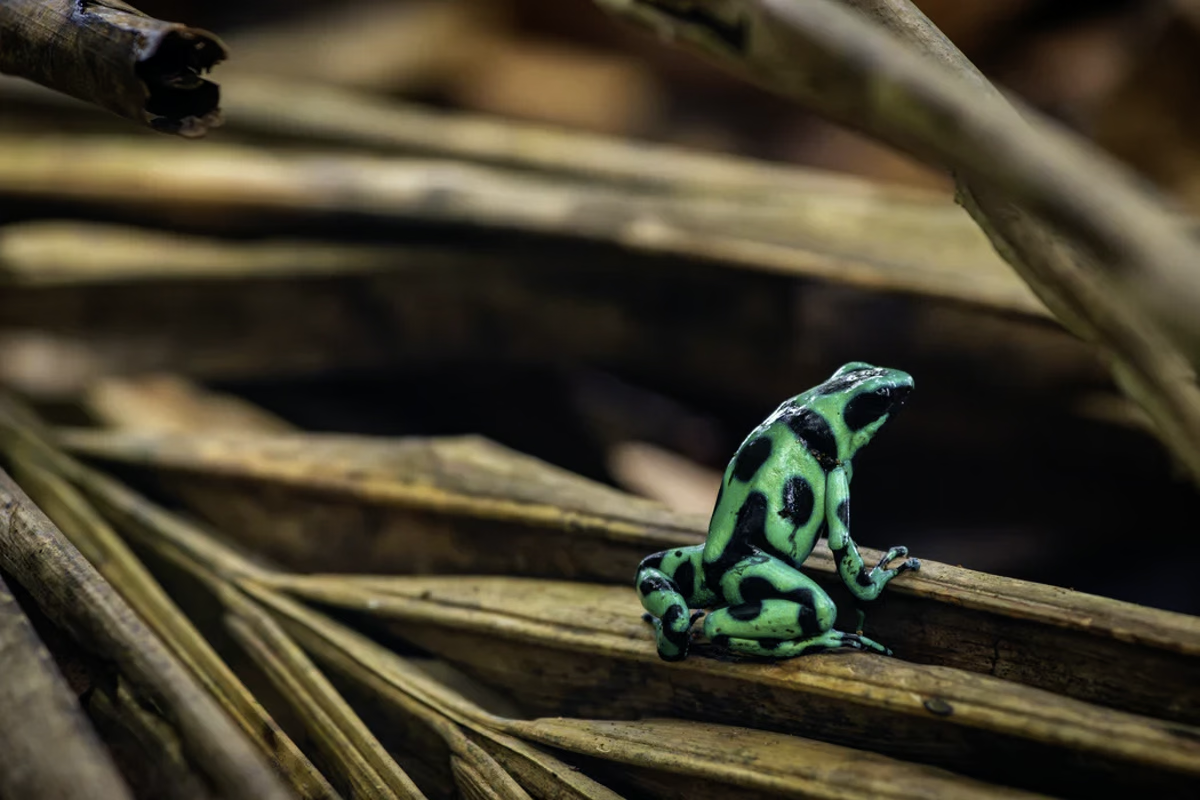
Caribbean beach and coral reef together, with a relaxed, Afro-Caribbean cultural identity that sets this whole stretch of coast apart from the Pacific side. Poison dart frogs are the wildlife highlight most visitors remember.
September and October bring calmer seas and smaller crowds, which matters more here than at most parks on this list since reef snorkeling depends on water clarity. A sloth sanctuary sits nearby, and the beachfront cafés in town are part of the experience, not just a place to eat. Expect hot, humid conditions year-round, with September–October the closest to a dry window.
Stay at Almonds and Corals in nearby Manzanillo, a rustic-luxury property built to integrate with the coastline rather than dominate it, or Hotel Aguas Claras near Playa Chiquita for a smaller, design-forward option on the same stretch of coast.
Weather: Hot and humid year round. Drier conditions typically occur in September and October.
What makes it special: Caribbean beaches, coral reefs, and rich wildlife combine with Afro Caribbean culture for a relaxed experience.
Things to do: Reef snorkeling, sloth sanctuaries, and beachfront cafés.
Marino Ballena National Park
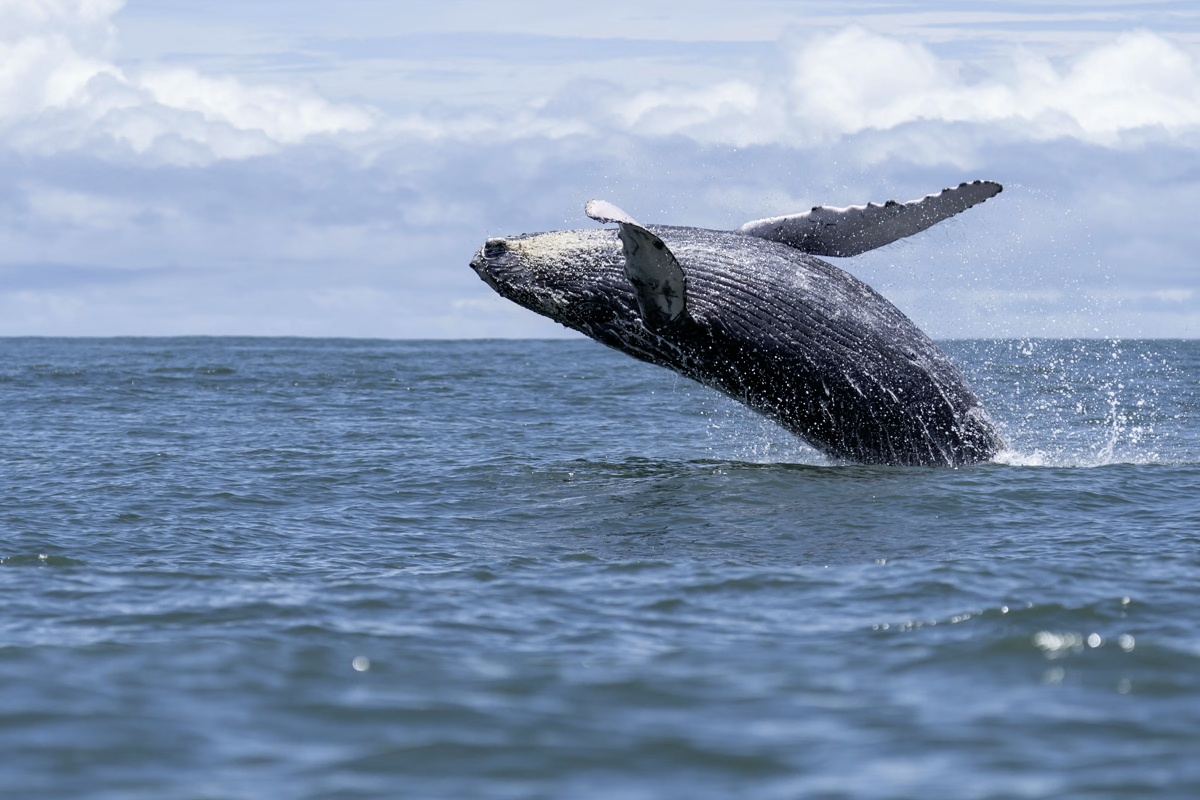
Best known for the sandbar that forms at low tide in the shape of a whale’s tail, and for the humpback whales that give the park its name. Dolphins and seabirds round out the marine wildlife here.
December through April is peak whale season; September brings the local whale festivals if you want to time a visit around them. Snorkeling and kayaking are the main activities, with waterfalls nearby worth adding to a day trip. Expect warm, humid conditions in the high 70s to 90s.
Stay at Kurà Design Villas above Uvita, an adults-only property with sweeping Pacific views, or Rancho Pacifico, a small adults-focused retreat in the hills with ocean views and private plunge pools.
Weather: Warm and humid, with temperatures from 77°F to 90°F (25°C to 32°C).
What makes it special: Humpback whales migrate here to calve, while dolphins and seabirds frequent the coastline. The whale tail sandbar appears at low tide.
Things to do: Snorkeling, kayaking, and visits to nearby waterfalls.
Santa Rosa National Park
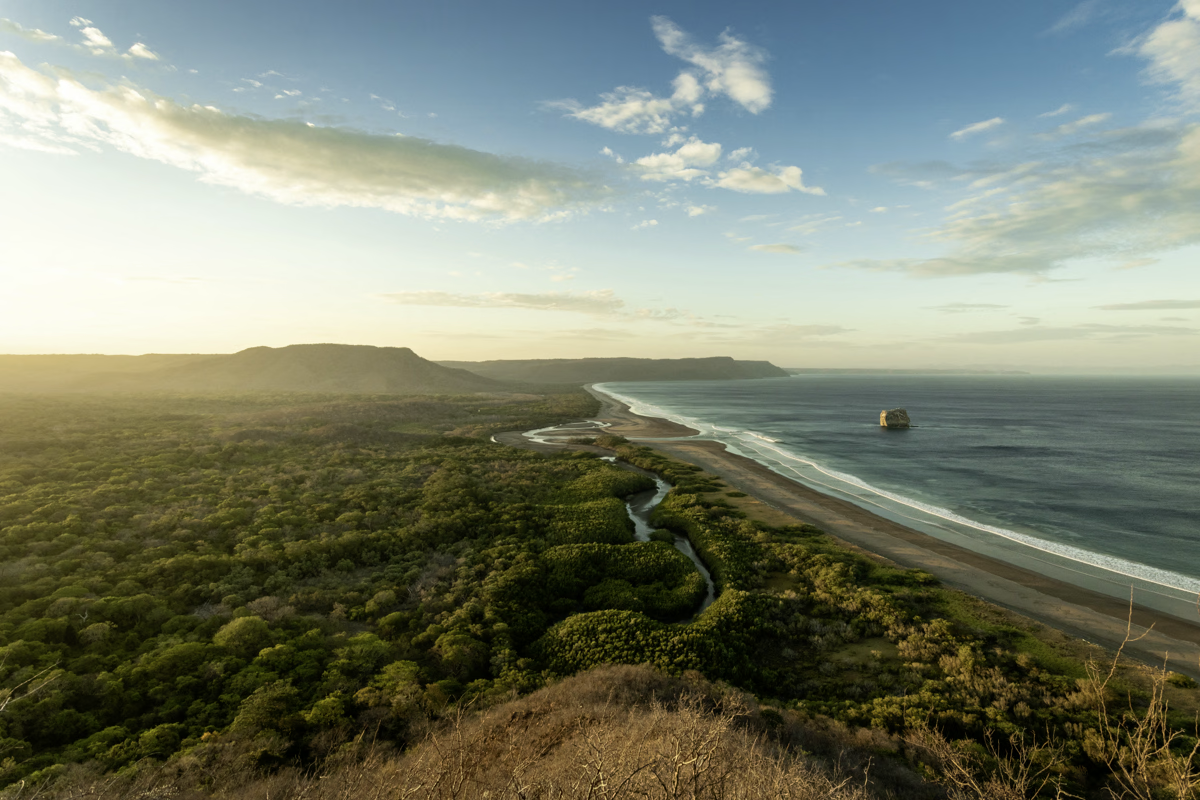
One of the last remaining tropical dry forests in Costa Rica, in the country’s northwest corner near Liberia, with real historical significance attached to it as well as ecological. Bats, monkeys, and nesting sea turtles are the wildlife draw.
December through April for the easiest wildlife spotting, when the dry forest canopy thins out and animals are easier to see. Surfing at Playa Naranjo, a historical walk through La Casona, and overnight camping are the main ways to experience it; this is one of the more rustic, less lodge-driven parks on this list.
Weather: Hot and dry during the dry season, greener during the wet months.
What makes it special: One of Costa Rica’s last tropical dry forests, home to bats, monkeys, and nesting sea turtles.
Things to do: Surfing at Playa Naranjo, historical walks at La Casona, and overnight camping.

Frequently asked questions
What’s the best national park in Costa Rica for wildlife viewing?
It depends on what you want to see. Corcovado has the widest range and the highest density, including jaguars and tapirs. Monteverde is the pick for birdwatching, especially the resplendent quetzal. Tortuguero and Marino Ballena are built around specific marine wildlife: sea turtles and humpback whales.
When is the best time of year to see wildlife in Costa Rica?
December through April is the dry season and the easiest window for spotting wildlife across most parks, since trails are more accessible and animals are easier to see through thinner foliage. A few exceptions matter: sea turtle nesting peaks July–September in Tortuguero, and whale season in Marino Ballena runs December–April with a second window around September.
Can you see jaguars in Costa Rica?
Corcovado National Park is the best chance, though jaguars are elusive and a sighting is never guaranteed even with a skilled guide. Most visitors see tracks and signs rather than the animal itself, which is still a real experience with the right naturalist.
Do I need a guide to see wildlife in these parks?
Not required, but strongly worth it. A skilled naturalist guide is the difference between walking past wildlife and spotting it: they know the trees that are fruiting, the trails animals use, and how to read the signs an untrained eye would miss entirely.
Which park is best for combining wildlife with beach time?
Manuel Antonio, hands down. It’s the only park on this list where rainforest trail and white sand beach sit directly against each other.
Is Corcovado hard to get to?
Yes, relatively. It’s on the remote Osa Peninsula, reachable by small plane or a long drive, and that difficulty is part of why the wildlife density stays as high as it does. Worth the effort for serious wildlife travelers; less so for a short trip.
Costa Rica’s wildlife destinations reflect the country’s strong conservation ethic. Each region offers a distinct window into nature, from cloud forests to remote rainforests and coral lined shores. Whether you're chasing quetzals in the mist or turtles on the beach, partnering with a dedicated Costa Rica travel agency ensures seamless, sustainable itineraries that maximize wildlife encounters while supporting local conservation efforts.
Ready to build a wildlife-focused Costa Rica trip? Get in touch and we’ll help you plan it.

