Whale sharks are still seen in Belize on occasion, but they’re not as common as they once were. Belize's whale shark tourism industry centered around Gladden Spit, where snapper gather to spawn in the spring, and whale sharks used to come and feed around spring full moons. While snapper continue to congregate, whale sharks are rarely spotted these days. Splash Dive Center, a long-established dive shop in Placencia, Belize, had no whale shark sightings on any of its six trips to Gladden Spit between April and June 2026. In fact, in the last four years, they’ve only had two encounters.
We still recommend Gladden Spit in southern Belize to clients as a destination for outstanding scuba or snorkeling trips to see bull and reef sharks feeding on spawn, spinner dolphins, and endless blue water. There’s still a possibility of spotting a whale shark, but don’t book your trip around it – it’s exceedingly rare. You’ll have better luck at Mexico’s Isla Holbox in August, where sightings are still reliable.
Whale sharks in Belize, at a glance
| Traditional season | April through June, timed to the full moon |
|---|---|
| Location | Gladden Spit and Silk Cayes Marine Reserve, about 22 miles off Placencia |
| Main departure points | Placencia (shorter run) or Hopkins |
| What's actually reliable | The snapper spawning aggregation, and the marine life it draws |
| Whale shark sightings | Possible, increasingly rare in recent seasons |
| Format | Snorkel-eligible with some operators, scuba-only with others, confirm before booking |
| Before you book | Don't build the whole trip around a guaranteed whale shark |
The history: then and now
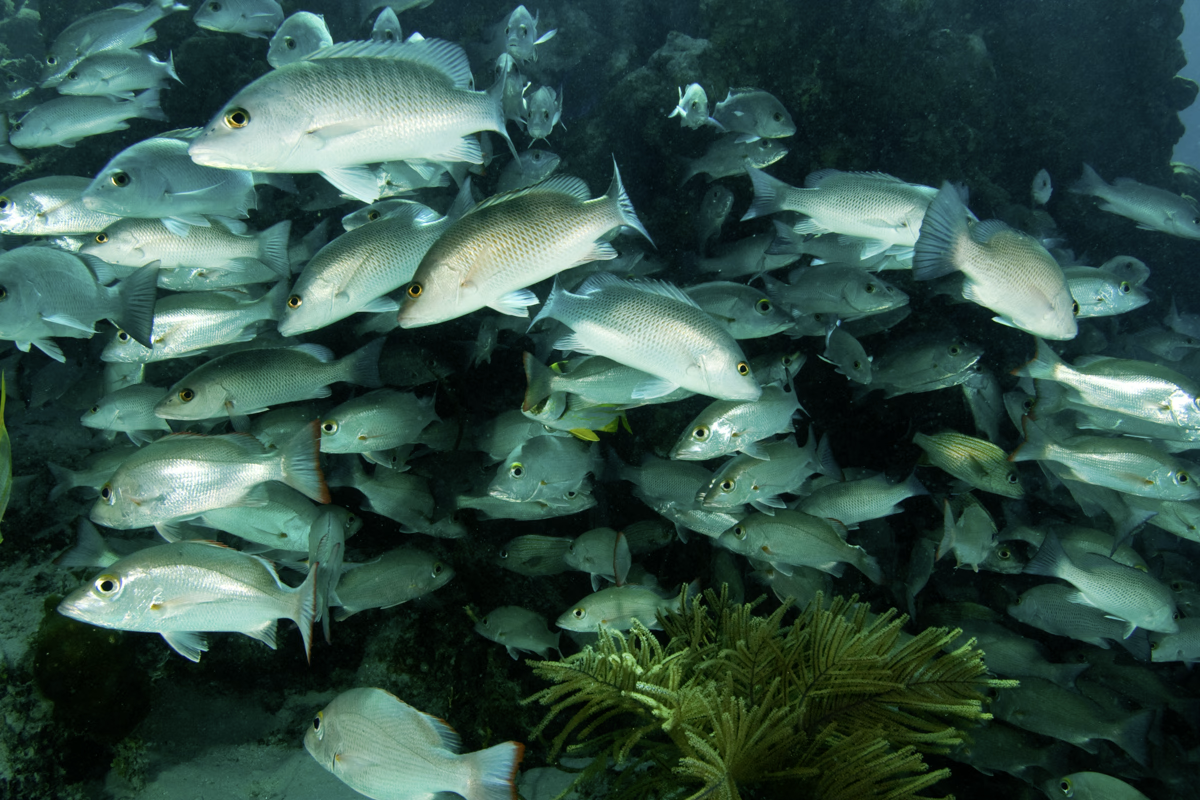
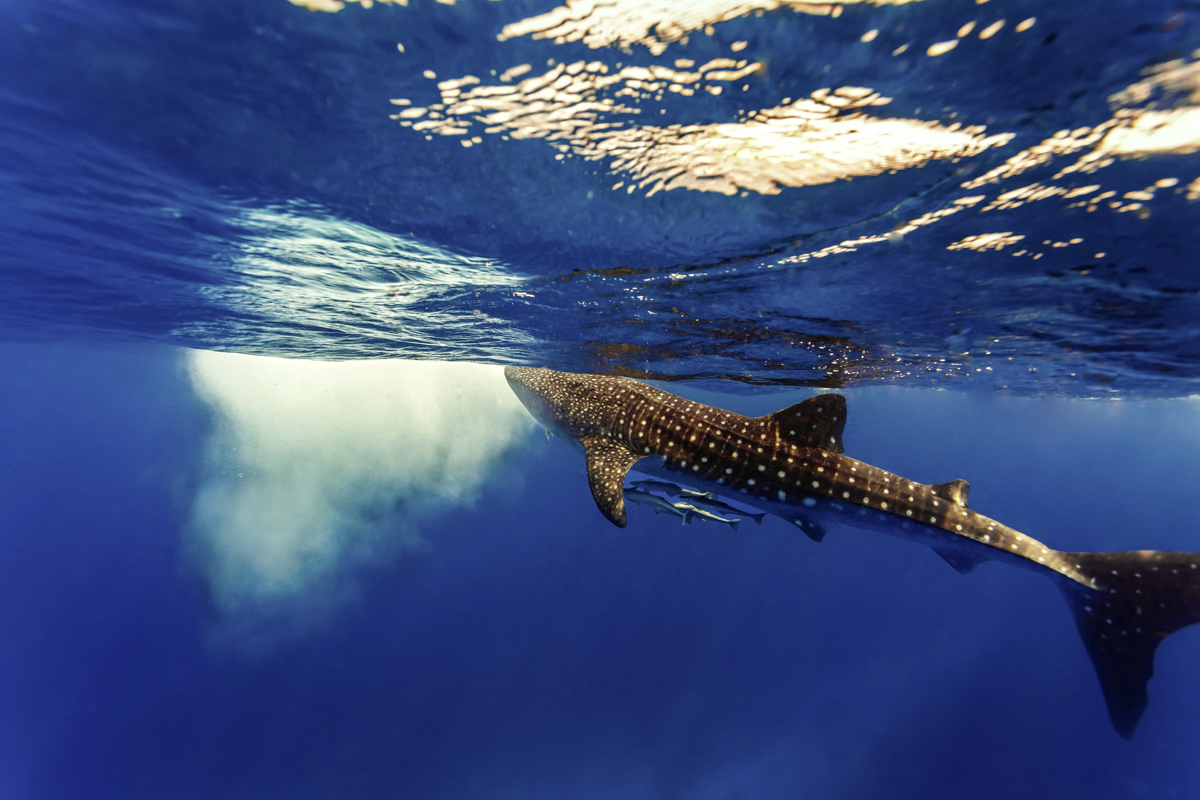
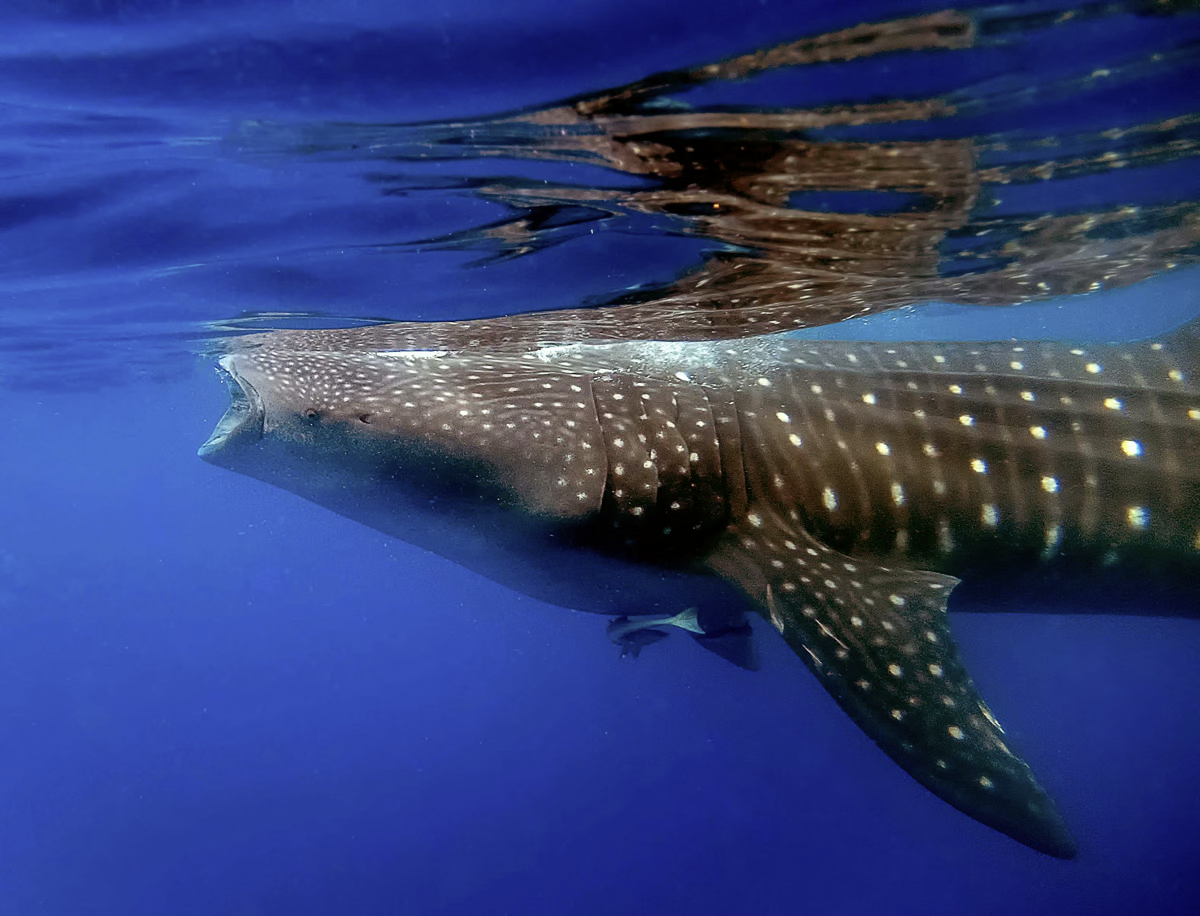
Every spring between March and June, thousands of cubera and dog snapper gather at Gladden Spit to spawn just after the full moon. When the fish release their eggs, whale sharks – filter feeders that cruise with their mouths wide open, straining plankton and other tiny organisms from the current – would arrive to feast.
Spawning still happens, so no one is sure why whale sharks have all but disappeared. Ask any dive shop working Gladden Spit today, and you’ll hear a version of the same thing. Splash Dive Center keeps a public record of what its own boats have seen: only two sightings in the last four years.
Are whale shark tours still available?
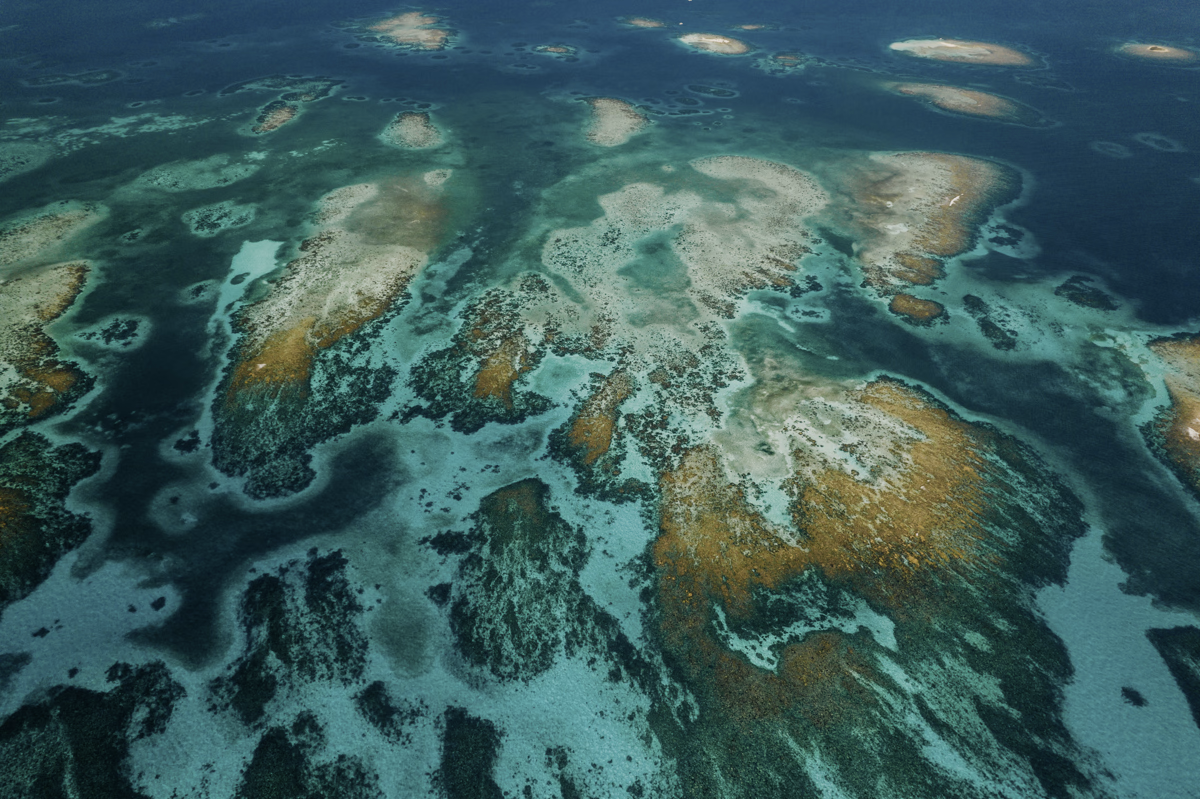
Most reputable dive shops position their trips around the spawning now, for bull and reef sharks and the (maybe faintest) hope of seeing a whale shark. Trips are planned around full moons in April, May and June. Specific trip dates and times within those months are designated by the reserve and vary from year to year. As a reference point, Splash Dive Center is offering trips between April 20-30, May 20-30 and June 18-28, 2027. The number of boats allowed in the Whale Shark Zone is limited, so if it’s still on your list, we’d recommend booking your tour in advance – don’t show up and expect to get on a boat last minute.
Only a few operators have a license to take whale shark encounter trips in the Gladden Spit Whale Shark Zone. The licenses are issued by Belize Fisheries and overseen on a daily basis by the co-manager of the protected area, the Southern Environmental Association (SEA). Licensed operators may change from year to year. Operators can be asked to show their license, and visitors with questions about operators should contact SEA before paying a trip deposit.
A typical day at Gladden Spit
The boat trip from Placencia takes about ninety minutes each way, so plan for a full day out on the water. If you’re susceptible to motion sickness, come prepared. The crossing and the time in open water are rougher than a typical snorkel trip, and conditions can vary depending on the time of day. Gladden Spit sits in open blue water: there’s no reef below you, and no bottom in sight, so it’s a little different than what most casual snorkelers might have done before.
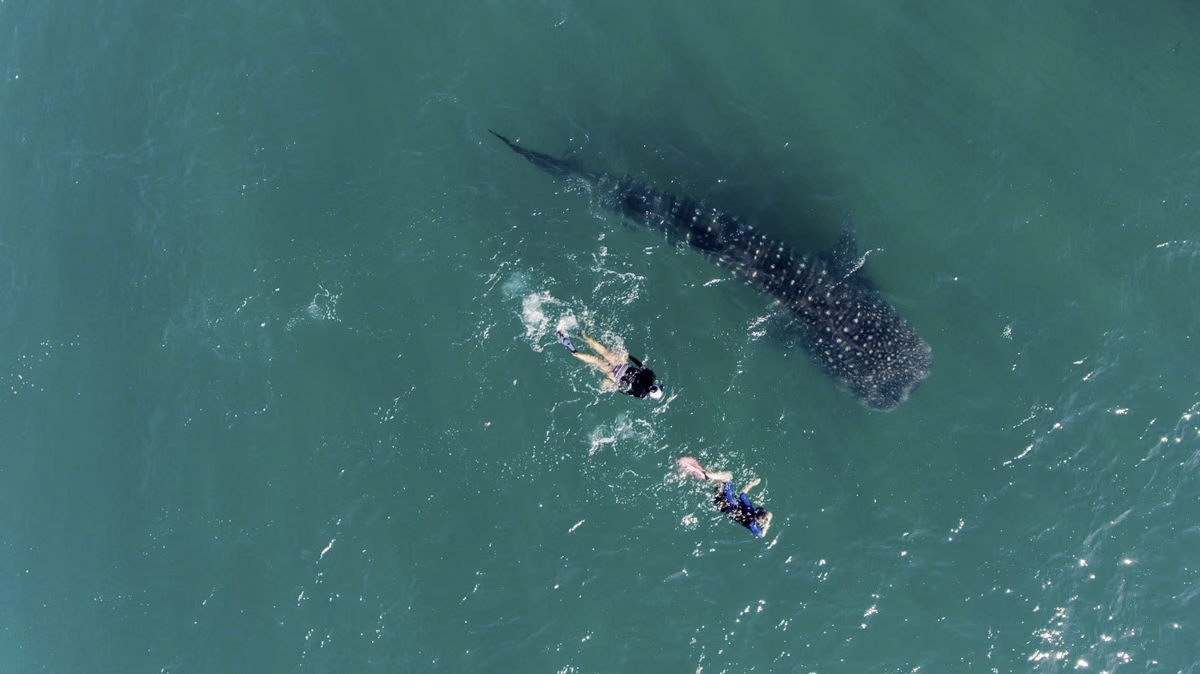
If you get lucky and one of these gentle giants comes your way, keep a few things in mind. Whale shark tourism is tightly controlled in Belize. Rules require a minimum distance of at least 15 feet between snorkelers and divers and whale sharks in all directions. Flash photography and physical contact are both banned and subject to fines, and touching a whale shark can really hurt it – it removes the mucus coating that protects them from infection.
Before you book, double-check what the plan is if whale sharks don’t appear on your trip. Even when whale sharks aren’t around, the spit is teeming with life. Snapper spawning still attracts bull and reef sharks, which prey on the eggs, and spinner dolphins often arrive to join the party.
If reef diving elsewhere in Belize is on your list too, our guide to diving and snorkeling the Belize Barrier Reef covers what else is waiting underwater, beyond Gladden Spit.
Frequently asked questions
Can you still observe whale sharks in Belize?
Yes? Maybe? Honestly, who knows. Reports from Splash Dive Center indicate declining whale shark sightings in recent seasons, including no whale shark sightings in 2026. Visitors to Gladden Spit conducting day trips should focus on the fish spawning aggregation and other marine species (but you can still hope to see a whale shark).
When is the spawning season? When is the best opportunity to spot a whale shark in Belize?
Try your luck after the full moon in April, May and June, when snapper activity and reproduction are highest.
Is snorkeling or diving with whale sharks safe?
Whale sharks are filter-feeding fish that pose no threat to humans. The main risks come from the open-water conditions, so for your safety, only go with an experienced tour operator.
Do I need to be an excellent swimmer or scuba certified?
For a snorkeling trip, you must be a strong swimmer comfortable with ocean conditions but do not need formal training or certification. For a scuba diving trip, tour companies require proof of recent diving experience due to the depth and open-ocean environment.
Where can I go instead for a more likely chance at a whale shark encounter?
These days, we recommend Mexico. Whale sharks can be seen in the Baja Peninsula near La Paz between October and April, or for warmer swimming conditions, try Isla Holbox in August.
Dreaming of a trip to southern Belize, with or without a whale shark encounter? Submit a trip request and share your ideas. We can help you plan an unforgettable experience.