


If you're planning a Belize vacation, arrive hungry. Belizean food pulls from four living traditions at once: Kriol cooking descended from Belize's Creole communities, Garifuna dishes carried down the coast from St. Vincent by way of Honduras, Maya kitchens that never left, and Mestizo cooking shaped by the Mexican border just north. Add a couple of centuries of trade through the Caribbean and Central America, and you get a small country with an outsized plate. This guide covers ten traditional Belizean dishes worth seeking out, where each tradition comes from, and where in the country to find the real version.
Belize is small, but culturally expansive. With Mexico to the north and Guatemala to the west and south, the country's kitchens reflect centuries of movement, trade, and community. A dish that's Mestizo in Orange Walk tastes noticeably different from its Kriol cousin in Belize City, and a Garifuna kitchen in Hopkins is cooking from an entirely separate tradition than either one. Knowing which is which, and where to eat it, is most of the fun of building a trip around food.
What follows are ten dishes worth looking for across the country, grouped by tradition and where you're most likely to find them rather than by any particular order to eat them in.
Breakfast and street food
1. Fry Jacks
Best for: breakfast, though you'll find them all day.
Look for it: roadside stands, bakeries, and family kitchens nationwide
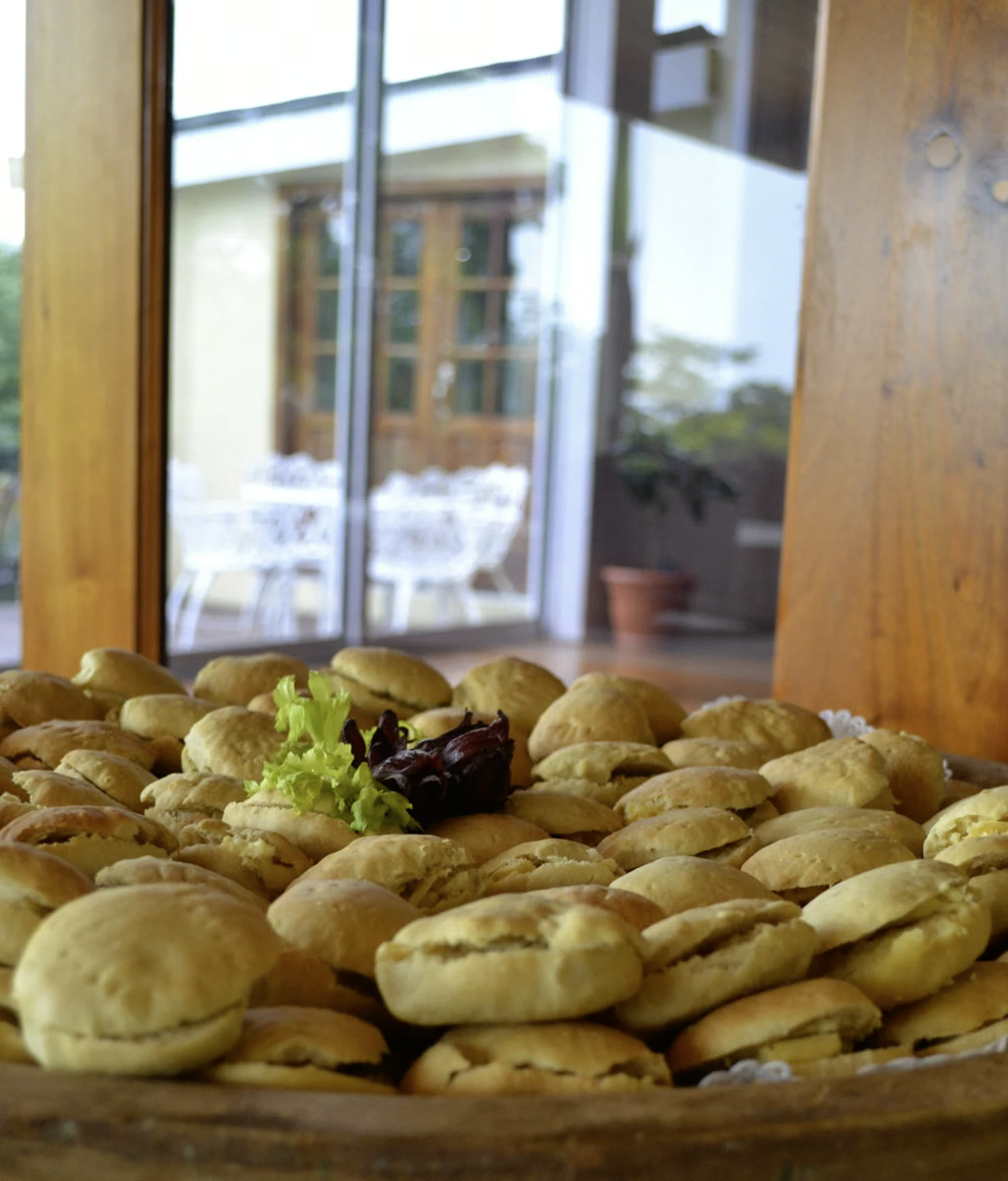
Fry jacks are fried dough, puffed hollow and golden, split open while still warm. They're the dish most Belizeans grow up eating before school, and they show up on breakfast tables across the country regardless of which cultural tradition is cooking that morning. Fill one with refried beans and cheese, scrambled eggs, or stewed chicken for a savory version, or jam for something sweeter. If you only try one thing before 9 a.m. in Belize, make it this.
2. Johnny Cakes
Best for: breakfast or an anytime snack
Look for it: small stands, bakeries, and family kitchens nationwide
Johnny cakes are a beloved Belizean staple, sold from small stands, bakeries, and family kitchens. It's a coconut quick bread, soft inside with a light golden crust, closer to a biscuit than to bread in the American sense. Split one open and add butter, jam, eggs, beans, or stewed chicken. The best ones come warm, and it's easy to end up ordering a second.
3. Salbutes
Best for: a quick lunch or shared plate
Look for it: market stalls and lunch counters, strongest in Orange Walk and Corozal
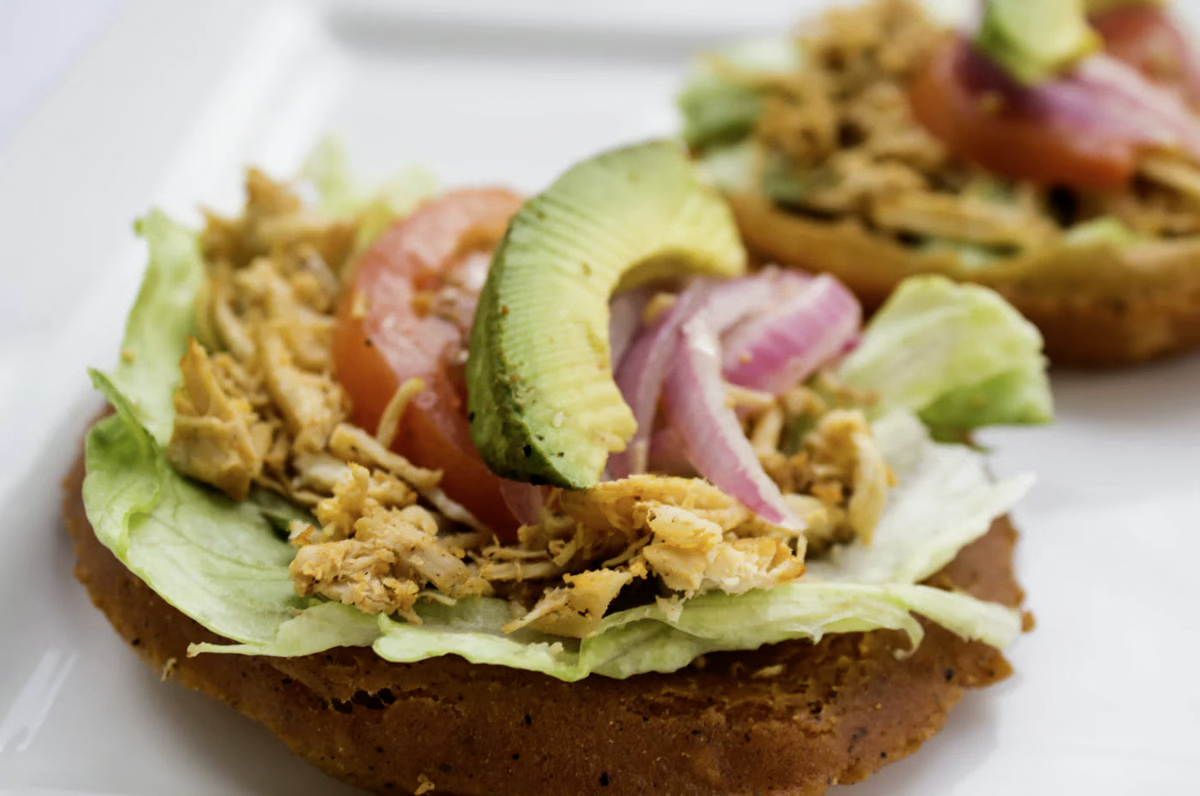
Salbutes trace back to the Mestizo and Yucatec Maya kitchens of northern Belize, the same tradition that produces salbutes just across the border in Mexico's Yucatán. Corn tortillas are fried until they puff, then topped with shredded chicken, cabbage, onion, tomato, cheese, avocado, and a drizzle of habanero sauce. They're usually sold by the plate rather than one at a time, which makes them an easy dish to share.
Kriol, Mestizo, and Maya mains
4. Rice and Beans with Stew Chicken
Best for: a full Belizean lunch
Look for it: local diners and roadside restaurants nationwide
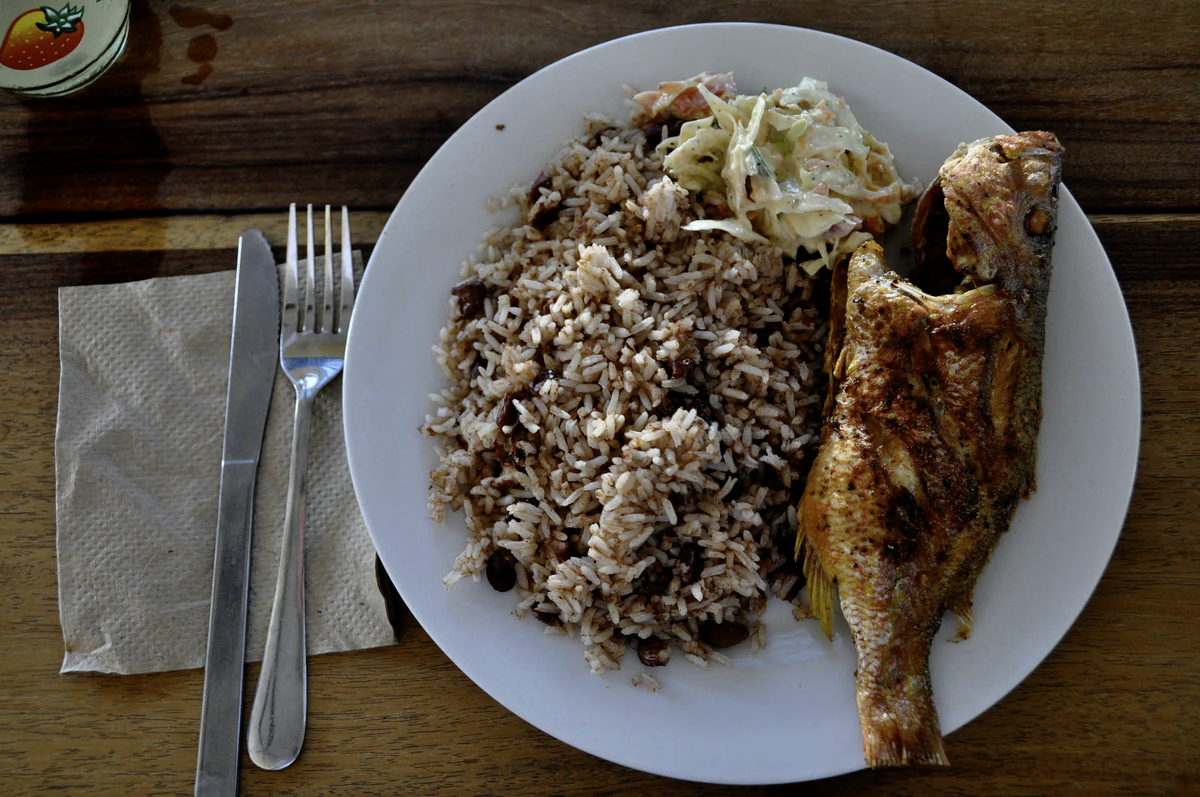
In Belize, rice and beans is not a side dish you politely ignore. Cooked Kriol-style with coconut milk, it's fragrant, rich, and deeply comforting, and it almost always arrives with stewed chicken, coleslaw, and fried plantain rather than on its own. Worth knowing before you order: rice and beans and beans and rice are two different plates. Rice and beans is cooked together in one pot with coconut milk, so the rice takes on the beans' color and flavor. Beans and rice keeps them separate, a stewed pot of beans spooned over plain rice. Both are common. Ask which one's coming if it matters to you.
5. Boil Up
Best for: a hearty, home-style meal
Look for it: Kriol kitchens and family-run restaurants, most easily in Belize City and the central districts
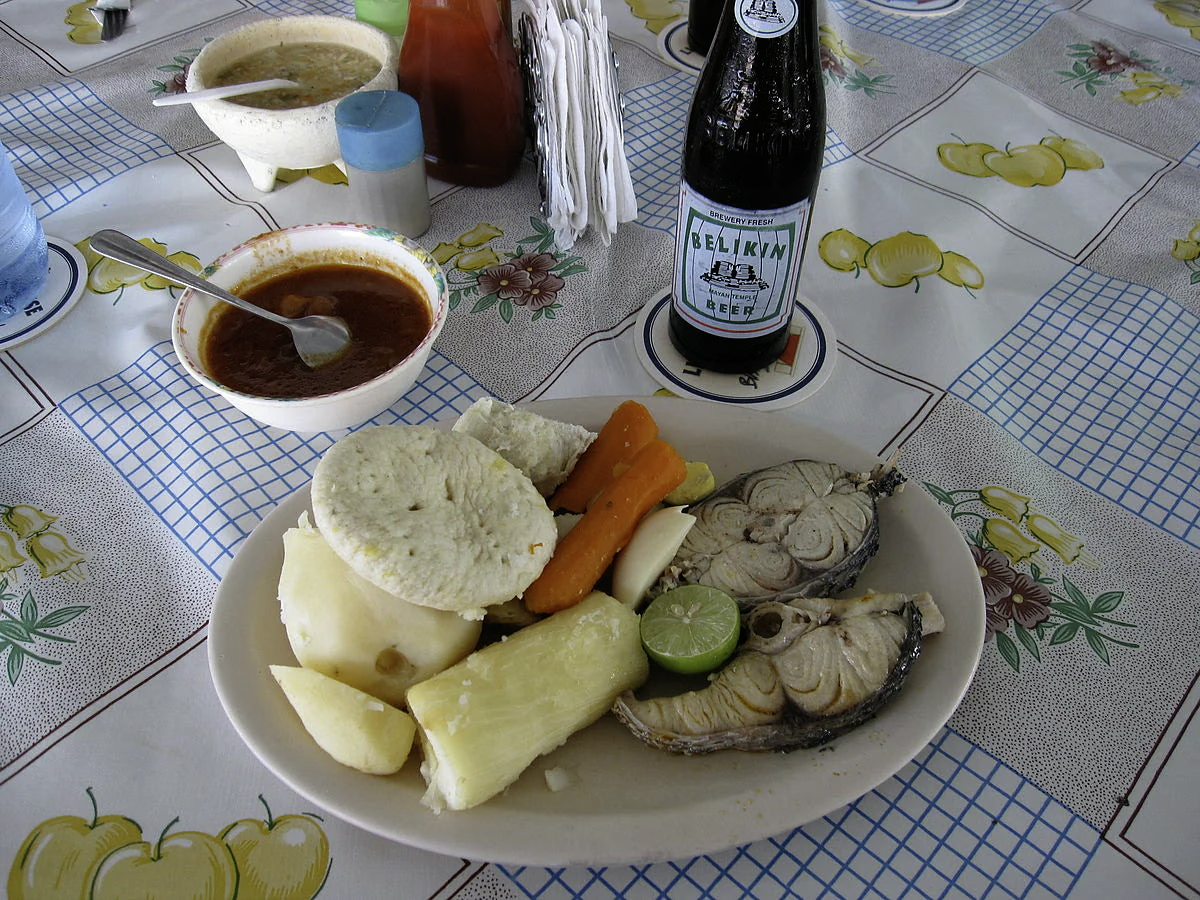
Boil up is a Kriol dish through and through, one of the plates Belizeans point to when asked what represents Creole cooking, alongside rice and beans with stew chicken. Root vegetables, plantain, boiled eggs, fish, and dumplings come together in one pot, finished with a rich tomato sauce built on coconut oil that gives the dish its color and depth. Exactly what goes in depends on the cook. You might find pigtail instead of fish, or cassava and yam instead of the vegetables listed here. It's a dish locals cook at home more than they order out, so finding it on a menu is usually a good sign the kitchen is cooking Kriol food seriously.
6. Ducunu
Best for: a snack or side with a savory meal
Look for it: market stalls and family kitchens, especially in northern Belize
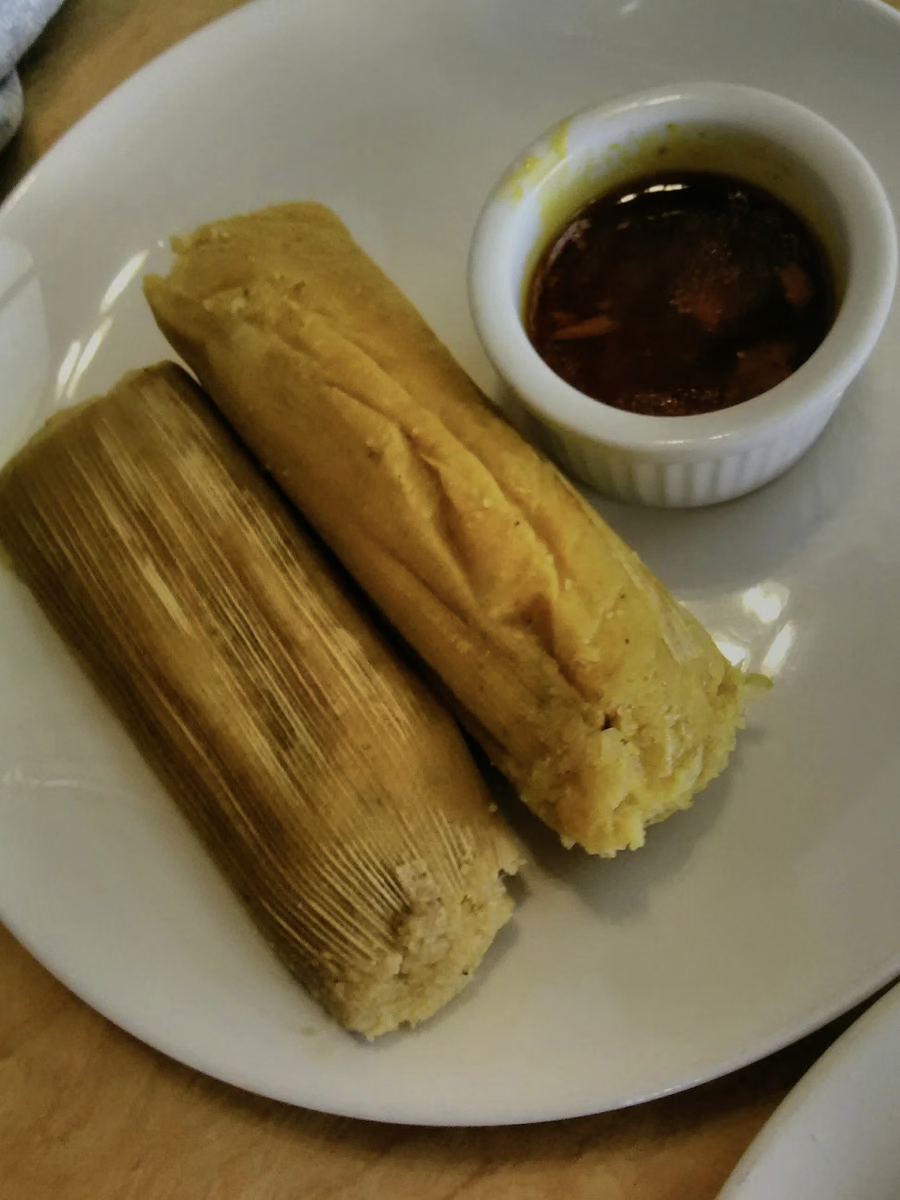
Ducunu, also spelled dukunu or ducana, and sometimes called tamalito, has Maya roots that predate the country's name. Fresh corn is roasted, then blended with coconut milk, butter, sugar, and a pinch of salt rather than ground into the masa a Mexican tamale would use, which gives it a softer, sweeter texture that might remind you of a corn tamale, though it isn't one. The mixture is wrapped in corn husk or banana leaf and steamed until firm. Best found warm and fresh rather than reheated.
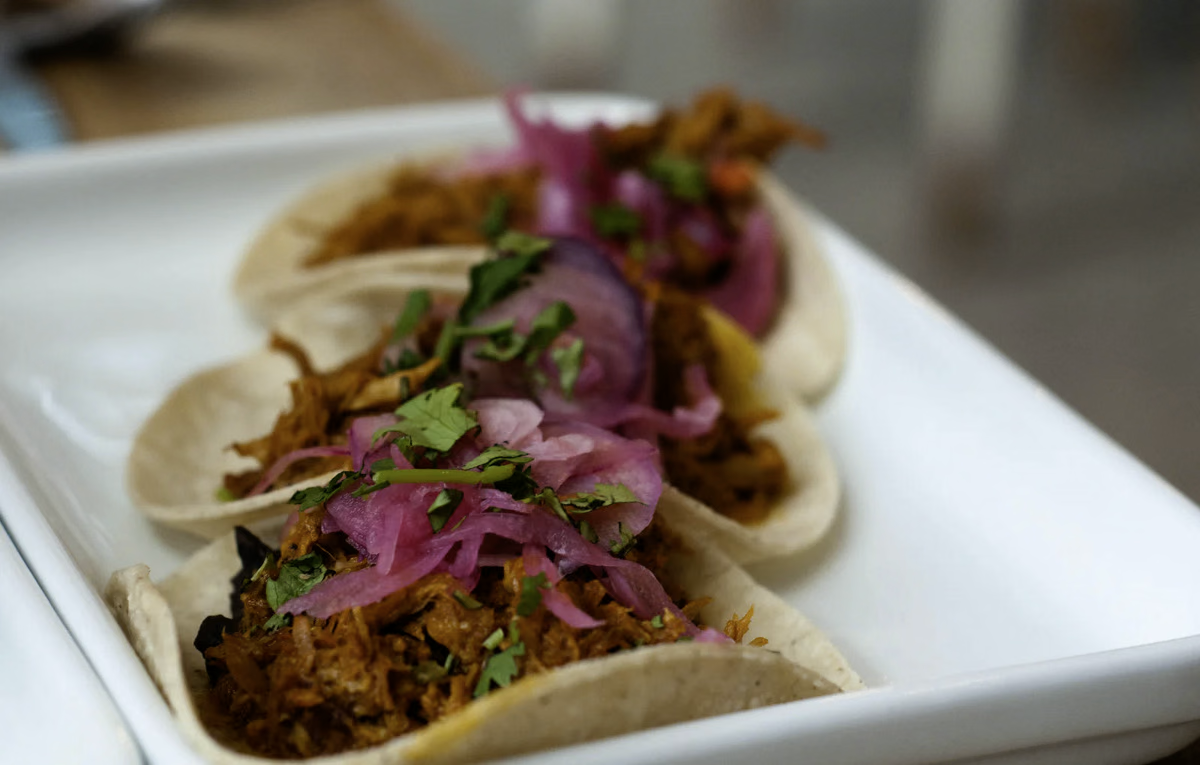
7. Pibil
Best for: a slow Sunday lunch
Look for it: Mestizo restaurants in northern Belize and Maya-run kitchens inland
Pibil is a Mestizo and Yucatec Maya cooking method before it's any one dish: meat, usually pork, marinated in recado and annatto with citrus and aromatics, wrapped in banana leaves, and traditionally cooked low and slow in an underground pit. It's the same tradition behind cochinita pibil across the border in Mexico's Yucatán, adapted to Belizean kitchens and, these days, often modern ovens rather than an actual pit. What survives the shortcut is the flavor: tender, smoky, and bright with citrus.
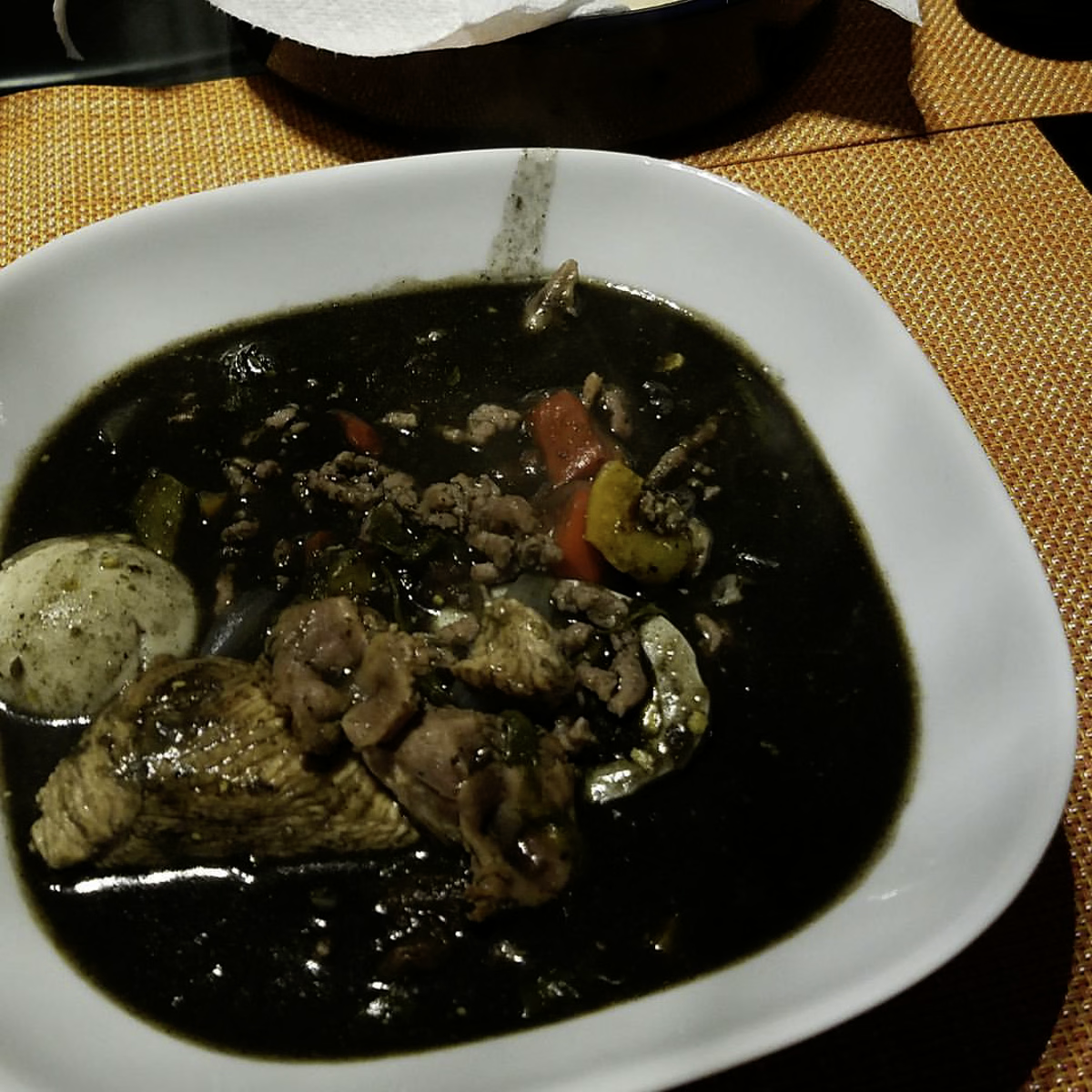
8. Chimole
Best for: a special-occasion meal
Look for it: family gatherings and restaurants around holidays and celebrations; it's not always a daily menu item, so ask
Chimole, also called Black Dinner, is a dark, aromatic soup served for gatherings and special occasions rather than a Tuesday night. The color comes from black recado, a spice blend made by charring chilies and seasonings until they turn nearly black, then grinding them into a paste. Served with chicken, boiled eggs, and tortillas, it's bold and savory, and it usually means something is being celebrated.
Garifuna and coastal cooking
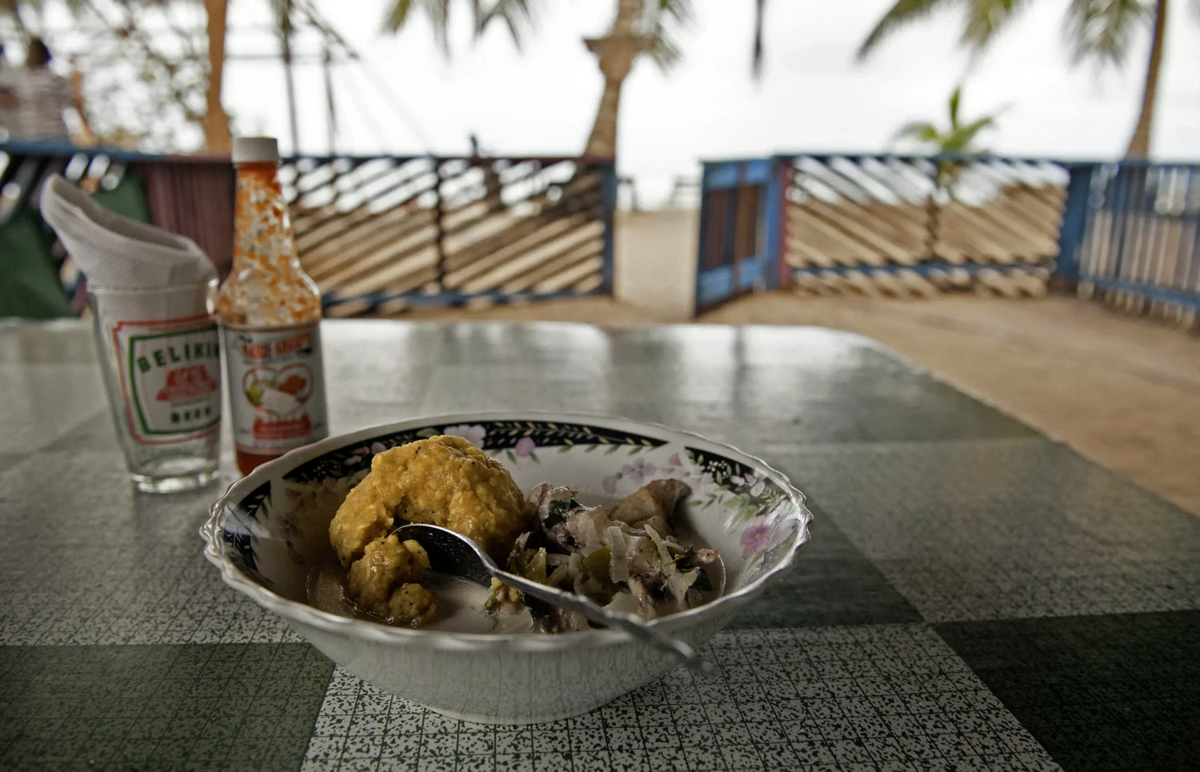
9. Hudut
Best for: dinner near the coast
Look for it: Hopkins, Dangriga, and Seine Bight
Hudut is one of the most recognizable Garifuna dishes in Belize, brought south by the Garifuna people from St. Vincent by way of Honduras in the early 1800s. Green and ripe plantains are boiled and mashed together, then served alongside a coconut milk broth built with fish, onion, garlic, and habanero. Hudut is sometimes confused with seré, a closely related coconut fish stew that skips the mashed plantain and gets ladled over rice instead. Both are worth ordering, but they're not the same plate. For the strongest connection to Garifuna cooking, look for family-run restaurants and cultural experiences in Hopkins and Dangriga, the two towns where Garifuna culture is most concentrated in Belize, with Seine Bight on the Placencia peninsula as a smaller but real option too.
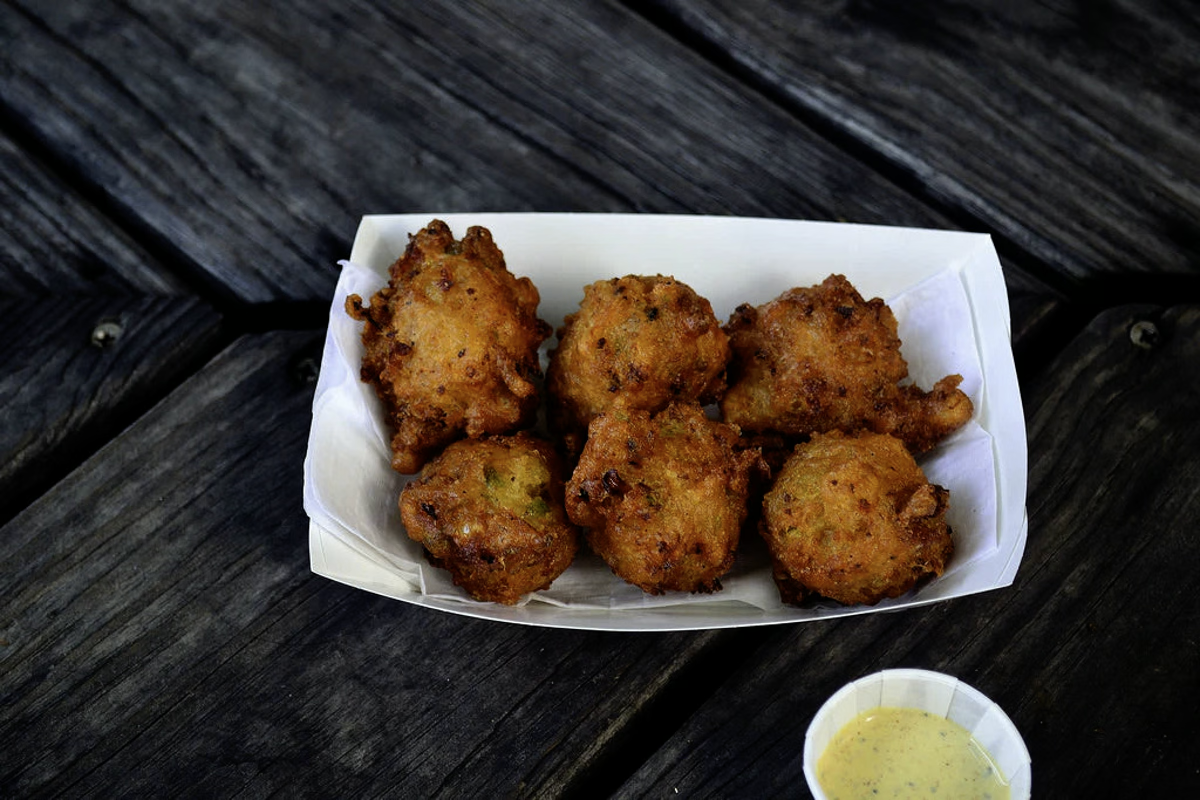
10. Conch Ceviche and Conch Fritters
Best for: an appetizer with a drink
Look for it: seafood restaurants along the coast and cayes; conch only in season
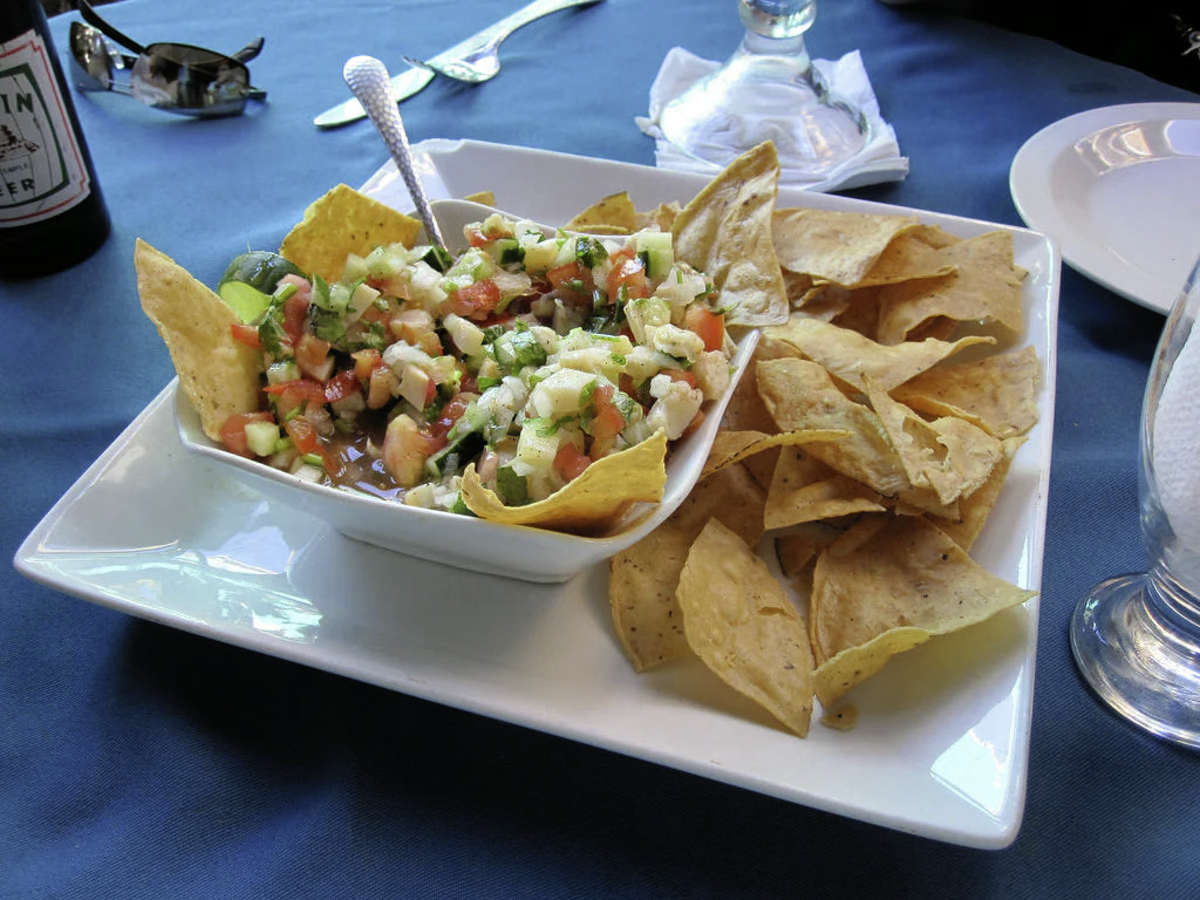
Belize did not invent ceviche, but it makes it its own. Seafood is cured in citrus until tender and bright, then mixed with onion, tomato, herbs, and a bite of pepper. Conch and shrimp usually take center stage rather than fish, which makes for a sweeter, more delicate version than the fish-forward ceviches you'll find elsewhere in Latin America. Conch fritters, tender conch tucked into a savory batter with herbs, are the classic order-with-a-drink starter along the coast, especially fried to order and served with a squeeze of lime and a spicy sauce.
Conch is a seasonal, regulated fishery in Belize. The season generally runs October 1 through June 30, but it can close earlier if the national catch quota is reached, which happened by more than two months in the 2025-2026 season. Outside the open season, order shrimp or fish ceviche instead. It's a simple way to enjoy the flavor while giving the reef a break. (Lobster has its own season and its own reasons to plan a trip around it, if that's more your thing.)
Save room for something sweet
Look for cassava pone, a dense, spiced cassava and coconut cake baked until the edges caramelize, and tableta, a firm coconut candy bar flavored with ginger or cinnamon that turns up at markets and roadside stands everywhere. In the south, the Toledo District has grown cacao for generations, and small producers there turn it into chocolate worth seeking out on its own, not just as a souvenir bar.

Where to try Belizean food by region
Belize is small enough to eat your way across it if your logistics cooperate, and different regions genuinely cook differently.
Belize City and the central districts: Kriol staples define this region: rice and beans with stew chicken, boil up, meat pies, and fry jacks from morning street stalls.
Orange Walk and northern Belize: Mestizo and Maya cooking dominates here, closer in style to the Yucatán just across the border: salbutes, ducunu, pibil, and tacos.
San Ignacio and the Cayo District: Maya cooking runs inland alongside cacao farms and market food, and this is also where you'll find the most farm-to-table restaurants.
Hopkins and Dangriga: the heart of Garifuna cooking, including hudut, seré, and coconut-based fish dishes.
Placencia, San Pedro, and Caye Caulker: the coast and cayes, where ceviche, conch in season, and grilled fish dominate the menu.
For where to stay while you work your way through this list, see our guide to the best places to stay in Belize.
Frequently asked questions
What is the national dish of Belize?
Belize doesn't have one official national dish. Rice and beans with stewed chicken is the plate most often called Belize's unofficial national dish, though boil up gets the same label from other sources. Order both and decide for yourself.
What's the difference between rice and beans and beans and rice?
Rice and beans is cooked together in one pot with coconut milk, so the rice takes on the beans' color and flavor. Beans and rice keeps them separate: a stewed pot of beans spooned over plain white rice. Both are common on Belizean menus, and they taste different enough that it's worth asking which one you're getting.
Is Belizean food spicy?
Most dishes aren't fiery on their own. Heat usually comes from a habanero-based table sauce you add yourself, so you're in control of it. A few dishes, like hudut, cook whole habaneros into the broth, which changes that.
Where's the best place to try Garifuna food?
Hopkins and Dangriga, both on the coast in southern Belize, are the two towns most associated with Garifuna culture and cooking. Seine Bight, on the Placencia peninsula, is a smaller option in the same tradition.
When is conch available in Belize?
The regular season runs October 1 through June 30, but Belize closes the fishery early once the national catch quota is reached, which happened by more than two months in the 2025-2026 season. Outside the open season, order shrimp or fish ceviche instead.
Is it easy to find vegetarian food in Belize?
Easier than you'd expect, though most traditional dishes are built around meat or fish. Rice and beans, fry jacks, johnny cakes, and ducunu can all be made or ordered without meat, and Belizean markets carry good produce. Dishes like hudut, boil up, and seré are harder to adapt since fish is central to how they're built, so ask before you order if you're avoiding it.
Eat your way into the country
Try fry jacks at breakfast, stop at a roadside stand for rice and beans, and build a day around Garifuna cooking in Hopkins or Dangriga. When we plan a Belize trip, we focus on what matters to you. If that's food: a local food tour, a cacao tasting in Toledo, a lunch stop in a Garifuna village, and visits to restaurants our team has eaten at ourselves.
Planning a Belize trip of your own? Tell us what you want to eat and we'll build the rest of the itinerary around it.
