


This guide is your starting point for exploring Colombia’s best beaches, from the islands near Cartagena and Barú to the wild Pacific coast. We’ll look at how to get there, where to swim, where to stay, and what makes each place unique, whether you’re drawn by wildlife, a particular season, or pure, beachy bliss.
Colombia’s two coastlines are vastly different. On the Caribbean, you’ll find calm, clear water and a selection of polished beach hotels. The Pacific, a world away in both distance and atmosphere, is wild rainforest, dark-sand beaches, and the thrill of spotting humpback whales.
On the Caribbean coast, the charming city of Cartagena pairs naturally with Barú, the Rosario Islands, or San Bernardo for a classic city-and-sea escape. Travel farther east, and Tayrona and the Sierra Nevada coast trade resort comforts for granite coves, forested trails, and intimate nature lodges. Far offshore to the north (off the coast of Nicaragua, in fact), San Andrés and Providencia offer a different experience entirely, with their own Raizal culture and vibrant reefs.
The draw to the Pacific is adventure: humpback whales breaching offshore, rainforest hikes, waterfalls, surfing, and fishing, all anchored by rustic eco-lodges you reach by small plane and boat. The beaches are wild and dramatic, with fluctuating tides, waves, and the ever-present rhythm of rain.
Colombia’s beach regions at a glance

Rosario Islands: Best island stay near Cartagena
The Rosario Islands sit within the Corales del Rosario and San Bernardo National Natural Park, which protects coral reefs, seagrass beds, mangroves, and coastal ecosystems south of Cartagena. Depending on the boat and island, the trip usually takes about 45 to 90 minutes.
The experience in the Rosarios depends entirely on where you stay. Some islands fill with day-trippers, while others host just a single small hotel or villa. Before you book, find out which island your hotel is on, whether the beach is reserved for overnight guests, how water and electricity work, and what to expect as far as boat transfers go.
During the daylight hours in the Rosarios, it’s a relaxed atmosphere with swimming, snorkeling, kayaking, and private boat trips. As evening falls, some hotels host live Vallenato music, a tradition that’s worth seeking out if it isn’t mentioned. The reefs are fragile, so it’s important to use authorized guides, avoid touching coral, and leave starfish and shells where they belong.
The Rosario Islands suit honeymooners and couples who want a short island stay after Cartagena. Three nights is usually enough. Don’t choose this region for broad, uninterrupted beaches. Many islands are small and edged by docks, mangroves, or coral rather than long sand.
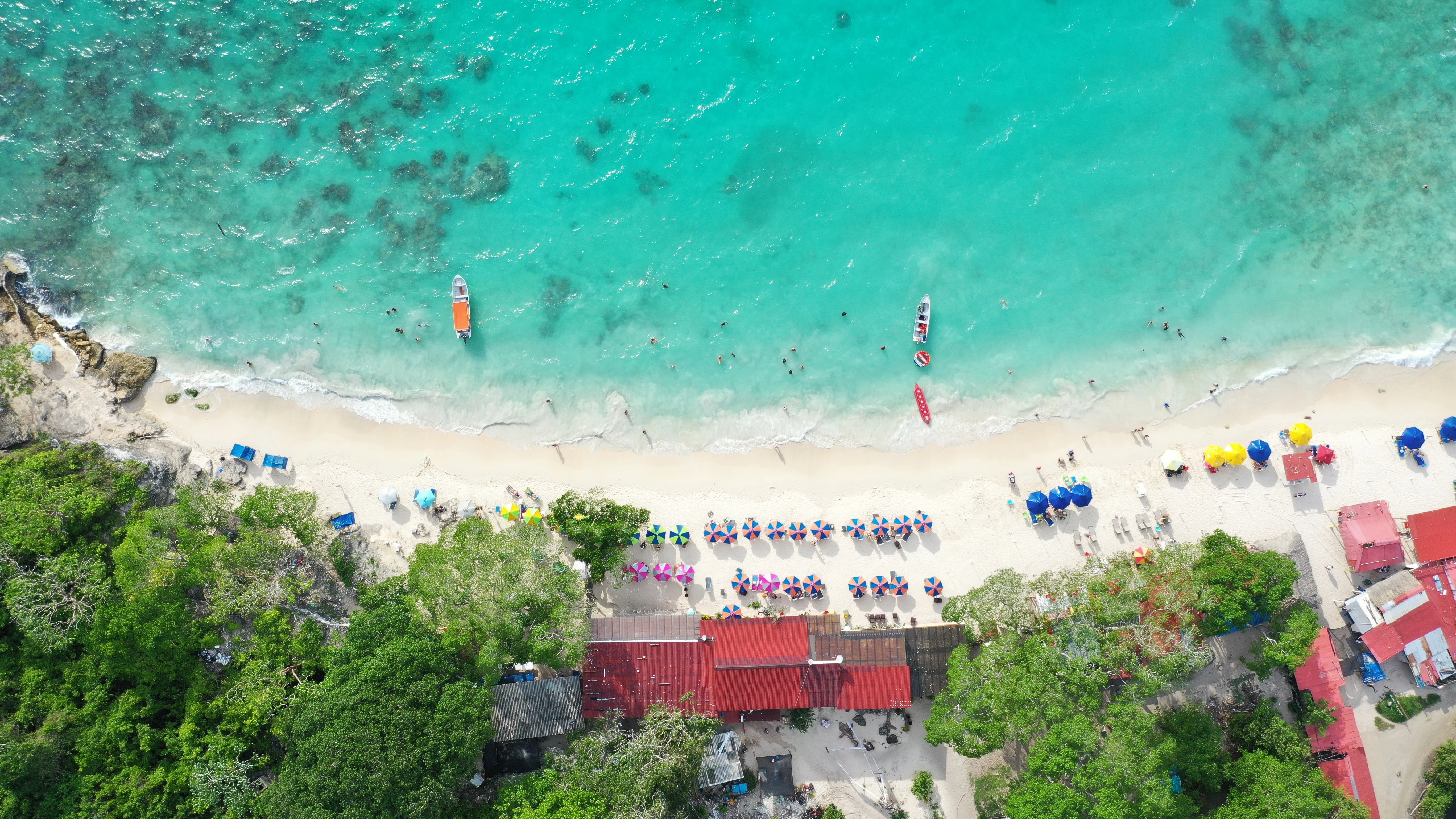
Isla Barú: Best for a full-service beach resort near Cartagena
Barú is a peninsula linked to the mainland by road, though many resorts are easier or more enjoyable to reach by boat. Playa Blanca is the most famous public beach here, and it can get crowded. The quieter luxury hotels are tucked into their own coves, offering a different experience from the busy day-trip scene at Playa Blanca.
Hotel Las Islas uses large treetop and sea-level bungalows across a mangrove and dry-forest property. Its separate Isleta section has ten 83-square-meter bungalows with private pools and boat service back to the main hotel. Sofitel Barú Calablanca is a different proposition: a 187-room resort with several pools, a spa built around local ingredients in its treatments, family suites, and a conventional full-service layout.
Barú is a better choice than the Rosarios if you want more dining options, pools, spa treatments, family-friendly services, or spacious rooms, instead of the novelty and privacy of a small, private island. Keep in mind that road transfers often take longer than they look on a map, and boat times can vary with the weather and departure point.
San Bernardo Archipelago: Best for a quieter Caribbean island stay
The San Bernardo archipelago shares its national park status with the Rosario Islands, but sits farther southwest, near Tolú and Rincón del Mar. The longer boat ride has kept things quieter here than in Barú, with less development and fewer visitors than the islands near Cartagena.
Isla Múcura and Tintipán are known for their pale sand, clear water, mangroves, and a handful of small hotels. You’ll find everything from simple guesthouses to established beach lodges, but nothing the same level of luxury as Barú. This is a place to come for the islands themselves, not for five-star resort trappings.
The sea here isn’t always gentle. Currents can be strong depending on the area and season, so it’s wise to follow local advice before swimming or snorkeling. Boat departures are also more weather-dependent than on a typical road-access beach.
Rincón del Mar is a relaxed mainland gateway, with locally run guesthouses, fresh seafood, mangrove excursions, and the chance to see bioluminescence. It’s a good stop before or after the islands, but the best rooms are few and tend to fill up quickly during Colombian holidays.
San Bernardo is ideal for travelers who have already seen Cartagena, couples happy to trade a bit of polish for a quieter island atmosphere, and anyone who prefers settling in for three or four nights for a bit of peace.
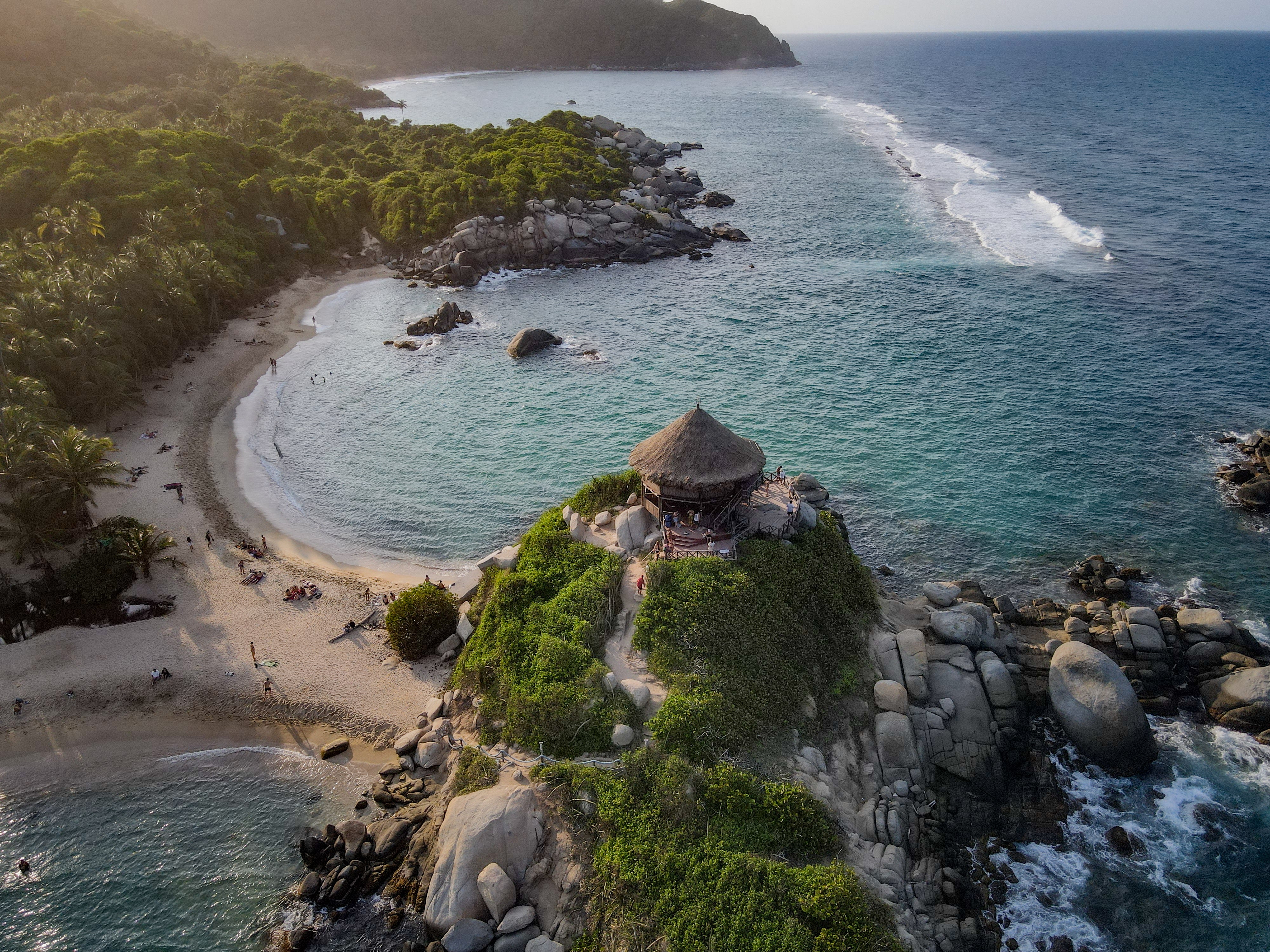
Tayrona National Park: Best for jungle, hiking and iconic coastal scenery
Tayrona protects beaches, coral formations, mangroves, dry forest, and lower-elevation cloud forest along the ancestral territory of the Kogui, Wiwa, Arhuaco, and Kankuamo peoples. Granite boulders and forested hills create some of Colombia’s most recognizable coastal views.
Tayrona is not a typical beach resort. Getting to places like Cabo San Juan, La Piscina, Arrecifes, or Playa Brava often means long walks in the heat, uneven trails, or even a ride on horseback or by boat. Accommodation inside the park is simple, so many travelers opt for a boutique lodge just outside the boundary and visit with a guide for the day.
Swimming is only allowed in certain areas, and conditions can change quickly. Some of the most beautiful beaches are closed to swimmers for safety, and red flags mean the water is off-limits. Playa Cristal and a few protected spots may be safe on calm days, but always follow the advice of park staff over anything you read online.
Tayrona closes each year from February 1 to 15, June 1 to 15, and October 19 to November 2 for environmental, cultural, and spiritual restoration. Temporary closures can also occur because of weather, access, or public-safety concerns, so check the official park status before finalizing your plans.
Tayrona is best for those who love hiking, wildlife, and dramatic scenery. If your priority is calm water, air conditioning, a choice of restaurants, or poolside service, you’ll be happier on Barú or one of the island resorts.
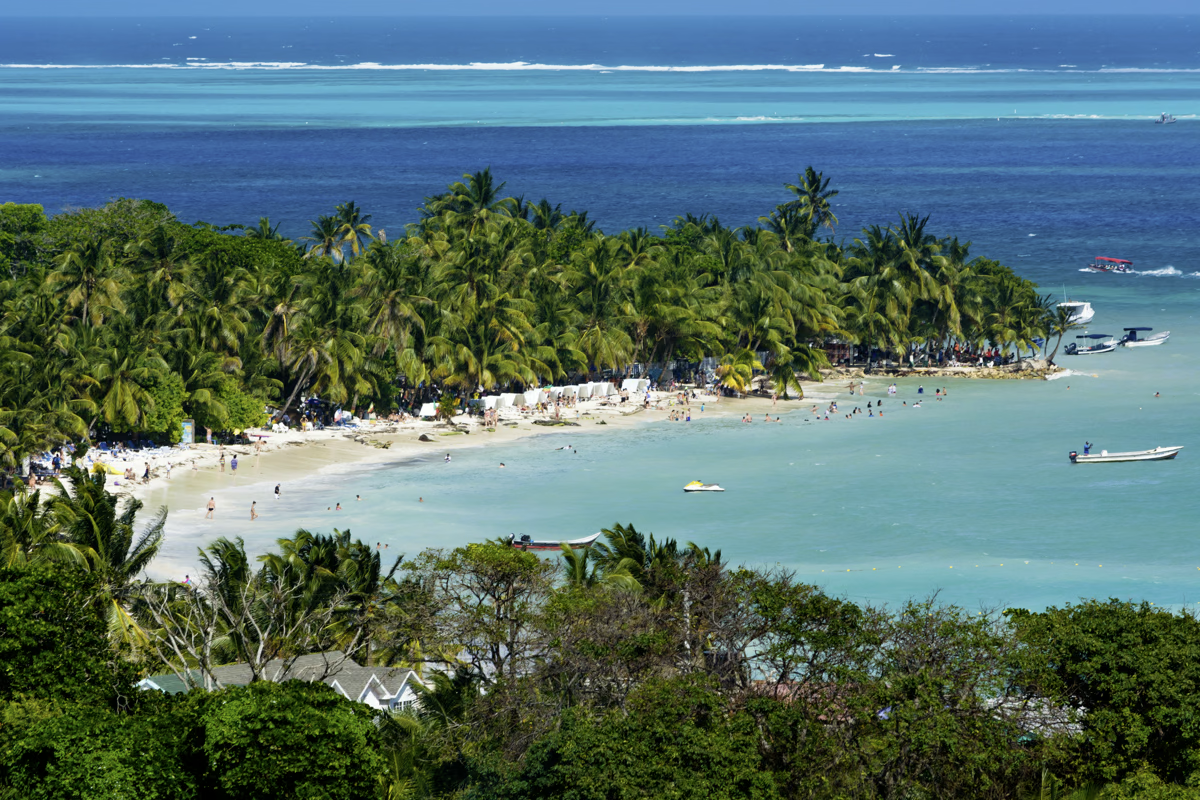
San Andrés and Providencia: Best for reefs and island culture
San Andrés and Providencia sit in the western Caribbean within the Seaflower Biosphere Reserve. Reefs, mangroves, seagrass beds, beaches, and open-ocean ecosystems surround islands whose Raizal culture, an Afro-Caribbean heritage with its own Creole language, music, and food, differs from mainland Colombia.
San Andrés
San Andrés has the larger airport, more hotels, more restaurants, and a busy tourism industry. Spratt Bight places a long beach in front of town, while San Luis and Cocoplum feel less urban. Boat trips reach cays and snorkeling areas, though popular circuits can be crowded.
San Andrés is a good fit for clear water and easygoing services. If you’re hoping for a quiet, boutique atmosphere from start to finish, it may not be the right match.
Providencia
Providencia is smaller, less developed, and better for diving, snorkeling, quiet beaches, and time with local guides. Southwest Bay, Fresh Water Bay, and Manzanillo have distinct settings, and McBean Lagoon protects part of the island’s reef and mangrove environment.
To reach Providencia, you’ll first fly to San Andrés, then continue by a short regional flight or a three-hour catamaran ride. The sea crossing is often bumpy, and weather-dependent. Hotels are small, rental vehicles are few, and the experience suits travelers who prefer a laid-back, island-style pace over polished resort amenities.
Providencia is worth it if you have several slow days to spare and love the sea. With the connection through San Andrés, three nights is too short. We’d recommend four, minimum.
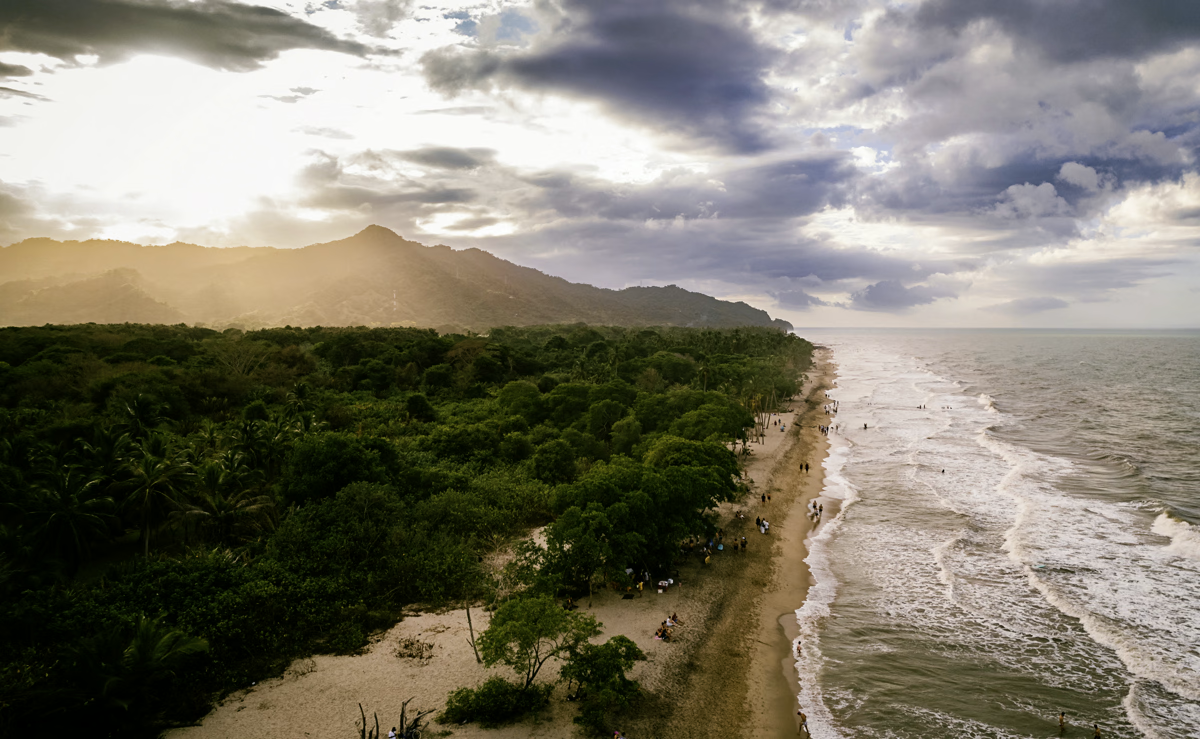
Palomino and the Sierra Nevada coast: Best for wellness and nature lodges
In Palomino, rivers tumble down from the Sierra Nevada to meet the Caribbean. Here, a long beach, lush vegetation, river tubing, yoga retreats, and small hotels scattered along sandy tracks all come together in a laid-back, tropical setting.
Palomino is all about nature and wellness, not the trappings of a typical resort town. Some lodges offer community-led visits to farms and artisan cooperatives in the Sierra Nevada foothills, so your stay supports local growers and makers directly. Accommodation here runs the gamut: some places have beautiful design and excellent food, while others are simple beach lodges where humidity, insects, power cuts, and open-air rooms are part of the experience.
The Caribbean in this region is wild, with currents and shore break that make swimming unpredictable. Come for the landscape, the river, wellness retreats, and access to the Sierra Nevada, but not for days of gentle, calm-water swimming.
Palomino has grown lively and social in recent years. If you’re looking for more privacy, consider smaller lodges farther along the coast, like those in the Don Diego or Los Naranjos areas, where the focus is still on the beach and river, but restaurants and shops are fewer.
Three nights in Palomino is a good fit after Tayrona or before heading on to La Guajira. It’s not essential to add it to a Cartagena trip unless you have time for a separate Santa Marta and Sierra Nevada chapter.
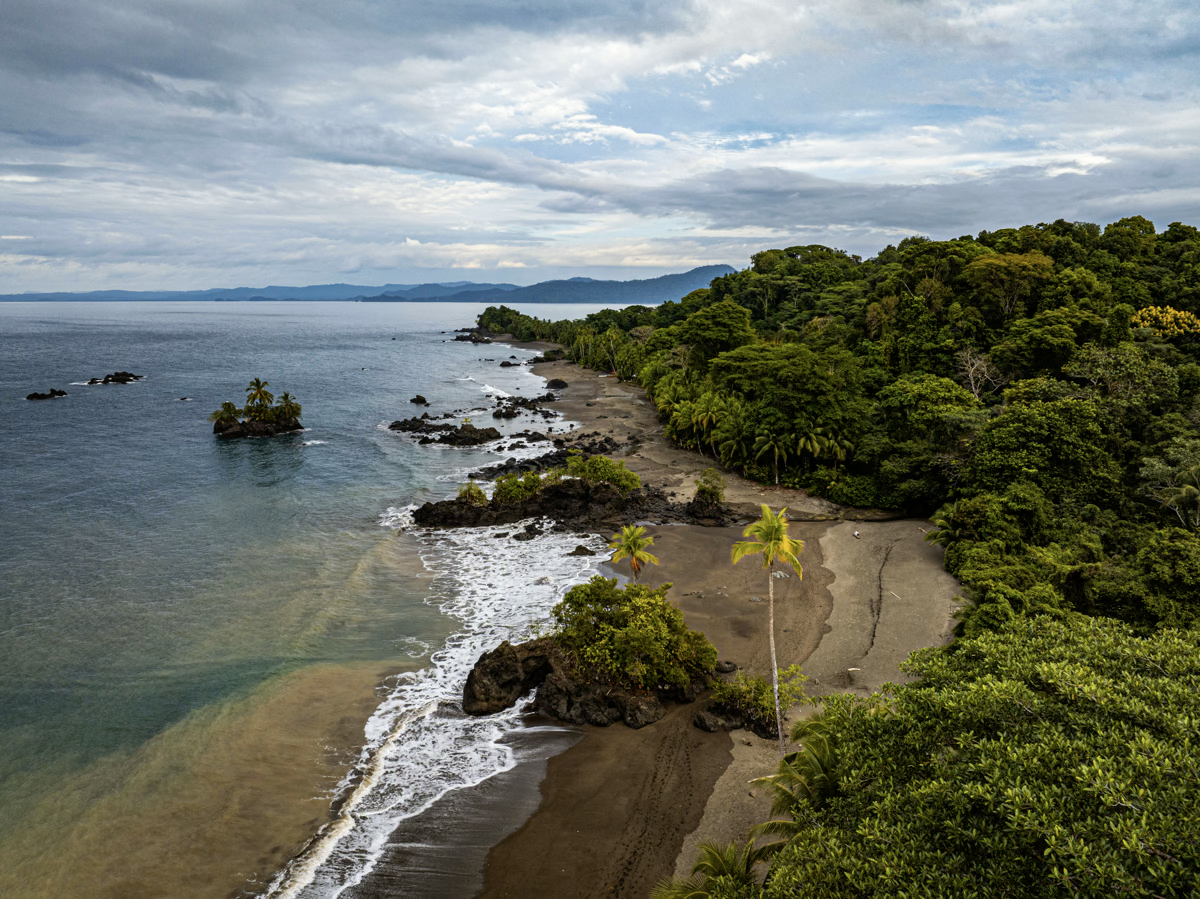
Guachalito and Nuquí: Best for Pacific eco-lodges and whale season
Guachalito sits south of Nuquí, where dark sand, rainforest, hot springs, rivers, and the pounding Pacific surf create a world far from the white-sand Caribbean. Small lodges are tucked between forest and sea, reached by a regional flight to Nuquí and a boat ride that depends on daylight, weather, and tides.
Most stays here include accommodation, meals, boat transfers, and guided activities, since there are few independent restaurants or transport options nearby. In this context, 'all-inclusive' means your logistics are covered, not that you’ll find endless bars or entertainment.
You can hike to waterfalls, soak in thermal springs, surf, fish with local guides, look for bioluminescence when the conditions are right, and watch for humpback whales. Whale season runs from July into November, with August and September being the prime months for dedicated trips.
The sea is often too rough for casual swimming right in front of the lodges. Electricity, hot water, air conditioning, and internet all vary by property, so it’s worth asking how many hours of power you’ll have, whether rooms are screened, and what the plan is if weather delays your boat.
Nuquí is best for travelers who see the lodge as a base for exploring nature, not as a stand-in for a Caribbean resort. Four nights is the minimum to make the journey worthwhile.
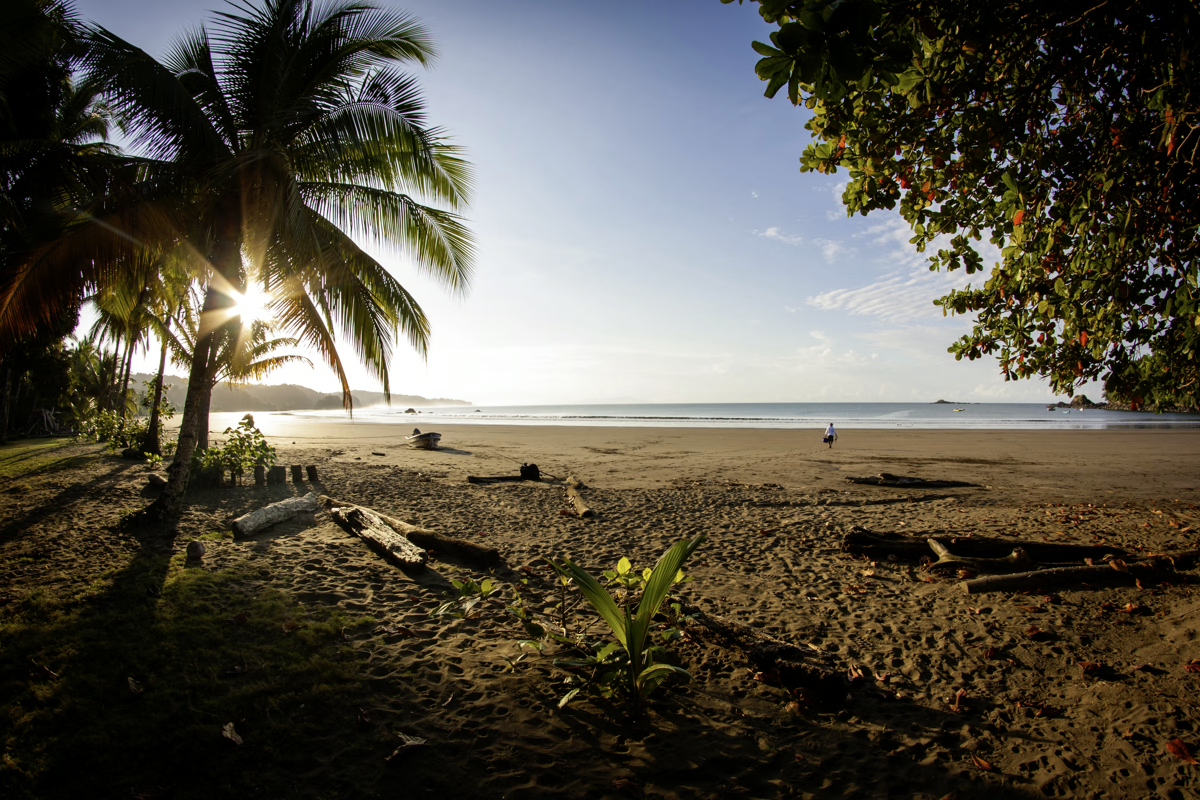
Bahía Solano and El Valle: Best for wildlife, surfing and active days
Bahía Solano is the main hub on this stretch of the Chocó coast, with a regional airport and boat connections to beaches and lodges around the bay. It’s easier to access supplies and guides here than at many Nuquí-area lodges, though the town itself is mostly a jumping-off point.
Playa El Almejal
El Almejal runs alongside the village of El Valle, offering steady surf, rainforest hills, and a handful of eco-lodges. The beach is best for experienced swimmers and surfers, not for families looking for gentle, shallow water. Turtle conservation, forest walks, waterfalls, and whale watching add plenty to do beyond the sand.
Playa Mecana
Mecana is closer to Bahía Solano and blends dark sand, mangroves, river landscapes, and small lodges. Getting here is often simpler than reaching more remote beaches, making it a good choice for a shorter wildlife-focused trip.
Punta Huina
Punta Huina is farther north, reached by boat, with a secluded shoreline and just a few places to stay. It’s best for travelers who are happy to trade some comforts for quiet, direct access to the forest and sea.
Whale season here runs from July into October or November, depending on the year and spot. Sightings are never guaranteed, and responsible guides keep a respectful distance from mothers and calves. Even outside whale season, surfing, birding, fishing, waterfalls, and rainforest walks make the journey worthwhile.

Caribbean vs. Pacific coast in Colombia: How to choose
The Caribbean is your pick if you want clear water, easy flights and road transfers, reliable swimming, and a wide choice of hotels. It also pairs naturally with Cartagena, Santa Marta, Tayrona, or the Sierra Nevada.
The Pacific is for you if you’re more interested in wildlife, rainforest, waterfalls, dark-sand beaches, and eco-lodges where guided days are the norm. Expect heavy rain possible year-round, and remember that flights and boats are at the mercy of the weather.
The mainland Caribbean is usually driest from December through April. Whale season on the Pacific runs from July into November, overlapping with frequent rain. San Andrés and Providencia have their own offshore weather patterns, so don’t rely on Cartagena’s forecast when planning your trip.
How to build a Colombia beach itinerary
Seven nights: Cartagena and Barú or the Rosario Islands
Spend three or four nights in Cartagena, then unwind for three nights at a beach property. This is the classic city-and-sea pairing, and it’s a great way to experience Colombia’s coast on your first visit.
Nine to ten nights: Cartagena, Tayrona and the Sierra Nevada coast
Pair Cartagena with a short flight or overland journey to Santa Marta. Use one lodge for Tayrona, and only add a second property if it offers something distinctly different, like river access or a quieter stretch of coast.
Eight to ten nights: San Andrés and Providencia
Fly into San Andrés as your gateway, and plan for at least four nights on Providencia. It’s wise to add an extra night in San Andrés before your international flight, rather than risk a tight same-day connection.
Seven to nine nights: Medellín and the Pacific coast
Fly from Medellín to Nuquí or Bahía Solano, spend four or five nights at a single lodge, and return to the city before your international flight. It’s best not to combine Nuquí and Bahía Solano on a short trip. Logistics by boat and plane are more complicated than they may seem, at first.
Can you combine Colombia’s Caribbean and Pacific coasts?
You can combine both coasts, but you’ll want at least twelve to fourteen nights to do it justice. Each coast is its own chapter, with different gateway cities, climates, hotels, and reasons to visit. For a shorter trip, it’s usually better to focus on one coast and one cultural region.

Frequently asked questions about Colombia’s best beaches
Does Cartagena have good beaches?
Cartagena is more of a city destination than a beach destination. For clearer water and a proper beach stay, continue to Barú, the Rosario Islands, or San Bernardo.
Which beach in Colombia has the clearest water?
Providencia, parts of San Andrés, the Rosario Islands, San Bernardo, and protected coves around Barú have some of the clearest Caribbean water. Conditions still vary with wind, rain, boat traffic, and season.
Which Colombia beaches are best for swimming?
Providencia and sheltered Caribbean coves generally provide the best options. Tayrona, Palomino, San Bernardo, and the Pacific all have beaches where currents or surf can make swimming unsafe. Follow local flags and guidance every day.
When is the best time for a beach trip to Colombia?
December through April is the most predictable period for the mainland Caribbean. July through October or November is the main reason to visit the Pacific for humpback whales. No single dry season applies equally to every coast and island.
Are Colombia’s Pacific beaches luxurious?
The best lodges are comfortable, private, and well guided, but they are eco-lodges rather than conventional five-star resorts. Service, power, internet, air conditioning, and room finishes vary, and the natural setting matters more than the amenities.
Is Providencia worth the extra flight?
Yes for travelers who value diving, snorkeling, quiet beaches, and Raizal culture. The connection is less worthwhile for a two-night visit or for travelers expecting a large luxury resort.
Do you need to stay overnight in the Rosario Islands?
No, but an overnight stay changes the experience. Day trips arrive and leave on a fixed schedule; staying two or three nights gives access to quieter mornings and evenings and allows the hotel to become part of the trip.
Planning a beach trip to Colombia with Osaviva
Osaviva plans private Colombia journeys that combine the right coast with Cartagena, Medellín, coffee country, wildlife, or cultural experiences. We compare hotel standards, swimming conditions, transfers, seasonal closures, flight schedules, and the amount of travel each beach stay requires.
Planning begins with a 30-minute phone consultation to discuss the travelers, dates, preferred pace, accommodation style, activities, and approximate budget.