


Coffee is one of the world's most loved rituals, and Central America plays a defining role in how it tastes in your cup. Proximity to North America has long made the region a primary source of everyday coffee, but beneath the familiar profiles lies remarkable diversity shaped by altitude, soil, climate, and tradition.
Across Central America, coffee landscapes range from misty highlands to volcanic valleys. While each country produces beans with distinct characteristics, they often share a balance and approachability that sets them apart from coffees grown in Africa or Asia. Today, more travelers want more than a morning brew. They want to see where coffee is grown, meet the farmers, and understand how each cup comes to life.
From Panama to Guatemala, coffee tours have become immersive cultural experiences, offering insight into agriculture, history, and place.
Coffee trails of Central America
Boquete, Panama: home of Geisha coffee
High in Panama's western highlands, the Boquete region produces one of the most celebrated coffees in the world: Geisha. Known for its floral aromatics and tea-like elegance, Geisha beans regularly fetch record prices at international auctions.
The most sought-after Geisha beans originate from family-owned farms like Hacienda La Esmeralda, whose limited production appears almost exclusively at specialty tastings and auctions. What sets Geisha apart is both its varietal and its environment. As a member of the Arabica family, it requires precise conditions, including shade, steady rainfall, and mineral-rich volcanic soil.
Boquete delivers all of this. Cloud forest conditions provide natural cover, frequent rain supports slow maturation, and cooler temperatures allow sugars to develop gradually. The result is a coffee known for jasmine, bergamot, and stone fruit notes, unlike any traditional brew.
Harvesting Geisha is labor intensive. Ripe cherries are handpicked on steep terrain, then carefully fermented, washed, dried, aged, and sorted multiple times before export. Each step protects the bean's delicate flavor.
Several farms around Boquete offer tours that provide a close look at the process.
Finca Lérida Panama's oldest coffee farm, now a boutique lodge set within a private reserve. Tours include plantation walks and tastings.
Finca Dos Jefes Hands-on tours that allow visitors to roast and package their own coffee to take home.
Café Ruiz Known for high-level tastings that explore coffee complexity. Guests are asked to arrive scent-free to protect the experience.

Costa Rica's Central Valley: the golden bean
Coffee has shaped Costa Rica's economy and identity for generations. Locally known as the golden bean, it helped fund infrastructure and education during the country's early development.
For decades, Costa Rica protected its coffee reputation by allowing only Arabica cultivation. Although this restriction has softened, Arabica still dominates production. Volcanic soils, high elevations, and consistent rainfall create ideal growing conditions.
International brands have taken notice, including Starbucks, which opened Hacienda Alsacia to visitors as both a working farm and research facility.
One of the most immersive coffee stays in the region is Finca Rosa Blanca, an eco-lodge set on a shade-grown coffee estate near San José. Guests are invited to take guided tours, participate in cuppings, and sample different roasts grown on the property. Mornings here begin with fresh coffee enjoyed on balconies overlooking the Central Valley.
Matagalpa, Nicaragua: high altitude excellence
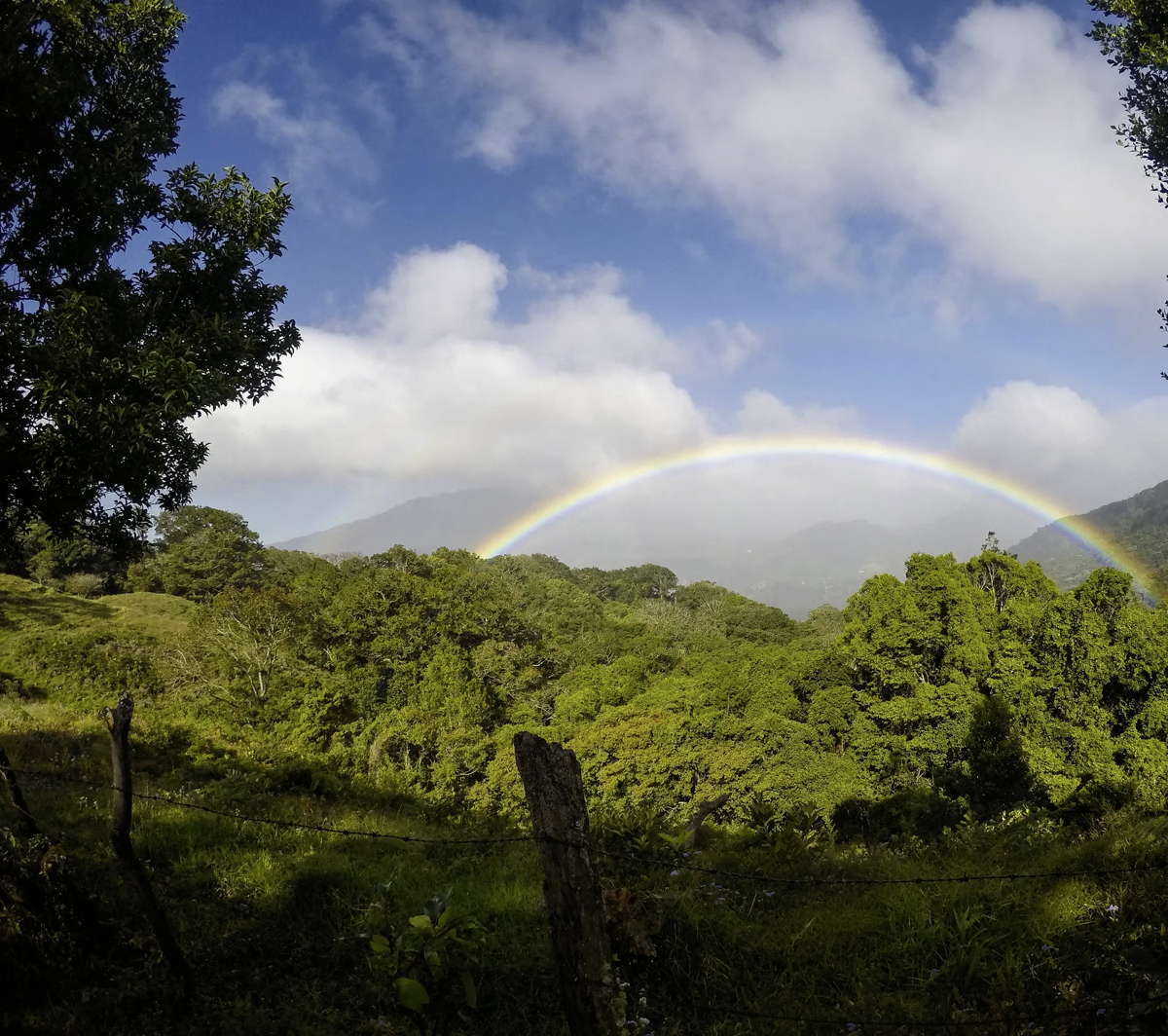
Nicaragua’s northern highlands include the coffee-growing regions of Matagalpa, Jinotega, and Nueva Segovia. A visit here puts the farm within the wider mountain landscape, rather than treating coffee as a stop on the way somewhere else.
Matagalpa coffees are known for large beans, smooth body, and bittersweet flavor. Locals call these hills La Zona del Oro, or the zone of gold. Shade-grown farms, volcanic soil, and cool mountain air contribute to a balanced and approachable cup.
Finca Esperanza Verde A working coffee farm and eco-lodge offering affordable, educational tours and hands-on experiences during harvest season.
Selva Negra Home to La Hammonia Farm, producing organic, Rainforest Alliance certified coffee. Tours explore sustainable practices from nursery to mill.
For travelers who want to stay immersed, Montebrisa Boutique B&B offers comfortable accommodations surrounded by a small coffee plantation, with beans grown and brewed on site.

Copán, Honduras: coffee and Maya history
Honduras is one of the world's largest coffee producers, and quality improvements over the past two decades have transformed its reputation. Investment in infrastructure, farmer training, and quality control has led to international recognition.
Coffees from Honduras are aromatic with medium body and balanced acidity. The Copán region, near the Guatemalan border, is especially appealing to travelers thanks to its accessibility and proximity to renowned Maya ruins.
Café San Rafael Shade-grown, estate-produced coffee with tours available by reservation.
Finca Santa Isabel Produces some of Copán's finest coffee and offers guided tours with transportation from town.
Antigua, Guatemala: chocolate and volcanoes
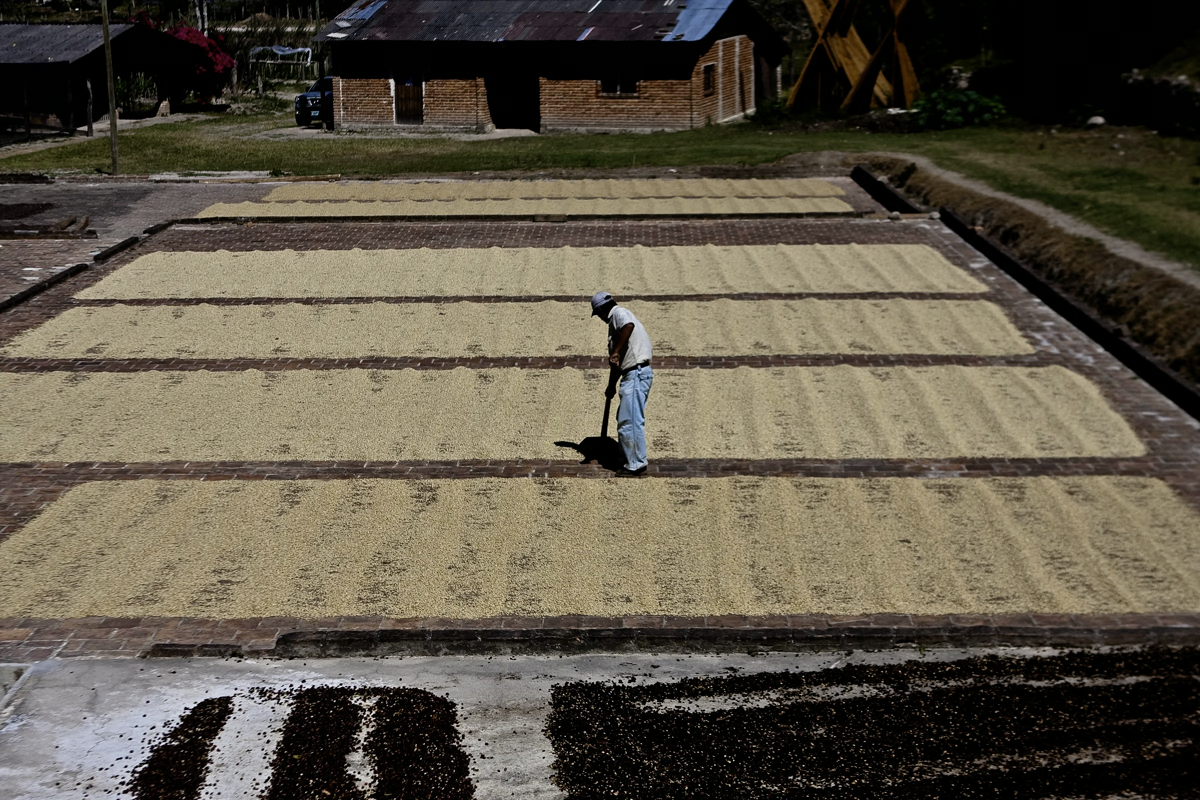
Guatemala's highlands are world famous for coffee production, and Antigua remains one of the country's most celebrated regions. Grown in volcanic soil beneath towering peaks, Antigua coffees are known for sweetness, medium to full body, and notes of chocolate.
The region's long coffee history and concentration of historic estates make it one of the best places in Central America for coffee tours. Antigua's walkable colonial streets and surrounding volcanoes add depth to the experience.
Finca Filadelfia One of Antigua's most established plantations, offering detailed tours that end with a guided tasting.
San Miguel Escobar Cooperative A community-based experience that introduces visitors to small-scale farming and traditional preparation methods.
Finca Colombia Expert-led tours focused on cultivation, processing, and quality control.
From cloud forests to volcanic valleys, Central America's coffee regions offer far more than a caffeine fix. They invite travelers to slow down, taste carefully, and connect with landscapes and people who have shaped one of the world's most beloved drinks.
A morning at the farm, or a few nights among the coffee trees?
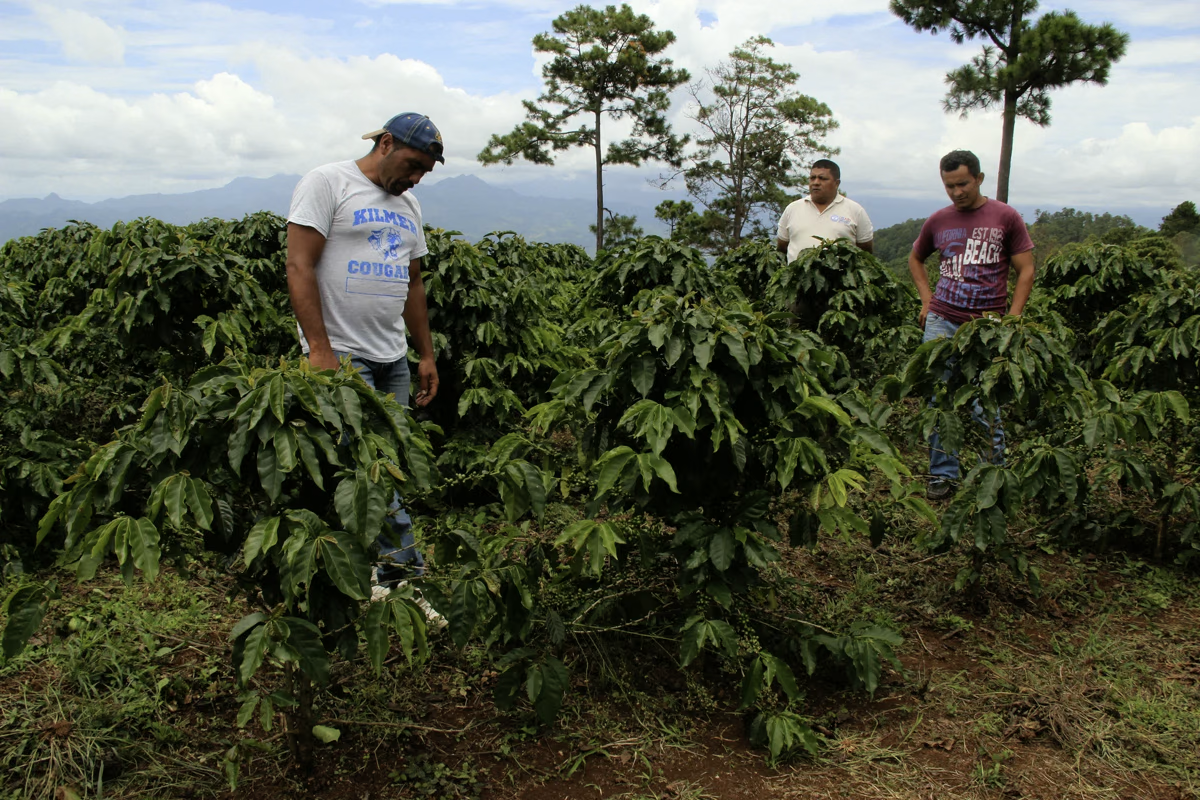
Antigua makes coffee part of a broader Guatemala trip, with farms outside town and restaurants and colonial streets to return to afterward. Boquete and Matagalpa also lend themselves to a longer stay in the growing region. A lodge on a working estate gives the coffee more of your time than a tasting squeezed between transfers.
During harvest, a visit may include ripe cherries and an operating mill. At other times, the emphasis shifts to the trees, processing methods, and the cup. Two coffees tasted side by side can make differences in acidity, sweetness, and body much clearer than a list of tasting notes. The farm’s calendar determines which parts of production you’ll see.
Frequently asked questions
What is the best time of year to visit Central America for coffee tours?
Harvest season varies by country and elevation, but it generally runs from roughly November through March across the region, when farms are most active and tours often include picking or processing demonstrations. Outside harvest, most farms still run walking tours and tastings year-round.
Which Central American country has the best coffee?
It depends what you're after. Panama's Boquete region grows Geisha, the variety that sets world-record auction prices for its floral, tea-like character. Guatemala's Antigua coffees lean toward chocolate and full body. Costa Rica's Central Valley built its reputation on consistency and balance. There isn't a single "best," it's really a question of which flavor profile matches what you like to drink.
Is it safe to visit coffee farms in Central America?
Generally yes, especially on the established, tourism-ready farms named in this piece, most of which run regular guided tours for international visitors. Conditions vary by country and region, so it's worth checking current travel advisories for wherever you're headed before you book.
Do you need to speak Spanish to visit coffee farms in Central America?
Not on the farms set up for tourism. The properties covered here (Finca Lérida, Café Ruiz, Finca Rosa Blanca, Selva Negra, and others) run English-language tours as a matter of course, since international visitors are a core part of their business.
What's the difference between a coffee tour and visiting a working plantation?
A tour is usually a guided, curated experience built for visitors: a walk through the growing area, an explanation of processing, and a tasting at the end. A handful of the properties in this piece (Finca Esperanza Verde, Selva Negra) are also full working farms and eco-lodges, so the visit doubles as a stay rather than just a stop.
What is Geisha coffee, and why is it associated with Boquete, Panama?
Geisha is a coffee varietal within the Arabica family that needs precise growing conditions, shade, steady rainfall, and mineral-rich volcanic soil, to develop its signature floral and fruit-forward character. Boquete's cloud forest climate happens to deliver exactly that combination, which is why the region's Geisha beans regularly set record prices at international auctions.