


A month-by-month guide to weather, wildlife, crowds, and the best time to visit for you.
Stretching between the Pacific Ocean and the Caribbean Sea, Panama experiences noticeable regional differences in rainfall despite being only about 80 km (50 miles) wide in places. While the Pacific coast is generally driest from December through April, the Caribbean follows its own pattern, and destinations like Bocas del Toro often enjoy some of their best weather in September and October. Whether you're exploring the Panama Canal, hiking in Boquete, relaxing on the San Blas Islands, or diving in Coiba National Park, understanding these regional differences will help you choose the best time to visit.
Understanding Panama's weather
Panama has two distinct seasons, but the country's narrow geography creates surprisingly different weather patterns across short distances. Moist trade winds arriving from the Caribbean drop much of their rain as they cross the central mountain spine before reaching the Pacific, leaving the Pacific coast noticeably drier for much of the year. Elevation also plays a role. While Panama City is hot and humid throughout the year, mountain destinations like Boquete and El Valle de Antón remain considerably cooler thanks to their higher elevations.
If your itinerary includes both coasts, don't expect the same weather both places. It's entirely possible to leave sunshine in Panama City and arrive to rain in Bocas del Toro, or experience the opposite.
Dry season (December through April)
The dry season is the most popular time to visit Panama, particularly along the Pacific coast. Rainfall drops significantly, humidity is lower, and sunny days make it easy to combine several regions into one trip.
This is an excellent time to explore Casco Viejo and the Panama Canal, hike around Boquete or El Valle de Antón, relax on the Pearl Islands, or spend time around Coiba National Park and the Gulf of Chiriquí. Pacific beaches generally experience their most reliable weather during these months, and road conditions are at their best for exploring the country.
Because this coincides with winter in North America, it's also Panama's busiest travel season. Boutique hotels, island lodges, and the country's best luxury properties often book well in advance for Christmas, New Year's, spring break, and Easter.
Green season (May through November)
The green season brings more frequent rainfall, but it rarely rains all day. Much like Costa Rica, showers often arrive during the afternoon or evening, leaving mornings suitable for sightseeing, hiking, or wildlife excursions.
Forests become noticeably greener, waterfalls are flowing, and visitor numbers decline outside of local holiday periods. Hotel rates also tend to be lower than during the dry season, making this an attractive time for travelers looking for better value.
The green season also coincides with one of Panama's best wildlife experiences: humpback whales arrive along the Pacific coast between July and September to breed and raise their calves before continuing their migration. It's one of the few destinations where the best whale watching takes place during the rainy season.
Weather by region
One of Panama's greatest strengths is the variety of experiences packed into a relatively small country. Understanding how weather differs between regions can make a significant difference when planning your itinerary.
Panama City & the Panama Canal
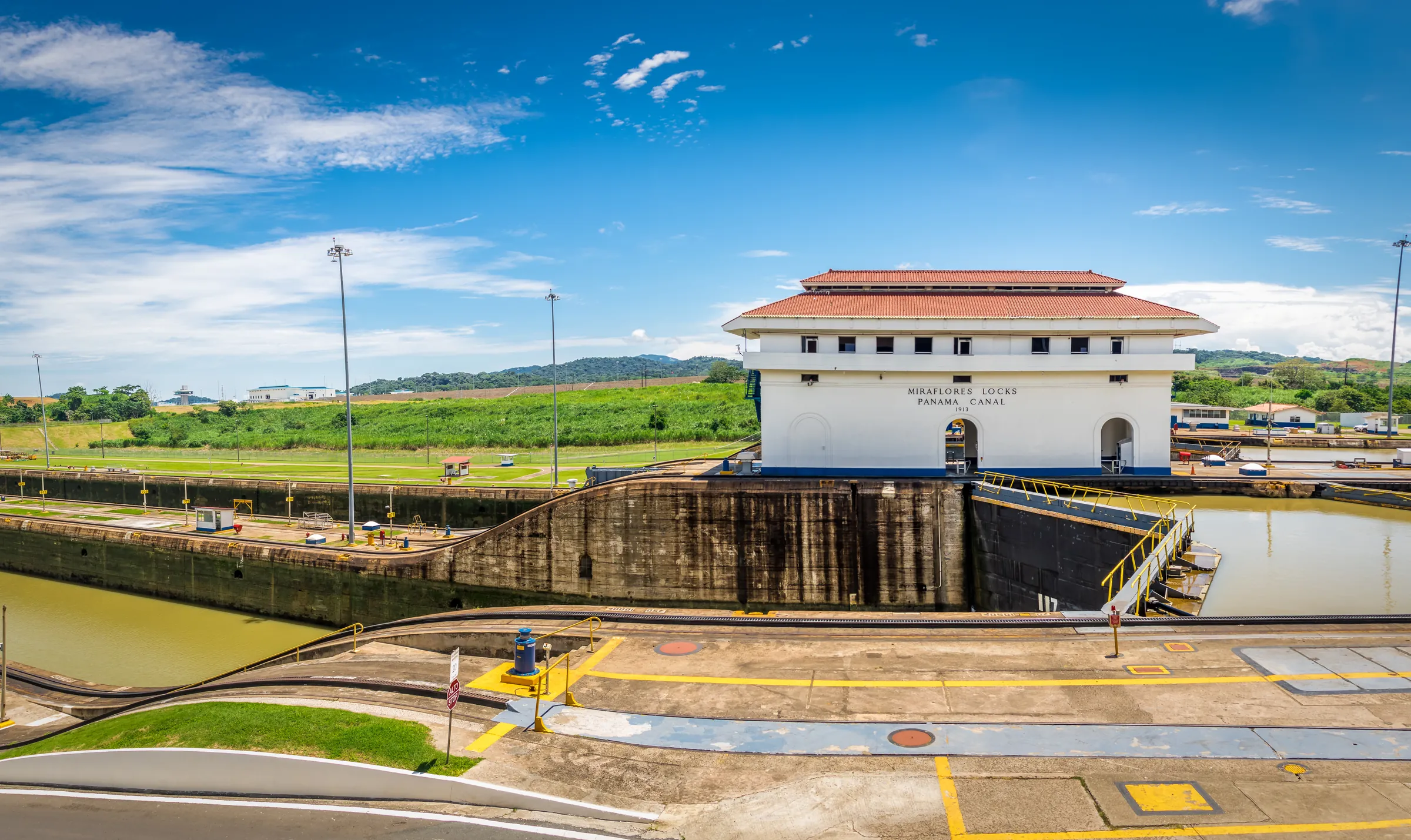
Panama City is warm and humid throughout the year. The dry season offers the most comfortable conditions for exploring Casco Viejo, visiting the Miraflores Locks, or walking along the Cinta Costera, although the city can be visited in any month. Afternoon showers become more common from May onward but rarely prevent sightseeing.
Pacific Coast
Including the Pearl Islands, Gulf of Chiriquí, Santa Catalina, Coiba National Park, and much of Panama's Pacific shoreline.
This region experiences the country's most defined dry season between December and April. Beaches are sunnier, seas are generally calmer, and conditions are ideal for island hopping, snorkeling, diving, fishing, and boating.
From July through September, humpback whales arrive along the Pacific coast, adding another reason to visit during the green season.
Caribbean Coast
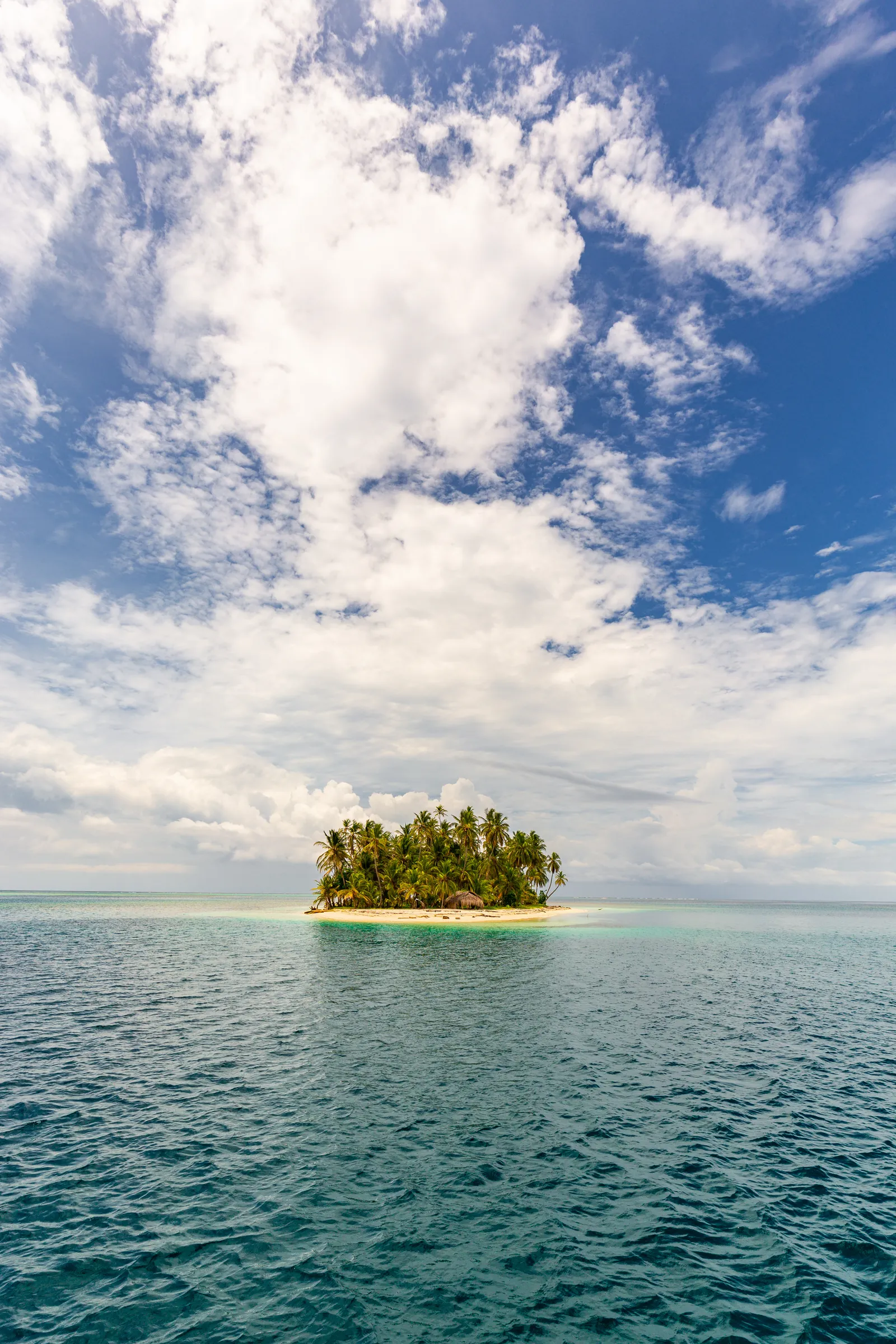
Including Bocas del Toro, Portobelo, and Guna Yala.
Panama's Caribbean coast doesn't follow the same weather pattern as the Pacific. Rainfall is spread more evenly throughout the year, and Bocas del Toro often experiences one of its driest periods during September and October, when much of the Pacific is receiving its heaviest rainfall.
This regional difference makes Panama one of the few countries in Central America where changing coasts can sometimes mean changing seasons.
Highlands
Including Boquete and El Valle de Antón.
Higher elevations keep temperatures noticeably cooler than the coast throughout the year. Even during the dry season, mornings are often crisp enough for a light sweater, while the rainy season brings greener forests, fuller rivers, and excellent birdwatching. Afternoon showers are common, but mornings are frequently clear for hiking and outdoor activities.
Panama weather at a glance
| Best overall | January through April |
|---|---|
| Best weather | January through March |
| Best value | May, June & November |
| Whale watching | July through September |
| Dry season | December through April, especially on the Pacific coast |
| Green season | May through November |
| Best Caribbean weather | February through April, with another drier window in September and October |
January in Panama
January sits in the middle of Panama's dry season and is one of the best months to explore the country. The Pacific coast enjoys long stretches of sunshine, humidity is lower than later in the year, and hiking trails are generally dry. It's an excellent time to combine Panama City, Boquete, and the beaches or islands along the Pacific.
Best for: First-time visitors, Panama City, the Panama Canal, Boquete, the Pearl Islands, Coiba National Park, and beach holidays.
February in Panama
February is typically one of the driest and sunniest months of the year. Sea conditions along the Pacific are often calm, making it an excellent time for island hopping, snorkeling, diving, and fishing. The Caribbean coast, including Guna Yala and Portobelo, also tends to enjoy some of its most settled weather.
Best for: Beaches, diving, snorkeling, Guna Yala, Coiba, the Gulf of Chiriquí, and multi-region itineraries.
March in Panama
March continues the dry season with consistently warm weather across much of the country. It's one of the best months for exploring Casco Viejo, hiking in the highlands, or combining Panama's mountains with its islands and beaches. Visitor numbers remain high, particularly around spring break and Easter when they fall in March.
Best for: Hiking, beach vacations, city exploration, and luxury travel.
April in Panama
April marks the transition toward the green season. The Pacific remains relatively dry through much of the month, although showers become more frequent toward the end of April. Vegetation becomes greener, while visitor numbers gradually decline after Easter.
Best for: Shoulder-season travel, beaches, Boquete, El Valle de Antón, and better hotel availability.
May in Panama
May marks the beginning of the green season. Rainfall becomes more common, but it often arrives later in the day, leaving plenty of time for sightseeing and outdoor activities. Forests become noticeably greener, waterfalls begin flowing more strongly, and hotel rates often decrease.
Best for: Value, rainforest experiences, birdwatching, and fewer crowds.
June in Panama
June follows a similar pattern to May, with warm weather, lush forests, and regular tropical showers. Rivers are full, wildlife is active, and visitor numbers remain relatively low. It's a rewarding time to travel if you don't mind occasional rain.
Best for: Nature, photography, birdwatching, and value.

July in Panama
July marks the beginning of humpback whale season along Panama's Pacific coast. Whales begin arriving from the Southern Hemisphere to breed and raise their calves, particularly around Coiba National Park, the Gulf of Chiriquí, and the Pearl Islands. The landscape is vibrant and green following the early rainy season.
Best for: Whale watching, wildlife, and green-season travel.
August in Panama
August is one of the best months for whale watching, with regular sightings along the Pacific coast. Rainfall continues across much of the country, although many days still offer good conditions for exploring. The Caribbean coast can also enjoy pleasant stretches of weather between passing systems.
Best for: Whale watching, wildlife, and photography.
September in Panama
September continues the whale watching season and is often overlooked by travelers. The Pacific remains in the green season, while Bocas del Toro frequently experiences one of its driest periods. It's one of the most interesting months to combine both coasts in a single itinerary.
Best for: Bocas del Toro, whale watching, and avoiding crowds.
October in Panama
October is generally one of the wettest months along the Pacific coast, with frequent tropical rainfall. Bocas del Toro, however, often enjoys relatively favorable conditions compared with much of the rest of the country, making it one of the best destinations to visit this month.
Best for: Bocas del Toro and quieter travel.
November in Panama
November marks the transition back toward the dry season. Rainfall gradually decreases, forests remain lush after months of rain, and visitor numbers are still relatively low before the Christmas travel period. Panama also celebrates several national holidays throughout the month, creating a lively atmosphere across the country.
Best for: Shoulder-season travel, cultural experiences, and value.
December in Panama
December begins with pleasant weather before the dry season becomes firmly established. Early December combines sunshine with relatively light crowds, while Christmas and New Year's bring Panama's busiest travel period. Hotels in destinations such as Boquete, Bocas del Toro, and the Pearl Islands should be booked well in advance.
Best for: Holiday travel, beach vacations, and first-time visitors.
What to pack for Panama, by season
Dry season packing list (December through April)
- Lightweight, breathable clothing. Linen, cotton, and moisture-wicking fabrics are ideal for Panama's warm, tropical climate.
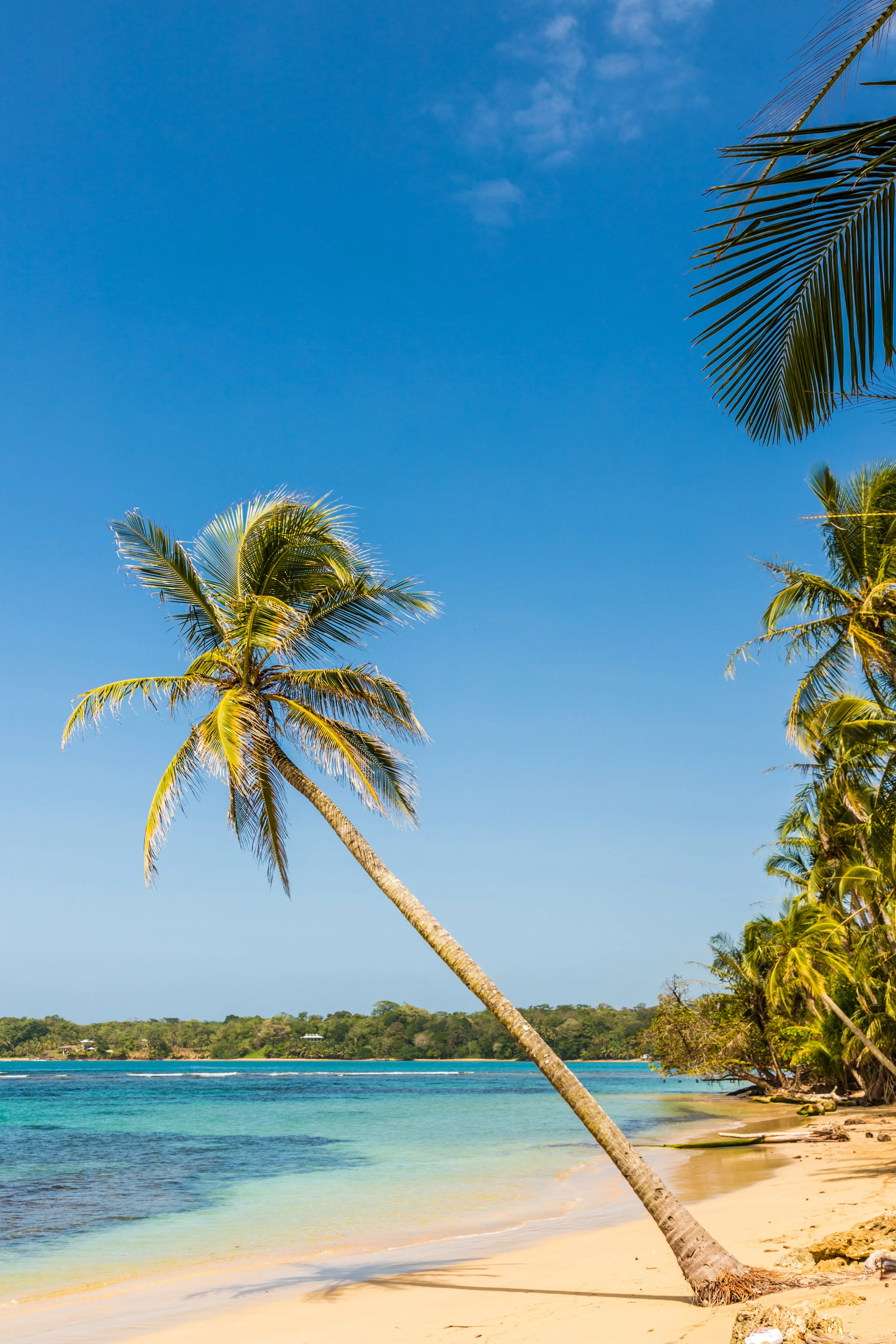
- Swimsuit and beach cover-up if your itinerary includes the Pearl Islands, Bocas del Toro, Guna Yala, Coiba National Park, or the Gulf of Chiriquí.
- Comfortable walking shoes for exploring Panama City, Casco Viejo, and the Panama Canal.
- Lightweight trail shoes if you're visiting Boquete, El Valle de Antón, or planning to hike in cloud forests or national parks. Heavy hiking boots are rarely necessary.
- Sandals or water shoes for beaches, boat excursions, island hopping, and snorkeling trips.
- Sun hat or baseball cap.
- Sunglasses.
- Reef-safe sunscreen, particularly if you'll be spending time snorkeling, diving, or swimming around coral reefs.
- Insect repellent. Mosquitoes are most active around dawn and dusk, especially near rainforest, rivers, and mangroves. We like lemon eucalyptus-based repellents as an alternative to products containing DEET.
- Reusable water bottle to stay hydrated throughout the day.
- A light sweater or jacket for evenings in Boquete or El Valle de Antón, where temperatures are noticeably cooler than along the coast.
Green season packing list (May through November)
- Lightweight, breathable clothing. Quick-dry fabrics are especially useful during the green season, when showers become more frequent.
- A lightweight rain jacket or poncho. Skip bulky waterproof jackets; a compact rain shell is usually all you'll need in Panama's warm climate.
- Comfortable walking shoes or lightweight trail shoes with good grip, particularly if you're hiking around Boquete, El Valle de Antón, or visiting rainforest reserves where trails can become muddy.
- Swimsuit and beach cover-up. Rain rarely lasts all day, and you'll still have plenty of opportunities to enjoy beaches, islands, pools, and marine activities.
- Sandals or water shoes for boat transfers, beaches, and snorkeling or diving excursions.
- Dry bag or waterproof backpack to protect cameras, phones, travel documents, and other electronics during rain showers or boat trips.
- Insect repellent. Mosquito activity generally increases during the wetter months, particularly near rivers, forests, wetlands, and mangroves.
- Sun hat, sunglasses, and reef-safe sunscreen. Even on cloudy days, Panama's tropical sun is strong.
- Reusable water bottle to stay hydrated throughout the day.
- A light sweater or jacket for cooler evenings in Boquete, El Valle de Antón, or other higher-elevation destinations.
Panama wildlife calendar
| Wildlife | Best months | Where to see it | What to know |
|---|---|---|---|
| Humpback whales | July–October | Gulf of Chiriquí, Coiba National Park, the Pearl Islands and the Pacific coast | Southern Hemisphere humpback whales migrate to Panama's Pacific waters to breed and give birth. August and September are often the strongest months for sightings. |
| Nesting sea turtles | July–December | Isla Cañas, Isla Bastimentos National Marine Park and protected beaches along both coasts | Panama protects important nesting beaches for leatherback, hawksbill, green and olive ridley turtles. Timing varies by species and location. |
| Whale sharks | December–March | Coiba National Park and the Gulf of Chiriquí | Whale sharks are occasionally encountered by divers during the dry season, although sightings are unpredictable and far less reliable than in destinations such as Belize. |
| Resplendent quetzals | January–May | Boquete, Volcán Barú National Park and Cerro Punta | Quetzals can be seen throughout the year, but the breeding season improves the chances of seeing birds feeding and nesting in the cloud forest. |
| Scarlet macaws | Year-round | Coiba National Park, Darién National Park and parts of the Gulf of Chiriquí | Small populations remain in several protected areas. Early mornings often provide the best opportunities to see pairs flying above the forest canopy. |
| Harpy eagles | Year-round | Darién National Park and Soberanía National Park | Panama's national bird is one of the world's largest eagles. Sightings are rare, but guided birding excursions offer the best chance. |
| Sloths and monkeys | Year-round | Soberanía National Park, Bocas del Toro, Boquete, the Canal watershed and many rainforest reserves | Howler, capuchin, spider and tamarin monkeys, along with both two-toed and three-toed sloths, can be seen throughout the year. |
| Migratory birds | November–April | Soberanía National Park, Pipeline Road, Darién and wetlands across Panama | Hundreds of migratory species join Panama's resident birdlife during the northern winter, making this one of the country's premier birdwatching seasons. |
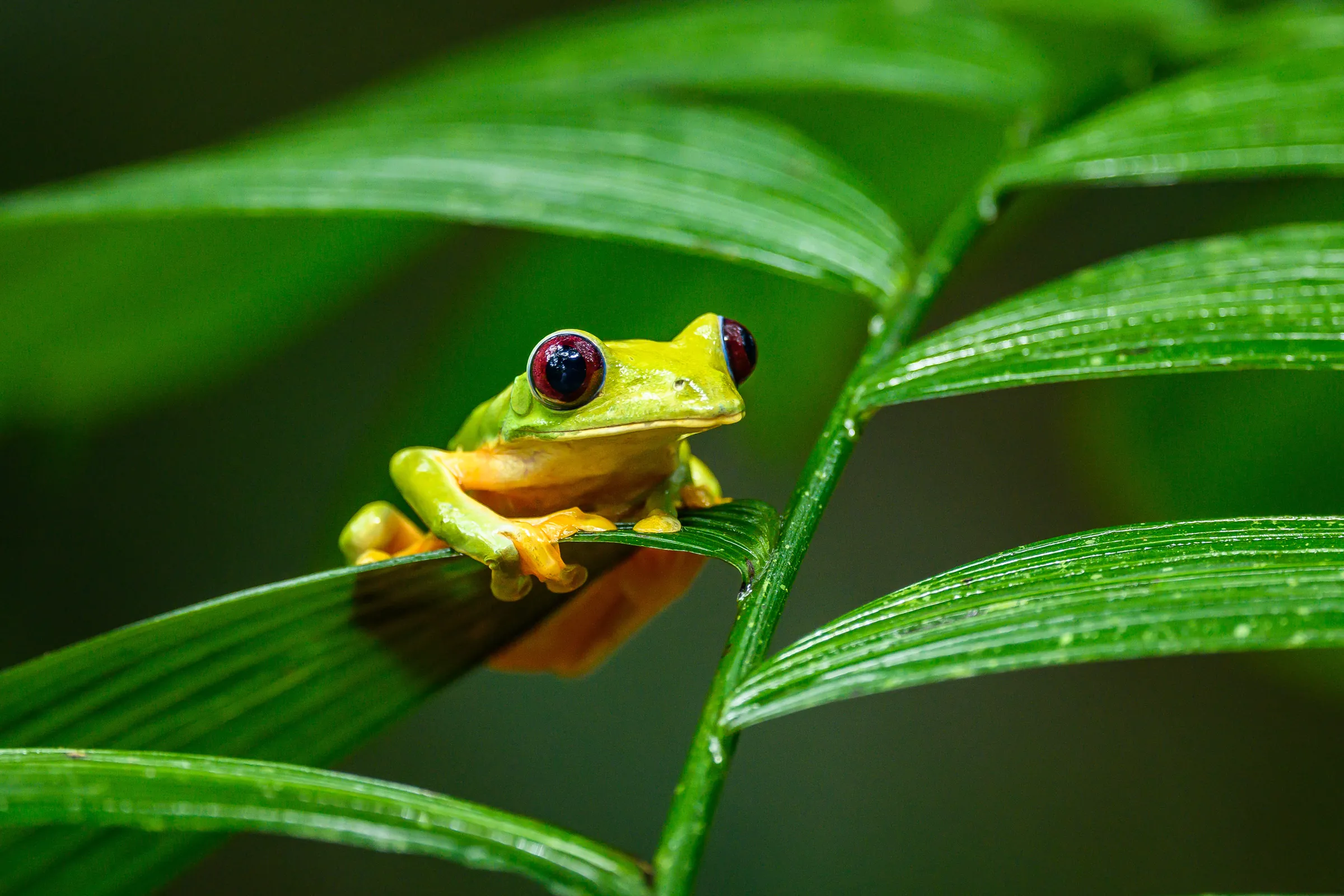
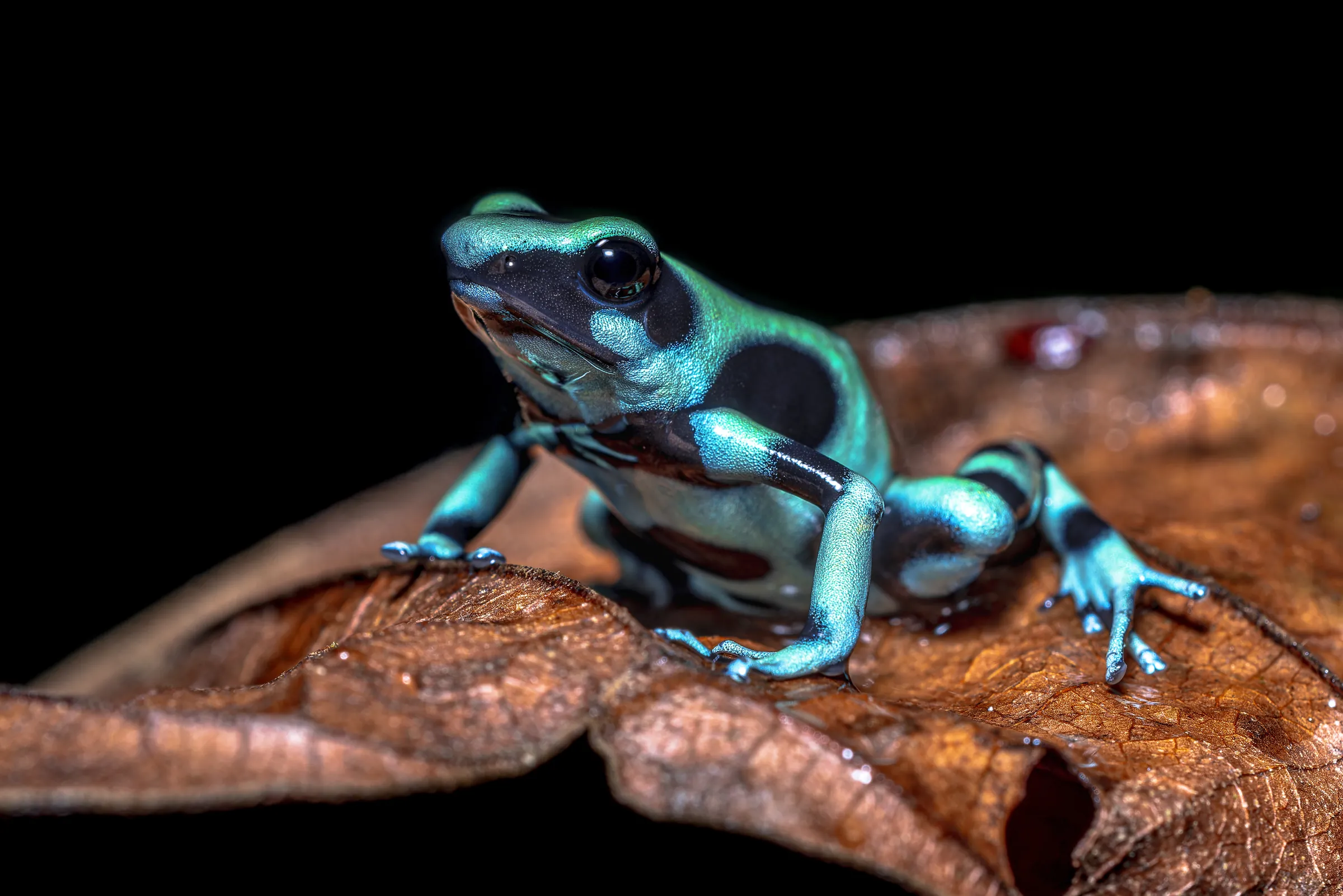
| Frogs and amphibians | May–November | Boquete, El Valle de Antón, Soberanía National Park and rainforest regions | Rainfall triggers increased activity among frogs and other amphibians, particularly after dark in humid forests. |
Wildlife seasons are approximate and can vary from year to year. Migration, nesting and wildlife sightings depend on weather, food availability and natural conditions, and can never be guaranteed.
Frequently asked questions: weather in Panama
When is the best time to visit Panama?
It depends on where you're traveling. If you're planning to explore Panama City, Boquete, the Pacific coast, and the Pearl Islands, the dry season from December through April generally offers the most reliable weather. If you're hoping to see humpback whales, visit between July and September. For better value and fewer crowds, May, June, and November are excellent choices.
Does it rain all day during the green season?
Usually not. Across much of Panama, the green season is characterized by sunny mornings followed by showers later in the day. Some days remain dry, while others bring heavier tropical rain. If you're visiting the Pacific coast or highlands, you'll still have plenty of opportunities for hiking, sightseeing, wildlife viewing, and beach time between showers.
Is Panama worth visiting during the rainy season?
Absolutely. We regularly plan trips throughout the green season. Rainfall transforms Panama's forests, waterfalls, and cloud forests, wildlife is active, and hotel rates are often lower than during the dry season. If you're traveling between May and July or in November, you'll often find an excellent balance of weather, value, and fewer visitors.
Which part of Panama has the best weather?
It depends on the time of year. The Pacific coast is generally driest between December and April, while the Caribbean follows a different rainfall pattern. Bocas del Toro, for example, often enjoys some of its best weather during September and October, when much of the Pacific is experiencing its wettest conditions. The highlands around Boquete remain cooler year-round thanks to their elevation.
When is the cheapest time to visit Panama?
The best value is typically found during the green season, particularly in May, June, and November. Hotel rates are often lower, popular attractions are quieter, and you'll still enjoy plenty of sunshine between passing showers.
How far in advance should I book?
If you're traveling over Christmas, New Year's, spring break, or Easter, we'd recommend booking at least six months in advance, especially if you're staying at smaller boutique hotels, island lodges, or luxury properties. During the green season, you'll generally have more flexibility, although the country's most sought-after accommodations can still book well ahead.
Is Panama affected by hurricanes?
Panama sits south of the Caribbean hurricane belt, making direct hurricane strikes extremely rare. While tropical systems elsewhere in the Caribbean can occasionally bring periods of heavier rain or rougher seas, Panama is one of the least hurricane-prone countries in the region. That's one reason it's often recommended as a tropical destination during the Atlantic hurricane season.
Best time to visit Panama for...
| If you're looking for... | Best time to visit | Why |
|---|---|---|
| First-time visits | January through April | Panama's driest months make it easy to combine Panama City, the Panama Canal, Boquete, and the Pacific coast in one itinerary. |
| Beach vacations | Pacific: December through April Caribbean: February through April and September through October | The Pacific enjoys its sunniest weather during the dry season, while the Caribbean follows a different rainfall pattern and often shines in early autumn. |
| Scuba diving & snorkeling | January through April | Calmer seas and better underwater visibility make this the strongest period for diving around Coiba National Park and the Gulf of Chiriquí. |
| Whale watching | July through September | Southern Hemisphere humpback whales migrate to Panama's Pacific coast to breed and raise their calves before returning south. |
| Surfing | April through October | Larger Pacific swells arrive during the green season, creating excellent conditions around Santa Catalina, Playa Venao, and other Pacific surf breaks. |
| Birdwatching | December through April | Migratory birds join Panama's resident species, making Soberanía National Park, Pipeline Road, and the highlands particularly rewarding. |
| Hiking | January through April | Drier trails and lower humidity make hiking around Boquete, Volcán Barú, El Valle de Antón, and Soberanía National Park more comfortable. |
| Panama Canal visits | December through April | Sunny weather is ideal for exploring Casco Viejo, visiting the Miraflores Locks, and spending time outdoors in Panama City. |
| Best value | May, June & November | Hotel rates are often lower than during peak season, while many days still begin with sunshine before showers arrive later in the day. |
| Honeymoons | January through April November | These months offer an excellent balance of weather, boutique hotel availability, and the opportunity to combine cities, mountains, beaches, and islands. |

