

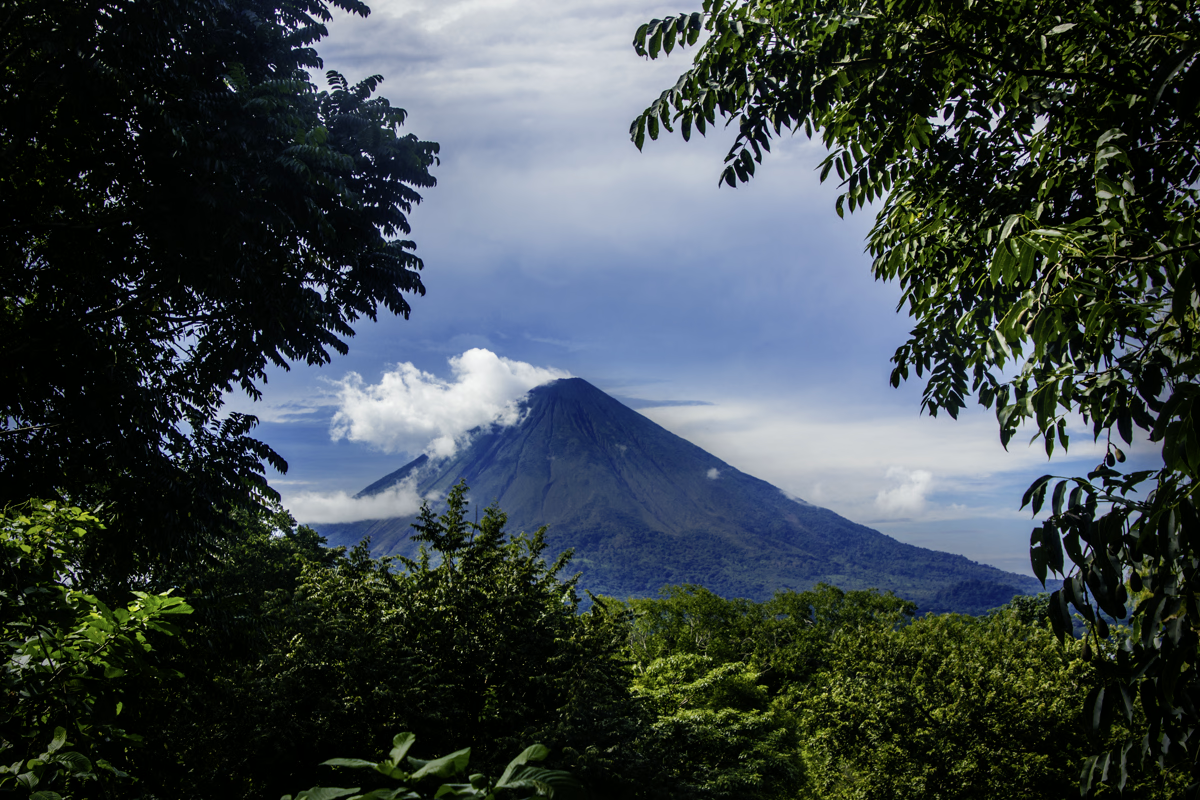
A month-by-month guide to weather, wildlife, crowds, and the best time to visit for you.
Nicaragua enjoys a warm tropical climate throughout the year, but weather varies between the Pacific coast, the central highlands, and the Caribbean coast. The Pacific region, where Granada, León, San Juan del Sur, and most travelers spend their time, experiences a distinct dry season and rainy season. Meanwhile, the Caribbean receives rainfall throughout the year and follows a different weather pattern. In general, the dry season offers the most reliable conditions for combining multiple regions, while the rainy season brings greener landscapes, fewer visitors, and excellent value.
Understanding Nicaragua's seasons
Nicaragua experiences two primary travel seasons rather than four distinct ones. The dry season generally runs from November through April, while the rainy season lasts from May through October. Temperatures remain warm year-round across most of the country, although the central highlands are typically cooler than the Pacific coast. Rainfall also varies considerably by region, with the Caribbean coast receiving significantly more precipitation than western Nicaragua.
Dry season (November through April)
The dry season brings sunny days, lower humidity, and excellent conditions for exploring Granada, León, Ometepe Island, the Emerald Coast, and San Juan del Sur. Roads are generally easier to navigate, volcano hikes are more accessible, and beach conditions are ideal for surfing and relaxing on the Pacific coast. This is also Nicaragua's busiest travel season, particularly during Christmas, New Year's, spring break, and Semana Santa, when many boutique hotels and beach resorts book well in advance.
Shoulder season (May, June & November)
These months offer one of the best balances of weather, value, and fewer visitors. Afternoon showers become more common, but mornings are often sunny and well suited to sightseeing and outdoor activities. Landscapes quickly become lush and green after the first rains, while hotel availability improves throughout much of the country. November is one of our favorite months to recommend thanks to the return of drier weather and vibrant scenery following the rainy season.
Rainy season (May through October)
The rainy season brings warmer temperatures, higher humidity, and regular afternoon showers across much of Nicaragua. Rain rarely lasts all day, and mornings are often clear enough for exploring colonial cities, hiking volcanoes, or spending time at the beach. Rivers and waterfalls flow more strongly, forests become especially green, and visitor numbers decline. The Caribbean coast follows a different rainfall pattern and can experience showers throughout much of the year, while hurricane season officially runs from June through November, although Nicaragua is generally less affected than many destinations farther north in the Caribbean.

Nicaragua weather at a glance
| Month | Conditions | Crowds | Great for |
|---|---|---|---|
| January | Sunny, dry, and warm, with cooler evenings in the highlands | High | Granada, León, Ometepe, beaches, and volcano hiking |
| February | Dry with reliable sunshine, low humidity, and good road conditions | High | First-time visits, surfing, hiking, and multi-region trips |
| March | Hot, sunny, and very dry across the Pacific side | High | Beaches, volcanoes, colonial cities, and outdoor activities |
| April | Very hot and dry, with peak demand around Semana Santa | Very high | Holiday travel, beaches, surfing, and cultural celebrations |
| May | Start of the rainy season, with hot days and afternoon showers | Medium | Better value, greener scenery, fewer crowds, and Ometepe |
| June | Warm and humid with sunny mornings and regular afternoon rain | Low | Lush landscapes, waterfalls, lower rates, and quieter cities |
| July | Green and warm, often with a brief midsummer reduction in rainfall | Medium | Families, surfing, summer travel, and nature-focused trips |
| August | Warm and humid with frequent showers and increasing storm risk | Low to medium | Surfing, green scenery, lower rates, and flexible travelers |
| September | Wet and humid, with some of the year's heaviest rainfall | Low | Off-season value, cultural travel, and flexible itineraries |
| October | Rainy across much of the country, with roads and trails more affected | Very low | Waterfalls, lush landscapes, and travelers comfortable with disruptions |
| November | Rain begins to ease, humidity drops, and landscapes remain green | Low to medium | Shoulder-season value, multi-region trips, and outdoor activities |
| December | Dry season returns with sunny days and more comfortable humidity | Medium to high | Winter sun, beaches, colonial cities, and holiday travel |
Best time to visit Nicaragua for...
January in Nicaragua
January sits in the heart of Nicaragua's dry season and is one of the best months to visit. Sunny days, low humidity, and warm temperatures make it an excellent time to explore Granada, León, Ometepe Island, and the Pacific coast. Surf conditions are also excellent, while cooler evenings make walking through Nicaragua's colonial cities especially enjoyable.
Best for: Granada, León, Ometepe, surfing, beaches, and first-time visits.
February in Nicaragua
February brings some of the year's most reliable weather. Rainfall is rare across the Pacific region, road conditions are excellent, and outdoor activities are comfortable from morning through evening. This is an ideal month for combining colonial cities, volcanoes, cloud forests, and the Emerald Coast in a single itinerary.
Best for: Multi-region itineraries, volcano hiking, surfing, and luxury beach stays.
March in Nicaragua
March is typically one of the driest months of the year. Days become hotter, particularly along the Pacific coast, but clear skies make it an outstanding time for volcano hikes, kayaking around the Islets of Granada, and relaxing on Nicaragua's beaches. Surf conditions remain excellent throughout much of the month.
Best for: Surfing, volcanoes, beaches, Ometepe, and outdoor adventures.
April in Nicaragua
April is the hottest month of the dry season and remains an excellent time to visit before the rains arrive. Semana Santa often falls in March or April and is one of Nicaragua's busiest travel periods, especially at Pacific beach destinations such as San Juan del Sur and the Emerald Coast. Hotels often book well in advance for the holiday week.
Best for: Beaches, surfing, Semana Santa, luxury resorts, and family vacations.
May in Nicaragua
May marks the beginning of the rainy season across much of Nicaragua. Afternoon showers begin returning after months of dry weather, transforming the countryside into vibrant shades of green. Mornings are still typically sunny, making this an excellent month to combine sightseeing with outdoor activities while enjoying lower hotel rates and fewer visitors.
Best for: Better value, Ometepe, Granada, lush landscapes, and quieter travel.


June in Nicaragua
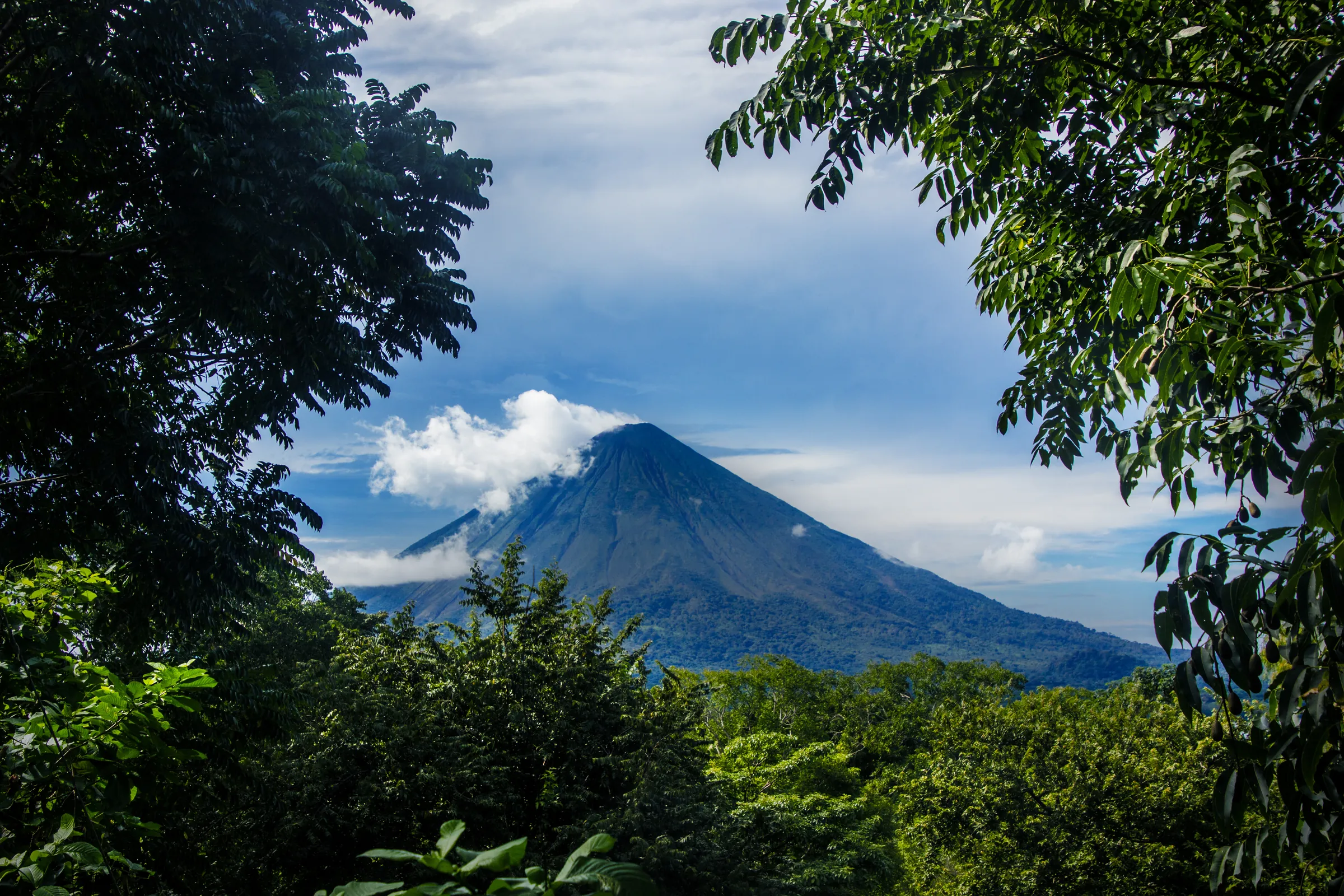
June brings regular afternoon rainfall, although mornings are often clear and comfortable for sightseeing, volcano hikes, and beach time. Forests, coffee regions, and waterfalls become especially lush, while the Pacific coast remains popular with surfers as consistent swells continue to arrive.
Best for: Surfing, waterfalls, nature, lower hotel rates, and green scenery.
July in Nicaragua
July falls within the rainy season, but Nicaragua often experiences the canícula, a brief midsummer dry spell that can bring several weeks of reduced rainfall, particularly on the Pacific side of the country. Combined with school holidays, this makes July a surprisingly good time to visit, with warm weather and plenty of opportunities to enjoy both the coast and inland destinations.
Best for: Families, surfing, Ometepe, beaches, and multi-region itineraries.
August in Nicaragua
August is warm and humid, with regular afternoon showers returning after the midsummer break. Surf conditions remain excellent along the Pacific coast, landscapes are at their greenest, and visitor numbers remain relatively low outside of local holiday periods. Travelers with flexible itineraries can often find some of the year's best hotel values.
Best for: Surfing, Emerald Coast, lush landscapes, lower rates, and flexible travelers.
September in Nicaragua
September is typically the wettest month of the year across much of Nicaragua. Afternoon and evening rain becomes more frequent, particularly in the central highlands and along the Caribbean coast, while the Pacific region often continues to enjoy sunny mornings. Visitor numbers remain low, making this one of the best months for travelers seeking quieter experiences and attractive hotel rates.
Best for: Off-season value, lush landscapes, cultural travel, and flexible itineraries.
October in Nicaragua
October remains part of the rainy season, with frequent showers and the highest likelihood of tropical systems affecting the Caribbean coast. Rivers and waterfalls are at their fullest, forests are exceptionally green, and wildlife is particularly active. While weather can occasionally disrupt travel plans, flexible travelers are rewarded with beautiful scenery and very few crowds.
Best for: Nature, waterfalls, birdwatching, lower rates, and adventurous travelers.
November in Nicaragua
November marks the transition back to the dry season. Rainfall begins to ease, humidity becomes more comfortable, and landscapes remain lush after months of rain. This is one of our favorite months to recommend thanks to its combination of green scenery, pleasant weather, and lower visitor numbers before the holiday season begins.
Best for: Multi-region itineraries, Granada, Ometepe, beaches, and shoulder-season value.
December in Nicaragua
December brings the return of Nicaragua's dry season, with sunny days, lower humidity, and excellent conditions for exploring both the Pacific coast and the colonial cities. Surf conditions remain excellent, beaches become increasingly popular, and the first half of the month often offers a good balance of weather and availability. Christmas and New Year's are among the busiest travel periods, particularly along the Emerald Coast and in San Juan del Sur.
Best for: Beaches, surfing, colonial cities, winter sun, and holiday travel.
What to pack for Nicaragua, by season


Dry season packing list (November through April)
- Lightweight, breathable clothing. Linen, cotton, and moisture-wicking fabrics are ideal for Nicaragua's warm tropical climate.
- Swimsuit and beach cover-up if you're visiting the Emerald Coast, San Juan del Sur, Little Corn Island, or other beach destinations.
- Comfortable walking shoes for exploring Granada, León, colonial streets, museums, and archaeological sites.
- Hiking shoes or lightweight trail shoes if you plan to climb volcanoes such as Cerro Negro, Mombacho, or Concepción on Ometepe.
- Sandals for beaches, resorts, and casual evenings.
- Sun hat or baseball cap.
- Sunglasses.
- Sunscreen. Nicaragua's tropical sun is strong year-round, especially along the Pacific coast and on the water.
- Reusable water bottle to stay hydrated throughout the day.
- Insect repellent. Mosquitoes are generally less active during the dry season but can still be present near lakes, forests, and the Caribbean coast, particularly around dawn and dusk.
- A light sweater or long-sleeve shirt for cooler evenings in the central highlands, boat rides on Lake Nicaragua, or air-conditioned restaurants.
- A small daypack for volcano hikes, city sightseeing, and day trips.
Rainy season packing list (May through October)
- Lightweight, breathable clothing. Quick-dry fabrics are particularly useful during the warmer, more humid months.
- A lightweight rain jacket or compact poncho. Afternoon showers are common, but heavy waterproof jackets are rarely necessary.
- Comfortable walking shoes with good grip, especially if you'll be hiking volcanoes, exploring waterfalls, or walking on muddy trails.
- Swimsuit and beach cover-up. Rain rarely lasts all day, and there are still plenty of opportunities to enjoy Nicaragua's beaches, lakes, and islands.
- Sandals or water shoes for beaches, boat transfers, waterfalls, and kayaking.
- Dry bag or waterproof backpack to protect cameras, phones, travel documents, and other electronics during rain showers or boat trips.
- Insect repellent. Mosquito activity generally increases during the rainy season, particularly around Lake Nicaragua, Ometepe, forests, and the Caribbean coast.
- Sun hat, sunglasses, and sunscreen. Even on cloudy days, UV levels remain high.
- Reusable water bottle to stay hydrated throughout the day.
- A light sweater or long-sleeve shirt for cooler evenings in the highlands, air-conditioned indoor spaces, or breezy evenings along the coast.
| If you're looking for... | Best time to visit | Why |
|---|---|---|
| First-time visits | November through April | Dry, sunny weather makes it easy to combine Granada, León, Ometepe, volcanoes, and the Pacific coast in one itinerary. |
| Beach vacations | November through April | Expect the most reliable sunshine and ideal conditions for relaxing along the Emerald Coast and San Juan del Sur. |
| Surfing | April through October | The rainy season brings larger, more consistent Pacific swells, although Nicaragua offers quality surfing throughout the year. |
| Volcano hiking | November through April | Drier trails and clearer skies provide the best conditions for hiking volcanoes such as Concepción, Maderas, Mombacho, and Cerro Negro. |
| Colonial cities | November through April | Lower humidity and sunny weather make exploring Granada and León especially comfortable. |
| Ometepe Island | November through April | Dry weather makes hiking, cycling, kayaking, and exploring the island's attractions much easier. |
| Coffee regions | November through February | Coffee harvest season brings activity to the northern highlands around Matagalpa and Jinotega. |
| Birdwatching | November through April | Migratory birds join Nicaragua's resident species during the dry season, particularly around lakes, cloud forests, and nature reserves. |
| Best value | May, June & November | Hotel rates are often lower, visitor numbers decrease, and you'll usually enjoy plenty of sunshine between afternoon showers. |
| Honeymoons | November through May | These months offer an excellent balance of weather, boutique hotel availability, and ideal conditions for combining beaches with colonial cities. |
| Avoiding crowds | May, June & November | Visitor numbers fall outside the Christmas, Easter, and peak winter travel periods while weather remains favorable. |

Frequently asked questions: weather in Nicaragua
When is the best time to visit Nicaragua?
For most travelers, the best time to visit Nicaragua is between November and April, when the weather is generally dry, sunny, and less humid across the Pacific region, where most visitors spend their time. If you're looking for better value and fewer crowds, May, June, and November are excellent shoulder-season months that often combine pleasant weather with lower hotel rates.
Does it rain all day during the rainy season?
Usually not. Throughout much of western Nicaragua, the rainy season is characterized by sunny mornings followed by afternoon or evening showers. Rain rarely lasts all day, making it easy to continue sightseeing, volcano hiking, or relaxing at the beach. The Caribbean coast follows a different weather pattern and receives rainfall throughout much of the year.
Is Nicaragua worth visiting during the rainy season?
Absolutely. We regularly recommend travel during much of the rainy season, particularly in May, June, and November. Rain transforms the country's volcanoes, forests, and countryside into vibrant green landscapes, waterfalls flow more strongly, and visitor numbers are generally lower than during the dry season. Hotel rates are also often more attractive outside the winter peak.
Which part of Nicaragua has the best weather?
That depends on the type of trip you're planning. The Pacific region, including Granada, León, Ometepe, San Juan del Sur, and the Emerald Coast, experiences a well-defined dry season from November through April and enjoys the most predictable weather. The central highlands are generally cooler thanks to their elevation, while the Caribbean coast remains warm and humid throughout the year with more consistent rainfall.
When is the cheapest time to visit Nicaragua?
The best value is typically found from May through October, outside of major holidays. Hotel rates are often lower, availability improves, and many of Nicaragua's most popular destinations are noticeably quieter. May, June, and November generally offer one of the best balances of weather, value, and travel conditions.
How far in advance should I book?
If you're traveling during Christmas, New Year's, spring break, or Semana Santa, we'd recommend booking at least six months in advance, particularly if you're staying at a boutique hotel or luxury beach property on the Emerald Coast or in San Juan del Sur. During the shoulder and rainy seasons, you'll usually have more flexibility, although Nicaragua's most sought-after hotels can still fill well ahead of time.
Is Nicaragua affected by hurricanes?
Yes. Hurricane season officially runs from June through November, although Nicaragua is generally less affected than many destinations farther north in the Caribbean. The Caribbean coast has the greatest exposure to tropical systems, while the Pacific region, where most travelers visit, is less frequently impacted. If you're traveling during hurricane season, we recommend purchasing comprehensive travel insurance, choosing flexible booking terms where possible, and being prepared for itinerary adjustments if tropical weather develops.

