


A month-by-month guide to weather, wildlife, crowds, and the best time to visit for you.
Guatemala's geography creates one of the most varied climates in Central America. Cool highland cities like Antigua and Quetzaltenango experience spring-like temperatures for much of the year, while the Caribbean coast, Pacific coast, and the rainforests of Petén remain warm and tropical. The dry season generally offers the best conditions for sightseeing, while the green season transforms forests and volcanoes into lush landscapes with fewer visitors and attractive hotel rates.
Understanding Guatemala's seasons
Guatemala experiences two primary seasons rather than four distinct ones. Temperatures remain fairly consistent throughout the year, but rainfall varies considerably between the dry season and the green season. Climate also changes dramatically with elevation, meaning travelers can experience cool mountain mornings and tropical rainforest heat on the same itinerary.
Dry season (November through April)
The dry season brings sunny days, lower humidity, and excellent conditions for exploring Antigua, Lake Atitlán, volcanoes, and Maya archaeological sites like Tikal. This is also Guatemala's busiest travel season, particularly during Christmas, New Year's, and the Easter holidays, when accommodations should be booked well in advance.
Shoulder season (May, June & November)
These months offer an excellent balance of weather, value, and fewer visitors. Rainfall usually arrives later in the day, landscapes become greener, and many popular destinations remain relatively uncrowded. November is one of our favorite months to recommend thanks to fresh green scenery following the rainy season.
Green season (May through October)
The green season brings regular afternoon showers, especially from June through September. Rain rarely lasts all day, and mornings are often clear enough for sightseeing, hiking, and photography. Highlands such as Antigua and Lake Atitlán remain enjoyable throughout much of the season, while the rainforests of Petén become particularly lush.
Guatemala weather at a glance
| Month | Conditions | Crowds | Great for |
|---|---|---|---|
| January | Sunny, dry, and comfortable in the highlands | High | Antigua, Lake Atitlán, Tikal, hiking |
| February | Dry with warm days and cool evenings | High | Volcano hikes, Maya sites, photography |
| March | Warm and sunny, little rainfall | High | First-time visits, road trips, outdoor activities |
| April | Warm, dry, and busiest month of the year | Very high | Semana Santa, Antigua, Lake Atitlán |
| May | Green season begins with afternoon showers | Medium | Value travel, lush landscapes, fewer crowds |
| June | Sunny mornings with regular afternoon rain | Low | Rainforests, waterfalls, photography |
| July | Green and warm with a brief midsummer dry spell | Medium | Families, hiking, cultural travel |
| August | Warm with afternoon showers | Medium | Lake Atitlán, markets, summer vacations |
| September | Rainiest period across much of the country | Low | Green scenery, flexible travelers |
| October | Wet but beginning to improve later in the month | Low | Birdwatching, rainforest, shoulder-season value |
| November | Dry season returns with fresh green landscapes | Medium | Excellent overall travel conditions |
| December | Sunny and dry with cooler evenings | Medium to high | Holiday travel, volcanoes, first-time visits |
January in Guatemala
January sits in the heart of Guatemala's dry season and is one of the best months to visit. Sunny days, low humidity, and cool mornings in the highlands create excellent conditions for exploring Antigua, Lake Atitlán, and the country's many archaeological sites. In Petén, dry trails make visiting Tikal and nearby Maya ruins particularly enjoyable.
Best for: Antigua, Lake Atitlán, Tikal, volcano hiking, and first-time visits.

February in Guatemala
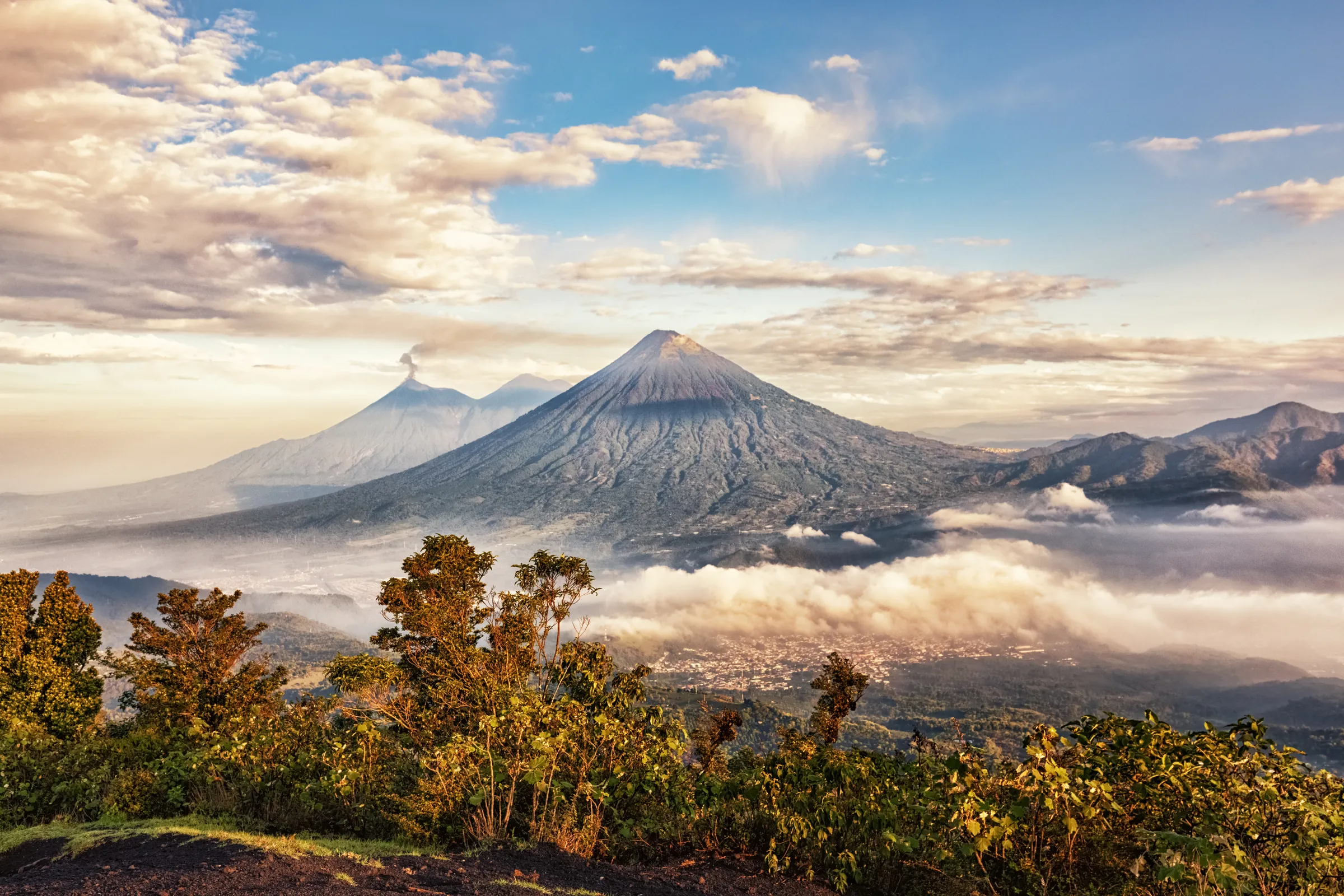
February continues the dry season with reliable sunshine and comfortable temperatures across much of the country. Clear skies provide excellent views of Guatemala's volcanoes, while cooler evenings make colonial cities and lakeside towns especially pleasant. It's an excellent month for combining the highlands with Petén on a single itinerary.
Best for: Volcano hikes, photography, Maya ruins, and multi-region itineraries.
March in Guatemala
March is typically one of Guatemala's driest months. Warm days and minimal rainfall create ideal conditions for hiking, exploring colonial cities, and spending long days outdoors. Tikal, Yaxhá, and other archaeological sites are easier to explore before the hotter temperatures of April arrive.
As the dry season progresses, wildlife is often easier to spot around water sources in national parks and nature reserves.
Best for: Hiking, archaeology, road trips, and outdoor adventures.
April in Guatemala
April combines dry-season weather with one of Guatemala's most spectacular cultural events. Semana Santa transforms Antigua into the country's cultural center, with elaborate processions, colorful sawdust carpets, and celebrations that attract visitors from around the world. Hotels book well in advance, particularly during Easter week.
Outside the holiday period, April remains an excellent month for visiting Lake Atitlán, Tikal, and Guatemala's volcanoes before the rainy season begins.
Best for: Semana Santa, Antigua, Lake Atitlán, and cultural travel.
May in Guatemala
May marks the beginning of Guatemala's green season. Afternoon showers become more frequent, but mornings are often sunny and ideal for sightseeing. The countryside quickly turns green, making this one of the most scenic times to visit Lake Atitlán, Antigua, and the country's volcanic landscapes.
Visitor numbers also begin to decline after the Easter holidays, making May an excellent month for travelers looking for better value without sacrificing too much weather.
Best for: Shoulder-season travel, photography, volcanoes, and fewer crowds.
June in Guatemala
June brings greener landscapes and more regular afternoon rainfall, particularly in the highlands and cloud forests. Rain rarely lasts all day, and many travelers enjoy clear mornings for exploring Antigua, Tikal, or Lake Atitlán before showers arrive later in the afternoon.
The countryside is at its most vibrant, with waterfalls flowing strongly and forests alive with birdlife.
Best for: Nature, birdwatching, photography, and value-conscious travelers.
July in Guatemala
July falls within the green season, but much of Guatemala experiences the canícula, a brief midsummer dry spell that often brings several weeks of sunnier weather. While rainfall patterns vary from year to year, this can make July one of the best summer months to visit.
Families traveling during school holidays often find July offers a good balance of pleasant weather, lush scenery, and fewer international visitors than the peak dry season.
Best for: Families, hiking, Lake Atitlán, and summer travel.
August in Guatemala
August continues the tropical summer pattern, with warm temperatures and afternoon showers across much of the country. The highlands remain comfortable, while Petén and the lowlands tend to be hotter and more humid. Despite the rain, mornings are often excellent for sightseeing, and landscapes remain lush and photogenic.
This is a rewarding time for travelers who don't mind occasional showers in exchange for quieter attractions and greener scenery.
Best for: Lake Atitlán, cultural travel, photography, and shoulder-season value.
September in Guatemala
September is typically one of Guatemala's wettest months. Afternoon and evening rain showers are common across much of the country, although mornings often remain suitable for sightseeing and outdoor activities. The highlands are particularly green at this time of year, and waterfalls are at their most impressive.
Travelers willing to remain flexible are rewarded with quieter attractions, lower hotel rates, and some of the year's most dramatic landscapes.
Best for: Lush scenery, photography, waterfalls, and flexible travelers.

October in Guatemala
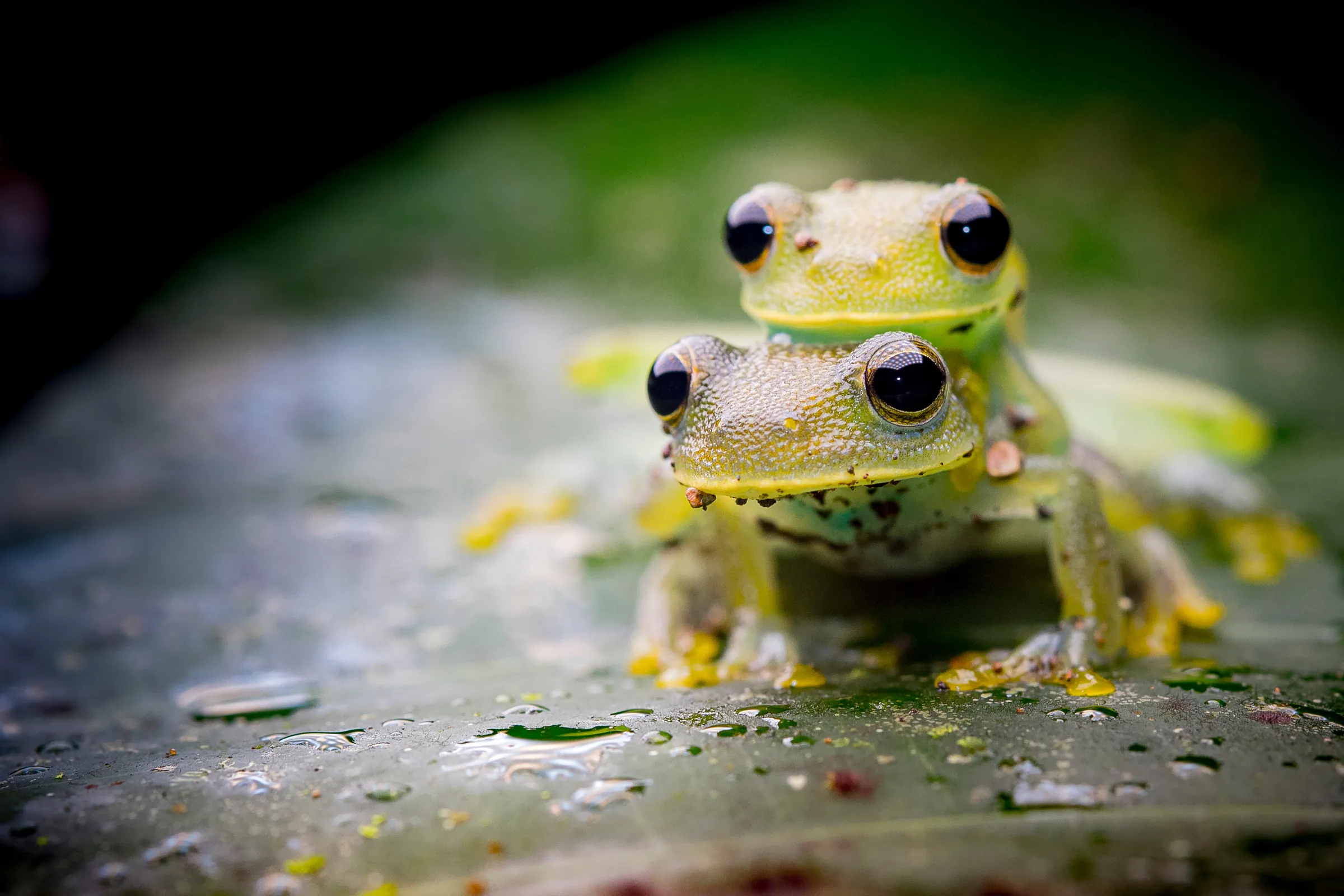
October continues the green season, although rainfall often begins to ease toward the end of the month. Forests and volcanoes remain vibrant after months of rain, and visitor numbers are still relatively low. In Petén, rainforest conditions are at their most lush, while Antigua and Lake Atitlán remain enjoyable between passing showers.
This is a good month for travelers looking to experience Guatemala without the crowds of the dry season.
Best for: Nature, birdwatching, rainforest travel, and shoulder-season value.
November in Guatemala
November marks the return of the dry season across much of Guatemala. Rainfall decreases, skies become clearer, and the countryside remains beautifully green from the preceding months. Travel conditions improve throughout the country, making it one of the best months to combine Antigua, Lake Atitlán, and Tikal in a single itinerary.
November also brings Día de Todos los Santos (All Saints' Day), when colorful kite festivals take place in Sumpango and Santiago Sacatepéquez, offering one of Guatemala's most unique cultural celebrations.
Best for: First-time visits, cultural festivals, photography, and multi-region itineraries.
December in Guatemala
December brings warm, sunny days and the return of the dry season. Visitor numbers begin to increase as the Christmas and New Year holidays approach, particularly in Antigua and around Lake Atitlán, where hotels often book well in advance.
Early December offers an excellent combination of reliable weather and good availability, while the holiday period is ideal for travelers seeking winter sunshine and festive celebrations.
Best for: Holiday travel, Antigua, Lake Atitlán, Tikal, and winter sun.
What to pack for Guatemala, by season
Dry season packing list (November through April)
- Lightweight, breathable clothing for warm afternoons, particularly in Antigua, Tikal, and the Pacific lowlands.
- A light sweater, fleece, or lightweight jacket. Mornings and evenings can be surprisingly cool in the highlands, especially around Antigua, Lake Atitlán, and Quetzaltenango.
- Comfortable walking shoes or lightweight hiking shoes for exploring colonial cities, Maya ruins, and nature trails.
- Hiking shoes with good grip if you plan to climb Acatenango, Pacaya, or other volcanoes.
- Sun hat or baseball cap.
- Sunglasses.
- Sunscreen. Guatemala's high elevation means the sun is much stronger than many travelers expect, even on cooler days.
- Insect repellent, particularly if you're visiting Tikal, Petén, Semuc Champey, or other rainforest destinations.
- Reusable water bottle to stay hydrated during sightseeing and hiking.
- A small daypack for day trips to archaeological sites, markets, and volcanoes.
Green season packing list (May through October)
- Lightweight, breathable clothing. Quick-dry fabrics are especially useful during the rainy season.
- A lightweight rain jacket or compact poncho. Afternoon showers are common, but heavy rain rarely lasts all day.
- Comfortable walking shoes with good grip, especially if you'll be visiting volcanoes, cloud forests, or trails that may become muddy.
- Hiking shoes if you're planning longer hikes or volcano climbs.
- Dry bag or waterproof backpack for cameras, phones, travel documents, and other electronics.
- Insect repellent. Mosquitoes become more active during the wetter months, particularly around Lake Petén Itzá, Semuc Champey, and other lowland rainforest areas.
- Sun hat, sunglasses, and sunscreen. Even during the rainy season, Guatemala's high-altitude sun can be surprisingly intense between showers.
- Reusable water bottle to stay hydrated throughout the day.
- A light sweater or jacket for cool evenings in the highlands, especially around Antigua and Lake Atitlán.
- A change of socks if you're planning hikes or full-day excursions during the rainy season.
Guatemala seasonal calendar
| Experience | Best months | Where to experience it | What to know |
|---|---|---|---|
| Semana Santa | March or April | Antigua | Holy Week brings large processions, religious ceremonies, and elaborate alfombras made from colored sawdust, flowers, pine needles, and fruit. Dates change each year, and hotels often book many months ahead. |
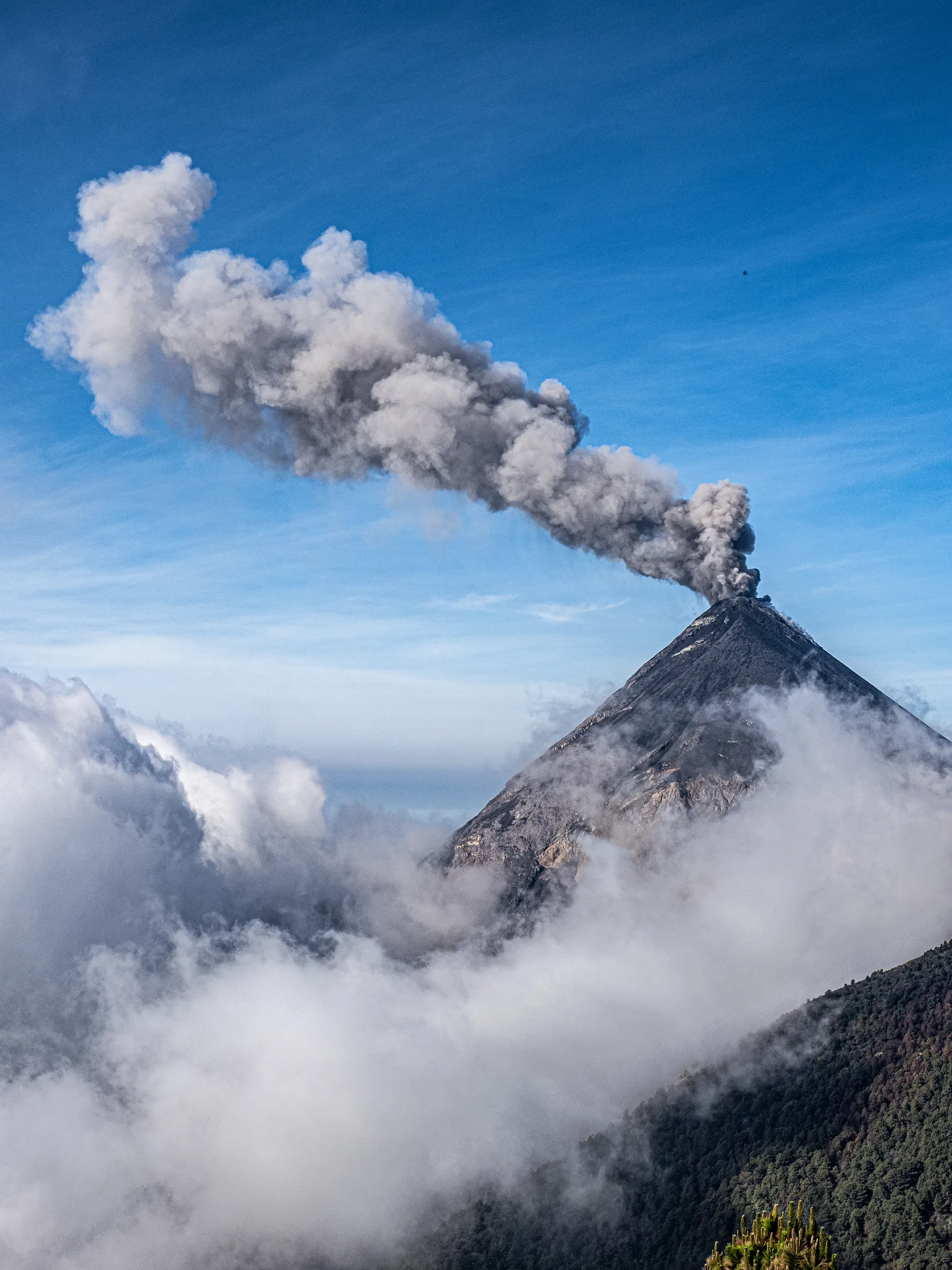
| Volcano hiking | November through April | Acatenango, Pacaya, and the highlands around Antigua | Dry trails and clearer skies generally make this the most reliable season for hiking. Temperatures can drop sharply overnight on Acatenango, even when Antigua is warm during the day. |
| Tikal and Maya archaeology | November through April | Tikal, Yaxhá, Uaxactún, and northern Petén | Lower rainfall makes trails easier to navigate, while slightly lower humidity improves long days at archaeological sites. March and April can still become very hot in the lowlands. |
| Lake Atitlán views | November through May | Lake Atitlán and surrounding villages | Dry-season mornings often bring the clearest views across the lake toward the surrounding volcanoes. Afternoon wind can make boat crossings rougher, so earlier departures are usually preferable. |
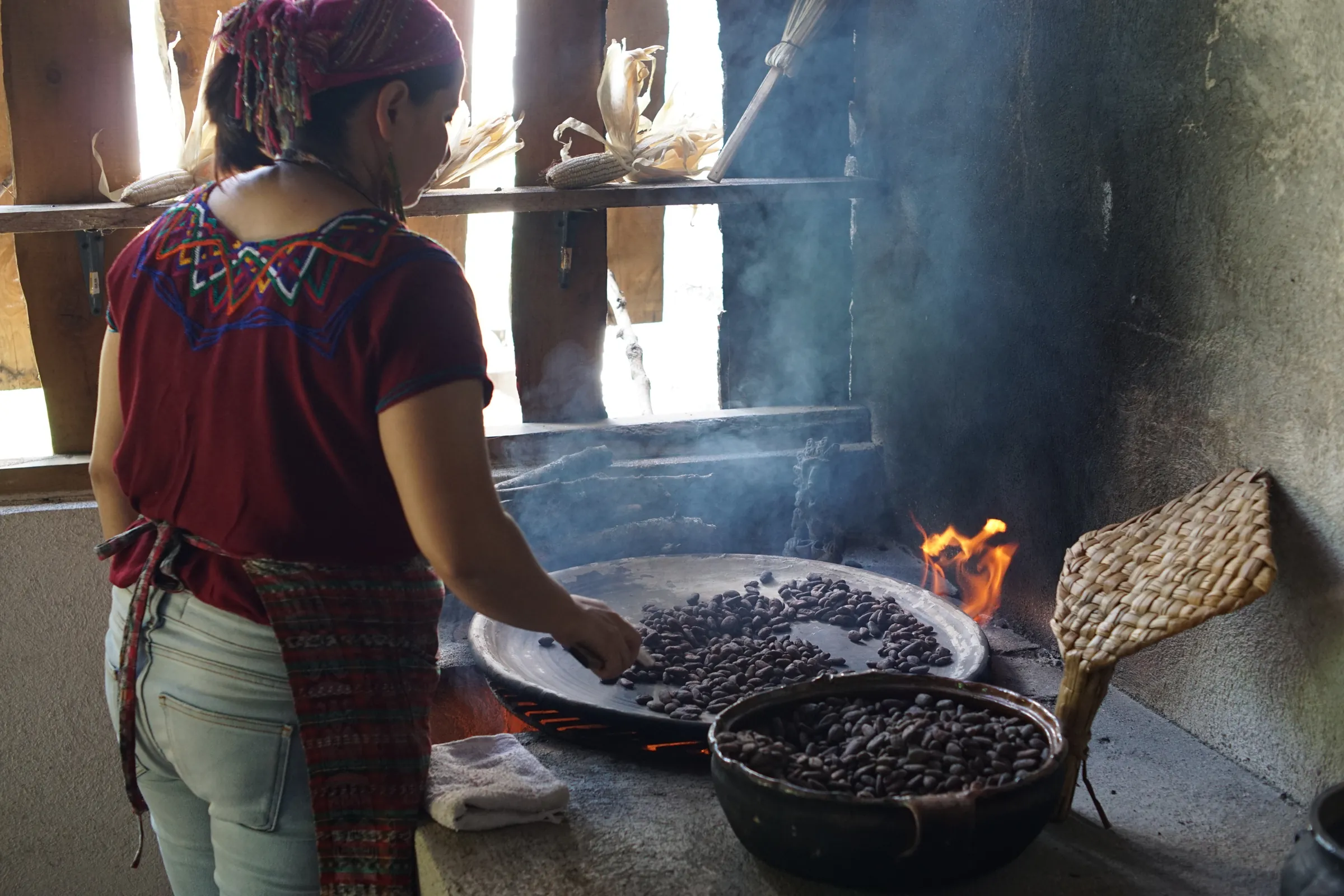
| Coffee harvest | November through March | Antigua, Lake Atitlán, Cobán, and other highland coffee regions | Harvest timing varies with elevation and rainfall. Some farms offer tours that explain picking, processing, drying, roasting, and the differences between Guatemala's coffee-growing regions. |
| Resplendent quetzal sightings | February through May | Biotopo del Quetzal, Sierra de las Minas, and cloud forests near Cobán | Breeding activity can make quetzals more noticeable during these months, but sightings remain unpredictable. Early morning walks with a local guide provide the best chance. |
| Giant Kite Festival | November 1 | Sumpango and Santiago Sacatepéquez | Communities create enormous handmade kites for All Saints' Day. The festival draws large crowds, so transportation and hotel arrangements should be planned well in advance. |
| Indigenous markets and cultural travel | Year-round | Chichicastenango, Sololá, Lake Atitlán, and the western highlands | Market days vary by town. Chichicastenango's main market takes place on Thursdays and Sundays, but smaller community markets can provide a more local experience. |
| Green landscapes and waterfalls | June through October | Semuc Champey, the Verapaces, Lake Atitlán, and the highlands | Rain brings fuller rivers, stronger waterfalls, and greener scenery. Roads and trails can become muddy, and heavy rainfall may occasionally affect access to more remote areas. |
| Birdwatching | November through April | Petén, the Verapaces, Lake Atitlán, and cloud forest reserves | Migratory birds join Guatemala's resident species during the Northern Hemisphere winter. Habitat and elevation matter as much as season, so multi-region itineraries produce the greatest variety. |
Frequently asked questions: weather in Guatemala
When is the best time to visit Guatemala?
The dry season, from November through April, generally offers the most reliable weather for exploring Antigua, Lake Atitlán, Tikal, and Guatemala's volcanoes. If you're looking for greener landscapes, fewer crowds, and better value, May, June, and November are excellent alternatives that often combine pleasant weather with lower hotel rates.
Does it rain all day during the green season?
Usually not. Throughout much of the green season, mornings are often sunny before showers develop during the afternoon or evening. Some days remain dry, while others bring heavier downpours. Rainfall is generally more frequent in Petén and the Caribbean lowlands than in Antigua, Lake Atitlán, or the central highlands.
Is Guatemala worth visiting during the rainy season?
Absolutely. The green season brings lush landscapes, flowing waterfalls, and quieter attractions throughout the country. While afternoon rain is common, it rarely prevents sightseeing, and many travelers appreciate the combination of lower hotel rates, fewer visitors, and vibrant scenery.

Which part of Guatemala has the best weather?
The central highlands, including Antigua and Lake Atitlán, enjoy pleasant temperatures throughout the year thanks to their higher elevation. Petén remains warmer and more humid year-round, while the Pacific and Caribbean coasts are typically hotter than the interior. Weather can vary considerably between regions, making it possible to experience several different climates on the same trip.
When is the cheapest time to visit Guatemala?
The best value is typically found from May through October, outside of major holidays. Hotel rates are often lower, availability improves, and popular destinations are noticeably quieter than during the peak dry season. May, June, and November generally offer one of the best balances of weather, value, and travel conditions.
How far in advance should I book?
If you're traveling during Christmas, New Year's, or Semana Santa, we recommend booking at least six months in advance, particularly if you plan to stay in Antigua or at one of Guatemala's boutique hotels. During the green season, you'll usually have more flexibility, although the country's most sought-after properties can still book well ahead of time.
Is Guatemala affected by hurricanes?
Guatemala's Caribbean coast can occasionally experience the effects of tropical storms during the Atlantic hurricane season, which officially runs from June through November. However, direct hurricane impacts are relatively uncommon. The more typical weather pattern is afternoon rainfall, particularly from June through October, while the highlands often continue to experience sunny mornings followed by afternoon showers.
Best time to visit Guatemala for...
| If you're looking for... | Best time to visit | Why |
|---|---|---|
| First-time visits | November through April | Dry weather makes it easier to combine Antigua, Lake Atitlán, Tikal, and Guatemala's volcanoes in a single itinerary. |
| Volcano hiking | November through April | Clearer skies, drier trails, and cooler temperatures create the most reliable conditions for climbing Acatenango, Pacaya, and other volcanoes. |
| Maya archaeology | November through April | Lower rainfall and slightly lower humidity make long days at Tikal, Yaxhá, Uaxactún, and other archaeological sites more comfortable. |
| Lake Atitlán | November through May | Dry-season mornings usually bring the clearest views across the lake, and the calmer early hours are often better for boat transfers between villages. |
| Semana Santa | March or April | Antigua hosts Guatemala's best-known Holy Week celebrations, with processions, religious ceremonies, and elaborate alfombras throughout the city. |
| Coffee harvest | November through March | Harvest season gives travelers a better chance to see coffee being picked and processed on farms around Antigua, Lake Atitlán, and Cobán. |
| Cultural festivals | March or April November | Semana Santa takes place in March or April, while November 1 brings the Giant Kite Festival in Sumpango and Santiago Sacatepéquez. |
| Birdwatching | November through April | Migratory birds join resident species, and cooler, drier conditions make outings in Petén, the Verapaces, and the highlands more comfortable. |
| Best value | May, June & November | Hotel rates are often lower, visitor numbers decrease, and many days still include long stretches of sunshine between showers. |
| Honeymoons | February through June November | These months offer a strong balance of pleasant weather, green scenery, boutique hotel availability, and comfortable conditions for combining Antigua, Lake Atitlán, and Petén. |
| Avoiding crowds | May, June & November | Visitor numbers fall after Semana Santa and before the Christmas holidays, creating a quieter experience in Antigua, Lake Atitlán, and Tikal. |

